
Fertility Symbols in Neolithic Art: Representations of Life and Abundance


Welcome to ArchaeologyHub.org, your gateway to unlocking the secrets of the past!
Delve into the fascinating world of archaeological discovery, where every artifact whispers a story of civilizations long gone. But what can ancient art tell us about the beliefs and values of the people who created it? Our latest exploration unearths the intricate Neolithic fertility symbol meanings, revealing how these powerful images shaped early societies and their understanding of life and abundance. Prepare to journey back in time and uncover the profound significance hidden within these ancient representations.
- Neolithic Fertility Symbols in Art: Representations of Life and Abundance
- Introduction: Understanding Neolithic Fertility Symbol Meanings
- Decoding Neolithic Fertility Symbols: A Visual Language of Life
- Interpreting Neolithic Fertility Symbolism: Context and Meaning
- Neolithic Fertility Symbols Across Geographic Regions
- The Legacy of Neolithic Fertility Symbols: Enduring Themes in Art and Culture
- Conclusion: Appreciating the Enduring Power of Neolithic Fertility Symbols
-
Frequently Asked Questions
- What are some common examples of Neolithic fertility symbols?
- Why were fertility symbols so prevalent in Neolithic art?
- Where have the most significant finds of Neolithic fertility symbols been located?
- How do interpretations of Neolithic fertility symbols vary among archaeologists?
- Can we definitively know the intended meaning of Neolithic fertility symbols?
- Final Reflection: Echoes of Creation
- Unearth Your Connection to Ancient Life!
Neolithic Fertility Symbols in Art: Representations of Life and Abundance
Introduction: Understanding Neolithic Fertility Symbol Meanings
The Significance of Art in Neolithic Societies
Art in Neolithic societies transcended mere aesthetics; it served as a profound reflection of their worldview, social structures, and daily existence. Unlike the mobile hunter-gatherers of the Paleolithic era, Neolithic communities were characterized by settled agricultural life, which brought new challenges and priorities. Their art, found on pottery, figurines, tools, and architectural elements, became a crucial medium for communication, ritual practice, and the transmission of knowledge across generations. It provided a visual vocabulary to articulate complex beliefs about the natural world, human existence, and the forces that governed their survival.
This shift in lifestyle directly influenced the themes expressed in their artistic output. While Paleolithic art often depicted large game animals relevant to hunting, Neolithic art increasingly focused on motifs related to agriculture, domestic animals, and human reproduction.
The intricate patterns on ceramic vessels, the carefully crafted anthropomorphic figurines, and the symbolic representations found in early settlements offer invaluable insights into their spiritual lives, economic concerns, and the deep connection they felt to the earth's generative powers. These artifacts are not just decorative; they are material expressions of deeply held beliefs, providing critical clues to understanding Neolithic fertility symbol meanings.
Fertility and Abundance: Core Themes in Neolithic Life
Fertility was arguably the most paramount concern for Neolithic communities, encompassing human reproduction, the successful propagation of livestock, and the abundant yield of crops. With the advent of agriculture around 10,000 BCE, the ability to cultivate food and sustain a growing population became foundational to societal stability and expansion. A bountiful harvest meant survival through winter, healthy livestock provided food and labor, and successful human reproduction ensured the continuity of the lineage and the workforce. The precariousness of early farming, subject to unpredictable weather and crop failures, amplified the importance of ensuring fertility in all its forms.
This pervasive concern for fertility and abundance permeated every aspect of Neolithic life, finding its most explicit and enduring expression in their art and material culture. From the exaggerated features of female figurines to the robust depiction of bulls and the intricate patterns of seeds on pottery, the artistic record consistently highlights these themes. The widespread prevalence of these symbols across diverse geographic regions underscores their universal significance to early farming communities. Understanding these artistic representations is key to deciphering the profound Neolithic fertility symbol meanings that underpinned their spiritual and practical lives.
Decoding Neolithic Fertility Symbols: A Visual Language of Life
Female Figurines: Representations of Mother Goddesses and Fertility
Female figurines constitute one of the most distinctive and widespread categories of Neolithic art, found across Europe, the Near East, and Asia. These small sculptures, often crafted from clay, stone, or bone, typically feature exaggerated anatomical characteristics associated with fertility, such as prominent breasts, wide hips, and enlarged abdomens. While their exact function and interpretation remain subjects of academic debate, they are widely understood to embody aspects of life-giving power, ancestral veneration, or a generalized concept of fertility. Their presence in domestic contexts, burial sites, and ritual spaces suggests their integral role in daily life and spiritual practices.
The consistent emphasis on reproductive features across diverse cultural contexts points towards a shared reverence for the generative capacity inherent in the female form. These figurines may have served as protective amulets, cultic objects in household shrines, or representations of a "Mother Goddess" figure central to their cosmology. Regardless of specific deity attribution, their ubiquity confirms the profound importance of human fertility and the continuity of life in Neolithic societies. Studying these artifacts is fundamental to grasping the multifaceted Neolithic fertility symbol meanings embedded within them.
The Venus Figurines: Iconic Examples of Neolithic Fertility Art
The term "Venus figurines" generally refers to a broader category of Upper Paleolithic and early Neolithic female statuettes, known for their often voluptuous forms. While many iconic examples like the Venus of Willendorf (estimated 30,000-25,000 BCE) predate the Neolithic, the tradition of creating similar figurines continued and evolved significantly into the Neolithic period.
These later Neolithic "Venus" types, such as those found at Çatalhöyük in Anatolia (c. 7500-5700 BCE) or the Cucuteni-Trypillia culture (c. 5200-3500 BCE) in Eastern Europe, often feature exaggerated breasts, buttocks, and abdomens, sometimes depicted in a seated or reclining posture, emphasizing their connection to parturition or earth-bound abundance.
These figurines were not merely decorative; their discovery in contexts like domestic shrines, burials, or ritual deposits suggests a profound ritualistic or symbolic purpose. For instance, the famous seated female figurine from Çatalhöyük, flanked by two felines, was found in a grain bin, implying a direct association with agricultural fertility and storage. Their consistent portrayal of the female body's life-giving capacity underscores their probable use in rituals aimed at ensuring successful childbirth, abundant harvests, or the overall prosperity of the community. These artifacts are prime examples of the deep-seated Neolithic fertility symbol meanings that shaped early human belief systems.
Regional Variations in Female Figurine Depictions
While the overarching theme of female fertility is consistent, Neolithic female figurines exhibit fascinating regional variations that reflect distinct cultural expressions and beliefs. In the Balkans, for example, the Vinca culture (c. 5500-4500 BCE) produced highly stylized anthropomorphic figurines, often with distinctive mask-like faces and elongated necks, sometimes adorned with complex incised patterns. These contrast sharply with the more naturalistic, often large-scale, and sometimes headless "Fat Lady" figures found in the temple complexes of Malta (c. 3600-2500 BCE), which appear to be central to monumental fertility cults.
Further east, in the Indus Valley (e.g., Mehrgarh, c. 7000-2500 BCE), early Neolithic female figurines are often more slender, with less exaggerated features, yet still convey a sense of feminine power. The variety in style, size, and material across these regions speaks to the diverse local interpretations of fertility, yet all converge on the fundamental importance of the female principle in generating life and abundance. These regional differences enrich our understanding of the multifaceted Neolithic fertility symbol meanings and how they were adapted to local contexts and spiritual traditions.
Animal Symbolism: Fertility and the Natural World
Animals played an indispensable role in Neolithic life, providing food, raw materials, and labor, particularly with the rise of domestication. Consequently, their characteristics, particularly their reproductive prowess and strength, were often imbued with symbolic meaning related to fertility and the broader natural world. The observation of animal behavior—their mating rituals, the birth of their young, and their ability to thrive—provided clear parallels to human desires for abundance and continuity. This close relationship fostered a symbolic language where certain animals became potent representations of generative power and life cycles.
Animal motifs appeared in various forms, including zoomorphic figurines, pottery decorations, and architectural elements. These representations were not merely decorative; they likely served to invoke the animals' desired attributes or to honor their life-sustaining contributions. The selection of specific animals for symbolic representation was often tied to their perceived virility, prolific breeding, or their association with vital resources. Understanding these animalistic representations is crucial for a comprehensive grasp of Neolithic fertility symbol meanings.
Bulls and Fertility: Power and Procreation in Neolithic Art
The bull emerged as a particularly potent symbol of power, virility, and procreation in many Neolithic cultures, especially in the Near East. Its immense strength, imposing presence, and role in herd reproduction made it a natural emblem of male generative force and agricultural prosperity.
At sites like Çatalhöyük (c. 7500-5700 BCE), bull horns and complete bull skulls (bucrania) were frequently incorporated into the architecture of dwellings and shrines, embedded into walls or platforms, suggesting a deep ritualistic significance. One particularly striking example from Çatalhöyük is Shrine VI.B.1, where numerous bucrania and bull heads modeled in plaster were found, indicating their central role in ritual practices.
Beyond architectural integration, bull imagery appeared in various forms, including small clay figurines and painted motifs on pottery. These representations likely served to invoke the bull's fertility and strength, ensuring the health and growth of domesticated herds, which were vital for sustenance and economic stability. The widespread veneration of the bull, evident from Anatolia to the Balkans, highlights its importance as a primary Neolithic fertility symbol meaning associated with the abundance of livestock and the virility essential for a thriving community.
Birds and Snakes: Symbolic Links to Fertility and Rebirth
Birds and snakes, though seemingly disparate, share a common thread in Neolithic symbolism related to fertility, regeneration, and the cyclical nature of life. Birds, particularly water birds, were often associated with eggs, nests, and the bringing of new life, embodying a connection to birth and the aerial realm. Figurines of birds, such as those found within the Vinca culture (c. 5500-4500 BCE) in present-day Serbia and Romania, sometimes exhibit anthropomorphic features and are thought to represent bird-headed deities or spirits linked to fertility and the domestic sphere. Their prevalence suggests a reverence for their life-giving attributes.
Snakes, on the other hand, with their ability to shed their skin, symbolized rebirth, renewal, and transformation. Their chthonic nature, emerging from and returning to the earth, also linked them to earth fertility and the underworld.
While less overtly common as direct fertility symbols than female figurines or bulls, snake motifs occasionally appear on Neolithic pottery or as small coiled figurines, hinting at their role in beliefs surrounding regeneration and the life-death cycle. The combination of these creatures in iconography reflects a holistic understanding of the natural world's generative and regenerative powers, contributing to the rich tapestry of Neolithic fertility symbol meanings.
Plant Motifs: Agricultural Abundance and Fertility
The Neolithic Revolution, marked by the systematic cultivation of plants, fundamentally transformed human societies. With agriculture came an acute awareness of the plant life cycle—from seed to sprout, growth, harvest, and decay—which became a powerful metaphor for life, death, and renewal. Consequently, plant motifs became intrinsic to Neolithic art, directly symbolizing agricultural abundance, sustenance, and the fertility of the land itself. These motifs were not merely decorative; they were visual prayers for bountiful harvests and the continuation of life.
The prosperity of a Neolithic community was directly tied to the success of its crops. Therefore, the artistic representation of plants, particularly those providing staple foods, served as a constant reminder of their dependence on the earth's generosity. These motifs appeared on pottery, tools, and sometimes even in stylized forms in architecture, reinforcing the deep connection between human existence and the vitality of the plant kingdom. The integration of plant motifs into their material culture underscores their profound Neolithic fertility symbol meanings tied to sustenance and prosperity.
Grain and Seeds: Symbols of Harvest and Sustenance
Grain and seeds, the very foundation of Neolithic agricultural societies, were potent symbols of harvest, sustenance, and future life. The act of planting a small, seemingly inert seed and witnessing its transformation into a life-sustaining plant was undoubtedly perceived as miraculous and deeply symbolic of fertility and regeneration. While direct, realistic depictions of individual grains or seeds might be rare due to the scale of art, abstract patterns on pottery often evoke the idea of fields, stalks, or the repetitive abundance of cultivated crops.
For instance, some early Neolithic pottery from the Near East and Europe features incised or painted patterns that could be interpreted as stylized representations of grain stalks or the orderly rows of planted fields. The emphasis on geometric and repetitive designs might symbolically represent the desired regularity and abundance of agricultural yields.
The presence of grain bins and storage vessels in excavations, often decorated, further highlights the sacredness of stored grains, which represented survival and the promise of future harvests. These practical and artistic connections illuminate the direct Neolithic fertility symbol meanings associated with the very source of their livelihood.
The Tree of Life: Representing Growth and Regeneration
The concept of a "Tree of Life," or a sacred tree representing growth, interconnectedness, and regeneration, while more explicitly developed in later civilizations, finds its roots in Neolithic perceptions of nature. Although rarely depicted as a literal tree with branches and leaves in early Neolithic art, the underlying symbolism of a central, life-giving plant force was profoundly influential. The annual cycle of trees—shedding leaves in autumn and bursting forth with new life in spring—offered a powerful metaphor for renewal and the cyclical nature of existence.
Stylized plant motifs, sometimes resembling branching patterns or root systems, can be found on Neolithic pottery and artifacts, particularly in regions where forests were prominent. These abstract designs might have served as visual representations of the vital force that permeated the natural world, connecting the earth to the sky and symbolizing the continuous flow of life. The reverence for ancient groves or individual trees, which would have provided shelter, food, and materials, could have fostered this symbolic association, making the "tree" a subtle yet powerful Neolithic fertility symbol meaning for enduring growth and regeneration.
Interpreting Neolithic Fertility Symbolism: Context and Meaning
Archaeological Context: Unveiling the Ritual Significance
Interpreting the meaning of Neolithic fertility symbols is a complex endeavor that heavily relies on archaeological context. The location where an artifact is discovered—whether in a domestic setting, a burial site, a specialized ritual space, or a refuse pit—provides crucial clues to its original function and significance.
For instance, a female figurine found within the foundations of a house might suggest a protective role for the dwelling and its inhabitants, whereas one interred with a burial might signify hopes for regeneration or connection to an ancestral lineage. The association with other artifacts, such as tools, animal bones, or plant remains, further enriches our understanding of the symbol's ritual significance.
Furthermore, the physical state of the artifact itself—whether intact, intentionally broken, or showing signs of wear—can offer insights into its use. For example, figurines with smoothed surfaces might indicate frequent handling during rituals. Multidisciplinary approaches, incorporating archaeobotany, archaeozoology, and geological analysis, help reconstruct the environmental and social landscape in which these symbols operated. By piecing together these contextual clues, archaeologists can move beyond mere description to propose more nuanced interpretations of the powerful Neolithic fertility symbol meanings that shaped these ancient societies.
The Role of Fertility Symbols in Neolithic Rituals and Beliefs
Fertility symbols were not passive artistic creations; they were active components in the daily lives and spiritual practices of Neolithic communities. These symbols served as tangible expressions of deeply held beliefs about the forces governing life, death, and regeneration. Their consistent presence across diverse sites indicates that they played a central role in rituals aimed at ensuring the success of critical life processes: human reproduction, the health and proliferation of domesticated animals, and the abundance of agricultural yields. These rituals were likely performed to maintain cosmic balance, appease divine forces, or simply to express gratitude and hope.
The very act of creating these symbols, often with considerable care and skill, suggests a profound investment in their efficacy. Whether used in private household rites or larger communal ceremonies, these artifacts embodied the hopes and fears of societies deeply dependent on the fertility of their environment. Their integration into various aspects of material culture—from figurines to pottery decorations—underscores a holistic worldview where the sacred was intertwined with the mundane. Unpacking their role in rituals is essential for a comprehensive understanding of Neolithic fertility symbol meanings.
Fertility Rituals and Agricultural Practices
The strong connection between fertility symbols and agricultural practices is evident in many Neolithic archaeological contexts. As farming became the cornerstone of sustenance, rituals aimed at ensuring bountiful harvests became paramount. It is hypothesized that female figurines, animalistic representations, or stylized plant motifs were sometimes incorporated into agricultural rites. For instance, figurines might have been ritually buried in fields at planting time to encourage crop growth, or offerings involving symbolic grains might have been made at harvest festivals to express gratitude and secure future yields.
The cyclical nature of agriculture, with its seasons of planting, growth, and harvest, mirrored the cycles of human and animal reproduction, reinforcing the symbolic links. Excavations have revealed instances of objects, including small figurines or miniature tools, found in association with storage pits or granaries, suggesting their role in safeguarding the food supply. These practices highlight a direct, practical application of Neolithic fertility symbol meanings, where art and ritual converged to influence the very survival and prosperity of the community.
The Connection Between Art and Spirituality in Neolithic Cultures
In Neolithic cultures, art was inextricably linked to spirituality, serving as a primary medium for expressing and engaging with the sacred. Symbols, whether abstract or representational, acted as conduits to the divine or powerful natural forces. The creation and use of fertility symbols were not merely artistic endeavors but acts of spiritual significance, intended to invoke, honor, or influence the generative powers of the cosmos. The repetitive use of certain motifs across different artifacts and sites suggests a shared symbolic language that transcended individual artists or specific communities.
This profound connection meant that spiritual beliefs were not confined to separate temples or specific sacred objects but permeated everyday life. Pottery, often used for food preparation and storage, frequently bore fertility-related designs, suggesting that even mundane activities were imbued with spiritual meaning. The integration of anthropomorphic and zoomorphic figures into domestic architecture, as seen at Çatalhöyük, further demonstrates how art served to anchor spiritual beliefs within the very fabric of the community. This holistic approach reveals that Neolithic fertility symbol meanings were fundamental to their understanding of the world and their place within it.
Neolithic Fertility Symbols Across Geographic Regions
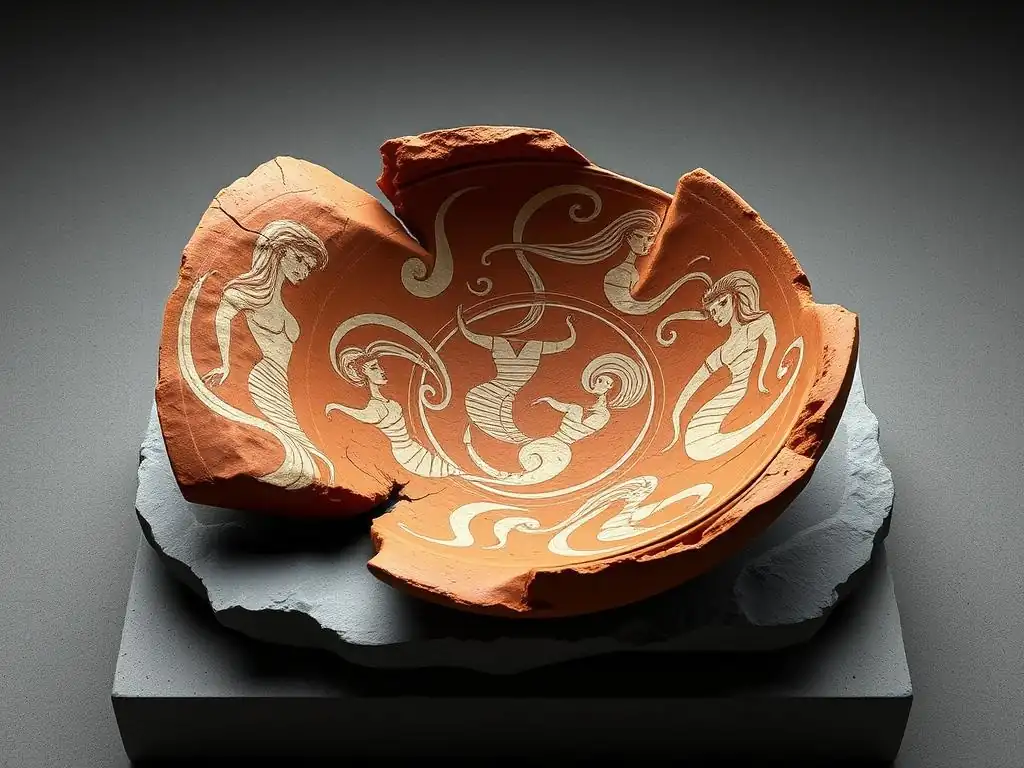
Fertility Symbols in the Near East: The Cradle of Agriculture
The Near East, often regarded as the "Cradle of Agriculture," provides some of the earliest and most compelling evidence of Neolithic fertility symbols, reflecting the region's pioneering role in the agricultural revolution. At sites like Çatalhöyük in modern-day Turkey (c. 7500-5700 BCE), the iconography is particularly rich.
Here, numerous female figurines, often depicted as corpulent or giving birth, have been found in domestic shrines and associated with grain storage, strongly linking them to both human and agricultural fertility. The widespread presence of bull horns and bucrania embedded in walls, such as in the famous "Shrine VI.B.1," underscores the bull's symbolic importance for male virility and the productivity of herds.
Further south, at sites like Jericho in the Levant (Pre-Pottery Neolithic A, c. 8500-7000 BCE), plastered human skulls, meticulously recreated with features and sometimes shells for eyes, are thought to represent ancestor veneration. While not directly "fertility symbols" in the conventional sense, they signify a strong connection to lineage, continuity, and the past, which are indirect forms of ensuring the community's future and, by extension, its fertility. The unique expressions of Neolithic fertility symbol meanings in the Near East are deeply intertwined with the region's agricultural origins and the foundational importance of human and animal reproduction.
Fertility Symbols in Europe: From the Mediterranean to the North
Neolithic Europe exhibits a diverse yet consistently themed array of fertility symbols, reflecting regional cultural developments while sharing common underlying concerns. In the Balkans, the Vinca culture (c. 5500-4500 BCE) is renowned for its distinctive anthropomorphic figurines, often with prominent features and enigmatic bird-like faces, widely interpreted as representations of a fertility goddess or ancestral figures. Many of these figurines have been found in domestic contexts, suggesting their role in household rituals related to well-being and abundance.
Moving to the Mediterranean, the megalithic temple complexes of Malta (c. 3600-2500 BCE) contain colossal, often steatopygous (large-hipped) female figures, such as the "Sleeping Lady" from the Hypogeum of Hal Saflieni. These monumental sculptures suggest a highly organized fertility cult, likely associated with rites of passage, birth, and agricultural prosperity.
In Northern Europe, while large figurines are less common, abstract symbols on pottery and in passage graves (e.g., Newgrange, Ireland, c. 3200 BCE) often incorporate spirals, circles, and cup-marks, which some scholars interpret as stylized representations of female genitalia or cyclical patterns of life and death, reinforcing the pervasive nature of Neolithic fertility symbol meanings across the continent.
Fertility Symbols in Asia: Diverse Representations of Life and Abundance
Asian Neolithic cultures also provide rich evidence of fertility symbolism, often adapted to local environmental and cultural contexts. In East Asia, particularly within the Yangshao culture of China (c. 5000-3000 BCE), pottery designs frequently feature fish and frog motifs. These aquatic creatures, known for their prolific reproduction and association with water—a vital element for agriculture—are often interpreted as symbols of fertility and abundance, particularly in a region reliant on river systems for farming. The stylized fish patterns on bowls from Banpo village are prime examples of this symbolic connection.
Further south, in South Asia, sites like Mehrgarh in present-day Pakistan (c. 7000-2500 BCE) reveal early Neolithic female figurines, often in terracotta, echoing the widespread tradition of venerating the female principle for fertility. As the culture evolved, bull figurines also became prominent, similar to the Near East, reflecting the growing importance of cattle in their agricultural economy and their symbolic association with strength and procreation. These diverse representations across Asia underscore the universal human preoccupation with life's generative forces, expressed through distinct regional Neolithic fertility symbol meanings.
The Legacy of Neolithic Fertility Symbols: Enduring Themes in Art and Culture
The Persistence of Fertility Symbolism in Later Civilizations
The core Neolithic fertility symbol meanings did not vanish with the end of the Stone Age; rather, they evolved and persisted, profoundly influencing the art and belief systems of subsequent civilizations. In the Bronze Age, for instance, Minoan Crete (c. 2700-1450 BCE) saw the emergence of snake goddesses, often depicted with bare breasts and holding snakes, which are interpreted as a continuation of ancient fertility and chthonic powers. The Cycladic figurines (c. 3200-2000 BCE) from the Aegean, with their abstract female forms, also resonate with the earlier Neolithic tradition.
As societies became more complex, these primordial fertility concepts were often absorbed into formal pantheons. Greek goddesses like Demeter (goddess of the harvest and fertility) and Aphrodite (goddess of love, beauty, pleasure, and procreation) clearly demonstrate a continuity of themes. Similarly, their Roman counterparts, Ceres and Venus, embody the same fundamental concerns for agricultural abundance and human reproduction. This enduring legacy highlights how deeply ingrained these Neolithic fertility symbol meanings were in the human psyche, adapting to new cultural expressions while maintaining their fundamental relevance.
Modern Interpretations of Neolithic Fertility Symbol Meanings
In contemporary scholarship and artistic practice, the Neolithic fertility symbol meanings continue to captivate and inspire. Modern archaeologists and art historians delve into these ancient artifacts not just as historical curiosities but as windows into humanity's earliest attempts to comprehend and influence the forces of life. Interpretations often move beyond simplistic "Mother Goddess" theories to explore nuances of gender roles, economic practices, and the complex interplay between humans and their environment in pre-literate societies.
Beyond academia, contemporary artists and cultural movements often draw inspiration from these ancient symbols. Feminist art, for example, has reappropriated female figurines as powerful symbols of female agency, creativity, and connection to nature. Ecological movements sometimes reference these symbols to emphasize humanity's fundamental dependence on the earth's fertility and the importance of sustainable practices. This ongoing engagement demonstrates that the profound Neolithic fertility symbol meanings, representing life, abundance, and regeneration, remain deeply resonant and relevant in our modern world.
Conclusion: Appreciating the Enduring Power of Neolithic Fertility Symbols
The study of Neolithic art reveals a profound and universal preoccupation with fertility and abundance, manifesting in a rich tapestry of symbols across diverse cultures and geographic regions. From the ubiquitous female figurines embodying life-giving power to the robust imagery of bulls representing virility and the subtle patterns of grain signifying sustenance, these artifacts articulate the core concerns of early agricultural societies. The Neolithic fertility symbol meanings embedded within these artistic expressions provide invaluable insights into their spiritual beliefs, daily rituals, and their deep connection to the natural world.
These ancient symbols were not merely decorative; they were active participants in a worldview where the sacred was interwoven with the mundane, reflecting humanity's earliest attempts to understand and influence the forces that governed their survival and prosperity. The enduring legacy of these Neolithic fertility symbol meanings is evident in their persistence in later civilizations and their continued relevance in contemporary interpretations. By appreciating the complexity and ubiquity of these symbols, we gain a deeper understanding of our shared human heritage and the primordial expressions of life, death, and regeneration that continue to resonate through time.
Frequently Asked Questions
What are some common examples of Neolithic fertility symbols?
Common examples include Venus figurines, depicting exaggerated female features, and abstract vulva symbols, often found carved into rocks or pottery. These symbols are thought to represent female reproductive power.
Why were fertility symbols so prevalent in Neolithic art?
The Neolithic period saw the rise of agriculture, making fertility crucial. Fertility symbols likely reflected a desire for successful harvests, healthy livestock, and human procreation to ensure survival and prosperity.
Where have the most significant finds of Neolithic fertility symbols been located?
Significant finds have been located across Europe and the Near East, including sites in modern-day Turkey (Çatalhöyük), the Balkans (Vinča culture), and various locations in France and Spain.
How do interpretations of Neolithic fertility symbols vary among archaeologists?
Interpretations range from simple representations of female fertility and motherhood to more complex ideas about ancestor veneration and the cycle of life and death. Some scholars also suggest they represented powerful goddesses.
Can we definitively know the intended meaning of Neolithic fertility symbols?
No, we cannot know the intended meaning with complete certainty. However, by studying their context within Neolithic settlements, analyzing their iconography, and comparing them to other cultural artifacts, we can form educated hypotheses.
Final Reflection: Echoes of Creation
The exploration of Neolithic fertility symbols, as we've seen, isn't merely an archaeological exercise; it's a profound connection to the very roots of human civilization. The enduring power of these symbols lies in their ability to communicate universal desires for life, abundance, and continuity, desires that resonate just as strongly today as they did millennia ago. These ancient artifacts remind us that our fundamental needs and aspirations are deeply intertwined with those of our ancestors.
The study of Neolithic fertility symbols has profoundly shaped our understanding of early human societies, revealing their deep connection to the natural world and their reverence for the life-giving forces within it. This connection serves as a powerful reminder of our own responsibility to nurture and protect the planet that sustains us. The earth does not belong to man, man belongs to the earth.
- Chief Seattle. This ancient wisdom, echoed in the art of the Neolithic period, urges us to reconsider our relationship with the environment and to embrace a more sustainable way of life.
As we conclude this journey into the world of Neolithic fertility symbols, let us carry forward the lessons learned. Consider how these ancient representations of life and abundance can inspire you to cultivate a deeper appreciation for the natural world, to nurture your own creative potential, and to contribute to a future where life flourishes for generations to come. Let the echoes of creation resonate within you, guiding you towards a more meaningful and fulfilling existence.
Unearth Your Connection to Ancient Life!
Thank you for delving into the world of Neolithic art and its fertility symbols! We hope you found insightful connections to how early humans perceived life and abundance. Now, let's bring that knowledge to life in practical ways.
Here are a few things you can do next:
- Create your own modern fertility symbol inspired by Neolithic art. What shapes and materials would you use to represent life and abundance today?
- Explore the art of other ancient cultures and compare their fertility symbols. What common themes and unique expressions can you find?
- Share this article with a friend and discuss how the Neolithic understanding of fertility resonates (or doesn't resonate) with modern perspectives on life and abundance.
What modern symbol do you believe best represents fertility and abundance in today's world? Share your thoughts in the comments!