
Public Archaeology and Chang'an: Engaging Visitors with Xi'an's Ancient Imperial Past

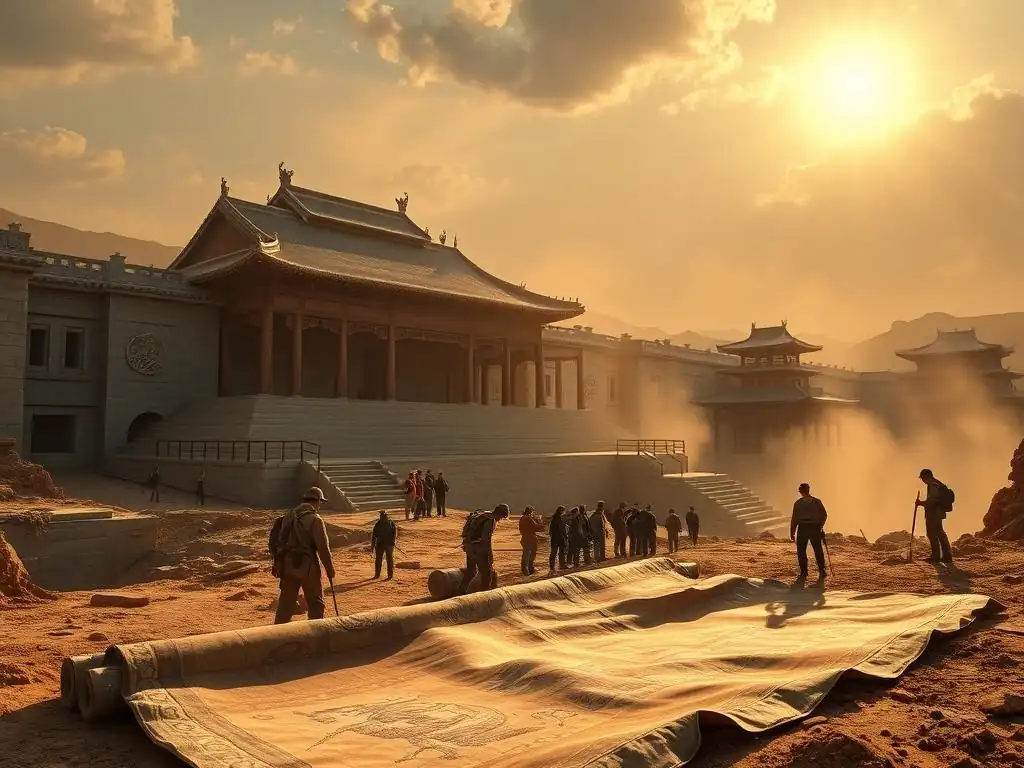
Welcome to ArchaeologyHub.org, your gateway to unlocking the secrets of the past! Ever wondered how ancient cities like Xi'an, once the glorious capital of Chang'an, are brought to life for modern audiences? Dive into our latest exploration of Xi'an Chang'an archaeological tourism to discover how public engagement transforms historical sites into vibrant, educational experiences. Prepare to uncover the stories behind the stones and the innovative methods used to connect visitors with China's captivating imperial past. Let the journey begin!
- Public Archaeology and Xi'an: Engaging Visitors with the Tang Dynasty Capital
- Introduction: Xi'an's Archaeological Legacy and Public Engagement
- Understanding Chang'an: A Historical and Archaeological Overview
- Public Archaeology Initiatives in Xi'an: Showcasing Tang Dynasty Heritage
- Engaging Visitors: Strategies for Effective Archaeological Tourism in Xi'an
- Case Studies: Public Archaeology at Specific Sites in Xi'an
- Challenges and Opportunities in Xi'an's Archaeological Tourism
- Conclusion: The Enduring Value of Public Archaeology in Xi'an
-
Frequently Asked Questions
- What makes Xi'an Chang'an a significant location for archaeological tourism?
- How does Public Archaeology contribute to the experience of visitors to Xi'an's archaeological sites?
- What types of archaeological discoveries can tourists expect to see in Xi'an?
- What excavation techniques are being used at the archaeological sites in Xi'an, and how are they impacting tourism?
- How does ArchaeologyHub.org help tourists plan their Xi'an Chang'an archaeological tourism trip?
- Final Reflection: Echoes of Chang'an in the Modern World
- Unearth Your Own Chang'an Adventure!
Public Archaeology and Xi'an: Engaging Visitors with the Tang Dynasty Capital
Introduction: Xi'an's Archaeological Legacy and Public Engagement
The Significance of Chang'an (Xi'an) as a Historical Capital
Xi'an, known as Chang'an in ancient times, holds an unparalleled position in Chinese history, serving as the capital for over a dozen dynasties, most notably the Tang Dynasty (618-907 AD). During its zenith under the Tang, Chang'an was the largest and most cosmopolitan city in the world, boasting a population estimated at over one million within its city walls and suburbs.
It stood as the eastern terminus of the Silk Road, a vibrant hub of international trade, cultural exchange, and political power, influencing East Asia and beyond. Its meticulously planned grid layout, imperial palaces, and grand Buddhist temples were testaments to its advanced urban planning and cultural sophistication.
The archaeological legacy of Chang'an is immense, with centuries of history buried beneath the modern city of Xi'an. Continuous archaeological discoveries reveal layers of imperial residences, bustling marketplaces, religious institutions, and residential districts. The enduring presence of the Ming Dynasty city wall, largely built on Tang foundations, provides a tangible link to its past grandeur. The sheer scale and historical depth make Xi'an a unique open-air museum, where every new construction project often unearths further evidence of its rich imperial past, solidifying its importance for understanding ancient Chinese civilization.
The Role of Public Archaeology in Interpreting Chang'an's Heritage
Public archaeology in Xi'an serves as a crucial bridge between academic archaeological research and the general populace, making the profound discoveries of Chang'an's heritage accessible and relevant to a broader audience. Given the fragmented nature of many ancient remains, public archaeology initiatives transform complex historical data into engaging narratives, allowing visitors to comprehend the scale and significance of what often appears as mere foundations or scattered artifacts. This approach is vital for fostering a deeper appreciation for the city's ancient roots and the intricate lives of its past inhabitants.
By actively engaging the public, public archaeology initiatives in Xi'an not only educate but also cultivate a sense of stewardship and responsibility towards heritage preservation. Through guided tours, interactive exhibits, and educational programs, visitors gain insights into excavation techniques, the challenges of archaeological interpretation, and the ongoing efforts to protect these irreplaceable historical assets. This engagement transforms passive observation into an active learning experience, ensuring that the historical narrative of Chang'an resonates with contemporary society and encourages ongoing support for archaeological endeavors.
Archaeological Tourism in Xi'an: Connecting the Past and Present
Archaeological tourism in Xi'an offers a unique opportunity for visitors to directly engage with the tangible remnants of Chang'an's imperial past, creating a powerful connection between the ancient world and modern life. Unlike many historical destinations where the past is confined to museums, Xi'an's archaeological sites are often integrated into the urban fabric or presented as vast heritage parks, allowing visitors to walk upon the very ground where emperors once trod or merchants exchanged goods. This immersive quality makes Xi'an Chang'an archaeological tourism a profound educational and cultural experience.
The appeal of Xi'an Chang'an archaeological tourism lies in its ability to bring history to life beyond textbooks. From exploring the monumental scale of palace foundations to witnessing the intricate details of unearthed artifacts, visitors gain a visceral understanding of the Tang Dynasty's achievements. This form of tourism not only enriches the visitor's cultural knowledge but also contributes significantly to the local economy, providing resources for further archaeological research, site maintenance, and community development, thereby ensuring the sustainable future of Xi'an's invaluable heritage.
Understanding Chang'an: A Historical and Archaeological Overview
Chang'an's Development: From Sui Dynasty Foundation to Tang Dynasty Flourishing
The magnificent city of Chang'an, largely known for its Tang Dynasty splendor, actually began its grand design under the preceding Sui Dynasty (581-618 AD). Emperor Wen of Sui commissioned the construction of Daxing City (later Chang'an) in 582 AD, envisioning a new capital that embodied imperial power and cosmic order.
This initial layout established the iconic grid plan, stretching approximately 9.7 kilometers from east to west and 8.6 kilometers from north to south, encompassing an area of about 84 square kilometers. This meticulous design included the Imperial City, the Palace City, and the vast Outer City, divided into 108 residential wards and two large markets, East and West.
Under the Tang Dynasty, Chang'an reached its zenith, becoming the largest and most prosperous city in the world. Its population swelled, attracting diplomats, merchants, scholars, and monks from across Asia and beyond, making it a truly cosmopolitan center.
The city's infrastructure was continuously developed, with sophisticated water management systems, grand avenues like the Vermillion Bird Avenue (Zhuque Dajie), and numerous Buddhist temples and Daoist monasteries. This flourishing period, particularly during the reigns of Emperor Taizong and Emperor Xuanzong, cemented Chang'an's reputation as a cultural, political, and economic powerhouse, a testament to which is continually unearthed through Xi'an Chang'an archaeological tourism.
Key Archaeological Sites in Xi'an: A Guide for Visitors
Xi'an is dotted with numerous archaeological sites that offer profound insights into its past as Chang'an, providing a rich itinerary for Xi'an Chang'an archaeological tourism. For the Tang Dynasty, key sites include the Daming Palace National Heritage Park, which preserves the vast imperial palace complex of the Tang emperors, covering an area over three times the size of the Forbidden City in Beijing.
Another significant Tang site is the Giant Wild Goose Pagoda, built in 652 AD to house Buddhist scriptures brought back by Xuanzang, and the Small Wild Goose Pagoda, erected between 707-709 AD, both offering insights into Tang Dynasty Buddhism and architecture.
Beyond the Tang, visitors can explore sites from earlier dynasties. The Han Yang Ling Mausoleum of Emperor Jingdi (188-141 BCE), located just north of Xi'an, offers a unique underground museum experience showcasing thousands of miniature terracotta figures from the Western Han Dynasty. The remains of the Weiyang Palace, the administrative heart of the Western Han Dynasty (206 BCE – 9 AD) and the largest palace ever built on Earth, also provide a sense of the grandeur that preceded Chang'an. These diverse sites collectively illustrate the layered history of Xi'an, making it a premier destination for archaeological exploration.
Archaeological Discoveries and Interpretive Considerations
Archaeological discoveries in Xi'an have consistently revealed the immense scale and intricate details of ancient Chang'an. Excavations at the Daming Palace site, for instance, have uncovered the foundational structures of grand halls, elaborate drainage systems, and evidence of vast imperial gardens, confirming historical accounts of its monumental size (approximately 3.2 square kilometers). Finds such as the exquisite gold and silver wares, vibrant murals, and intricately crafted pottery from Tang tombs not only provide insights into the daily life and artistic achievements of the elite but also shed light on the widespread trade and cultural exchange along the Silk Road.
However, interpreting these discoveries for public consumption presents unique challenges. Many sites, particularly those of vast urban complexes like Chang'an, consist primarily of foundational remains or buried layers, requiring significant interpretive effort to convey their original grandeur. Archaeologists and historians must meticulously reconstruct the past based on fragmentary evidence, historical texts, and comparative studies. The challenge lies in accurately presenting these interpretations to visitors, distinguishing between archaeological fact and informed speculation, ensuring that the Xi'an Chang'an archaeological tourism experience is both engaging and academically rigorous.
Public Archaeology Initiatives in Xi'an: Showcasing Tang Dynasty Heritage
Museum Exhibitions: Displaying Artifacts and Historical Context
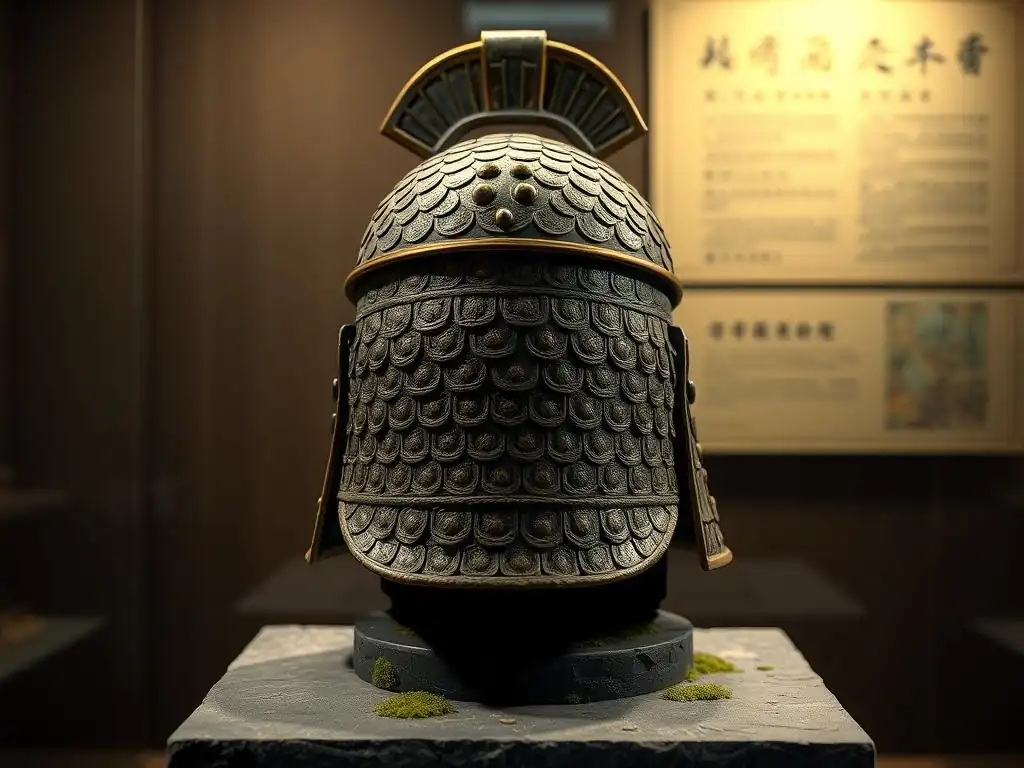
Museums in Xi'an play a pivotal role in public archaeology, offering meticulously curated exhibitions that display the vast array of artifacts unearthed from Chang'an and surrounding areas. The Shaanxi History Museum, for example, houses over 370,000 items, with a significant portion dedicated to the Tang Dynasty, including stunning gold and silver vessels, vibrant Tang Sancai (three-color glazed pottery) figures, and intricate bronze mirrors.
These artifacts are presented with detailed historical context, allowing visitors to trace the evolution of Chinese civilization from prehistoric times through the Tang Dynasty. The museum typically attracts millions of visitors annually, highlighting its importance in Xi'an Chang'an archaeological tourism.
Similarly, the Xi'an Museum, located within the Small Wild Goose Pagoda complex, focuses specifically on the history of Xi'an itself, showcasing artifacts that directly illustrate the city's development as Chang'an. Exhibitions often utilize multimedia displays, interactive panels, and well-designed dioramas to bring the ancient capital to life. These museum settings provide a controlled environment where delicate artifacts can be preserved and interpreted, offering a comprehensive and accessible overview of Tang Dynasty life, art, and imperial power, making them essential components of any Xi'an archaeological journey.
On-Site Interpretation: Guiding Visitors Through Imperial Palace and Temple Sites
On-site interpretation at Xi'an's archaeological parks is crucial for helping visitors visualize the former grandeur of sites where only foundations or partial structures remain. At the Daming Palace National Heritage Park, for instance, extensive signage, detailed maps, and elevated viewing platforms guide visitors across its vast expanse, explaining the function of various halls, gates, and courtyards that once formed the heart of the Tang Empire. Interpretive panels often feature artistic renderings or historical illustrations, providing a visual bridge between the present-day remnants and their past glory.
Moreover, trained interpretive staff and knowledgeable guides enhance the visitor experience by offering narratives that weave together historical facts, archaeological findings, and cultural insights. They explain the architectural principles, the daily routines of emperors and courtiers, and the political significance of different areas within the palace complex. This direct human interaction allows for nuanced discussions and answers to specific questions, transforming a walk through ruins into an engaging journey back in time, thereby enriching the Xi'an Chang'an archaeological tourism experience significantly.
Reconstructed Spaces and Immersive Technologies: Visualizing Tang Dynasty Life
To enhance visitor comprehension and engagement, Xi'an utilizes reconstructed spaces and immersive technologies to visualize the splendor of Tang Dynasty life. A prime example of reconstruction is the Zichen Palace Gate at Daming Palace, which has been partially rebuilt to give visitors a tangible sense of the monumental scale of Tang architecture. Similarly, the Tang Paradise theme park, while a modern recreation, meticulously reconstructs Tang-era buildings, gardens, and waterways based on historical records, offering a living museum experience that complements the archaeological sites by providing a vivid backdrop of Tang culture.
Beyond physical reconstructions, digital technologies are increasingly employed to create immersive experiences for Xi'an Chang'an archaeological tourism. Augmented Reality (AR) and Virtual Reality (VR) applications allow visitors to overlay virtual reconstructions onto real archaeological sites using their smartphones or dedicated devices, enabling them to "see" the palace halls or bustling markets as they once stood. Museums and heritage parks also feature large interactive screens, 3D models, and holographic projections that bring ancient artifacts and historical scenes to life, making the complex history of Chang'an accessible and captivating for all ages.
Engaging Visitors: Strategies for Effective Archaeological Tourism in Xi'an
Educational Programs and Outreach: Promoting Understanding of Tang Culture
Effective archaeological tourism in Xi'an extends beyond mere sightseeing, incorporating robust educational programs and outreach initiatives aimed at promoting a deeper understanding of Tang culture and its historical context. Museums like the Shaanxi History Museum regularly host workshops for students and the general public on topics such as Tang Dynasty calligraphy, traditional Chinese painting, or the art of Tang Sancai pottery. These hands-on activities provide a tangible connection to ancient crafts and artistic expressions, fostering a more profound appreciation for the period.
Furthermore, heritage parks and archaeological sites often collaborate with local schools and universities to develop curriculum-aligned programs that bring history out of the classroom. These outreach efforts include guided tours specifically designed for different age groups, interactive storytelling sessions about historical figures from Chang'an, and even simulated archaeological digs for children. By engaging diverse audiences through these educational avenues, Xi'an aims to cultivate a new generation of heritage enthusiasts and guardians, ensuring the long-term value of Xi'an Chang'an archaeological tourism.
Digital Resources and Interactive Exhibits: Enhancing Visitor Engagement
Leveraging digital resources and interactive exhibits is a key strategy for enhancing visitor engagement in Xi'an's archaeological tourism. Official websites for major sites and museums provide extensive historical information, virtual tours, and downloadable guides, allowing visitors to plan their trip and deepen their knowledge before arrival. Mobile applications offer real-time interpretive content, audio guides, and GPS-enabled maps that guide users through vast sites like Daming Palace, providing context for every discovery.
Within museums and visitor centers, interactive exhibits transform passive viewing into dynamic participation. Touch-screen displays allow visitors to explore detailed maps of ancient Chang'an, virtually manipulate 3D models of artifacts, or watch animated recreations of historical events. Some exhibits even incorporate gamified elements, challenging visitors to solve historical puzzles or "build" a section of the ancient city, making the learning process entertaining and memorable. These technological advancements significantly enrich the Xi'an Chang'an archaeological tourism experience, catering to diverse learning styles and preferences.
Community Partnerships and Local Involvement: Integrating Local Perspectives
Integrating local communities into archaeological tourism initiatives in Xi'an is crucial for creating authentic and sustainable experiences while benefiting residents. Partnerships with local artisans, small businesses, and cultural groups can lead to the development of unique heritage-related products, traditional craft demonstrations near archaeological sites, or performances of Tang Dynasty music and dance. This not only provides economic opportunities for locals but also enriches the visitor's experience by offering genuine cultural exchange.
Moreover, involving local residents in heritage interpretation and site management fosters a sense of shared ownership and pride in Chang'an's legacy. Training programs for local guides, opportunities for community members to share personal stories related to the sites, and platforms for local feedback ensure that the narrative of Xi'an's past is not solely dictated by archaeologists but also resonates with the living heritage of its people. This collaborative approach strengthens the bond between the past and present, making Xi'an Chang'an archaeological tourism a truly holistic and inclusive endeavor.
Case Studies: Public Archaeology at Specific Sites in Xi'an
The Tang Paradise: Recreating a Tang Dynasty Royal Garden
The Tang Paradise is a large-scale cultural theme park in Xi'an, built on the site of the original Furong Garden, a royal garden of the Tang Dynasty. Opened in 2005, it is not an archaeological excavation site but a meticulously designed recreation that aims to bring the Tang Dynasty to life through its architecture, landscaping, and cultural performances. Spanning over 66 hectares, with 20 hectares of water area, it showcases various aspects of Tang culture, including poetry, music, dance, tea ceremonies, and imperial life, offering a vivid backdrop to the more subtle archaeological remains.
While it is a modern construction, Tang Paradise serves a significant public archaeology function by visualizing the grandeur and aesthetic of the Tang era. It allows visitors, especially families and those new to Chinese history, to immerse themselves in a recreated Tang environment, providing context for the archaeological sites where only foundations remain. Its nightly water-screen film and live performances draw substantial crowds, contributing significantly to the overall Xi'an Chang'an archaeological tourism experience by popularizing Tang history and culture in an accessible and entertaining format.
The Small Wild Goose Pagoda: Preserving a Buddhist Temple and its History
The Small Wild Goose Pagoda, built between 707 and 709 AD during the Tang Dynasty, stands as a remarkable example of Buddhist architecture and resilience in Xi'an. Originally part of the Jianfu Temple complex, it was constructed to house Buddhist scriptures brought back from India. The pagoda, reaching 43 meters in height, has remarkably survived several earthquakes over the centuries, losing only its top two stories but retaining its structural integrity, a testament to Tang engineering. It is also a UNESCO World Heritage site as part of the "Silk Roads: Chang'an-Tianshan Corridor."
Public archaeology efforts at the Small Wild Goose Pagoda focus on preserving its architectural heritage and interpreting its religious and historical significance. The Xi'an Museum is located within the temple grounds, displaying artifacts from various periods of Xi'an's history, complementing the pagoda's narrative. Visitors can explore the tranquil temple complex, view the ancient bell, and learn about the pagoda's role in Buddhist transmission along the Silk Road through interpretive signage. This site offers a serene yet deeply informative experience for Xi'an Chang'an archaeological tourism, connecting visitors with Tang Dynasty spirituality.
The Mausoleum of Emperor Jingdi (Han Yang Ling): Showcasing Han Dynasty Burials
The Han Yang Ling Mausoleum, the joint tomb of Emperor Jingdi and Empress Wang from the Western Han Dynasty (188-141 BCE), represents a groundbreaking approach to public archaeology located just north of Xi'an. Rather than fully excavating and removing artifacts, an innovative underground museum has been constructed directly over several burial pits. Visitors walk on reinforced glass floors, offering an unparalleled view of thousands of miniature terracotta figures, including soldiers, court ladies, eunuchs, animals, and daily life objects, all still in their original archaeological context.
This unique public archaeology strategy at Han Yang Ling allows for in-situ display, providing an intimate and direct encounter with Han Dynasty burial practices and the imperial court's daily life. The figures, though smaller than those at the Terracotta Army, offer incredibly detailed insights into clothing, hairstyles, and even the remnants of original paint. The climate-controlled environment and the immersive viewing experience make Han Yang Ling a highlight for Xi'an Chang'an archaeological tourism, demonstrating how archaeological sites can be presented with minimal disturbance while maximizing public engagement and educational value.
Challenges and Opportunities in Xi'an's Archaeological Tourism
Sustainable Tourism: Balancing Preservation and Visitor Access
One of the primary challenges facing Xi'an's archaeological tourism is striking a delicate balance between allowing broad public access to ancient sites and ensuring their long-term preservation. Popular sites like the Terracotta Army and Daming Palace attract millions of visitors annually, leading to concerns about wear and tear on historical structures, environmental impact, and potential damage to fragile archaeological remains. Managing large crowds, controlling humidity levels in underground exhibits, and preventing unauthorized interaction with artifacts are continuous concerns.
To address this, strategies for sustainable tourism are being implemented, including timed entry systems, designated walking paths that minimize impact, and continuous environmental monitoring. Significant investment is also directed towards advanced conservation techniques and ongoing archaeological research, which informs best practices for site management. The opportunity lies in developing innovative solutions that educate visitors about their role in preservation, foster responsible tourism behaviors, and secure sustainable funding models that ensure these irreplaceable cultural assets endure for future generations to experience through Xi'an Chang'an archaeological tourism.
Addressing Misinterpretations and Promoting Accurate Historical Narratives
A significant challenge in public archaeology, particularly in a city with such a rich and complex past as Xi'an, is preventing historical misinterpretations and ensuring that accurate historical narratives are promoted. Popular culture, simplified tourist narratives, and even some commercial recreations can sometimes distort or oversimplify historical facts, leading to misunderstandings about Chang'an's true nature, its people, and their achievements. The fragmentary nature of archaeological evidence also means that interpretation often involves a degree of scholarly debate.
To counter this, there is a continuous effort to base all public interpretive materials on rigorous academic research and archaeological findings. This involves close collaboration between archaeologists, historians, and museum educators. Training programs for tour guides emphasize historical accuracy and critical thinking, while clear distinctions are made between archaeological evidence, historical texts, and artistic reconstructions. The opportunity lies in leveraging scholarly expertise to create engaging yet precise narratives, ensuring that Xi'an Chang'an archaeological tourism is not only entertaining but also genuinely educational and intellectually responsible.
Future Innovations: Collaboration and Technological Advancements
The future of Xi'an's archaeological tourism holds immense opportunities for innovation, particularly through increased collaboration and the adoption of cutting-edge technologies. There is growing potential for international collaborations on archaeological research, conservation projects, and exhibition exchanges, allowing Xi'an to share its unique heritage with a global audience while benefiting from diverse perspectives and expertise. Joint projects could lead to new discoveries and more comprehensive understandings of Chang'an's international connections, enhancing its appeal for global visitors.
Technological advancements offer exciting possibilities for enhancing the visitor experience and site management. Further development of sophisticated AR/VR applications could create even more immersive and personalized tours, allowing visitors to customize their exploration of ancient Chang'an. AI-powered interpretive guides could provide real-time information based on visitor interests, while big data analytics could optimize visitor flow, reduce congestion, and inform conservation strategies. These innovations promise to transform Xi'an Chang'an archaeological tourism into an even more dynamic, accessible, and sustainable experience in the years to come.
Conclusion: The Enduring Value of Public Archaeology in Xi'an
Preserving Tang Dynasty Heritage for Future Generations
Public archaeology in Xi'an is fundamentally about preserving the magnificent Tang Dynasty heritage for future generations. By actively engaging the public through exhibitions, on-site interpretation, and educational programs, it cultivates a broad base of support and appreciation for archaeological sites and artifacts. This public awareness is critical for securing the necessary funding for ongoing research, conservation efforts, and the professional management of these invaluable cultural assets. Without public understanding and advocacy, the long-term protection of such vast and complex heritage would be significantly more challenging.
Moreover, public archaeology ensures that the stories embedded within the ruins and relics of Chang'an are not lost to time or confined to academic circles. It ensures that the grandeur of the Daming Palace, the spiritual significance of the Giant Wild Goose Pagoda, and the daily lives revealed at Han Yang Ling are understood and valued by a diverse audience. This shared appreciation becomes a powerful force for safeguarding Xi'an's past, transforming abstract historical preservation into a tangible, collective responsibility for all who visit and reside in this ancient capital.
Connecting People with the Past Through Archaeological Tourism
Xi'an Chang'an archaeological tourism serves as a powerful conduit for connecting people with the past, transforming historical facts into tangible, relatable experiences. It allows visitors to step onto the very ground where emperors ruled, monks translated scriptures, and merchants traded along the Silk Road, fostering a direct and emotional engagement with history. This immersive connection goes beyond mere intellectual understanding, inspiring curiosity, promoting cross-cultural appreciation, and providing unique insights into the achievements and daily lives of ancient civilizations.
By making archaeological discoveries accessible and meaningful, Xi'an's public archaeology initiatives demonstrate the enduring relevance of ancient history to contemporary society. It highlights how the innovations, challenges, and cultural exchanges of Chang'an continue to resonate today, offering lessons and inspirations from a vibrant imperial past. This ability to bridge millennia, making the ancient world feel immediate and personal, is the true strength and enduring value of archaeological tourism in Xi'an.
Xi'an as a Center for Public Archaeology and Heritage Management
Xi'an stands as a leading global example for the effective integration of archaeological research with public presentation and heritage management. Its vast array of archaeological sites, world-class museums, innovative interpretive centers, and ongoing commitment to public engagement position it at the forefront of public archaeology. The city's continuous efforts to balance preservation with access, utilize advanced technologies, and foster community involvement set a high standard for heritage stewardship worldwide.
The comprehensive approach adopted by Xi'an, from meticulous excavation to engaging digital reconstructions and educational outreach, offers a valuable model for other historical cities grappling with the challenges and opportunities of their archaeological pasts. By demonstrating how a rich historical legacy can be meticulously researched, carefully preserved, and dynamically shared with millions, Xi'an affirms its status not just as an ancient capital, but as a modern center for public archaeology and a beacon for responsible heritage management.
Frequently Asked Questions
What makes Xi'an Chang'an a significant location for archaeological tourism?
Xi'an, formerly known as Chang'an, was the ancient capital of China for several dynasties. This rich history has left behind a wealth of archaeological sites and artifacts, making it a prime destination for those interested in exploring China's imperial past.
How does Public Archaeology contribute to the experience of visitors to Xi'an's archaeological sites?
Public Archaeology focuses on engaging the public with archaeological findings. In Xi'an, this means providing interpretive displays, guided tours, and educational programs that enhance visitor understanding and appreciation of the sites.
What types of archaeological discoveries can tourists expect to see in Xi'an?
Visitors can expect to see a variety of sites, including the Terracotta Army, ancient city walls, imperial tombs, and the ruins of palaces. These discoveries offer insights into the lives and culture of people who lived in Chang'an.
What excavation techniques are being used at the archaeological sites in Xi'an, and how are they impacting tourism?
Modern excavation techniques, such as non-invasive imaging and digital documentation, are employed to preserve artifacts and sites. These methods allow for a more sustainable and informative tourism experience.
How does ArchaeologyHub.org help tourists plan their Xi'an Chang'an archaeological tourism trip?
ArchaeologyHub.org provides detailed information on historical sites, artifact profiles, and timelines related to Xi'an Chang'an. This allows tourists to research and plan a more informed and enriching visit to key archaeological locations.
Final Reflection: Echoes of Chang'an in the Modern World
The journey through Chang'an's archaeological past, as explored in this article, resonates profoundly with the present, highlighting the enduring power of cultural heritage in shaping contemporary tourism and identity. Xi'an's ancient imperial past isn't just a collection of excavated artifacts; it's a living narrative that continues to captivate and educate visitors, offering a tangible connection to a pivotal era in Chinese history. The careful application of public archaeology principles is crucial in ensuring this narrative is accessible, engaging, and respectful of the past.
The impact of Chang'an's legacy extends far beyond the museum walls and archaeological sites. It influences the cultural landscape of Xi'an, shaping the city's identity and attracting visitors from around the globe. My own fascination with the intricate details of Tang Dynasty architecture and the stories embedded within the unearthed relics underscores the profound connection we can forge with the past through thoughtful archaeological interpretation. We are not makers of history. We are made by history.
- Martin Luther King, Jr. This quote encapsulates the essence of why understanding and preserving sites like Chang'an is so vital; they shape who we are today.
As you reflect on the splendor of Chang'an and the efforts to bring its story to life, consider your own role in preserving and appreciating cultural heritage. How can you, as a traveler, a student, or simply a curious individual, contribute to the responsible exploration and understanding of historical sites? Let the echoes of Chang'an inspire you to seek out these connections to the past, to learn from them, and to share their stories with others, ensuring that the legacy of this ancient city continues to enrich our world for generations to come.
Unearth Your Own Chang'an Adventure!
Thank you for delving into the fascinating world of Chang'an and its public archaeology initiatives. Now that you've explored the efforts to connect visitors with Xi'an's imperial past, it's time to become an active participant in preserving and celebrating this rich heritage.
Here's how you can get involved:
- Plan a visit to Xi'an and immerse yourself in the tangible history of Chang'an. Explore the museums, archaeological sites, and historical landmarks firsthand, and reflect on the stories they tell.
- Share this article with friends, family, or fellow history enthusiasts to spark conversations about the importance of public archaeology and cultural preservation.
- Research and support organizations dedicated to archaeological research and education, both in China and around the world.
What unique aspect of Chang'an's history most inspires you to learn more and contribute to its preservation?