
Ahu Platforms as Markers of Lineage Territories and Ancestral Claims

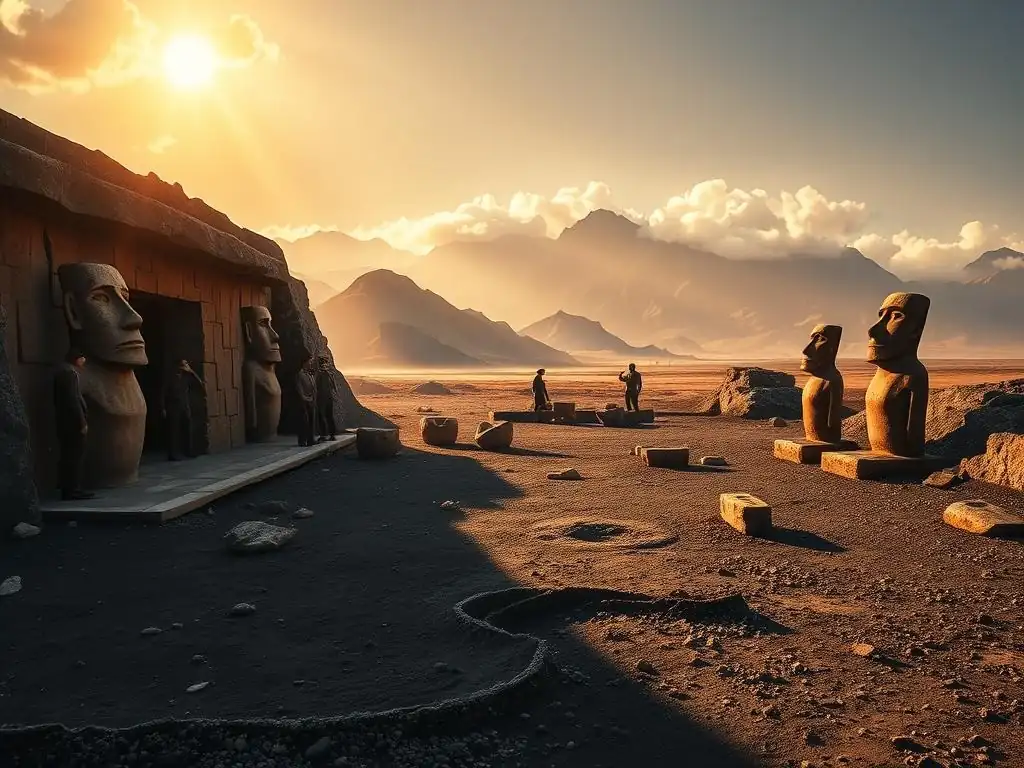
Welcome to ArchaeologyHub.org, your gateway to unraveling the mysteries of the past!
Ever wondered how ancient societies staked their claims to land and legacy? Our latest exploration delves into the fascinating world of Rapa Nui Ancestral Territory Claims, specifically examining how the iconic Ahu platforms served as more than just ceremonial sites. Discover how these monumental structures acted as powerful markers of lineage territories, offering a unique lens into the complex social and political landscape of Easter Island. Prepare to journey through time and uncover the secrets etched in stone!
- Ahu Platforms as Markers of Lineage Territories and Ancestral Claims in Rapa Nui
- Introduction: Understanding Rapa Nui Ancestral Territory Claims Through Ahu Platforms
- Ahu Platforms: Defining Lineage Territories in Rapa Nui
- Moai Statues and Ancestral Representation on Ahu
- Archaeological Evidence Supporting Territorial Claims
- The Impact of Resource Management on Rapa Nui Territory Control
- Rapa Nui Ancestral Claims Today: Modern Relevance
- Conclusion: Ahu Platforms as Enduring Symbols of Rapa Nui Ancestral Territory
-
Frequently Asked Questions
- What are Ahu platforms, and what is their significance in the context of Rapa Nui (Easter Island)?
- How do Ahu platforms relate to the concept of "Rapa Nui Ancestral Territory Claims," as discussed on ArchaeologyHub.org?
- Can ArchaeologyHub.org provide information about the specific construction and design variations of Ahu platforms and how these variations reflect lineage distinctions?
- What excavation techniques are used to study Ahu platforms, and how do these techniques help archaeologists understand Rapa Nui's history and territorial organization?
- How does ArchaeologyHub.org organize its information on Rapa Nui and Ahu platforms, allowing users to easily access and understand this complex topic?
- Final Reflection: Honoring the Past, Shaping the Future
- Unearth Your Connection: Explore the Secrets of Ahu!
Ahu Platforms as Markers of Lineage Territories and Ancestral Claims in Rapa Nui
Introduction: Understanding Rapa Nui Ancestral Territory Claims Through Ahu Platforms
The Significance of Ahu Platforms in Rapa Nui Archaeology
Ahu platforms stand as monumental testaments to the complex social and spiritual life of the ancient Rapa Nui people, more commonly known as Easter Islanders. Far from being mere pedestals for the iconic moai statues, these ceremonial structures were central to the island's cultural fabric, serving as focal points for ancestor worship, community gatherings, and, crucially, as markers of lineage identity and territorial claims. With over 300 known ahu scattered across the island's coastline and interior, their varying sizes and elaborate construction techniques underscore their profound importance in defining the social landscape and solidifying Rapa Nui ancestral territory claims.
Archaeological investigations have consistently highlighted the multifaceted role of ahu in Rapa Nui society. Each platform, often meticulously constructed from dry-laid stones weighing several tons, represented a significant investment of labor and resources, reflecting the power and status of the mata (lineage or clan) that built and maintained it. Understanding the distribution, construction, and ritual use of these platforms is therefore paramount to deciphering the intricate system of land tenure and the assertion of Rapa Nui ancestral territory claims that governed the island for centuries.
Rapa Nui (Easter Island): A Brief Overview of its Archaeological Landscape
Rapa Nui, a remote volcanic island in the southeastern Pacific Ocean, represents one of humanity's most isolated outposts of cultural development. Settled by Polynesian navigators around 1200 CE, the island's inhabitants developed a unique and sophisticated society characterized by monumental stone architecture, a distinctive script ( Rongorongo), and an elaborate ancestor cult centered on the construction of ahu and moai. The island's archaeological landscape is dominated by these impressive structures, which are typically found along the coast, facing inland, but also include numerous inland ahu.
Beyond the iconic ahu and moai, the archaeological record of Rapa Nui also encompasses a rich array of features that provide insights into daily life, resource management, and social organization. These include manavai (stone-lined garden plots), hare paenga (boat-shaped stone foundations for houses), ceremonial caves, and the vast quarries at Rano Raraku and Puna Pau, which supplied the volcanic tuff for the moai and the red scoria for their pukao (topknots). This rich tapestry of archaeological sites offers crucial evidence for understanding the dynamics of population growth, resource exploitation, and the assertion of Rapa Nui ancestral territory claims.
Ahu Platforms: Defining Lineage Territories in Rapa Nui
What are Ahu Platforms? Construction and Purpose
Ahu platforms are massive stone structures, often rectangular in shape, that served as the primary ceremonial and funerary sites for the Rapa Nui people. Typically constructed from basalt, volcanic tuff, and scoria, these platforms exhibit remarkable dry-masonry techniques, with stones precisely fitted without mortar. While their exact dimensions vary, some of the largest, like Ahu Tongariki, stretch over 100 meters in length and feature ramps, paving, and retaining walls, supporting multiple moai.
The primary purpose of an ahu was multifaceted: it served as a sacred space for ancestor veneration, a burial ground for high-ranking individuals, and a stage for communal rituals. Crucially, each ahu was intimately linked to a specific mata (lineage) and functioned as a physical embodiment of their identity and authority. The presence and maintenance of an ahu reinforced the lineage's control over the surrounding land and resources, thereby solidifying their Rapa Nui ancestral territory claims.
The Role of Ahu in Establishing Rapa Nui Lineage Boundaries
Each mata on Rapa Nui was associated with a specific territory, and the ahu platforms were instrumental in delineating and validating these lineage boundaries. An ahu, with its towering moai, acted as a visible and imposing marker, proclaiming the presence and authority of the lineage to all who approached. The construction and upkeep of these monumental structures required significant communal effort, fostering social cohesion within the mata and reinforcing its collective identity.
The size, complexity, and number of moai on an ahu often reflected the prestige and power of the lineage it represented. A larger, more elaborately constructed ahu with multiple moai signaled a powerful and influential mata with a strong claim to its ancestral lands. This physical manifestation of power was critical in a society where land and resources were finite, making the ahu a vital component in the assertion and defense of Rapa Nui ancestral territory claims.
Spatial Distribution of Ahu Platforms: Mapping Ancestral Domains
The spatial distribution of ahu platforms across Rapa Nui provides invaluable insights into the ancient patterns of settlement and the delineation of ancestral domains. The vast majority of ahu are situated along the island's coastline, with an average density of approximately one major ahu every 1.5 kilometers of shoreline. This coastal concentration suggests that the primary territories of the mata extended inland from these coastal hubs, encompassing agricultural lands and freshwater sources.
Archaeological mapping efforts have revealed distinct clusters of ahu, often separated by natural features like ravines or ridges, which are believed to correspond to the territories of different lineages. For instance, the northern coast, particularly the Poike peninsula, shows a different pattern of ahu distribution compared to the more densely populated western and southern coasts. This geographical patterning of ahu serves as a direct archaeological representation of the historical Rapa Nui ancestral territory claims, providing a tangible map of the island's socio-political divisions.
Moai Statues and Ancestral Representation on Ahu
The Connection Between Moai and Rapa Nui Ancestral Lineage
The moai statues, carved primarily from the volcanic tuff of Rano Raraku, are inextricably linked to the ahu platforms and the Rapa Nui ancestral lineage system. These monolithic figures are widely believed to represent deified ancestors ( aringa ora), embodying the spiritual essence and protective power of the lineage founders and prominent chiefs. Each moai was commissioned, carved, transported, and erected by a specific mata, symbolizing their connection to the past and their claim to the present.
The act of raising a moai onto its ahu platform was a momentous occasion, signifying the spiritual activation of the ancestor and the reinforcement of the lineage's prestige. The eyes of the moai, made from white coral and obsidian or red scoria, were ritually inserted to "open" the statue, allowing the ancestral spirit to gaze inland over the lineage's territory. This spiritual connection directly validated the Rapa Nui ancestral territory claims of the mata and ensured the well-being and fertility of their lands and people.
Ahu as Ceremonial Centers for Ancestor Veneration
Ahu platforms functioned as the primary ceremonial centers for ancestor veneration on Rapa Nui. Rituals performed at these sites included offerings of food, precious artifacts, and even human sacrifices in later periods, all aimed at appeasing and honoring the ancestral spirits embodied by the moai. These ceremonies were crucial for maintaining the social order, ensuring successful harvests, and seeking protection from rival lineages.
The sacred nature of the ahu and its moai imbued the surrounding territory with spiritual significance, strengthening the lineage's proprietary rights. Control over these vital ceremonial spaces was paramount, as it conferred religious authority and reinforced the Rapa Nui ancestral territory claims of the mata. Public ceremonies at the ahu served as a powerful reminder of the lineage's historical ties to the land and its spiritual protectors.
The strategic placement and orientation of moai on their ahu platforms offer profound insights into the social and political hierarchy of ancient Rapa Nui. Almost all moai faced inland, their backs to the sea, symbolically overseeing and protecting the lineage's lands, settlements, and people. This inward gaze reinforced the idea that the ancestors were guardians of the mata's territory, solidifying their Rapa Nui ancestral territory claims.
The sheer scale and number of moai on certain ahu, such as the impressive 15 moai at Ahu Tongariki, speak volumes about the power, wealth, and influence of the lineages that constructed them. These monumental displays were not merely artistic endeavors but clear statements of social dominance and territorial assertion. Variations in moai style, size, and the inclusion of pukao (red scoria topknots) further differentiated lineages and reflected evolving political dynamics, all contributing to the visual and symbolic reinforcement of Rapa Nui ancestral territory claims.
Archaeological Evidence Supporting Territorial Claims
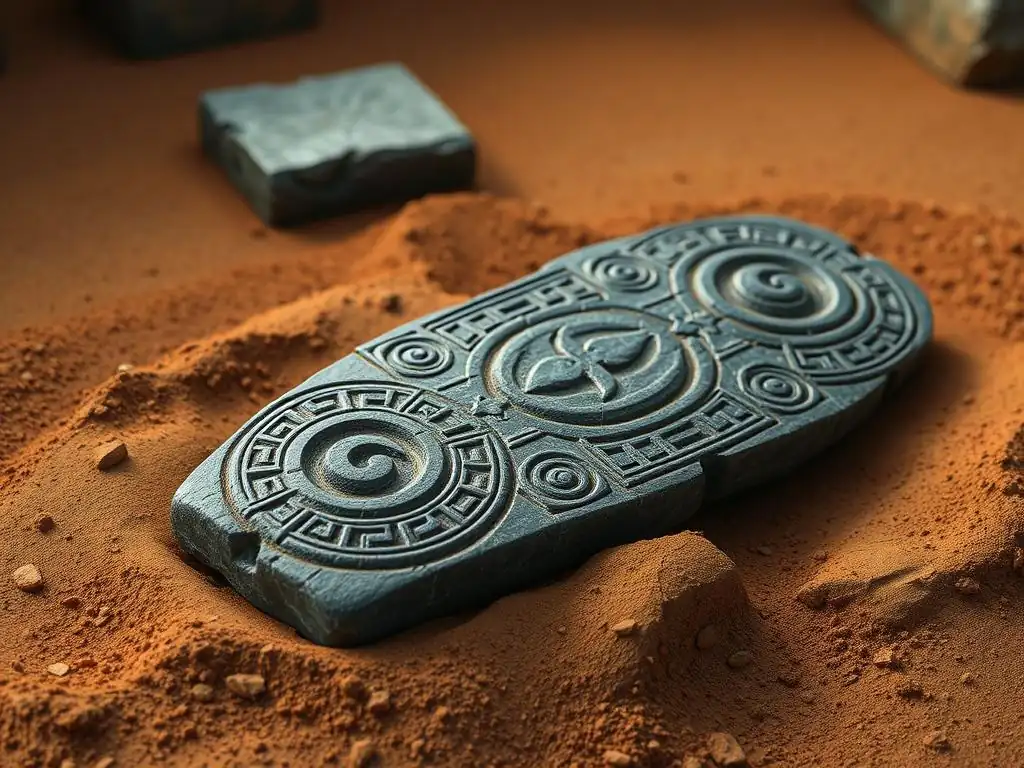
Excavations at Ahu Sites: Uncovering Lineage-Specific Artifacts
Excavations conducted at numerous ahu sites across Rapa Nui have yielded a wealth of archaeological evidence that strongly supports the concept of lineage-specific territories. Below the platforms and in associated habitation areas, archaeologists have uncovered distinct assemblages of artifacts, including obsidian tools ( mata'a), basalt adzes, fishhooks, and domestic implements. Analysis of these artifact types and their raw material sources can often link them to specific production centers or resource zones, thereby suggesting the territorial boundaries of the lineages that utilized them.
For example, studies of obsidian hydration dating and geochemical sourcing of mata'a have shown that while some obsidian was widely traded, certain tool types or their primary use areas might be concentrated within particular lineage territories. The presence of unique decorative elements on artifacts or specific burial practices within an ahu complex can further delineate the cultural expressions of individual mata, providing tangible proof of their distinct Rapa Nui ancestral territory claims.
Isotopic Analysis: Tracing Origins and Movement of Rapa Nui Populations
Isotopic analysis, particularly of strontium and oxygen isotopes from human skeletal remains and animal bones found at ahu burial sites, provides crucial evidence for understanding the origins and movement of Rapa Nui populations within and between territories. Strontium isotopes, for instance, reflect the geological composition of the environment where an individual lived and obtained their food and water. Variations in these isotopic signatures can indicate whether an individual resided primarily within the local territory of the ahu or if they migrated from another part of the island or even from outside Rapa Nui.
Studies have shown that while there was some mobility across the island, many individuals buried at specific ahu sites exhibit isotopic signatures consistent with prolonged residence in the immediate vicinity of that ahu. This localized resource exploitation and residence pattern reinforces the idea of distinct and relatively stable Rapa Nui ancestral territory claims, with populations primarily drawing resources from their immediate lineage lands.
Radiocarbon Dating: Establishing Chronologies of Ahu Construction and Use
Radiocarbon dating (C14) of organic materials, such as charcoal, bone, and shell fragments recovered from ahu construction layers and associated habitation deposits, has been instrumental in establishing precise chronologies for the building, modification, and use of these platforms. This chronological framework allows archaeologists to trace the evolution of Rapa Nui ancestral territory claims over time, identifying periods of intense construction, expansion, or decline. The peak period of ahu and moai construction is generally dated to between approximately 1200 CE and 1600 CE.
For instance, dating has shown that some ahu underwent multiple phases of construction and enlargement, reflecting the increasing power and wealth of the associated lineage. Conversely, the widespread toppling of moai and abandonment of ahu sites, beginning around the 17th century, is also well-documented through radiocarbon dating, signaling a period of significant social upheaval and the collapse of the traditional system of Rapa Nui ancestral territory claims.
The Impact of Resource Management on Rapa Nui Territory Control
Environmental Factors and Competition for Resources
Rapa Nui's isolated environment and finite resources played a critical role in shaping the dynamics of territory control and competition among lineages. The island's original subtropical broadleaf forest, dominated by the Rapa Nui palm ( Paschalococos disperta), was largely deforested by around 1650 CE due to human activity, primarily for agriculture, construction, and fuel. This environmental degradation led to severe soil erosion, diminished freshwater sources, and a decline in critical resources like timber for housing and canoe building.
The increasing scarcity of essential resources intensified competition between the various mata, leading to heightened inter-lineage conflict. The ability of a lineage to control access to remaining fertile lands, reliable water sources, and coastal fishing grounds became paramount for survival and prosperity. This competition for dwindling resources directly fueled the assertion and defense of Rapa Nui ancestral territory claims, often through warfare and the symbolic destruction of rival moai.
Ahu and the Control of Agricultural Land and Water Sources
The strategic placement of many ahu platforms near prime agricultural lands and crucial freshwater sources underscores their importance in controlling vital resources. Lineages would typically establish their ahu in proximity to fertile volcanic soils, suitable for cultivating crops like taro, yams, and sweet potatoes, often within manavai (stone-lined gardens) that conserved moisture and protected plants. Access to perennial springs or coastal seeps, which provided potable water, was also a significant factor in territorial demarcation.
Control over these productive zones was essential for a lineage's sustenance and power. The ahu, with its ancestral moai, served as a symbolic guardian of these resources, reinforcing the lineage's exclusive rights to the land and its yields. Archaeological surveys have shown a strong correlation between the location of major ahu and areas of high agricultural productivity, highlighting the economic underpinnings of Rapa Nui ancestral territory claims.
The Decline of Moai Production and Shifting Power Dynamics
The period from the late 17th to the early 19th century witnessed a significant shift in Rapa Nui society, marked by the cessation of moai production and the widespread toppling of existing statues, an act known as haka-pa'a moai. This decline is often attributed to internal conflicts exacerbated by resource depletion and a breakdown of the traditional social order. The collapse of the mata system, which had underpinned the construction and maintenance of ahu and moai, led to a decentralization of power.
The toppling of a rival lineage's moai was a powerful act of aggression and a direct challenge to their Rapa Nui ancestral territory claims. It symbolized the defeat and dishonor of the ancestors, effectively nullifying the lineage's spiritual and territorial authority. This period of widespread conflict and iconoclasm reflects a fundamental transformation in the island's political landscape, moving away from the monumental displays of ancestral power towards a more decentralized and often violent competition for control.
Rapa Nui Ancestral Claims Today: Modern Relevance
Ahu Platforms as Cultural Heritage Sites: Preservation and Tourism
Today, the ahu platforms and their moai are not only vital archaeological sites but also cornerstones of Rapa Nui's cultural heritage and its burgeoning tourism industry. Most of the island's significant archaeological sites, including the major ahu, are protected within Rapa Nui National Park, a UNESCO World Heritage site since 1995. This designation acknowledges their outstanding universal value and necessitates rigorous preservation efforts.
Local conservation efforts, often spearheaded by the indigenous Rapa Nui community in partnership with Chile's National Forest Corporation (CONAF), focus on stabilization, restoration, and protection against environmental erosion and human impact. Tourism provides a significant economic lifeline for the island, with tens of thousands of visitors annually drawn to witness these monumental structures. This economic reliance underscores the importance of the ahu not just as historical artifacts but as living symbols of the island's unique identity and the enduring legacy of Rapa Nui ancestral territory claims.
Contemporary Rapa Nui Communities and Their Connection to Ancestral Lands
For the contemporary Rapa Nui people, the ahu platforms and the lands surrounding them are far more than archaeological curiosities; they are tangible links to their past and crucial elements of their cultural identity. Many islanders can trace their lineage directly back to the ancient mata, maintaining a strong sense of connection to specific ancestral territories and the ahu that mark them. This deep-rooted connection fuels a profound sense of stewardship and responsibility for the preservation of these sites.
Traditional knowledge, oral histories, and spiritual practices continue to reinforce the significance of the ahu and the moai in modern Rapa Nui society. Ceremonies and cultural events sometimes take place at these sites, reaffirming the enduring bond between the people and their ancestral lands. This living heritage underscores the ongoing relevance of Rapa Nui ancestral territory claims, not just as historical facts but as vital components of contemporary cultural identity.
The Ongoing Debate over Land Rights and Cultural Identity
The legacy of Rapa Nui ancestral territory claims continues to be a central theme in contemporary debates over land rights, self-determination, and cultural identity on Easter Island. The indigenous community has long advocated for greater autonomy in the management of their ancestral lands and cultural heritage, particularly within Rapa Nui National Park. Issues such as the ownership of archaeological sites, control over tourism revenue, and the return of artifacts held in foreign museums are subjects of ongoing discussion and negotiation.
These debates highlight the complex interplay between historical land tenure systems, modern legal frameworks, and the aspirations of an indigenous people striving to reclaim and assert their cultural sovereignty. The ahu platforms, as enduring symbols of ancient lineage claims, remain at the heart of these discussions, representing not just a past system of land division but a powerful emblem of the Rapa Nui people's continuous connection to their ancestral territory and cultural heritage.
Conclusion: Ahu Platforms as Enduring Symbols of Rapa Nui Ancestral Territory
The ahu platforms of Rapa Nui represent one of the most remarkable archaeological legacies in the Pacific, fundamentally shaping the island's ancient social structure. These monumental stone constructions were far more than just ceremonial altars; they were the physical anchors of lineage identity, spiritual centers for ancestor veneration, and, crucially, indelible markers of territorial boundaries. Each ahu articulated the Rapa Nui ancestral territory claims of a specific mata, defining their exclusive access to land, resources, and the spiritual protection of their deified ancestors.
The intricate distribution, varied scale, and elaborate construction of the ahu provide an unparalleled archaeological window into the complex socio-political organization of ancient Rapa Nui. They reveal a society deeply rooted in lineage-based governance, where power, prestige, and survival were inextricably linked to the ability to construct, maintain, and defend these sacred structures and the lands they symbolically claimed. The legacy of the ahu is thus a testament to a sophisticated system of land tenure and the profound cultural significance of Rapa Nui ancestral territory claims.
Future Research Directions: Exploring the Intricacies of Rapa Nui Ancestral Claims
While significant progress has been made in understanding the role of ahu in Rapa Nui ancestral territory claims, several avenues for future research hold promise for even deeper insights. Advanced remote sensing technologies, such as LiDAR and drone photogrammetry, could provide high-resolution mapping of previously unrecorded inland ahu and associated agricultural features, offering a more complete picture of territorial boundaries and resource management strategies.
Further isotopic and ancient DNA analyses of human remains from diverse ahu sites could refine our understanding of population movements, inter-lineage relationships, and the extent of territorial endogamy. Integrating these scientific findings with ongoing ethnographic research, oral traditions, and linguistic studies will provide a holistic perspective on the intricacies of Rapa Nui ancestral territory claims, ensuring that the voices and perspectives of the indigenous community are central to future interpretations of their remarkable heritage.
Frequently Asked Questions
What are Ahu platforms, and what is their significance in the context of Rapa Nui (Easter Island)?
Ahu platforms are ceremonial structures on Rapa Nui. They are critical indicators of lineage territories and serve as focal points for ancestral veneration and claim.
How do Ahu platforms relate to the concept of "Rapa Nui Ancestral Territory Claims," as discussed on ArchaeologyHub.org?
ArchaeologyHub.org highlights how the location and features of Ahu platforms provide archaeological evidence supporting claims to specific territories by different Rapa Nui lineages based on ancestral connections.
Can ArchaeologyHub.org provide information about the specific construction and design variations of Ahu platforms and how these variations reflect lineage distinctions?
Yes, ArchaeologyHub.org features detailed artifact profiles and interpretive analyses that examine the architectural variations in Ahu platforms, linking these differences to specific family groups or clans and their territorial influence.
What excavation techniques are used to study Ahu platforms, and how do these techniques help archaeologists understand Rapa Nui's history and territorial organization?
Archaeological excavations at Ahu platforms employ techniques like stratigraphic analysis and radiocarbon dating to understand the construction sequence, revealing the chronological development of the platforms and the evolving territorial landscape.
How does ArchaeologyHub.org organize its information on Rapa Nui and Ahu platforms, allowing users to easily access and understand this complex topic?
ArchaeologyHub.org utilizes a geographic and temporal organization to present its information. This allows users to easily navigate through the vast taxonomy of in-depth historical content related to Rapa Nui and its unique archaeological sites.
Final Reflection: Honoring the Past, Shaping the Future
The journey through the history and significance of Ahu platforms on Rapa Nui reveals more than just archaeological wonders; it illuminates the enduring power of ancestral connection and territorial claims that resonate profoundly even today. The stones themselves whisper stories of lineage, resilience, and the deep-seated need to preserve cultural heritage in the face of ongoing challenges. Understanding these platforms as not just structures, but as living testaments to a complex social and political landscape, is crucial for navigating contemporary discussions surrounding Rapa Nui.
This exploration has underscored the profound impact of ancestral ties on shaping identity and land rights. The enduring presence of these Ahu, standing sentinel against the backdrop of time, serves as a constant reminder of the responsibilities we have to honor the past and protect the future of cultural heritage. We are not owners of the land, we are custodians of it for future generations.
This sentiment, echoed by many indigenous communities, encapsulates the essence of the Rapa Nui struggle to reclaim and safeguard their ancestral territory.
As we conclude this exploration, let us carry forward a renewed appreciation for the power of cultural heritage and the importance of respecting indigenous claims. Consider how you can contribute to a more just and equitable world, one where the voices of marginalized communities are amplified and their ancestral rights are honored. Let the story of the Ahu platforms inspire you to reflect on your own connection to the past and your responsibility to shape a future where cultural heritage is valued and protected for all.
Unearth Your Connection: Explore the Secrets of Ahu!
Thank you for delving into the fascinating world of Ahu platforms and their significance in understanding lineage territories and ancestral claims. We hope you've gained valuable insights into the rich history these structures represent. Now, let's translate that knowledge into action:
- Visit Your Local Museum: Expand your understanding of indigenous history and ancestry claims. Discover if your nearest local museum has an exhibit or information about similar structures.
- Share this article to further your understanding:Spark discussions with friends and family about the importance of preserving cultural heritage sites like Ahu platforms.
- Research: Go more in depth and learn about archaeological research and the methods and technologies used in archaeological studies that are related to Ahu Platforms.
What specific ancestral site or cultural practice resonates most with you, and how can you learn more about it this week?