
The Use of Mud Brick versus Baked Brick in MohenjoDaro's Structures

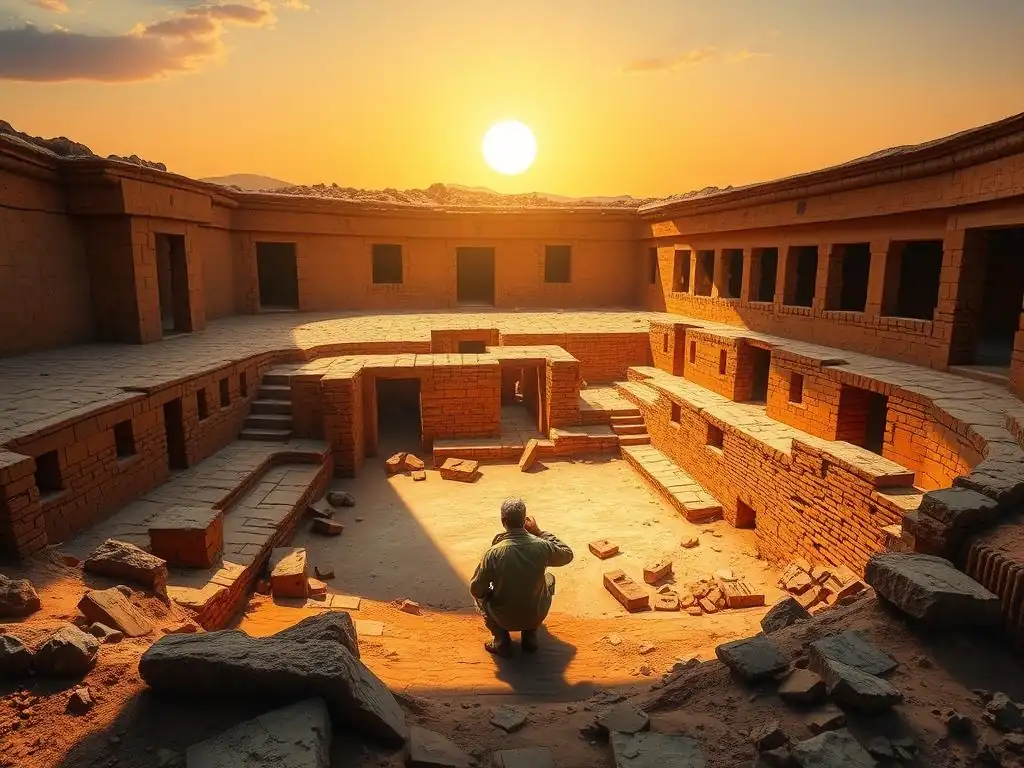
Welcome to ArchaeologyHub.org, your digital gateway to the past!
Ever wondered why the foundations of a civilization like Mohenjo Daro could withstand millennia? Dive in and discover the fascinating secrets behind their construction, specifically exploring the innovative use of both mud and baked brick in their monumental architecture. This article unveils the ingenious techniques that allowed Mohenjo Daro to thrive, and what their choices tell us about their society and the resources at their disposal. Intrigued? Let's unravel the mysteries of Mohenjo Daro brick construction together.
- Introduction: Understanding Mohenjo Daro Brick Construction Techniques
- Mohenjo Daro: An Overview of Architectural Materials
- Mud Brick Construction in Mohenjo Daro: Prevalence and Techniques
- Baked Brick Construction: Durability and Specialized Uses
- Comparison of Mud Brick and Baked Brick: Properties and Applications
- The Drainage System of Mohenjo Daro: A Case Study in Baked Brick Utilization
- Social and Economic Implications of Brick Production
- Preservation Challenges and Modern Research on Mohenjo Daro Brickwork
- Conclusion: The Legacy of Mohenjo Daro's Brick Building Traditions
-
Frequently Asked Questions
- What were the primary building materials used in Mohenjo Daro?
- Why was mud brick so prevalent in Mohenjo Daro construction?
- Where in Mohenjo Daro were baked bricks typically used?
- What advantages did baked brick offer over mud brick in Mohenjo Daro?
- Did the use of different brick types reflect social stratification in Mohenjo Daro?
- Final Reflection: Enduring Lessons from Mohenjo Daro's Bricks
- Unearth Your Inner Archaeologist: What's Next?
Introduction: Understanding Mohenjo Daro Brick Construction Techniques
Mohenjo Daro, one of the largest and most sophisticated cities of the ancient Indus Valley Civilization, stands as a testament to remarkable urban planning and architectural prowess. Its enduring structures, many of which have survived for millennia, owe their longevity to the ingenious use of standardized brick construction. Understanding the distinct roles and properties of mud brick versus baked brick is fundamental to appreciating the engineering sophistication behind Mohenjo Daro's urban fabric.
The prevalence of brick as the primary building material allowed for the creation of a highly organized and resilient city. This article delves into the specific techniques of Mohenjo Daro brick construction, comparing the methods, applications, and implications of using both sun-dried mud bricks and kiln-fired baked bricks in this ancient metropolis.
Mohenjo Daro: An Overview of Architectural Materials
The Significance of Brick in Indus Valley Civilization Architecture
Brick was the cornerstone of Indus Valley Civilization architecture, providing a uniform, durable, and scalable material for constructing an entire urban landscape. Unlike earlier settlements that might have relied on less permanent materials, the consistent use of high-quality bricks enabled the construction of multi-story buildings, elaborate public works, and sophisticated drainage systems that defined Mohenjo Daro. This widespread adoption of brick facilitated rapid urban expansion and the development of a planned city with remarkable consistency in layout and building standards across various structures.
The standardization of brick sizes across Mohenjo Daro and other Indus Valley sites, such as Harappa, suggests a centralized authority or a widely accepted set of building codes. This uniformity not only simplified construction logistics but also ensured structural integrity and ease of repair. The advanced Mohenjo Daro brick construction techniques reflect a profound understanding of material science and urban planning, allowing for a robust infrastructure that supported a large population for centuries.
Environmental Context: Raw Materials Availability for Brick Production
The geographical location of Mohenjo Daro, situated on the floodplains of the Indus River, provided an abundant supply of the primary raw material for brick production: alluvial clay. This fine, silty clay, deposited by the annual floods, was ideal for molding into bricks. The proximity to the river also ensured a consistent water supply for mixing the clay. The availability of these essential resources significantly streamlined the brick-making process, making it a highly efficient and economically viable building method.
Beyond clay and water, the production of baked bricks required substantial amounts of fuel for firing kilns. While the immediate vicinity of Mohenjo Daro may not have been heavily forested, archaeological evidence suggests the use of wood, reeds, and even animal dung as fuel sources, likely transported from surrounding areas. The logistical challenge of acquiring and transporting these materials on a large scale highlights the organized labor and resource management systems in place to sustain the extensive Mohenjo Daro brick construction efforts.
Mud Brick Construction in Mohenjo Daro: Prevalence and Techniques
Sun-Dried Mud Bricks: A Common Building Material
Sun-dried mud bricks, also known as adobe, constituted a significant portion of the building materials in Mohenjo Daro, particularly for residential and less critical structures. These bricks were produced by mixing clay, silt, sand, and often organic temper like straw or plant fibers to improve tensile strength and prevent cracking during drying. The mixture was then pressed into wooden molds and left to dry naturally under the intense sun, a process that required minimal energy input compared to firing.
The ease of production and low cost made mud bricks a highly accessible and efficient material for widespread construction. While not as durable as fired bricks, sun-dried bricks provided excellent thermal insulation, keeping interiors cool in summer and warm in winter. Their widespread use in the private dwellings of Mohenjo Daro reflects a pragmatic approach to construction, optimizing resources for different functional requirements within the city's complex urban design.
Mud Brick Dimensions and Standardization in Mohenjo Daro
A hallmark of Mohenjo Daro brick construction, regardless of the brick type, was its remarkable standardization. Sun-dried mud bricks generally adhered to the same consistent ratio of 1:2:4 (thickness: width: length) as their baked counterparts. Common dimensions observed in archaeological excavations include approximately 7 x 14 x 28 centimeters (3 x 5.5 x 11 inches) or 10 x 20 x 40 centimeters (4 x 8 x 16 inches). This uniformity greatly simplified the building process, allowing for modular construction and efficient labor.
The consistent dimensions of mud bricks facilitated faster and more efficient construction, as builders did not need to contend with irregularly sized units. This standardization indicates a high degree of organization and planning in the Mohenjo Daro brick construction industry, suggesting a system where bricks were mass-produced off-site or in dedicated areas, then transported to various building projects. This adherence to specific measurements underscores the advanced level of urban planning characteristic of the Indus Valley Civilization.
Applications of Mud Brick in Residential Buildings
Mud bricks were predominantly used in the construction of residential buildings in Mohenjo Daro, forming the bulk of the walls for private houses and smaller dwelling units. Their excellent insulating properties made them ideal for creating comfortable living spaces, protecting inhabitants from the extreme climate fluctuations of the region. Foundations of residential structures were often made of baked bricks to prevent moisture damage, with mud bricks used for the superstructure above.
Beyond primary wall construction, mud bricks were also employed for infill walls, partition walls within larger structures, and in some cases, for the upper stories of multi-story buildings where load-bearing requirements were less stringent than the ground floor. The use of mud bricks in these applications demonstrates a pragmatic approach to resource allocation, reserving the more resource-intensive baked bricks for areas requiring greater structural integrity or resistance to water. This strategic deployment of materials was a key aspect of efficient Mohenjo Daro brick construction.
Baked Brick Construction: Durability and Specialized Uses
Fired Bricks: Manufacturing and Quality Control in Mohenjo Daro
Kiln-fired or baked bricks were a cornerstone of Mohenjo Daro's most robust and enduring structures, distinguishing them from many contemporary civilizations that relied solely on mud brick. The manufacturing process involved firing the molded clay bricks in kilns at high temperatures, typically ranging from 800°C to 1000°C. This vitrification process transformed the clay into a durable, water-resistant material, significantly increasing its strength and longevity. Archaeological evidence suggests the use of updraft kilns, capable of producing large quantities of uniformly fired bricks.
The quality control in the production of these baked bricks was remarkably high. Excavations reveal bricks that are consistently well-fired, with minimal cracking or warping, indicating skilled craftsmanship and efficient kiln management. This consistent quality was crucial for ensuring the structural integrity of major public works and for resisting the erosive effects of water, a vital consideration for a city built on a floodplain with an advanced drainage system. The advanced techniques for producing fired bricks were central to the resilience of Mohenjo Daro brick construction.
Baked Brick Dimensions and Standardization in Mohenjo Daro
Just like their sun-dried counterparts, baked bricks in Mohenjo Daro exhibited a remarkable degree of standardization, adhering to the same 1:2:4 ratio of thickness to width to length. Common sizes included approximately 7 x 14 x 28 centimeters or 10 x 20 x 40 centimeters. This uniformity across both types of bricks suggests a highly organized production system and a clear understanding of modular construction principles. The consistency in dimensions across different sites of the Indus Valley Civilization further highlights a shared architectural tradition and possibly a centralized system for setting building standards.
This strict adherence to standardized dimensions for baked bricks was not merely for aesthetic uniformity; it also contributed significantly to the structural stability and efficiency of construction. Builders could easily lay courses of bricks without needing to constantly adjust for variations, leading to stronger, more stable walls and foundations. This level of precision in Mohenjo Daro brick construction demonstrates an advanced engineering mindset, prioritizing efficiency and durability in large-scale urban development.
Use of Baked Bricks in Public Structures: Granaries, Baths, and Drainage Systems
Baked bricks were strategically deployed in Mohenjo Daro's most important public structures, where durability and water resistance were paramount. The Great Bath, a massive public bathing complex, was constructed almost entirely from baked bricks, meticulously laid with a natural bitumen waterproof layer. This ensured its ability to hold water effectively for centuries. Similarly, the city's impressive granaries, designed to store vital food supplies, utilized baked bricks for their robust walls and elevated platforms, protecting their contents from moisture and pests.
However, the most extensive and critical application of baked bricks was in Mohenjo Daro's unparalleled drainage system. This sophisticated network of covered drains, running beneath the streets and connected to individual houses, relied entirely on the water-resistant properties of fired bricks. These bricks formed the channels, manholes, and inspection covers, ensuring efficient waste removal and maintaining urban hygiene. The strategic use of baked bricks in these monumental public works underscores their superior qualities and the advanced planning inherent in Mohenjo Daro brick construction.
Comparison of Mud Brick and Baked Brick: Properties and Applications
Durability and Resistance to Weathering: A Comparative Analysis
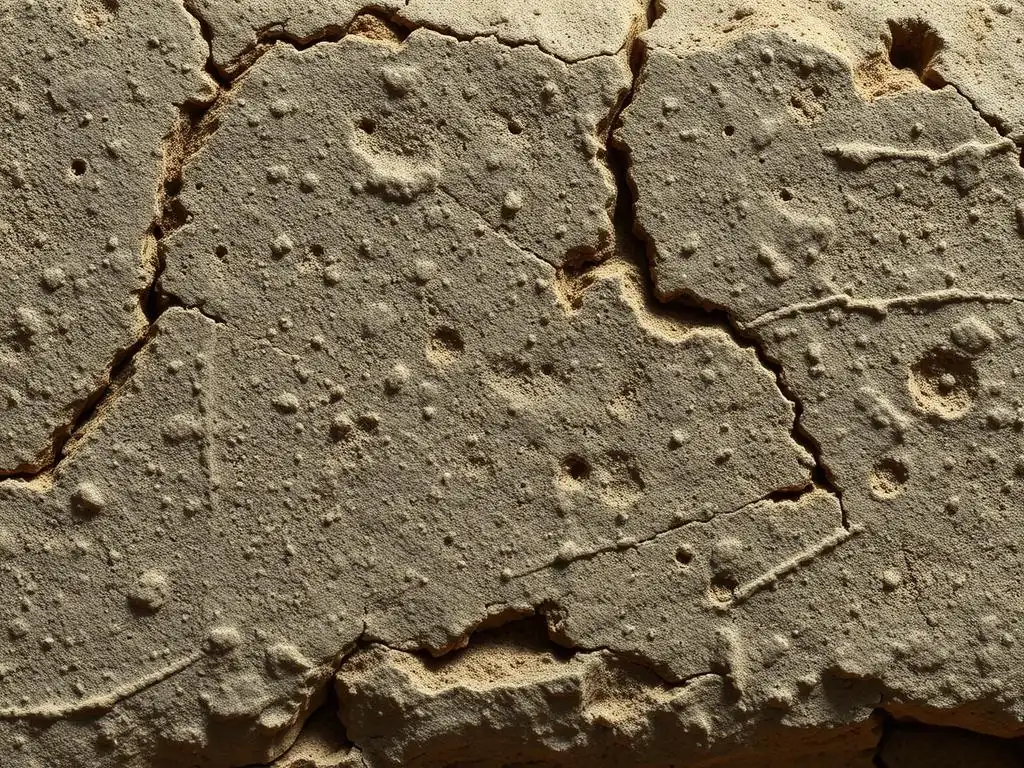
The primary distinction between mud brick and baked brick lies in their durability and resistance to environmental factors. Mud bricks, being sun-dried, are susceptible to erosion from rain, wind, and prolonged exposure to moisture, which can cause them to soften, crumble, and eventually disintegrate. While effective in arid climates for structures not exposed to direct weathering, they require protective plaster or regular maintenance to ensure longevity. Their susceptibility to water infiltration means they are unsuitable for foundations or subterranean structures.
In stark contrast, baked bricks, having undergone vitrification in kilns, possess significantly superior durability and water resistance. The firing process transforms the clay into a ceramic-like material that is much harder, less porous, and impervious to water damage. This inherent resistance made baked bricks indispensable for foundations, public baths, and, most notably, the extensive drainage system of Mohenjo Daro, where constant exposure to water necessitated a robust and non-degradable material. The choice between materials in Mohenjo Daro brick construction was a strategic one, based on environmental exposure.
Cost-Effectiveness and Resource Management
From an economic perspective, mud brick construction was considerably more cost-effective than baked brick production. The primary inputs for mud bricks were readily available clay, water, and labor for molding and sun-drying. The energy cost was minimal, relying solely on solar radiation. This made mud bricks an efficient choice for widespread residential construction, where sheer volume of material was required and extreme durability was not always the highest priority.
Baked brick production, however, was resource-intensive. It required not only large quantities of clay and water but also significant amounts of fuel (wood, reeds, or dung) to fire the kilns to high temperatures. This implied a more complex logistical chain for fuel acquisition and transportation, as well as specialized labor for kiln operation and quality control. The higher cost and resource demands meant that baked bricks were reserved for applications where their superior properties were absolutely essential, such as public infrastructure and foundations requiring long-term structural integrity and water resistance in Mohenjo Daro brick construction.
Structural Integrity and Load-Bearing Capacity
Both types of bricks contributed to the overall structural integrity of Mohenjo Daro's buildings, but their roles differed based on their load-bearing capabilities. Mud bricks, while strong enough for single or even multi-story residential walls, have a lower compressive strength compared to baked bricks. They are more prone to deformation under heavy loads or seismic activity if not properly engineered and maintained. Their primary advantage lay in their bulk and thermal mass, providing stable and insulated enclosures.
Baked bricks, due to their firing process, achieved significantly higher compressive strength and rigidity. This made them ideal for load-bearing walls in public buildings, large foundations, and structures requiring exceptional stability, such as granaries and the massive walls of the Great Bath. Their enhanced strength allowed for the construction of more ambitious and enduring structures, capable of withstanding considerable weight and environmental stresses over centuries. The strategic deployment of baked bricks for critical structural elements was a key factor in the long-term success of Mohenjo Daro brick construction.
The Drainage System of Mohenjo Daro: A Case Study in Baked Brick Utilization
Engineering Marvel: The Advanced Drainage Network
Mohenjo Daro's drainage system is arguably its most celebrated engineering achievement, representing an unparalleled level of urban sanitation for its time. Comprising an intricate network of street drains, household latrines, and sumps, it demonstrated a sophisticated understanding of hydraulics and urban planning. Main street drains, often over a meter deep and nearly a meter wide, ran beneath the principal thoroughfares, covered with brick or stone slabs for hygiene and safety. Smaller feeder drains connected individual houses to this main system, showcasing a comprehensive approach to waste management.
This advanced system was designed not just for wastewater removal but also for managing storm runoff, preventing waterlogging in the city. The careful grading of the drains ensured a continuous flow, and strategically placed manholes allowed for regular cleaning and maintenance. The sheer scale and complexity of this network underscore the Mohenjo Daro inhabitants' commitment to public health and their capacity for large-scale civil engineering, a feat largely enabled by their expertise in Mohenjo Daro brick construction.
The Role of Baked Bricks in Ensuring Drainage Efficiency and Hygiene
The remarkable efficiency and longevity of Mohenjo Daro's drainage system were directly attributable to the exclusive use of high-quality baked bricks in its construction. Mud bricks would have quickly disintegrated when exposed to constant moisture and flowing water, rendering the system ineffective. Baked bricks, with their superior water resistance and structural integrity, formed impermeable channels that prevented leaks and maintained the flow of wastewater. The precise dimensions and smooth surfaces of these bricks facilitated efficient drainage and inhibited the accumulation of debris.
Furthermore, the non-porous nature of baked bricks was crucial for urban hygiene. Unlike porous materials that could absorb and harbor pathogens, baked bricks were easier to clean and less likely to become breeding grounds for bacteria and insects. This selection of material directly contributed to the city's advanced sanitation standards, likely playing a significant role in public health outcomes. The reliance on baked bricks for this vital infrastructure highlights their essential role in the overall success and sustainability of Mohenjo Daro brick construction.
Maintenance and Longevity of the Drainage System
The design of Mohenjo Daro's drainage system, built with durable baked bricks, also incorporated features that facilitated its long-term maintenance and ensured its longevity. The presence of regular manholes and inspection openings allowed city workers to access the drains for cleaning and repair, preventing blockages and ensuring continuous operation. The robust construction with fired bricks meant that the channels themselves were highly resistant to erosion and structural collapse, requiring less frequent major repairs compared to systems built with less durable materials.
The enduring remnants of this drainage network, still visible today, testify to the foresight and engineering prowess of the Indus Valley people. The system's ability to function effectively for centuries speaks volumes about the quality of the baked bricks used and the meticulous construction methods employed. It stands as a prime example of how the strategic application of superior materials in Mohenjo Daro brick construction directly contributed to the city's advanced urban infrastructure and sustained its habitability.
Labor Organization and Specialization in Brick Making
The massive scale of brick production in Mohenjo Daro, encompassing both mud and baked bricks, necessitated a highly organized labor force and significant specialization. The process, from clay extraction and mixing to molding, drying, and firing, would have involved distinct groups of skilled and unskilled laborers. Clay diggers, molders, transporters, kiln operators, and fuel gatherers likely represented specialized trades within the Mohenjo Daro economy. This division of labor suggests a complex societal structure capable of coordinating large-scale industrial activities.
The standardization of brick sizes further supports the idea of mass production rather than individual, ad-hoc creation. This implies dedicated brick-making facilities, possibly located on the city's outskirts or near clay sources, where operations could be optimized. The efficiency of this system would have been crucial for sustaining the continuous growth and maintenance of Mohenjo Daro's extensive urban infrastructure, reflecting a sophisticated level of economic organization in its Mohenjo Daro brick construction.
While not explicitly documented, the differential use of mud bricks and baked bricks in Mohenjo Daro likely carried social and economic implications. Baked bricks, being more resource-intensive and durable, were primarily used in public works and the foundations of important structures, possibly reflecting communal investment or state control over high-value materials. Their presence in a private dwelling's superstructure might have indicated higher social status or wealth, though archaeological evidence suggests a more functional differentiation rather than widespread class-based material segregation in residential walls.
The widespread use of mud bricks for the majority of residential structures, even in the "upper town" or citadel area, suggests a practical approach where cost-effectiveness and thermal properties were prioritized for everyday living spaces. However, the presence of baked brick foundations and drainage connections even in modest homes indicates a baseline standard of quality and hygiene provided to all citizens, possibly through communal or governmental initiatives. The nuanced application of materials in Mohenjo Daro brick construction speaks to a complex interplay of practicality, resource availability, and potentially, social stratification.
Resource Control and the Organization of Brick Production
The production of millions of bricks for Mohenjo Daro's construction would have required significant control over natural resources and their distribution. Access to vast clay deposits and a consistent water supply from the Indus River would have been paramount. Equally critical was the management of fuel sources for the kilns, implying a well-organized system for logging, transporting, and storing wood and other combustibles, possibly from considerable distances.
This scale of resource management points towards a centralized authority or a highly coordinated system responsible for overseeing the entire brick production chain. Such an organization would have been essential to ensure a steady supply of materials for ongoing urban development and maintenance, from public works to private dwellings. The ability to manage these resources efficiently and consistently was a defining feature of Mohenjo Daro's economic prowess and a cornerstone of its enduring Mohenjo Daro brick construction legacy.
Preservation Challenges and Modern Research on Mohenjo Daro Brickwork
Deterioration of Brick Structures: Causes and Consequences
Despite their initial durability, Mohenjo Daro's brick structures face significant deterioration challenges in the modern era. The primary culprit is salt efflorescence, where salts from the soil and groundwater migrate into the porous bricks, crystallize upon drying, and exert pressure that causes the brick surface to flake and crumble. This process is exacerbated by fluctuating moisture levels and the high water table in the Indus floodplain. Centuries of exposure to wind, rain, and occasional flooding have also contributed to the erosion of exposed brickwork.
Human activity also poses a threat, including past archaeological interventions that exposed buried structures to rapid weathering, and more recent issues such as agricultural encroachment and uncontrolled tourism. The long-term consequences of this deterioration include the loss of architectural detail, structural instability, and the irreversible damage to a priceless archaeological site. Addressing these challenges is critical for the continued preservation of Mohenjo Daro brick construction.
Conservation Efforts and Archaeological Investigations
Recognizing the urgent need for preservation, extensive conservation efforts have been undertaken at Mohenjo Daro by various national and international bodies, including UNESCO and Pakistan's Department of Archaeology and Museums. These efforts include the construction of mud-brick capping layers over excavated walls to protect them from direct rainfall and solar radiation, thus mitigating salt efflorescence. Desalination treatments are also employed, though they are often temporary solutions.
Archaeological investigations continue to shed light on Mohenjo Daro brick construction techniques. Modern surveys use non-invasive methods like ground-penetrating radar to map buried structures without destructive excavation, helping to understand the full extent of the city's layout and engineering. These ongoing efforts are crucial for both preserving the site and deepening our understanding of its ancient builders' ingenuity.
Non-Destructive Analysis of Brick Composition and Construction Techniques
Contemporary archaeological research increasingly employs non-destructive analytical techniques to study Mohenjo Daro brickwork without causing further damage. X-ray fluorescence (XRF) and X-ray diffraction (XRD) can analyze the elemental and mineralogical composition of the bricks, providing insights into the raw materials used and the firing temperatures achieved. This data helps differentiate between local and imported clays and reconstruct ancient manufacturing processes.
Furthermore, techniques like petrography, though minimally invasive, can provide detailed microstructural information about the brick matrix and temper, revealing insights into mixing techniques and the presence of organic additives. These advanced analyses offer invaluable data on the standardization, quality control, and technological sophistication of Mohenjo Daro brick construction, helping researchers to understand not just what was built, but how and why it endured for so long.
Conclusion: The Legacy of Mohenjo Daro's Brick Building Traditions
The Enduring Impact of Indus Valley Engineering
The sophisticated Mohenjo Daro brick construction techniques stand as a profound testament to the engineering genius of the Indus Valley Civilization. The strategic and intelligent use of both readily available mud bricks and labor-intensive, durable baked bricks allowed for the creation of a highly functional, resilient, and well-planned urban center. From standardized residential blocks to monumental public works and an unparalleled drainage system, brick was the fundamental material that enabled Mohenjo Daro to thrive as a major urban hub for nearly a millennium.
The legacy of their engineering is evident in the remarkable preservation of the city's ruins, despite millennia of environmental exposure. The precise dimensions, consistent quality, and strategic application of bricks reveal a society with advanced organizational capabilities, a deep understanding of material properties, and a commitment to urban infrastructure that was centuries ahead of its time.
Lessons Learned from Mohenjo Daro's Sustainable Building Practices
Mohenjo Daro offers invaluable lessons in sustainable building practices and urban planning that resonate even today. The efficient utilization of locally sourced materials, the standardization of components for ease of construction and repair, and the differentiated application of materials based on functional requirements demonstrate a pragmatic and resource-conscious approach. The emphasis on robust public infrastructure, particularly the baked-brick drainage system, highlights a societal commitment to public health and long-term sustainability.
The Mohenjo Daro brick construction tradition showcases how a civilization can achieve remarkable architectural feats through systematic planning, skilled craftsmanship, and an intelligent understanding of available resources. Studying these ancient methods provides insights not only into the past but also offers enduring principles for resilient and sustainable urban development in the future.
Frequently Asked Questions
What were the primary building materials used in Mohenjo Daro?
The primary building materials were mud brick and baked brick. While both were used, baked brick was reserved for specific purposes.
Why was mud brick so prevalent in Mohenjo Daro construction?
Mud brick was readily available, made from locally sourced clay, and relatively inexpensive to produce. This made it a practical choice for mass construction.
Where in Mohenjo Daro were baked bricks typically used?
Baked bricks were primarily used in areas requiring greater durability and water resistance, such as drains, wells, and bathing platforms.
What advantages did baked brick offer over mud brick in Mohenjo Daro?
Baked brick offered superior resistance to water damage and erosion, making it ideal for structures exposed to moisture. This ensured longer-lasting infrastructure.
While not definitively proven, some archaeologists suggest that the use of baked brick in certain structures may have indicated higher status or access to resources within the city.
Final Reflection: Enduring Lessons from Mohenjo Daro's Bricks
The meticulous construction of Mohenjo Daro, a testament to ancient ingenuity, remains profoundly relevant today, particularly as we grapple with sustainable building practices. The contrasting use of mud brick and baked brick in Mohenjo Daro's structures highlights a sophisticated understanding of resource management and environmental adaptation that continues to resonate in our modern world. The choices made by the Indus Valley Civilization offer invaluable lessons about durability, cost-effectiveness, and the importance of aligning construction methods with local climate and available materials.
The legacy of Mohenjo Daro's brick construction extends far beyond archaeological interest. It serves as a powerful reminder that sustainable building is not a new concept, but rather a practice deeply rooted in human history. The careful consideration given to material selection and construction techniques underscores the enduring importance of understanding our environment and utilizing its resources responsibly. The past is never dead. It's not even past.
- William Faulkner. This quote perfectly encapsulates how the decisions made by the people of Mohenjo Daro continue to inform our present and future approaches to architecture and urban planning.
As we reflect on the ingenuity of Mohenjo Daro's brick construction, let us consider how we can apply these ancient lessons to our own lives and communities. Embrace the principles of sustainability, resourcefulness, and environmental consciousness in your own building projects, whether large or small. Let the enduring legacy of Mohenjo Daro inspire you to build a future that is both durable and harmonious with the natural world.
Unearth Your Inner Archaeologist: What's Next?
Thank you for diving into the fascinating world of Mohenjo-daro's brick-built wonders! We hope you've gained a new appreciation for the ingenuity of this ancient civilization. Now, let's turn that knowledge into action.
- Delve deeper by comparing Mohenjo-daro's building techniques with those of another ancient civilization of your choice. Consider factors like climate, available resources, and cultural preferences to understand the diverse approaches to construction in the ancient world.
- Share this article with fellow history buffs or anyone curious about ancient civilizations. Spark a conversation about the importance of understanding past building techniques and their impact on architectural development.
- Visit your local museum or archaeological site! Experience the artifacts and remnants of past civilizations firsthand, and deepen your connection to the world's rich history.
What other building materials do you think ancient civilizations might have experimented with, and how did their environment influence their choices?