
Seed Grinding Stones: Technological and Social Dimensions in Later Australian Prehistory

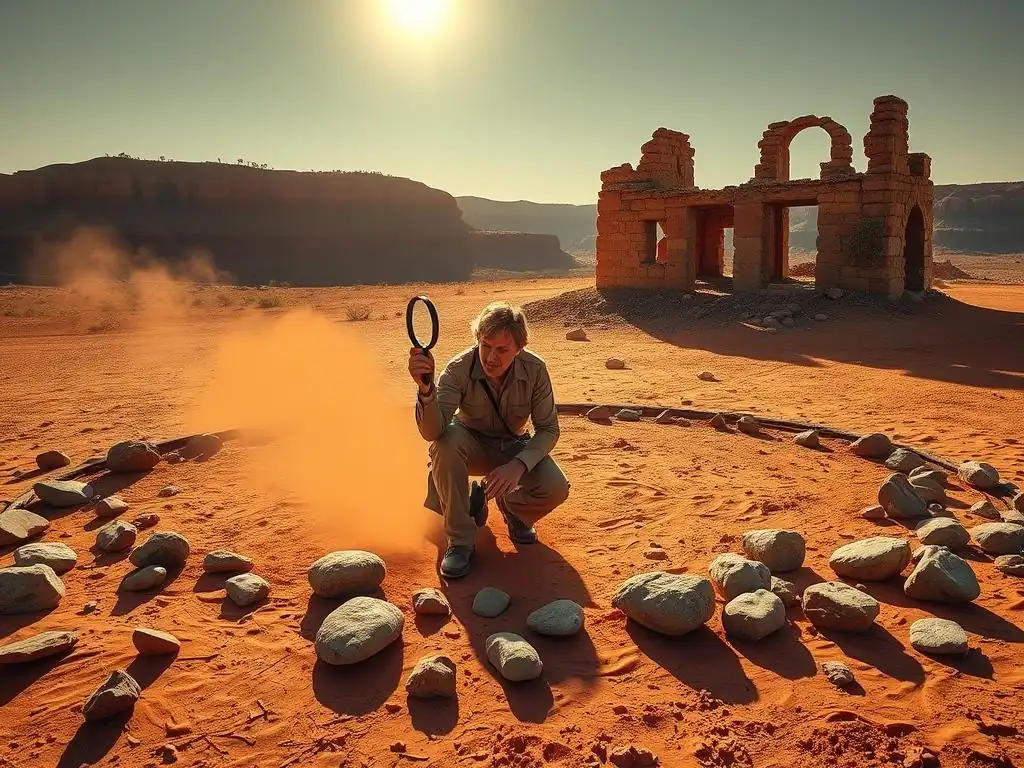
Welcome to ArchaeologyHub.org, your portal to the past!
Delve into the fascinating world of archaeological discovery and unravel the mysteries of ancient civilizations. This time, journey with us to Australia as we explore the technological and social significance of seed grinding stones. What secrets do these ancient tools reveal about the lives and innovations of Australia's earliest inhabitants? Prepare to uncover a story etched in stone... and get ready to explore the detailed studies that follow!
- Introduction: Understanding Seed Grinding Stones in Australian Archaeology
- Technological Analysis of Seed Grinding Stones
- The Role of Seed Grinding in Aboriginal Subsistence
- Social Dimensions of Seed Grinding Stone Use
- Seed Grinding Stones and Environmental Adaptation
- Dating Seed Grinding Stone Use and its Implications
- Comparative Analysis: Seed Grinding Across Different Regions
- The Preservation and Conservation of Seed Grinding Stones
- Conclusion: Seed Grinding Stones as Windows into Prehistory
-
Frequently Asked Questions
- What are seed grinding stones, and why are they significant in Australian archaeology?
- Where in Australia are seed grinding stones most commonly found?
- What can seed grinding stones tell us about the social lives of Aboriginal Australians?
- How do archaeologists determine the age of seed grinding stones?
- What types of seeds were commonly processed using these grinding stones in Australia?
- Final Reflection: Echoes of Ancient Sustenance
- Unearth New Insights: Become an Archaeology Advocate!
Introduction: Understanding Seed Grinding Stones in Australian Archaeology
The Significance of Seed Grinding Technology in Aboriginal Australia
Seed grinding stones represent a pivotal technological innovation in Australian prehistory, particularly evident in the later periods of Aboriginal occupation. These fundamental tools enabled the widespread exploitation of previously inaccessible food resources, such as small grass seeds, which were otherwise indigestible or toxic. This innovation led to significant shifts in subsistence strategies, often supporting increased population densities and fostering greater cultural complexity across the continent. The widespread distribution of these artifacts, from the arid interior to more temperate coastal regions, underscores their critical role in the long and successful human occupation of Australia.
The adoption and refinement of seed grinding technology marked a profound transformation in Aboriginal subsistence, moving beyond a primary reliance on hunting and gathering larger game and easily accessible plant foods. For example, in the semi-arid and arid zones, where reliable water sources and storable plant foods were crucial for survival, the ability to process and store large quantities of seeds provided a vital buffer against environmental fluctuations. This strategic adaptation highlights the ingenuity of Aboriginal people in harnessing the nutritional potential of the diverse Australian flora, allowing for sustained habitation in some of the world's most challenging environments.
Archaeological Context of Seed Grinding Stones in Australia
Seed grinding stones are common finds in archaeological sites throughout Australia, offering valuable insights into past human activity. They are typically discovered in habitation areas, rock shelters, and extensive open-air sites, sometimes appearing in remarkable concentrations, forming what archaeologists refer to as "grinding pavements." These artifacts are frequently found in association with other evidence of food processing and domestic life, such as hearths, middens containing food remains, and diverse stone tool assemblages, indicating their integral role in daily subsistence practices.
Chronologically, while some of the earliest evidence for plant processing using grinding tools dates back approximately 30,000 years at sites like Cuddie Springs, New South Wales, the widespread proliferation and intensification of seed grinding technology, particularly for small grass seeds, becomes archaeologically prominent in the later Holocene. This intensification is most noticeable within the last 5,000 years, and especially within the last 2,000 years in many regions, signaling a significant shift towards more intensive resource utilization and diversified economies.
This period marks a crucial phase in later Australian prehistory, where the mastery of seed processing became a cornerstone of Aboriginal life.
Technological Analysis of Seed Grinding Stones
Raw Materials and Stone Selection for Grinding
The selection of raw materials for seed grinding stones was a meticulous process, driven by the need for specific physical properties that ensured efficacy and durability. Common choices included sandstone, quartzite, and granite, all valued for their abrasive qualities and inherent strength. Fine-grained sandstones, for instance, were often preferred for their ability to create a smooth, efficient grinding surface, while coarser stones might have been utilized for initial breaking down of harder materials. The availability of suitable stone in local environments significantly influenced the choice of material, though evidence also suggests the transport of high-quality stone over considerable distances.
The ideal characteristics for a seed grinding stone included appropriate porosity for trapping fine particles, sufficient hardness to withstand continuous use without excessive wear, and a suitable surface texture to facilitate effective trituration of seeds. For example, studies of seed grinding stones Australia have shown extensive use of quartzitic sandstones in the arid interior, where their durability and consistent abrasive quality made them ideal for processing tough native grass seeds. The careful selection of these raw materials underscores the sophisticated understanding Aboriginal people had of their lithic resources.
Manufacturing Techniques: Creating Effective Seed Grinding Tools
While some natural rock formations might have been opportunistically used, many seed grinding stones were intentionally modified to enhance their ergonomic and functional efficiency. Manufacturing techniques often involved pecking, flaking, or grinding to shape the stone into a desired form. This shaping could result in flat, slightly concave, or even deeply troughed lower grinding stones, each designed to optimize the processing of specific types of seeds or plant materials. The deliberate creation of these shapes indicates a precise understanding of biomechanics and material science.
The complete seed grinding apparatus typically comprised two components: the lower grinding stone, often referred to as a milling stone or netherstone, and an upper hand-held grinder, known as a muller or pestle. These tools were used in conjunction, with seeds placed on the lower stone and then crushed and ground using a back-and-forth or circular motion with the muller. The continuous action gradually reduced the seeds to a fine flour, a process that required considerable skill and effort, transforming raw plant material into a digestible and storable food source.
Use-Wear Analysis: Identifying Function and Processing Methods
Use-wear analysis is a powerful archaeological method employed to determine the precise function of seed grinding stones. This technique involves the microscopic examination of the working surfaces of these tools for tell-tale signs such as striations, polish, and pitting. Different types of plant processing—for example, the grinding of hard, starchy seeds versus softer, more fibrous plant material—leave distinct and identifiable traces on the stone, allowing archaeologists to infer the specific activities performed.
For instance, a characteristic smooth, often concave polish with fine, parallel striations typically indicates the grinding of starchy seeds, while a coarser, rougher wear pattern might suggest the processing of fibrous plants, ochre, or other materials. Beyond macroscopic observation, residue analysis, which involves identifying microscopic plant remains, starch grains, or phytoliths preserved on the stone surface, complements use-wear studies by directly identifying the processed material. This integrated approach provides robust evidence for the function and processing methods associated with seed grinding stones Australia.
The Role of Seed Grinding in Aboriginal Subsistence
Processing Native Seeds: A Key Adaptation to Resource Availability
The development of seed grinding technology was a key adaptation that significantly expanded the dietary base of Aboriginal populations, particularly in environments where traditional resources were scarce or highly seasonal. It enabled the exploitation of small, hard-cased, and often toxic native seeds that would otherwise have been inedible or nutritionally inaccessible. Species such as native millet ( Panicum decompositum), various Acacia seeds, and Chenopodium species became staple foods in many regions, providing a reliable and abundant resource.
The processing of these seeds involved a multi-stage approach: seeds were first threshed to separate them from their husks, then winnowed to remove chaff, and finally ground into a fine flour. This flour could then be mixed with water to form a paste, often baked into a type of bread or damper. Crucially, this processing rendered many naturally occurring toxins harmless (e.g., through leaching with water) and significantly increased the bioavailability of nutrients, transforming otherwise unusable plant material into a vital energy source.
Nutritional Significance of Seed Grinding
The nutritional significance of seed grinding cannot be overstated. Seeds, particularly those from various grasses and wattles, are remarkably rich in carbohydrates, protein, and essential fatty acids. This made them an energy-dense and highly nutritious food source, crucial for sustaining larger populations and, in some instances, supporting more semi-sedentary lifestyles. The ability to access and process such a concentrated food source provided a stable foundation for Aboriginal diets, especially in areas with fluctuating resource availability.
Compared to a purely hunting-and-gathering diet reliant on fresh, often perishable resources, the ability to process and store large quantities of seed flour provided a critical buffer against periods of scarcity. This enhanced food security and reduced reliance on unpredictable animal resources or seasonal plant foods. The systematic exploitation of seed resources through the use of seed grinding stones Australia was a sophisticated strategy that ensured a consistent and high-quality food supply, contributing to the health and resilience of Aboriginal communities for millennia.
Regional Variations in Seed Grinding Practices
Seed grinding practices were not uniform across the Australian continent; instead, they varied significantly, reflecting diverse environmental conditions and cultural adaptations. In the arid and semi-arid zones, seed grinding was often highly specialized and intensive, focusing almost exclusively on drought-resistant grass seeds like native millet. Extensive archaeological evidence, such as the numerous grinding sites along the Darling River system in New South Wales, showcases the scale of this activity, with vast quantities of seeds processed annually.
In contrast, in more temperate or coastal regions, where alternative resources such as tubers, fruits, or marine life were more abundant and consistently available, seed grinding might have been less intensive or focused on different plant types. For example, in some southern regions, grinding stones were used for processing roots or nuts rather than small grass seeds. These regional variations underscore the adaptive flexibility of Aboriginal populations, who tailored their subsistence strategies, including their use of seed grinding stones Australia, to the specific ecological opportunities and challenges of their local environments.
Gender Roles and the Division of Labor
In many Aboriginal societies, as documented ethnographically and inferred archaeologically, the gathering and processing of seeds were primarily the domain of women. This strong association highlights a fundamental division of labor, where women were responsible for collecting a wide array of plant foods, processing them with seed grinding stones, and preparing the resulting food products. This role was not merely domestic but economically vital, as plant foods, particularly processed seeds, often contributed the majority of the caloric intake for the group, especially in arid environments.
The knowledge required for successful seed processing was immense, encompassing expertise in plant identification, understanding seasonal availability, mastering complex processing techniques to render seeds edible, and knowing the locations of key seed resources. This specialized knowledge was meticulously passed down through generations of women, ensuring the continuity of essential subsistence practices. The central role of women in seed processing underscores their profound contribution to the survival and prosperity of Aboriginal communities, demonstrating their expertise and economic power.
The presence of numerous or large, heavy seed grinding stones at an archaeological site can provide significant clues about past social organization. Such tools, being cumbersome and difficult to transport, often suggest more settled or semi-sedentary lifestyles, implying that groups remained in specific locations for extended periods. This contrasts with highly mobile hunter-gatherer groups who would typically carry lighter, more versatile tools. The accumulation of grinding stones at a site can therefore indicate the establishment of stable aggregation sites or regional hubs.
Furthermore, the physical layout of grinding areas, whether communal or individual, can offer insights into social cooperation and community structure. Evidence of specialized production or trade of high-quality grinding stones, or even processed seed flour, could point to broader social networks and exchange systems that connected different Aboriginal groups across vast regions. These networks facilitated the movement of goods, knowledge, and people, illustrating the complex social fabric underpinned by technologies like seed grinding stones Australia.
Ritual and Symbolic Significance in Aboriginal Culture
Beyond their utilitarian function, seed grinding stones frequently held profound cultural and spiritual significance within Aboriginal societies. They were often associated with ancestral beings, creation stories, or specific Dreaming tracks, imbuing them with a sacred dimension. The act of grinding itself could be accompanied by songs, dances, or rituals, connecting the practical task of food preparation to a deeper spiritual understanding of the land and its resources.
In some areas, particularly large or well-used grinding stones were passed down through generations, acquiring a patina of age and becoming imbued with ancestral power and memory. Their presence at certain sites could mark sacred places, signify a deep, continuous connection to the land and its productive capacity, or embody the enduring presence of ancestors. This multifaceted significance highlights that seed grinding stones Australia were not merely tools but powerful cultural artifacts, central to Aboriginal cosmology and identity.
Seed Grinding Stones and Environmental Adaptation

Responding to Climate Variability: Intensification of Seed Processing
The development and intensification of seed grinding technology were crucial adaptive responses to the fluctuating climate of Australia, particularly the increasing aridity that characterized much of the continent over the last few millennia. As environmental conditions became more challenging, with less predictable rainfall and reduced availability of water-dependent resources, the ability to exploit resilient, drought-resistant seed-bearing plants became paramount. Seed grinding allowed Aboriginal populations to tap into a stable and widespread food source that could withstand arid conditions.
Periods of increased aridity, such as those observed during the mid-Holocene, often correlate archaeologically with an intensification of seed processing. This shift indicates a sophisticated understanding of environmental dynamics and a proactive approach to resource management. By focusing on seeds, which could be harvested, processed, and stored in bulk, Aboriginal communities developed a robust subsistence strategy that provided resilience against environmental variability, demonstrating a remarkable capacity for long-term adaptation.
Seed Grinding and Landscape Management
The reliance on specific seed-bearing plants profoundly influenced Aboriginal landscape management practices, particularly the use of fire. Through systematic "firestick farming," Aboriginal people intentionally burned specific areas to promote the growth of desirable seed-bearing grasses and other edible plants, while simultaneously reducing competition from less useful species and creating open country that facilitated easier movement and hunting. This practice effectively increased the yields of crucial food sources, demonstrating a sophisticated form of ecological engineering.
The repeated harvesting and processing of seeds in particular areas could also have contributed to the shaping of local ecosystems, transforming them into more productive 'garden' areas that were continuously managed and harvested. This indicates a proactive and sustainable approach to resource management, rather than merely passive gathering. The synergy between seed grinding technology and landscape management underscores the deep ecological knowledge and active role Aboriginal people played in shaping the Australian environment over millennia.
Case Study: The Darling River System - Adaptation to Arid Environments
The Darling River system in western New South Wales serves as a prime archaeological case study illustrating the profound adaptation facilitated by seed grinding stones Australia. Archaeological investigations in this region have revealed extensive evidence of highly specialized seed grinding technology, particularly for native millet, dating back several millennia. Large, permanent grinding surfaces and numerous milling stones are common finds along the river's floodplains, indicating intensive and sustained processing activities.
The archaeology of the Darling River system vividly demonstrates how sophisticated seed processing enabled large Aboriginal populations to thrive in what is otherwise a challenging arid environment. By meticulously harvesting and processing the seasonal abundance of grass seeds that flourished along the river's floodplains, communities were able to generate substantial food surpluses, support dense populations, and establish semi-permanent settlements. This region stands as a testament to the effectiveness of seed grinding technology in facilitating long-term human occupation in arid lands.
Dating Seed Grinding Stone Use and its Implications
Dating Residue and Associated Materials
Directly dating seed grinding stones themselves is often challenging due to their inorganic nature. Instead, archaeologists typically rely on dating organic residues preserved on the stone surfaces. Techniques like radiocarbon dating can be applied to microscopic plant remains, starch grains, phytoliths, or charred material firmly embedded within the stone's pores or adhering to its surface. This direct dating of residues provides precise chronological information about when the tools were last used for processing organic materials.
Alternatively, dating can be achieved by analyzing associated materials found in the same archaeological layer as the seed grinding stones. This includes radiocarbon dating of charcoal from hearths, shell middens, or other datable organic remains found in close stratigraphic proximity. By establishing the age of the surrounding context, archaeologists can infer the approximate age of the seed grinding stones, thereby building chronological frameworks for their use and evolution across different periods of Australian prehistory.
Stratigraphic Context and Chronological Frameworks
The stratigraphic context of seed grinding stones is paramount for establishing their chronological placement and understanding their evolutionary trajectory. By meticulously excavating archaeological sites layer by layer, archaeologists can determine the relative age of artifacts, placing them within a sequence of occupation and technological change. Deeper layers typically contain older artifacts, while shallower layers represent more recent activities, allowing for the construction of a detailed temporal framework.
This contextual dating has revealed that while early forms of grinding stones (potentially used for ochre or general plant processing) are found in very ancient contexts, such as Cuddie Springs dating back approximately 30,000 years, the widespread and intensive use of seed grinding specifically for small grass seeds significantly increases in the mid-to-late Holocene. This intensification, particularly within the last 4,000-5,000 years, marks a key shift in later Australian prehistory, indicating a major adaptive response to changing environments and resource availability.
Challenges in Dating Early Grinding Stones
Dating the earliest seed grinding stones presents several inherent challenges for archaeologists. Distinguishing between early grinding stones used for processing ochre or other general plant materials and those specifically dedicated to small seed grinding can be difficult without precise residue analysis. The morphological similarities of some early tools can obscure their specific function, making accurate chronological attribution problematic.
Furthermore, the preservation of organic residues on older stone surfaces can be limited, and the lack of reliably associated datable material in very ancient contexts often complicates radiocarbon dating efforts. Factors such as contamination of residues, post-depositional disturbance of archaeological layers, and the general scarcity of well-preserved organic remains in older sites are additional hurdles. These challenges necessitate meticulous excavation, advanced analytical techniques, and a cautious approach to interpreting the chronology of early seed grinding stones Australia.
Comparative Analysis: Seed Grinding Across Different Regions
Comparing Seed Grinding Stone Technology
A comparative analysis of seed grinding stone technology across different Australian regions reveals fascinating insights into local adaptations and broader technological trends. For example, the large, often deeply troughed milling stones characteristic of the arid interior, designed for processing vast quantities of small grass seeds, contrast sharply with smaller, more portable hand-held grindstones found in some temperate or rainforest environments, which might have been used for processing nuts, roots, or other plant foods.
These variations in morphology and technological features directly reflect differences in raw material availability, the specific types of seeds or plants being processed, and distinct cultural preferences. By systematically comparing the design, size, and wear patterns of seed grinding stones from various archaeological sites, researchers can map the distribution, evolution, and regional specialization of seed grinding stones Australia, revealing the ingenuity and adaptability of Aboriginal tool-making.
Comparison: Arid Zone vs. Temperate Zone Practices
The intensity and scale of seed grinding practices differed significantly between Australia's arid and temperate zones. In the arid interior, where protein and carbohydrate sources could be scarce or seasonal, seed grinding often became a primary subsistence strategy. This is evidenced by extensive "grinding pavements"—large areas covered with numerous milling stones—and the presence of highly specialized tools designed for efficient processing of drought-resistant grass seeds, supporting large aggregations of people.
Conversely, in more temperate zones, with richer and more diverse ecosystems, seed grinding might have been one of several food processing techniques, perhaps less dominant than in arid regions. Here, grinding stones might have been used for a wider variety of plant foods, including roots, nuts, and fruits, and adapted to different seasonal resource cycles. This regional divergence highlights the flexible and adaptive nature of Aboriginal subsistence strategies, tailored to the unique resource profiles of their respective environments.
Identifying Cultural Exchange and Technological Innovation
Similarities in seed grinding technology or specific processing practices observed across geographically distant regions can provide compelling evidence for cultural exchange networks. The diffusion of ideas, techniques, or even specific tool designs suggests interaction, trade, or shared knowledge between different Aboriginal groups. For instance, the widespread presence of certain grinding stone types or processing methods might indicate the movement of people or the adoption of successful innovations across a broad landscape.
Furthermore, the presence of non-local stone materials used for grinding stones in archaeological sites can directly attest to long-distance trade routes. Such trade not only facilitated the movement of essential resources but also encouraged the exchange of technological knowledge, contributing to the spread and refinement of seed grinding stones Australia. This interplay of independent invention and cultural diffusion shaped the diverse and sophisticated technological landscape of Aboriginal prehistory.
The Preservation and Conservation of Seed Grinding Stones
Archaeological Site Management
The preservation of archaeological sites containing seed grinding stones is paramount for understanding Australia's deep past. These sites are vulnerable to a range of threats, including natural erosion, vandalism, and modern development. Effective site management involves comprehensive site recording and mapping, which meticulously documents the location and context of artifacts. In some cases, protective measures such as fencing, signage, or even reburial of exposed artifacts are implemented to safeguard these invaluable cultural resources.
Prioritizing in situ preservation is crucial, as removing artifacts from their original context diminishes their scientific and cultural value, severing their connection to the landscape and the activities that occurred there. Educating the public, land managers, and developers about the significance of seed grinding stones Australia and the importance of their preservation is a key strategy for ensuring their long-term protection for future generations.
Ethical Considerations in Research
Research involving seed grinding stones, as with all Aboriginal cultural heritage, must adhere to stringent ethical considerations. It is an imperative to involve Aboriginal communities in all stages of research and management of their heritage. This includes obtaining free, prior, and informed consent for any research activities, respecting traditional knowledge systems, and ensuring that research outcomes genuinely benefit the descendant communities. This collaborative approach ensures that research is conducted respectfully and responsibly.
A critical ethical issue is the repatriation and ownership of archaeological artifacts. Many seed grinding stones are not merely scientific specimens but are highly significant cultural objects for contemporary Aboriginal people, embodying ancestral connections and cultural identity. Researchers must engage in respectful dialogue and collaborative partnerships with Aboriginal communities to address issues of custodianship, access, and the appropriate display or return of these sacred items.
Community Collaboration in Interpretation
Collaborative partnerships with Aboriginal elders and knowledge holders are invaluable for enriching the interpretation of the archaeological record of seed grinding stones. Their deep understanding of traditional practices, intimate knowledge of plant resources, and profound cultural insights provide perspectives that complement and expand archaeological findings. This collaboration bridges the gap between scientific inquiry and living cultural heritage, leading to more nuanced and accurate interpretations.
Joint projects, workshops, and shared interpretative programs can lead to the development of more culturally appropriate narratives and educational materials. By working together, archaeologists and Aboriginal communities can ensure that the story of seed grinding stones Australia is told in a way that respects and empowers the descendants of those who created and used them, acknowledging their enduring legacy and continuing connection to their ancestral lands and traditions.
Conclusion: Seed Grinding Stones as Windows into Prehistory
The Enduring Legacy of Seed Grinding Technology
Seed grinding technology profoundly impacted Aboriginal societies, representing one of the most significant technological innovations in Australian prehistory. It transformed subsistence economies, enabling the sustained exploitation of diverse plant resources and supporting population growth across varied landscapes. This technology allowed Aboriginal people to adapt to and thrive in environments ranging from lush coastal areas to the arid interior, leaving an indelible mark on the landscape and shaping unique cultural practices.
These remarkable tools are far more than mere utilitarian objects; they are tangible links to a rich and complex past. They embody centuries of innovation, adaptation, and deep ecological knowledge, reflecting the ingenuity and resilience of Aboriginal people. The enduring legacy of seed grinding stones Australia continues to offer invaluable insights into the sophisticated strategies and profound connection to country developed over tens of thousands of years.
Future Research Directions
Future research into seed grinding stones holds immense potential for further illuminating Australia's prehistory. More extensive residue analysis, employing advanced molecular and chemical techniques, could provide unprecedented detail on the specific plant species processed, dietary composition, and even the presence of non-food items. Detailed isotopic studies of human remains from archaeological sites, combined with residue analysis, could offer a more comprehensive reconstruction of ancient diets and subsistence strategies.
Furthermore, broader regional surveys and targeted excavations could identify more sites with early or specialized seed grinding evidence, expanding our chronological and geographical understanding. The continued integration of archaeological data with ethnographic records and Aboriginal oral histories will be crucial for a holistic understanding of seed grinding stones Australia, revealing the intertwined technological, social, and spiritual dimensions of their use.
Summary of Key Findings and Contribution to Understanding Aboriginal History
Seed grinding stones reveal the technological sophistication of Aboriginal people, their central role in subsistence and nutrition, and their reflection of complex social organization and gender roles. They underscore the profound adaptive capacity of Aboriginal societies in responding to environmental variability and managing landscapes for sustained resource availability. The archaeological evidence, supported by ethnographic accounts, provides a compelling narrative of innovation and resilience.
Ultimately, seed grinding stones are critical artifacts for understanding the ingenuity, adaptability, and deep history of Aboriginal people. They provide invaluable windows into their long and successful occupation of the Australian continent, showcasing a heritage rich in technological mastery, environmental wisdom, and enduring cultural practices. The study of seed grinding stones Australia continues to contribute significantly to our appreciation of one of the world's oldest continuous cultures.
Frequently Asked Questions
What are seed grinding stones, and why are they significant in Australian archaeology?
Seed grinding stones are archaeological artifacts used to process seeds and plant materials. They are significant because they provide evidence of dietary practices and technological advancements of Aboriginal Australians in prehistory.
Where in Australia are seed grinding stones most commonly found?
Seed grinding stones are found across much of Australia, but they are particularly prevalent in regions with a history of intensive seed use, such as the arid and semi-arid zones of the continent, and in areas where grinding technology was adopted.
The analysis of seed grinding stones reveals insights into food processing practices, division of labor (often associated with women), and even potential trade networks through the movement of specific stone types.
How do archaeologists determine the age of seed grinding stones?
Archaeologists use various dating methods, including radiocarbon dating of associated organic material, thermoluminescence dating of the stone itself (in specific cases), and stratigraphic analysis within excavation sites.
What types of seeds were commonly processed using these grinding stones in Australia?
Common seeds include those from native grasses, acacias (wattles), and other plants endemic to the Australian landscape. The specific types vary by region and reflect the local flora and traditional knowledge of Aboriginal groups.
Okay, here's a final reflection designed to conclude your article "Seed Grinding Stones: Technological and Social Dimensions in Later Australian Prehistory," optimized for the keyword "Seed grinding stones Australia" and following your specified structure:
Final Reflection: Echoes of Ancient Sustenance
The journey through the technological and social dimensions of seed grinding stones in Australia reveals more than just ancient tools; it unveils a profound connection to the land and a sophisticated understanding of resource management that resonates even today. The ingenuity and adaptability demonstrated by Aboriginal Australians in utilizing these stones for sustenance offer invaluable lessons in sustainable living and cultural resilience, particularly relevant in our current era of environmental awareness.
The enduring presence of these seed grinding stones across the Australian landscape serves as a powerful reminder of the deep history and continuous connection of Aboriginal people to this land. They are not merely artifacts; they are silent witnesses to generations of knowledge, innovation, and cultural transmission. As anthropologist Marcia Langton eloquently stated: Aboriginal people have always been scientists, innovators, and custodians of the land, and their knowledge is essential for a sustainable future.
Let us, therefore, reflect on the significance of these ancient tools and the wisdom they embody. Consider how the principles of resourcefulness and respect for the environment, so evident in the use of seed grinding stones, can inform our own actions and choices. Let us strive to learn from the past, honoring the legacy of Aboriginal Australians and working towards a future where sustainable practices and cultural understanding are paramount.
Unearth New Insights: Become an Archaeology Advocate!
Thank you for delving into the fascinating world of seed grinding stones in Australian prehistory! We hope this article sparked your curiosity and deepened your understanding of ancient technologies and societies. Now, let's translate that knowledge into action.
Here are some ways you can continue your journey:
- Dig Deeper: Visit your local museum or cultural center to see firsthand examples of grinding stones and learn more about Aboriginal Australian history.
- Become a citizen scientist: Look for local archaeological open days and become an active participant!
- Share this article with friends and family to spread awareness of Australia's rich archaeological heritage.
What surprised you most about the role of seed grinding stones in shaping prehistoric Australian societies, and how might this knowledge influence our understanding of technological advancement today?