
Conflict and Cooperation Among Neolithic European Communities: Archaeological Evidence

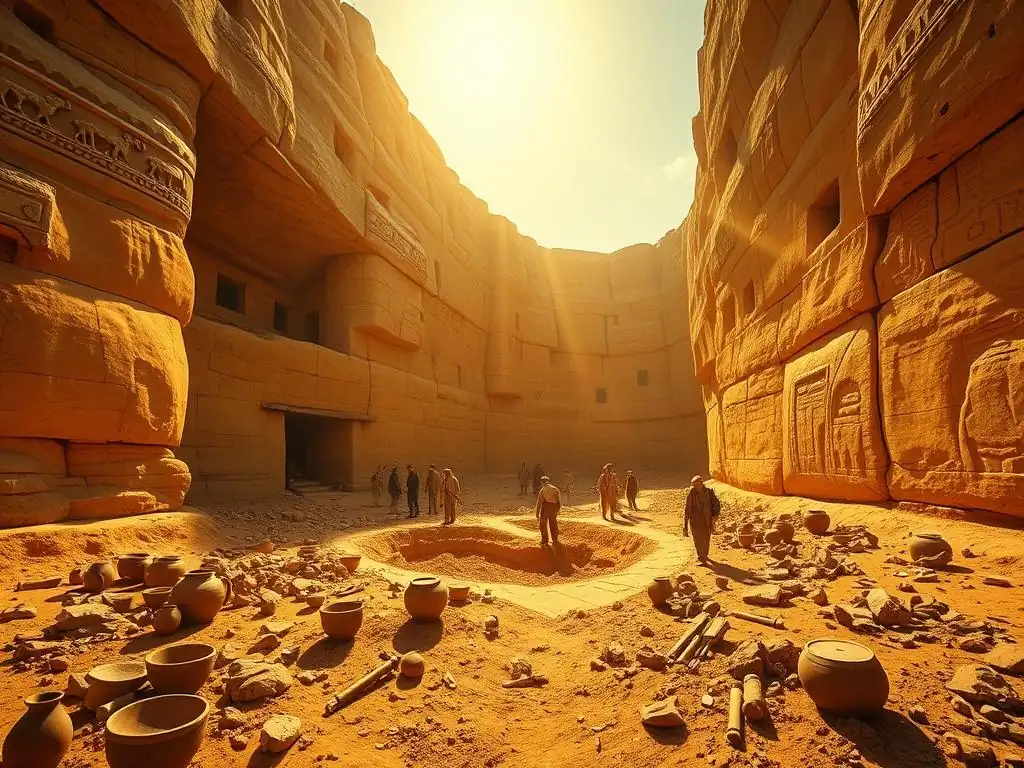
Welcome to ArchaeologyHub.org, your gateway to uncovering the past!
Delve into the fascinating world of ancient civilizations as we explore the intricate tapestry of human history. Ever wondered how early European societies interacted? Today, we unravel the complexities of Neolithic European community interactions, examining archaeological evidence that reveals a surprising mix of conflict and cooperation. Prepare to journey back in time and discover the nuanced relationships that shaped the dawn of civilization. Intrigued? Read on to explore the captivating story that unfolds...
- Introduction: Unveiling Neolithic European Community Interactions
- Archaeological Evidence of Conflict in Neolithic Europe
- Archaeological Evidence of Cooperation in Neolithic Europe
- Regional Variations in Neolithic Community Interactions
- Case Studies of Neolithic Community Interactions
- Interpreting the Archaeological Record: Understanding Neolithic Social Dynamics
- Conclusion: Reconstructing Neolithic European Community Interactions
-
Frequently Asked Questions
- How do archaeologists investigate Neolithic European community interactions through material remains?
- What archaeological evidence suggests conflict existed between Neolithic European communities?
- What role did trade play in shaping the interactions of Neolithic European communities?
- How can the study of Neolithic European community interactions inform our understanding of present-day societies?
- Final Reflection: Echoes of Collaboration and Competition
- Unearth Your Own Insights: Become a Neolithic Explorer!
Introduction: Unveiling Neolithic European Community Interactions
Setting the Stage: The Neolithic Period in Europe
The Neolithic period, often termed the "Neolithic Revolution," marked a profound transformation in human history across Europe, spanning roughly from 7000 to 2000 BCE, though its arrival and adoption varied regionally. This era saw the fundamental shift from a mobile hunter-gatherer existence to settled agricultural communities, characterized by the domestication of plants and animals, the development of pottery, and the use of polished stone tools. This transition laid the groundwork for complex social structures, increased population densities, and the emergence of permanent villages, fundamentally reshaping the continent's landscape and human organization.
This period was not monolithic; diverse Neolithic societies emerged across the European continent, each adapting to local environments and developing unique cultural expressions. From the early agriculturalists of the Aegean and Anatolia spreading westward, to the distinct Linearbandkeramik (LBK) culture in Central Europe, and the later megalith builders of the Atlantic facade, these groups were rarely isolated. Instead, they engaged in a myriad of "Neolithic European community interactions," ranging from peaceful trade and cultural exchange to fierce competition and violent conflict, shaping the trajectory of ancient European societies.
Defining Neolithic European Community Interactions: A Complex Tapestry
"Neolithic European community interactions" refer to the multifaceted relationships that existed between different social groups, settlements, and cultural entities during this transformative period. These interactions were not limited to a simple dichotomy of "war" or "peace" but encompassed a dynamic spectrum of engagement, including economic exchange, ideological transmission, demographic movements, and, at times, overt hostilities. Understanding this complex tapestry requires careful interpretation of the archaeological record, which rarely offers straightforward narratives.
Archaeologists piece together these interactions by analyzing material culture, settlement patterns, burial practices, and human remains. Evidence such as the distribution of exotic goods, the spread of architectural styles, the presence of defensive structures, and signs of trauma on skeletons all contribute to reconstructing the nature of "Neolithic European community interactions." It is through this detailed, evidence-based approach that a more nuanced picture of early European social dynamics begins to emerge.
Archaeological Evidence of Conflict in Neolithic Europe
Warfare and Raiding: Signs of Organized Violence
Evidence from Fortified Settlements: Defending Neolithic Territories
The presence of defensive structures around Neolithic settlements provides compelling evidence of organized violence and a need for protection against external threats. Sites like Los Millares in southeastern Spain, dating from approximately 3200 to 2200 BCE, feature multiple concentric walls, bastions, and ditches, indicating a significant investment in defense. Similarly, several "rondel" enclosures in Central Europe, though their primary function is debated, exhibit features that could have served defensive purposes, such as substantial ditches and palisades. These fortifications suggest that "Neolithic European community interactions" sometimes involved territorial disputes or raiding.
These structures were not trivial undertakings; their construction would have required substantial communal labor and planning, implying a perceived and consistent threat from neighboring groups. The strategic placement of some fortified sites, often overlooking prime agricultural land or key trade routes, further suggests that these defenses were a response to competition for vital resources or control over economic pathways. The increasing scale and complexity of fortifications in certain later Neolithic phases underscore a growing need for security, reflecting escalating inter-group tensions.
Skeletal Trauma: Indicators of Interpersonal Violence in Neolithic Burials
Direct evidence of interpersonal violence is found in the skeletal remains of Neolithic individuals, offering chilling insights into the darker side of "Neolithic European community interactions." Archaeological excavations have uncovered human bones bearing clear signs of blunt force trauma, arrow wounds, and parry fractures (breaks on the forearm, often from defending against a blow). These injuries, particularly when found in mass graves or in unusual burial contexts, strongly indicate violent deaths resulting from raids, skirmishes, or massacres.
A stark example is the Talheim Death Pit in Germany, dating to approximately 5000 BCE, where 34 individuals—men, women, and children—were found in a mass grave, all exhibiting severe skull fractures and other signs of violent death, including arrowheads embedded in bones. Similar evidence comes from Asparn/Schletz in Austria, where approximately 200 individuals were found in a ditch, many with signs of brutal violence. Such findings unequivocally point to periods of intense inter-group conflict, demonstrating that violence was a significant, albeit perhaps episodic, aspect of "Neolithic European community interactions."
Competition for Resources: A Catalyst for Conflict
Land and Agriculture: Disputes Over Fertile Land
The adoption of agriculture fundamentally changed the relationship between humans and land, transforming it from a transient foraging ground into a fixed, invaluable asset. Fertile land, particularly the rich loess soils favored by early farmers, became a critical resource. As populations grew and agricultural practices intensified, the availability of prime arable land became a source of potential friction. Disputes over access to, and control over, these vital territories could readily escalate into conflict between neighboring "Neolithic European community interactions."
While direct archaeological evidence of land disputes is challenging to ascertain, the spatial distribution of early agricultural settlements often shows them clustered in highly productive areas. The subsequent development of defensive features around these clusters, or the evidence of massacres like Talheim situated within fertile agricultural zones, strongly suggests that competition for prime farmland was a significant underlying cause of conflict. The sedentary nature of farming meant that communities were deeply invested in their land, making its defense or acquisition a powerful motive for organized violence.
Control of Trade Routes: The Struggle for Economic Dominance
Beyond fertile land, the control of valuable raw materials and the routes through which they were exchanged also served as a major catalyst for conflict. Long-distance trade networks were crucial for the distribution of essential resources not locally available, such as high-quality flint, obsidian, salt, and later, metals. Communities strategically positioned near sources of these materials or along key transport routes could gain significant economic power, making such locations desirable targets for control or disruption by rival groups.
For instance, obsidian from sources like Melos in the Aegean or Lipari in Italy was traded across vast distances, reaching sites hundreds of kilometers away. Similarly, high-quality flint from quarries like Krzemionki Opatowskie in Poland or Grand-Pressigny in France was widely distributed. The archaeological record shows that some fortified settlements were strategically located to control access to these valuable resources or to monitor the flow of goods, implying that the struggle for economic dominance and control over trade networks was a significant factor in "Neolithic European community interactions," occasionally leading to violent confrontation.
Archaeological Evidence of Cooperation in Neolithic Europe
Trade and Exchange Networks: Connecting Neolithic Communities
The Spread of Goods: Obsidian, Flint, and Pottery Exchange
Cooperation among Neolithic European communities is vividly demonstrated through extensive trade and exchange networks that facilitated the movement of goods across vast distances. Obsidian, a volcanic glass highly valued for its sharp edges, was systematically traded from its limited sources, such as Melos in the Aegean, reaching mainland Greece and Crete, or from Lipari in Italy, found at sites in Sicily and the Italian mainland.
Similarly, high-quality flint from specific quarries, like Grimes Graves in England or Rijckholt in the Netherlands, was distributed over hundreds of kilometers. These organized exchanges indicate a degree of peaceful interaction and mutual benefit among diverse groups.
Beyond raw materials, finished products, particularly pottery, also traveled widely, reflecting inter-community connections. The widespread distribution of Linearbandkeramik (LBK) pottery across Central Europe, characterized by its distinctive linear decoration, suggests not only the movement of goods but also the diffusion of shared aesthetic and technological traditions. This systematic exchange of materials and products highlights a pervasive network of interdependence and cooperative "Neolithic European community interactions" that fostered economic ties and resource sharing.
Cultural Exchange: The Transmission of Ideas and Technologies
Trade routes were not merely conduits for material goods; they also served as vital arteries for the transmission of ideas, agricultural practices, and technological innovations. The rapid spread of the Neolithic "package" – including domesticated plants and animals, farming techniques, and pottery production – across Europe itself is a testament to this extensive cultural exchange. While initial diffusion might have involved demographic movements, subsequent waves of adoption often occurred through contact and learning between established and newly arriving farming communities.
Archaeological evidence points to the shared adoption of specific architectural styles, such as longhouses in Central Europe, or the widespread adoption of particular burial rites and monumental traditions. The diffusion of knowledge, for instance, regarding early metallurgical techniques in the later Neolithic, also testifies to significant cultural interaction. These shared cultural elements across broad geographical areas underscore a profound level of cooperative "Neolithic European community interactions," where communities learned from and influenced one another, fostering a degree of cultural homogeneity or interconnectedness.
Megalithic Monuments: Collective Efforts and Shared Ideologies
One of the most striking testaments to cooperation in Neolithic Europe is the construction of megalithic monuments. Structures like the Carnac alignments in Brittany, Stonehenge in Britain, and Newgrange in Ireland required immense collective labor, sophisticated planning, and sustained coordination over generations. The quarrying, transportation, and erection of massive stones, some weighing many tons, would have been impossible without the cooperative efforts of multiple communities or large segments of a regional population. These monuments are not merely architectural feats but represent shared ideologies and a collective sense of purpose.
These monumental constructions often served as focal points for shared ritual practices, communal gatherings, and possibly pilgrimage, drawing people from a wide catchment area. Their astronomical alignments and complex designs suggest a shared cosmological understanding and belief system that transcended individual settlements. The very act of their creation fostered social cohesion and reinforced a collective identity among "Neolithic European community interactions," demonstrating how shared beliefs could unite disparate groups in monumental endeavors.
Ritual Deposits and Feasting: Evidence of Communal Gatherings
Further evidence of cooperation and social cohesion comes from archaeological findings of large-scale ritual deposits and feasting events. Sites such as causewayed enclosures in Britain (e.g., Windmill Hill, dating to around 3700-3000 BCE) often contain extensive deposits of fragmented pottery, animal bones (especially cattle), and human remains in ditches. The faunal remains, particularly the high proportion of prime-age animals, indicate the consumption of significant quantities of meat, far beyond what a single household or small community could consume, suggesting large communal gatherings.
These feasting events, often associated with specific ritual sites or monuments, would have provided opportunities for "Neolithic European community interactions" beyond subsistence activities. They served as arenas for social bonding, exchange of information and goods, negotiation of alliances, and the reaffirmation of shared cultural identity and social norms. The deliberate deposition of artifacts and food remains suggests structured ritual behavior, where cooperation was essential for the preparation and execution of these significant communal events.
Intermarriage and Kinship: Fostering Alliances
Genetic Studies: Tracing Kinship Patterns Between Neolithic Groups
Recent advancements in ancient DNA (aDNA) analysis are providing unprecedented insights into kinship patterns and population movements among Neolithic groups, shedding light on how intermarriage and familial ties fostered alliances. Studies on human remains from Neolithic burial sites across Europe have begun to reveal genetic relationships between individuals buried at different locations, suggesting patterns of exogamy (marrying outside one's immediate group) and gene flow between communities. This indicates that "Neolithic European community interactions" often included the strategic formation of marriage alliances.
For instance, genetic analyses of early European farmers have shown evidence of mixing between distinct farming communities, and sometimes even with remnant hunter-gatherer groups, indicating complex demographic interactions. The presence of individuals with genetic markers from different regions within a single burial context can imply deliberate strategies to forge alliances, reduce conflict, or secure access to resources through kinship ties. These genetic studies are revolutionizing our understanding of social bonds and cooperation during the Neolithic.
Burial Practices: Symbolic Representations of Social Bonds
Neolithic burial practices often serve as symbolic representations of social bonds and kinship structures that extended beyond the nuclear family or single settlement. The widespread practice of collective burials, particularly in megalithic tombs or communal ossuaries, suggests a strong emphasis on group identity and ancestry. These tombs often contain the remains of multiple individuals, sometimes spanning several generations, indicating that they served as repositories for lineage groups or wider community affiliations.
The shared ritual associated with these burials, and the inclusion of grave goods that sometimes originated from distant regions, further underscore the interconnectedness of "Neolithic European community interactions." The interment of individuals from different geographic origins within a single communal tomb could signify the incorporation of outsiders through marriage or alliance, thereby strengthening social cohesion. These practices highlight how shared mortuary rituals and the recognition of collective ancestry played a crucial role in binding communities together and fostering cooperative relationships.
Regional Variations in Neolithic Community Interactions
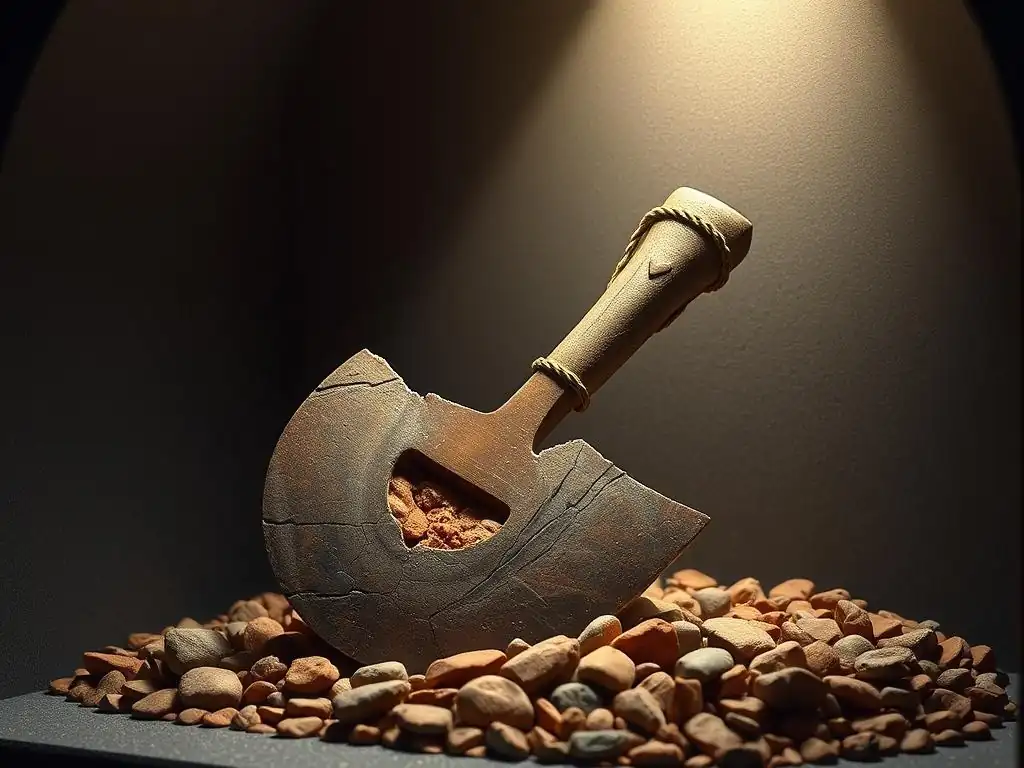
The Mediterranean Region: Conflict and Cooperation in a Maritime Setting
The Mediterranean region experienced the earliest arrival of Neolithic practices in Europe, characterized by early agriculture, maritime trade, and distinct settlement patterns. "Neolithic European community interactions" here were significantly influenced by the sea, facilitating the spread of ideas and goods like obsidian from sources such as Melos or Lipari across vast distances. This extensive maritime network fostered cooperation and cultural exchange, as evidenced by the widespread distribution of Cardial pottery styles along coastal routes.
However, the dense settlement patterns in some fertile coastal plains and islands also led to increased competition for resources. Fortified sites, such as those found in southeastern Iberia (e.g., Los Millares), attest to periods of conflict, likely arising from disputes over prime agricultural land or control over lucrative trade routes. The interplay of resource scarcity and strategic locations for trade meant that both cooperative exchange and violent competition were prominent features of "Neolithic European community interactions" in this dynamic maritime environment.
Central Europe: The Role of Agriculture and Settlement Patterns
In Central Europe, the Linearbandkeramik (LBK) culture dominated the early Neolithic, characterized by its rapid expansion along fertile loess soils and the construction of distinctive longhouses. Initially, their "Neolithic European community interactions" appear to have been largely cooperative, facilitating the spread of agricultural innovations and shared cultural practices. Settlements were often relatively dispersed, possibly reducing immediate competition.
However, as populations grew and pressure on prime agricultural land intensified, evidence suggests a shift towards increased conflict. The emergence of defensive enclosures (rondels) and the chilling discoveries of massacres like the Talheim Death Pit or Asparn/Schletz, dating to later LBK phases, underscore a period of heightened inter-group violence. This shift highlights how the very success of agriculture and population growth could ultimately lead to intensified competition and armed conflict within "Neolithic European community interactions" in this region.
Northern Europe, including Scandinavia and the British Isles, experienced a later and more varied adoption of Neolithic lifestyles, often with a prolonged period of coexistence between farming and traditional hunting-gathering practices. "Neolithic European community interactions" in this region are particularly characterized by the widespread construction of monumental megalithic tombs and ceremonial enclosures. These immense structures signify a high degree of cooperation, requiring significant communal effort and shared ideological frameworks that transcended immediate settlement boundaries.
The emphasis on collective monuments suggests that social cohesion and cooperation were crucial for communities adapting to diverse environmental challenges, including less fertile soils and a more demanding climate in some areas. While evidence of widespread inter-group warfare is perhaps less pervasive than in parts of Central Europe, localized conflicts certainly occurred. Nonetheless, the archaeological record in Northern Europe often points to a complex interplay where collective labor and shared ritual practices played a paramount role in shaping "Neolithic European community interactions," fostering resilience and communal identity.
Case Studies of Neolithic Community Interactions
Çatalhöyük, Turkey: Evidence of Both Conflict and Cooperation in a Dense Settlement
Çatalhöyük, a vast Neolithic settlement in Anatolia (though not strictly European, it provides an invaluable comparative model for early agricultural societies), dating from approximately 7500 to 5700 BCE, offers a unique window into complex "Neolithic European community interactions" within a densely packed urban-like environment. The site is famous for its distinctive architecture, with houses built directly adjoining each other, accessed through roofs, forming a continuous block without streets. This layout suggests a highly cooperative and interconnected community, where collective living was paramount and internal social cohesion was essential for daily life.
Despite the apparent lack of external defensive walls, indicating a possible absence of large-scale external warfare, archaeological evidence points to the potential for interpersonal violence within the settlement. Skeletal analyses have revealed instances of healed blunt force trauma on some individuals, suggesting localized disputes or family-level conflicts. Thus, Çatalhöyük illustrates a fascinating paradox: a community built on an extraordinary degree of cooperation and interdependence, yet not entirely devoid of internal tensions, providing a nuanced perspective on "Neolithic European community interactions" in a sedentary context.
Talheim Death Pit, Germany: A Massacre Indicating Inter-Group Violence
The Talheim Death Pit, located in Germany and dating to around 5000 BCE, stands as one of the most unambiguous and chilling pieces of evidence for large-scale inter-group violence in Neolithic Europe. Discovered in 1983, the pit contained the remains of 34 individuals, including men, women, and children, all belonging to the Linearbandkeramik (LBK) culture. Forensic analysis of the skeletons revealed severe injuries consistent with violent death: numerous skull fractures, parry fractures on forearms, and arrowhead wounds. Crucially, the arrowheads found were typical of non-LBK groups from a different region, strongly suggesting an attack by an external, hostile force.
This site is widely interpreted as a massacre, a brutal act of "Neolithic European community interactions" where one group annihilated another. The context suggests that the violence was likely related to territorial disputes, competition for prime agricultural land, or resource scarcity during a period of population expansion and stress within the LBK culture. The Talheim Death Pit serves as a stark reminder that despite periods of cooperation, the Neolithic landscape was also marked by brutal inter-group warfare and unchecked aggression.
The Varna Culture in present-day Bulgaria, flourishing between approximately 4500 and 4000 BCE, represents a pinnacle of complex social organization and extensive "Neolithic European community interactions" through trade. The Varna Necropolis, in particular, has yielded an extraordinary collection of grave goods, including the world's oldest major gold treasure, alongside sophisticated copper tools and ornaments. The sheer quantity and quality of these artifacts, especially the gold and copper, indicate a highly stratified society with specialized craft production and significant wealth accumulation.
The presence of copper, which is not locally available, and Spondylus shells from the Aegean Sea in Varna burials, demonstrates the existence of far-reaching and systematic trade networks. These networks facilitated the movement of valuable raw materials and finished goods across vast distances, connecting the Varna culture with other "Neolithic European community interactions" across the Balkans and beyond. This extensive trade required cooperation, negotiation, and established pathways for exchange, showcasing a sophisticated level of economic and social integration among disparate communities.
The Role of Environmental Factors: Climate Change and Resource Scarcity
Environmental factors played a crucial, albeit complex, role in shaping "Neolithic European community interactions." Periods of environmental stability and favorable climatic conditions, which supported abundant agricultural yields, likely fostered cooperation and population growth. However, periods of climate change, such as prolonged droughts, colder temperatures, or increased aridity, could lead to resource scarcity, particularly concerning arable land and water. This scarcity often intensified competition between communities, potentially triggering conflicts over dwindling vital resources.
Archaeological studies often seek correlations between evidence of increased violence (e.g., fortified settlements, skeletal trauma) and environmental stress indicators derived from palaeoclimatic data. For example, some researchers suggest that the violence seen in late LBK cultures in Central Europe might coincide with periods of environmental degradation or population pressure on limited fertile land. Conversely, stable resource availability could reduce the impetus for conflict and instead promote cooperative strategies for resource management and long-term sustainability among "Neolithic European community interactions."
The emergence of social hierarchies and increasingly complex power structures during the Neolithic also profoundly influenced "Neolithic European community interactions." Evidence of social differentiation can be seen in burial goods (e.g., the rich graves at Varna), the size and elaboration of dwellings, and differential access to exotic resources. As certain individuals or groups accumulated more power and prestige, they could either facilitate large-scale cooperative projects, such as the construction of megalithic monuments, or organize and lead raids and defensive actions against rival groups.
The consolidation of power could lead to internal stratification and potential conflicts within communities, but it also enabled the mobilization of labor and resources for collective endeavors, both peaceful and hostile. Leaders might have sought to expand their influence or acquire more resources through aggressive means, thereby instigating external conflicts. Conversely, powerful individuals or elites might have played a role in mediating disputes and forging alliances, thus promoting cooperative "Neolithic European community interactions" to maintain stability or secure trade routes.
The Impact of Population Growth: Intensifying Competition and Collaboration
Population growth was a hallmark of the Neolithic Revolution, fueled by the increased food production capabilities of agriculture. This demographic expansion had a dual impact on "Neolithic European community interactions," simultaneously intensifying both competition and collaboration. As populations increased, pressure on finite resources, especially fertile land, inevitably grew. This heightened competition could lead to territorial disputes, resource conflicts, and an increase in inter-group violence, as evidenced by fortified settlements and massacres.
However, increased population density also necessitated more complex forms of social organization and collaboration for survival. Managing larger communities, coordinating agricultural cycles, constructing communal infrastructure (like irrigation systems or defensive works), and organizing large-scale trade networks all required sophisticated forms of cooperation. Therefore, population growth acted as a powerful driver, pushing "Neolithic European community interactions" towards both more frequent competition for limited resources and more elaborate forms of collective action and interdependence.
Conclusion: Reconstructing Neolithic European Community Interactions
The Interplay of Conflict and Cooperation: A Dynamic Process
The archaeological evidence from across Europe unequivocally demonstrates that "Neolithic European community interactions" were a dynamic and multifaceted process, characterized by a continuous interplay of both conflict and cooperation. There was no single, static state of either perpetual peace or constant warfare. Instead, communities navigated a complex social landscape where alliances were forged through trade and shared rituals, while resources and territories were fiercely contested. The presence of sophisticated trade networks and monumental collective endeavors stands in stark contrast to the grim realities of massacres and fortified settlements.
This nuanced picture highlights the adaptability and resilience of early agricultural societies. They developed intricate social mechanisms to facilitate cooperation, enabling large-scale projects and widespread exchange, yet they also possessed the capacity for organized violence when faced with competition or perceived threats. Understanding this dual nature is crucial for a comprehensive appreciation of the social fabric that underpinned Neolithic life across the continent.
Future Directions in Research: Unlocking Further Insights into Neolithic Society
Our understanding of "Neolithic European community interactions" continues to evolve rapidly, driven by advancements in archaeological science. Future research will increasingly rely on cutting-edge technologies to unlock further insights. Ancient DNA (aDNA) analysis, for instance, holds immense promise for tracing kinship patterns, migration routes, and intermarriage between groups, providing direct genetic evidence of population movements and alliances. Isotopic analysis of human and animal remains can shed light on diet, mobility, and the movement of livestock, further illuminating economic interactions and resource sharing.
Furthermore, advanced remote sensing techniques, such as LiDAR, are revolutionizing the discovery and mapping of settlement patterns and hidden landscape features, offering new perspectives on territorial organization and defensive strategies. Integrating these scientific approaches with traditional archaeological excavation and anthropological theory will enable scholars to build an even more detailed and robust reconstruction of the complex social dynamics that characterized "Neolithic European community interactions."
The Significance of Understanding Neolithic European Community Interactions for Archaeological Studies
Understanding "Neolithic European community interactions" is of paramount significance for archaeological studies because it provides fundamental insights into the foundational processes of social complexity. It illuminates how early agricultural societies managed their relationships with neighbors, adapted to environmental challenges, and organized themselves for both survival and prosperity. The balance struck between cooperation and conflict during this transformative period profoundly shaped the trajectories of human societies, laying the groundwork for the emergence of larger, more complex social and political entities in subsequent eras.
By meticulously piecing together the archaeological record, we gain a deeper appreciation for the adaptive strategies, social structures, and cultural expressions of these ancient communities. The study of "Neolithic European community interactions" not only enriches our knowledge of a pivotal era in prehistory but also offers valuable perspectives on universal aspects of human social behavior, including the enduring tension between collaboration and competition that continues to shape human societies today.
Frequently Asked Questions
How do archaeologists investigate Neolithic European community interactions through material remains?
Archaeologists analyze artifacts like pottery styles and tool types to identify trade networks and cultural exchange. They also study settlement patterns and burial practices to understand social organization and potential conflicts.
What archaeological evidence suggests conflict existed between Neolithic European communities?
Evidence includes fortified settlements, mass graves indicating violent deaths, and weaponry found outside of domestic contexts. These discoveries suggest territorial disputes and competition for resources.
Shared megalithic structures demonstrate collaborative building efforts. The spread of similar agricultural practices and pottery designs indicates cultural exchange and knowledge sharing.
What role did trade play in shaping the interactions of Neolithic European communities?
Trade fostered economic interdependence and cultural exchange. The movement of raw materials like obsidian and finished goods like pottery created networks of interaction, potentially reducing conflict.
How can the study of Neolithic European community interactions inform our understanding of present-day societies?
Examining past interactions helps us understand the long-term impact of conflict and cooperation on societal development. It highlights the importance of resource management and cultural exchange in building resilient communities.
Okay, here's a final reflection designed to close your article, "Conflict and Cooperation Among Neolithic European Communities: Archaeological Evidence," optimized for the keyword "Neolithic European community interactions" and following the structure you provided:
Final Reflection: Echoes of Collaboration and Competition
The archaeological evidence presented throughout this article underscores the complex tapestry of Neolithic European community interactions, a reality far removed from simplistic notions of isolated settlements. The patterns of conflict and cooperation, revealed through material culture and settlement analysis, resonate even today, reminding us that human societies have always navigated the delicate balance between competition and collaboration for resources and survival.
The enduring legacy of these Neolithic interactions continues to shape our understanding of social development and the origins of European culture. Personally, I find it fascinating to consider how these ancient communities, facing similar challenges to our own, forged pathways toward both conflict and cooperation, leaving behind tangible clues to their decisions. The past is never dead. It's not even past.
- William Faulkner. This quote encapsulates the profound connection between these early interactions and the foundations of societal structures we still grapple with today.
As we reflect on the intricate web of relationships that defined Neolithic European communities, let us consider the lessons they offer for our own interconnected world. How can we learn from their successes and failures to foster greater cooperation and mitigate the destructive forces of conflict? Let us strive to build bridges, not walls, and to recognize the shared humanity that binds us together, just as it did those who walked the earth millennia ago.
Unearth Your Own Insights: Become a Neolithic Explorer!
Thanks for diving into the fascinating world of Neolithic European communities! We hope you found the archaeological evidence of conflict and cooperation as captivating as we do. Now, it's time to take your interest a step further.
- Dig Deeper: Research a Neolithic Site in Your Region (or One That Intrigues You)!: What does its archaeological record reveal about the lives of its inhabitants?
- Share this article with a friend or colleague to spark a discussion about the complexities of early human societies.
- Imagine you are an archaeologist at one of these sites, what personal story would you like to share about your findings?