
Conservation Strategies for Excavated Metal Artifacts: Bronze, Iron, and Silver

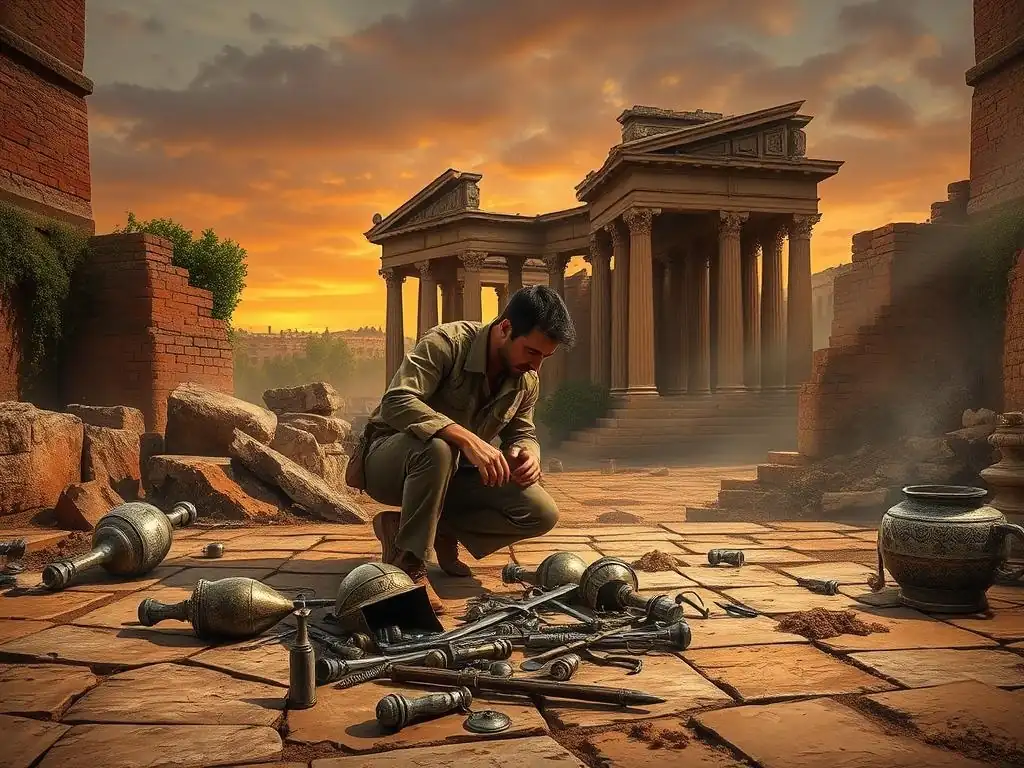
Welcome to ArchaeologyHub.org, your gateway to unlocking the secrets of the past. Have you ever wondered what happens to the treasures unearthed from ancient soils? This month, we delve deep into the crucial field of metal artifact conservation strategies. From fragile bronze to corroded iron and tarnished silver, discover the meticulous processes that preserve these invaluable pieces of history, ensuring their stories continue to resonate for generations to come. Curious to learn how these relics are saved from the ravages of time? Read on to uncover the fascinating science behind preserving our metallic heritage!
- Conservation Strategies for Excavated Metal Artifacts: Copper Alloys, Ferrous Metals, and Silver
- Introduction to Metal Artifact Conservation in Archaeology
- Understanding Metal Degradation in Archaeological Contexts
- Metal Artifact Conservation Strategies: An Overview
- Conservation of Excavated Copper Alloy Artifacts
- Conservation of Excavated Ferrous Metal Artifacts
- Conservation of Excavated Silver Artifacts
- Preventative Conservation for Archaeological Metals
- Documentation and Monitoring of Conservation Treatments
- Case Studies in Metal Artifact Conservation
- Advanced Techniques in Metal Artifact Conservation
- Resources for Metal Artifact Conservation
- Conclusion: Ensuring the Long-Term Preservation of Metal Artifacts
-
Frequently Asked Questions
- How critical is immediate intervention after a metal artifact is unearthed?
- What are some common initial steps in the conservation of excavated metal artifacts?
- What are some specific challenges associated with conserving iron artifacts compared to bronze or silver?
- Why is it important to understand the environment from which a metal artifact was excavated?
- What long-term storage conditions are recommended for conserved metal artifacts?
- Final Reflection: Preserving Echoes of the Past
- Unearth Your Next Steps: Preserve History Now!
Conservation Strategies for Excavated Metal Artifacts: Copper Alloys, Ferrous Metals, and Silver
Introduction to Metal Artifact Conservation in Archaeology
The Importance of Conservation for Archaeological Metals
Archaeological metal artifacts represent invaluable windows into past human societies, offering unique insights into technological advancements, cultural practices, and economic systems. Unlike organic materials, metals often survive in the archaeological record, albeit in various states of preservation. The information they hold—from manufacturing techniques evident in microstructure to stylistic details on surface decoration—is irreplaceable. Therefore, the importance of robust metal artifact conservation strategies cannot be overstated, as without proper intervention, these objects continue to degrade even after excavation, leading to an irreversible loss of vital historical data.
The very act of excavation, while necessary for recovery, can accelerate the deterioration of metal objects by exposing them to drastic changes in environment, such as variations in oxygen levels, humidity, and temperature. Preventing this post-excavation decay is a primary goal of conservation. Effective conservation ensures that these artifacts remain stable for study, exhibition, and future generations, allowing for ongoing research and public engagement with the material remnants of ancient civilizations.
Challenges in Preserving Excavated Metal Objects
Preserving excavated metal objects presents a unique set of challenges due to the complex interaction between the metal, its burial environment, and post-excavation conditions. Metals, by their very nature, are unstable in the presence of oxygen and moisture, tending to revert to their more stable oxide or salt forms. The specific soil chemistry, presence of chloride ions, and ambient humidity levels underground can lead to various forms of corrosion, often creating complex multi-layered structures of original metal, corrosion products, and surrounding soil.
Upon excavation, objects are exposed to atmospheric oxygen and fluctuating humidity, often leading to rapid and aggressive deterioration, particularly for ferrous metals. This phenomenon, sometimes called "post-excavation shock," necessitates immediate first aid and careful stabilization. Furthermore, the diverse range of metals (copper alloys, iron, silver), each with its distinct degradation mechanisms and stability requirements, means that a one-size-fits-all approach is ineffective. These inherent challenges underscore the critical need for specialized and adaptive metal artifact conservation strategies.
Scope of this Guide: Copper Alloys, Ferrous Metals, and Silver
This guide focuses on the conservation strategies for three major categories of archaeological metals: copper alloys (primarily bronze), ferrous metals (iron and steel), and silver. These three groups are ubiquitous in archaeological contexts across various cultures and time periods, representing significant technological achievements and offering distinct challenges for their long-term preservation. Each metal type undergoes specific corrosion processes, requiring tailored conservation interventions.
The subsequent sections will delve into the degradation mechanisms specific to each metal type, outlining common corrosion products and their implications. We will then explore the most effective and ethically sound conservation treatments, including cleaning, stabilization, and protective measures. The aim is to provide a comprehensive overview of the principles and practical applications of metal artifact conservation strategies, ensuring the continued survival of these precious historical records.
Understanding Metal Degradation in Archaeological Contexts
Corrosion Processes Affecting Copper Alloy Artifacts
Copper alloys, predominantly bronze (an alloy of copper and tin) and brass (copper and zinc), are susceptible to various corrosion processes when buried. In oxygen-rich, moist environments, copper typically corrodes to form green or blue-green copper carbonates (malachite and azurite) or basic copper chlorides. In more anaerobic conditions, red cuprous oxide (cuprite) often forms directly on the metal surface, sometimes creating a stable, protective patina. However, the presence of chlorides, particularly from saline soils or proximity to seawater, significantly alters this process.
The fundamental electrochemical nature of copper corrosion involves the oxidation of copper metal and the reduction of oxygen or other species. This results in the formation of a complex stratigraphy of corrosion products, often encompassing stable layers that can protect the underlying metal, alongside unstable and aggressive layers. Understanding the specific chemical reactions and the resulting corrosion products is paramount for developing appropriate metal artifact conservation strategies, as misidentification can lead to ineffective or even damaging treatments.
Bronze Disease: Identification and Impact
Bronze disease is an aggressive and highly destructive form of active corrosion specific to copper alloys, primarily caused by the presence of cuprous chloride (nantokite) in conjunction with moisture and oxygen. The reaction is cyclical: cuprous chloride reacts with water and oxygen to form hydrochloric acid and basic copper chloride. The hydrochloric acid then attacks the underlying metallic copper, regenerating more cuprous chloride and perpetuating the cycle. This self-sustaining destructive process can rapidly consume an artifact if left untreated.
Visually, bronze disease manifests as discrete, powdery, pale green spots on the surface of the object, often accompanied by pitting of the metal. These spots might have a distinctive "fishy" or "metallic" odor. In severe cases, the entire surface can become covered in a powdery layer, and the artifact can crumble to dust within months or years. Its insidious nature and rapid progression make prompt identification and treatment of bronze disease a critical component of any comprehensive metal artifact conservation strategy for copper alloys.
Ferrous Metal Artifact Degradation: Rust Formation and Environmental Factors
Ferrous metals, primarily iron and steel, undergo rapid and extensive degradation in most archaeological environments through the process commonly known as rusting. This is an electrochemical process where iron oxidizes in the presence of oxygen and water to form various hydrated iron oxides and hydroxides, collectively termed rust. The burial environment plays a crucial role; in well-aerated, moist soils, rust formation is rapid and can lead to complete mineralization of the object. In contrast, in waterlogged, anaerobic conditions (such as bogs or shipwrecks), iron can survive remarkably well, often forming a stable black magnetite layer.
A significant challenge with rust formation is the volumetric expansion that occurs as iron converts to rust. Iron corrosion products can occupy up to seven times the volume of the original metal, exerting immense pressure that can fracture and distort the artifact. This expansion can also cause surrounding soil to concretion onto the object, obscuring details and creating a hard, damaging shell. Effective metal artifact conservation strategies for ferrous metals must address not only the chemical instability but also the physical effects of this expansion.
The Role of Chloride Ions in Ferrous Metal Corrosion
Chloride ions are the most destructive agents for archaeological iron, acting as catalysts that promote and sustain active corrosion. They are commonly present in marine environments, saline soils, or even from past industrial pollution. When chlorides penetrate the corrosion layer and reach the metal surface, they form soluble iron chlorides. These compounds hydrolyze in the presence of moisture, producing hydrochloric acid, which then aggressively attacks the metallic iron, releasing more iron ions and perpetuating the corrosion cycle. This process is often referred to as "pitting corrosion" or "chloride-induced corrosion."
The presence of even trace amounts of chloride ions (e.g., concentrations as low as 0.01% by weight of the object) can initiate and maintain active corrosion, even in seemingly dry conditions, as chlorides are hygroscopic and attract moisture from the air. This makes the complete removal or neutralization of chlorides the single most critical step in the long-term stabilization of excavated ferrous metal artifacts. Without thorough desalination, any subsequent protective coatings or treatments will inevitably fail, highlighting the fundamental importance of chloride extraction in metal artifact conservation strategies for iron.
Silver Artifact Degradation: Tarnishing and Sulfide Formation
Silver artifacts, while generally more stable than iron or copper alloys, are susceptible to degradation, primarily tarnishing and the formation of silver sulfide. This occurs when silver reacts with sulfur-containing gases present in the atmosphere (such as hydrogen sulfide and carbonyl sulfide) or in the burial environment (from organic decomposition or volcanic activity). The reaction forms a thin, often iridescent to black layer of silver sulfide (Ag₂S) on the metal surface. This tarnish, while sometimes considered a desirable patina in modern contexts, can obscure fine details and, if thick, can become brittle and flake off.
Beyond tarnishing, silver can also corrode to form silver chloride (AgCl), particularly when buried in chloride-rich soils. Silver chloride is typically white, powdery, or crystalline, and can appear purplish or gray upon exposure to light. Unlike silver sulfide, silver chloride can be more aggressive, especially if the object is in contact with other metals, potentially leading to galvanic corrosion. The presence of these different corrosion products necessitates careful identification to apply the most appropriate metal artifact conservation strategies.
Identifying Silver Corrosion Products
Accurate identification of silver corrosion products is crucial for selecting the correct conservation treatment, as different products respond to different cleaning and stabilization methods. Silver sulfide tarnish is typically recognized by its characteristic black, brown, or iridescent sheen, which can range from a superficial film to a thick, tenacious layer. It is generally uniform across the surface unless unevenly worn.
Silver chloride, on the other hand, often appears as a white, chalky, or crystalline deposit, sometimes with a purplish tint, especially after light exposure. It can also form as localized spots or larger accretions, and is less adherent than sulfide tarnish. Advanced analytical techniques such as X-ray Fluorescence (XRF) and X-ray Diffraction (XRD) can provide definitive identification of these corrosion products, allowing conservators to distinguish between stable patinas and actively destructive corrosion, thereby guiding the most effective metal artifact conservation strategies.
Metal Artifact Conservation Strategies: An Overview
Principles of Archaeological Metal Conservation
The overarching principles guiding archaeological metal artifact conservation strategies are rooted in ethical considerations and best practices established by the conservation profession. Foremost among these is the principle of minimal intervention: treatments should only be undertaken to the extent necessary to stabilize the artifact and reveal its historical information, avoiding excessive cleaning or restoration that might remove original material or obscure evidence. This approach respects the integrity of the object as an archaeological document.
Another crucial principle is reversibility. Ideally, any treatment applied to an artifact should be reversible without causing damage to the object, allowing for future re-treatment as new techniques emerge or as the object's condition changes. Furthermore, comprehensive documentation of the artifact's condition before, during, and after treatment is essential, alongside detailed records of all methods and materials used. This meticulous record-keeping ensures accountability, facilitates future research, and contributes to the ongoing development of effective metal artifact conservation strategies.
Ethical Considerations in Artifact Treatment
Ethical considerations are paramount in the treatment of archaeological metal artifacts. Conservators must balance the need to stabilize and preserve the object with the imperative to retain its archaeological authenticity and research potential. This often involves difficult decisions, such as whether to remove a stable, aesthetically pleasing patina that might obscure underlying details, or whether to consolidate a fragile object even if it slightly alters its original appearance. The conservator's role is not simply to "fix" an object, but to act as a custodian of its historical and material integrity.
The decision-making process for any conservation intervention should be collaborative, involving archaeologists, curators, and scientists to ensure that all perspectives are considered. Transparency in treatment methods and outcomes is also key, allowing for peer review and public understanding of conservation practices. Ultimately, ethical metal artifact conservation strategies prioritize the long-term preservation of the object's informational value over purely aesthetic concerns, ensuring that future generations can continue to learn from these irreplaceable artifacts.
Conservation of Excavated Copper Alloy Artifacts
Cleaning Copper Alloy Artifacts: Mechanical and Chemical Methods
Cleaning excavated copper alloy artifacts is a crucial initial step, aiming to remove harmful corrosion products and obscuring soil concretions while preserving stable patinas and original surface details. Mechanical cleaning methods involve the careful use of hand tools such as scalpels, dental picks, and fiberglass brushes under magnification. Air abrasive units, using fine powders like glass beads or walnut shells, can also be employed for more stubborn concretions, offering precise control over material removal. These methods are preferred for their selectivity and ability to preserve fragile surfaces.
Chemical cleaning involves the use of specific reagents to dissolve or convert corrosion products. For instance, dilute solutions of citric acid or sodium sesquicarbonate are effective for removing calcareous concretions or neutralizing active bronze disease, respectively.
Electrolytic reduction, which involves placing the artifact in an electrolyte solution and applying a controlled electric current, can reduce corrosion products back to metallic copper, but this method requires extreme care as it can alter surface details and original patinas. The choice between mechanical and chemical methods, or a combination thereof, depends on the artifact's condition, the nature of the corrosion, and the desired outcome, all guided by sound metal artifact conservation strategies.
Removing Surface Deposits from Copper Alloys
The removal of surface deposits from copper alloys, often comprising soil, minerals, and stable corrosion products, is a delicate process requiring precision. Mechanical techniques are generally favored due to their controlled nature. Micro-abrasive blasting, using finely ground media like walnut shells or glass micro-beads at very low pressures, can effectively remove stubborn concretions without damaging the underlying metal or stable patina. This technique is often performed under a stereomicroscope to ensure precise removal and prevent over-cleaning.
For specific mineral accretions, such as carbonates or silicates, targeted chemical applications can be employed, though always with caution. Dilute solutions of ethylenediaminetetraacetic acid (EDTA) or formic acid can selectively dissolve certain deposits. However, careful monitoring, short application times, and thorough rinsing are essential to prevent damage to the artifact. The aim is to reveal original surface features and inscriptions while maintaining the integrity of any desirable, stable patina, which is a key objective of effective metal artifact conservation strategies.
Chemical Stabilization of Copper Alloy Artifacts
Chemical stabilization is a critical step for copper alloy artifacts, particularly those affected by bronze disease. The most widely used and effective chemical for this purpose is benzotriazole (BTA). BTA forms a stable, insoluble complex with cuprous ions on the copper surface, creating a protective layer that inhibits further corrosion. This chelate acts as a barrier against moisture and oxygen, effectively halting the destructive cycle of bronze disease.
The application of BTA typically involves immersing the cleaned artifact in a dilute aqueous or ethanolic solution of BTA, often under vacuum to ensure deep penetration into porous corrosion layers. Soaking times can vary from several hours to several days, sometimes requiring multiple treatments. For instance, a 1-3% BTA solution may be applied for 24-48 hours. While BTA significantly reduces corrosion rates, it is not a permanent solution and must be combined with controlled environmental conditions and protective coatings for long-term stability, forming a comprehensive part of metal artifact conservation strategies for copper.
Stabilization and Protection of Copper Alloy Artifacts
Following cleaning and chemical stabilization, the subsequent steps for copper alloy artifacts focus on long-term stabilization and protection from future degradation. This involves creating a physical barrier between the metal surface and the environment, along with maintaining optimal environmental conditions. The goal is to ensure the artifact remains stable for centuries, allowing for continued study and public appreciation.
This stage of conservation is crucial because even after active corrosion has been treated, the metal remains susceptible to re-activation if not properly protected. The choice of protective coating and storage environment depends on the artifact's material composition, its state of preservation, and its intended future use (e.g., museum display or long-term storage). Implementing robust stabilization and protection measures is a hallmark of successful metal artifact conservation strategies.
Applying Protective Coatings to Copper Alloys
Protective coatings form a physical barrier on the surface of copper alloy artifacts, shielding them from moisture, oxygen, and atmospheric pollutants. Microcrystalline waxes, such as Renaissance Wax or Cosmoloid H80, are widely used for their protective qualities, ease of application, and reversibility. They are applied as a thin layer, often warmed to ensure even coverage, and then buffed to a pleasing sheen. Waxes offer excellent moisture resistance and can fill minor porosities in the surface.
Alternatively, acrylic resins, such as Paraloid B-72, dissolved in solvents like acetone or xylene, provide a harder, more durable film. These can be applied by brushing, dipping, or spraying, creating a transparent, stable barrier. The choice of coating depends on the artifact's surface texture, porosity, and aesthetic considerations. Regardless of the material, the coating must be applied evenly and completely, especially in intricate areas, to ensure continuous protection. These coatings are an integral part of effective metal artifact conservation strategies.
Controlling Environmental Factors for Copper Alloy Preservation
Controlling the environmental factors in storage and display is paramount for the long-term preservation of copper alloy artifacts. The primary concern is relative humidity (RH), as high or fluctuating humidity can reactivate bronze disease, even after chemical stabilization. For most copper alloys, an ideal RH range of 35-45% is recommended to prevent active corrosion while avoiding excessive dryness that could cause other material problems. Maintaining a stable temperature is also important, as temperature fluctuations can lead to condensation and localized moisture.
In environments where precise RH control is challenging, artifacts can be stored in sealed showcases or containers with passive humidity control agents, such as conditioned silica gel. Silica gel, pre-equilibrated to the desired RH, can absorb or release moisture to maintain stable conditions within the enclosure. Regular monitoring with data loggers is essential to ensure that the environmental parameters remain within acceptable limits. This proactive environmental management is a cornerstone of comprehensive metal artifact conservation strategies.
Conservation of Excavated Ferrous Metal Artifacts
Desalination of Ferrous Metal Artifacts: Removing Chlorides
Desalination is the most critical and often the most time-consuming step in the conservation of excavated ferrous metal artifacts. As previously discussed, chloride ions are the primary catalysts for active iron corrosion, and their presence will inevitably lead to continued degradation, even if the object appears stable. The goal of desalination is to extract as many chlorides as possible from the metal's porous corrosion layers, reducing them to a level where active corrosion cannot be sustained.
The challenge lies in the deep penetration of chlorides into the iron matrix and corrosion products, making complete removal extremely difficult. Incomplete desalination is a common cause of re-corrosion in treated iron artifacts. Therefore, conservators often employ methods that facilitate the migration of chlorides out of the object, sometimes over periods of several months or even years, making desalination a defining aspect of effective metal artifact conservation strategies for iron.
Methods for Chloride Extraction from Ferrous Metals
Several methods are employed for chloride extraction from ferrous metals, each with its advantages and limitations. The alkaline sulfite method is widely used, involving prolonged immersion of the artifact in a solution of sodium hydroxide (to create an alkaline environment) and sodium sulfite (an oxygen scavenger and reducing agent). This solution helps convert soluble iron chlorides into insoluble compounds and encourages their diffusion out of the object. This process can reduce chloride levels from over 5% to below 0.05% over months of treatment.
Another method, particularly for robust objects, is electrolytic reduction. The artifact is immersed in an alkaline electrolyte and connected as a cathode, while an inert anode completes the circuit. The electric current drives chloride ions out of the metal and into the solution. This method is highly effective and relatively fast but requires careful monitoring to prevent damage to the artifact's surface or morphology. Both methods require thorough rinsing afterwards to remove residual chemicals, forming integral parts of complex metal artifact conservation strategies.
Stabilization Treatments for Ferrous Metal Artifacts
Once chlorides have been sufficiently removed, ferrous metal artifacts require stabilization treatments to passivate their surfaces and prevent re-corrosion. The goal is to create a stable, non-reactive surface that can then be protected by barrier coatings. These treatments often aim to convert any remaining unstable iron oxides into more stable forms or to create a protective chemical layer on the metal.
The choice of stabilization treatment depends heavily on the artifact's condition, its archaeological significance, and the desired aesthetic outcome. Some treatments are designed for heavily corroded, largely mineralized objects, while others are suitable for artifacts retaining significant amounts of original metal. Implementing appropriate stabilization treatments is a key component of successful metal artifact conservation strategies.
Tannic Acid Treatment for Ferrous Metal Rust Conversion
Tannic acid treatment is a common method for stabilizing ferrous metal artifacts, particularly those with substantial rust layers where the preservation of a pristine metallic surface is not the primary goal. Tannic acid reacts with iron oxides and hydroxides to form stable, insoluble iron tannates, which create a blue-black, protective layer on the surface. This layer helps to consolidate the rust and reduce its porosity, thereby inhibiting further oxidation.
The treatment typically involves immersing the artifact in an aqueous solution of tannic acid or brushing the solution onto the surface. While effective at stabilizing rust, tannic acid can permanently alter the appearance of the object and may obscure subtle surface details. Therefore, it is generally applied to heavily corroded iron where aesthetic considerations are secondary to structural stability, making it a specialized element within comprehensive metal artifact conservation strategies.
Alkaline Sulfite Treatment for Ferrous Metals
Beyond its role in chloride extraction, the alkaline sulfite solution itself serves as a crucial stabilization treatment for ferrous metal artifacts. Prolonged immersion in this solution creates an anoxic (oxygen-free) and highly alkaline environment, which is unfavorable for the continuation of active iron corrosion. The sodium sulfite acts as an oxygen scavenger, removing dissolved oxygen from the solution and from within the porous corrosion layers of the artifact.
This treatment effectively passivates the iron surface, preventing the formation of new rust and halting the progression of chloride-induced corrosion. For heavily corroded and fragile iron, artifacts may remain in alkaline sulfite solutions for extended periods, sometimes years, until they are deemed stable. This long-term immersion is a cornerstone of many metal artifact conservation strategies for iron, providing a stable chemical environment for the metal.
Protecting Ferrous Metal Artifacts from Further Corrosion
After desalination and stabilization, the final stage in the conservation of ferrous metal artifacts is to apply protective measures that physically isolate the object from environmental aggressors. This involves applying barrier coatings and ensuring appropriate storage and display conditions. Without these protective layers, even a fully desalinated and stabilized iron artifact will eventually re-corrode upon re-exposure to oxygen and moisture.
The choice of protective coating and storage environment is critical for ensuring the long-term success of the conservation treatment. These measures aim to prevent the re-activation of corrosion processes and to maintain the artifact's stability for future generations. Effective protection is the culmination of robust metal artifact conservation strategies.
Applying Barrier Coatings to Ferrous Metals
Barrier coatings are essential for protecting ferrous metal artifacts from re-corrosion by creating a physical seal against moisture and oxygen. Microcrystalline waxes, such as Cosmoloid H80 or Renaissance Wax, are commonly used due to their excellent moisture barrier properties, flexibility, and reversibility. They are often applied hot to ensure deep penetration into porous surfaces and then buffed to a matte or semi-gloss finish.
Acrylic resins, like Paraloid B-72, dissolved in solvents, also provide a durable and transparent protective film. These can be applied by brushing or spraying. For particularly sensitive or actively corroding iron, a combination of treatments, such as an initial application of a consolidant like Paraloid B-72 followed by a wax layer, might be employed. The goal is complete coverage, especially in crevices and areas prone to moisture entrapment, as part of comprehensive metal artifact conservation strategies.
Storage and Display Considerations for Ferrous Metal Artifacts
Proper storage and display conditions are paramount for the long-term preservation of ferrous metal artifacts. The most critical factor is maintaining a low and stable relative humidity (RH), ideally below 15% for highly sensitive or incompletely desalinated iron, and below 40% for well-stabilized artifacts. High or fluctuating RH can re-activate corrosion, even on treated objects. Anaerobic storage, involving sealed containers with oxygen scavengers or an inert gas atmosphere (e.g., nitrogen), is the ultimate protective measure for highly vulnerable iron.
Artifacts should be housed in inert, acid-free, and sulfur-free materials, such as polyethylene foam, polypropylene boxes, and archival tissue paper. Avoid contact with materials that off-gas corrosive vapors, such as certain types of wood or PVC plastics. Regular environmental monitoring with data loggers is essential to detect any deviations from ideal conditions. These meticulous storage and display practices are fundamental to successful metal artifact conservation strategies for ferrous metals.
Conservation of Excavated Silver Artifacts
Cleaning Silver Artifacts: Removing Tarnish
The cleaning of excavated silver artifacts focuses on removing unsightly tarnish and active corrosion products while preserving any desirable original surface features or patinas. Unlike iron or copper alloys, silver tarnish (silver sulfide) is often stable and can even be considered aesthetically pleasing or historically significant. Therefore, cleaning must be carefully considered, prioritizing the removal of destructive corrosion (like silver chloride) or obscuring tarnish that hinders study, over purely aesthetic polishing.
The process often involves a combination of mechanical and chemical methods, chosen based on the nature and extent of the corrosion. The objective is to reveal the artifact's details and stabilize its surface without causing undue abrasion or chemical alteration to the underlying metal. This nuanced approach is characteristic of effective metal artifact conservation strategies for silver.
Mechanical Cleaning of Silver
Mechanical cleaning of silver artifacts involves the careful physical removal of dirt, accretions, and tarnish using a range of tools. For loose dirt and superficial tarnish, soft brushes, cotton swabs, and vulcanized rubber erasers can be gently employed. For more tenacious concretions or thick corrosion layers, conservators use fine scalpels, dental tools, and fiberglass brushes under high magnification to precisely chip away material.
Micro-abrasive blasting with very fine, soft media (e.g., glass beads or calcium carbonate powder) can also be used for stubborn tarnish, but with extreme caution due to the potential for abrading the relatively soft silver surface. The aim is always to achieve a controlled removal of unwanted material, revealing the original surface without causing scratching or loss of delicate details, thereby preserving the artifact's historical integrity. This precision is vital in metal artifact conservation strategies.
Chemical Cleaning of Silver: Tarnish Removal Techniques
Chemical cleaning methods for silver artifacts involve the use of solutions to dissolve or convert corrosion products. For silver sulfide tarnish, various chemical dips are available, often containing thiourea or other complexing agents. While effective at rapid tarnish removal, these can be aggressive, potentially stripping away desirable patinas or dulling the metal surface. Therefore, their use is often limited to specific cases where mechanical cleaning is insufficient.
Electrolytic reduction can also be applied to silver, converting silver sulfides or chlorides back to metallic silver. This is a controlled process that requires careful monitoring of current and voltage. For silver chloride, immersion in a dilute solution of sodium thiosulfate can effectively dissolve the corrosion product. Following any chemical treatment, thorough rinsing in deionized water is essential to remove residual chemicals and prevent further reactions. The choice of chemical method is always a balance between effectiveness and minimizing potential harm, a key decision in metal artifact conservation strategies.
Stabilization and Protection of Silver Artifacts
After cleaning, the stabilization and protection of silver artifacts focus on preventing re-tarnishing and ensuring long-term stability. While silver is relatively stable compared to iron, it is still susceptible to atmospheric pollutants. Therefore, creating a protective barrier and controlling the immediate environment are crucial.
The goal is to maintain the cleaned state of the silver, allowing its aesthetic and informational value to be preserved for future generations. This often involves a multi-pronged approach combining surface coatings with careful environmental management, which are fundamental components of comprehensive metal artifact conservation strategies for silver.
Applying Anti-Tarnish Coatings to Silver
To prevent re-tarnishing of silver artifacts, protective coatings are applied to create a barrier against sulfur-containing gases and moisture. Acrylic lacquers, such as Paraloid B-72, dissolved in volatile solvents, are commonly used. These form a clear, thin, and reversible film that provides effective protection without significantly altering the artifact's appearance. The lacquer can be applied by brushing, dipping, or spraying, ensuring complete coverage.
Microcrystalline waxes can also be used, offering good barrier properties and a pleasing finish, though they may require more frequent re-application than lacquers. Some specialized coatings incorporate tarnish inhibitors directly into their formulation, offering enhanced protection. The application of these coatings is a standard practice, significantly extending the period before re-tarnishing occurs, and is a vital step in metal artifact conservation strategies for silver.
Proper Handling and Storage of Silver Artifacts
Proper handling and storage are crucial for preventing damage and re-tarnishing of silver artifacts. Always wear clean cotton or nitrile gloves when handling silver to prevent the transfer of oils, salts, and acids from skin, which can accelerate tarnishing. Artifacts should be handled minimally and supported adequately to prevent physical damage.
For storage, silver artifacts should be placed in environments with low concentrations of sulfur-containing gases. This often means using sulfur-free tissue paper, acid-free archival boxes, and inert plastics like polyethylene or polypropylene. Avoid materials such as rubber bands, PVC plastics, or certain types of wood (e.g., oak) that can off-gas corrosive compounds. Maintaining a stable relative humidity, ideally below 40%, further inhibits tarnish formation. These meticulous handling and storage practices are indispensable metal artifact conservation strategies.
Preventative Conservation for Archaeological Metals
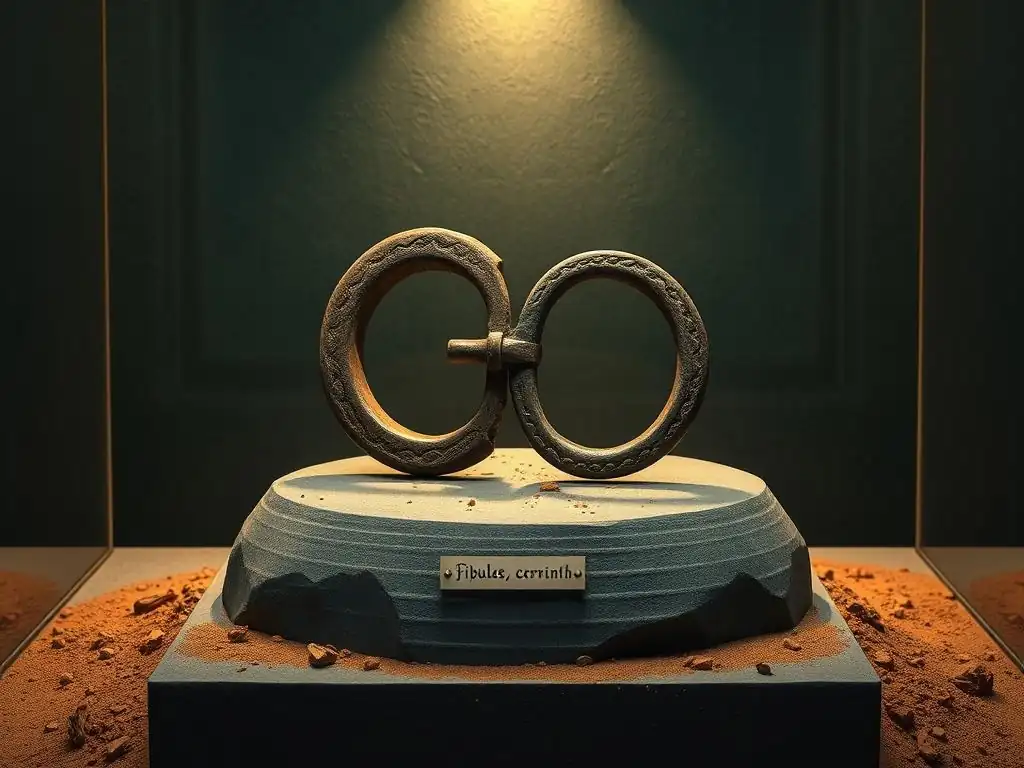
Environmental Control in Storage and Display
Preventative conservation, focusing on environmental control, is arguably the most effective long-term strategy for preserving archaeological metals. While active treatments address existing degradation, environmental control aims to mitigate the conditions that cause degradation in the first place. A stable and appropriate environment significantly slows down corrosion processes, reducing the need for repeated active interventions and extending the lifespan of artifacts indefinitely.
The principles of environmental control involve creating and maintaining specific atmospheric conditions around the artifacts, whether in storage facilities or exhibition spaces. This proactive approach not only protects the metal itself but also safeguards any applied coatings or associated materials, ensuring the overall integrity of the archaeological collection. It is a cornerstone of sustainable metal artifact conservation strategies.
Temperature and Humidity Control
Maintaining stable temperature and relative humidity (RH) is paramount for the long-term preservation of archaeological metals. Fluctuations in temperature can lead to condensation, providing the moisture necessary for corrosion, while high RH directly promotes most forms of metal degradation, especially for iron and copper alloys. Ideal RH levels vary by metal type, but generally, a range of 30-50% RH is considered safe for most stable metals, with lower levels (below 15%) often recommended for highly sensitive or actively corroding iron.
Achieving and maintaining these conditions requires robust climate control systems in museum storage and display areas. For individual artifacts or smaller collections, passive humidity control using conditioned silica gel in sealed microclimates (e.g., display cases or storage boxes) can be highly effective. Continuous monitoring with data loggers is essential to ensure that temperature and RH remain within acceptable parameters, as even a 10% RH fluctuation can significantly accelerate corrosion rates for some metals.
Light Exposure Management
While light, particularly visible light, does not directly cause corrosion in metals, its management is an important aspect of preventative conservation for archaeological metal artifacts. High light levels, especially those containing ultraviolet (UV) radiation, can degrade organic coatings applied to metals (such as waxes or lacquers), reducing their protective efficacy over time. This degradation can lead to cracking, yellowing, or loss of adhesion, thereby exposing the metal surface to environmental aggressors.
Furthermore, UV light can also accelerate the deterioration of associated materials like textiles, wood, or certain corrosion products. Therefore, maintaining low light levels (e.g., below 50 lux for sensitive materials) and filtering out UV radiation in display and storage areas is a recommended practice. This ensures the longevity of conservation treatments and the overall stability of the artifact, contributing to comprehensive metal artifact conservation strategies.
Handling and Packaging of Metal Artifacts
Proper handling and packaging are fundamental aspects of preventative conservation, minimizing the risk of physical damage and inadvertent contamination of archaeological metal artifacts. Careless handling can lead to scratches, dents, fractures, or the transfer of corrosive substances from skin, accelerating degradation. Similarly, improper packaging can expose artifacts to environmental fluctuations, physical stress, or harmful off-gassing materials.
These practices are not merely about preventing immediate damage but also about ensuring the long-term stability and research potential of the artifacts. Adhering to best practices in handling and selecting appropriate packaging materials are non-negotiable components of effective metal artifact conservation strategies.
Best Practices for Artifact Handling
When handling archaeological metal artifacts, several best practices should always be observed to minimize risks. Always wear clean, powder-free nitrile or cotton gloves to prevent the transfer of oils, salts, and acids from skin, which can accelerate corrosion. Handle artifacts as little as possible, and always support them adequately, especially fragile or heavy items, using both hands or appropriate lifting aids. Avoid grasping objects by fragile projections or areas of active corrosion.
Transport artifacts using padded trays or carts to prevent shocks and vibrations. Never slide objects across surfaces. Ensure the workspace is clean and free of potential hazards. In the event of an accidental drop or damage, immediately document the incident and notify a conservator. These careful handling protocols are crucial for maintaining the physical integrity and chemical stability of the artifacts, forming essential metal artifact conservation strategies.
Suitable Packaging Materials for Metal Artifacts
Selecting suitable packaging materials is crucial for protecting metal artifacts during storage and transport. Materials must be inert, acid-free, and sulfur-free to prevent off-gassing of corrosive vapors. Recommended materials include polyethylene foam (e.g., Ethafoam or Volara), which is chemically stable and provides excellent cushioning, and polypropylene corrugated sheets or boxes. Archival-quality, acid-free tissue paper (buffered or unbuffered depending on the metal) can be used for wrapping.
Materials to strictly avoid include rubber bands (which contain sulfur), PVC plastics (which can off-gas hydrochloric acid), acidic paper or cardboard, and certain types of wood (e.g., oak, which contains corrosive organic acids). Objects should be individually wrapped or nested in custom-cut foam supports to prevent movement and abrasion. Proper labeling of packages is also essential for inventory and safe retrieval, ensuring that artifacts are protected by robust metal artifact conservation strategies.
Documentation and Monitoring of Conservation Treatments
The Importance of Detailed Records
Detailed record-keeping is an indispensable component of all archaeological conservation work, especially for metal artifacts. Comprehensive documentation provides a complete history of the artifact's condition, the conservation treatments applied, and the materials used. This includes pre-treatment condition reports, detailed descriptions of cleaning methods, chemical treatments, coatings, and any ethical considerations or challenges encountered.
These records are vital for several reasons: they serve as a reference for future conservators who may need to re-treat the object; they provide valuable data for research into the long-term efficacy of different metal artifact conservation strategies; and they constitute a permanent archive of the artifact's journey from excavation to its current state. Without meticulous documentation, the historical and scientific value of the conservation work itself is significantly diminished.
Photographic Documentation of Artifact Condition
Photographic documentation is an essential visual record that complements written reports in metal artifact conservation. High-resolution photographs should be taken before, during, and after every significant stage of treatment. This includes overall views, detailed close-ups of specific features, areas of corrosion, and any archaeological evidence (e.g., tool marks, inscriptions) revealed during cleaning.
Standardized photographic practices, such as consistent lighting, use of a scale bar, and color calibration, ensure that the images are accurate and comparable over time. Raking light photography can highlight subtle surface textures and details. These visual records are invaluable for assessing the progress of treatment, illustrating the impact of conservation, and supporting research. Digital images should be properly archived with metadata to ensure their long-term accessibility and utility, forming a critical part of comprehensive metal artifact conservation strategies.
Long-Term Monitoring of Artifact Stability
The conservation process does not end with the completion of active treatment and the application of protective coatings; it extends into long-term monitoring of the artifact's stability. Regular inspections, typically annually or bi-annually, are crucial to detect any signs of re-corrosion, coating degradation, or environmental issues before they become significant problems. This proactive approach allows for timely intervention and adjustment of storage or display conditions.
Monitoring also involves continuous tracking of environmental parameters such as relative humidity and temperature in storage and display areas using data loggers. Any significant fluctuations or sustained deviations from optimal conditions should prompt investigation and corrective action. This ongoing vigilance ensures that the efforts invested in metal artifact conservation strategies yield lasting results, safeguarding these irreplaceable historical objects for future study and enjoyment.
Case Studies in Metal Artifact Conservation
Conservation of a Roman Bronze Helmet from Xanten, Germany
A notable case study in copper alloy conservation involves a Roman bronze cavalry helmet unearthed at the LVR-Archaeological Park in Xanten, Germany. Discovered in a heavily concreted and corroded state, the helmet exhibited significant bronze disease and structural fragility due to its long burial in damp soil. Initial assessment revealed intricate decorative elements obscured by thick layers of corrosion.
The conservation treatment began with careful mechanical cleaning to remove the hard concretions and unstable corrosion products, often performed under a stereomicroscope to preserve delicate details. This was followed by extensive chemical stabilization using multiple long-term immersions in a dilute benzotriazole (BTA) solution, often under vacuum, to effectively halt the bronze disease.
After stabilization, the helmet was thoroughly dried and coated with an acrylic lacquer to provide a protective barrier against moisture and oxygen. The successful implementation of these metal artifact conservation strategies allowed the helmet's elaborate silver-inlaid decorations to be revealed, and it is now a highlight of the museum's collection, demonstrating Roman military artistry.
Conservation of a Viking Age Iron Sword from Mammen, Denmark
The conservation of a Viking Age iron sword from the Mammen burial site in Denmark exemplifies the challenges and successes in preserving ferrous metal artifacts. The sword, like many archaeological iron objects, was found severely corroded and largely mineralized, with significant chloride contamination from its burial environment. Active corrosion was rampant, threatening the complete disintegration of the artifact.
The primary conservation challenge was the removal of chlorides. The sword underwent a multi-year desalination process involving repeated immersions in an alkaline sulfite solution. This method slowly drew out the destructive chloride ions from the deeply porous corrosion layers, reducing them to a stable, non-reactive level (e.g., from over 2% to below 0.05% chloride content).
Concurrent mechanical cleaning helped to define the original form and reveal remnants of the intricate silver-inlaid patterns on the blade and hilt. Following desalination, the sword was thoroughly dried and protected with multiple layers of microcrystalline wax, ensuring its long-term stability and enabling the study of its unique artistic elements, showcasing advanced metal artifact conservation strategies.
Conservation of a Silver Coin Hoard from Sutton Hoo, England
The conservation of the silver coin hoard discovered as part of the iconic Sutton Hoo ship burial in England provides an excellent example of silver artifact conservation. The hoard, consisting of Merovingian gold coins (often with high silver content) and silver objects, was found heavily tarnished, and some coins were fused together by corrosion products and soil concretions. The challenge was to clean and stabilize the coins without damaging their delicate surfaces or obscuring their numismatic details.
Conservators meticulously separated the fused coins using precise mechanical tools under magnification. Chemical cleaning was then selectively applied, often using dilute solutions of formic acid or sodium thiosulfate to carefully remove the thick silver sulfide tarnish and any silver chloride, while striving to preserve legible inscriptions and original patinas. Each coin was then thoroughly rinsed, dried, and coated with a protective acrylic lacquer to prevent re-tarnishing. These careful metal artifact conservation strategies allowed for detailed numismatic study and the stunning display of the hoard, which offers invaluable insights into Anglo-Saxon trade and wealth.
Advanced Techniques in Metal Artifact Conservation
Electrochemical Techniques for Metal Stabilization
Advanced electrochemical techniques offer powerful tools for the stabilization of archaeological metal artifacts, particularly for heavily corroded or large objects. Cathodic protection and controlled potential reduction are two such methods. In cathodic protection, the artifact is made the cathode in an electrolytic cell, and a small electric current is passed through an electrolyte solution. This process reduces corrosion products back to metallic form or drives out corrosive ions like chlorides, effectively halting active corrosion.
These techniques are especially valuable for large ferrous objects from marine environments, such as cannons or anchors, where traditional immersion methods might be impractical or too slow. They offer precise control over the reduction process and can be highly effective in removing deeply embedded chlorides. However, they require specialized equipment, expertise, and careful monitoring to prevent over-reduction or damage to the artifact's surface, making them complex but potent metal artifact conservation strategies.
Laser Cleaning for Metal Artifacts
Laser cleaning has emerged as a highly precise and non-contact method for removing corrosion layers and surface accretions from archaeological metal artifacts. The technique involves directing pulsed laser light onto the surface of the object. The energy from the laser is absorbed by the corrosion layer, causing it to ablate (vaporize or break away) without significantly heating or damaging the underlying metal. Different wavelengths and pulse durations can be selected for specific types of corrosion and metal substrates.
The primary advantages of laser cleaning include its exceptional precision, allowing for selective removal of specific layers, and its non-invasive nature, as there is no mechanical contact with the artifact. It is particularly effective for delicate surfaces, intricate details, or gilded objects where mechanical or chemical methods might be too aggressive. However, laser cleaning requires specialized equipment, extensive training, and careful calibration to avoid unintended surface alterations, representing a cutting-edge application of metal artifact conservation strategies.
Plasma Treatment for Metal Artifacts
Plasma treatment, specifically hydrogen plasma reduction, is an innovative non-aqueous technique used for the stabilization of archaeological metals, particularly iron and silver. The artifact is placed in a vacuum chamber, and a low-temperature plasma (ionized gas, often hydrogen) is generated. The reactive species within the plasma interact with the metal corrosion products, reducing them back to their metallic state without the need for liquid solutions.
This method is highly effective for porous and fragile objects, as the plasma penetrates deeply into the corrosion layers. It offers several advantages: it is a dry process, eliminating the need for subsequent drying; it can reduce various corrosion products; and it leaves a clean, active metal surface ready for protective coating. While requiring specialized and costly equipment, plasma treatment provides a powerful alternative for objects that are too fragile or complex for traditional wet chemical treatments, expanding the toolkit of advanced metal artifact conservation strategies.
Resources for Metal Artifact Conservation
Professional Organizations and Conservation Institutes
For those seeking further information or professional assistance in metal artifact conservation, several international and national organizations serve as invaluable resources. The International Council of Museums – Committee for Conservation (ICOM-CC) provides a global forum for conservators, with dedicated working groups focused on metals. The American Institute for Conservation of Historic and Artistic Works (AIC) in the United States and the Institute of Conservation (ICON) in the United Kingdom are leading national professional bodies that set standards, provide training, and facilitate knowledge exchange.
These organizations offer conferences, publications, and professional networks that are crucial for staying abreast of the latest research and best practices in the field. Additionally, numerous conservation institutes affiliated with major museums (e.g., the British Museum's Conservation Department, the Getty Conservation Institute) or universities conduct cutting-edge research and offer specialized training programs in metal conservation, contributing significantly to the advancement of metal artifact conservation strategies worldwide.
Recommended Literature and Training Programs
A wealth of specialized literature provides detailed guidance on metal artifact conservation strategies. Key resources include academic journals such as Studies in Conservation, Journal of the American Institute for Conservation, and Conservation and Management of Archaeological Sites, which publish peer-reviewed research on treatment methods, material science, and ethical considerations. Monographs and technical manuals specifically dedicated to metal conservation, often published by major conservation institutes or professional organizations, offer in-depth practical advice and theoretical frameworks.
For aspiring conservators, formal training programs are essential. University-level graduate programs in conservation provide comprehensive theoretical knowledge and practical skills through hands-on experience and apprenticeships. Continuing professional development courses and workshops, offered by various organizations and institutes, allow experienced conservators to specialize further and update their skills with new techniques and research. These educational pathways are critical for fostering the expertise required to implement effective metal artifact conservation strategies.
Conclusion: Ensuring the Long-Term Preservation of Metal Artifacts
The Future of Metal Artifact Conservation
The field of metal artifact conservation is continually evolving, driven by scientific advancements, new archaeological discoveries, and a deeper understanding of material degradation. The future promises even more sophisticated and less invasive metal artifact conservation strategies. Emerging trends include the integration of advanced analytical techniques, such as non-destructive imaging and spectroscopic methods, to diagnose corrosion more accurately and monitor treatments in real-time.
Nanotechnology is also poised to play a significant role, with the development of novel anti-corrosion coatings and consolidants that offer enhanced protection and stability. Furthermore, there will be an increasing emphasis on sustainable conservation practices, minimizing the use of hazardous chemicals and reducing the environmental footprint of treatments. The focus will remain on preserving not just the material integrity of artifacts but also their invaluable archaeological information, ensuring their continued relevance for future generations.
Collaboration and Knowledge Sharing in the Field
The successful long-term preservation of archaeological metal artifacts relies fundamentally on robust collaboration and effective knowledge sharing among diverse professionals. Conservators, archaeologists, material scientists, curators, and collection managers must work synergistically, each contributing their unique expertise to understand, treat, and care for these complex objects. This interdisciplinary approach ensures that conservation decisions are holistic, considering both the material science and the archaeological context of the artifact.
Platforms like ArchaeologyHub.org play a crucial role in facilitating this knowledge exchange, disseminating best practices, and sharing research findings globally. By fostering an open environment for discussion and learning, the collective expertise of the field can be leveraged to address complex conservation challenges. This collaborative spirit and commitment to knowledge sharing are essential for the continued advancement and application of effective metal artifact conservation strategies, safeguarding our shared metallic heritage for centuries to come.
Frequently Asked Questions
How critical is immediate intervention after a metal artifact is unearthed?
Immediate intervention is absolutely critical. Exposure to air and moisture can rapidly accelerate corrosion processes, leading to significant deterioration of the artifact.
What are some common initial steps in the conservation of excavated metal artifacts?
Initial steps typically involve careful documentation, followed by gentle cleaning to remove loose dirt and debris. This helps to assess the artifact's condition and plan further treatment.
What are some specific challenges associated with conserving iron artifacts compared to bronze or silver?
Iron artifacts are particularly susceptible to rapid corrosion due to the presence of iron chlorides, which can create a self-perpetuating corrosion cycle. Bronze and silver, while still vulnerable, generally corrode at a slower rate.
Why is it important to understand the environment from which a metal artifact was excavated?
Knowing the soil composition, moisture levels, and other environmental factors helps conservators understand the types of corrosion that are likely present and choose the most appropriate conservation treatments.
What long-term storage conditions are recommended for conserved metal artifacts?
Conserved metal artifacts should be stored in a stable environment with controlled temperature and humidity. This helps to prevent future corrosion and preserve the artifact for generations to come.
Final Reflection: Preserving Echoes of the Past
The detailed exploration of metal artifact conservation strategies underscores a critical truth: preserving these objects is not merely about maintaining their physical form, but about safeguarding the stories they hold. In a world increasingly focused on the ephemeral and the new, the meticulous care given to bronze, iron, and silver artifacts serves as a powerful reminder of the enduring value of history and the tangible connections we have to those who came before us.
This dedication to preservation profoundly impacts our understanding of the past, shaping the cultural landscape in ways we often overlook. The ability to touch, examine, and learn from these artifacts fosters a deeper appreciation for human ingenuity and resilience across millennia. The past is never dead. It's not even past.
- William Faulkner. This quote encapsulates the enduring relevance of these artifacts, reminding us that the past continues to inform and shape our present.
As we conclude this exploration of metal artifact conservation, I invite you to consider your own role in preserving the past. What stories resonate with you? What objects, whether grand or humble, hold significance in your life? Let us all strive to be custodians of history, ensuring that future generations can connect with the echoes of the past and learn from the triumphs and tribulations of those who came before us.
Unearth Your Next Steps: Preserve History Now!
Thank you for exploring the fascinating world of artifact conservation with us! We hope you've gained valuable insights into protecting these tangible links to the past. Now, let's put that knowledge into action.
Here are a few ways you can contribute to preserving archaeological heritage:
- Volunteer at your local archaeological society or museum and directly assist with artifact conservation projects. Your hands-on help can make a real difference!
- Explore online resources and workshops to deepen your understanding of conservation techniques. Consider a short course to boost your skills.
- Share this article with fellow enthusiasts and students to raise awareness about the importance of responsible artifact handling and preservation.
What specific conservation challenge related to metal artifacts intrigues you the most, and what initial steps might you take to address it?