
The Timeframe of Transformation: Dating the Bantu Migrations Across Africa


Welcome to ArchaeologyHub.org, your gateway to the past!
Uncover the secrets buried beneath the sands of time as we delve into the fascinating world of archaeology. Are you ready to explore one of history's most significant demographic shifts? This article focuses on the Bantu migrations dating timeline, meticulously charting the spread of language and culture across the African continent. What drove this remarkable expansion, and what impact did it have? Join us as we unravel the Timeframe of Transformation, examining the evidence and interpretations that shape our understanding of this pivotal period. Intrigued? Then keep reading to begin your journey through the ages...
- Introduction: Unveiling the Bantu Migrations Dating Timeline
- Defining the Bantu Expansion: Origins and Trajectory
- Establishing the Bantu Migrations Timeline: Methodological Approaches
- Early Phases of the Bantu Expansion: 3000-1500 BCE
- The Mid-Expansion Period: 1500 BCE - 500 CE
- Late Stages of the Bantu Migrations: 500 CE - 1500 CE
- Regional Variations in the Bantu Migrations Timeline
- Challenges and Debates in Dating the Bantu Migrations
- The Legacy of the Bantu Migrations and its Dating Implications
- Conclusion: Refining the Bantu Migrations Dating Timeline for Future Research
-
Frequently Asked Questions
- ### When did the Bantu migrations primarily occur, according to current archaeological understanding?
- ### What archaeological evidence helps date the Bantu migrations?
- ### How reliable is the dating of the Bantu migrations, given the challenges of archaeological interpretation?
- ### What role did environmental changes play in influencing the Bantu migrations?
- ### How does ArchaeologyHub.org contribute to understanding the dating of the Bantu migrations?
- Final Reflection: Echoes of Ancestral Journeys
- Unearth Your Own African History Journey!
Introduction: Unveiling the Bantu Migrations Dating Timeline
Understanding the Significance of Dating the Bantu Migrations
The accurate dating of the Bantu migrations is paramount for understanding one of the most transformative demographic and cultural shifts in human history. This monumental expansion, spanning millennia, reshaped the linguistic, cultural, and technological landscape of sub-Saharan Africa, influencing nearly a third of the continent's landmass. Establishing a precise Bantu migrations dating timeline allows researchers to reconstruct the patterns of population movement, the diffusion of critical innovations like ironworking and agriculture, and the complex interactions between migrating groups and indigenous populations.
Beyond mere chronology, a robust Bantu migrations dating timeline provides the essential framework for comparative studies across different regions of Africa. It enables scholars to analyze the pace of expansion, identify potential bottlenecks or accelerations, and understand the environmental and social factors that either facilitated or hindered movement. Without a reliable chronological sequence, the intricate web of cause and effect, adaptation, and cultural exchange remains largely speculative, diminishing our capacity to interpret this pivotal historical phenomenon.
Contextualizing Bantu Migrations within African Civilizations
The Bantu migrations are not isolated events but are deeply interwoven with the broader narrative of African civilizations. Their spread introduced and cemented agricultural practices and iron technology across vast swathes of the continent, laying the foundation for the emergence of complex societies and eventually, kingdoms. For instance, the development of sophisticated states in the Great Lakes region or the rise of powerful entities like Mapungubwe and Great Zimbabwe in Southern Africa are direct long-term consequences of these migrations.
Understanding the Bantu migrations dating timeline helps to explain the demographic and economic underpinnings of these later civilizations. The ability to produce food surpluses through settled agriculture and to forge durable tools and weapons from iron fostered population growth, specialization, and hierarchical social structures. By tracing the spread of these innovations through archaeological dates, we gain crucial insights into the formative processes that shaped the political, economic, and social fabric of much of sub-Saharan Africa for over two millennia.
Defining the Bantu Expansion: Origins and Trajectory
Linguistic Origins of the Bantu People
The term "Bantu" primarily refers to a vast family of over 500 related languages spoken across sub-equatorial Africa, rather than a single ethnic group. Linguistic analysis, particularly comparative linguistics, points to a probable origin for Proto-Bantu, the reconstructed ancestral language, in the border region of modern-day Cameroon and Nigeria, specifically the Benue-Cross River area. This linguistic homeland, estimated to be the starting point of the Bantu migrations dating timeline, provides a crucial anchor for understanding the initial dispersal.
From this core area, the Proto-Bantu speakers began to diverge, with their languages evolving over millennia as groups moved and adapted to new environments. Shared vocabulary related to agriculture (e.g., terms for millet, sorghum) and ironworking (e.g., terms for furnace, smith) across a wide range of modern Bantu languages offers strong evidence that these technologies were part of the cultural package carried by the early migrants. This linguistic evidence, combined with archaeological findings, is fundamental to reconstructing the early phases of the Bantu migrations dating timeline.
The Geographical Scope of the Bantu Migrations Across Africa
The geographical scope of the Bantu migrations is immense, representing one of the largest human expansions in prehistory. Starting from the Nigeria/Cameroon border region, the expansion unfolded over approximately 4,000 years, eventually covering most of sub-Saharan Africa, from the rainforests of Central Africa to the savannas of Southern Africa and the coastal plains of East Africa. This vast trajectory involved multiple waves and branches, adapting to diverse ecological zones.
Early movements appear to have split into a Western stream, moving south through the rainforests towards the Congo Basin, and an Eastern stream, spreading across the northern edge of the rainforest towards the Great Lakes region. From these secondary dispersal centers, further movements carried Bantu speakers into Southern and Eastern Africa. Mapping these complex routes and the ultimate reach of the expansion is essential for establishing a comprehensive Bantu migrations dating timeline across the continent.
Establishing the Bantu Migrations Timeline: Methodological Approaches
Archaeological Evidence: Pottery, Ironworking, and Settlement Patterns
Archaeological evidence provides tangible markers for tracing the Bantu migrations dating timeline. Distinctive pottery styles, such as the Urewe ware associated with the earliest Eastern Bantu speakers in the Great Lakes region (dating back to around 1000 BCE), or the Kwale ware found along the East African coast, serve as cultural signatures. The appearance of these specific ceramic traditions in new regions often correlates with the arrival of Bantu-speaking populations, providing chronological data points.
Furthermore, the diffusion of ironworking technology is a critical archaeological indicator. While iron metallurgy was known in parts of West Africa prior to the main Bantu expansion, its widespread appearance in Central, East, and Southern Africa, often alongside new pottery traditions and agricultural practices, is strongly associated with the migrating Bantu speakers.
The discovery of early iron smelting furnaces and associated tools, dated through radiocarbon methods, helps to define the chronological progression of the Bantu migrations across Africa. Changes in settlement patterns, such as the shift from temporary camps to more permanent, larger villages, also offer clues about the agricultural and demographic transformations brought by these movements.
Linguistic Reconstruction: Tracing Bantu Language Evolution
Linguistic reconstruction plays a vital role in establishing the relative Bantu migrations dating timeline. By analyzing shared vocabulary, grammatical structures, and phonetic changes across hundreds of Bantu languages, historical linguists can reconstruct Proto-Bantu and trace the divergence of its various subgroups. This process allows them to infer the approximate sequence of splits and movements, indicating which groups separated earlier and which later.
For example, the presence of common terms for specific crops like millet, sorghum, or yams, or for domesticated animals, suggests that these were part of the original agricultural package carried by early Bantu speakers. Similarly, shared terms for iron smelting or forging indicate the presence of this technology early in the expansion. While glottochronology, a method attempting to assign absolute dates to linguistic divergence, has its limitations, the internal consistency of the linguistic family tree offers a powerful framework for understanding the relative chronology of the Bantu migrations.
Genetic Studies: Mapping Bantu Ancestry and Movement
Genetic studies, particularly analyses of mitochondrial DNA (mtDNA) and Y-chromosome haplogroups, have significantly contributed to mapping the Bantu migrations dating timeline from a biological perspective. These genetic markers, passed down through maternal and paternal lines respectively, reveal patterns of human ancestry and migration. Researchers have identified specific haplogroups (e.g., certain sub-clades of E1b1a or L0a) that show high frequencies among Bantu-speaking populations, indicating a shared ancestry and dispersal from a common origin.
By analyzing the distribution and diversity of these genetic lineages across different regions of Africa, scientists can infer the routes and timing of ancient migrations. For instance, the presence of specific genetic markers in populations far from the proposed Bantu homeland, but common among Bantu speakers, provides strong evidence of their expansion. Studies of gene flow between Bantu speakers and pre-existing populations (like the Khoisan in Southern Africa) also illuminate the nature and extent of their interactions, enriching our understanding of the complex demographic shifts that shaped the Bantu migrations dating timeline.
Radiocarbon Dating and the Bantu Migrations Dating Timeline
Radiocarbon dating (C14 dating) is arguably the most crucial scientific method for establishing an absolute Bantu migrations dating timeline. By analyzing the decay of carbon-14 in organic materials found at archaeological sites (such as charcoal from hearths, bone fragments, or carbonized plant remains), archaeologists can determine the approximate age of the associated cultural layers. This provides specific chronological anchors for the appearance of Bantu-associated material culture, like new pottery styles, iron furnaces, or distinctive settlement patterns.
Thousands of radiocarbon dates from sites across sub-Saharan Africa have been accumulated over decades, forming the backbone of the Bantu migrations dating timeline. For example, dates from early iron-working sites in Central Africa often fall around 500 BCE, while those in Southern Africa typically begin around 200 CE. The consistent patterning of these dates, showing a progressive movement through time and space, allows researchers to construct a robust chronological framework for the Bantu expansion, refining our understanding of its pace and trajectory.
Early Phases of the Bantu Expansion: 3000-1500 BCE
The Initial Outward Movement from the Nigeria/Cameroon Border Region
The earliest phases of the Bantu expansion are generally placed around 3000 BCE, originating from the proposed homeland in the Nigeria/Cameroon border region. This initial outward movement was likely driven by a combination of factors, including population growth facilitated by the adoption of agriculture (such as yam cultivation), and perhaps climatic shifts. The expansion was not a single, rapid surge but rather a gradual demographic dispersal, with small groups moving into adjacent territories.
From this core area, the early Bantu speakers began to diversify and move in different directions. The Western stream likely moved southwards into the dense rainforests, potentially following river systems, while the Eastern stream began its movement eastwards, skirting the northern edge of the rainforest towards the Great Lakes region. This early bifurcation sets the stage for the distinct regional developments that characterize the later Bantu migrations dating timeline.
Archaeological Sites Illustrating Early Bantu Presence: Shum Laka and Obobogo
Key archaeological sites in Cameroon provide some of the earliest insights into the initial phases of the Bantu expansion. Shum Laka Cave, located in the Grassfields region of Cameroon, is particularly significant. While its earliest layers date back tens of thousands of years, later occupations, potentially around 3000 BCE, have yielded skeletal remains whose ancient DNA shows genetic affinities with modern Bantu-speaking populations, suggesting a deep connection to the ancestral homeland.
Another relevant site, Obobogo, also in Cameroon, provides early evidence of pottery and settled agricultural practices that align with the material culture associated with early Bantu movements. Although definitive "Bantu" cultural markers are sometimes subtle in these earliest phases, the combination of linguistic reconstruction, genetic evidence, and early archaeological finds from sites like Shum Laka and Obobogo helps to establish the initial anchor points on the Bantu migrations dating timeline.
The Mid-Expansion Period: 1500 BCE - 500 CE
Key Developments in Bantu Agriculture and Technology
During the mid-expansion period, roughly from 1500 BCE to 500 CE, significant advancements in Bantu agriculture and technology fueled further demographic growth and expansion. The adoption and spread of new crops adapted to diverse environments, such as various types of millet and sorghum, became widespread. Later, the introduction of Southeast Asian crops like bananas and taro, likely via maritime trade routes, further diversified the agricultural base, allowing Bantu speakers to thrive in previously less hospitable rainforest and wetland areas.
These agricultural innovations were coupled with improved farming techniques, including systematic land clearing, crop rotation, and the development of more efficient food storage methods. The ability to produce larger food surpluses supported denser populations and sustained long-distance migrations. This agricultural productivity, alongside the burgeoning use of iron, was a cornerstone of the Bantu migrations, enabling their continued spread and adaptation across the continent within the Bantu migrations dating timeline.
The Spread of Ironworking Techniques and its Impact
The mid-expansion period is critically marked by the widespread adoption and diffusion of ironworking technology, often seen as a hallmark of Bantu expansion. While iron production emerged in parts of West Africa as early as 1500 BCE, its rapid spread across Central, East, and Southern Africa from around 500 BCE onwards is strongly associated with Bantu-speaking communities. Iron tools, such as axes and hoes, dramatically improved agricultural efficiency, facilitating forest clearance and cultivation, while iron weapons offered a significant military advantage.
The impact of ironworking was transformative. It led to the emergence of specialized craftspeople, new trade networks for raw materials and finished products, and the ability to exploit new ecological niches. The archaeological record shows a strong correlation between the appearance of early iron-smelting sites (e.g., in the Great Lakes region around 500 BCE, or in Southern Africa by 200 CE) and the presence of Bantu-associated pottery and settlement patterns. This technological leap was a major driver and chronological marker within the Bantu migrations dating timeline.
Bantu Interaction with Existing Populations
As Bantu speakers expanded across Africa during this period, they encountered diverse indigenous populations, including various hunter-gatherer groups (such as the Pygmy peoples in Central Africa and the Khoisan in Southern Africa) and pre-existing agricultural communities. The nature of these interactions varied significantly depending on the region and specific circumstances, ranging from displacement and assimilation to cultural exchange and symbiotic relationships.
Archaeological evidence, linguistic loanwords, and genetic studies all point to complex interactions. In some areas, indigenous populations were absorbed into the expanding Bantu communities, leading to linguistic and genetic admixture. In others, particularly in the dense rainforests, a long-term co-existence developed, with Bantu agriculturalists and hunter-gatherers engaging in reciprocal trade and cultural exchange. These interactions profoundly shaped the demographic and cultural landscape of the continent, adding layers of complexity to the Bantu migrations dating timeline.
Late Stages of the Bantu Migrations: 500 CE - 1500 CE
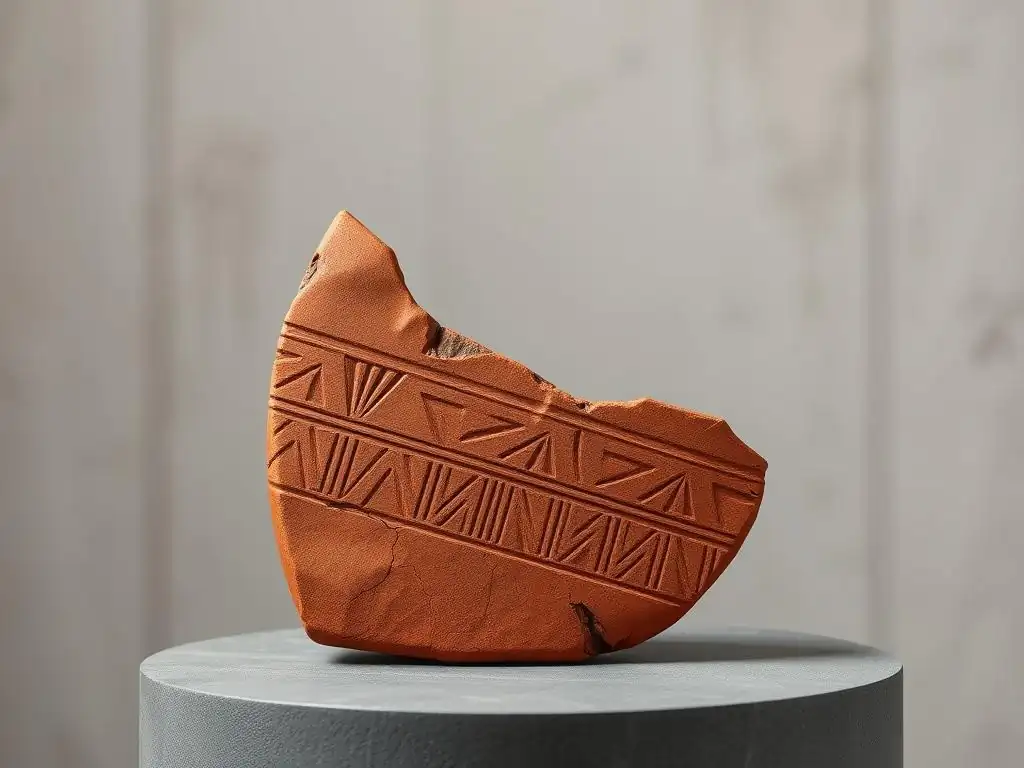
Consolidation and Adaptation in New Environments
By the late stages of the Bantu migrations, roughly from 500 CE to 1500 CE, Bantu-speaking communities had reached the furthest limits of their expansion across sub-Saharan Africa, including the southern tip of the continent. This period was characterized less by rapid, long-distance movements and more by the consolidation of settlements and profound adaptation to highly diverse environments. From the arid savannas of Southern Africa to the tropical coastlines of East Africa, Bantu communities developed specialized agricultural and economic strategies.
This adaptation involved refining existing agricultural techniques, developing new crop strains suitable for specific climates, and integrating pastoralism where conditions allowed. For example, in drier regions, cattle herding became increasingly important, while coastal communities developed fishing and maritime trade. This phase saw the establishment of stable, often dense populations, which contributed to the emergence of more complex social and political structures across the vast territory covered by the Bantu migrations dating timeline.
The Formation of Bantu-Speaking Kingdoms and Societies
The increased population density, agricultural surplus, and control over valuable resources (such as iron, copper, salt, and ivory) during the late stages of the Bantu migrations laid the groundwork for the formation of more complex political entities. Across various regions, chiefdoms evolved into early states and kingdoms. Notable examples include the flourishing kingdoms in the Great Lakes region (e.g., Bunyoro, Buganda, Kitara) from around 1000 CE onwards, characterized by centralized authority and elaborate court systems.
In Southern Africa, powerful political centers like Mapungubwe (flourishing 1000-1290 CE) and its successor, Great Zimbabwe (1250-1450 CE), emerged, demonstrating sophisticated social stratification, long-distance trade networks, and monumental architecture. These developments signify a shift from migratory patterns to settled, organized societies, representing a pinnacle of socio-political evolution within the broader Bantu migrations dating timeline.
Archaeological evidence from the late stages of the Bantu migrations vividly illustrates the emergence of complex social structures. Sites like Great Zimbabwe, with its impressive stone enclosures and conical tower, provide clear indications of centralized power, elite residences, and a stratified society. Excavations at Mapungubwe have revealed elite burials adorned with gold and other precious items, signaling clear social hierarchies.
In the Great Lakes region, archaeological sites reveal large settlement mounds, specialized craft production areas, and evidence of extensive trade networks, all pointing towards increasingly complex and organized communities. The presence of specialized iron-smelting sites and workshops further underscores the economic diversification and the development of skilled artisan classes. These material remains offer tangible proof of the sophisticated societies that arose as a direct legacy of the long and transformative Bantu migrations dating timeline.
Regional Variations in the Bantu Migrations Timeline
Eastern Africa: The Great Lakes Region and Coastal Settlements
In Eastern Africa, the Bantu migrations dating timeline shows a particularly early and significant presence. The Eastern Bantu stream reached the fertile Great Lakes region (modern-day Uganda, Rwanda, Burundi, and parts of Kenya and Tanzania) as early as 1000 BCE. This area became a secondary dispersal center, characterized by the development of distinct pottery traditions like the Urewe ware, and the adoption of new crops such as the banana, which was well-suited to the region's climate.
From the Great Lakes, subsequent movements led to the settlement of the East African coast. By the 1st millennium CE, Bantu-speaking communities established coastal settlements, interacting extensively with traders from the Arabian Peninsula and the Indian Ocean world. This interaction gave rise to the unique Swahili culture, a blend of African and Islamic influences, demonstrating how the Bantu migrations dating timeline unfolded differently in response to local environments and external contacts.
Southern Africa: The Impact on the Khoisan Peoples
The arrival of Bantu speakers in Southern Africa, marking the final major phase of the Bantu migrations dating timeline, began around 200 CE. These migrating groups, bringing with them iron technology and settled agricultural practices, encountered the indigenous Khoisan-speaking hunter-gatherers and pastoralists. The interaction was complex, leading to both cultural exchange and, in many cases, the displacement or assimilation of Khoisan communities.
Archaeological sites like Lydenburg and Broederstroom in South Africa provide early evidence of Iron Age Bantu settlements, complete with distinctive pottery and iron artifacts. Linguistic evidence, such as the presence of click consonants in some Southern Bantu languages like Xhosa and Zulu, suggests significant cultural and linguistic exchange with Khoisan speakers. This interaction profoundly reshaped the demographic and cultural landscape of Southern Africa, leaving a lasting legacy traceable through the Bantu migrations dating timeline.
Central Africa: The Congo Basin and its Unique Dynamics
The Bantu migrations into the dense Congo Basin of Central Africa, primarily by the Western Bantu stream, presented unique challenges and dynamics. Unlike the open savannas, the rainforest environment necessitated specific adaptations and often led to a slower, more complex pattern of penetration, often following major river systems like the Congo River. The archaeological record in this region can be more challenging to interpret due to the destructive nature of the environment on organic materials.
However, evidence suggests a long history of interaction and co-existence between Bantu agriculturalists and indigenous forest-dwelling groups, such as various Pygmy populations. This led to distinct cultural and economic relationships, including reciprocal trade in forest products for agricultural goods. The unique environmental and social factors in Central Africa mean that the Bantu migrations dating timeline here is characterized by a more gradual and often symbiotic spread, differing from the more rapid expansions seen in other regions.
Challenges and Debates in Dating the Bantu Migrations
Limitations of Archaeological and Linguistic Data
Despite significant advances, dating the Bantu migrations presents ongoing challenges, partly due to the inherent limitations of archaeological and linguistic data. Archaeological "invisibility" can be a problem; early migrants might not have left behind distinctive material culture immediately, making it hard to differentiate them from pre-existing populations. Furthermore, distinguishing between the diffusion of ideas (like pottery styles or iron technology) and actual population movement can be difficult, complicating the precise reconstruction of the Bantu migrations dating timeline.
Linguistic data, while powerful for relative chronology, struggles with providing absolute dates. Glottochronology, which attempts to assign numerical dates to linguistic splits, is often viewed with skepticism due to its underlying assumptions. Additionally, the fragmented nature of the archaeological record in some parts of Africa, coupled with the challenges of preservation in tropical climates, means that crucial pieces of the chronological puzzle may be missing or difficult to recover, impacting the precision of the Bantu migrations dating timeline.
Conflicting Interpretations of Genetic Evidence
Genetic studies, while offering unprecedented insights, also contribute to ongoing debates and can sometimes lead to conflicting interpretations regarding the Bantu migrations dating timeline. Different genetic markers (e.g., mtDNA, Y-chromosome, autosomal DNA) can sometimes tell slightly different stories about population movements and interactions, reflecting the complex, multi-layered history of human populations. For instance, the extent to which gene flow occurred between Bantu speakers and pre-existing populations versus outright population replacement remains a subject of active research.
Furthermore, disentangling ancient migration events from more recent population movements, or from simple cultural diffusion without significant genetic admixture, can be challenging. The interpretation of genetic diversity patterns can be influenced by sampling biases or the specific models used for analysis. Integrating these complex genetic datasets with archaeological and linguistic evidence requires careful consideration and ongoing refinement to build a more coherent and precise Bantu migrations dating timeline.
Addressing the "Single Origin vs. Multiple Dispersals" Debate
A central debate in Bantu migration studies revolves around whether the expansion was a relatively uniform, wave-like dispersal from a single origin, or a more complex process involving multiple, independent dispersals and subsequent interactions. The traditional model often depicted a relatively rapid, directional wave, driven by a technological advantage. However, accumulating evidence from diverse fields suggests a more nuanced picture.
New research, particularly interdisciplinary approaches combining archaeology, linguistics, and genetics, increasingly points towards a "mosaic" or "multi-directional" model. This perspective suggests that the Bantu expansion was a series of complex, interconnected movements over millennia, with multiple secondary dispersal centers, periods of stasis, and significant interactions with indigenous populations. Addressing this debate is crucial for refining the Bantu migrations dating timeline, moving beyond simplistic narratives to embrace the full complexity of this transformative historical process.
The Legacy of the Bantu Migrations and its Dating Implications
Cultural and Linguistic Diversity in Modern Africa
The Bantu migrations are arguably the single most significant factor shaping the cultural and linguistic landscape of modern sub-Saharan Africa. Today, over 500 Bantu languages are spoken across a vast geographical area, representing a shared linguistic heritage. While diverse, these languages share common structural features and a core vocabulary, reflecting their common ancestry and the pathways of their expansion.
Beyond language, the migrations diffused a suite of cultural practices, including specific agricultural techniques, ironworking traditions, social organization principles (e.g., kinship systems, village structures), and certain forms of oral literature and artistic expression. Understanding the Bantu migrations dating timeline helps to trace the origins and development of this immense cultural and linguistic diversity, providing a historical depth to the contemporary map of African peoples and cultures.
The lasting impact of the Bantu migrations on agricultural practices and social organization is profound. The spread of iron tools and specific crop packages (such as millet, sorghum, and later bananas) fundamentally transformed subsistence economies across vast regions of Africa. This agricultural revolution enabled the transition from mobile hunter-gatherer lifestyles to settled village life, supporting larger and denser populations.
This shift in turn facilitated the development of more complex social structures. The increased productivity led to food surpluses, allowing for specialization of labor beyond basic subsistence, and the emergence of craftspeople, traders, and eventually, political elites. The establishment of permanent villages and the need for managing resources and resolving disputes laid the groundwork for the development of chiefdoms and early states, the foundations of which are directly linked to the chronological progression revealed by the Bantu migrations dating timeline.
Understanding the Present Through the Past: Bantu Migrations and Contemporary African Societies
Understanding the Bantu migrations dating timeline is not merely an academic exercise; it provides crucial historical context for understanding contemporary African societies. The demographic patterns established millennia ago continue to influence population distributions, land tenure systems, and even some political boundaries today. The shared cultural and linguistic heritage resulting from these migrations contributes to pan-Bantu identities, even amidst regional differences.
Moreover, the historical interactions between Bantu speakers and other groups (such as the Khoisan or Pygmy peoples) continue to resonate in modern social dynamics and cultural identities. By shedding light on the long-term processes of migration, adaptation, and cultural exchange, a robust Bantu migrations dating timeline offers a vital framework for interpreting present-day challenges and opportunities, fostering a deeper appreciation for the rich and complex history that underpins modern Africa.
Conclusion: Refining the Bantu Migrations Dating Timeline for Future Research
Summary of Key Findings and Current Understanding
The current understanding of the Bantu migrations dating timeline is a synthesis of evidence from archaeology, linguistics, genetics, and absolute dating methods like radiocarbon. It confirms a long-term, multi-millennial expansion originating from the Nigeria/Cameroon border region around 3000 BCE, spreading across sub-equatorial Africa. Key findings highlight the crucial role of agricultural innovation and iron technology in facilitating this expansion, as well as the complex interactions with pre-existing populations.
While the broad chronological framework is well-established, ongoing research continues to refine the details, moving beyond a simplistic "wave" model to acknowledge a more nuanced process involving multiple dispersals, adaptations, and regional variations. The Bantu migrations were not a singular event but a dynamic series of movements and cultural transformations that fundamentally shaped the continent's history and demography, all anchored by the evolving Bantu migrations dating timeline.
Future Directions for Archaeological and Interdisciplinary Research on Bantu Migrations
Future research on the Bantu migrations dating timeline will undoubtedly benefit from increasingly sophisticated interdisciplinary approaches. High-resolution archaeological surveys and targeted excavations in less-studied regions are crucial for filling geographical gaps in the chronological record. The application of ancient DNA (aDNA) analysis to human remains from archaeological sites holds immense promise for tracing genetic lineages with greater precision and for understanding past population interactions.
Furthermore, continued refinement of linguistic models, coupled with advanced computational methods for analyzing vast datasets, will offer new insights into the relationships and divergence times of Bantu languages. Integrating these diverse lines of evidence through complex statistical modeling and geospatial analysis will be key to constructing an even more accurate and detailed Bantu migrations dating timeline, resolving remaining debates and illuminating the intricate dynamics of this vast human saga.
The Importance of Continued Investigation into the Bantu Expansion
Continued investigation into the Bantu expansion remains vitally important for several reasons. Firstly, it represents one of humanity's largest and most significant prehistoric demographic events, offering unparalleled insights into processes of migration, technological diffusion, and cultural adaptation on a continental scale. A precise Bantu migrations dating timeline is fundamental to understanding the demographic history of Africa.
Secondly, this research contributes directly to a deeper appreciation of the rich and complex history of African civilizations, challenging simplistic narratives and highlighting the continent's profound contributions to human development. By meticulously piecing together the Bantu migrations dating timeline, scholars can provide a more accurate and nuanced historical narrative that not only enriches academic understanding but also empowers contemporary African societies with a deeper connection to their ancient roots.
Frequently Asked Questions
### When did the Bantu migrations primarily occur, according to current archaeological understanding?
The Bantu migrations are generally believed to have started around 3000 BCE and continued until approximately 1500 CE. This timeframe represents a long and complex process of population movement and cultural exchange.
### What archaeological evidence helps date the Bantu migrations?
Key evidence includes linguistic analysis of Bantu languages, the distribution of iron tools and agricultural techniques, and pottery styles found at various sites across Africa.
### How reliable is the dating of the Bantu migrations, given the challenges of archaeological interpretation?
Dating the Bantu migrations is a complex and ongoing process. While radiocarbon dating and other scientific methods provide valuable data, interpretations are continually refined as new evidence emerges, making the timeline a subject of ongoing scholarly debate.
### What role did environmental changes play in influencing the Bantu migrations?
Environmental factors, such as climate change and resource availability, likely played a significant role in driving population movements and shaping the routes of the Bantu migrations across the African continent.
### How does ArchaeologyHub.org contribute to understanding the dating of the Bantu migrations?
ArchaeologyHub.org provides detailed timelines and artifact profiles, offering a comprehensive resource for researchers and enthusiasts to explore the evidence and interpretations surrounding the Bantu migrations dating timeline.
Okay, here's a final reflection designed to close your article "The Timeframe of Transformation: Dating the Bantu Migrations Across Africa," optimized for emotional connection and reflection, while also considering your keyword "Bantu migrations dating timeline":
Final Reflection: Echoes of Ancestral Journeys
The intricate Bantu migrations dating timeline, painstakingly pieced together through archaeology, linguistics, and genetics, isn't just a historical record; it's a living testament to the resilience and adaptability of humankind. Understanding the timeframe of these movements allows us to appreciate the profound impact they had on shaping the cultural and linguistic landscape of sub-Saharan Africa, a legacy that continues to resonate in the present day.
The Bantu migrations represent far more than just geographical shifts; they embody the spread of ideas, technologies, and cultural practices that fundamentally altered the course of history. Reflecting on this vast and complex movement, we are reminded of the enduring power of human connection and the profound influence of the past on the present. We are all migrants through time.
- Mohsin Hamid. This quote encapsulates the universal human experience of movement and change, mirroring the Bantu migrations on a grand scale.
As we conclude this exploration of the Bantu migrations dating timeline, let us not simply view it as a completed chapter in a history book. Instead, let us recognize it as an ongoing story, one that continues to unfold with each new discovery and each new generation. Consider how the echoes of these ancestral journeys resonate within your own heritage and how you can contribute to a deeper understanding of our shared human story. Embrace the journey of discovery, and let the lessons of the past illuminate the path towards a more informed and interconnected future.
Unearth Your Own African History Journey!
Thank you for exploring the fascinating timeline of the Bantu migrations with us. We hope you found new perspectives on this pivotal period in African history. Ready to connect with the past even further?
Here are a few ways to continue your journey:
- Trace your own ancestry: Dive into the world of genetic genealogy and uncover your potential connection to the Bantu-speaking peoples. You might be surprised by what you discover!
- Share this article with friends and family to spark engaging conversations about African history and the complexities of migration.
- Explore the ArchaeologyHub.org forums and connect with fellow enthusiasts to discuss your insights and pose new questions about the Bantu migrations.
What specific region of Africa sparks your curiosity the most when considering the Bantu expansion? Share your thoughts in the comments below!