
LongDistance Connections: Unetice and Tumulus Interactions with Aegean and Mediterranean Civilizations

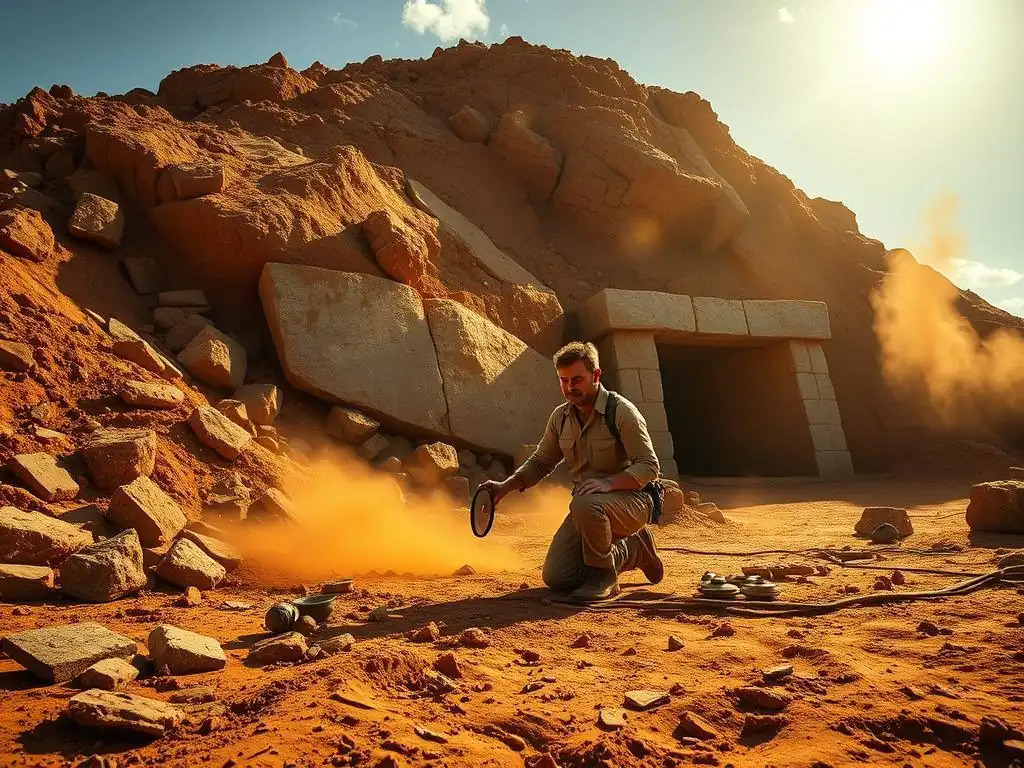
Welcome to ArchaeologyHub.org, your gateway to unlocking the secrets of the past! Prepare to embark on a fascinating journey through time, where each artifact whispers tales of forgotten civilizations. This time, we delve into the intriguing world of the Unetice culture and its surprisingly far-reaching connections. Ever wondered how a Bronze Age culture in Central Europe could have possibly interacted with the vibrant Aegean and Mediterranean worlds?
Our detailed study on Unetice culture Aegean connections explores the evidence, unearthing surprising trade routes, shared technologies, and potential cultural exchanges. Join us as we unravel the mysteries behind these long-distance interactions and discover what they reveal about the interconnectedness of ancient societies. Read on to begin your exploration!
- Introduction: Unetice and Tumulus Cultures in Bronze Age Europe
- Evidence of Unetice Culture Aegean Connections: Archaeological Finds
- Tumulus Culture Interactions with the Mediterranean World
- Unetice and Tumulus Impact on Aegean and Mediterranean Societies
- Comparing Unetice and Tumulus Engagement with the Aegean and Mediterranean
- The Broader Context: Bronze Age Trade and Cultural Exchange
- Challenging Existing Theories and Future Research Directions
- Conclusion: The Legacy of Unetice and Tumulus Interactions
-
Frequently Asked Questions
- What is the Unetice culture and where was it located?
- What evidence suggests that the Unetice culture had connections to the Aegean region?
- How did the Tumulus culture interact with the Unetice culture and the Aegean?
- What types of goods were likely exchanged between the Unetice culture and Aegean civilizations?
- Why are these long-distance connections significant for understanding the Bronze Age?
- Final Reflection: Echoes of Bronze Age Exchange
- Unearth Your Inner Archaeologist: Start Exploring Now!
Introduction: Unetice and Tumulus Cultures in Bronze Age Europe
Understanding the Unetice Culture: A Bronze Age Powerhouse
The Unetice culture, flourishing during the Early Bronze Age from approximately 2300 to 1600 BCE, represents a pivotal phase in Central European prehistory. Centered primarily in what is now Bohemia, Saxony-Anhalt, Bavaria, and Lesser Poland, this culture is renowned for its sophisticated metallurgy and distinct material culture. Archaeological investigations have identified hundreds of Unetice settlements and burial sites, indicating a relatively dense population and an organized society that mastered the production of bronze on a significant scale.
This period saw the rise of specialized craft production, particularly in metalworking, which was crucial for both utilitarian objects and prestige items. The Unetice culture produced a wide array of bronze artifacts, including axes, daggers, halberds, and elaborate ornaments, often characterized by their distinctive flanged forms and intricate designs. The wealth generated from these industries, combined with control over trade routes, led to the emergence of powerful elites, evidenced by rich princely burials such as those at Leubingen and Helmsdorf, which contained significant quantities of gold and bronze artifacts.
The Tumulus Culture: Origins and Expansion in Central Europe
Succeeding the Unetice culture, the Tumulus culture dominated the Middle Bronze Age across Central Europe, roughly from 1600 to 1200 BCE. Its origins are primarily traced to southern Germany, from where it expanded significantly, covering a vast geographical area including parts of France, Switzerland, Austria, and the Carpathian Basin. The defining characteristic of this culture is its distinctive burial practice: the construction of large earthen mounds, or tumuli, over graves, which often contained multiple inhumations or, later, cremations.
The Tumulus culture marked a shift in material culture and social organization compared to its Unetice predecessor. While still proficient in bronze metallurgy, the types of artifacts evolved, with new forms of swords, pins, and ornaments becoming prevalent. The widespread adoption of tumulus burials suggests a more fragmented, yet broadly interconnected, cultural landscape. This period also saw a gradual transition in funerary rites, with cremation becoming increasingly common in the later phases of the culture, paving the way for the subsequent Urnfield cultures.
The Significance of Long-Distance Trade in the Early Bronze Age
Long-distance trade was an indispensable aspect of Bronze Age societies, driven by the uneven distribution of essential raw materials and the burgeoning demand for prestige goods. The production of bronze, for instance, required both copper and tin, with tin being a particularly scarce resource across much of Europe. Consequently, intricate networks emerged to facilitate the movement of these metals, along with other valuable commodities like amber, gold, and exotic stones, across vast geographical distances.
These trade routes were not merely economic arteries; they served as conduits for cultural exchange, technological diffusion, and the spread of ideas. They connected disparate regions, fostering interdependence and facilitating the transfer of metallurgical knowledge, artistic styles, and even social practices. The ability to control or participate in these networks often conferred significant economic and political power upon the communities and elites involved, shaping the trajectory of cultural development throughout the Early and Middle Bronze Ages.
Evidence of Unetice Culture Aegean Connections: Archaeological Finds
Unetice Metalwork and Aegean Influences: A Comparative Analysis
The sophisticated bronze metallurgy of the Unetice culture, particularly its distinctive weapon types, has long been a subject of comparative study with Aegean artifacts, revealing potential Unetice culture Aegean connections. Unetice flanged axes, certain dagger forms, and especially the characteristic halberds, exhibit typological similarities to objects found in the Aegean world. For example, some Unetice halberds, with their elongated blades and riveted tangs, bear a striking resemblance to early Mycenaean examples, suggesting either direct influence or parallel technological developments stemming from a shared metallurgical tradition.
While direct imports of Unetice metalwork into the Aegean are rare, the stylistic and technological parallels indicate a degree of interaction or at least the diffusion of metallurgical concepts. It is plausible that intermediate cultures in the Carpathian Basin or the Balkans acted as conduits, transmitting designs and techniques. For instance, the renowned "Aunjetitz-type" axes, originating in the Unetice core area, have been found in contexts as far south as the Balkans, demonstrating their wide distribution and potential to influence regional metalworking.
Direct archaeological evidence of Mycenaean pottery or other unequivocal Aegean artifacts within core Unetice cultural contexts is exceedingly rare, underscoring the challenges in proving direct Unetice culture Aegean connections through material culture alone. While some isolated finds of bronze vessels or ornaments in Central European hoards have been debated as potential Aegean imports or imitations, definitive proof remains elusive. The so-called "Kopacki Monolith" or similar singular, highly debated finds often refer to objects that, upon closer scrutiny, may be local imitations or of uncertain provenance, rather than clear Mycenaean imports.
However, the presence of materials originating from Central Europe in Aegean contexts, particularly amber, strongly suggests an indirect trade relationship. For example, numerous amber beads, chemically identified as Baltic in origin, have been unearthed in significant quantities in Mycenaean shaft graves, notably at Mycenae itself. While not direct Aegean artifacts in Unetice sites, this unidirectional flow of goods implies that Unetice territory served as a crucial transit zone for highly prized commodities destined for the Aegean elite, highlighting an indirect but significant Unetice culture Aegean connection.
Tracing Trade Routes: Unetice Amber and Aegean Networks
The trade in amber, particularly Baltic amber, provides some of the most compelling evidence for long-distance Unetice culture Aegean connections during the Bronze Age. Unetice territory was strategically positioned along major amber routes, which linked the Baltic Sea region, the primary source of this fossilized resin, with the Mediterranean world. Amber was a highly prized luxury item in the Aegean, valued for its beauty and perceived magical properties, making it a key commodity in this extensive network.
Archaeological finds confirm the extensive movement of amber. Over 50,000 amber beads, chemically analyzed and confirmed to be of Baltic origin, were discovered in the Shaft Graves of Mycenae alone. This substantial quantity indicates a well-established and consistent trade flow.
These routes likely followed major river systems like the Elbe, Oder, or Vistula southwards through Unetice lands, then via portages and other river systems (such as the Danube) or overland paths through the Carpathian Basin and the Balkans, eventually reaching the Aegean via maritime networks. The Unetice culture thus played a vital intermediary role in this lucrative network, facilitating crucial Unetice culture Aegean connections.
Tumulus Culture Interactions with the Mediterranean World
Tumulus Burials and Mediterranean Ritual Practices: Cremation vs. Inhumation
The Tumulus culture is characterized by its distinctive burial practices, primarily inhumation within large earthen mounds, or tumuli, which later transitioned to a widespread adoption of cremation. This contrasts with the predominant inhumation practices seen in the early Mycenaean world, particularly in their elaborate shaft graves and tholos tombs, though cremation did appear in later Mycenaean periods. In the wider Mediterranean, burial rites were diverse, ranging from rock-cut tombs to pithos burials, with inhumation generally being the norm, especially in the Early and Middle Bronze Age.
While there is no direct evidence suggesting that the Tumulus culture's specific burial practices were directly influenced by or adopted from Mediterranean rituals, their evolution reflects broader regional trends and perhaps indirect cultural exchanges. The shift towards cremation in the later Tumulus period and the subsequent Urnfield culture might be a response to changing spiritual beliefs or demographic pressures, rather than a direct adoption from distant Mediterranean societies. The persistence of large tumuli as a defining feature, however, highlights a distinct Central European cultural trajectory.
The Role of the Tumulus Culture in Facilitating Trade: Danube River Valley
Following the Unetice culture, the Tumulus culture continued to play a significant role in facilitating long-distance trade, particularly along the vital Danube River valley. Its broad geographic expansion meant that Tumulus communities controlled or influenced key segments of the trade routes connecting Central Europe with the southeastern regions and, by extension, the Mediterranean world. The Danube, a major navigable river, served as a crucial artery for the movement of goods, especially bulk materials like metals, over considerable distances.
Tumulus sites, particularly those strategically located near river crossings or passes, show evidence of their participation in these networks. The discovery of bronze ingots, tools crafted from distant copper sources, and occasionally exotic ornaments in Tumulus contexts underscores their involvement. While perhaps less focused on the high-value amber trade than Unetice, the Tumulus culture maintained and expanded the exchange of metallurgical products and other commodities, ensuring the continued flow of goods between the European interior and the Mediterranean sphere.
Evidence of Mediterranean Goods in Tumulus Burial Sites: Bronze Vessels
Archaeological excavations of rich Tumulus burial sites have occasionally yielded evidence of Mediterranean goods, demonstrating continued, albeit sometimes indirect, contact with the southern world. Among the most notable finds are certain types of bronze vessels, such as cups, bowls, or situlae, which exhibit stylistic resemblances to Aegean or Italian forms. These objects, found in elite graves in regions like Bavaria or Austria, suggest that prestige items from the Mediterranean made their way into Central European hands.
While direct imports of Mediterranean pottery are as rare as in Unetice contexts, these bronze vessels, along with occasional amber beads or other exotic materials, signify the continued desire for and acquisition of luxury goods from distant lands. These finds indicate that the Tumulus culture, like Unetice before it, was integrated into a larger pan-European trade network that ultimately connected to the Mediterranean, even if the connections were often mediated through multiple intermediate groups.
Unetice and Tumulus Impact on Aegean and Mediterranean Societies
The Flow of Ideas and Technologies: Unetice Metalworking Innovations
The advanced metalworking capabilities of the Unetice culture, particularly their mastery of bronze alloying and sophisticated casting techniques, had the potential to influence regions to their south, including indirectly the Aegean and Mediterranean. Unetice metalworkers were highly skilled in producing standardized ingots and specific types of tools and weapons, such as flanged axes and certain dagger forms, which were efficient and widely adopted across Central Europe.
These innovations and highly developed production methods could have diffused southward through trade and cultural contact, potentially influencing metal production in the Carpathian Basin and the Balkans. While direct evidence of Unetice techniques being adopted in the Aegean is scarce, the general advancement of bronze metallurgy across Europe during this period suggests a broader interconnectedness of technological knowledge. The Unetice culture's contribution to the overall Bronze Age metallurgical landscape was significant, potentially contributing to the shared pool of technological expertise.
Cultural Exchange and Adaptation: Aegean Influence on Central European Practices
The extensive trade networks facilitated by Unetice culture Aegean connections undoubtedly led to a degree of cultural exchange and adaptation in Central Europe. While not a wholesale adoption of Aegean lifestyles, exposure to the wealth, artistic styles, and sophisticated material culture of the Minoan and Mycenaean civilizations likely influenced Central European elites. This influence manifested not merely in the desire for exotic goods but potentially in the adoption of certain prestige displays or symbolic elements in local material culture.
For instance, the emphasis on accumulating and displaying prestige goods in elite Unetice burials, such as the Princely Grave of Leubingen with its gold ornaments and bronze weapons, mirrors the conspicuous consumption seen in Mycenaean shaft graves. This suggests a shared understanding of wealth as a marker of status, possibly reinforced by exposure to Aegean societal structures. The demand for exotic imports, fueled by these emerging elite needs, further stimulated the long-distance trade networks, perpetuating the cycle of exchange and adaptation.
The Role of Intermediate Cultures: Minoan Civilization
Direct Unetice culture Aegean connections were often indirect, facilitated by a complex web of intermediate cultures and powerful maritime civilizations. The Minoan civilization, centered on the island of Crete (circa 2700-1450 BCE), and later the Mycenaean civilization on mainland Greece (circa 1600-1100 BCE), served as crucial hubs in the broader Mediterranean trade network. These civilizations possessed the naval capabilities and economic infrastructure to control key maritime routes and act as primary recipients and redistributors of goods flowing from both the north and the south.
While Unetice goods, such as Baltic amber, likely reached the Aegean via overland routes through the Balkans before being transported across the sea, Minoan and Mycenaean merchants were instrumental in the final leg of these journeys. Conversely, Aegean luxury items, such as fine pottery or bronze vessels, would have passed through multiple hands before potentially reaching Central Europe. These powerful Mediterranean civilizations thus played an indispensable role in integrating distant European regions into a vast, interconnected Bronze Age economy.
Comparing Unetice and Tumulus Engagement with the Aegean and Mediterranean
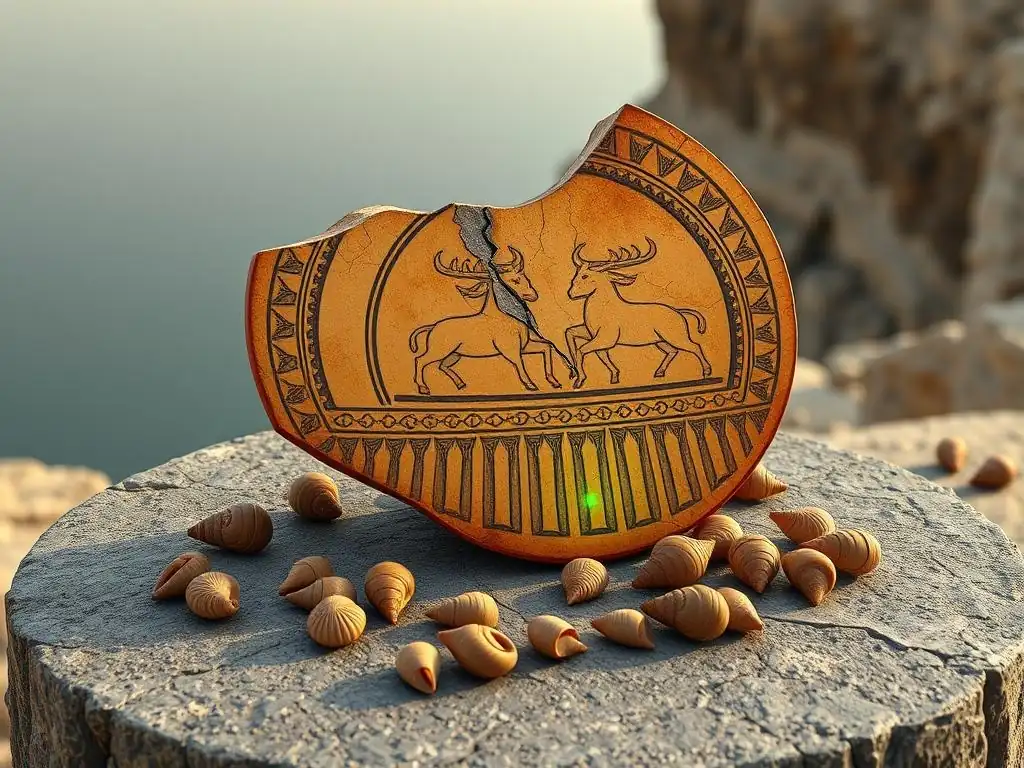
Similarities in Trade Networks: Metal and Prestige Goods
Despite their chronological separation and distinct cultural characteristics, both the Unetice and Tumulus cultures shared fundamental similarities in their engagement with long-distance trade networks, particularly concerning metals and prestige goods. Both cultures were deeply involved in the acquisition and distribution of essential raw materials for bronze production, such as copper and the crucial, scarce tin. This need for metals drove much of the overland trade that ultimately connected with Mediterranean maritime routes.
Furthermore, both cultures demonstrated a strong demand for prestige goods, which served as markers of status and power for their elites. Baltic amber was a prime example of such a commodity, flowing through both Unetice and Tumulus territories towards the Aegean. This consistent focus on acquiring and distributing valuable materials underscores a shared economic imperative that transcended specific cultural phases, linking distant European regions through robust, if often indirect, trade relationships throughout the Early and Middle Bronze Ages.
Differences in Cultural Influence: Unetice adoption of Aegean motifs vs. Tumulus resistance
While both cultures participated in long-distance trade, the nature of their cultural engagement with the Aegean and Mediterranean appears to differ. The Unetice culture, particularly its elite, shows more apparent adoption or emulation of Aegean motifs and prestige items in its material culture. This is subtly visible in certain weapon types or ornaments that bear stylistic resemblances to Aegean prototypes, suggesting a more active and perhaps aspirational engagement with Aegean aesthetic and social values in elite contexts, hinting at stronger Unetice culture Aegean connections.
In contrast, the Tumulus culture, while maintaining trade links, seems to exhibit less direct adoption of Aegean motifs in its material culture. Its defining features, such as the widespread tumulus burials and distinct bronze types, remained largely independent of direct Aegean stylistic influence. This suggests a more robust local cultural identity or perhaps a less direct form of interaction, where the exchange was primarily economic rather than deeply cultural, leading to a more selective adaptation of external influences.
Contrasting Burial Practices: Unetice vs. Tumulus vs. Aegean
The burial practices of the Unetice, Tumulus, and Aegean cultures offer a striking contrast, highlighting the distinct cultural identities that persisted despite extensive trade. The Unetice culture predominantly practiced inhumation, often in flat graves, but also famously in elaborate princely kurgans like Leubingen, which served as monumental displays of elite power. The Tumulus culture, by definition, is characterized by inhumation (and later cremation) under large earthen mounds, a widespread and defining feature across Central Europe.
In contrast, Aegean cultures, including the Minoan and Mycenaean civilizations, had their own varied and distinct burial traditions, predominantly inhumation in forms such as pithos burials, rock-cut chamber tombs, and monumental shaft graves or tholos tombs. These differences underscore that while goods and perhaps some ideas flowed across vast distances, fundamental cultural practices like funerary rites remained largely localized and resistant to external influence. This divergence in burial practices serves as a powerful reminder that cultural exchange was selective, often prioritizing material goods over deep societal transformations.
The Broader Context: Bronze Age Trade and Cultural Exchange
The Importance of the Sea in Aegean and Mediterranean Interactions
For the Aegean and Mediterranean civilizations, the sea was undeniably the most crucial element in their long-distance interactions. The Mediterranean Sea, with its numerous islands and relatively calm waters, provided the most efficient and cost-effective means for transporting bulk goods, raw materials, and finished products across vast distances. Powerful maritime states like Minoan Crete and Mycenaean Greece developed sophisticated seafaring technologies and extensive naval capabilities to control trade routes, establish trading posts, and facilitate the movement of goods.
These maritime networks enabled a vibrant exchange of goods, people, and ideas, fostering a dynamic and interconnected Bronze Age economy throughout the Mediterranean basin. The ability to transport large quantities of goods, such as copper ingots (e.g., from Cyprus) or tin (e.g., from Sardinia), by sea was fundamental to the prosperity and development of these civilizations. The sea was not merely a barrier but a highway, forming the primary nexus for southern European and Near Eastern trade.
Land Routes and River Systems: Connecting Central Europe to the Mediterranean
While the sea dominated Aegean and Mediterranean interactions, land routes and river systems were indispensable for connecting Central Europe to this maritime world. The major river valleys, including the Danube, Elbe, and Oder, served as natural arteries for transporting goods, particularly heavy materials like metals (copper, tin) and bulky raw materials such as timber or animal hides. These rivers allowed for the relatively efficient movement of goods over significant distances, forming the backbone of the terrestrial trade networks.
These riverine and overland routes often involved portages between different river systems or across mountain passes, creating a complex web of connections. They facilitated the southward flow of crucial commodities like Baltic amber, which was highly prized in the Mediterranean, and the northward movement of exotic goods and metallurgical innovations from the south. The interaction between these land-based networks and the maritime routes created a truly pan-European system of exchange during the Bronze Age, enabling Unetice culture Aegean connections.
Long-distance trade had a profound and transformative impact on social development across all participating regions during the Bronze Age. The control over strategic trade routes and access to valuable, often exotic, goods led to the emergence of powerful elites and increased social stratification. Wealth, derived from trade and the production of trade goods, became concentrated in the hands of a few, fostering the development of more complex political structures, from chieftainships to early states.
This extensive trade also spurred significant technological innovation, particularly in metallurgy, as demand for bronze increased and new sources of raw materials were sought. It fostered the growth of specialized crafts, as artisans produced goods for exchange, and contributed to the development of more sophisticated transport systems, both terrestrial and maritime. Ultimately, Bronze Age trade was a key driver of societal complexity, shaping the economic, political, and social landscapes of both Central Europe and the Mediterranean.
Challenging Existing Theories and Future Research Directions
Debates on the Extent of Unetice-Aegean Contact
Despite compelling evidence for indirect trade, such as the flow of Baltic amber, the precise nature and extent of direct Unetice culture Aegean connections remain subjects of ongoing academic debate. Scholars actively discuss whether the similarities in metalwork represent direct influence through trade, shared technological innovations diffusing through intermediate cultures, or simply parallel developments driven by similar functional requirements and resource availability. The scarcity of unequivocal direct imports from the Aegean into core Unetice territories fuels this discussion.
Some researchers argue for limited direct interaction, suggesting that most exchanges were mediated through several intermediary groups in the Carpathian Basin and the Balkans. Others contend that the sheer volume of amber reaching the Aegean implies more direct and sustained relationships, even if the material evidence from the European side is less pronounced. These debates underscore the challenges of interpreting archaeological data and the need for new methodologies to refine our understanding of these ancient long-distance interactions.
New Archaeological Discoveries and Their Implications
Ongoing archaeological discoveries continue to refine and sometimes challenge existing theories about Unetice culture Aegean connections and broader Bronze Age trade. New finds of exotic materials in Central European hoards or burial sites, coupled with more precise dating techniques, can provide crucial new data points. For instance, the identification of trace elements in bronze artifacts can pinpoint their geological origin, revealing previously unknown trade routes or production centers.
Furthermore, new excavations, particularly in regions considered 'intermediate' between Central Europe and the Aegean, such as the Carpathian Basin, Bulgaria, or Romania, are vital. These areas often served as crucial conduits for the movement of goods and ideas, and discoveries here can shed light on the mechanisms and intensity of exchange. Each new significant find or re-evaluation of existing material contributes to a more nuanced and accurate understanding of the complex web of interactions that characterized the Bronze Age.
Future Research: Strontium Isotope Analysis of Burial Remains
Future research holds immense potential for further illuminating the nature of Unetice culture Aegean connections, particularly through advanced scientific techniques. One promising avenue is the application of strontium isotope analysis to human and animal remains found in burial sites. This method, by analyzing the ratios of strontium isotopes in tooth enamel, can reveal the geological region where an individual spent their childhood, providing direct evidence of mobility and migration.
If individuals with strontium isotope signatures consistent with Aegean or Mediterranean origins are found in Unetice or Tumulus contexts, or vice versa, it would offer groundbreaking insights into the movement of people, not just goods. Such findings could indicate direct personal contact, intermarriage, or even short-term visits by merchants or artisans, thereby fundamentally altering our understanding of the intensity and personal nature of these long-distance interactions beyond mere trade in commodities.
Conclusion: The Legacy of Unetice and Tumulus Interactions
Summarizing the Key Connections and Cultural Exchanges
The Unetice and Tumulus cultures, though distinct phases in Central European prehistory, were integral participants in a vast network of long-distance connections that extended to the Aegean and Mediterranean civilizations. The primary forms of interaction included the crucial movement of prestige goods, most notably Baltic amber, which flowed southwards in significant quantities, indicating robust Unetice culture Aegean connections. Furthermore, there was an undeniable exchange of metallurgical innovations and raw materials, even if the flow of finished goods was often indirect and mediated by intermediate cultures in the Balkans.
These interactions fostered a degree of cultural exchange, influencing Central European elites' demand for exotic items and potentially inspiring local adaptations of certain stylistic elements, particularly within the Unetice culture. While direct cultural adoption was limited, the constant exposure to distant wealth and sophistication undoubtedly played a role in shaping local developments.
The Significance of these Interactions for Understanding Bronze Age Europe
These long-distance interactions are of paramount significance for understanding Bronze Age Europe as a whole. They unequivocally demonstrate that seemingly disparate regions were not isolated entities but were deeply interconnected through economic and cultural ties, forming a larger, dynamic sphere of interaction. The movement of goods, technologies, and ideas across vast geographical distances challenges earlier notions of isolated cultural development.
This period was characterized by intense exchange, driven by the need for raw materials, the desire for prestige goods, and the diffusion of technological know-how. The Unetice and Tumulus cultures, positioned at critical junctures of these overland routes, played vital roles in linking the resource-rich European interior with the sophisticated maritime civilizations of the Mediterranean.
The enduring impact of these extensive Bronze Age trade networks, involving the Unetice and Tumulus cultures and their Unetice culture Aegean connections, is most profoundly seen in the development of complex social hierarchies across Europe. The ability to control access to and distribution of valuable long-distance trade goods, particularly metals and amber, became a significant source of power and wealth. This control enabled the emergence of powerful elites, whose status was dramatically underscored by elaborate and rich burials, such as the princely graves of the Unetice culture.
The accumulation of wealth and prestige through participation in this vast economic system led to increased social stratification and the consolidation of power in the hands of a few. This transformation laid the groundwork for more complex societal structures and political organization, leaving an indelible mark on the social and economic landscape of prehistoric Europe and setting the stage for subsequent cultural developments.
Frequently Asked Questions
What is the Unetice culture and where was it located?
The Unetice culture was an Early Bronze Age civilization located in Central Europe, primarily in what is now the Czech Republic, Germany, and Poland. It's known for its distinctive metalworking.
What evidence suggests that the Unetice culture had connections to the Aegean region?
Archaeological finds like Aegean-style pottery and metal artifacts with similar compositions in Unetice contexts point to long-distance interactions. These suggest trade or other forms of exchange.
How did the Tumulus culture interact with the Unetice culture and the Aegean?
The Tumulus culture, a later Bronze Age group, likely inherited some trade routes and possibly even cultural practices from the Unetice. Their connection to the Aegean is less direct but potentially mediated through Unetice networks.
What types of goods were likely exchanged between the Unetice culture and Aegean civilizations?
Likely items included metal ores, finished metal goods (like axes and jewelry), and possibly even amber from the Baltic region in exchange for Aegean commodities like pottery, wine, or olive oil.
Why are these long-distance connections significant for understanding the Bronze Age?
These connections demonstrate that the Bronze Age was a period of significant cultural exchange and interconnectedness. It challenges the idea of isolated regional developments and highlights the importance of trade and migration.
Final Reflection: Echoes of Bronze Age Exchange
The exploration of Unetice culture's Aegean connections reveals more than just trade routes and material exchange; it illuminates a complex web of interactions that shaped the Bronze Age world. The evidence we've examined underscores the profound impact of these long-distance relationships, demonstrating that even seemingly isolated cultures were deeply intertwined with the broader Mediterranean sphere, a reality that resonates even today as we grapple with globalization and interconnectedness.
This journey into the past highlights how cultural exchange, driven by trade and migration, has always been a catalyst for innovation and societal transformation. The enduring legacy of these interactions, visible in the archaeological record, reminds us that no culture exists in a vacuum. The past is never dead. It's not even past.
- William Faulkner. This quote encapsulates the idea that the echoes of these ancient connections continue to shape our understanding of European history and the very foundations of Western civilization.
As we conclude this exploration of Unetice and Tumulus interactions with Aegean and Mediterranean civilizations, I invite you to consider the enduring power of connection. How can we, like the Bronze Age peoples, foster meaningful exchange and build bridges across cultures in our own time? Let us strive to understand and appreciate the rich tapestry of human history, recognizing that our present is inextricably linked to the past, and that our future depends on our ability to learn from it.
Unearth Your Inner Archaeologist: Start Exploring Now!
Thanks for diving into the fascinating world of ancient interactions! We hope you've gained a deeper appreciation for the intricate connections between Bronze Age Europe and the Mediterranean. Now, it's time to take that knowledge and turn it into action.
Here are a few ways to keep the exploration going:
- Delve Deeper: Visit your local museum or archaeological society to learn about Bronze Age artifacts and potentially even volunteer on a dig site to experience archaeology firsthand.
- Share the knowledge:** Start a conversation! Share this article with your friends and family and discuss the surprising connections between these ancient cultures.
- Design your own exhibit: Research local history resources, and imagine what artifacts would be shown in a museum exhibition about local Bronze Age connections to similar cultures.
What's one small step you'll take this week to connect with the ancient world around you?