
Belshazzar: CoRegent and Military Commander in Late NeoBabylonian Times

Welcome to ArchaeologyHub.org, your gateway to unlocking the secrets of the past!
Delve into the captivating world of ancient civilizations, where every artifact whispers a story waiting to be told. Ever wondered about the true power dynamics within the Neo-Babylonian Empire? This exploration of Belshazzar sheds light on his role not just as a figure of legend, but as a significant military commander. Prepare to discover a detailed Belshazzar’s military campaigns timeline that challenges conventional narratives and offers a fresh perspective on this pivotal period. Unearth the evidence and explore the complexities – the journey through history begins now...
- Introduction to Belshazzar: Beyond the Biblical Narrative
- Belshazzar's Role in the Neo-Babylonian Empire: Co-Regency and Power
- Belshazzar's Military Campaigns Timeline: Reconstructing Neo-Babylonian Warfare
- Analyzing Belshazzar's Military Strategies and Tactics
- Archaeological Evidence Supporting Belshazzar's Military Activities
- Belshazzar's Legacy: The Fall of Babylon and the End of an Era
- Belshazzar’s Military Campaigns Timeline: A Summary of Key Events
- Conclusion: Belshazzar, Military Leader and Key Figure in Neo-Babylonian History
-
Frequently Asked Questions
- What is the primary focus of ArchaeologyHub.org?
- What role did Belshazzar hold in the Neo-Babylonian Empire, according to ArchaeologyHub.org?
- Does ArchaeologyHub.org provide a detailed timeline of Belshazzar's military campaigns?
- Where can I find more information about specific artifacts related to Belshazzar or the Neo-Babylonian period on ArchaeologyHub.org?
- How does ArchaeologyHub.org organize its historical content?
- Final Reflection: Unearthing Belshazzar's Legacy
- Unearth Your Inner Historian: Take the Next Step!
Introduction to Belshazzar: Beyond the Biblical Narrative
Belshazzar, often known primarily through the biblical Book of Daniel, is portrayed as the last king of Babylon, famously witnessing the "writing on the wall" before the city's fall. However, archaeological discoveries and historical texts from the Neo-Babylonian period offer a more nuanced and substantial understanding of his role. These sources reveal that Belshazzar was not the supreme monarch but rather a powerful co-regent, the son of the last true king, Nabonidus (556–539 BCE), who played a critical part in the empire's administration and defense during a period of escalating geopolitical tension.
His historical significance extends beyond the biblical narrative, positioning him as a key figure responsible for maintaining stability and military readiness in the heart of the empire while his father was absent. Understanding Belshazzar's true historical role provides crucial insights into the internal dynamics and external pressures that ultimately led to the collapse of the Neo-Babylonian Empire, offering a deeper context to the "Belshazzar’s military campaigns timeline."
Belshazzar's Role in the Neo-Babylonian Empire: Co-Regency and Power
The Co-Regency of Belshazzar and Nabonidus: A Power Dynamic
The co-regency between Nabonidus and Belshazzar is a unique and critical aspect of late Neo-Babylonian history, largely driven by Nabonidus's prolonged absence from Babylon. Starting around his third regnal year (c. 553 BCE), Nabonidus embarked on a decade-long sojourn in the Arabian oasis of Tayma, leaving Belshazzar in charge of the capital and the central administration. This arrangement effectively granted Belshazzar significant executive power, including the responsibility for royal decrees, religious ceremonies, and, crucially, military affairs.
This power dynamic is documented in sources like the "Nabonidus Chronicle," which records Nabonidus's departure and mentions that he "entrusted the kingship" to his son. While Nabonidus remained the official king, Belshazzar acted as the de facto ruler in Babylon, presiding over the annual Akitu (New Year) festival—a duty traditionally reserved for the reigning monarch—in his father's stead. This indicates a high degree of trust and delegated authority, placing immense responsibility for the empire's stability, including its military readiness, directly on Belshazzar's shoulders.
Belshazzar's authority is corroborated by various cuneiform inscriptions and administrative tablets from the period. The "Nabonidus Cylinder from Ur," for instance, explicitly mentions Belshazzar by name in a prayer requesting long life for both Nabonidus and his son, "Belshazzar, the eldest son, my offspring." The inclusion of Belshazzar in such a significant royal inscription underscores his elevated status and the legitimacy of his delegated power within the empire's religious and political framework.
Furthermore, numerous administrative and economic texts from cities like Babylon and Uruk dating to Nabonidus's reign often refer to transactions, land grants, and logistical arrangements that would have fallen under the purview of the central administration, effectively managed by Belshazzar. While these tablets may not directly name Belshazzar as the signatory, they reflect the daily operations of an empire that he was responsible for overseeing. This administrative oversight inherently included the management of resources for the military, provisioning of troops, and maintenance of the empire's vast infrastructure, all critical aspects of Belshazzar’s military campaigns timeline and his broader leadership.
Belshazzar's Military Campaigns Timeline: Reconstructing Neo-Babylonian Warfare
The Historical Context: Threats to the Neo-Babylonian Empire
The late Neo-Babylonian period, particularly during Belshazzar's co-regency, was marked by significant geopolitical instability and the emergence of formidable external threats. The most prominent danger came from the rising Achaemenid Persian Empire under Cyrus the Great. Cyrus's rapid expansion, notably his conquest of the Median Empire in 550 BCE and the wealthy Lydian kingdom in 547 BCE, dramatically altered the balance of power in the Near East. These conquests brought the powerful Persian military directly to Babylon's northern and western borders, creating an existential threat that the empire, under Belshazzar's effective command, had to confront.
Beyond the Persian menace, the Neo-Babylonian Empire also faced ongoing challenges in its peripheral regions, including nomadic incursions in the Arabian desert and potential unrest in conquered territories. These multiple fronts demanded constant vigilance and a well-organized military, placing immense pressure on Belshazzar to manage the empire's defenses and maintain its territorial integrity while his father was away in Tayma.
Belshazzar's Military Command: Evidence from Archaeological Discoveries
While direct evidence of Belshazzar personally leading specific field campaigns is sparse in the surviving cuneiform records, his role as de facto ruler in Babylon implicitly placed him at the helm of the empire's military command. The "Nabonidus Chronicle" is a pivotal source, detailing the final years of the empire and the Persian advance.
It records that Nabonidus was in Tayma, and it was the "son of the king" (Belshazzar) who was in charge of the army and the defenses of the homeland. This implies that Belshazzar was responsible for deploying troops, managing garrisons, and preparing for the inevitable clash with Cyrus.
Archaeological discoveries, such as fortifications and military installations across the Neo-Babylonian territory, attest to the empire's ongoing defensive efforts. While these structures predate Belshazzar's co-regency, their maintenance and manning would have fallen under his purview. Furthermore, administrative tablets referencing troop movements, the issuance of rations to soldiers, and the activities of military officials during this period highlight the active military administration that Belshazzar would have overseen from Babylon. These indirect pieces of evidence are crucial for reconstructing Belshazzar’s military campaigns timeline and understanding his overarching command.
Key Battles and Military Engagements: A Chronological Overview of Belshazzar's Military Campaigns
Understanding Belshazzar’s military campaigns timeline requires looking at the broader strategic landscape of the Neo-Babylonian Empire during his co-regency. While Nabonidus was away, Belshazzar was responsible for the operational readiness and defense of the empire.
Year 10 (Nabonidus): Campaign Against Tayma in Arabia
While this campaign was initiated and largely conducted by Nabonidus, it is crucial to Belshazzar’s military campaigns timeline due to its implications for the central administration. Nabonidus's decision to establish a long-term residence in Tayma, an important oasis city, required continuous military presence and logistical support from the Babylonian heartland. Belshazzar, as the co-regent in Babylon, would have been responsible for ensuring the supply lines remained open, dispatching reinforcements, and managing the vast resources necessary to sustain the king and his retinue in Arabia.
This period saw him overseeing the empire's internal security and resource allocation, effectively acting as the military quartermaster and supreme commander for domestic defense. The strategic importance of Tayma for trade routes meant that maintaining control there was a military imperative, and Belshazzar's role was to facilitate this from afar.
Year 12 (Nabonidus): Continued Presence/Activity in Arabia
Nabonidus's continued sojourn in Tayma until his 17th regnal year meant that Belshazzar's responsibility for the empire's military affairs persisted for an extended period. During these years, Belshazzar would have been actively involved in managing the standing army stationed across Mesopotamia, ensuring the garrisons were adequately supplied and manned. This included maintaining the extensive network of fortifications that protected the empire's borders and vital trade routes.
His command would have encompassed not only logistical support for the Arabian expeditions but also the direct defense against potential incursions from neighboring states or internal revolts. This continuous oversight of the military apparatus in the absence of the supreme king is a testament to Belshazzar’s significant executive authority and his central role in the empire's military posture.
Year 17 (Nabonidus): Possible Involvement in Border Defense Against the Growing Persian Threat
The 17th year of Nabonidus's reign (539 BCE) marks the critical period leading to the fall of Babylon and is the most significant event in Belshazzar’s military campaigns timeline. The "Nabonidus Chronicle" explicitly states that in the month of Tashritu (September/October), Cyrus's army engaged the Babylonian army at Opis, near the Tigris River. The Babylonian forces suffered a decisive defeat. While the chronicle does not explicitly name the Babylonian commander, given Nabonidus's recent return from Tayma and Belshazzar's long-standing role as commander in Babylon, it is highly probable that Belshazzar led the Babylonian forces in this pivotal confrontation.
This battle was a catastrophic blow to the Neo-Babylonian Empire, opening the way for the Persian army to advance on Babylon. Belshazzar's command at Opis, if confirmed, underscores his direct involvement in the empire's final, desperate defense against the overwhelming Persian threat.
Analyzing Belshazzar's Military Strategies and Tactics
Military Organization and Logistics Under Belshazzar
The Neo-Babylonian military was a sophisticated force, comprising chariotry, infantry (including archers and spearmen), and siege engineers. As the effective ruler in Babylon, Belshazzar would have been responsible for the complex logistical operations required to maintain such an army. This included the procurement and distribution of provisions, weapons, and chariots, as well as the recruitment and training of soldiers. Thousands of administrative tablets from this period detail the meticulous records kept for royal estates, granaries, and workshops, all of which contributed to supporting the military.
Belshazzar's oversight would have extended to the maintenance of the empire's extensive network of canals, which were vital for transport, irrigation, and defensive purposes. Ensuring the flow of supplies along the Euphrates and Tigris rivers was critical for sustaining troops stationed far from the capital, especially during Nabonidus's absence in Tayma. This logistical mastery, or lack thereof, would have directly impacted the effectiveness of any of Belshazzar’s military campaigns.
Belshazzar's Role in Defending the Empire from External Threats
Belshazzar's primary military objective during his co-regency was the defense of the Neo-Babylonian Empire against the rapidly expanding Persian threat. This involved strategic decisions concerning troop deployment, fortification maintenance, and intelligence gathering. Babylon itself possessed formidable defenses, including massive walls, moats, and a complex system of outer fortifications. Belshazzar would have been responsible for ensuring these defenses were adequately manned and prepared for a siege.
The ultimate failure to repel the Persian invasion at the Battle of Opis suggests either a strategic miscalculation, an overwhelming numerical disadvantage, or internal weaknesses within the Babylonian army. Belshazzar's command during this crucial period signifies his direct involvement in the empire's military strategy, however ultimately unsuccessful it proved to be in the face of Cyrus's formidable forces. His efforts, though leading to defeat, represent the final, desperate measures to preserve the Neo-Babylonian state.
Archaeological Evidence Supporting Belshazzar's Military Activities
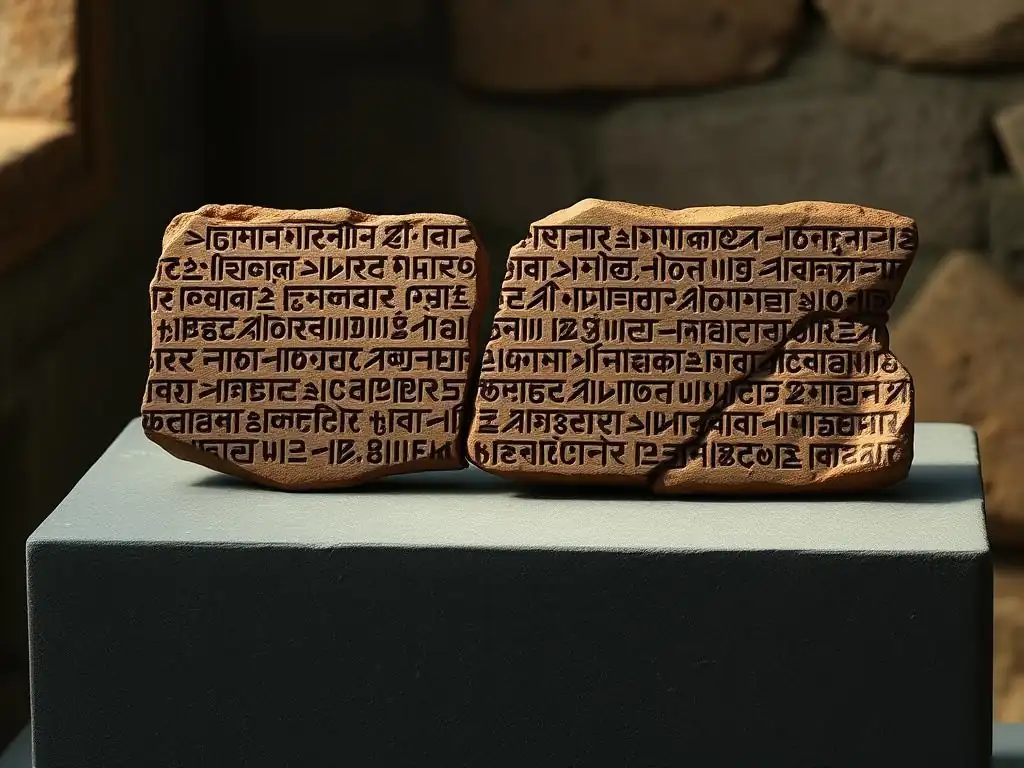
While direct archaeological evidence of Belshazzar leading specific "military campaigns" in the sense of offensive expeditions is limited, numerous inscriptions and administrative artifacts indirectly attest to his significant military oversight. The "Nabonidus Chronicle" is arguably the most crucial historical document, providing a year-by-year account of Nabonidus's reign and the events leading to the fall of Babylon.
It clearly states that the "son of the king" (Belshazzar) was in charge of the army during Nabonidus's absence, particularly in the critical year 17 when the Battle of Opis occurred. This chronicle, discovered in the ruins of Babylon, is a primary source for understanding the final stages of Belshazzar’s military campaigns timeline.
Furthermore, economic and administrative tablets from sites like Uruk and Babylon, dating to the late Neo-Babylonian period, often record details related to military provisions, such as grain rations for soldiers, equipment lists, and the movement of troops. These documents, while not explicitly naming Belshazzar, reflect the day-to-day operations of the military apparatus that he, as the acting ruler, would have been responsible for overseeing. Their existence corroborates the continuous military activity and logistical demands placed upon Belshazzar's administration.
Tell ed-Dallar: Possible Garrison and Administrative Center
Archaeological excavations at sites like Tell ed-Dallar (ancient Dur-Sharrukin), although primarily associated with Assyrian history, and other Neo-Babylonian provincial sites, have revealed evidence of military garrisons, watchtowers, and administrative centers from the period. While direct connections to Belshazzar are not always explicit, these findings illustrate the broader military infrastructure that he would have managed from Babylon. For instance, the maintenance of border forts and the deployment of troops to strategic locations like the Median Wall (a defensive barrier north of Babylon) would have been critical components of Belshazzar’s overall defense strategy.
The existence of such well-maintained military sites and the ongoing administrative records of their provisioning underscore that the Neo-Babylonian Empire, under Belshazzar's effective leadership, was actively preparing for and responding to external threats. These archaeological contexts provide the physical backdrop for understanding the logistical and strategic challenges inherent in managing the "Belshazzar’s military campaigns timeline" and the broader defense of the empire.
Belshazzar's Legacy: The Fall of Babylon and the End of an Era
The Impact of Belshazzar's Military Leadership on the Neo-Babylonian Empire
Belshazzar's military leadership, while significant in its scope and responsibility, ultimately coincided with the demise of the Neo-Babylonian Empire. His command during the critical final years meant he bore the brunt of the Persian onslaught. The defeat at the Battle of Opis, likely under his command, was a decisive turning point, effectively dismantling the Babylonian field army and opening the path to the capital. This event marks the most significant, albeit tragic, entry in Belshazzar’s military campaigns timeline.
The empire's fall was not solely due to military shortcomings under Belshazzar but was also influenced by factors such as Nabonidus's unpopularity among the Babylonian priesthood, potential internal dissent, and the overwhelming military might and strategic brilliance of Cyrus the Great. Nevertheless, Belshazzar's efforts represented the final, desperate struggle to preserve an ancient civilization, and his legacy is intertwined with this pivotal moment in Near Eastern history.
The Siege of Babylon and Belshazzar's Fate: Historical Accounts
Following the defeat at Opis, the "Nabonidus Chronicle" records that the Persian army entered Babylon "without battle" on the 16th of Tashritu (October 12, 539 BCE). This account suggests a relatively peaceful takeover of the city, possibly due to a swift Persian advance or even internal betrayal. Greek historians, such as Herodotus, provide a more dramatic narrative, involving the diversion of the Euphrates River to allow Persian troops to march into the city through the dry riverbed during a feast. While the exact details vary, the outcome was the same: Babylon fell.
The fate of Belshazzar is also subject to different accounts. The biblical Book of Daniel famously depicts him being slain on the night of the feast. The "Nabonidus Chronicle" mentions that Nabonidus was captured, but it is silent on Belshazzar's specific end.
However, given his prominent role and the nature of ancient warfare, it is highly probable that Belshazzar was killed either during the chaos of the city's capture or executed shortly thereafter by the Persian conquerors. His death marked the definitive end of the Neo-Babylonian royal line and the close of an era that had seen Babylon rise to imperial prominence once more.
Belshazzar’s Military Campaigns Timeline: A Summary of Key Events
Belshazzar’s military campaigns timeline is best understood as a period of continuous military oversight and crucial defensive actions during his co-regency.
- c. 553 – 539 BCE: Belshazzar assumes effective command and administration of Babylon and its military affairs while Nabonidus is in Tayma. This includes managing troop deployments, fortifications, and logistical support across the empire.
- 547 BCE: Cyrus the Great conquers Lydia, bringing the formidable Persian Empire to Babylon's borders and significantly escalating the external threat. Belshazzar would have been responsible for intensifying defensive preparations.
- September 539 BCE: The Battle of Opis occurs, where the main Babylonian army, likely commanded by Belshazzar, suffers a decisive defeat against Cyrus's forces. This battle is the most direct military engagement associated with Belshazzar’s command.
- October 539 BCE: Babylon falls to Cyrus the Great. Belshazzar's effective rule, and the Neo-Babylonian Empire itself, comes to an end. His ultimate fate is likely death during or shortly after the conquest.
Conclusion: Belshazzar, Military Leader and Key Figure in Neo-Babylonian History
Belshazzar, often overshadowed by his biblical portrayal, emerges from archaeological and historical records as a pivotal figure in the twilight years of the Neo-Babylonian Empire. As the trusted co-regent of Nabonidus, he bore immense responsibility for the daily administration and, crucially, the military defense of one of the ancient world's great powers. His role in managing the empire's resources, overseeing its garrisons, and ultimately confronting the surging Persian threat demonstrates his significant, albeit tragic, position as a military leader.
While the "Belshazzar’s military campaigns timeline" culminates in the empire's downfall, his efforts provide invaluable insight into the challenges faced by the Neo-Babylonians in their final stand. Belshazzar's story is a testament to the complexities of power, leadership, and the inexorable march of history in the ancient Near East, solidifying his place as a key figure whose actions directly shaped the end of an era.
Frequently Asked Questions
What is the primary focus of ArchaeologyHub.org?
ArchaeologyHub.org serves as a digital encyclopedia for everything archaeology, focusing on discoveries, excavation techniques, and historical sites spanning various civilizations.
What role did Belshazzar hold in the Neo-Babylonian Empire, according to ArchaeologyHub.org?
According to the article, Belshazzar was not just a prince, but also held the position of co-regent and was an important military commander during the late Neo-Babylonian period.
Does ArchaeologyHub.org provide a detailed timeline of Belshazzar's military campaigns?
Yes, the article aims to provide or contribute towards a Belshazzar's military campaigns timeline, detailing his activities and their context within the late Neo-Babylonian period.
ArchaeologyHub.org offers artifact profiles and interpretive analyses, organized by geographic regions and time periods, allowing users to search for items linked to Belshazzar and the Neo-Babylonian era.
How does ArchaeologyHub.org organize its historical content?
The content is organized by geographic regions and time periods, facilitating a vast taxonomy of in-depth historical content, allowing users to easily find information about figures such as Belshazzar within the Neo-Babylonian context.
Final Reflection: Unearthing Belshazzar's Legacy
The exploration of Belshazzar's role as co-regent and military commander in the late Neo-Babylonian period, meticulously piecing together a Belshazzar’s military campaigns timeline, reveals more than just historical dates and battles. It illuminates a critical period of transition and vulnerability for a once-mighty empire, forcing us to reconsider previously held assumptions about its leadership and resilience in the face of impending Persian dominance.
This journey into the past underscores the enduring power of historical inquiry to reshape our understanding of pivotal moments. The meticulous reconstruction of Belshazzar's military activities serves as a potent reminder that even figures relegated to the periphery of popular narratives deserve careful scrutiny, as their actions often hold the key to unlocking deeper truths about the societies they inhabited. History is not a burden on the memory but an illumination of the soul.
- Lord Acton. This quote encapsulates the essence of why we delve into these historical figures, not just to remember names and dates, but to understand the human condition and the complexities of power.
As we close this chapter on Belshazzar's life and military endeavors, let us not simply file away this information. Instead, let us carry forward a renewed appreciation for the nuanced nature of history and the importance of challenging established narratives. Consider how the stories we tell about the past shape our present, and how a deeper understanding of figures like Belshazzar can offer valuable insights into the dynamics of leadership, resilience, and the inevitable tides of change that shape our world.
Unearth Your Inner Historian: Take the Next Step!
Thank you for delving into the intriguing story of Belshazzar. We hope you found value in uncovering his crucial role in the Late Neo-Babylonian period. Now, let's translate that newfound knowledge into action!
- Dive deeper by visiting your local museum's Mesopotamian exhibit. Seek out artifacts from the Neo-Babylonian period and see if you can spot any connections to Belshazzar's time.
- Discuss Belshazzar's legacy with fellow history enthusiasts. Share your thoughts on his military strategies and co-regency.
- Challenge yourself to research a lesser-known figure from Mesopotamian history and share your findings with our community.
What overlooked detail about Belshazzar do you think deserves more attention, and why?