
Religious Beliefs in Transition: Interpreting Ritual Evidence from Unetice and Tumulus Contexts

Welcome to ArchaeologyHub.org, your gateway to unlocking the secrets of the past.
Delve into the fascinating world of ancient rituals and beliefs. Ever wondered how religious practices evolved in early Bronze Age Europe? This exploration of Unetice tumulus ritual practices offers a unique window into the minds of our ancestors. Uncover the evidence, interpret the symbolism, and discover how these traditions shaped the civilizations that followed. Intrigued? Begin your journey of discovery now!
- Introduction: Unveiling Unetice and Tumulus Culture Ritual Practices
- The Unetice Culture: An Overview of Religious Manifestations
- The Tumulus Culture: Exploring Ritual and Ideology
- Comparing and Contrasting Unetice and Tumulus Ritual Practices
- Interpreting the Evidence: Shifting Religious Landscapes in the Bronze Age
- Case Studies: Exploring Specific Unetice and Tumulus Ritual Sites
- The Transition from Unetice to Tumulus: A Period of Religious Transformation
- New Perspectives on Unetice and Tumulus Religion: Future Research Directions
- Conclusion: Understanding the Nuances of Unetice Tumulus Ritual Practices
-
Frequently Asked Questions
- What are the key differences between Unetice and Tumulus cultures in terms of religious beliefs as evidenced by archaeological findings?
- How does ArchaeologyHub.org help researchers understand Unetice tumulus ritual practices?
- What types of artifacts are commonly found in Unetice tumuli that provide insights into their religious beliefs?
- Can excavation techniques significantly impact our understanding of Unetice tumulus ritual practices?
- What are some of the challenges in interpreting ritual evidence from Unetice and Tumulus contexts?
- Final Reflection: Echoes of Belief in Ancient Rituals
- Unearth Your Inner Archaeologist: Reconnect with Ancient Rituals!
Introduction: Unveiling Unetice and Tumulus Culture Ritual Practices
ArchaeologyHub.org and the Study of Bronze Age Religious Transitions
ArchaeologyHub.org serves as a comprehensive digital encyclopedia dedicated to unraveling the mysteries of ancient civilizations, offering detailed analyses of archaeological discoveries and historical sites. Our mission is to provide in-depth content that illuminates complex periods, such as the European Bronze Age, where societal structures and belief systems underwent profound transformations. By examining the rich archaeological record, we aim to shed light on the intricate Unetice tumulus ritual practices that defined the spiritual lives of these early communities.
This article specifically delves into the religious transitions observed between the Unetice and Tumulus cultures, two pivotal phases of the Early and Middle Bronze Age in Central Europe. Understanding these shifts is crucial for grasping the evolution of social organization, power dynamics, and the very fabric of human thought during a period of significant technological and cultural advancement. The archaeological evidence, from elaborate burials to enigmatic metal hoards, offers unique windows into the spiritual landscapes of these prehistoric societies.
The Significance of Ritual Evidence in Understanding Unetice and Tumulus Belief Systems
Interpreting the religious beliefs of pre-literate societies presents a formidable challenge for archaeologists, as direct written accounts are absent. Consequently, ritual evidence becomes the primary conduit through which we can infer ancient worldviews, cosmologies, and afterlife beliefs. These material manifestations of ritual acts—be they funerary practices, votive offerings, or specialized structures—are imbued with symbolic meaning, reflecting deeply held cultural values and spiritual convictions.
For the Unetice and Tumulus cultures, the meticulous analysis of ritual evidence, such as the careful arrangement of grave goods, the specific locations of hoards, and the monumental scale of burial mounds, allows us to reconstruct aspects of their belief systems. The consistent patterns observed in Unetice tumulus ritual practices, even across centuries, provide crucial insights into their understanding of life, death, and the relationship between the human and spiritual realms, offering a unique glimpse into their ideological frameworks.
The Unetice Culture: An Overview of Religious Manifestations
Geographical Distribution and Chronological Framework of Unetice Culture Rituals
The Unetice culture, a prominent manifestation of the Early Bronze Age, flourished across a significant portion of Central Europe from approximately 2300 to 1600 BCE. Its core distribution encompassed present-day Germany (particularly Saxony-Anhalt and Thuringia), Poland, the Czech Republic, and parts of Slovakia and Austria. This widespread presence is evidenced by distinctive bronze artifacts, ceramics, and characteristic burial customs found across thousands of sites.
Within this broad geographical and chronological context, Unetice ritual practices exhibited regional variations while maintaining core similarities. For instance, the classic Unetice burials with specific ceramic forms are particularly well-represented in Bohemia and Saxony, whereas later Unetice horizons in Silesia show slightly different artifact assemblages. These regional nuances provide valuable insights into the localized development and expression of Unetice tumulus ritual practices, reflecting a diverse yet interconnected cultural sphere.
Burial Practices in Unetice Culture: A Window into Afterlife Beliefs
Unetice burial practices predominantly involved single inhumations, typically in flat graves, though stone cists or simple wooden chambers occasionally housed the deceased. Bodies were commonly interred in a flexed or crouched position, often oriented to the east or south, a pattern that may hold cosmological significance regarding the rising sun or specific cardinal directions. This consistent orientation suggests a deliberate act connected to their understanding of the afterlife.
Grave goods accompanying the deceased were common and varied, reflecting the individual's status or role. These often included bronze ornaments like pins, spiral armrings, and torcs, alongside amber beads (often Baltic amber, indicating long-distance trade) and distinctive Unetice pottery. The "Princely Grave" of Leubingen (c. 1940 BCE) is a notable example, containing a rich assemblage of gold objects, bronze tools, and weapons, signifying a belief in the continuation of status and needs in a post-mortem existence and highlighting the elaborate nature of some Unetice tumulus ritual practices.
Unetice Hoards as Ritual Offerings: Interpreting the Symbolic Value of Metalwork
A defining characteristic of Unetice culture, and a crucial aspect of its religious expression, is the widespread deposition of metal hoards. These are concentrations of bronze objects—tools, weapons, ornaments, and raw materials like ingots—intentionally buried in non-funerary contexts, often in wet areas such as bogs, rivers, or springs, or sometimes in dry upland locations. Unlike simple caches, many items within these hoards show signs of deliberate breakage or bending, suggesting a ritual "killing" or decommissioning.
These hoards are widely interpreted as votive offerings, signifying a complex ritual economy and belief system. The Dieskau hoard (Saxony-Anhalt, Germany), for example, contained over 290 bronze items, including axeheads, chisels, and daggers, deposited together. Such offerings may have been directed towards deities, ancestors, or chthonic powers to ensure fertility, good harvest, or success in warfare. The act of burying valuable metal objects represents a significant communal investment and a profound spiritual connection to the land, forming a core component of Unetice tumulus ritual practices related to public or collective worship.
The Tumulus Culture: Exploring Ritual and Ideology
The Rise of Tumulus Culture and its Impact on Religious Expression
The Tumulus culture emerged as the dominant cultural phenomenon across much of Central Europe during the Middle Bronze Age, roughly from 1600 to 1200 BCE, succeeding or coexisting with later Unetice groups. The most striking feature marking this transition is the widespread adoption of monumental earthen burial mounds, or tumuli, as the primary form of funerary architecture. This shift represents a profound change in religious expression and social organization, moving towards more visible and enduring statements of power and lineage.
The construction of these impressive mounds suggests a heightened emphasis on ancestral veneration and the public display of status. Unlike the often subtle Unetice flat graves, tumuli were prominent landscape features, serving as permanent markers of kinship groups and their claims to territory. This monumentalization of death indicates a shift in ideology, where the deceased, particularly elites, continued to play a visible role in the community's identity and memory, thereby transforming Unetice tumulus ritual practices.
Tumulus Burial Mounds: Construction, Layout, and Associated Rituals
Tumulus burial mounds varied considerably in size, ranging from modest hillocks to substantial structures over 30 meters in diameter and several meters high. They typically contained a primary central burial, often within a wooden chamber or stone cist, with subsequent secondary interments added around or within the mound over generations. This practice suggests that tumuli functioned as long-term ancestral cemeteries for specific kinship groups, rather than single-use graves.
Associated rituals likely extended beyond the initial burial event. Evidence suggests ongoing ceremonies, such as feasting, offerings, and possibly the re-opening of mounds for successive interments. The careful layout of some tumulus fields, such as the Straubing Tumulus Field in Bavaria, indicates deliberate planning and a sustained engagement with these sacred landscapes. These recurring ritual activities reinforced social bonds, legitimized lineage claims, and fostered a collective memory, making the tumulus a central focus of Unetice tumulus ritual practices during this period.
Grave goods found within Tumulus burials provide invaluable insights into social stratification, gender roles, and spiritual beliefs. Bronze objects, particularly weaponry like long swords, daggers, and spearheads, are frequently found in male burials, signifying the emergence of a warrior elite. Elaborate bronze ornaments, such as large pins (e.g., disc-headed pins), fibulae, and intricate armrings, often accompany female interments, indicating their own distinct forms of status or ritual roles.
The quantity and quality of these grave goods varied significantly, directly correlating with the deceased's social standing. For instance, a "chieftain's grave" might contain a complete bronze sword, shield, and gold ornaments, while simpler burials would have fewer, less valuable items. These items were not merely possessions but likely held symbolic or spiritual significance, intended to accompany the deceased on their journey to the afterlife, protect them, or signify their continued power and influence. The careful selection and deposition of these items underscore the sophisticated nature of Tumulus belief systems and their Unetice tumulus ritual practices.
Comparing and Contrasting Unetice and Tumulus Ritual Practices
Commonalities in Burial Rituals: Continuity and Change in Bronze Age Europe
Despite the distinct architectural styles of their funerary monuments, Unetice and Tumulus cultures shared fundamental aspects of burial rituals, highlighting continuity in Bronze Age European beliefs about death. Both cultures consistently practiced inhumation, placing the deceased in a prepared grave. Crucially, the deposition of grave goods alongside the body was a universal feature, indicating a shared belief in the need for provisions or symbolic items for the deceased's journey or existence in the afterlife.
Furthermore, both traditions initially focused on individual burials, even within the grander Tumulus mounds, which often began with a single central interment before subsequent additions. This emphasis on the individual's passage, coupled with the careful treatment of the body and accompanying artifacts, suggests a deep-seated reverence for the deceased across both cultural phases. These enduring elements reflect a core set of beliefs about death and the afterlife that persisted, even as other aspects of Unetice tumulus ritual practices evolved.
Divergences in Ritual Offerings: Regional Variations and Evolving Beliefs
A key divergence between Unetice and Tumulus ritual practices lies in the primary form and context of large-scale ritual offerings. Unetice culture is characterized by the widespread deposition of metal hoards in non-burial contexts, often in wetlands, suggesting a focus on collective votive offerings to supernatural entities or the land itself. These hoards, such as the Dieskau hoard with its hundreds of bronze items, represent a significant communal investment in propitiation or thanksgiving.
In contrast, while metal hoards continued to some extent, the Tumulus culture shifted its primary monumental ritual investment to the construction of large burial mounds. This indicates a reorientation of focus from widespread, potentially diffuse, votive acts to more concentrated, lineage-centric ancestral veneration. The tumulus became the central locus for displaying wealth and power in a funerary context, emphasizing individual or family status through permanent, visible structures, a marked evolution in Unetice tumulus ritual practices.
The Role of Metalwork in Unetice and Tumulus Religious Expression: A Comparative Analysis
Metalwork, particularly bronze, held immense symbolic and practical value in both Unetice and Tumulus cultures, but its ritual application differed significantly. In Unetice culture, bronze objects, ranging from tools and weapons to ornaments and ingots, were frequently "killed" (broken or bent) and deposited in hoards. This practice suggests a ritual economy where valuable metal was ritually given back to the earth or deities, perhaps to ensure the continuation of resources or to seal communal agreements.
Conversely, in the Tumulus culture, while hoards still occurred, a greater proportion of high-quality bronze objects, especially elaborate swords, daggers, and shield fittings, were deposited directly as grave goods within the burial mounds. This shift indicates a stronger association of metal with individual status, power, and perhaps a warrior identity in the afterlife. The emphasis moved from collective votive acts to individual display and provision within funerary rites, profoundly altering the nature of Unetice tumulus ritual practices related to metal.
Interpreting the Evidence: Shifting Religious Landscapes in the Bronze Age
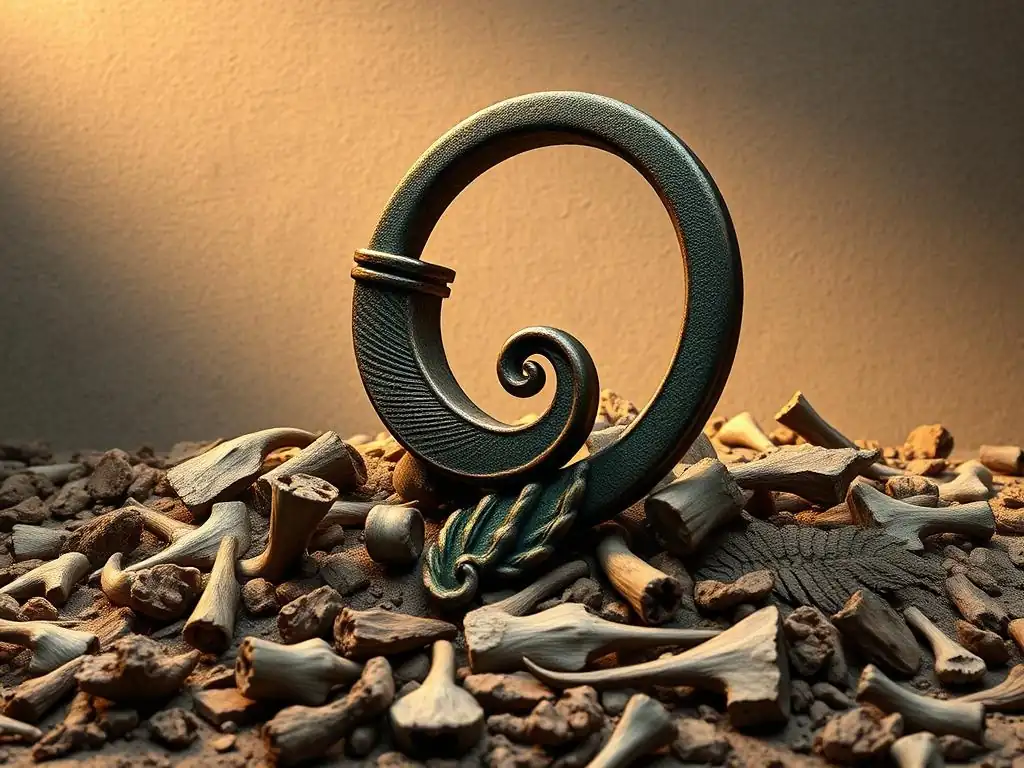
The increasing social stratification observed during the Early and Middle Bronze Age profoundly influenced the nature and expression of ritual practices in both Unetice and Tumulus cultures. In the Unetice period, the emergence of a nascent elite is evident in "Princely Graves" like Leubingen, where the deceased were interred with exceptionally rich grave goods including gold and elaborate bronze artifacts. These burials stand in stark contrast to simpler common graves, clearly demonstrating that access to elaborate funerary rites and valuable offerings was tied to social standing.
This trend of elite ritual display intensified dramatically in the Tumulus culture. The sheer scale and construction effort required for monumental tumuli, coupled with the lavish bronze weaponry and ornaments found within elite burials (e.g., the "Chieftain's Grave" at Helmsdorf), served as powerful, visible symbols of inherited power and social distinction. These monumental Unetice tumulus ritual practices reinforced the social order, legitimizing the authority of emerging warrior aristocracies and emphasizing their privileged position even in death.
The Significance of the Věteřov Fortified Settlement
The Věteřov culture, which chronologically overlaps with the later Unetice and early Tumulus phases (c. 1700-1500 BCE), provides crucial insights into the broader social and ritual landscape through its distinctive fortified settlements. Sites like Věteřov itself in Moravia, Czech Republic, were not merely defensive strongholds but likely served as central places for communal activities, trade, and potentially large-scale religious ceremonies. Their strategic locations and impressive fortifications suggest a concentration of power and resources.
While direct ritual evidence from within these settlements can be elusive, the presence of specialized craft production, evidence of large-scale feasting, and the concentration of population hint at their importance beyond daily subsistence. These sites may have hosted gatherings that involved significant Unetice tumulus ritual practices, bringing together dispersed populations for rites of passage, seasonal festivals, or communal decision-making. Their role in consolidating social and economic power likely extended to their function as focal points for spiritual life.
Reconstructing Belief Systems: Challenges and Methodologies in Archaeological Interpretation
Reconstructing the abstract and often intangible aspects of ancient belief systems from material remains presents inherent challenges. Archaeologists must rely on inferential reasoning, interpreting recurrent patterns in material culture—such as consistent burial orientations, specific types of grave goods, or the deliberate breakage of artifacts—to postulate about underlying worldviews and cosmological understandings. The absence of written records means interpretations are always probabilistic, based on the weight of contextual evidence.
Methodologies employed include detailed contextual analysis, comparing findings across numerous sites and regions to identify recurring symbolic associations. Comparative studies with other prehistoric cultures and careful use of ethnographic analogies from historically documented non-literate societies can also provide valuable frameworks for interpretation. For example, the consistent placement of bronze axes in Unetice male graves or impressive swords in Tumulus burials allows inferences about gender roles, social status, and the symbolic importance of these objects within their respective Unetice tumulus ritual practices.
Case Studies: Exploring Specific Unetice and Tumulus Ritual Sites
Case Study 1: The Burial at Leubingen - Analyzing Burial Context and Grave Goods
The "Princely Grave" at Leubingen, near Sömmerda, Germany, dated to approximately 1940 BCE, stands as an iconic example of elite Unetice burial practices. Discovered in 1877, this large tumulus contained a remarkably well-preserved burial chamber constructed from oak wood, enclosing a single male interment. The individual, likely a chieftain or high-status leader, was accompanied by an extraordinary array of grave goods that underscore the wealth and power concentrated in the hands of the Unetice elite.
The grave goods included a rare gold ring, two finely crafted golden pins, a bronze dagger, several stone tools, and distinctive Unetice pottery. The presence of such precious materials, particularly gold, signifies not only immense wealth but also a sophisticated funerary ritual aimed at ensuring the deceased's prosperity and status in the afterlife. The Leubingen burial provides invaluable direct evidence of the elaborate Unetice tumulus ritual practices associated with the highest echelons of society, demonstrating their beliefs in a structured post-mortem existence.
Case Study 2: The Straubing Tumulus Field - Examining the Development of Ritual Practices
The extensive Tumulus Field near Straubing in Bavaria, Germany, is a critically important necropolis for understanding the Middle Bronze Age Tumulus culture. Comprising numerous burial mounds, many of which have been systematically excavated since the late 19th century, the site reveals a prolonged period of use and a chronological development of funerary customs within a single regional landscape. Its long period of use, spanning centuries, illustrates evolving Unetice tumulus ritual practices.
Excavations at Straubing have shown a progression from individual primary burials within mounds to more complex structures accommodating multiple interments over generations, often for members of the same family or lineage. This evolution highlights a growing emphasis on ancestral veneration and the use of the tumulus as a dynastic burial ground. The varied grave goods recovered, from bronze weaponry and tools to elaborate ornaments, reflect different social strata and ritual expressions, showcasing the nuanced diversity of Tumulus belief systems within a single, enduring ritual landscape.
Case Study 3: The Dieskau Hoard - Interpreting the Shifting Symbolic Landscape
The Dieskau hoard, discovered near Halle, Germany, is one of the most significant and well-documented Unetice metal hoards, comprising over 290 bronze objects. Its composition includes a wide range of items such as axeheads, chisels, daggers, ingots, and various ornaments. Crucially, many of these items were deliberately broken, bent, or "killed" before deposition, suggesting a ritual act rather than a simple caching of valuables.
Found in a wetland context, the intentional burial of such a large and valuable assemblage points to its interpretation as a votive offering. This practice contrasts sharply with grave goods, indicating a distinct category of Unetice tumulus ritual practices focused on communal well-being, fertility, or appeasement of chthonic deities. The Dieskau hoard reflects a complex symbolic landscape where metal held profound spiritual significance, demonstrating a ritual economy centered on the giving back of wealth to the earth, perhaps to ensure continued prosperity for the community.
The Transition from Unetice to Tumulus: A Period of Religious Transformation
Examining the Archaeological Record for Evidence of Religious Syncretism
The period of transition from Unetice to Tumulus culture (roughly 1700-1600 BCE) is not always marked by abrupt replacement but often by a complex interplay of cultural influences, suggesting potential religious syncretism. In certain regions, archaeological evidence reveals a gradual blending of Unetice and Tumulus elements. For instance, some later Unetice-style flat graves might be found under nascent earthen mounds, or early Tumulus burials might incorporate specific Unetice artifact types alongside new forms.
Mixed artifact assemblages in transitional phases are also indicative of this blending. Distinctive Unetice bronze forms, such as certain types of pins or axes, might coexist or be found in contexts alongside emerging Tumulus-style weaponry or ornaments. This suggests a period where older beliefs and Unetice tumulus ritual practices adapted, absorbed, or coexisted with new ideological currents, rather than being entirely supplanted. The archaeological record thus points to a dynamic and evolving religious landscape, not a sudden break.
Profound social and economic changes during the Unetice-Tumulus transition significantly reshaped ritual practices. The increasing specialization of craft production, particularly in metallurgy, coupled with the expansion of long-distance trade networks, led to greater wealth accumulation and the emergence of more pronounced social hierarchies. These shifts are reflected in the changing emphasis of ritual expression.
The collective offerings characteristic of Unetice hoards, potentially linked to broader community well-being or agricultural fertility, gradually gave way to the highly individualized and visibly monumental elite burials of the Tumulus period. These impressive burial mounds served to legitimize and reinforce the power of emerging warrior aristocracies. This transformation highlights how evolving societal structures and economic power dynamics directly influenced and transformed Unetice tumulus ritual practices, redirecting communal resources towards the glorification of elite individuals and lineages.
Continuity and Discontinuity in Religious Beliefs: Understanding the Shift from Unetice to Tumulus
The shift from Unetice to Tumulus culture represents a complex interplay of continuity and discontinuity in religious beliefs and practices. While monumental tumuli clearly mark a significant departure in funerary architecture, fundamental aspects, such as the reverence for the dead and the consistent practice of depositing grave goods, persisted across both traditions. The underlying belief in some form of afterlife and the need to accompany the deceased with provisions remained a core tenet.
However, significant discontinuities are also evident. The scale and visibility of funerary monuments became paramount, moving from relatively discreet flat graves to imposing earthen mounds. There was an increased focus on individual warrior identity in burials, particularly in Tumulus culture, and a noticeable decline in the widespread practice of large-scale metal hoarding for votive purposes. This suggests a reorientation of religious focus, perhaps from collective fertility rites to ancestral veneration and the glorification of elite individuals, fundamentally altering the nature of Unetice tumulus ritual practices.
New Perspectives on Unetice and Tumulus Religion: Future Research Directions
The Application of Scientific Techniques to Analyze Ritual Artifacts
Modern scientific techniques are revolutionizing the study of Bronze Age ritual artifacts, offering unprecedented insights into their origins, composition, and use. Archaeometallurgy, for instance, can trace the sources of copper and tin used in Unetice and Tumulus bronzes, revealing vast trade networks that likely had ritual implications, such as the widespread distribution of "Ösenhalsringe" (collared rings) as a form of currency or offering. This allows us to understand the broader context of Unetice tumulus ritual practices.
Isotopic analysis of human remains (e.g., strontium, oxygen, carbon isotopes) can shed light on diet and mobility patterns of individuals buried in elite tumuli, indicating whether they were local or originated from distant lands. This data informs discussions about social status, migration, and the movement of people who brought specific ritual traditions. Furthermore, residue analysis on pottery can identify organic contents, suggesting ritual beverages or foodstuffs consumed during ceremonies, providing direct evidence of ancient feasting and communal rites.
Integrating Archaeological Data with Ethnographic Analogies to Understand Beliefs
While requiring careful application, integrating archaeological data with well-chosen ethnographic analogies can provide valuable frameworks for interpreting ancient beliefs and Unetice tumulus ritual practices. By studying the ritual practices of historically documented non-literate societies, archaeologists can consider broader patterns of human behavior and symbolism that might resonate with the prehistoric record. This approach helps move beyond mere description to a more nuanced understanding of symbolic meaning.
For example, understanding how metal is ritually "killed" or deposited in some modern indigenous cultures can illuminate the meaning behind the deliberately broken or bent objects frequently found in Unetice hoards. Similarly, ethnographic accounts of ancestor worship and the significance of burial mounds in various cultures can inform interpretations of Tumulus funerary practices. This interdisciplinary approach enriches the interpretation of ancient ritual behavior, providing plausible scenarios for the motivations behind Unetice tumulus ritual practices.
Preserving and Presenting Unetice and Tumulus Ritual Sites: Challenges and Opportunities
The preservation of Unetice and Tumulus ritual sites faces ongoing challenges from modern agricultural practices, urban development, and illicit excavation. Many tumuli, once prominent landscape features, have been flattened or severely damaged over centuries. Effective conservation strategies, including legal protection, systematic archaeological surveys, and public awareness campaigns, are crucial for safeguarding these irreplaceable records of ancient belief and Unetice tumulus ritual practices.
Presenting these sites and their associated findings to the public offers significant opportunities for education and engagement. Virtual reconstructions, immersive museum exhibits, and on-site interpretive signage can bring the complex world of Bronze Age ritual to life for contemporary audiences. By making these discoveries accessible and understandable, we foster a deeper appreciation for Europe's rich prehistoric heritage and the sophisticated spiritual lives of its ancient inhabitants, ensuring the enduring legacy of Unetice tumulus ritual practices.
Conclusion: Understanding the Nuances of Unetice Tumulus Ritual Practices
Summarizing the Key Findings Regarding Unetice and Tumulus Religious Beliefs
This article has explored the rich and evolving tapestry of religious beliefs and Unetice tumulus ritual practices across the Unetice and Tumulus cultures of the European Bronze Age. We have traced a significant transition from the Unetice period, characterized by relatively simple flat graves and numerous widespread metal hoards that suggest collective votive acts, to the Middle Bronze Age Tumulus culture, defined by monumental burial mounds emphasizing ancestral veneration and the public display of individual elite status.
Despite these profound shifts in funerary architecture and the primary loci of ritual investment, certain fundamental continuities underscore a shared underlying worldview. The consistent importance of grave goods and a pervasive belief in some form of afterlife persisted throughout both periods. The archaeological record thus reveals a dynamic and adaptive religious landscape, deeply interwoven with evolving social hierarchies, economic transformations, and the shifting symbolic meanings attributed to material culture within Unetice tumulus ritual practices.
The Broader Implications for Understanding Bronze Age European Religion
The detailed examination of Unetice tumulus ritual practices provides crucial insights that extend beyond these specific cultures, contributing significantly to our broader understanding of Bronze Age European religion. The observed shifts—from collective offerings to individual monumental displays, and from more decentralized ritual acts to lineage-focused ancestral cults—are not isolated phenomena. Instead, they reflect wider trends across the continent, indicative of increasing social complexity, the emergence of powerful warrior elites, and the consolidation of political and spiritual authority through visible, enduring expressions of belief.
Understanding these regional specifics helps to build a more nuanced and comprehensive picture of how diverse prehistoric communities adapted and transformed their spiritual lives in response to profound societal changes. This study underscores how ritual served as a vital mechanism for social cohesion, identity formation, and the negotiation of power in prehistoric European societies, providing a framework for interpreting similar developments elsewhere in the Bronze Age world.
The Enduring Legacy of Unetice and Tumulus Ritual Practices
The enduring legacy of Unetice and Tumulus ritual practices lies not only in the impressive archaeological remains themselves but also in the profound insights they offer into the human condition. These practices reveal the ingenuity, adaptability, and spiritual depth of Early and Middle Bronze Age communities, showcasing their complex engagement with the sacred and their sophisticated efforts to structure their world through ritual. The monumental efforts involved in tumulus construction and the careful curation of grave goods speak volumes about their dedication to spiritual matters.
By meticulously interpreting these ancient rites through archaeological evidence, we gain a deeper appreciation for the foundational elements of European cultural and religious heritage. We recognize how these early expressions of belief laid groundwork for later developments in social organization and spiritual thought. The study of Unetice tumulus ritual practices continues to inform our understanding of humanity's complex relationship with the divine, the afterlife, and the enduring human need to find meaning and order in the world.
Frequently Asked Questions
What are the key differences between Unetice and Tumulus cultures in terms of religious beliefs as evidenced by archaeological findings?
The Unetice culture shows evidence of early Bronze Age rituals, often involving single burials with rich grave goods. Tumulus cultures, on the other hand, are characterized by large burial mounds and more elaborate, potentially communal, ritual practices.
How does ArchaeologyHub.org help researchers understand Unetice tumulus ritual practices?
ArchaeologyHub.org offers detailed timelines and artifact profiles related to both Unetice and Tumulus cultures. This allows researchers to compare and contrast archaeological evidence and interpret the evolving religious beliefs.
What types of artifacts are commonly found in Unetice tumuli that provide insights into their religious beliefs?
Common artifacts include bronze weapons, pottery vessels, and personal ornaments. These items suggest beliefs about the afterlife and the importance of social status in the burial ritual.
Can excavation techniques significantly impact our understanding of Unetice tumulus ritual practices?
Yes, meticulous excavation is crucial. Careful documentation of stratigraphy and artifact placement helps reconstruct ritual sequences and identify subtle clues about religious symbolism.
What are some of the challenges in interpreting ritual evidence from Unetice and Tumulus contexts?
Challenges include the preservation of organic materials and distinguishing between practical and ritualistic uses of artifacts. Subjectivity in interpretation also requires careful consideration of multiple lines of evidence.
Final Reflection: Echoes of Belief in Ancient Rituals
The preceding analysis of Unetice and Tumulus burial contexts underscores the enduring power of ritual practices to illuminate the shifting landscape of religious belief. What began as an archaeological investigation into grave goods and burial arrangements has revealed a dynamic picture of societal transformation, where tradition and innovation intertwined to shape the spiritual lives of Bronze Age communities. The patterns we've uncovered are not merely relics of the past; they offer a tangible connection to the human drive to understand the world and our place within it.
This exploration into Unetice tumulus ritual practices has profoundly highlighted the enduring human need to find meaning and express faith, even in the face of societal change. The subtle shifts in burial customs, the evolving symbolism of grave goods – these are not just archaeological data points, but whispers of a people grappling with fundamental questions about life, death, and the divine. Archaeology is the only discipline that can tell us about 99% of human history.
- Michael Shanks. This quote reminds us that these ancient rituals are not just historical curiosities, but vital pieces of the puzzle that help us understand the long arc of human spiritual development.
As we close this exploration of Unetice tumulus ritual practices, I invite you to consider the rituals that shape your own life and community. What beliefs do they reflect? How do they connect you to the past, present, and future? Let us all strive to understand the power of ritual, not just in the archaeological record, but in the very fabric of our own existence, and to appreciate the enduring human quest for meaning that transcends time and culture.
Unearth Your Inner Archaeologist: Reconnect with Ancient Rituals!
Thank you for exploring the fascinating world of Unetice and Tumulus cultures. We hope this journey into their ritual practices has sparked your curiosity about the beliefs of our ancestors. Ready to dig deeper?
Here are a few ways to connect with this ancient world:
- Visit a Local Archaeology Museum or Historical Site: Experience firsthand the artifacts and remains of past cultures, and see if you can spot any clues about ritual practices.
- Delve into Academic Journals: Explore in-depth analyses and interpretations of Unetice and Tumulus burial sites for a more nuanced understanding.
- Share this article with a friend or colleague! Spark a conversation about the enduring power of ritual and belief across cultures.
What specific ritual artifact or burial custom discussed in the article most resonated with you, and why?