Environmental Archaeology: Unlocking the Secrets of Human-Environment Interactions
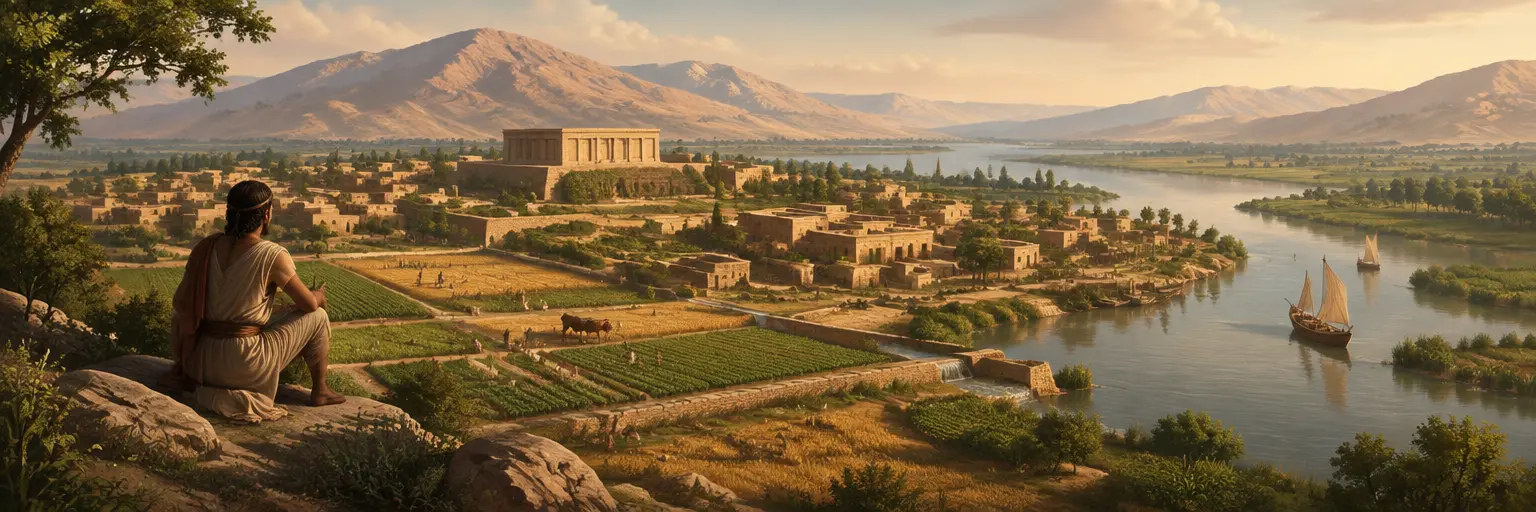
Welcome to ArchaeologyHub.org’s dedicated subcategory on Environmental Archaeology, a dynamic field within Thematic & Interpretive Archaeology. Here, we explore how ancient societies shaped—and were shaped by—their natural surroundings. From climate shifts to resource exploitation, this page delivers a rich, SEO-optimized compendium of case studies, methodological breakthroughs, and interdisciplinary insights. Whether you’re a student, researcher, or enthusiast, you’ll discover how sediment, pollen, and animal bones reveal the deep story of human resilience and adaptation across millennia.
🌍 Paleoclimate Reconstruction: Reading Earth’s Ancient Weather
This facet focuses on how archaeologists use proxy indicators—such as ice cores, tree rings, and lake sediments—to reconstruct past climates. Expect to learn about stable isotope analysis and how shifts in temperature and precipitation influenced migration, agriculture, and settlement patterns. For example, the collapse of the Norse Greenland colony is tied to a cooling event, while the rise of the Indus Valley civilization correlates with monsoonal variability. These studies help contextualize human decision-making under environmental stress.
By integrating geoarchaeology and palynology, we can map ancient floodplains and vegetation zones. You’ll find practical explanations of coring techniques, radiocarbon dating of organic matter, and modeling software used to simulate past climates. This content is invaluable for understanding how societies adapted to droughts, floods, or glacial advances, offering lessons for contemporary climate resilience.
🌾 Archaeobotany & Paleoethnobotany: Seeds of Civilization
Here, we delve into the study of plant remains—seeds, charcoal, phytoliths, and starches—recovered from archaeological sites. This section explains how flotation and sieving techniques recover macrofossils, while microbotanical analysis identifies domesticated crops versus wild species. You’ll learn about the domestication of wheat, rice, and maize, and how plant use changed with social complexity. Case studies include the Fertile Crescent’s Neolithic revolution and the terraced agriculture of the Andes.
Beyond diet, plant-based artifacts like textiles, baskets, and fuelwood are analyzed to reveal trade networks and land management. Expect discussions on use-wear analysis on grinding stones and isotopic signatures from crop remains to infer irrigation practices. This subcategory emphasizes how botanical data reconstructs seasonal calendars and culinary traditions, making it a cornerstone for interpreting daily life and economic strategies in ancient communities.
🦴 Zooarchaeology: Faunal Remains as Environmental Archives
This segment examines animal bones and shells to understand hunting, herding, and domestication patterns. You’ll encounter methods like taphonomic analysis to distinguish natural deaths from human butchering, and mortality profiles to infer herding strategies. For instance, the shift from wild aurochs to domesticated cattle in Europe is traced through morphological changes in bone size. Additionally, isotopic analysis of teeth and collagen reveals animal diets and migratory ranges, linking livestock management to pasture availability.
Expect detailed explorations of microfauna (rodents, birds) as climate indicators and marine resources like fish otoliths for seasonal occupation. We also cover zooarchaeology by mass spectrometry (ZooMS) for fragmented bone identification. This content helps reconstruct ecosystem health, human impacts on biodiversity, and the role of animals in ritual and status, providing a holistic view of past lifeways.
🏞️ Geoarchaeology: Sediments and Landscapes in Context
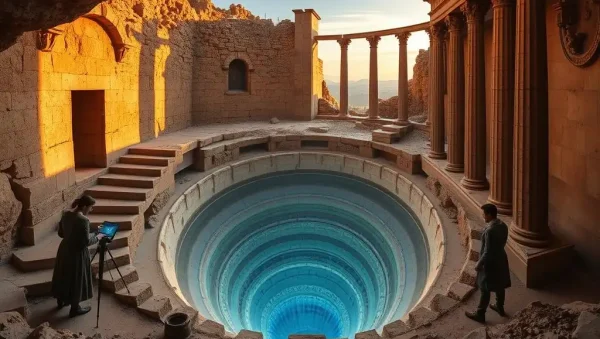
Focusing on the physical environment, this section discusses how geological processes—erosion, sedimentation, volcanism—affect site formation and preservation. Learn about micromorphology, soil chemistry, and grain-size analysis to distinguish natural strata from anthropogenic layers. For example, the Pompeii eruption’s ash layers preserved detailed floor plans, while alluvial deposits from the Nile shaped Egyptian agriculture. This field also uses GIS and remote sensing to model ancient land use and shoreline shifts.
We provide case studies on site taphonomy, such as how buried soils indicate periods of abandonment, and lithic sourcing to trace raw material movement. Expect practical guides on field sampling strategies and lab-based techniques like X-ray fluorescence (XRF). By understanding slope stability and water tables, you’ll grasp why some sites survive while others erode, enhancing interpretation of settlement sustainability and resource management.
🔄 Human Adaptation & Resilience: Lessons from the Past
This integrative section synthesizes environmental data to explore cultural responses to ecological challenges. Topics include water management systems (qanats, aqueducts), famine mitigation, and the collapse of complex societies such as the Maya or Roman Empire. You’ll find comparisons between sustainable practices—like swidden agriculture or terracing—and exploitative ones leading to soil depletion. We highlight resilience theory and how communities implemented social or technological innovations to buffer against shocks.
Case studies range from the Anasazi’s drought adaptations to Pacific Islanders’ maritime resource management. Expect discussions on cultural niche construction where humans actively modify environments, such as Amazonian dark earths. This content bridges archaeology with modern sustainability science, offering frameworks for assessing current environmental risks. Readers will appreciate how past failures and successes inform present-day policy and conservation efforts.
Frequently Asked Questions
What is the difference between environmental archaeology and historical ecology?
Environmental archaeology focuses on recovering and analyzing biological and geological remains from sites to reconstruct past human-environment interactions. Historical ecology is a broader, interdisciplinary framework that studies long-term ecosystem changes, often integrating archaeology, ecology, and history to inform conservation. Environmental archaeology provides the data, while historical ecology applies it to broader temporal and systemic questions.
How do archaeologists date environmental samples?
Common methods include radiocarbon dating of organic remains (seeds, bones), optically stimulated luminescence for sediments, and dendrochronology for wood samples. Additionally, tephrochronology uses volcanic ash layers, and uranium-series dating helps for coral or cave deposits. Each method has specific applications and error margins, so archaeologists often cross-check multiple techniques to ensure accurate chronological frameworks.
Can environmental archaeology reveal ancient climate change?
Yes, by analyzing proxies like pollen (vegetation shifts), oxygen isotopes in shells or ice cores, and sediment characteristics (e.g., varves), researchers reconstruct temperature and precipitation patterns. Such data show events like the 8.2 ka cooling event or the Medieval Warm Period, linking them to human migrations, agricultural innovations, or societal collapses, thus providing a deep-time perspective on climate impacts.
What types of samples are most commonly analyzed?
Common materials include soil and sediment columns, charred plant remains, animal bones, shells, phytoliths, pollen, and ancient DNA. Also, coprolites (fossilized feces) and residues on pottery are analyzed. Each sample type requires specific recovery methods like flotation, sieving, or coring, and contributes distinct insights into diet, land use, and environmental conditions.
How does environmental archaeology integrate with other archaeological subfields?
It complements artifact-based studies by providing context on resource availability, site location decisions, and resource exploitation. For example, lithic analysis benefits from raw material sourcing, while ceramic studies use organic residues to identify cooking practices. It also interacts with bioarchaeology for human remains, and spatial analysis through GIS to model settlement systems, creating a holistic interpretation patterns.