Essential Gear for Archaeological Tourism: Buying Guides
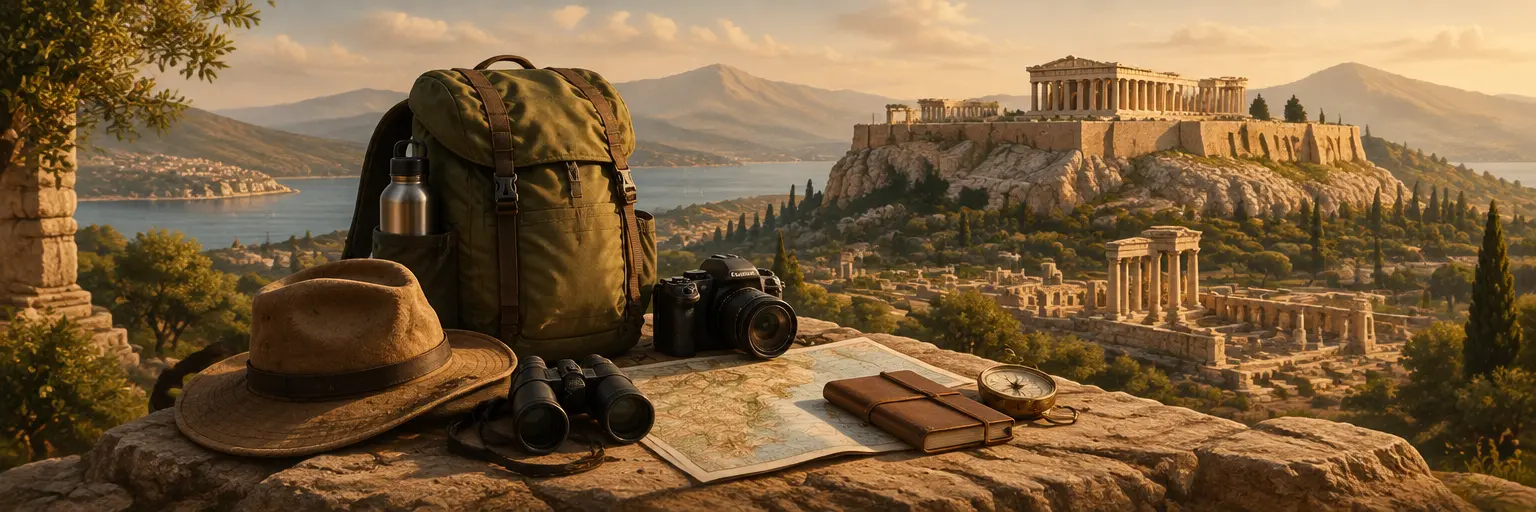
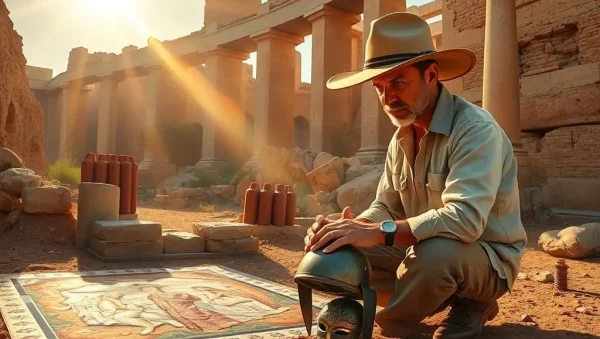
Planning a trip to ancient ruins, excavation sites, or historical landscapes requires more than just enthusiasm—it demands the right equipment. This subcategory at ArchaeologyHub.org acts as your trusted companion for selecting durable, practical, and ethically responsible gear. From field notebooks to sun protection and footwear, our buying guides are grounded in archaeology’s real-world conditions, so you trek, observe, and document like a seasoned professional.
🕵️ Field Notebooks & Documentation Tools
Accurate observation is the heart of archaeological tourism, and nothing beats a reliable field notebook. We review waterproof paper, spiral-bound pocket books, and compact digital voice recorders that survive dusty trenches and humid tombs. Look for features like grid-lined pages for sketching stratigraphy, tear-resistant covers, and archival-quality ink that won’t smudge. Our guidance also covers mobile scanning apps and GPS-enabled logging to keep your site records organized.
For the serious traveler, we compare Rite in the Rain versus standard Moleskine, detailing thickness, binding strength, and pencil grip. We also discuss ethical documentation—why photographing artifacts with flash is discouraged and how to use scale bars (like a coin or ruler) without disturbing fragile contexts. Expect concise decision tables on durability, weight, and price, ensuring you invest in tools that match your trip’s intensity, whether a short museum visit or a multi-day dig tour.
👟 Footwear for Uneven Terrain & Ruins
Archaeological sites are rarely flat; expect loose scree, uneven cobbles, and slippery temple steps. We break down hiking boots, trail runners, and amphibious sandals based on ankle support, tread depth, and breathability. Learn why water-resistant leather outperforms mesh in rainy highland sites, yet why lightweight synthetic uppers are superior for desert heat. We highlight brands like Salomon, Merrell, and Keen, but emphasize fit over fashion—your toes need room to splay on descents.
Our guides include a sizing checklist for narrow versus wide feet, plus breaking-in timelines before your departure. We also address safety in active excavation zones: closed-toe shoes are non-negotiable, but vibram soles with aggressive lugs prevent slips on polished marble. For cultural sites requiring shoe removal (like mosques or temples), we suggest slip-on designs with washable insoles. Each recommendation balances comfort, protection, and ease of cleaning after dusty fieldwork.
🌞 Sun, Dust & Weather Protection Systems
Long hours under direct sun at exposed ruins demand layered protection. We review wide-brim hats with UV ratings, neck gaiters, and breathable long-sleeved shirts that block UV without overheating. For dusty excavations, we test anti-fog safety glasses and sealed goggles—good for both glare and particulate protection. Our guides also cover lightweight rain jackets with taped seams for unpredictable mountain weather and emergency ponchos that pack into palm-sized pouches.
We detail sunscreens that won’t melt in your pack, focusing on mineral-based formulas (zinc or titanium) that are reef-safe for coastal sites. Rehydration strategies include electrolyte tablets and insulated bottles with dust-proof caps. You’ll also find tips for high-altitude UV intensity, such as at Andean terraces or Tibetan monasteries, where reflection off stone increases exposure. Every product suggestion considers packability and multi-use, so you carry less but stay safer.
🔍 Magnification & Visibility Aids
Inscriptions, tool marks, and pigment traces are invisible to the naked eye. We recommend portable loupes (10x–20x magnification) for close-up analysis, plus compact LED lights with adjustable brightness for dark tombs. Our comparison includes clip-on phone macro lenses versus standalone jeweler’s loupes, weighing optical clarity versus weight. For locating faint petroglyphs on cliff faces, we test monoculars (8x–12x) with ED glass for edge-to-edge sharpness.
We also discuss red-lens headlamps to preserve night vision during early-morning site openings or cave tours. Practical advice includes anti-fog coatings for humid environments and lanyards to prevent drops. Learn how to measure artifact dimensions using printed scale cards or laser distance meters when drones are prohibited. This gear helps you see beyond the obvious, turning a casual stroll into a personal discovery session.
🎒 Backpacks, Waist Packs & Hydration Systems
Carrying all your essential gear requires a smart carrying system. We evaluate daypacks (20–30 liters) with padded hip belts for weight distribution, plus chest straps that stabilize loads during climbs. For hands-free access, we test waist packs that rotate around your body—ideal for tickets, pens, and camera lenses. Hydration bladders (2–3 liters) are compared with insulated bottles for thermal retention in extreme heat. Anti-theft features like lockable zippers and RFID-blocking pockets are highlighted for crowded tourist zones.
We discuss material durability: Cordura nylon versus ripstop polyester, with waterproof coatings for sudden downpours. Ergonomics matter—ventilated back panels prevent sweat buildup against your spine. Our guides include packing strategies to keep weight low and balanced, such as placing heavy items near the lumbar area. We also review compact tripods or monopods that strap to pack sides for stable photography, ensuring your gear stays accessible without slowing your exploration pace.
Frequently Asked Questions
What is the single most important gear item for archaeological tourism?
A sturdy pair of ankle-high hiking boots with aggressive tread. Unpredictable terrain, loose stones, and uneven steps cause most injuries. Quality boots prevent rolled ankles and provide the stability needed for hours of standing and climbing, making them non-negotiable for any site visit.
Are digital field notebooks better than paper ones?
Digital tools offer searchability and photo integration, but paper survives dead batteries and water damage. Many archaeologists recommend a hybrid: a waterproof paper notebook for immediate on-site sketches, then digitizing notes at night. Never rely solely on a device that can fail in remote areas.
Do I need specialized clothing for archaeological tours?
Yes, but not highly technical gear. Lightweight, breathable, long-sleeved shirts protect against sun and insects while respecting local customs. Convertible pants with zip-off legs offer flexibility. Avoid bright colors that distract from site appreciation and dark fabrics that absorb heat.
How do I choose the right magnification for reading inscriptions?
A 10x loupe is the standard starting point—strong enough to see fine crack details yet forgiving handheld. For extreme detail, 20x loupes work but require steadier hands. Use a monocular with 8–12x for distant carvings. Always test in natural light before buying online.
Can I use a regular camera with a phone for site documentation?
Absolutely, but ensure your phone has a macro mode and manual focus. Clip-on macro lenses are cheap and effective. For structural shots, use a compact tripod or stabilization mode. Always avoid flash near paintings—use ambient light or a LED panel if needed.