
Essential Sun Protection for Archaeological Site Visits: A Buying Guide to Hats, UPF Clothing, and Sunscreen

Welcome to ArchaeologyHub.org, your comprehensive guide to the world of archaeological discovery!
Ever wondered how to best protect yourself from the relentless sun while exploring fascinating archaeological sites? Dig deeper into our latest article and uncover essential tips and a detailed buying guide for sun protection at archaeological sites. From wide-brimmed hats to UPF clothing and the best sunscreens, prepare to embark on your next historical adventure safely and comfortably. What secrets will you unearth today?
- Why Sun Protection is Crucial for Archaeological Site Visits
- Choosing the Right Sun Hat for Archaeological Exploration
- UPF Clothing: Your Second Line of Defense Against the Sun
- Sunscreen: The Essential Final Layer of Sun Defense
- Combining Sun Protection Methods for Optimal Safety
- Where to Buy Sun Protection Gear for Archaeological Trips
- Investing in Your Health: Long-Term Benefits of Sun Protection During Archaeological Travel.
-
Frequently Asked Questions
- What types of sun protection are most essential when visiting an archaeological site?
- Why is sun protection so important at archaeological sites?
- How does UPF clothing differ from regular clothing in terms of sun protection?
- What factors should I consider when choosing a sunscreen for an archaeological site visit?
- Where can I find reliable information about archaeological sites and recommended sun protection?
- Final Reflection: Embracing the Sun Responsibly
- Shield Yourself: Unearth Comfort on Your Next Archaeological Adventure!
Why Sun Protection is Crucial for Archaeological Site Visits
Understanding the Risks: Sun Exposure and Archaeological Sites
Archaeological sites, by their very nature, are often open and exposed environments, from vast desert plains to sun-drenched coastal ruins. Those engaged in archaeological work, whether excavating, surveying, or simply visiting, face prolonged exposure to the sun's ultraviolet (UV) radiation. This consistent exposure poses significant health risks, including immediate concerns like severe sunburn and heatstroke, and long-term dangers such as accelerated skin aging, eye damage like cataracts, and a substantially increased risk of various skin cancers, including melanoma.
The demanding physical nature of archaeological fieldwork often means hours spent under direct sunlight, with limited natural shade. This makes robust sun protection archaeological site strategies not merely a comfort measure but a critical health imperative. Without adequate precautions, the cumulative effect of UV exposure can lead to serious health complications that impact both short-term well-being and long-term health, potentially curtailing a career or hobby that demands outdoor presence.
Protecting Your Skin: The Importance of Sun Safety During Excavations and Tours
Implementing comprehensive sun safety measures is paramount for anyone spending time at archaeological sites. For professional archaeologists, students on digs, or even tourists exploring ancient ruins, safeguarding the skin is a non-negotiable aspect of site preparation. The intense solar radiation found in many archaeological regions, coupled with reflective surfaces like sand, rock, and water, can amplify UV exposure significantly.
Effective sun protection archaeological site practices ensure not only physical comfort by preventing painful sunburn but also contribute to long-term health by mitigating the risks of chronic sun damage. This proactive approach allows individuals to focus on the intricate details of excavation or the historical significance of a site without the distraction or danger of sun-related ailments, preserving their ability to engage with and contribute to the understanding of our past.
Choosing the Right Sun Hat for Archaeological Exploration
Types of Sun Hats for Archaeological Site Visits: A Comparative Overview
A reliable sun hat is the first line of defense against direct solar radiation, offering immediate and consistent shade for the face and often the neck. The choice of hat can significantly impact the level of protection and comfort experienced during long hours under the sun at an archaeological site. Different designs cater to varying needs for coverage and ventilation in diverse environments.
Wide-Brimmed Hats: Maximum Coverage for Face and Neck
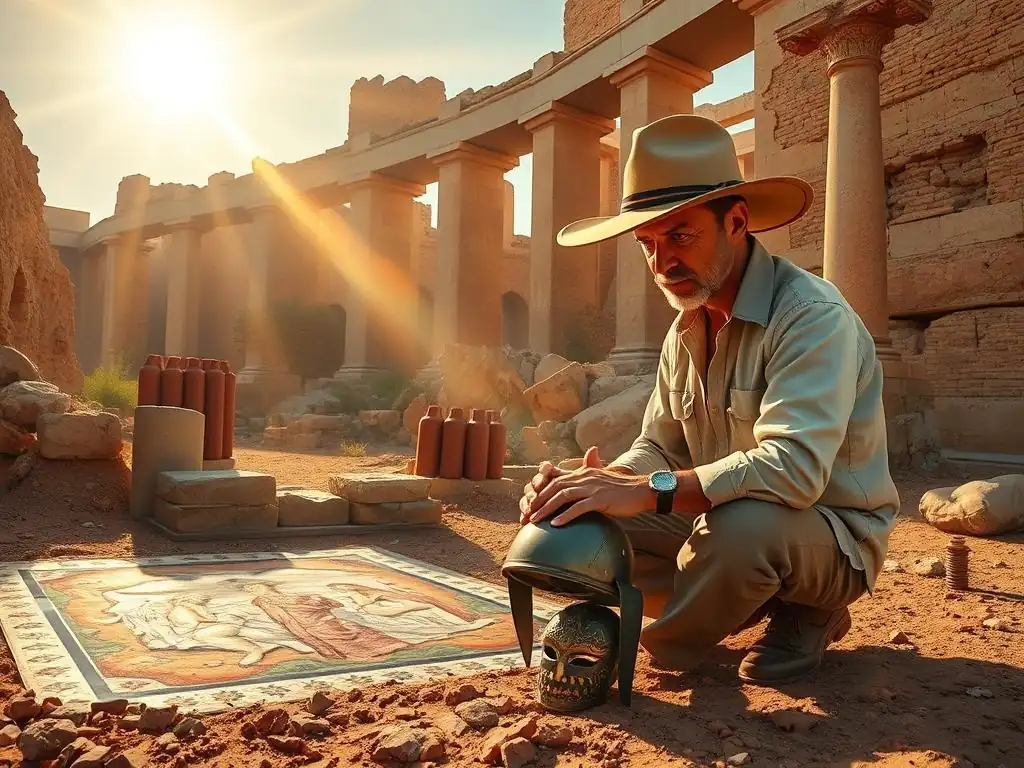
Wide-brimmed hats are arguably the most effective choice for comprehensive sun protection archaeological site visits. Their continuous brim, typically extending at least 3 inches (approximately 7.6 cm) around the entire circumference, provides 360-degree shade for the face, ears, and neck. This design is particularly beneficial at vast, open archaeological sites like the ancient city of Petra in Jordan or the expansive plains surrounding the pyramids of Giza, where natural shade is scarce.
When selecting a wide-brimmed hat, look for features like a chin strap to secure it in windy conditions, common at many exposed sites, and ventilation panels or mesh inserts to prevent overheating in hot climates. Materials such as lightweight nylon or polyester blends are often preferred for their quick-drying properties and resistance to crushing, making them ideal for packing in archaeological gear.
Legionnaire Hats: Neck Protection Specialized for Intense Sun
Legionnaire hats are characterized by a front brim similar to a baseball cap, combined with a fabric flap that extends down the back of the neck, and sometimes additional side flaps to cover the ears. This design offers specialized protection for the neck, an area frequently exposed and susceptible to sunburn, especially when bending over for tasks like troweling or detailed documentation at a dig site.
These hats are particularly useful in environments where direct overhead sun is intense and consistent, and where the primary concern is preventing neck and ear burns. While they may not offer the same comprehensive facial shade as a wide-brimmed hat, their targeted neck coverage makes them a valuable component of a sun protection archaeological site strategy, especially when combined with sunglasses and appropriate clothing.
Baseball Caps: A Casual Option with Limited Sun Defense
Baseball caps offer a brim that protects the face from direct overhead sun, but their coverage is significantly limited compared to wide-brimmed or legionnaire hats. They provide no protection for the ears or the back of the neck, areas highly vulnerable to UV radiation during prolonged outdoor activities. While convenient and easily packable, they are generally not recommended as the sole form of head protection for extended archaeological fieldwork or tours.
For brief visits or when combined with other robust sun protection archaeological site measures, such as UPF-rated neck gaiters or high-collared UPF shirts, a baseball cap can offer some minimal benefit. However, for maximum safety, it is always advisable to opt for hats that provide more extensive coverage, especially when spending hours under the sun.
Key Features to Consider When Buying a Sun Hat for Archaeology
UPF Rating: Understanding the Protection Level
When choosing a sun hat for archaeological exploration, the Ultraviolet Protection Factor (UPF) rating is a critical indicator of its effectiveness. Similar to SPF for sunscreens, UPF measures a fabric's ability to block both UVA and UVB rays. A UPF rating of 30 means the fabric allows only 1/30th (approximately 3.3%) of UV radiation to pass through, effectively blocking 96.7%. For archaeological site visits, where sun exposure is often intense and prolonged, a hat with a UPF 50+ rating is highly recommended.
A UPF 50+ rating signifies that the fabric blocks at least 98% of harmful UV radiation, offering excellent protection. This superior level of protection is essential for minimizing the risk of sunburn and long-term skin damage, providing peace of mind during demanding fieldwork or extensive site tours. Always check the label for the UPF rating to ensure adequate sun protection archaeological site.
Material: Breathability and Comfort in Hot Climates
The material of a sun hat significantly impacts comfort, especially in the hot and often humid conditions prevalent at many archaeological sites. Lightweight, breathable fabrics are crucial for preventing heat buildup and promoting ventilation. Materials such as ripstop nylon, polyester blends, and specialized performance fabrics are excellent choices due to their moisture-wicking properties, which draw sweat away from the skin, and quick-drying capabilities.
Hats featuring mesh panels or strategic ventilation eyelets further enhance airflow, allowing heat to escape and keeping the wearer cooler. Comfort is not just about avoiding sweat; a well-ventilated hat reduces the likelihood of heat stress and allows for longer, more productive periods outdoors, contributing directly to effective sun protection archaeological site.
Packability: Easy Storage for Travel
For archaeologists and travelers, the ability to pack gear efficiently is a significant consideration. A sun hat that can be easily folded, crushed, or rolled without losing its shape or protective qualities is highly desirable. Many modern sun hats designed for outdoor adventures feature crushable brims and lightweight constructions that allow them to be tucked into backpacks or luggage without occupying much space or becoming damaged.
This packability ensures that the hat is always available when needed, whether transitioning between different site locations or traveling internationally. Opting for a hat that maintains its structural integrity after being packed away simplifies logistics and ensures consistent sun protection archaeological site readiness.
UPF Clothing: Your Second Line of Defense Against the Sun
Understanding UPF Ratings: What to Look For
While hats provide crucial head and face coverage, UPF clothing extends sun protection to the rest of the body. Understanding UPF ratings for apparel is just as vital as for hats. Standard everyday clothing, like a typical white cotton t-shirt, often provides a UPF of only about 5 to 7 when dry, and even less when wet, offering minimal defense against harmful UV rays.
Dedicated UPF-rated clothing, however, is specifically designed to block a much higher percentage of UV radiation. A UPF 30 garment blocks about 97% of UV, while a UPF 50+ garment blocks 98% or more. For archaeological work or extensive site visits, where prolonged sun exposure is the norm, investing in UPF 50+ clothing is a cornerstone of comprehensive sun protection archaeological site, significantly reducing the amount of UV radiation reaching your skin.
Best Types of UPF Clothing for Archaeological Travel
UPF Shirts: Long-Sleeved vs. Short-Sleeved Options
UPF shirts are a fundamental component of sun-protective clothing. Long-sleeved UPF shirts offer superior protection, covering the arms entirely, which are often exposed during fieldwork. Many designs include features like ventilation panels, roll-up sleeves with tabs, and moisture-wicking fabrics to ensure comfort in hot and humid conditions. These are ideal for intense, full-day exposure, providing consistent sun protection archaeological site.
While short-sleeved UPF shirts offer less coverage, they can be a cooler option for less intense sun or when combined with UPF sleeves or arm gaiters. Both long- and short-sleeved options should prioritize lightweight, breathable, and quick-drying materials to manage sweat and maintain comfort during physically demanding activities. Look for light colors, as they reflect more sunlight and absorb less heat than darker colors.
UPF Pants: Lightweight and Breathable Protection
Protecting the legs from sun exposure is equally important, especially during activities that involve kneeling, sitting, or walking through tall vegetation at archaeological sites. UPF pants, typically made from durable yet lightweight nylon or polyester blends, provide excellent coverage. Many models are convertible, allowing them to be zipped off into shorts, offering versatility for varying conditions or personal preference while still providing sun protection archaeological site for the lower leg when needed.
Key features to look for include articulated knees for ease of movement, cargo pockets for carrying small tools or personal items, and a quick-drying finish. Breathability is paramount to prevent overheating, so consider options with integrated mesh linings or strategic venting.
UPF Gloves and Sleeves: Protecting Hands and Arms
Hands are often overlooked in sun protection strategies but are highly susceptible to sun damage, particularly during detailed tasks like troweling, brushing, or recording at an archaeological excavation. UPF gloves, often lightweight and fingerless or full-fingered, provide crucial protection for the backs of the hands while maintaining dexterity. They are an excellent addition to the sun protection archaeological site arsenal, preventing cumulative damage to these frequently exposed areas.
Similarly, UPF sleeves or arm gaiters offer flexible protection for the arms. These can be worn with short-sleeved shirts to quickly convert them into long-sleeved protection, or as an extra layer for added defense. They are often made from stretchy, moisture-wicking fabric and can be easily pulled on or off as sun conditions change or as specific tasks require.
Recommended UPF Clothing Brands for Archaeological Excursions
Leading outdoor apparel brands known for their technical fabrics and sun-protective lines offer a wide array of choices suitable for archaeological excursions. Look for companies that specialize in hiking, fishing, and travel gear, as their products are often designed with high UPF ratings and features like moisture-wicking, ventilation, and durability required for rugged environments. Brands focusing on performance wear for hot and sunny climates are particularly beneficial for comprehensive sun protection archaeological site visits. Prioritize those that clearly state their UPF rating, typically UPF 50+, on the garment's label.
Sunscreen: The Essential Final Layer of Sun Defense
Choosing the Right Sunscreen for Archaeological Site Conditions
Even with hats and UPF clothing, some skin areas inevitably remain exposed, making sunscreen an indispensable final layer of defense. Selecting the appropriate sunscreen for archaeological site conditions requires consideration of SPF level, broad-spectrum protection, and water resistance, given the active and often sweaty nature of fieldwork.
SPF Levels: Understanding the Protection Factor
Sun Protection Factor (SPF) indicates how well a sunscreen protects against UVB rays, which are the primary cause of sunburn. An SPF of 30 blocks approximately 97% of UVB radiation, while an SPF of 50 blocks about 98%. While the increase in protection above SPF 30 is marginal, for prolonged exposure typical of archaeological sites, an SPF of 50 or higher is generally recommended to maximize defense.
It's important to remember that higher SPF values do not mean longer protection; reapplication is still crucial. The SPF rating primarily indicates the intensity of protection against UVB rays, offering a critical component of effective sun protection archaeological site.
Broad Spectrum Protection: Protecting Against UVA and UVB Rays
Beyond SPF, it is critical to choose a "broad spectrum" sunscreen. This designation means the product protects against both UVB rays (which cause sunburn) and UVA rays (which contribute to skin aging and increase the risk of skin cancer). UVA rays can penetrate deeper into the skin and are present even on cloudy days.
For comprehensive sun protection archaeological site, where exposure is constant and varied, broad-spectrum coverage is non-negotiable. Always check the label to ensure the sunscreen explicitly states "broad spectrum" to guarantee protection against the full spectrum of harmful UV radiation.
Water Resistance: Sweat and Water Considerations
Archaeological fieldwork often involves significant physical exertion, leading to profuse sweating, and sometimes exposure to light rain or coastal environments. Therefore, a water-resistant sunscreen is highly advisable. "Water Resistant" sunscreens are tested to maintain their SPF effectiveness for 40 minutes in water or during heavy sweating, while "Very Water Resistant" sunscreens last for 80 minutes.
Even with water resistance, sunscreen should be reapplied more frequently than the standard two-hour recommendation when sweating heavily. This ensures that the protective barrier remains intact, providing continuous sun protection archaeological site even under challenging conditions.
Types of Sunscreen: Mineral vs. Chemical
The two main types of sunscreen, mineral and chemical, offer distinct advantages and disadvantages, making the choice dependent on individual preferences, skin sensitivity, and environmental considerations.
Mineral Sunscreens: Gentle on Skin and Environment
Mineral sunscreens, also known as physical sunscreens, use active ingredients like zinc oxide and titanium dioxide. These natural minerals sit on top of the skin, forming a physical barrier that reflects and scatters UV rays away from the body. They offer immediate protection upon application and are generally considered gentler on sensitive skin, as they are less likely to cause irritation or allergic reactions.
Many mineral sunscreens are also formulated to be "reef-safe," meaning they avoid chemicals like oxybenzone and octinoxate that can harm coral reefs, an important consideration for archaeological sites near marine environments. While they can sometimes leave a white cast on the skin, newer formulations have minimized this effect, making them an excellent choice for robust sun protection archaeological site.
Chemical Sunscreens: Effective and Lightweight
Chemical sunscreens use organic compounds such as oxybenzone, avobenzone, octinoxate, and octisalate. These ingredients work by absorbing UV radiation as it penetrates the skin and converting it into heat, which is then released from the skin. Chemical sunscreens are often preferred for their lighter texture, ease of application, and tendency to rub in clear without leaving a visible residue.
They typically require about 20-30 minutes to become fully effective after application, as the active ingredients need time to be absorbed by the skin. While highly effective, some individuals may experience skin irritation or sensitivity to certain chemical ingredients. The environmental impact of some chemical filters on aquatic ecosystems has also led to a preference for mineral sunscreens in certain sensitive areas.
Application Tips for Effective Sunscreen Use on Archaeological Sites
Effective sunscreen application is just as important as choosing the right product. In the demanding environment of an archaeological site, thorough and timely application ensures continuous protection.
Reapplication Frequency: Maintaining Protection Throughout the Day
For optimal sun protection archaeological site, sunscreen should be reapplied every two hours, regardless of its SPF level or water resistance. This frequency is a general guideline and should be adjusted based on activity levels. If you are sweating profusely, swimming, or towel-drying, reapplication should occur more frequently, ideally every 40 to 80 minutes, depending on the product's water-resistant rating.
Consistent reapplication is crucial because sunscreen can wear off due to sweat, friction from clothing or equipment, and natural skin oils. Neglecting reapplication can lead to gaps in protection, leaving your skin vulnerable to UV damage even if you initially applied a high SPF product.
Covering All Exposed Skin: Don't Forget Ears, Neck, and Hands
When applying sunscreen, it's easy to overlook certain areas that are highly susceptible to sun exposure. Beyond the face, arms, and legs, pay close attention to the tops of your ears, the back of your neck (especially if not fully covered by a hat or collar), your hairline, and the tops of your hands and feet. These areas are frequently exposed to direct sunlight and can accumulate significant damage over time.
Additionally, don't forget your lips; use a lip balm with an SPF of 15 or higher. Thoroughly covering all exposed skin ensures comprehensive sun protection archaeological site, minimizing the risk of sunburn and long-term skin damage from head to toe.
Combining Sun Protection Methods for Optimal Safety
Layering for Maximum Protection: Hats, Clothing, and Sunscreen Working Together
Optimal sun protection at archaeological sites is achieved not by relying on a single method, but by strategically combining multiple layers of defense. No single product or garment offers 100% protection against the sun's harsh UV rays. The most effective strategy involves a synergistic approach where a wide-brimmed hat, UPF-rated clothing, and broad-spectrum sunscreen work in concert to create a comprehensive barrier against solar radiation.
This layering strategy ensures that even if one element of your sun protection archaeological site plan is compromised (e.g., sunscreen wearing off, a hat temporarily removed), other layers are still providing defense. For instance, a UPF 50+ long-sleeved shirt provides consistent protection for the torso and arms, while a wide-brimmed hat shields the face and neck, and sunscreen fills in the gaps on any remaining exposed skin. This multi-pronged approach offers robust, continuous protection throughout a long day of fieldwork or exploration.
Real-World Examples: Sun Protection Strategies at Famous Archaeological Sites
Effective sun protection strategies are routinely employed at archaeological sites worldwide, adapting to diverse environmental conditions. Observing these real-world applications highlights the necessity and efficacy of a layered approach.
At The Valley of the Kings in Egypt, where temperatures can soar above 40°C (104°F) and the sun is relentlessly intense, archaeologists and visitors alike typically don lightweight, light-colored UPF 50+ long-sleeved shirts and pants. Wide-brimmed hats with chin straps are essential to combat the heat and occasional winds, providing critical shade. High-SPF (50+) and very water-resistant sunscreens are applied frequently, especially due to profuse sweating in the arid climate, ensuring continuous sun protection archaeological site. Sunglasses are also indispensable for protecting eyes from the intense glare reflecting off the desert sands.
In contrast, at Mesa Verde National Park in Colorado, USA, situated at an altitude of over 2,100 meters (7,000 feet), the UV index can be remarkably high despite cooler ambient temperatures. Here, the challenge is the increased intensity of UV radiation at elevation.
Park rangers and visitors commonly use UPF 50+ clothing, including long-sleeved shirts and convertible pants, even on seemingly mild days. Broad-brimmed hats are preferred for their comprehensive coverage, and frequent reapplication of SPF 50+ broad-spectrum sunscreen is a standard practice, particularly on exposed skin areas like the face, neck, and hands, reinforcing critical sun protection archaeological site at higher altitudes.
Similarly, archaeological digs in the Mediterranean regions, such as those in Greece or Italy, present conditions of high heat and humidity, often near reflective coastal waters or light-colored stone structures. Here, lightweight, quick-drying UPF clothing is favored, often in breathable synthetic fabrics. Legionnaire hats are popular for their targeted neck protection, crucial when bending over for excavation. Very water-resistant SPF 50+ sunscreen is applied diligently, with reapplication often required every hour due to high sweat rates and potential exposure to sea spray, demonstrating how specific environmental factors dictate sun protection archaeological site tactics.
Where to Buy Sun Protection Gear for Archaeological Trips
Online Retailers: Convenience and Variety
Online retailers offer unparalleled convenience and a vast selection of sun protection gear, making them an excellent resource for archaeological trip preparation. Websites specializing in outdoor equipment, travel gear, and activewear typically stock a wide range of UPF-rated clothing, hats, and sunscreens from various brands. This allows for easy comparison of features, UPF ratings, materials, and prices, often accompanied by customer reviews that can provide valuable insights into product performance and fit.
Shopping online provides the flexibility to research and purchase specific items, such as a UPF 50+ long-sleeved shirt from a particular brand or a specialized wide-brimmed hat designed for extreme conditions. Many online stores offer detailed product descriptions, sizing charts, and return policies, simplifying the process of acquiring essential sun protection archaeological site gear from the comfort of your home.
Specialty Outdoor Stores: Expert Assistance and Hands-On Experience
For those who prefer a more tactile shopping experience or require expert advice, specialty outdoor stores are invaluable. These brick-and-mortar establishments, such as those focusing on hiking, camping, or travel, often have knowledgeable staff who can provide personalized recommendations based on the specific climate and demands of an archaeological site. You can physically try on different hats to assess fit and comfort, feel the breathability of various UPF fabrics, and compare sunscreen textures.
The ability to see and feel the gear firsthand can be crucial for making informed decisions, especially for items like hats where fit and ventilation are paramount. Staff can also offer insights into the latest technologies in sun-protective materials and suggest the most effective combinations for comprehensive sun protection archaeological site, ensuring you are well-equipped for your expedition.
Investing in Your Health: Long-Term Benefits of Sun Protection During Archaeological Travel.
Prioritizing sun protection during archaeological travel and fieldwork is more than just a temporary measure for comfort; it is a profound investment in your long-term health and well-being. The cumulative effects of chronic sun exposure, often a reality for those dedicated to archaeology, can manifest years down the line as severe skin damage, including various forms of skin cancer, premature aging, and debilitating eye conditions. By consistently implementing robust sun protection archaeological site strategies—donning UPF clothing, wearing wide-brimmed hats, and diligently applying broad-spectrum sunscreen—you significantly mitigate these risks.
This commitment to sun safety ensures that you can continue to pursue your passion for ancient civilizations and historical discoveries without compromising your health. Safeguarding your skin and eyes today means preserving your ability to engage with the field, explore new sites, and contribute to archaeological knowledge for many years to come, comfortably and safely.
Frequently Asked Questions
What types of sun protection are most essential when visiting an archaeological site?
The most essential sun protection includes a wide-brimmed hat, UPF-rated clothing, and a high SPF, broad-spectrum sunscreen. These items help minimize exposure to harmful UV rays during prolonged periods outdoors.
Why is sun protection so important at archaeological sites?
Archaeological sites often lack natural shade, leaving visitors vulnerable to intense sun exposure. Protecting against UV radiation helps prevent sunburn, premature aging, and skin cancer, ensuring a safe and enjoyable visit.
How does UPF clothing differ from regular clothing in terms of sun protection?
UPF (Ultraviolet Protection Factor) clothing is specifically designed and tested to block a significant portion of UV rays. Regular clothing may offer some protection, but it's often less reliable and can vary greatly based on fabric type and color.
What factors should I consider when choosing a sunscreen for an archaeological site visit?
Look for a broad-spectrum sunscreen with an SPF of 30 or higher. Ensure it's water-resistant and reapply frequently, especially after sweating. Consider mineral-based sunscreens for sensitive skin or environmental concerns.
Where can I find reliable information about archaeological sites and recommended sun protection?
Websites like ArchaeologyHub.org provide detailed information about archaeological discoveries and historical sites. You can also find recommendations for appropriate gear, including sun protection, to ensure a safe and informative visit.
Final Reflection: Embracing the Sun Responsibly
The information presented here underscores the crucial need for proactive sun protection when engaging with archaeological sites. These locations, often exposed and unforgiving, demand respect not only for the history they hold but also for the health of those who explore them. Ignoring the sun's power can lead to immediate discomfort and long-term health consequences, detracting from the profound experience of connecting with the past.
The impact of sun exposure extends beyond personal well-being; it affects our ability to appreciate and preserve these historical treasures. By prioritizing sun protection, we demonstrate a commitment to both our health and the longevity of archaeological sites, ensuring future generations can experience them. The sun is a powerful force, and respecting its intensity is paramount to enjoying the outdoors safely and responsibly.
This quote encapsulates the essence of our responsibility to protect ourselves and the environments we explore.
As you prepare for your next archaeological adventure, remember the lessons shared here. Choose your hat, clothing, and sunscreen wisely, and approach each site with a mindful awareness of the sun's potential. Let us all strive to be responsible explorers, safeguarding our health while honoring the legacy of the past. Embrace the sun, but do so with knowledge, preparation, and unwavering commitment to your well-being.
Shield Yourself: Unearth Comfort on Your Next Archaeological Adventure!
Thank you for diving into the world of sun safety for archaeological site visits. We hope you’ve gained valuable insights into staying protected while pursuing your passion. Now, it's time to put that knowledge into action!
- Commit to wearing a wide-brimmed hat on your next dig or site visit – make it your go-to archaeology accessory!
- Explore the world of UPF clothing. Consider replacing one item in your field wardrobe with a UPF-rated alternative.
- Share this guide with your archaeology colleagues or students to spread awareness about sun safety in the field.
What's one sun-safe habit you'll prioritize incorporating into your next archaeological excursion?