Explore the World’s Greatest Ancient Wonders with Top Archaeological Destinations & Travel Guides
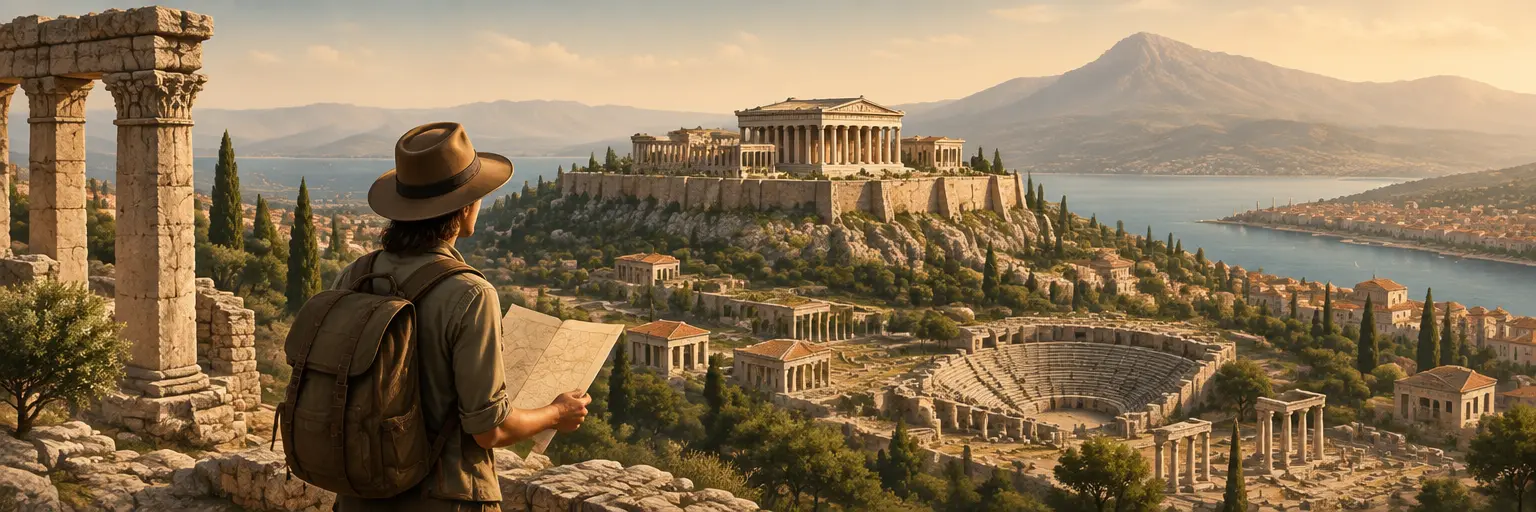
Welcome to ArchaeologyHub.org’s definitive hub for Top Archaeological Destinations & Travel Guides. Here, we transform complex excavation data and historical timelines into actionable, immersive travel itineraries. Whether you’re a seasoned archaeologist, a history student, or a curious explorer, this subcategory bridges the gap between academic research and real-world adventure. From the lost cities of Mesoamerica to the Roman frontiers of Europe, our guides combine GPS coordinates, site access logistics, conservation alerts, and cultural etiquette—all optimized for search engines and practical trip planning. Expect curated lists, seasonal tips, and insider knowledge that you won’t find in standard guidebooks, all designed to help you experience ancient civilizations responsibly and memorably.
🏛️ Iconic Megasites: Petra, Machu Picchu, and Giza
These world-famous destinations attract millions, but our guides dig deeper than the postcard views. For Petra, we detail the lesser-known High Place of Sacrifice trail and the best times to avoid crowds near the Treasury. For Machu Picchu, we break down the new ticket quotas, alternative Inca Trail routes, and the Sun Gate sunrise vantage point. And for Giza, we explain how to access the newly opened Queen’s Chamber and the solar boat museum, plus tips for private evening visits.
You’ll also get practical advice on permits, local guides, and photography rules that many first-time visitors overlook. We include downloadable maps, elevation profiles, and clear warnings about altitude sickness or desert heat. Every guide is updated annually to reflect new conservation restrictions, seismic damage repairs, or major restoration work. This ensures your once-in-a-lifetime visit isn’t derailed by outdated misinformation.
🧭 Off-the-Beaten-Path Ancient Cities & Lesser-Known Ruins
Skip the tourist conveyor belt and discover underrated archaeological gems like Göbekli Tepe in Turkey, Tiwanaku in Bolivia, or the Nabatean temple of Khirbet et-Tannur in Jordan. Our guides provide self-drive routes, local homestay options, and official permits for sites that often lack visitor infrastructure. We prioritize safety, cultural sensitivity, and the importance of supporting remote communities.
For each hidden site, we supply historical context, site-condition reports, and a clear “why you should go” section that ties the location to broader archaeological narratives. You’ll learn about the latest scientific debates—such as whether Göbekli Tepe’s carvings represent a prehistoric zodiac—and how these debates shape ongoing excavation. This isn’t just a travel list; it’s a gateway to understanding the frontier of modern archaeology through direct experience.
🗺️ Region-by-Region Travel Planning Tools & Itineraries
Our Geographic Filters allow you to navigate by continent, climate, and visa accessibility. For instance, plan a 7-day Jordanian loop that includes Jerash, Umm Qais, and the Dead Sea’s Qumran caves. Or build a two-week Peru itinerary that blends coastal sites like Chan Chan with Andean fortresses like Kuelap. Each itinerary includes estimated daily budgets, meal recommendations, and public transport alternatives to expensive private tours.
We also integrate seasonal weather data and cultural festival calendars—like the Inti Raymi in Cusco or the Byzantine Heritage Days in Istanbul—so your visit aligns with enhanced experiences. For multi-country trips, we flag border-crossing restrictions, currency exchange tips, and vaccination requirements. Our planning tools are designed to save you hours of research, presenting all critical logistics in one clean, printable format.
🔬 Archaeology-Themed Experiential Tours & Volunteer Opportunities
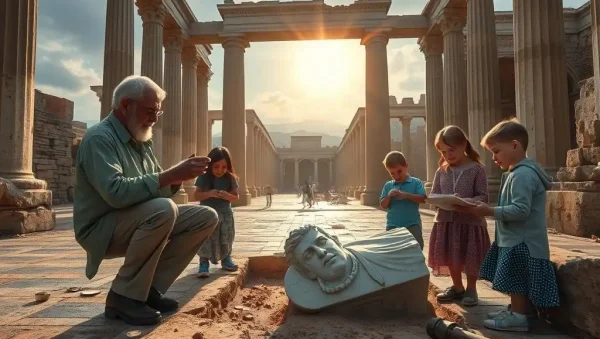
For those who want more than sightseeing, this section lists hands-on excavation camps, museum internships, and behind-the-scenes lab visits. Programs range from one-day citizen science digs in Pompeii’s outskirts to two-week conservation workshops in Angkor. We vet each provider for ethical practices, transparency, and actual archaeological value—not just tourist photo ops.
Expect detailed reviews of accommodation quality, staff-to-participant ratios, and what daily tasks you’ll actually perform. We also include guidance on dress codes, tool handling, and how to request certification letters if you’re earning university credit. Whether you’re a retiree with a passion for pottery or a student needing field hours, these experiences turn passive travel into active contribution. Our guides help you choose reputable organizations that genuinely protect heritage rather than commercialize it.
📱 Digital Tools, Apps, and Offline Resources for Ancient Site Navigation
Modern exploration demands smart tech integration. We review the best GPS-supported archaeology apps like ArchAIDE for pottery identification or Heritage on the Edge for climate-impacted sites. For each destination, we provide downloadable offline map packs and QR codes that link to 3D reconstructions of monuments as they originally stood. This digital layer enriches your on-site visit with augmented reality overlays.
We also teach you how to use public satellite imagery to spot hidden features before you arrive—like the expansive Nazca Lines viewing platforms or the subterranean cisterns beneath Constantinople’s Hippodrome. Practical tips include battery management, data roaming considerations, and how to download language packs for local guides. By merging technology with fieldwork, you’ll navigate complex ruins with confidence and wonder, missing fewer hidden chambers or reliefs.
Frequently Asked Questions
What is the best time of year to visit Machu Picchu to avoid crowds?
The dry season from May to September offers the clearest skies but also the largest crowds. For fewer people, visit late April or early November, when weather is still mild yet tourist numbers drop by half. Always book tickets 3-4 months in advance and choose the afternoon entrance slot, which is significantly less congested than mornings.
Are these archaeological guides suitable for children or elderly travelers?
Yes, we categorize each site with a physical difficulty rating—from wheelchair-accessible paths at Pompeii to rugged steep climbs at Sigiriya. For every high-difficulty site, we suggest alternative viewpoints or shuttle services. Our itineraries also include rest stops, shaded viewpoints, and flexible pacing options to accommodate all ages and mobility levels.
Do I need a permit to visit restricted areas like the Valley of the Kings’ new tombs?
Many newer tombs and excavation zones require separate permits beyond the general entry ticket. Our guides list official online portals, current fees, and which areas are temporarily sealed. We also provide contact details for the local antiquities ministry, so you can verify real-time accessibility before your trip rather than relying on outdated blog posts.
How can I volunteer on an archaeological dig without prior experience?
Most reputable field schools accept complete beginners, as training is provided on-site. Look for projects affiliated with universities or state heritage boards. We recommend programs that include accommodation, insurance, and a formal syllabus. Search for “dig volunteer” on our platform to see vetted options in Italy, Greece, and Guatemala, with start dates ranging from 1 to 8 weeks.
What should I pack for a multi-site archaeological tour in hot desert climates?
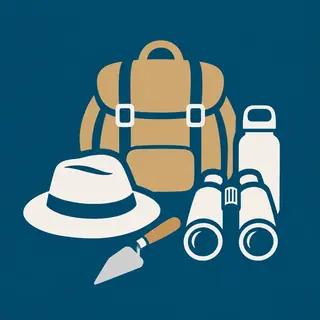
Essentials include breathable long-sleeved shirts, a wide-brim hat, sunscreen SPF50+, and sturdy closed-toe shoes. Carry at least two liters of water per half-day, a personal headlamp for dim tombs, and a small dry bag to protect electronics from sand. Also pack anti-blister socks and a portable charging bank, as many desert sites have no electricity access.