
[Archaeologist's Name] and the MicroArchaeological Perspective: Theoretical and Methodological Implications


Welcome to ArchaeologyHub.org, your gateway to the past. Uncover the secrets hidden beneath our feet as we delve into the world of archaeological discovery. Are you ready to explore the revolutionary impact of microarchaeology? Join us as we examine the theoretical and methodological implications of this fascinating field, starting with an insightful look at "[Archaeologist's Name] and the MicroArchaeological Perspective," a pivotal analysis of microarchaeology excavation techniques. What new insights await us when we focus on the smallest details? Let's find out...
- Paul Goldberg and the MicroArchaeological Perspective: Theoretical and Methodological Implications
- Introduction to Paul Goldberg and Microarchaeology
- The Theoretical Underpinnings of Paul Goldberg's Microarchaeological Approach
- Methodological Innovations in Microarchaeology by Paul Goldberg
- Case Studies: Applying Paul Goldberg's Microarchaeological Techniques
- The Impact of Paul Goldberg's Work on Contemporary Archaeology
- Conclusion: Paul Goldberg's Legacy in Microarchaeology
-
Frequently Asked Questions
- How does Microarchaeology enhance our understanding of archaeological sites according to [Archaeologist's Name]'s perspective?
- What are some common Microarchaeology excavation techniques mentioned in relation to [Archaeologist's Name]'s work?
- How does [Archaeologist's Name] address the theoretical implications of using Microarchaeology analysis in interpreting archaeological data?
- Can you explain how Microarchaeology contributes to the dating and chronological understanding of archaeological sites?
- What are some limitations or challenges associated with using Microarchaeology in archaeological research, as discussed within the context of [Archaeologist's Name]'s work?
- Final Reflection: Unearthing the Invisible Threads of the Past
- Unearth Your Own Archaeological Adventure!
Paul Goldberg and the MicroArchaeological Perspective: Theoretical and Methodological Implications
Introduction to Paul Goldberg and Microarchaeology
Defining Microarchaeology: A New Lens in Archaeological Analysis
Microarchaeology represents a cutting-edge approach in archaeological analysis, shifting the focus from macroscopic artifacts and features to the microscopic realm of archaeological remains. This discipline meticulously examines sediments, residues, and minute organic and inorganic particles that are invisible to the naked eye, such as phytoliths, pollens, bone fragments, and ash. By delving into these minute details, microarchaeology provides an unparalleled resolution into past human activities, site formation processes, and environmental contexts, often revealing information that traditional macroscopic methods simply cannot capture.
This detailed perspective allows archaeologists to reconstruct specific activity areas within a site, understand the sequence of depositional events, and even identify the precise materials used for specific tasks. For instance, microarchaeological studies have successfully differentiated between natural accumulation and human deposition, or identified specific activity zones within ancient dwellings, such as distinct areas for food preparation, sleeping, or tool manufacturing, sometimes within a few square meters.
Paul Goldberg's Contribution to Microarchaeological Theory
Paul Goldberg stands as a monumental figure in the development of geoarchaeology and, more specifically, microarchaeology. His pioneering work revolutionized how archaeologists perceive and analyze archaeological sediments, emphasizing their crucial role in understanding site formation processes and human-environment interactions. Goldberg's theoretical contributions laid the groundwork for integrating geological principles with archaeological inquiry, transforming the study of dirt and soil from a secondary concern into a primary source of invaluable data.
His extensive publication record, spanning over 40 years and including hundreds of peer-reviewed articles and influential books, underscores his profound impact. Goldberg not only refined existing methods but also championed the development of new techniques for micromorphological analysis, influencing generations of archaeologists and geoarchaeologists worldwide to adopt a more rigorous, scientific approach to the archaeological record.
ArchaeologyHub.org: Showcasing Innovative Archaeological Approaches
ArchaeologyHub.org is dedicated to serving as a comprehensive digital encyclopedia of archaeological discoveries, excavation techniques, and historical sites, offering detailed analyses of ancient civilizations. In this context, the work of innovators like Paul Goldberg is paramount, as it exemplifies the very essence of pushing the boundaries in archaeological research. Goldberg's microarchaeological perspective showcases how innovative approaches can unlock unprecedented insights into the past, enriching our understanding of human history.
His contributions, particularly in refining microarchaeology excavation techniques analysis, align perfectly with ArchaeologyHub.org's mission to highlight advanced methodologies and their profound implications for interpreting archaeological evidence. By detailing Goldberg's theoretical and methodological advancements, this article aims to provide readers with a deep understanding of how cutting-edge scientific methods are transforming the field of archaeology.
The Theoretical Underpinnings of Paul Goldberg's Microarchaeological Approach
Integrating Microarchaeology with Broader Archaeological Theories
Paul Goldberg's approach to microarchaeology was never confined to mere description; it consistently sought to integrate microscopic observations with broader archaeological theories concerning human behavior, environmental adaptation, and cultural evolution. He championed the idea that the micro-scale evidence, when properly understood, could provide direct tests for hypotheses about ancient lifeways, resource management strategies, and the impact of climate change on past societies.
For example, by analyzing the microscopic composition of hearths, Goldberg's work helped refine theories about the organization of domestic space and the frequency of occupation at ancient sites, providing empirical data to support or challenge existing models of human land use.
This integration allowed microarchaeology to move beyond a specialized sub-discipline to become a fundamental tool for addressing grand theoretical questions. Goldberg's emphasis on the dynamic interplay between natural processes and human activities at the micro-level provided a nuanced framework for understanding how archaeological sites are formed, thereby enabling more accurate and robust interpretations of the human past.
The Role of Context in Paul Goldberg's Microarchaeological Interpretations
Central to Paul Goldberg's microarchaeological interpretations was an unwavering emphasis on the importance of context, not just at the macroscopic site level, but critically at the microscopic level. He argued that the spatial relationship between individual microscopic components within a thin section – such as a grain of quartz next to a fragment of charcoal, or a layer of ash overlying a specific sediment type – was paramount for accurate interpretation. This micro-contextual analysis allows archaeologists to differentiate between distinct depositional events, identify post-depositional disturbances, and reconstruct the precise sequence of activities.
For instance, Goldberg's work demonstrated how the arrangement of microscopic bone fragments and ash spherules could distinguish between a primary discard area and a secondary accumulation, or how the presence of specific soil aggregates could indicate bioturbation (disturbance by animals) versus human trampling. This meticulous attention to micro-context ensured that interpretations were grounded in the physical realities of the archaeological record, enhancing the reliability of conclusions drawn about ancient human behavior.
Paul Goldberg's Perspective on Site Formation Processes and Microstratigraphy
Paul Goldberg made monumental contributions to the understanding of site formation processes (SFPs) through the lens of micromorphology. He meticulously documented how natural agencies (like wind, water, and animal activity) and cultural processes (like construction, waste disposal, and fire use) interact to create the archaeological record. His groundbreaking work on microstratigraphy allowed for the reconstruction of depositional sequences with unprecedented resolution, often revealing events that occurred over very short timeframes, sometimes within days or weeks, rather than centuries.
Through detailed analysis of thin sections, Goldberg could identify subtle disturbances, such as those caused by root growth or freeze-thaw cycles (cryoturbation), which might otherwise go unnoticed. His research, for example, demonstrated how specific micro-layers of ash and burnt organic matter within a cave site could represent distinct, repeated occupational episodes, providing a far more dynamic view of human presence than previously thought possible. This detailed understanding of SFPs is crucial for distinguishing between primary archaeological contexts and those altered by post-depositional processes, thus ensuring more accurate interpretations of past human activities.
Methodological Innovations in Microarchaeology by Paul Goldberg
Advanced Sampling Techniques for Microarchaeological Excavation
Paul Goldberg's methodological innovations significantly advanced the practice of microarchaeology excavation techniques analysis, particularly concerning sampling. He advocated for rigorous, undisturbed block sampling methods, recognizing that the integrity of the microstratigraphic record depended entirely on how samples were collected. This involved the meticulous removal of intact sediment blocks, often using specialized tools like Kubiena tins or similar metal boxes, which are carefully hammered into a pre-defined stratigraphic layer. The precise orientation of these blocks – ensuring that their top-bottom and horizontal positions are meticulously recorded – is critical for accurate lab analysis.
This meticulous approach ensures that the delicate relationships between microscopic components within the soil matrix remain undisturbed, allowing for a true representation of the original depositional context. The demanding nature of this sampling requires highly skilled excavators and precise documentation, making it a cornerstone of reliable microarchaeological research. Without such careful collection, the subsequent microscopic analysis would be compromised, rendering the detailed study of site formation processes less effective.
Microscopic Analysis of Archaeological Sediments: A Detailed Overview
At the heart of Paul Goldberg's methodology lies the sophisticated microscopic analysis of archaeological sediments, primarily through the technique of thin-section micromorphology. This involves impregnating the collected undisturbed soil blocks with a resin, which then hardens, creating a solid block. This block is then cut, ground, and polished into extremely thin sections, typically 30 micrometers thick, which are mounted on glass slides. These thin sections are then examined under a petrographic microscope using transmitted and polarized light.
Under the microscope, researchers can identify and map various components, including mineral grains, ash, charcoal fragments, bone, phytoliths, diatoms, and even microscopic traces of human activity like trampled surfaces or hearth linings. The analysis focuses not just on the presence of these components, but crucially on their spatial arrangement, connectivity, and optical properties, which reveal details about their origin and depositional history.
For example, the identification of specific types of ash (e.g., from wood vs. bone) or the presence of microscopic faecal spherulites (indicating animal or human feces) can be made at magnifications up to 400x, providing direct evidence of past activities.
Chemical and Biological Analysis in Paul Goldberg's Research
Paul Goldberg's comprehensive approach to microarchaeology extended beyond visual micromorphology to integrate advanced chemical and biological analyses. He recognized that a multi-proxy approach provided a more holistic and robust understanding of archaeological contexts. Chemical analyses, such as Fourier Transform Infrared (FTIR) spectroscopy, X-ray Fluorescence (XRF), and Inductively Coupled Plasma Mass Spectrometry (ICP-MS), were often employed on specific microscopic features identified in thin sections or on bulk sediment samples. These techniques could detect the presence of specific elements or compounds, like elevated phosphate levels indicating organic decay or the presence of specific lipid residues suggesting cooking activities.
Furthermore, biological analyses, including the study of pollen, phytoliths, diatoms, and ancient DNA (aDNA), were routinely incorporated. For instance, the identification of particular phytoliths (microscopic plant silica bodies) could pinpoint the types of plants processed or used as bedding, while pollen analysis could reconstruct ancient vegetation and climate. This interdisciplinary synthesis, championed by Goldberg, allowed for a much richer and more detailed reconstruction of past environments, human resource use, and specific activities at an unprecedented microscopic scale.
Case Studies: Applying Paul Goldberg's Microarchaeological Techniques
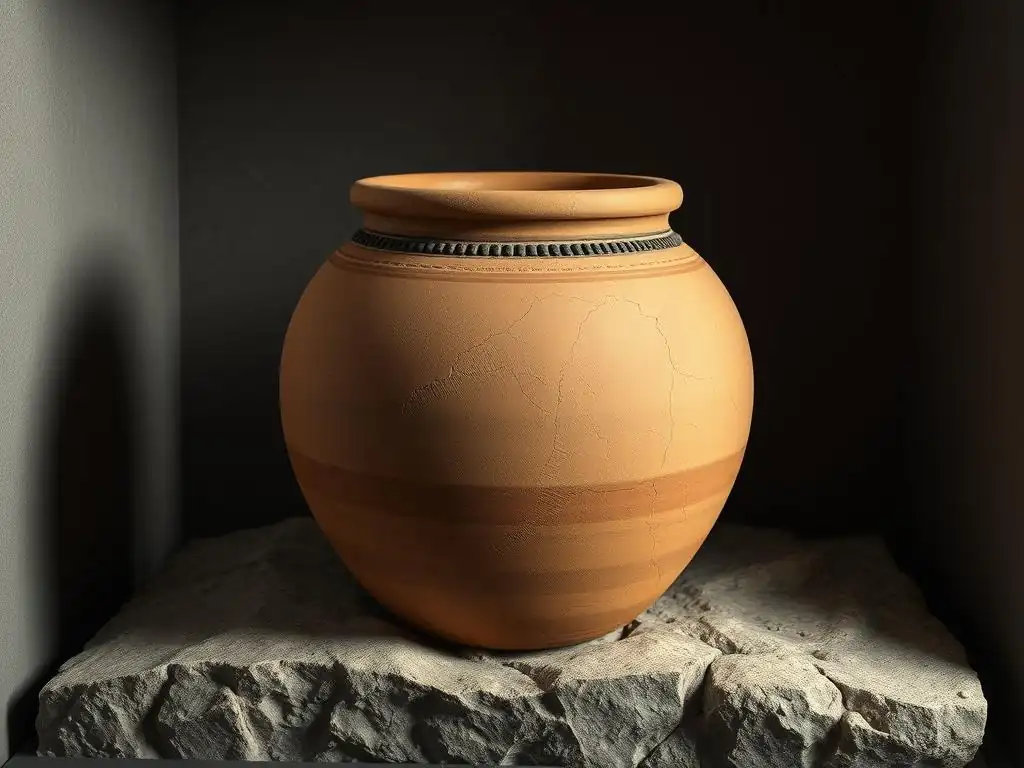
Case Study 1: Lazaret Cave - Microarchaeological Insights into Neanderthal Occupation
Lazaret Cave, located in Nice, France, is a crucial Middle Paleolithic site that yielded remarkable insights into Neanderthal occupation through the application of Paul Goldberg's microarchaeological techniques. Traditional excavations had revealed a large, complex sequence of layers, but it was the micro-scale analysis that truly unlocked the nuances of Neanderthal behavior within the cave. Goldberg's work, in collaboration with Henry de Lumley, helped to define specific activity areas and reconstruct the dynamics of Neanderthal living spaces, providing evidence for a more organized and complex daily life than previously assumed.
The comprehensive microarchaeology excavation techniques analysis employed at Lazaret allowed researchers to move beyond general interpretations of "living floors" to identify distinct functional zones. For example, the presence of specific microscopic organic remains and sediment structures provided compelling evidence for designated sleeping areas, contrasting with zones used for hearth maintenance or tool production. This level of detail profoundly transformed the understanding of Neanderthal spatial organization and behavior.
Detailed Microarchaeological Excavation Techniques at Lazaret Cave
At Lazaret Cave, the microarchaeology excavation techniques were meticulously applied, focusing on the systematic collection of hundreds of undisturbed micromorphological blocks. These blocks, typically 10x15 cm, were extracted from clearly defined stratigraphic units, including hearth features, associated ash layers, and adjacent living floors. The process involved carefully isolating the target layer, then using specialized tools to cut out the block while ensuring its orientation remained intact. Each block was then meticulously documented, bagged, and transported to the laboratory to preserve its delicate microstratigraphic integrity.
This rigorous sampling strategy allowed for the capture of micro-contextual relationships, such as the direct association between microscopic ash layers and specific sediment types or the presence of minute bone fragments within a defined combustion feature. The precision of these microarchaeology excavation techniques analysis methods at Lazaret was crucial for differentiating between primary depositional contexts and areas affected by post-depositional processes like bioturbation or cryoturbation.
Analysis of Micromorphological Features at Lazaret Cave
The microscopic analysis of thin sections from Lazaret Cave revealed a wealth of detailed information about Neanderthal occupation. Researchers identified distinct combustion features, including laminar ash layers and calcined bone, indicating repeated fire use and maintenance within designated hearth areas. The micromorphological analysis also detected specific types of phytoliths (microscopic plant silica bodies) in certain areas, strongly suggesting the use of bedding materials, such as grasses or leaves, within sleeping zones.
Furthermore, the presence of microscopic faecal spherulites, associated with specific organic-rich layers, provided evidence for the presence of large carnivores or humans, and their distribution helped delineate areas of activity. The intricate layering of natural sediments, human-derived ash, and organic remains allowed for a precise reconstruction of occupational episodes, showing that the cave was repeatedly used and cleaned, with distinct zones maintained for different activities. This detailed micromorphological analysis provided unprecedented insights into the daily lives and spatial organization of Neanderthals.
Case Study 2: Wonderwerk Cave - Unveiling Early Hominin Behavior Through Microarchaeology
Wonderwerk Cave in South Africa is a site of immense global significance, particularly for understanding early hominin behavior. Paul Goldberg's microarchaeological work at Wonderwerk was instrumental in providing some of the earliest and most compelling evidence for controlled fire use by hominins, pushing back the timeline for this transformative behavior significantly. His meticulous analysis of microscopic remains within deep stratigraphic layers helped to differentiate between natural wildfires and anthropogenic burning, a distinction crucial for understanding the cognitive and behavioral capabilities of early hominins.
The microarchaeology excavation techniques analysis employed at Wonderwerk allowed researchers to examine deposits dating back over a million years, revealing subtle yet definitive traces of ancient fires. This research highlighted how microarchaeology can unlock secrets about the earliest stages of human technological and social development, providing data that macroscopic observations alone could never yield.
Chemical Analysis of Soil Samples from Wonderwerk Cave
In conjunction with micromorphological observations, chemical analysis played a pivotal role in confirming the presence of anthropogenic fire at Wonderwerk Cave. Soil samples from specific stratigraphic layers, identified through micromorphology as potentially containing combustion features, underwent detailed chemical testing. Techniques such as Inductively Coupled Plasma Mass Spectrometry (ICP-MS) were used to detect elevated levels of specific elements indicative of burning, such as potassium and calcium carbonates, which are characteristic of wood ash.
The detection of these chemical markers in layers dated to approximately 1.0 million years ago provided strong corroborating evidence for controlled fire use. Critically, these chemical signatures were found in association with microscopic charcoal and burned bone fragments, and importantly, in the absence of geogenic combustion indicators, further solidifying the argument for early hominin fire management. This multi-proxy approach, combining microscopic visual evidence with precise chemical data, exemplifies the rigor of Goldberg's methodology.
Interpreting Microscopic Remains at Wonderwerk Cave
The interpretation of microscopic remains at Wonderwerk Cave was crucial for understanding early hominin activities, particularly concerning fire management. Analysis of thin sections revealed microscopic charcoal fragments and burned bone, often embedded within a matrix of fine-grained ash. The size, morphology, and distribution of these particles provided key insights. For instance, the presence of small, dispersed charcoal fragments suggested in-situ burning rather than secondary deposition from external wildfires.
Furthermore, the identification of specific types of burned materials, such as phytoliths from grasses or wood fragments, helped reconstruct the types of fuel used. The absence of natural fire indicators, such as large, vitrified rock fragments typical of intense, uncontrolled wildfires, further supported the interpretation of controlled burning. This detailed microarchaeology excavation techniques analysis and interpretation of microscopic evidence provided compelling proof that hominins at Wonderwerk Cave were not just encountering fire, but actively managing and utilizing it over a million years ago, a pivotal moment in human evolution.
The Impact of Paul Goldberg's Work on Contemporary Archaeology
Transforming Archaeological Interpretation Through Micro-Scale Analysis
Paul Goldberg's pioneering work fundamentally transformed archaeological interpretation by introducing and solidifying the micro-scale analytical perspective. Before his widespread influence, many archaeological interpretations were based primarily on macroscopic observations, often missing the nuanced details of site formation and human behavior. Goldberg demonstrated that the "dirt" itself was a rich archive of information, capable of revealing precise details about daily life, environmental conditions, and the sequence of events that created an archaeological site.
His contributions enabled archaeologists to move beyond broad generalizations, allowing for a more granular understanding of past societies. For example, microarchaeology has reshaped our understanding of site occupation intensity, the duration of specific events (e.g., how long a hearth was used), and the exact nature of past environments and resource exploitation. This shift to high-resolution analysis has provided a more accurate and robust foundation for reconstructing ancient lifeways, validating or challenging long-held assumptions about prehistoric and historic human activities.
Advantages and Disadvantages of Microarchaeology excavation techniques analysis
The application of microarchaeology, particularly the microarchaeology excavation techniques analysis pioneered by Paul Goldberg, offers distinct advantages and some inherent disadvantages.
Advantages:
- High Resolution: Microarchaeology uncovers details invisible to the naked eye, providing unprecedented insights into micro-scale activities, site formation processes, and environmental conditions.
- Direct Evidence: It provides direct, primary evidence of human activities (e.g., precise locations of hearths, activity areas, waste disposal) and natural processes that shaped archaeological deposits.
- Contextual Precision: The method allows for the reconstruction of micro-events and site formation processes with extreme precision, differentiating subtle disturbances from primary depositional contexts.
- Versatility: It is applicable across diverse site types, geological settings, and time periods, from early hominin sites to urban historical settlements, offering a universal lens for archaeological inquiry.
Disadvantages:
- Cost and Time Intensive: Microarchaeology excavation techniques analysis and subsequent laboratory work are labor-intensive, time-consuming, and expensive, requiring specialized equipment and highly trained personnel.
- Sampling Bias: Due to the intensive nature of analysis, only small sample sizes are typically studied, which may not always be representative of the entire site or broader archaeological context.
- Destructive: The preparation of thin sections is a destructive process for the collected sediment block, meaning the original sample cannot be re-examined in its intact form.
- Interpretation Complexity: Accurate interpretation of micromorphological data requires extensive interdisciplinary knowledge in geology, soil science, chemistry, and biology, making it a highly specialized field.
Future Directions in Microarchaeological Research Inspired by Paul Goldberg
Paul Goldberg's legacy continues to inspire new directions in microarchaeological research, pushing the boundaries of what can be learned from archaeological sediments. Future research is increasingly integrating advanced analytical technologies with traditional micromorphology. For instance, the development of artificial intelligence and machine learning algorithms for automated image analysis of thin sections promises to accelerate data processing and enhance the identification of microscopic features, potentially reducing the time and cost associated with analysis.
Furthermore, the integration of advanced molecular techniques, such as environmental DNA (eDNA) analysis and proteomics, directly from sediment samples is an exciting frontier. This allows for the identification of species (plants, animals, microorganisms) that contributed to the archaeological record, even in the absence of macroscopic remains.
The increasing use of portable analytical devices, like portable X-ray Fluorescence (pXRF), in the field to guide real-time sampling decisions for microarchaeology excavation techniques analysis also represents a significant advancement, allowing for more targeted and efficient data collection. These evolving interdisciplinary approaches, rooted in Goldberg's foundational work, promise to unlock even deeper secrets from the archaeological record.
Conclusion: Paul Goldberg's Legacy in Microarchaeology
Summarizing Paul Goldberg's Key Contributions
Paul Goldberg's contributions to archaeology are nothing short of transformative. He single-handedly elevated geoarchaeology and microarchaeology from a niche sub-discipline to an indispensable component of rigorous archaeological inquiry. His key contributions span both theoretical frameworks and methodological innovations. Theoretically, he redefined the understanding of site formation processes, emphasizing the dynamic interplay between natural and cultural factors at a microscopic level, and highlighting the critical importance of micro-context in archaeological interpretation.
Methodologically, Goldberg refined and standardized microarchaeology excavation techniques analysis, advocating for meticulous sampling strategies and pioneering the comprehensive microscopic, chemical, and biological analysis of archaeological sediments. His meticulous approach to thin-section micromorphology provided archaeologists with an unprecedented tool to reconstruct past human behaviors and environmental conditions with extraordinary precision. In essence, Goldberg taught the archaeological community how to truly "read" the soil, unlocking a wealth of information previously overlooked.
The Enduring Relevance of Microarchaeology for Understanding Past Societies
The enduring relevance of microarchaeology, largely shaped by Paul Goldberg's pioneering efforts, cannot be overstated. In an era where archaeological questions are becoming increasingly nuanced and demand higher resolution data, microarchaeology offers a unique and powerful lens. It provides direct evidence of human activities, environmental impacts, and the very processes that create and preserve archaeological sites, allowing for a level of detail that macroscopic studies simply cannot achieve.
From identifying the earliest evidence of controlled fire use by hominins to reconstructing daily life within ancient dwellings, microarchaeology continues to unlock critical insights into past societies. It is essential for understanding human-environment interactions, resource management, technological innovations, and the fine-grained sequence of events that shaped human history. As new technologies emerge and interdisciplinary approaches become more common, the foundation laid by Paul Goldberg ensures that microarchaeology will remain a vital tool for achieving a comprehensive and accurate understanding of our shared past.
Frequently Asked Questions
How does Microarchaeology enhance our understanding of archaeological sites according to [Archaeologist's Name]'s perspective?
Microarchaeology provides a finer-grained analysis of site formation processes. It allows researchers to understand the context of artifacts and their relationship to the surrounding environment at a microscopic level. This leads to more nuanced interpretations of past human behavior.
What are some common Microarchaeology excavation techniques mentioned in relation to [Archaeologist's Name]'s work?
Common techniques include micromorphology (soil thin-section analysis), phytolith analysis, and starch grain analysis. These methods help to identify past human activities and environmental changes that are not visible to the naked eye.
How does [Archaeologist's Name] address the theoretical implications of using Microarchaeology analysis in interpreting archaeological data?
[Archaeologist's Name] emphasizes the importance of integrating microarchaeological data with macro-scale archaeological evidence. This integration provides a more holistic and contextualized understanding of past societies and landscapes.
Can you explain how Microarchaeology contributes to the dating and chronological understanding of archaeological sites?
Microarchaeological techniques can reveal relative dating information through the analysis of soil layers and associated micro-artifacts. This helps establish the sequence of events that occurred at a site, complementing traditional dating methods.
What are some limitations or challenges associated with using Microarchaeology in archaeological research, as discussed within the context of [Archaeologist's Name]'s work?
Challenges include the time-consuming nature of analysis and the need for specialized equipment and expertise. Interpretation also requires a strong understanding of taphonomy (how sites are formed and altered after abandonment) to avoid misinterpretations.
Final Reflection: Unearthing the Invisible Threads of the Past
The exploration of Microarchaeology excavation techniques analysis reveals not just the minute details of past lives, but also a profound shift in how we understand history itself. By focusing on the microscopic, we move beyond grand narratives and engage with the tangible realities of daily existence, offering a richer, more nuanced understanding of human behavior and environmental interaction. This approach, championed by archaeologists like [Archaeologist's Name], is increasingly vital in a world grappling with the long-term consequences of human actions.
This journey into the microscopic has fundamentally altered our perception of archaeological sites. It's no longer enough to simply excavate and catalog artifacts; we must now meticulously analyze the soil, sediments, and microscopic remains to truly understand the context of those artifacts. This shift highlights the interconnectedness of all things, reminding us that even the smallest particles can hold significant historical weight. The past is never dead. It's not even past.
- William Faulkner, a sentiment that resonates deeply when considering the enduring stories held within microscopic layers of earth.
As we continue to refine and expand Microarchaeology excavation techniques analysis, let us remember that the past is not a distant, monolithic entity, but a complex tapestry woven from countless individual experiences. Consider how these microscopic insights can inform our present and shape our future. How can we, as individuals and as a society, learn from the past to build a more sustainable and equitable world? The answers, perhaps surprisingly, may lie hidden in the very ground beneath our feet.
Unearth Your Own Archaeological Adventure!
Thank you for delving into the fascinating world of microarchaeology! We hope you've gained a new appreciation for the power of small-scale analysis in uncovering big historical stories. Now, let's put that knowledge into action:
- Embark on your own microarchaeological exploration! Start by observing the small details in your everyday environment: the wear patterns on your belongings, the composition of dust, or the traces left by insects. Document your findings and reflect on what they might reveal about your life and surroundings.
- Share your insights! Use the hashtag #MicroArchaeologyHub on social media to connect with fellow enthusiasts and share your observations and interpretations.
- Delve deeper! Explore online databases of archaeological materials or local museums to analyze artifacts and learn about the microarchaeological techniques used to understand their history.
What hidden story will you uncover with a microarchaeological lens today?