
Chronological & Broad Geographical Frameworks
Explore the chronological and broad geographical frameworks that shape our understanding of human history on ArchaeologyHub.org. This section serves as your essential guide to the vast tapestry of ancient cultures, offering a structured pathway through global prehistory, from the Paleolithic hunter-gatherer societies to the transformative Neolithic agricultural revolution. Dive into the rise of civilizations, tracing the pivotal Bronze Age and Iron Age transitions that forged empires, trade networks, and monumental architecture. By connecting archaeological discoveries to their temporal and spatial contexts, we illuminate how human innovation spread across continents, enabling you to compare regional developments and grasp the interconnectedness of early societies. Whether you’re a student, enthusiast, or researcher, these frameworks provide the foundational timeline and geographic lens essential for decoding the complexities of ancient life. Enhance your SEO discovery with targeted content on prehistoric eras, ancient migration patterns, and socio-political evolution, all curated to deepen your appreciation of our shared heritage. Uncover the layers of time and place today!
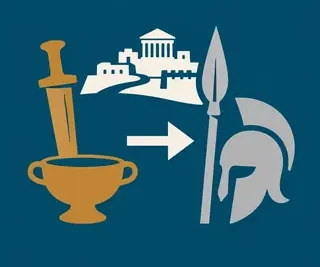 Rise of Civilizations: Bronze Age and Iron Age Transitions
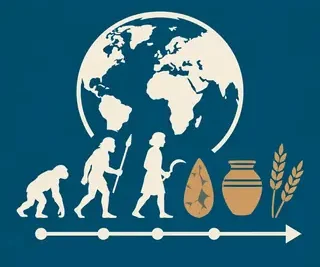 Global Prehistory: Paleolithic to Neolithic Overview
Chronological & Broad Geographical Frameworks at ArchaeologyHub.org
Explore the grand narrative of human history through our Chronological & Broad Geographical Frameworks category. Here, you will find structured timelines and regional overviews that connect archaeological discoveries across continents. This section serves as your primary atlas and clock for understanding how ancient societies evolved from nomadic hunter-gatherers to complex urban civilizations, providing essential context for every artifact and site profile on our digital encyclopedia.
🌍 Global Prehistory: Paleolithic to Neolithic Overview
Start at the very beginning of the human story with this foundational subcategory. You will discover how stone tool technologies evolved over millions of years, from simple Oldowan choppers to sophisticated blade industries. Expect detailed timelines covering the Pleistocene ice ages, the migration of Homo sapiens out of Africa, and the dramatic shift to agriculture during the Neolithic Revolution. This section synthesizes findings from Africa, Europe, Asia, and the Americas.
We also highlight key archaeological sites such as Göbekli Tepe, Çatalhöyük, and Dolní Věstonice, explaining their significance in rewriting prehistory. Our interpretive analyses address critical questions about climate change, megafauna extinction, and social organization before writing. By comparing regional adaptations, you will gain a global perspective on how foraging bands transitioned into settled village life, laying the groundwork for all later civilizations.
🏛️ Rise of Civilizations: Bronze Age and Iron Age Transitions
Witness the monumental leap from village life to state-level societies in this pivotal subcategory. We dissect how metallurgy—first copper, then bronze, and finally iron—transformed economies, warfare, and political power. Expect comprehensive coverage of the first empires in Mesopotamia, Egypt, the Indus Valley, and China, alongside the Minoan and Mycenaean worlds. This section charts the rise of writing systems, monumental architecture, and long-distance trade networks.
Our faculty explains the Late Bronze Age Collapse and the subsequent emergence of new powers in the Iron Age, such as Assyria, Persia, and the Phoenician colonies. We provide regional frameworks that contrast the Mediterranean, Near East, South Asia, and sub-Saharan Africa, showing both convergent patterns and unique trajectories. Each profile integrates archaeological evidence with textual records, offering a nuanced understanding of how complexity arose—and sometimes fell—across the ancient world.
Frequently Asked Questions
How are the chronological frameworks dated in archaeology?
Chronologies are built using relative dating (stratigraphy, typology) and absolute dating (radiocarbon, dendrochronology, optically stimulated luminescence). We cross-reference these methods with historical records when available, ensuring each timeline reflects the latest scientific consensus. Calibration curves and Bayesian modeling help refine dates, which we present in accessible BC/AD formats.
What is the difference between Paleolithic and Neolithic periods?
The Paleolithic (Old Stone Age) is characterized by nomadic hunting and gathering, use of chipped stone tools, and small mobile bands lasting until about 10,000 BCE. The Neolithic (New Stone Age) follows, marked by domesticated plants and animals, polished stone tools, pottery, and permanent villages. This transition was gradual and varied by region, not a sudden event.
Why is the Bronze Age called a “transition” to civilization?
Bronze metallurgy—an alloy of copper and tin—enabled stronger tools and weapons, driving surplus food production and specialized craft specialists. These economic changes supported urban centers, social stratification, bureaucracies, and writing. Thus, the Bronze Age represents the material and social conditions that define early civilizations, distinct from the simpler Neolithic societies.
How do geographical frameworks help interpret archaeological sites?
By placing sites within their environmental and regional context, we understand trade routes, resource availability, climate constraints, and cultural interactions. A site in the Nile Valley, for example, differs profoundly from one in the Sahara. Frameworks allow archaeologists to compare contemporaneous societies, track diffusion of ideas and goods, and explain regional variations in social complexity.
What caused the Late Bronze Age Collapse?
Current theories combine invasions by “Sea Peoples,” internal rebellions, climate-driven drought and famine, and disruptions in tin-copper trade. Between 1200–1150 BCE, many palatial centers in the eastern Mediterranean fell. The resulting Iron Age saw decentralized polities, cheaper iron technology, and alphabet scripts, reshaping the political map of antiquity.