
Interpreting Haniwa: Ritual Purpose, Social Representation, and Symbolic Meaning in Funerary Contexts

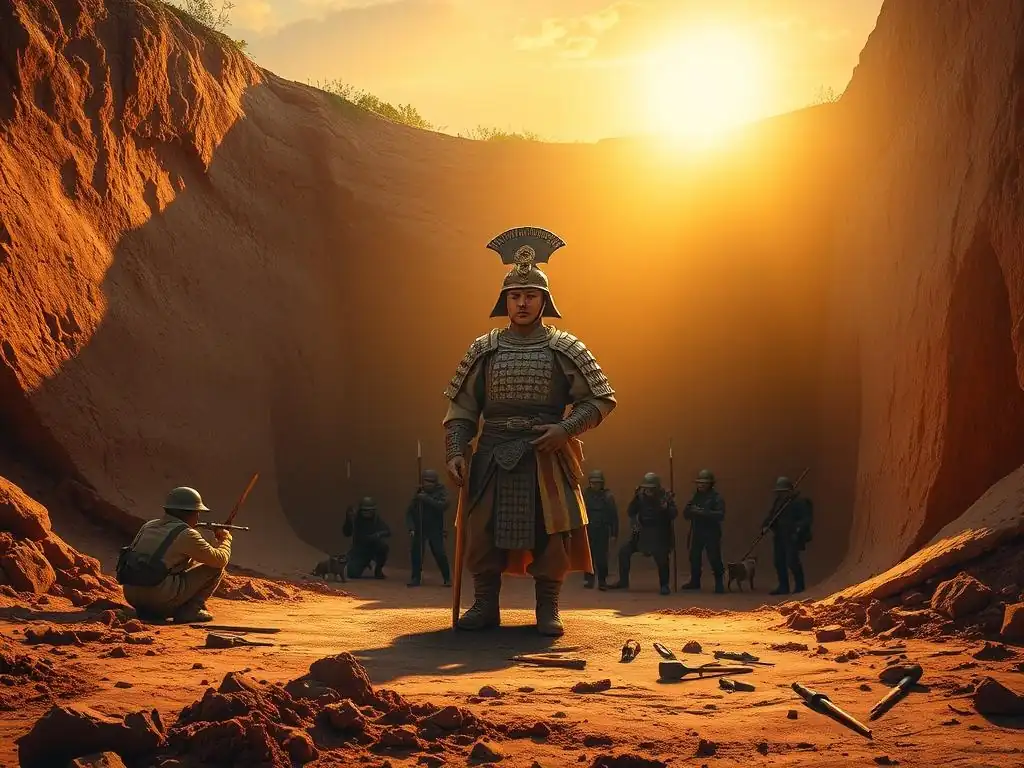
Welcome to ArchaeologyHub.org, your portal to unlocking the secrets of the past. Ever wondered what ancient objects can truly tell us about the lives and beliefs of those who came before? Delve into our comprehensive digital encyclopedia and prepare to be amazed. This time, we journey to ancient Japan to explore the fascinating world of Haniwa burial ritual symbolism. Uncover the intricate details behind these enigmatic clay figures and discover their profound connection to social structures and funerary practices. Ready to decipher the secrets they hold? Let's begin!
- Introduction to Haniwa: Japanese Burial Figurines of the Kofun Period
- The Archaeological Context of Haniwa Discoveries
- Haniwa Burial Ritual Symbolism: Exploring the Funerary Purpose
- Social Representation in Haniwa Figurines: Reflecting Kofun Society
- Symbolic Meaning in Haniwa Art: Decoding the Imagery
- Haniwa Production Techniques: Craftsmanship and Materials
- Haniwa and State Formation in Ancient Japan
- Comparative Analysis: Haniwa in Relation to Other Burial Figurines
- Haniwa Preservation and Conservation: Protecting Japan's Archaeological Heritage
- Conclusion: Haniwa as Key to Unlocking Ancient Japanese Culture
-
Frequently Asked Questions
- What are Haniwa, and what is their general significance in archaeology?
- How does ArchaeologyHub.org contribute to understanding Haniwa burial ritual symbolism?
- What aspects of "Haniwa burial ritual symbolism" are commonly debated among archaeologists?
- Can Haniwa tell us about the social structure of the Kofun period?
- How can understanding Haniwa contribute to our broader knowledge of ancient civilizations?
- Final Reflection: Echoes of Ancient Beliefs
- Unearth the Secrets: Delve Deeper into Haniwa Symbolism!
Introduction to Haniwa: Japanese Burial Figurines of the Kofun Period
Defining Haniwa: Earthen Cylinders and Sculptural Forms
Haniwa are distinctive terracotta figures, primarily cylindrical in their foundational form, that were strategically placed around ancient Japanese burial mounds known as Kofun. Crafted from locally sourced clay, these figures were shaped by hand, often using a coil-building method, and then fired at relatively low temperatures, typically between 600°C and 800°C. While many Haniwa retain their simple cylindrical base, a significant portion evolved into intricate sculptural forms depicting humans, animals, and various objects, ranging in height from approximately 50 centimeters to over 1.5 meters.
The evolution of Haniwa forms reflects a progression from basic utilitarian markers to complex artistic expressions. Early examples from the 3rd century CE were predominantly simple cylinders (tsutsugata Haniwa) or house-shaped structures. Over the centuries, particularly by the 5th and 6th centuries CE, artisans began to create highly detailed representations of people, horses, birds, and even boats, demonstrating a sophisticated understanding of form and a growing symbolic repertoire. These figures served not only as physical demarcations of the sacred tomb space but also as powerful visual statements.
The Significance of Haniwa in Understanding Ancient Japanese Society
Haniwa provide an unparalleled window into the Kofun period, which spanned from roughly the 3rd to the 7th century CE. During this formative era, Japan saw the emergence of powerful clan leaders and the gradual consolidation of a centralized state, yet written records from this time are exceedingly scarce. Consequently, Haniwa, alongside other grave goods and tomb structures, serve as primary archaeological evidence, offering invaluable insights into the social stratification, daily routines, religious beliefs, and artistic practices of ancient Japanese society.
Their diverse forms and widespread distribution across the archipelago illuminate the evolving political landscape and the cultural diffusion of the Yamato court's influence. The rich Haniwa burial ritual symbolism embedded in their design and placement allows researchers to reconstruct aspects of funerary customs, elite status display, and the spiritual worldview of the Kofun people. Without these earthenware figures, our understanding of this pivotal period in Japanese history would be significantly diminished.
The Archaeological Context of Haniwa Discoveries
Haniwa Placement Within Kofun (Ancient Burial Mounds)
Haniwa were systematically arranged on the exterior surfaces of Kofun, specifically along the terraces, slopes, and encircling moats. Their primary function in this context was to delineate the sacred boundary of the burial mound, separating the mundane world from the revered space of the deceased. In larger, more elaborate keyhole-shaped Kofun, such as the Daisen Kofun (believed to be Emperor Nintoku's tomb) in Osaka, it is estimated that tens of thousands of Haniwa were once placed, forming continuous lines and clusters.
The specific arrangement often varied; some were set in neat rows, while others formed dense groupings around significant features like the entrance or ritual platforms. This precise placement suggests a deliberate and complex Haniwa burial ritual symbolism, where each figure contributed to the overall protective and commemorative function of the tomb. The sheer number and organized layout of Haniwa underscore the immense labor and resources dedicated to these elite burials, reflecting the power and status of the interred.
Geographic Distribution of Haniwa Finds Across Japan
Haniwa finds are concentrated primarily in the Kinki region, encompassing modern-day Nara, Osaka, and Kyoto prefectures, which served as the political and cultural heartland of the emerging Yamato state. However, their distribution extends widely across the Japanese archipelago, reaching as far as the Kanto Plain to the east, parts of the Chubu region, and even into Kyushu in the west. This broad geographic spread reflects the expansion of Yamato influence and the adoption of its funerary customs by regional chieftains.
Significant archaeological sites, such as the Mozu-Furuichi Kofun Group in Osaka, a UNESCO World Heritage site, and the Saitobaru Kofun Group in Miyazaki Prefecture, have yielded vast numbers of Haniwa, showcasing both the core styles and distinct regional variations. The presence of Haniwa in these disparate locations provides crucial evidence for understanding the networks of power, cultural exchange, and the gradual unification of various clans under a centralized authority during the Kofun period.
Chronological Evolution of Haniwa Styles During the Kofun Period
The stylistic evolution of Haniwa closely mirrors the chronological progression of the Kofun period. In the early Kofun period (c. 3rd-4th century CE), Haniwa were predominantly simple cylindrical forms or abstract shapes representing houses, fences, and ritual vessels. These early forms set the stage for their later, more complex iterations, establishing the basic Haniwa burial ritual symbolism of demarcation.
By the middle Kofun period (c. 5th century CE), a significant shift occurred with the emergence of more sophisticated human and animal figures. Warrior Haniwa, often depicted with armor and weapons, along with horse Haniwa, became increasingly common, reflecting the growing militarization and social stratification of the era. The late Kofun period (c. 6th-7th century CE) saw a flourishing of diverse and highly detailed human figures, including dancers, musicians, and civil officials, often characterized by more expressive faces and intricate attire, illustrating a broader representation of society and refined artistic techniques.
Haniwa Burial Ritual Symbolism: Exploring the Funerary Purpose
Haniwa as Protective Guardians of the Deceased
A prominent interpretation of Haniwa burial ritual symbolism posits that these figures served as vigilant guardians of the deceased and their elaborate tombs. Positioned along the perimeter and terraces of the Kofun mounds, they formed a symbolic boundary intended to ward off malevolent spirits, protect the sacred space from intruders, and ensure the undisturbed rest of the interred elite. Their collective presence created a formidable visual barrier, reinforcing the sanctity of the burial site.
This protective function is particularly evident in the numerous warrior Haniwa (bujin Haniwa or keiko Haniwa), depicted wearing armor, helmets, and often armed with swords or bows. Their martial appearance visually manifested the power and authority of the deceased, extending their dominion and protection into the afterlife. The sheer number of these figures around major Kofun suggests a belief in a constant, tangible defense of the tomb from both spiritual and earthly threats.
Ritual Offerings Associated with Haniwa
While Haniwa themselves were not typically direct offerings in the sense of perishable goods or valuable artifacts interred within the burial chamber, their creation and placement were integral to the larger funerary ritual complex. They can be understood as permanent, symbolic offerings that defined and sanctified the burial space, rather than consumable items. Their presence established a continuous ritualistic atmosphere around the Kofun.
Archaeological findings within Kofun often include a variety of grave goods, such as bronze mirrors, iron swords, magatama beads, and other personal adornments, which were true offerings to accompany the deceased. In contrast, Haniwa's role was more about maintaining the integrity and symbolic significance of the tomb's exterior, perhaps representing a perpetual retinue or a ceremonial gathering, thus contributing to the enduring Haniwa burial ritual symbolism of the Kofun era.
The Role of Haniwa in the Afterlife Beliefs of the Kofun People
The diverse array of Haniwa types strongly suggests a belief among the Kofun people in a continuation of earthly life and social status in the afterlife. The figures, including houses, boats, warriors, farmers, and animals, likely represented the retinue, possessions, and environment that the deceased elite would require or desire in the spirit world. This concept aligns with funerary practices observed in many ancient civilizations globally.
By providing tangible representations of the deceased's domain, Haniwa helped to ensure a comfortable and powerful existence beyond death. The inclusion of figures like shamans or priestesses may also indicate a belief in spiritual guidance or ongoing ritual activity in the afterlife. This comprehensive portrayal of society and daily life through Haniwa offers critical insights into the Kofun worldview and their intricate Haniwa burial ritual symbolism surrounding death and the continuation of existence.
Depictions of Warriors, Priests, and Elite Figures
Haniwa figurines offer a rich visual catalog of the social hierarchy and significant roles within Kofun society. Prominent among these are the warrior Haniwa, meticulously depicted with elaborate lamellar armor (tanko and keiko), helmets, and weaponry such as swords and quivers. These figures not only highlight the importance of military prowess but also showcase the advanced defensive technology of the period. Alongside warriors, figures identified as female shamans or priestesses, often adorned with distinctive headgear and necklaces, provide insight into the spiritual leadership.
Other elite figures, including civil officials and individuals dressed in ceremonial attire, further illustrate the diverse roles and specialized functions within the ruling class. The precision in their depiction, from facial features to clothing details, provides invaluable archaeological data for understanding the political and social organization of the emerging Yamato state. These representations are direct reflections of the individuals and roles considered vital to the power structure and continuity of the ruling elite.
The quantity, quality, and specific types of Haniwa discovered at a Kofun site are direct indicators of the social hierarchy and status of the interred individual. The grandest keyhole-shaped mounds, reserved for the most powerful clan leaders and early emperors, typically feature thousands of Haniwa, showcasing an unparalleled diversity of forms and often superior craftsmanship. In contrast, smaller, less elaborate Kofun of lesser elites would contain fewer, and perhaps simpler, Haniwa.
The presence of specific, high-status Haniwa types, such as horse-riding warriors (keiba Haniwa) or figures adorned with rare accessories like swords and mirrors, further underscores the deceased's elevated rank and military or political achievements. This direct correlation between Haniwa display and social standing is a crucial aspect of their Haniwa burial ritual symbolism, providing archaeologists with a tangible means to map the intricate social stratification of ancient Japan.
The Significance of Animal Haniwa: Horses, Birds, and Other Fauna
Animal Haniwa, particularly horses (umagata Haniwa) and birds (tori Haniwa), constitute a significant category within the Haniwa repertoire, alongside figures of dogs, deer, and fish. Horses, often depicted with elaborate saddles, bridles, and even riders, were powerful symbols of wealth, status, and military might in Kofun society, reflecting the importance of equestrian culture introduced from the continent. Their presence signifies the deceased's ability to command resources and engage in warfare.
Birds, especially water birds, are frequently found and are thought to have had various symbolic meanings, possibly related to guidance in the afterlife, fertility, or as messengers between the earthly and spiritual realms. Other animals might represent domestic livestock or game, reflecting the agricultural and hunting aspects of Kofun life. These animal figures enrich our understanding of the Kofun people's environment, their economic activities, and the multifaceted Haniwa burial ritual symbolism embedded in their funerary practices.
Symbolic Meaning in Haniwa Art: Decoding the Imagery
Interpreting the Iconography of Haniwa Faces and Attire
The iconography of Haniwa faces and attire is a crucial aspect of decoding their symbolic meaning. Human Haniwa often feature stylized, almost enigmatic faces, characterized by punched holes for eyes and mouth, sometimes with applied clay strips for eyebrows or noses. Despite their simplicity, variations in facial expressions, headgear, and hairstyles can provide subtle clues about the figures' social roles, gender, and regional artistic conventions.
The attire depicted on Haniwa, ranging from the intricate armor of warriors to the flowing robes of ritual figures and the simple garments of commoners, offers a unique glimpse into Kofun period fashion and social distinctions. Accessories such as necklaces, earrings, and belts, as well as specific types of weaponry or tools, further enhance the figures' symbolic meaning, providing detailed information about the social identity and Haniwa burial ritual symbolism associated with each type of figure.
Haniwa and the Representation of Daily Life Activities
Beyond the elite and ceremonial figures, some Haniwa depict elements of everyday Kofun life, offering valuable ethnographic insights. These include representations of houses (iegata Haniwa), boats (funagata Haniwa), sunshades, and even domestic animals like chickens and pigs. While less numerous than human or animal figures, these "object Haniwa" are invaluable for reconstructing the material culture and living environment of the Kofun people.
For instance, the house Haniwa portray various architectural styles, from simple pit dwellings to more elaborate raised-floor granaries, providing archaeologists with visual evidence of Kofun building techniques and domestic arrangements. Similarly, boat Haniwa illustrate the importance of maritime activities and river transport. These representations, though seemingly mundane, contribute significantly to our understanding of the broader context and Haniwa burial ritual symbolism of Kofun society.
The Connection Between Haniwa and Religious Beliefs
The very presence and placement of Haniwa around sacred burial mounds strongly suggest a deep connection to the religious beliefs and spiritual practices of the Kofun people. While direct textual evidence is scarce, the figures likely embody elements of indigenous animistic or early Shinto-like beliefs, where natural forces, ancestors, and spirits played significant roles. The purposeful arrangement of Haniwa indicates a deliberate attempt to interact with or influence the spiritual realm.
Figures identified as shamans or priestesses, often depicted in postures that imply ritual performance, further reinforce this link, suggesting that the Haniwa might have been seen as perpetual participants in ceremonies or as embodiments of divine or ancestral spirits. The overall Haniwa burial ritual symbolism points to a complex worldview where the boundary between the living and the dead was permeable, and the deceased elite continued to exert influence, aided by their earthly retinue in the form of these enduring earthenware figures.
Haniwa Production Techniques: Craftsmanship and Materials
The Process of Creating Earthenware Haniwa Sculptures
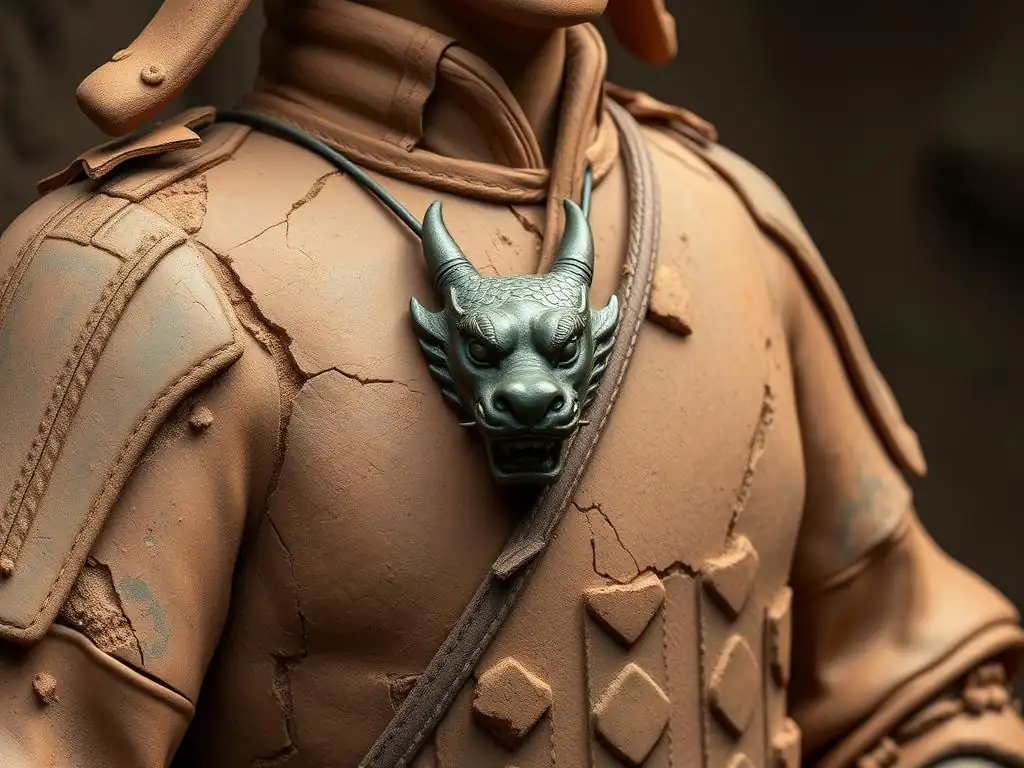
The creation of Haniwa involved sophisticated, albeit low-tech, earthenware production techniques. The primary method employed was coil-building: long ropes of clay were spiraled upwards to form the cylindrical base, which was then smoothed and shaped. Features such as arms, legs, heads, and accessories were then individually sculpted and attached to this core structure. The clay used was typically local alluvial clay, readily available near Kofun construction sites, which provided the necessary plasticity for shaping.
Following the shaping process, the Haniwa were dried and then fired at relatively low temperatures, generally between 600°C and 800°C, in open kilns or bonfires. This low-temperature firing resulted in the characteristic reddish-brown color and porous texture of Haniwa, but also contributed to their inherent fragility, making them susceptible to weathering and damage over centuries. The craftsmanship, despite the basic tools, often demonstrates considerable skill in capturing detail and expression.
Regional Variations in Haniwa Manufacturing Styles
Despite a shared fundamental purpose and general stylistic characteristics, Haniwa manufacturing styles exhibit notable regional variations across Japan. These differences were influenced by local clay types, distinct artisan traditions, and the specific cultural or political preferences of regional chieftains. For example, Haniwa from the Kanto region, particularly those found in Gunma Prefecture, are often characterized by a robust, almost monumental quality, with simplified yet powerful forms.
In contrast, Haniwa from the Kinki region, the heartland of the Yamato court, tend to display a more refined and detailed craftsmanship, reflecting the sophisticated cultural environment of the central elite. These regional distinctions in form, size, and decorative elements provide valuable insights into the decentralized yet interconnected network of workshops that produced these essential artifacts for Haniwa burial ritual symbolism, highlighting both local autonomy and broader cultural trends.
The Organization of Haniwa Production
The scale of Haniwa production, especially for the largest Kofun mounds that required thousands of figures, suggests a highly organized system of labor and craftsmanship. It is widely believed that specialized artisans or workshops operated under the direct patronage and supervision of powerful clan leaders. These workshops would have managed the entire process, from clay extraction and preparation to sculpting, firing, and the final placement of the Haniwa around the tomb.
The economic implications of such large-scale production are significant. The mobilization of resources for clay, fuel for firing, and the skilled labor force indicates a degree of centralized control and economic sophistication within Kofun society. This organized production system was essential for realizing the elaborate funerary projects that served to assert the status and legitimacy of the ruling elite, thereby reinforcing the profound Haniwa burial ritual symbolism of power and authority.
Haniwa and State Formation in Ancient Japan
The Relationship Between Haniwa Production and Political Power
The proliferation and increasing sophistication of Haniwa production are intrinsically linked to the rise of political power during the Kofun period. The monumental scale of the Kofun mounds themselves, requiring immense labor and resources, necessitated a centralized authority capable of mobilizing and directing such efforts. The continuous demand for thousands of Haniwa for elite burials further underscores this relationship, as only powerful clan leaders and the burgeoning Yamato court could commission and oversee such extensive projects.
The standardized yet regionally varied styles of Haniwa suggest a network of influence and control emanating from the Yamato heartland, where the elite commissioned these figures not only for funerary purposes but also as a means to assert their status, legitimize their rule, and visually reinforce their authority over their territories. Thus, the production of Haniwa became a tangible expression of political dominance, deeply intertwined with the Haniwa burial ritual symbolism of authority.
Haniwa as Evidence of Centralized Control
While the Kofun period did not immediately feature a fully centralized state in the modern sense, the widespread adoption of the keyhole-shaped Kofun and the associated Haniwa burial practice points towards a growing cultural and political ideology radiating from the Yamato region. The consistent stylistic elements across different regions, despite local variations, suggest a degree of shared cultural norms and perhaps even a nascent form of administrative oversight.
The ability to organize the excavation, construction, and decoration of thousands of Kofun mounds, each adorned with numerous Haniwa, signifies a nascent state apparatus capable of large-scale public works and the enforcement of specific elite funerary customs. This collective effort, facilitated by a hierarchical social structure, demonstrates the increasing power of the Yamato court to command resources and labor, marking a critical phase in the formation of the ancient Japanese state.
The Decline of Haniwa and the Transition to New Burial Practices
The use of Haniwa began to decline significantly by the late 6th and early 7th centuries CE, eventually ceasing altogether. This transition coincides with profound societal shifts in ancient Japan, most notably the increasing influence of Buddhism, which arrived from the Asian continent via Korea and China. Buddhism introduced new funerary practices, such as cremation and the construction of rock-cut tombs (horizontal stone chambers, or yokogata sekishitsu), which differed fundamentally from the Kofun tradition.
The shift away from large, elaborate Kofun and the associated Haniwa reflected a broader transformation in religious beliefs, political structures, and social organization, marking the end of the Kofun period and the dawn of the Asuka period (538-710 CE). As the Yamato court embraced Buddhist ideology and statecraft, the traditional Haniwa burial ritual symbolism gave way to new forms of commemoration and expressions of power, signaling a new era in Japanese history.
Comparative Analysis: Haniwa in Relation to Other Burial Figurines
Comparing Haniwa with Terra Cotta Army (China)
A compelling comparison can be drawn between Japanese Haniwa and China's renowned Terra Cotta Army of Emperor Qin Shi Huang. Both represent colossal undertakings of funerary art, designed to accompany deceased rulers into the afterlife. They both signify an immense investment of resources, labor, and artistic skill, reflecting the unparalleled power and ambition of their respective emperors. Each collection provides invaluable insights into the military, social, and cultural aspects of their period.
However, significant differences exist. The Terra Cotta Army, dating from the late 3rd century BCE, comprises a single, massive, subterranean army of individually detailed stoneware figures, hidden within the emperor's mausoleum. In contrast, Haniwa are earthenware, generally more stylized, and were placed on the exterior of numerous Kofun mounds across several centuries. This fundamental difference in placement and artistic approach highlights distinct Haniwa burial ritual symbolism and cultural priorities, with Haniwa serving as visible markers rather than a hidden army.
Parallels and Differences in Funerary Art Across Cultures
Funerary art traditions across various ancient cultures often share universal themes, such as the desire to protect the deceased, provide for their needs in the afterlife, and commemorate their status. Examples include the Ushabti figures of ancient Egypt, designed to serve the deceased in the afterlife, the elaborate sarcophagi of the Etruscans, and the effigy vessels of the Moche civilization in Peru. All these traditions reflect humanity's pervasive concern with death and the spiritual realm.
Yet, each culture expresses these themes through unique artistic languages, materials, and placement customs. While the underlying purpose of accompanying the deceased might be similar, the distinct forms, scales, and symbolic meanings of these artifacts reveal profound cultural differences. Haniwa stand out due to their specific earthenware material, their open-air placement on burial mounds, and their evolution from simple cylinders to complex human and animal forms, embodying a unique Japanese aesthetic and Haniwa burial ritual symbolism.
The Unique Characteristics of Haniwa Within a Global Context
Within the vast global landscape of funerary art, Haniwa possess several unique characteristics that set them apart. Their most distinctive feature is their placement on the exterior of the Kofun mounds, making them visible components of the landscape rather than hidden grave goods. This public display suggests a different kind of symbolic function, perhaps emphasizing the continued presence and authority of the deceased within the living world.
Furthermore, the aesthetic of Haniwa, particularly the human figures, often exhibits a charming simplicity and a somewhat endearing, almost naive quality, distinct from the rigid formality of Egyptian figures or the hyper-realism of some Roman sculptures. Their evolution from abstract cylinders to increasingly naturalistic, yet still stylized, forms over several centuries also offers a unique case study in funerary art development. This combination of public placement, stylistic evolution, and profound Haniwa burial ritual symbolism makes Haniwa an exceptional contribution to the world's archaeological heritage.
Haniwa Preservation and Conservation: Protecting Japan's Archaeological Heritage
Challenges in Preserving Fragile Earthenware Artifacts
The preservation of Haniwa presents significant archaeological and conservation challenges due to their inherent fragility. Crafted from low-fired earthenware, these artifacts are highly susceptible to environmental degradation. Exposure to the elements—rain, wind, frost, and temperature fluctuations—causes erosion, cracking, and disintegration over centuries. Furthermore, their typical placement on the exposed surfaces of Kofun mounds makes them vulnerable to natural processes like soil erosion and seismic activity, which can dislodge or shatter them.
Human activities also pose threats; agricultural development, urban expansion, and unauthorized digging have historically led to the destruction or displacement of Haniwa. The delicate nature of the clay means that even careful excavation requires meticulous techniques to prevent damage, and in-situ preservation is often difficult given their outdoor context. These factors necessitate continuous and specialized efforts to protect these invaluable records of ancient Japan.
Current Efforts in Haniwa Conservation and Restoration
Recognizing their immense historical and cultural value, significant efforts are underway in Japan for Haniwa conservation and restoration. Archaeological teams employ precise excavation methods, often involving block lifting of soil around fragile pieces, to ensure their safe removal. Once excavated, Haniwa undergo meticulous stabilization treatments, including consolidation of the clay, rejoining fragments, and infilling losses with reversible materials by skilled conservators.
Major museums and research institutions across Japan, such as the Tokyo National Museum and the Nara National Research Institute for Cultural Properties, play a crucial role in housing Haniwa in controlled environments that mitigate environmental damage. Japan's Agency for Cultural Affairs, alongside local governments, actively designates Kofun sites as National Historic Sites, implementing protective measures and conducting surveys. These efforts often involve collaborative initiatives to ensure the long-term preservation of these fragile artifacts and the Haniwa burial ritual symbolism they embody.
The Importance of Archaeological Research and Education
Ongoing archaeological research is paramount for the continued understanding and preservation of Haniwa. New excavations continually uncover previously unknown Haniwa, providing fresh data on their types, distribution, and contexts. Advanced analytical techniques, such as material analysis of clay composition and firing temperatures, offer deeper insights into their production methods and regional variations. This continuous research refines our interpretations of Haniwa burial ritual symbolism and the Kofun period itself.
Equally important is public education. Museums, heritage sites, and digital platforms like ArchaeologyHub.org play a vital role in raising awareness about the significance of Haniwa. Educational programs, exhibitions, and accessible information foster public appreciation for these artifacts and the broader archaeological heritage of Japan. By engaging the public, these initiatives cultivate a collective responsibility for the protection and stewardship of Haniwa for future generations.
Conclusion: Haniwa as Key to Unlocking Ancient Japanese Culture
The Enduring Significance of Haniwa
Haniwa stand as irreplaceable archaeological treasures, serving as primary sources for understanding the Kofun period, a pivotal yet largely undocumented era in Japanese history. Their enduring significance lies in their ability to provide tangible links to a time when Japan was undergoing profound transformations, from disparate tribal communities to a nascent centralized state. They are not merely decorative objects but profound cultural artifacts.
These earthenware figures illuminate various facets of ancient Japanese culture, including the intricate social structures, the deeply held religious beliefs, the evolving artistic expressions, and the political dynamics of clan leaders. Their study continues to be central to reconstructing the narrative of ancient Japan, offering unparalleled insights into the lives, customs, and aspirations of its people during a formative age.
Future Directions in Haniwa Research and Interpretation
The study of Haniwa is an ongoing and dynamic field, with numerous avenues for future research and interpretation. Advanced scientific techniques, such as detailed material analysis (e.g., clay sourcing, residue analysis) and high-resolution imaging, hold the potential to reveal new details about their production and use. Interdisciplinary approaches, combining archaeology with anthropology, art history, and even cognitive science, could further deepen our understanding of their complex Haniwa burial ritual symbolism.
Furthermore, the application of digital technologies, including 3D modeling and virtual reality, offers exciting possibilities for reconstructing Kofun sites with their Haniwa in their original context, providing immersive educational experiences. Continued systematic excavation of new Kofun and re-evaluation of existing collections will undoubtedly lead to novel discoveries and refined interpretations, continuously expanding our knowledge of the Kofun world.
Haniwa's Contribution to Understanding the Kofun Period
Ultimately, Haniwa's most profound contribution lies in their role as perhaps the most iconic and informative artifacts of the Kofun period. They are silent witnesses to the complex burial rituals, the elaborate social stratification, and the evolving spiritual landscape of ancient Japan. Through their diverse forms—from simple cylinders to majestic warriors and graceful animals—they offer a direct window into the daily lives, societal values, and afterlife beliefs of the Kofun people.
The comprehensive study of Haniwa continues to shape our understanding of ancient Japanese state formation, the development of distinct cultural practices, and the rich tapestry of beliefs that defined the archipelago before the widespread adoption of written records. They remain an indispensable key to unlocking the mysteries of a crucial era in Japanese history, their Haniwa burial ritual symbolism resonating across millennia.
Frequently Asked Questions
What are Haniwa, and what is their general significance in archaeology?
Haniwa are terracotta clay figures crafted during the Kofun period in Japan. They are archaeologically significant as they provide insights into the ritual practices and social structures of that era.
How does ArchaeologyHub.org contribute to understanding Haniwa burial ritual symbolism?
ArchaeologyHub.org offers detailed timelines and artifact profiles related to the Kofun period. This helps researchers to contextualize Haniwa within the broader historical and cultural landscape, aiding in the interpretation of their symbolism.
What aspects of "Haniwa burial ritual symbolism" are commonly debated among archaeologists?
The precise meaning of different Haniwa forms and their arrangement within burial sites is often debated. Specifically, scholars analyze their connection to social hierarchy, protection of the deceased, and representations of the afterlife.
Yes, the variations in Haniwa design and the context of their discovery (e.g., size and location of burial mounds) suggest a hierarchical society. Some Haniwa may represent elites, while others depict commoners or animals, reflecting social roles.
How can understanding Haniwa contribute to our broader knowledge of ancient civilizations?
Studying Haniwa provides a unique window into the spiritual beliefs, artistic traditions, and social organization of ancient Japan. This knowledge can be compared to that of other civilizations, enriching our understanding of human history.
Final Reflection: Echoes of Ancient Beliefs
The journey through the world of Haniwa, as explored in this article, reveals more than just ancient artifacts; it unveils a profound connection to humanity's enduring quest for meaning in the face of mortality. The intricate details of their ritual purpose, social representation, and symbolic meaning, far from being relics of a bygone era, resonate even today as we grapple with similar questions of life, death, and the afterlife.
The enduring fascination with Haniwa underscores their profound impact on our understanding of ancient Japanese society and its spiritual beliefs. Their silent stories, etched in clay, continue to shape our appreciation for the complexities of human culture and the power of art to transcend time. The past is never dead. It's not even past.
- William Faulkner. This quote encapsulates the essence of Haniwa; they are not merely historical objects but living testaments to the enduring power of human imagination and the timeless rituals that bind us together.
As we conclude this exploration of Haniwa burial ritual symbolism, I invite you to consider the lessons these ancient figures offer. What symbols resonate with you? What rituals provide comfort and meaning in your own life? Let the echoes of these ancient beliefs inspire you to reflect on your own mortality, your connections to community, and the enduring power of symbolism to shape our understanding of the world around us.
Unearth the Secrets: Delve Deeper into Haniwa Symbolism!
Thank you for exploring the fascinating world of Haniwa with us. We hope this article has illuminated their significance beyond simple grave markers. Now, it's time to take your understanding further and connect with this ancient artistry.
Here are some ways you can continue your journey:
- Visit a local museum or search online for Haniwa collections and share your favorite piece, explaining what you find most compelling about it.
- Explore the broader context of Japanese Kofun period art and culture. What other burial rituals or artistic expressions resonate with the symbolism found in Haniwa?
- Sketch your own interpretation of a Haniwa figure, imagining its purpose and meaning within its funerary context. Share your drawing and explanation with other archaeology enthusiasts.
What unique stories do you think the Haniwa figures whisper to us about the lives and beliefs of the people who created them? Share your thoughts in the comments below!