
Childhood Adornment: Amulets, Beads, and Protection in Ancient Cultures


Welcome to ArchaeologyHub.org, your gateway to unraveling the past.
Dive deep into the fascinating world of ancient civilizations, where everyday objects held extraordinary power. Ever wondered what secrets lie hidden within a child's amulet, or what Ancient amulet symbolism meanings can reveal about their beliefs and anxieties? Explore our curated collection of archaeological discoveries, starting with an in-depth look at the captivating role of amulets, beads, and protective adornments in ancient childhood – a journey through time, culture, and the enduring human desire for safety. Prepare to be amazed.
- Introduction: Protecting the Young in Antiquity
- Ancient Amulet Symbolism Meanings: A Cross-Cultural Exploration
- Beads as Protective Charms: Materials and Beliefs
- Regional Variations in Childhood Protective Adornment
- The Archaeological Evidence: Discovering Childhood Adornment
- Interpreting the Social and Religious Context of Child Protection
- From Ancient Beliefs to Modern Interpretations: The Enduring Appeal of Amulets
- Conclusion: The Legacy of Childhood Protection in Ancient Cultures
- Frequently Asked Questions
- Final Reflection: Echoes of Protection in Time
- Unearth Your Inner Explorer: Connect with the Past!
Introduction: Protecting the Young in Antiquity
The Significance of Early Childhood Adornment in Archaeological Studies
The study of early childhood adornment offers profound insights into the social, religious, and daily lives of ancient civilizations. These delicate artifacts, often found in burial contexts or domestic settings, serve as tangible expressions of parental love, societal anxieties, and deep-seated beliefs surrounding the vulnerability of children.
By examining the types of amulets, beads, and other protective devices worn by or associated with infants and young children, archaeologists can reconstruct ancient perceptions of health, illness, mortality, and the supernatural forces believed to influence a child's well-being. This specialized area of archaeological research reveals not only the material culture but also the emotional and spiritual landscape of antiquity.
Furthermore, the presence and specific placement of these adornments can illuminate social structures and ritual practices. For instance, the quantity or material wealth of protective jewelry might indicate a child's status within their family or community, while recurring patterns in burial assemblages can suggest widespread cultural beliefs about safeguarding children in both life and the afterlife. Despite the challenges of preserving and recovering such fragile items, their discovery provides invaluable data, allowing researchers to piece together a more comprehensive picture of childhood experiences and the universal human endeavor to protect the most vulnerable members of society.
Amulets, Beads, and Other Protective Devices: An Overview
Across the ancient world, from the fertile crescent to the Nile Valley and beyond, the practice of adorning children with objects believed to confer protection was remarkably widespread. Amulets, derived from the Latin "amuletum," were typically small, often intricately crafted items worn on the body or placed near it, specifically intended to ward off evil, disease, or misfortune. These could take myriad forms, including miniature representations of deities, animals, symbols, or even abstract shapes.
Beads, on the other hand, while often decorative, frequently carried significant protective connotations based on their material, color, or the sequence in which they were strung. Beyond these, other protective devices included certain types of pendants, rings, or even specific garments imbued with magical properties. The primary purpose of these adornments was almost universally apotropaic – to turn away harm – reflecting a collective anxiety over high infant mortality rates and the perceived susceptibility of children to malevolent forces, both natural and supernatural.
Ancient Amulet Symbolism Meanings: A Cross-Cultural Exploration
Understanding the Power of Amulets in Protecting Children
The belief in the inherent power of amulets to safeguard children was a cornerstone of protective practices across numerous ancient cultures. This power stemmed from a complex interplay of religious conviction, magical thinking, and a deep understanding of ancient amulet symbolism meanings.
Parents and caregivers believed that these small objects could act as conduits for divine protection, deflect negative energies, or even embody specific benevolent spirits or deities. The vulnerability of children, particularly infants who faced high mortality rates due to disease or unknown causes, fueled a universal desire to employ every available means, material and spiritual, to ensure their survival and well-being.
The effectiveness of an amulet was often tied to its material, its craftsmanship, or the specific ritual through which it was consecrated. For example, a scarab beetle amulet in ancient Egypt was believed to offer rebirth and protection due to its association with the sun god Khepri, while a bulla in Roman culture served as a personal talisman against evil.
These ancient amulet symbolism meanings were not arbitrary; they were deeply embedded in the cultural cosmology, reflecting a world where the seen and unseen were intimately connected, and where tangible objects could bridge the gap between human fragility and divine strength.
Key Amulet Symbols and Their Meanings Across Different Cultures
The spectrum of ancient amulet symbolism meanings is vast, reflecting diverse cultural beliefs and protective needs. One of the most ubiquitous symbols is the "eye," frequently depicted as the Udjat Eye (Eye of Horus) in Egypt or various eye beads across the Mediterranean and Near East. This symbol was universally understood to ward off the "evil eye" – a malevolent gaze believed to inflict illness, misfortune, or even death. For instance, hundreds of eye beads made of glass or faience have been recovered from child burials in Bronze Age Aegean sites, underscoring their critical protective function.
Animal imagery also held significant ancient amulet symbolism meanings. In Egypt, the hippopotamus goddess Taweret, often depicted on amulets, protected pregnant women and children. Similarly, lion or lioness figures in Mesopotamia symbolized strength and fierce protection. In ancient China, jade carvings of cicadas or dragons, believed to bring longevity and ward off evil, were frequently fashioned into pendants for children. These examples demonstrate a recurring theme: the appropriation of powerful natural elements or divine attributes into tangible forms, intended to transfer their protective qualities directly to the vulnerable child.
Beads as Protective Charms: Materials and Beliefs
The Protective Properties of Different Bead Materials in Ancient Societies
Beyond their aesthetic appeal, beads in ancient societies were often chosen for their perceived magical or protective properties, derived from the materials they were made from. For instance, lapis lazuli, with its deep blue hue, was highly prized in Mesopotamia and Egypt, associated with the heavens and divine protection; it was believed to ward off evil spirits and bring wisdom.
Carnelian, a reddish-orange chalcedony, was widely used across the Near East and Egypt, frequently found in children's burials. Its color, reminiscent of blood, linked it to vitality, life force, and protection against hemorrhage or illness, a critical concern given high infant mortality rates.
Amber, particularly from the Baltic region, was another material imbued with protective qualities. Its warm color and electrostatic properties when rubbed were seen as magical, and it was believed to absorb negative energy and offer health benefits. Thousands of amber beads have been found in Bronze Age European contexts, including child burials. Conversely, more common materials like faience (a glazed ceramic popular in Egypt) were mass-produced into amulets and beads, making protection accessible to a wider population, yet still carrying specific symbolic or color-based protective properties.
Bead Colors and Their Symbolic Significance for Child Safety
The color of beads played a crucial role in their perceived protective capabilities for child safety in ancient cultures. Red beads, often made from carnelian or red jasper, were widely associated with blood, life force, and vitality across cultures from Egypt to the Indus Valley. They were believed to invigorate the wearer and protect against ailments that caused loss of blood or energy. For example, archaeological finds from sites like Harappa in the Indus Valley have revealed numerous red carnelian beads in children's graves, suggesting their significance in preserving life even after death.
Blue beads, frequently crafted from lapis lazuli, turquoise, or blue faience, were thought to offer protection against the "evil eye" and bring divine favor. The color blue often symbolized the sky, water, and truth, representing purity and a shield against malevolent forces. Green beads, made from materials like malachite or green jasper, were linked to fertility, rebirth, and good health, reflecting the vibrant growth of nature. These color associations were deeply ingrained in ancient cosmologies, making the choice of bead color a deliberate act of protective magic for the vulnerable young.
Carnelian Beads: Protection Against Illness in Various Cultures
Carnelian beads hold a particularly prominent place in the study of childhood protective adornment across various ancient cultures. The rich reddish-orange color of carnelian was universally associated with blood and life force, leading to its widespread use as an amulet against illness, particularly those involving bleeding or fevers. In ancient Egypt, carnelian was frequently incorporated into funerary jewelry and amulets for children, symbolizing regeneration and protection in the afterlife, with numerous examples found in tombs dating back to the Predynastic period, such as those at Naqada.
Similarly, in Mesopotamia, carnelian beads were prized for their perceived apotropaic qualities. Excavations at Ur and other Sumerian cities have unearthed carnelian beads alongside the remains of infants and children, suggesting a belief in their power to preserve life or grant strength. The Indus Valley Civilization also utilized carnelian extensively, with intricate carnelian beads found in child burials at sites like Mohenjo-Daro, reinforcing the cross-cultural consensus on carnelian's protective symbolism. This enduring appeal of carnelian highlights a shared, fundamental belief in the material's ability to safeguard the vulnerable from the perils of disease.
Regional Variations in Childhood Protective Adornment
Ancient Egypt: Amulets and Jewelry for Young Pharaohs and Commoners
In ancient Egypt, the protection of children was paramount, reflected in the pervasive use of amulets and jewelry from birth through adolescence. Given the high infant mortality rates, protective adornment was not merely decorative but a vital component of daily life and religious practice.
Children of all social strata wore amulets, though the materials varied significantly: commoners might wear faience, clay, or simple stone amulets, while the elite, including young pharaohs, adorned themselves with gold, lapis lazuli, carnelian, and other precious materials. These items were often strung on necklaces, bracelets, or anklets, and were believed to guard against specific threats, from scorpions and snakes to malevolent spirits and diseases.
The elaborate nature of these adornments for royal children, such as those found in the tomb of Tutankhamun, underscores the immense resources dedicated to ensuring their divine protection and well-being. Even common children were buried with protective items, indicating a universal belief in the necessity of safeguarding the young in both life and the transition to the afterlife. The iconography of these amulets was deeply rooted in Egyptian mythology and religious beliefs, invoking specific deities or symbolic powers to ensure the child's health, longevity, and safe passage.
The Udjat Eye and Other Powerful Egyptian Amulets for Children
Among the most potent and frequently used Egyptian amulets for children was the Udjat Eye, or Eye of Horus. This symbol, representing healing, protection, and wholeness, was believed to ward off evil and illness, providing constant vigilance against misfortune. Thousands of Udjat Eye amulets, made from materials ranging from faience and carnelian to gold, have been recovered from ancient Egyptian sites, including numerous examples sized for children, attesting to its widespread application in safeguarding the young. Its ancient amulet symbolism meanings were universally understood to be apotropaic.
Beyond the Udjat Eye, a rich pantheon of deities and symbols were invoked through amulets to protect children. The squat, bearded dwarf god Bes, a protector of households, childbirth, and children, was a popular choice, often depicted on small pendants or headrests.
The hippopotamus goddess Taweret, with her fierce yet benevolent demeanor, specifically guarded pregnant women and infants. Other common amulets included the Ankh (symbol of life), the Scarab beetle (representing rebirth and regeneration), and the Djed pillar (symbolizing stability and endurance), all of which carried specific ancient amulet symbolism meanings intended to ensure the child's safe journey through life.
Beads and Pendants in Egyptian Burial Practices for Infants
The practice of interring infants and young children with beads and pendants was a deeply ingrained tradition in ancient Egyptian burial customs, reflecting the enduring belief in the need for protection even in the afterlife. Archaeological excavations have consistently revealed elaborate arrangements of beads, often made of faience, carnelian, and sometimes even gold, carefully placed around the necks, wrists, or ankles of deceased children.
For instance, in numerous cemeteries from the New Kingdom period, such as those at Amarna, infant burials often contain small strings of protective beads, suggesting these items were considered essential for the child's journey to the realm of Osiris.
These burial adornments were not merely decorative; they were believed to continue their apotropaic function, safeguarding the child's spirit from dangers in the underworld and ensuring their successful rebirth. Pendants depicting protective deities like Bes or Taweret, or symbols such as the Udjat Eye, were commonly included, reinforcing the continuous nature of their protective ancient amulet symbolism meanings. The presence of these delicate items in infant graves provides poignant evidence of the profound care and spiritual concern ancient Egyptians held for their youngest members, extending their protective embrace beyond the boundaries of life.
Mesopotamia: Cylinder Seals and Protective Deities
In ancient Mesopotamia, the cradle of civilization, the protection of children was also a significant concern, addressed through a combination of religious practices, incantations, and the wearing of specific adornments. While less visually ostentatious than Egyptian jewelry, Mesopotamian protective items were equally imbued with profound meaning.
Among these, cylinder seals stand out as unique artifacts with a dual function: they served as administrative tools for identifying property and authorizing documents, but also as powerful personal amulets. These small, intricately carved cylinders were often worn on strings around the neck or wrist, making them readily accessible for both practical use and spiritual safeguarding.
For children, miniature cylinder seals or those specifically carved with protective imagery were believed to invoke divine favor and ward off malevolent forces. The act of wearing a seal could symbolize the child's connection to a specific deity, family lineage, or even status, providing a tangible link to protective powers. The imagery on these seals often depicted benevolent deities, mythical heroes, or apotropaic symbols, all chosen to ensure the wearer's safety and well-being in a world perceived as fraught with both natural and supernatural dangers.
Cylinder Seals as Amulets for Mesopotamian Children
Cylinder seals served as potent amulets for Mesopotamian children, their intricate carvings believed to transmit protective energies and invoke divine guardianship. The iconography frequently found on seals associated with children or domestic protection included images of benevolent deities such as Lama, a protective goddess often depicted in a supplicant posture, or figures of heroes battling monstrous creatures, symbolizing the triumph of order over chaos.
For example, seals from the Old Babylonian period (circa 2000-1600 BCE) often feature scenes of adoration before a deity or depictions of the "hero with a lion," serving as a metaphor for strength and defense against evil.
Archaeological discoveries, particularly in burial contexts, have yielded numerous examples of cylinder seals, sometimes miniature in size, placed with or worn by children. These finds suggest that the seals were not merely heirlooms but actively used protective charms, their ancient amulet symbolism meanings understood to shield the young from illness, accidents, or the dreaded demon Lamashtu, who was specifically feared for harming infants. The personal nature of these seals meant that each child's amulet could be uniquely tailored to their family's specific protective needs or devotional practices.
Protective Deities Associated with Childbirth and Infancy in Mesopotamia
Mesopotamian society, deeply concerned with the fragility of life, frequently invoked specific deities and supernatural figures to protect childbirth and infancy. The demon Lamashtu was particularly feared, believed to cause miscarriage, stillbirth, and infant death. To counteract her malevolence, protective amulets and rituals often involved figures of Pazuzu, a fearsome winged demon whose image, ironically, was thought to drive Lamashtu away due to his own monstrous appearance. Small bronze or clay figurines of Pazuzu, often worn as pendants, have been found at Mesopotamian sites, intended to protect vulnerable infants.
Other protective deities included the goddess Ninsun, associated with healing and protection, and the protective spirits known as lamassu and shedu, often depicted as winged human-headed bulls or lions, though these were more commonly associated with guarding palaces and temples, their benevolent influence might have been invoked more broadly. Rituals involving incantations and offerings were common, and children's adornments, such as specific beads or cylinder seals, would have been seen as tangible extensions of these appeals to divine powers, embodying the ancient amulet symbolism meanings intended to ensure survival and health.
Ancient Greece and Rome: Amulets and Rituals for Child Protection
In ancient Greece and Rome, where high infant and child mortality rates were a constant reality, a combination of pragmatic care, religious rituals, and the use of amulets formed a comprehensive approach to child protection. While the classical world often emphasized reason, magical beliefs and apotropaic practices remained deeply ingrained, particularly concerning the vulnerable young. Parents sought to safeguard their children from illness, accidents, and malevolent supernatural influences through various means, including specific offerings to deities, the recitation of charms, and the wearing of protective adornments.
For instance, children might be dedicated to specific gods or goddesses associated with health and childhood, such as Artemis in Greece or Lucina in Rome. Rituals often involved purifications or the placing of specific objects in the nursery. Alongside these practices, tangible amulets were worn, their ancient amulet symbolism meanings rooted in both local traditions and broader Mediterranean magical currents. These items provided a constant, physical reminder of the protective forces invoked on behalf of the child.
Bullae and Other Roman Amulets Worn by Children
In ancient Rome, the bulla was a distinctive and widely recognized amulet worn by children, serving as a powerful symbol of protection and social status. This locket-like pendant, typically made of gold for the wealthy and leather or cloth for the less affluent, was presented to a male child at the lustratio ceremony, a purification ritual performed on the ninth day after birth. Inside the bulla, protective charms, such as phallic symbols (believed to ward off evil), herbs, or miniature magical objects, were often placed.
It was worn constantly until the boy came of age, usually around 16, when he exchanged it for the toga virilis (man's toga). Girls wore a similar, though less formalized, protective necklace until marriage.
Beyond the bulla, Roman children also wore other amulets, often derived from Greek or Etruscan traditions, or incorporating local beliefs. These could include tiny figures of deities, animal teeth, or even miniature versions of everyday objects believed to bring good fortune or ward off specific dangers. The ancient amulet symbolism meanings of these items were deeply embedded in Roman folk belief, reflecting a pervasive anxiety about misfortune and a desire to harness protective forces for the vulnerable young.
Greek Rituals and Offerings for Child Health and Safety
Ancient Greek society employed a variety of rituals and offerings aimed at ensuring child health and safety, often complementing the use of personal amulets. Newborns were typically purified through a ritual called the Amphidromia, where the father carried the infant around the hearth, formally introducing the child to the household gods. Offerings were frequently made to specific deities associated with childbirth and child protection. For example, Artemis, goddess of childbirth and protector of the young, was a common recipient of votive offerings, sometimes miniature swaddling clothes or small toys, particularly at her sanctuaries.
Eileithyia, the goddess of labor pains, also received supplications and offerings. Beyond formal religious practices, folk remedies and protective charms were common. Small objects like knotted threads, special herbs, or even specific types of stones might be placed in a child's cradle or worn as discreet amulets, their ancient amulet symbolism meanings often tied to local traditions or perceived magical properties. While less standardized than Roman practices, these Greek rituals and private charms highlight a similar cultural imperative to safeguard children through both divine intercession and apotropaic measures.
Ancient China: Jade Pendants and Longevity Symbols
In ancient China, jade, revered for its beauty, durability, and perceived mystical properties, held paramount significance as a protective amulet, particularly for children. More than just a precious stone, jade was considered the essence of heaven and earth, embodying purity, immortality, and spiritual power. It was believed to absorb negative energies and bring good fortune, health, and longevity to the wearer. For children, who were seen as fragile and susceptible to illness and malevolent spirits, jade pendants were essential protective adornments, often gifted at birth or during significant childhood rites.
The craftsmanship of these jade pieces was often exquisite, with specific forms and motifs chosen for their symbolic ancient amulet symbolism meanings. These included representations of auspicious animals, mythical creatures, or symbols of prosperity and long life. The enduring nature of jade itself was seen as contributing to the longevity and resilience of the child, making it a tangible link to a prosperous and protected future.
Jade as a Protective Amulet in Ancient China
Jade's role as a protective amulet for children in ancient China was deeply rooted in its profound cultural and spiritual significance. Specific forms of jade pendants were crafted with precise ancient amulet symbolism meanings to ensure a child's well-being. For instance, jade cicadas, often placed in the mouths of the deceased to symbolize rebirth, were also worn by the living, particularly children, to invoke longevity and continuous life. Similarly, jade dragons, symbols of imperial power, strength, and good fortune, were believed to ward off evil and protect against harm.
Other common motifs included the ruyi scepter, symbolizing "as you wish" or good fortune, and various auspicious characters or symbols for health and prosperity. Archaeological discoveries from tombs across various dynasties, such as those from the Han Dynasty (206 BCE – 220 CE), frequently unearth jade artifacts alongside children's remains, underscoring their widespread use and importance. These jade amulets were not merely decorative; they were vital components of a protective system, believed to physically and spiritually shield the child from the numerous perils of ancient life, ensuring their growth and longevity.
The Archaeological Evidence: Discovering Childhood Adornment
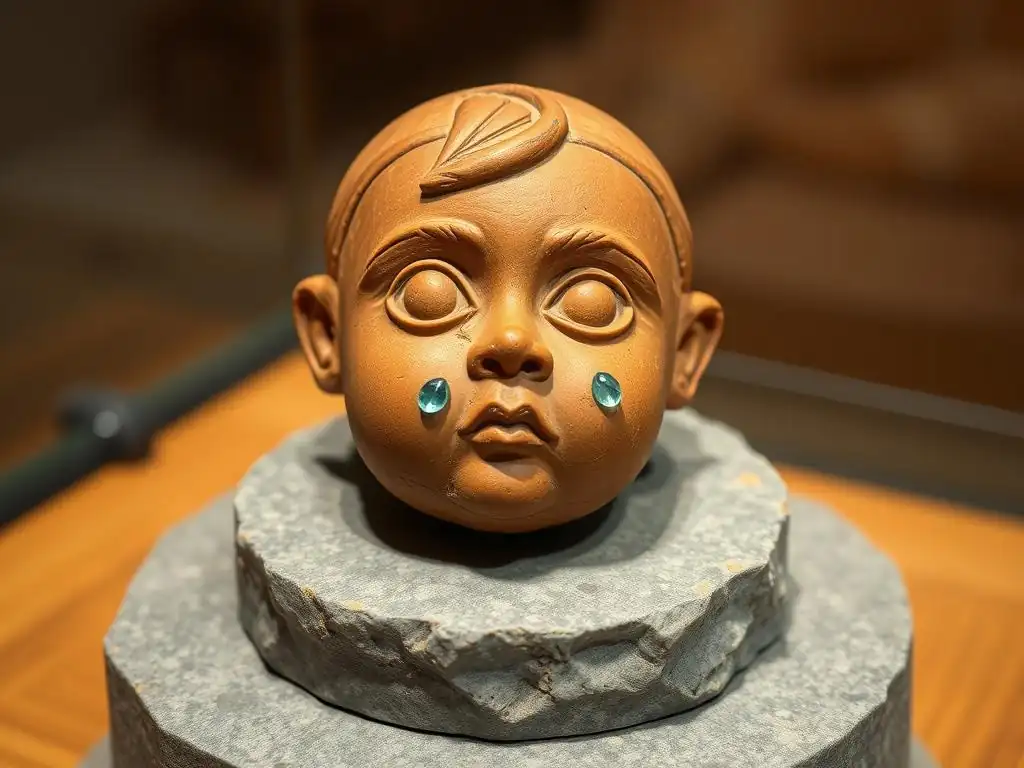
Excavation Techniques and Challenges in Finding Delicate Artifacts
The discovery of childhood adornment in archaeological contexts presents unique challenges due to the fragile nature of the artifacts and the often-delicate remains of infants and young children. Excavation techniques must be meticulously precise, often employing micro-excavation methods where soil is carefully removed in thin layers, sometimes using dental tools or brushes.
Sediment samples are frequently sieved through very fine meshes (e.g., 1-2mm) to recover tiny beads, fragments of organic materials, or small amulets that might otherwise be overlooked. Contextual data, such as the exact position of an amulet relative to skeletal remains, is crucial for interpreting its function and meaning.
Preservation conditions also pose significant hurdles. Materials like textiles, leather, or wood, which might have formed part of the adornment or its stringing, rarely survive in the archaeological record unless conditions are exceptionally dry, waterlogged, or frozen. Even durable materials like bone, shell, or certain stones can degrade over millennia. Identifying child burials themselves can be challenging, as infant bones are small and easily disturbed or mistaken for animal remains. These factors mean that while millions of children lived in antiquity, the archaeological evidence for their personal adornment, though significant, represents only a fraction of what once existed.
Case Studies: Notable Discoveries of Children's Amulets and Beads
Notable discoveries of children's amulets and beads span across diverse archaeological sites, offering invaluable insights into ancient protective practices. In the Near East, excavations at sites like Tell Brak in Syria have revealed early examples of eye amulets, dating back to the Uruk period (circa 4th millennium BCE), some small enough to have been worn by children, signifying a very ancient concern for shielding the young.
From Bronze Age Minoan Crete, numerous small beads and pendants, often made of faience or semi-precious stones, have been found in children's graves at sites like Gournia, suggesting a widespread practice of adorning infants for protection.
In the Roman world, hundreds of bullae have been recovered from various sites, including Pompeii and Herculaneum, providing direct evidence of their use as protective talismans for children before puberty. While specific figures can be hard to quantify due to varied reporting, the sheer volume of such finds across different periods and regions underscores the universality of the practice. Each discovery, whether a single carnelian bead or an elaborate necklace from a child's burial, contributes significantly to our understanding of the ancient amulet symbolism meanings and the deep-seated cultural beliefs surrounding childhood vulnerability.
The Tomb of Tutankhamun: Amulets and Jewelry for the Boy King
The discovery of the tomb of Tutankhamun in 1922 provided an unparalleled glimpse into the protective adornment lavished upon a royal child in ancient Egypt. The mummy of the boy king, who died around the age of 19, was literally covered in hundreds of amulets and pieces of jewelry, meticulously placed between the linen bandages.
These items were not merely decorative but served a crucial apotropaic function, designed to protect the pharaoh in his journey to the afterlife and ensure his rebirth. The sheer quantity and variety of these items illustrate the profound importance of ancient amulet symbolism meanings in royal funerary practices.
Among the numerous amulets found, many were specifically intended for protection: dozens of scarabs for rebirth, djed pillars for stability, Udjat Eyes for healing and protection against evil, and various deities like Isis, Nephthys, and Taweret to guard specific body parts or aspects of his being. These were crafted from gold, lapis lazuli, carnelian, turquoise, and other precious materials, reflecting the king's divine status.
This extraordinary assemblage provides a unique case study, demonstrating the zenith of protective adornment for a child, albeit one of immense power, and vividly illustrating the deep-seated belief in the efficacy of amulets to safeguard the vulnerable.
The Role of Ritual and Magic in Protecting Children from Harm
The protection of children in ancient societies was deeply intertwined with ritual and magic, reflecting a worldview where the boundaries between the natural and supernatural were fluid. Amulets and protective adornments were not passive objects but active agents in a complex system of belief designed to counteract perceived threats. These threats were diverse, ranging from common illnesses and accidents to the malevolent intentions of spirits, demons, or the "evil eye." Rituals, often involving incantations, offerings, or specific purifications, were performed to activate or enhance the protective power of these items, embedding them within a broader magical framework.
For instance, a newly crafted amulet might undergo a consecration ceremony, or a child wearing a protective necklace might be subjected to a periodic cleansing ritual. This interplay between tangible adornment and intangible ritual highlights a comprehensive approach to safeguarding the young. The ancient amulet symbolism meanings were often understood through these rituals, reinforcing their efficacy and integrating them into the daily lives and religious practices of the community. These practices offered psychological comfort to parents in an unpredictable world, providing a sense of agency against forces they could not otherwise control.
Beliefs About Childhood Vulnerability and the Spirit World
Ancient societies grappled with extremely high infant and child mortality rates, a reality that profoundly shaped their beliefs about childhood vulnerability and the spirit world. With a significant portion of children not surviving past their fifth birthday, it was common to attribute these deaths to unseen forces, malevolent spirits, or the wrath of deities, rather than solely to disease.
This belief system fostered a pervasive anxiety that children were particularly susceptible to supernatural dangers, making them prime targets for protective measures. Amulets and protective adornments served as tangible manifestations of this deep-seated concern, acting as a buffer against these invisible threats.
Children were often seen as being closer to the spirit world, more susceptible to possession or the influence of malevolent entities due to their undeveloped souls or innocent nature. This perception led to the widespread adoption of specific ancient amulet symbolism meanings intended to repel evil, confuse spirits, or invoke benevolent guardians. The presence of protective items in child burials further underscores this belief, suggesting that the need for safeguarding extended beyond life into the journey through the afterlife, ensuring the child's safe passage and rebirth.
While the fundamental desire to protect children was universal across ancient societies, social status significantly influenced access to the materials and craftsmanship of protective adornment. Elite families, including royalty and wealthy nobles, could afford amulets crafted from precious metals like gold and silver, adorned with rare and expensive gemstones such as lapis lazuli, carnelian, or turquoise. These items were not only imbued with protective power but also served as conspicuous displays of wealth and status, as seen in the opulent grave goods of young pharaohs.
In contrast, children from common or lower-status families typically wore amulets made from more readily available and less expensive materials, such as faience, clay, bone, shell, or simple stones. While the material value differed, the ancient amulet symbolism meanings and their perceived protective efficacy were often similar, reflecting a shared cultural understanding of the dangers children faced. The widespread use of mass-produced faience amulets in Egypt, for instance, demonstrates that protective adornment was accessible to a broad spectrum of society, ensuring that the universal need for child protection transcended economic divides, even if the means of expression varied.
From Ancient Beliefs to Modern Interpretations: The Enduring Appeal of Amulets
The Psychological Significance of Amulets and Protective Charms
The enduring appeal of amulets and protective charms, from antiquity to modern times, speaks to a fundamental psychological human need for security and control in an often unpredictable world. For ancient parents, facing high infant mortality rates and limited medical knowledge, equipping their children with amulets provided a tangible means of agency against unseen dangers and a profound sense of comfort.
These objects served as powerful symbols of hope and protection, alleviating anxieties and fostering a belief that everything possible was being done to safeguard their child. The ancient amulet symbolism meanings provided a framework for understanding and addressing life's uncertainties.
This psychological function extends beyond ancient contexts. Even today, many individuals wear "lucky" charms, religious medals, or sentimental items that offer a similar sense of reassurance and connection to protective forces. While the specific beliefs about their efficacy may have evolved, the underlying human desire for a tangible representation of safety and well-being remains constant. Amulets, whether ancient or modern, tap into a deep-seated human need for control over the uncontrollable, providing a psychological anchor in times of vulnerability and uncertainty.
Ethical Considerations in the Study of Childhood Adornment
The archaeological study of childhood adornment, particularly when associated with human remains, necessitates careful ethical consideration and sensitivity. These delicate artifacts and the skeletal remains of children offer invaluable insights into past lives, beliefs, and societal structures. However, their excavation, analysis, and interpretation must be conducted with the utmost respect for the deceased individuals and their cultural heritage. This includes adhering to modern ethical guidelines regarding the excavation and curation of human remains, which often involve consultation with descendant communities or cultural representatives.
Furthermore, the interpretation of ancient amulet symbolism meanings and the rituals surrounding child protection requires a nuanced approach, avoiding sensationalism or misrepresentation. Researchers must strive to present findings in a manner that honors the humanity of the individuals studied, acknowledging the profound emotional and spiritual significance these items held for ancient parents and communities. The goal is to contribute to knowledge while maintaining a deep respect for the human dimension of the archaeological record, ensuring that the stories of ancient children are told with dignity and integrity.
Conclusion: The Legacy of Childhood Protection in Ancient Cultures
Summarizing the Importance of Amulets and Beads in Protecting Ancient Children
The widespread practice of adorning children with amulets and beads in ancient cultures underscores a universal and deeply ingrained human impulse: the profound desire to protect the young. From the elaborate golden scarabs of Egyptian pharaohs to the humble faience beads of commoners, these artifacts were far more than mere ornamentation.
They were vital components of a comprehensive system of belief and practice, imbued with potent ancient amulet symbolism meanings intended to ward off illness, malevolent spirits, and misfortune in a world fraught with danger and high infant mortality. These adornments served as tangible expressions of parental love, societal anxieties, and deep-seated religious convictions, illustrating the lengths to which ancient communities went to safeguard their most vulnerable members.
The archaeological record, despite its challenges in preserving such delicate items, consistently reveals the pervasive nature of these practices across diverse civilizations, from Mesopotamia's cylinder seals to Rome's bullae and China's jade pendants. Each culture developed unique forms and symbols, yet all shared the fundamental belief in the apotropaic power of these objects. Studying these items provides invaluable insights not only into material culture but also into the emotional, spiritual, and social landscapes of antiquity, revealing a universal human concern that transcends time and geography.
Future Research Directions in Childhood Adornment Studies
Future research in childhood adornment studies holds immense potential for deepening our understanding of ancient societies and the ancient amulet symbolism meanings embedded within their protective practices. One key direction involves increasingly interdisciplinary approaches, combining archaeological findings with advancements in bioarchaeology (e.g., isotopic analysis for diet and migration, paleopathology for disease), material science (e.g., non-invasive analysis of bead composition), and even cognitive archaeology to explore the psychological underpinnings of amulet use. Such integration can offer a more holistic picture of a child's life and the specific threats they faced.
Furthermore, comparative studies across wider geographical regions and chronological periods can reveal broader patterns and unique cultural adaptations in protective adornment. Focusing on less-explored regions or underrepresented social groups within known civilizations could also yield fresh insights, challenging existing narratives. As excavation techniques become more refined and analytical tools more sophisticated, there is an ongoing opportunity to uncover new evidence, refine interpretations, and continue to piece together the rich, complex tapestry of childhood protection in the ancient world, ensuring that the legacies of these young lives and their protective charms continue to inform and inspire.
Frequently Asked Questions
What were ancient amulets typically made from?
Ancient amulets were crafted from a diverse range of materials, including precious stones, metals like gold and silver, and even natural objects like bones and shells. The material often held symbolic significance itself.
What was the primary purpose of amulets in ancient cultures?
The primary purpose of ancient amulets was protection. They were believed to ward off evil spirits, illness, and other forms of harm, bringing good luck and well-being to the wearer.
How did the symbolism of ancient amulets vary across different cultures?
The symbolism of amulets was highly culture-specific. Different deities, animals, or geometric shapes were associated with specific powers and desired outcomes in various regions.
Were amulets only worn by children in ancient times?
While the article focuses on childhood adornment, amulets were worn by people of all ages and social statuses in ancient cultures. They provided a sense of security and were believed to offer supernatural assistance.
How can understanding amulet symbolism help us today?
Understanding ancient amulet symbolism provides valuable insights into the beliefs, values, and fears of past civilizations. It allows us to better interpret archaeological finds and appreciate the cultural context of ancient societies.
Final Reflection: Echoes of Protection in Time
The journey through ancient cultures reveals a profound and enduring human desire: to safeguard our children. The intricate ancient amulet symbolism meanings we've explored are not relics of a bygone era, but rather echoes of a primal instinct that resonates even today. The anxieties and hopes woven into these protective adornments remind us that, across millennia, the love and concern for our offspring remains a constant thread in the tapestry of human experience.
This exploration has illuminated how deeply intertwined belief systems were with daily life, shaping not only spiritual practices but also the very objects children wore. Witnessing the universality of this protective impulse, manifested in diverse forms across continents and epochs, underscores the enduring power of cultural heritage. The past is never dead. It's not even past.
- William Faulkner. This quote perfectly encapsulates the way these ancient practices continue to inform our understanding of human psychology and the enduring need for security and hope.
As we close this exploration of childhood adornment, I invite you to reflect on the symbols of protection that resonate within your own life. What beliefs, traditions, or objects offer you a sense of security and well-being? Consider how you might carry forward the spirit of these ancient practices, not through replication, but through a conscious effort to nurture and safeguard the precious lives entrusted to your care. Let the echoes of ancient amulet symbolism inspire you to create a world where every child feels cherished, protected, and empowered to thrive.
Unearth Your Inner Explorer: Connect with the Past!
Thank you for delving into the fascinating world of childhood adornment in ancient cultures. We hope you've gained a deeper appreciation for the symbolic power of amulets and beads. Now, let's bring that knowledge to life!
Here are a few ways to further explore this captivating topic:
- Embark on Your Own Research Expedition: Visit your local museum or library to discover artifacts from ancient cultures and investigate their unique forms of adornment.
- Share Your Insights: Start a discussion about your favorite discoveries from this article with friends, family, or online archaeology communities.
- Design Your Own Amulet: Inspired by the past, create a personal amulet that reflects your own values and protective symbols.
What ancient symbol resonated most with you, and how might you incorporate its meaning into your life today?