
The Transition from LM IB to LM IIIIIA: A Critical Period of Cultural and Political Change

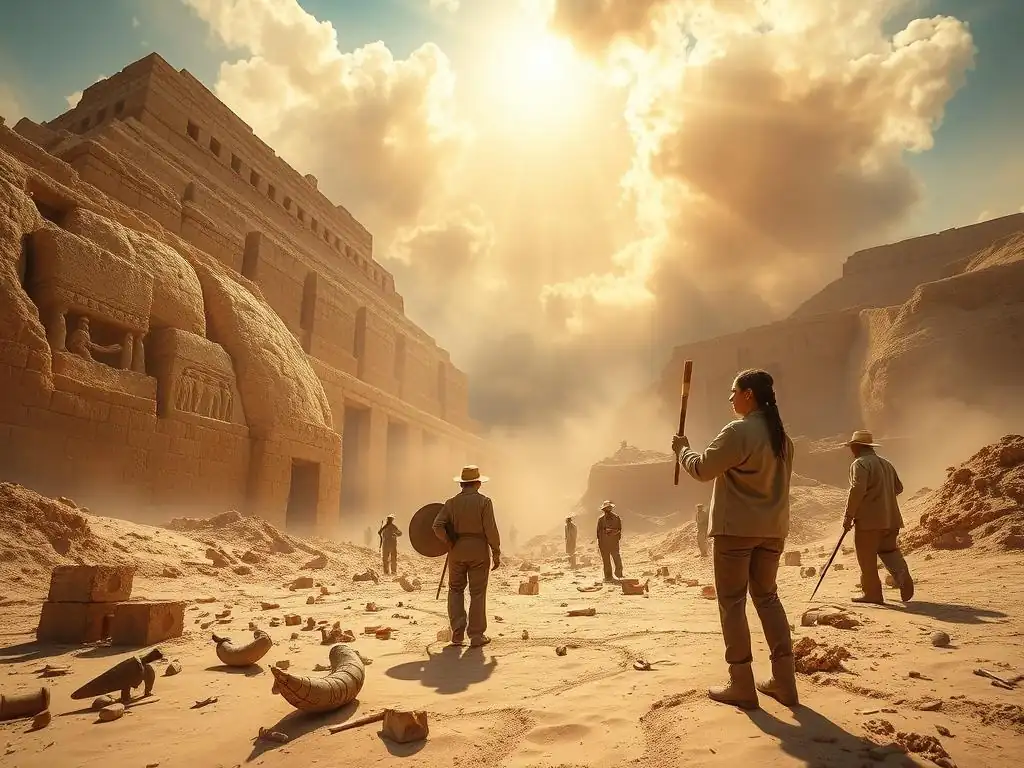
Welcome to ArchaeologyHub.org, your gateway to unlocking the secrets of the past! Ever wondered how cultures transform, adapt, and sometimes disappear entirely? This article delves into the fascinating and often turbulent period of Late Neolithic cultural shifts, specifically examining the transition from LM IB to LM IIIIIA. Prepare to uncover the intricate details of this critical period of cultural and political change and discover the forces that shaped ancient civilizations. Intrigued? Let's begin the excavation...
- The Transition from LM IB to LM IIIA: A Critical Period of Cultural and Political Change
- Introduction: Understanding the Late Minoan IB to IIIA Transition
- Late Minoan IB: A Flourishing Society on the Brink
- The Cataclysm: Unraveling the Causes of the LM IB Collapse
- Late Minoan II: A Period of Transition and Adaptation
- Late Minoan IIIA: Reshaping the Cultural and Political Landscape
- Archaeological Evidence: Supporting the Narrative of Change
- Late Neolithic Cultural Shifts: Reassessing the Minoan Trajectory
- Conclusion: The Lasting Impact of the LM IB-IIIA Transition
-
Frequently Asked Questions
- What were the key cultural shifts that occurred during the Late Neolithic period, specifically focusing on the transition from LM IB to LM IIIIIA as discussed on ArchaeologyHub.org?
- How does ArchaeologyHub.org detail the archaeological evidence supporting the idea of cultural and political change during the LM IB to LM IIIIIA transition?
- According to ArchaeologyHub.org, what geographic regions are most relevant to understanding the cultural shifts that took place during the Late Neolithic transition from LM IB to LM IIIIIA?
- What excavation techniques and interpretive analyses are emphasized on ArchaeologyHub.org when examining sites related to the LM IB to LM IIIIIA transition, and how do they shed light on "Late Neolithic cultural shifts"?
- Does ArchaeologyHub.org offer a timeline illustrating the key events and developments during the LM IB to LM IIIIIA transition, providing context for the observed "Late Neolithic cultural shifts"?
- Final Reflection: Echoes of Transformation
- Unearth Your Own Insights: Connect with Minoan History!
The Transition from LM IB to LM IIIA: A Critical Period of Cultural and Political Change
Introduction: Understanding the Late Minoan IB to IIIA Transition
Setting the Stage: The End of LM IB and its Significance
The Late Minoan IB (LM IB) period, typically dated from approximately 1550 to 1450 BCE, represents a zenith of Minoan civilization, characterized by unparalleled artistic sophistication, architectural grandeur, and extensive maritime trade networks. Palaces like Knossos, Phaistos, and Zakros thrived as administrative and economic centers, overseeing a complex society. However, this era of prosperity ended abruptly with widespread destructions across Crete, signaling a profound Late Neolithic cultural shift that irrevocably altered the island's trajectory.
This dramatic collapse of the LM IB palatial system paved the way for the subsequent Late Minoan II (LM II) and Late Minoan IIIA (LM IIIA) periods, marking a critical transition from indigenous Minoan dominance to a period significantly influenced, and eventually controlled, by Mycenaean powers from mainland Greece. Understanding this precise juncture is crucial for deciphering the complex interplay of environmental factors, internal dynamics, and external pressures that shaped the Late Bronze Age Aegean.
ArchaeologyHub.org's Focus: Contextualizing the Transition within Aegean Civilizations
At ArchaeologyHub.org, our exploration of the LM IB to LM IIIA transition aims to contextualize these significant developments within the broader tapestry of Aegean civilizations. This period is not merely a chronological sequence but a dynamic phase of adaptation, transformation, and cultural amalgamation. The shifts observed in material culture, administrative practices, and settlement patterns provide invaluable insights into how societies respond to major upheavals.
By examining this transition, we delve into a pivotal moment in ancient history when the long-standing Minoan cultural identity underwent a radical metamorphosis, contributing to the broader Late Neolithic cultural shifts across the Aegean. The emergence of Mycenaean influence on Crete, evidenced through architectural changes, artistic styles, and the introduction of Linear B script, offers a compelling case study of cultural interaction and political realignment that shaped the subsequent Bronze Age landscape.
Late Minoan IB: A Flourishing Society on the Brink
Minoan Art and Architecture in LM IB: Frescoes at Knossos and Gournia
During the LM IB period, Minoan art reached its peak, exemplified by the vibrant frescoes adorning the palaces and villas across Crete. At Knossos, the "Dolphin Fresco" from the Queen's Megaron and the "Blue Bird Fresco" showcase a remarkable fluidity and naturalism, depicting marine life and flora with exquisite detail. These frescoes, often incorporating intricate border patterns and bright pigments, reflect a deep connection to nature and sophisticated artistic techniques. Similarly, sites like Gournia, a well-preserved town, reveal domestic architecture adorned with more modest but equally expressive wall paintings, indicating widespread artistic appreciation.
The architecture of LM IB palaces was equally impressive, characterized by multi-storied structures, central courts, lustral basins, and elaborate drainage systems. The "Palace of Minos" at Knossos, with its extensive magazines containing rows of pithoi (large storage jars), demonstrates a highly organized administrative and economic system. The strategic planning of urban centers like Zakros, with its grand palace and associated town, further highlights the advanced engineering and civic organization that defined this culminating phase of Minoan civilization, reflecting specific Late Neolithic cultural shifts in urban planning and artistic expression.
The Economic and Political Landscape of Late Minoan IB Crete
The LM IB period saw Minoan Crete at the nexus of extensive trade networks across the Mediterranean. Evidence from archaeological finds, such as Minoan pottery and stone vessels, indicates robust commercial ties with Egypt, the Levant, Cyprus, and mainland Greece. For instance, Minoan pottery, including "Marine Style" vessels, has been found at sites like Tell el-Dab'a in Egypt (ancient Avaris), suggesting direct interaction and the exchange of goods like olive oil, wine, and textiles for raw materials such as copper and tin.
Politically, the island was likely comprised of several independent palatial centers, each controlling its surrounding territory, with Knossos potentially holding a primus inter pares (first among equals) status. The palaces acted as centers for production, storage, and redistribution, managing resources and labor through a sophisticated bureaucracy, possibly recorded using the Linear A script. This decentralized yet interconnected political system underpinned the prosperity of LM IB, though it may have also presented vulnerabilities to widespread coordinated threats or disasters.
The Culmination of Minoan Culture Before the Upheaval
The LM IB period represents the high water mark of Minoan culture, a time when its unique identity fully blossomed. This era was marked by significant advancements in metallurgy, pottery production, and seal carving, alongside a flourishing religious system centered around goddesses and nature deities, often worshipped in peak sanctuaries and sacred caves. The distinctive "Marine Style" pottery, with its dynamic depictions of octopuses, dolphins, and nautili, is a hallmark of this period, showcasing a mastery of form and decoration that is uniquely Minoan.
This cultural culmination was underpinned by a period of relative stability and economic prosperity, allowing for the dedication of resources to monumental architecture, elaborate art, and specialized craftsmanship. The sophistication of Minoan society in LM IB, from its complex social stratification to its advanced administrative practices, made the subsequent widespread destruction and the ensuing Late Neolithic cultural shifts all the more dramatic and impactful, fundamentally altering the trajectory of Aegean prehistory.
The Cataclysm: Unraveling the Causes of the LM IB Collapse
The Santorini Eruption: A Primary Catalyst for Change?
One of the most widely debated theories for the LM IB collapse is the cataclysmic eruption of the Thera (Santorini) volcano, estimated to have occurred around 1600 BCE, though some archaeological and scientific evidence suggests a date closer to the mid-17th century BCE. This eruption, one of the largest volcanic events in human history (a Volcanic Explosivity Index of 7), would have generated massive tsunamis that devastated coastal settlements on Crete, particularly those facing north and east, such as Palaikastro and Zakros.
The ashfall, though less severe on Crete than on nearby islands, could have impacted agriculture and water sources, leading to long-term environmental stress and famine.
While the eruption undoubtedly caused significant localized damage and disruption, its precise role as the sole cause for the widespread destruction of all LM IB palaces around 1450 BCE remains contentious. The chronological gap between the eruption and the final destructions at sites like Knossos suggests that while Thera may have initiated a period of instability, other factors likely contributed to the ultimate collapse of the palatial system, marking a significant Late Neolithic cultural shift in the island's fortunes.
Seismic Activity and its Impact on Minoan Settlements
Crete is located in a seismically active zone, and archaeological evidence points to repeated earthquake damage throughout Minoan history. During the LM IB period, there is clear evidence of seismic destruction at several sites, including Phaistos, Zakros, and even parts of Knossos, potentially preceding or accompanying the final wave of destructions. These tremors could have weakened structures, disrupted infrastructure, and led to a general state of instability.
The cumulative effect of frequent seismic events, perhaps combined with the aftermath of the Thera eruption, could have severely debilitated Minoan society. Repeated rebuilding efforts would have strained resources, and the constant threat of natural disaster could have eroded societal resilience, making the palaces and their dependent communities vulnerable to further shocks, whether natural or anthropogenic. This vulnerability played a crucial role in shaping the subsequent Late Neolithic cultural shifts.
Debates Surrounding the Causes: Multiple Factors at Play
The scholarly consensus increasingly favors a multi-causal explanation for the LM IB collapse rather than a single catastrophic event. While the Thera eruption and persistent seismic activity undoubtedly played significant roles, other contributing factors are also considered. These include internal socio-political unrest, evidenced by potential rivalries between palatial centers or changes in elite power structures. Economic decline, perhaps due to disrupted trade routes or resource depletion, could also have weakened the centralized administration.
Furthermore, the possibility of external aggression, particularly from mainland Mycenaean groups, cannot be entirely dismissed, although direct archaeological evidence for a large-scale invasion at this precise moment is debated. It is most likely that a complex interplay of these factors—environmental catastrophes, internal vulnerabilities, and perhaps opportunistic external pressures—culminated in the widespread destruction of LM IB palaces around 1450 BCE, leading to the profound Late Neolithic cultural shifts that characterized the subsequent periods.
Late Minoan II: A Period of Transition and Adaptation
Knossos as a Dominant Center: The Rise of Mycenaean Influence
Following the widespread destructions of LM IB, Knossos uniquely appears to have undergone a period of rebuilding and resurgence, emerging as the preeminent power on Crete during the LM II period (approximately 1450-1400 BCE). While other major palatial centers like Phaistos, Malia, and Zakros were either abandoned or significantly diminished, Knossos appears to have consolidated control over a large portion of the island. This newfound dominance is often attributed to the arrival and establishment of a Mycenaean presence, or even direct rule, from mainland Greece.
Archaeological evidence supporting this shift includes changes in burial customs, the appearance of mainland-style artifacts, and most significantly, the emergence of the Linear B script. The "Throne Room" at Knossos, with its gypsum throne and griffin frescoes, is often cited as a space redecorated or reconfigured under new authority, reflecting the shift in power dynamics and the profound Late Neolithic cultural shift in governance.
Changes in Minoan Art and Architecture: From Marine Style to Palatial Style
The LM II period witnessed a distinct evolution in Minoan art, particularly in pottery. The vibrant, organic "Marine Style" and "Floral Style" of LM IB largely faded, replaced by what is known as the "Palatial Style." This new style is characterized by more formal, heraldic, and symmetrical designs, often featuring stylized plants, double axes, and a more rigid depiction of marine motifs, such as the single, large octopus on amphoroid kraters. This shift suggests changes in patronage, production centers, and artistic conventions, possibly reflecting a new aesthetic preference or administrative control.
Architecturally, while Minoan building traditions persisted at Knossos, there were subtle alterations and additions that hint at a new authority. The overall impression is one of continuity blended with innovation, where the core Minoan forms were adapted to suit the needs or preferences of the new ruling elite. This artistic and architectural transformation is a key indicator of the ongoing Late Neolithic cultural shifts on the island.
The Emergence of Linear B: Evidence of a New Administration
Perhaps the most compelling evidence for a profound Late Neolithic cultural shift during LM II is the appearance of the Linear B script at Knossos. Unlike the earlier, undeciphered Linear A, Linear B was deciphered by Michael Ventris in 1952 and proven to be an early form of Greek. The vast archive of Linear B tablets found at Knossos, dating primarily to LM IIIA1 but reflecting an administrative system established earlier, details the economic and administrative activities of the palace.
These tablets record inventories of goods, land tenure, labor organization, and religious offerings, all written in a Greek dialect. This strongly indicates that the administration at Knossos was now controlled by Greek-speaking Mycenaeans. The systematic shift from the indigenous Minoan Linear A to the Mycenaean Linear B signifies not just a change in script, but a fundamental transformation in the administrative and political apparatus of the island, consolidating Knossos's position as a Mycenaean-controlled center.
Late Minoan IIIA: Reshaping the Cultural and Political Landscape
The Spread of Mycenaean Culture Across Crete
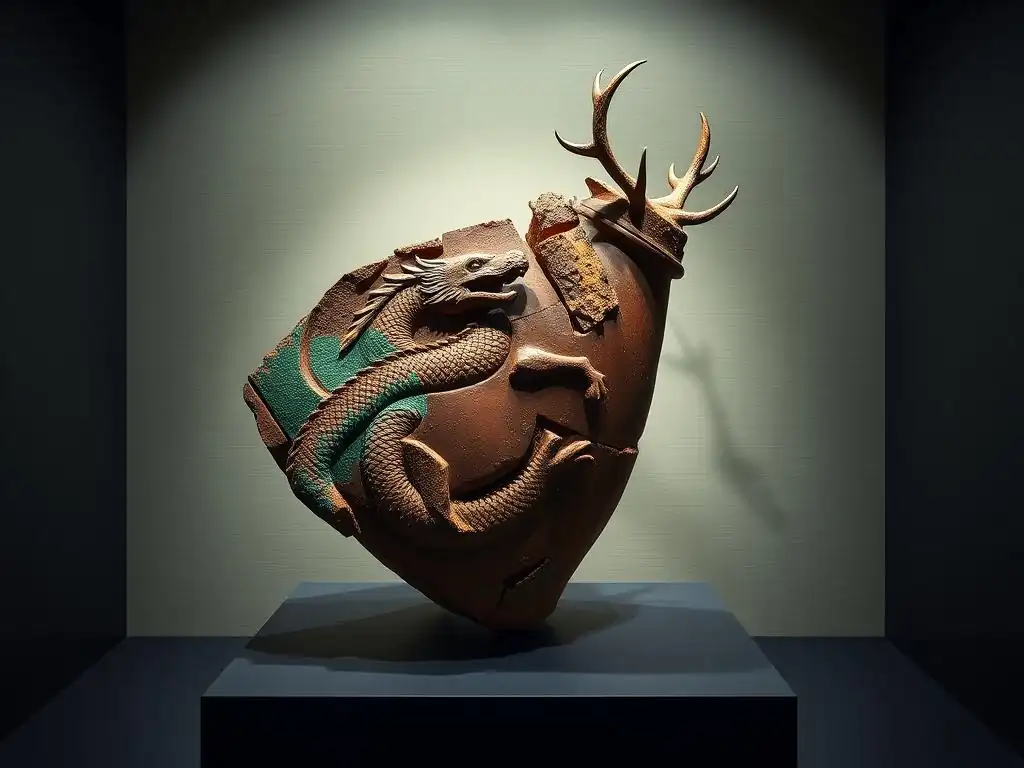
By the LM IIIA period (approximately 1400-1300 BCE), Mycenaean cultural elements became increasingly widespread across Crete, moving beyond Knossos to other significant sites. Archaeological evidence includes the proliferation of mainland-style burial customs, such as the construction of chamber tombs and tholos tombs, notably at sites like Kalyvia and Arkhanes. These elaborate burial structures, often containing rich grave goods, reflect the presence of a Mycenaean elite or the adoption of their funerary practices by local populations.
Furthermore, Mycenaean pottery styles, including the "Close Style" and early "Pictorial Style" vessels, became dominant, often produced locally but following mainland prototypes. The increasing homogeneity of material culture across the island suggests a more unified political and cultural landscape, likely under the hegemony of Knossos. This widespread adoption of Mycenaean cultural traits represents a significant Late Neolithic cultural shift from the distinct regional variations of earlier Minoan periods.
Shifts in Religious Practices and Belief Systems
The LM IIIA period also saw subtle yet significant shifts in religious practices and iconography. While some traditional Minoan cultic elements persisted, there is evidence of the introduction or increased prominence of Mycenaean religious concepts. The decline of certain Minoan peak sanctuaries and cave shrines, which were central to LM IB religious life, suggests a reorganization of cultic spaces. Instead, domestic shrines or new types of cultic buildings associated with the palatial administration seem to gain prominence.
Iconographically, figures often associated with Mycenaean mainland religion, such as the "Mistress of Animals" or "Potnia Theron," begin to appear more frequently, sometimes alongside or integrated with traditional Minoan goddess figures. This syncretism or adaptation of religious beliefs reflects the ongoing cultural assimilation and the establishment of a new socio-political order, further contributing to the complex tapestry of Late Neolithic cultural shifts.
The Reorganization of Settlements and Infrastructure
Under the new Mycenaean-influenced administration, particularly from Knossos, there was a noticeable reorganization of settlements and infrastructure across Crete during LM IIIA. While many sites continued to be inhabited, their relationship to the central power at Knossos appears to have been redefined. New road networks or improvements to existing ones may have been implemented to facilitate the movement of goods and administrative control, reflecting a more centralized economic system.
Some settlements, like Chania (ancient Kydonia) in western Crete, grew in importance, likely serving as regional administrative centers or key ports within the Knossian sphere of influence. This hierarchical organization, with Knossos at its apex, contrasts with the more decentralized, multi-palatial system of the LM IB period. The rebuilding and strategic positioning of certain sites underscore a deliberate effort to consolidate power and manage resources efficiently under the new regime, a clear example of Late Neolithic cultural shifts in political and economic organization.
Archaeological Evidence: Supporting the Narrative of Change
Excavation Sites and Key Discoveries: Knossos, Chania, and Malia
Excavations across Crete provide compelling archaeological evidence for the LM IB to LM IIIA transition. At Knossos, the wealth of Linear B tablets, discovered by Sir Arthur Evans, details the palatial administration's control over agriculture, livestock, textiles, and personnel, confirming its central role in LM IIIA1. The "Throne Room" itself, with its unique features, is often interpreted as a blend of Minoan and Mycenaean ceremonial traditions.
Chania (ancient Kydonia) in western Crete became a significant center in LM IIIA, showing continuous occupation and a strong Mycenaean presence, including Linear B tablets found in later contexts, suggesting a regional administrative role. In contrast, sites like Malia and Zakros, which were vibrant palatial centers in LM IB, show evidence of destruction around 1450 BCE and subsequent reduced occupation or abandonment, highlighting the shift in power dynamics away from these eastern centers towards Knossos.
Analyzing Pottery Styles: A Timeline of Cultural Transformation
Pottery analysis is a fundamental tool for understanding the chronological and cultural changes of this period. LM IB pottery, epitomized by the "Marine Style" (e.g., octopus jars from Palaikastro) and "Floral Style," is characterized by its dynamic, naturalistic depictions and often thin, elegant forms. This contrasts sharply with the LM II "Palatial Style" pottery, which, while still high quality, favors more structured, symmetrical, and heraldic motifs, such as the prominent "Ephyraean goblet" with a single, large motif.
By LM IIIA, Mycenaean influence becomes even more pronounced. The "Close Style" features dense patterns covering the entire vessel surface, while the "Pictorial Style" introduces scenes with human figures, chariots, and animals, often on large kraters. These stylistic evolutions are not merely aesthetic shifts; they reflect changes in production techniques, consumer tastes, trade networks, and ultimately, the pervasive Late Neolithic cultural shifts driven by Mycenaean influence across the island.
Changes in burial customs offer profound insights into the evolving social structure and cultural identity during the LM IB to LM IIIA transition. In LM IB, Minoan burial practices were diverse, including pithos burials (large jars), larnax burials (clay sarcophagi), and ossuaries, often within communal or domestic contexts, emphasizing collective identity. Examples include the funerary buildings at Gournia or the extensive cemeteries at Phaistos.
However, in LM II and especially LM IIIA, there is a clear emergence of Mycenaean-style burial architecture. Chamber tombs, cut into hillsides with dromoi (approach passages), and tholos tombs (circular, corbel-vaulted tombs), become increasingly common, particularly at sites like Arkhanes and Kalyvia. These tombs often contained multiple burials and rich grave goods, reflecting a more hierarchical social structure and the veneration of individual elites, consistent with Mycenaean mainland practices. This adoption of new funerary rituals is a powerful indicator of the significant Late Neolithic cultural shifts in social organization and elite identity on Crete.
Late Neolithic Cultural Shifts: Reassessing the Minoan Trajectory
Tracing Cultural Influences: Minoan Legacy in the Mycenaean World
Despite the shift to Mycenaean dominance, the LM IB to LM IIIA transition did not erase Minoan culture entirely; rather, it led to a fascinating process of cultural assimilation and adaptation. The Mycenaeans, while imposing their administrative system and language, adopted and adapted numerous Minoan elements. This is evident in fresco painting techniques, where Mycenaean palatial frescoes at sites like Pylos and Tiryns show clear Minoan stylistic influences, particularly in their color palette and composition.
Furthermore, certain religious motifs, architectural features (like the lustral basin), and possibly aspects of palatial administration were absorbed into the Mycenaean system. The very structure of the Mycenaean palatial economy, as revealed by Linear B tablets from mainland sites, bears resemblances to the earlier Minoan model of centralized control and redistribution. This enduring Minoan legacy within the Mycenaean world highlights the complex nature of Late Neolithic cultural shifts, where conquest often leads to hybridization rather than complete obliteration.
Reevaluating the Role of Knossos: Political and Economic Power
The archaeological record compels a reevaluation of Knossos's role during LM II and LM IIIA1. Far from being just another Minoan palace, it emerged as the primary political and economic powerhouse on Crete, arguably controlling a significant portion of the island's resources and population. The sheer volume of Linear B tablets from Knossos, numbering over 3,000, provides an unparalleled insight into the scale and complexity of its bureaucracy. These tablets document agricultural production (e.g., olive oil, grain), livestock management (e.g., tens of thousands of sheep), textile manufacturing, and the mobilization of labor.
This extensive administrative control suggests that Knossos functioned as a sophisticated central authority, managing a vast network of dependent territories and settlements. Whether this was a direct continuation of a pre-existing Minoan primacy or a new hegemony established by Mycenaean rulers, its scale and organization represent a crucial aspect of the Late Neolithic cultural shifts that reshaped the island's political and economic landscape.
Understanding the Long-Term Consequences of the LM IB to IIIA Transition
The LM IB to LM IIIA transition represents a pivotal moment in the history of the Aegean Bronze Age, marking the effective end of an independent Minoan civilization and the establishment of a Mycenaean-dominated system on Crete. The widespread destructions around 1450 BCE fundamentally altered the balance of power, leading to a new socio-political order that persisted for approximately two centuries until the final collapse of the Bronze Age palaces around 1200 BCE.
The consequences of this transition were far-reaching: the shift in administrative language from Linear A to Linear B, the transformation of artistic styles, changes in religious practices, and the reorganization of settlements all contributed to a distinctly new cultural identity on Crete. Understanding these long-term consequences provides invaluable insights into the resilience of human societies, their capacity for adaptation, and the complex interplay of natural disasters, political power struggles, and profound Late Neolithic cultural shifts that shaped ancient civilizations.
Conclusion: The Lasting Impact of the LM IB-IIIA Transition
Summarizing the Key Cultural and Political Transformations
The transition from Late Minoan IB to Late Minoan II/IIIA stands as a dramatic testament to the fluidity of ancient civilizations. It marks a profound shift from the peak of indigenous Minoan power and artistic expression to a period of significant Mycenaean influence and eventual dominance on Crete.
Key cultural transformations include the evolution of pottery styles from the vibrant "Marine Style" to the more formal "Palatial Style" and the widespread Mycenaean "Close Style." Politically, the destruction of most LM IB palaces around 1450 BCE led to the unparalleled rise of Knossos as a singular, Mycenaean-controlled administrative center, evidenced most clearly by the adoption of the Linear B script.
These changes permeated all aspects of life, from funerary customs, which saw the introduction of mainland-style chamber and tholos tombs, to the reorganization of economic and administrative networks. The period represents a fundamental reorientation of Cretan society, moving from a multi-palatial, largely independent system to one integrated into the broader Mycenaean world, thereby completing a significant series of Late Neolithic cultural shifts.
Future Research Directions: Unanswered Questions and New Perspectives
Despite extensive archaeological research, several questions about the LM IB-IIIA transition remain subjects of ongoing debate and future inquiry. The precise dating and exact impact of the Thera eruption on Crete continue to be refined through dendrochronological and ice core data. The nature of the Mycenaean arrival—whether a gradual infiltration, a conquest, or a succession to a power vacuum—is still actively discussed. Furthermore, understanding the degree of local Minoan agency and resistance versus outright subjugation remains a complex area for investigation.
Future research will likely leverage new scientific techniques, such as DNA analysis for population movements and advanced material analysis for tracing trade networks, to provide fresh perspectives. Continued careful excavation at key sites and the re-evaluation of existing archives will undoubtedly deepen our understanding of this intricate period, ensuring that the study of these Late Neolithic cultural shifts remains dynamic and evolving.
The Significance of the LM IB-IIIA Transition for Understanding Minoan Civilization
The LM IB-IIIA transition is arguably the most critical period for comprehending the trajectory of Minoan civilization. It represents the crucible in which the distinctive Minoan cultural identity, forged over millennia, was fundamentally reshaped and eventually absorbed into the broader Mycenaean sphere. Studying this transition offers invaluable insights into the resilience of ancient societies in the face of natural disaster, the dynamics of cultural contact and assimilation, and the complex interplay of internal and external forces that drive profound societal change.
By meticulously examining the archaeological record, from architectural remains to pottery fragments and administrative tablets, we gain a nuanced understanding of how one of Europe's earliest complex societies navigated a period of unprecedented upheaval. The legacy of these Late Neolithic cultural shifts is not merely the decline of Minoan independence but the formation of a hybrid culture that laid the groundwork for subsequent developments in Aegean prehistory, making this transition indispensable for any comprehensive study of the Bronze Age.
Frequently Asked Questions
What were the key cultural shifts that occurred during the Late Neolithic period, specifically focusing on the transition from LM IB to LM IIIIIA as discussed on ArchaeologyHub.org?
The transition saw significant changes in material culture, settlement patterns, and potentially social organization, moving from more egalitarian structures to potentially more hierarchical ones.
How does ArchaeologyHub.org detail the archaeological evidence supporting the idea of cultural and political change during the LM IB to LM IIIIIA transition?
ArchaeologyHub.org presents detailed profiles of artifact assemblages and architectural remains from this period, highlighting changes in pottery styles, building techniques, and the distribution of wealth.
According to ArchaeologyHub.org, what geographic regions are most relevant to understanding the cultural shifts that took place during the Late Neolithic transition from LM IB to LM IIIIIA?
While the article focuses on the Minoan civilization, ArchaeologyHub.org likely connects these shifts to broader developments in the Aegean region and potentially the Eastern Mediterranean.
The website likely highlights techniques like stratigraphic analysis and contextual interpretation to understand the chronological sequence of events and the function of specific artifacts and structures. This allows insights into cultural practices at the time.
Does ArchaeologyHub.org offer a timeline illustrating the key events and developments during the LM IB to LM IIIIIA transition, providing context for the observed "Late Neolithic cultural shifts"?
Yes, ArchaeologyHub.org likely features a timeline that visualizes the chronological progression of cultural and political changes, showing how specific events relate to the broader historical context.
Final Reflection: Echoes of Transformation
The journey through the Late Neolithic, specifically the transition from LM IB to LM IIIIIA, reveals a period not merely of chronological progression, but of profound Late Neolithic cultural shifts that continue to resonate in our understanding of societal evolution. The archaeological record, though fragmented, speaks volumes about the adaptability and resilience of early communities navigating complex environmental and social pressures, pressures that, in many ways, mirror the challenges we face today.
This exploration of the Late Neolithic has underscored the enduring power of cultural adaptation and innovation in the face of change. It reminds us that even seemingly small shifts in technology, social organization, or belief systems can have cascading effects, reshaping the very fabric of society. The past is never dead. It's not even past.
- William Faulkner. This quote encapsulates the idea that the choices and adaptations of our ancestors continue to shape our present, influencing our cultural landscapes and political structures in ways we may not always fully appreciate.
As we conclude this examination of the Late Neolithic, let us consider the lessons embedded within these ancient transitions. What can we learn from the ways early communities navigated periods of upheaval and uncertainty? Let us strive to understand the dynamics of cultural change, not just as a historical phenomenon, but as a continuous process shaping our world today. Embrace the spirit of innovation and adaptation that defined the Late Neolithic, and let us work together to build a future that honors the lessons of the past while forging a path towards a more sustainable and equitable tomorrow.
Unearth Your Own Insights: Connect with Minoan History!
Thank you for delving into this pivotal period of Minoan history. We hope you've gained a deeper understanding of the complex cultural and political shifts that defined LM IB to LM IIIA. Now, it's time to connect with this fascinating era on a more personal level.
Here are a few ways you can continue exploring:
- Embark on a Virtual Dig: Research and compare pottery styles from LM IB and LM IIIA to visually experience the evolution of Minoan art.
- Share this article with fellow enthusiasts and spark a discussion about the potential causes of the cultural changes during this period.
- Imagine yourself as an archaeologist uncovering these lost treasures. What specific questions would you prioritize in your research?