
Climate Change and Environmental Degradation in the Late Bronze Age Aegean Collapse

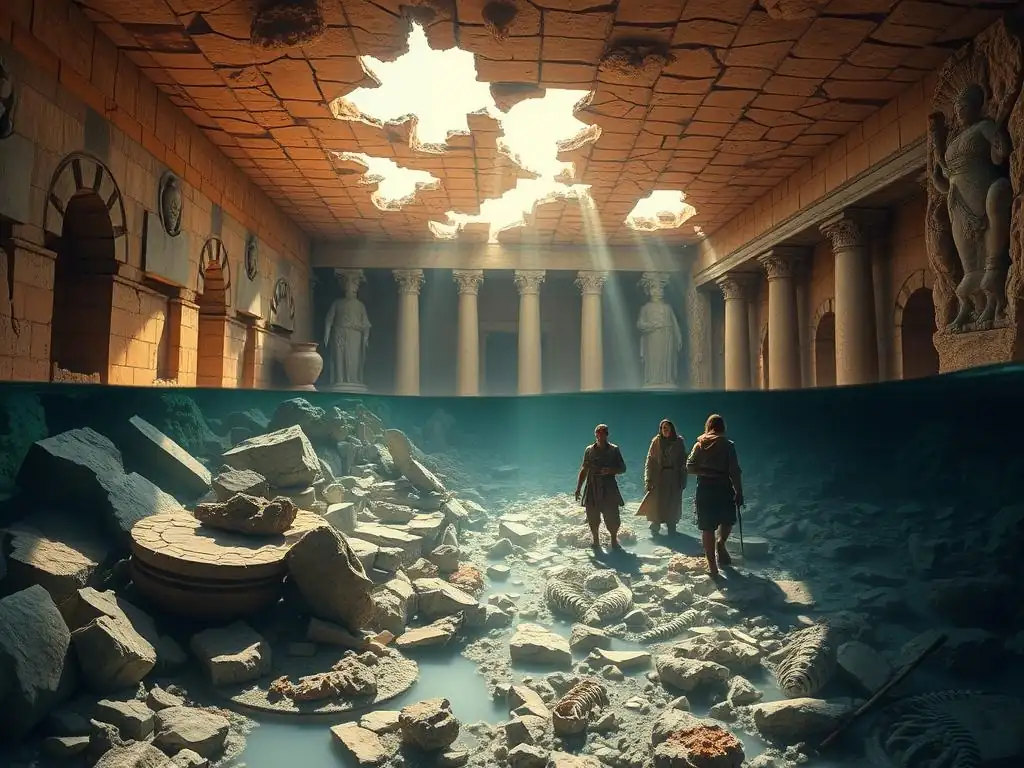
Welcome to ArchaeologyHub.org, your gateway to unlocking the secrets of the past! Ever wondered what truly brought down mighty civilizations? Our in-depth exploration into the Late Bronze Age Aegean collapse delves beyond the legends, uncovering compelling evidence of environmental factors at play. Intrigued? Discover how climate change and resource depletion may have reshaped the ancient world, and what lessons we can learn today. Continue reading to unravel the mysteries...
- Drought and Societal Disruption in the Late Bronze Age Aegean Collapse
- Introduction: Understanding the Late Bronze Age Aegean Collapse
- Late Bronze Age Climate in the Aegean: Evidence of Aridity
- Environmental Degradation: A Contributing Factor to the Aegean Crisis
- Archaeological Evidence of Environmental and Climatic Stress
- The Interplay of Drought, Environment, and Societal Factors
- Case Studies: Examining Specific Sites and Regions
- The Collapse: Societal and Political Transformations
- Alternative Explanations and Debates
- Legacy and Lessons: The Late Bronze Age Aegean Collapse and Modern Water Security Challenges
- Conclusion: Reassessing the Role of Drought and Environment in the Late Bronze Age Aegean Collapse
-
Frequently Asked Questions
- What are the primary theories surrounding the Late Bronze Age Aegean collapse, as presented by ArchaeologyHub.org?
- How does ArchaeologyHub.org link climate change to the Late Bronze Age Aegean collapse?
- What evidence does ArchaeologyHub.org present to support the theory of environmental degradation in the Late Bronze Age Aegean?
- Does ArchaeologyHub.org discuss the role of specific archaeological sites in understanding the Late Bronze Age Aegean collapse?
- How does ArchaeologyHub.org organize its information about the Late Bronze Age Aegean collapse for easy access?
- Final Reflection: Echoes of Collapse
- Unearth Your Role in Environmental Stewardship!
Drought and Societal Disruption in the Late Bronze Age Aegean Collapse
Introduction: Understanding the Late Bronze Age Aegean Collapse
Setting the Stage: The Prosperous Aegean World of the Late Bronze Age
The Late Bronze Age (c. 1600-1200 BCE) marked a period of unprecedented prosperity and interconnectedness across the Aegean Sea. This era saw the flourishing of sophisticated civilizations, most notably the Minoans on Crete and the Mycenaeans on mainland Greece. These societies developed complex palatial economies, extensive trade networks reaching as far as Egypt, the Near East, and Anatolia, and produced remarkable art, architecture, and administrative systems, evidenced by the Linear B tablets. Cities like Knossos, Mycenae, Tiryns, and Pylos served as vibrant centers of power, wealth, and cultural innovation.
These powerful Aegean polities were heavily reliant on a stable agricultural base, primarily cultivating cereals like wheat and barley, alongside olives and grapes. Their maritime prowess facilitated the exchange of raw materials, luxury goods, and knowledge, supporting growing populations and intricate social hierarchies. The interconnectedness of these systems, however, also meant that disruptions in one area could have far-reaching consequences, setting the stage for the dramatic and widespread societal transformation known as the Late Bronze Age Aegean collapse.
The Enigma of Collapse: Unraveling the Mysteries of Societal Transformation
Around 1200 BCE, the highly centralized and prosperous societies of the Late Bronze Age Aegean experienced a sudden and widespread breakdown. Major palatial centers such as Mycenae, Tiryns, and Pylos on the mainland, and post-palatial settlements on Crete, suffered destruction, abandonment, or significant decline. Archaeological evidence reveals widespread destruction layers, cessation of long-distance trade, the disappearance of complex administrative systems like Linear B, and a drastic reduction in population and settlement density, marking the end of an era and the beginning of a "Dark Age."
The abrupt and pervasive nature of this societal collapse has puzzled scholars for decades, leading to numerous theories ranging from natural disasters and internal revolts to external invasions. However, no single monocausal explanation fully accounts for the scale and synchronicity of the destructions and transformations observed across the region. Recent interdisciplinary research increasingly points towards a complex interplay of factors, with environmental and climatic shifts emerging as significant contributors to the profound Late Bronze Age Aegean collapse.
Linking Drought, Environment, and Societal Change in the Aegean
This article will explore the intricate and often overlooked relationship between climate change, specifically prolonged periods of drought, and environmental degradation as critical drivers of the Late Bronze Age Aegean collapse. We will delve into how shifts in precipitation patterns and the subsequent strain on natural resources exacerbated existing societal vulnerabilities, pushing these complex civilizations to their breaking point. The focus will be on understanding the environmental backdrop against which this monumental societal transformation unfolded.
The hypothesis is that a combination of multi-year droughts and increasing environmental degradation, stemming from both natural climatic shifts and intensive human land use, created a cascade of negative effects. These effects included agricultural failures, food shortages, economic disruption, and heightened competition for dwindling resources, ultimately contributing to widespread societal instability and the eventual demise of the flourishing Bronze Age cultures in the Aegean. Unraveling these environmental connections provides crucial insights into the systemic nature of the Late Bronze Age Aegean collapse.
Late Bronze Age Climate in the Aegean: Evidence of Aridity
Paleoclimatic Records: Reconstructing Past Hydrological Conditions
To understand the climate of the Late Bronze Age, scientists rely on paleoclimatic records—natural archives that preserve information about past environmental conditions. Key methodologies include the analysis of speleothems (cave formations like stalagmites), which record changes in rainfall and temperature through their isotopic composition, and lake and marine sediment cores, which capture shifts in vegetation, dust, and water levels over millennia. For instance, studies of stalagmites from Koutroulis Cave in central Crete and Lake Voulkaria in Greece have provided crucial proxy data.
These sophisticated analyses consistently indicate a significant shift towards drier conditions across the eastern Mediterranean and Aegean region during the late 13th and early 12th centuries BCE. Oxygen isotope ratios (δ18O) in speleothems, for example, show distinct patterns indicative of reduced precipitation and increased aridity. Similarly, changes in pollen assemblages within lake sediments reveal a decline in moisture-loving tree species and an increase in drought-resistant shrubs, reinforcing the picture of a climate becoming increasingly harsh just prior to and during the Late Bronze Age Aegean collapse.
Multi-Year Droughts and Shifting Precipitation Patterns: Specific Climate Events
Paleoclimatic reconstructions pinpoint specific periods of severe, multi-year droughts that would have had devastating impacts on the Aegean's predominantly rain-fed agricultural systems. Research, including that from the Soreq Cave stalagmite in Israel (a regional climate proxy), suggests a protracted period of aridity across the Eastern Mediterranean from approximately 1250 BCE to 1150 BCE, encompassing the crucial period of the Late Bronze Age Aegean collapse. This was not merely a single dry year but a sustained reduction in rainfall over several decades.
Such prolonged aridity would have depleted vital water reserves, including aquifers, rivers, and springs, which were essential for both human consumption and irrigation. Unlike isolated drought years from which societies might recover through stored surpluses, multi-year droughts systematically undermine resilience, leading to cumulative resource depletion. The cumulative effect of these shifting precipitation patterns would have severely strained the agricultural capacity of the Aegean lands, directly contributing to the pressures leading to the Late Bronze Age Aegean collapse.
Impact of Drought on Agriculture and Water Resources
The direct consequences of prolonged drought on the Aegean's agricultural base would have been catastrophic. Staple crops like wheat and barley, which formed the caloric backbone of the Mycenaean and Minoan economies, would have suffered significantly reduced yields. While olive trees and grapevines are more drought-resilient, their production would also diminish over extended dry periods, leading to widespread food shortages and potential famine for the dense populations supported by the palatial systems.
Beyond crop failure, water resources for human consumption and livestock would have dwindled. Rivers would shrink, wells would run dry, and access to potable water would become a critical issue. Livestock, crucial for protein, wool, and labor, would also suffer from lack of pasture and water, impacting animal health and herd sizes. The combined effect of agricultural collapse and water scarcity would have fundamentally destabilized the economic foundations of these complex societies, making them acutely vulnerable to the cascading effects that fueled the Late Bronze Age Aegean collapse.
Environmental Degradation: A Contributing Factor to the Aegean Crisis
Deforestation and Soil Erosion: The Consequences of Land Use and Drought
The flourishing Late Bronze Age societies, with their growing populations and monumental construction projects, exerted significant pressure on the natural environment. Extensive land clearing for agriculture, coupled with the high demand for timber for shipbuilding, palace construction, and fuel for metallurgy and pottery kilns, led to widespread deforestation across the Aegean landscape. This removal of natural forest cover, particularly on the steep slopes characteristic of Greece and Crete, had profound environmental consequences.
Deforestation directly exacerbates the effects of drought. Forests act as natural sponges, retaining moisture in the soil and regulating water flow. Their removal leads to reduced water infiltration and increased surface runoff, meaning less water is available for groundwater recharge during rainfall events. Furthermore, denuded slopes become highly susceptible to soil erosion, especially during intense, infrequent downpours that might punctuate prolonged dry spells. This loss of fertile topsoil would have progressively degraded agricultural land, reducing its productivity and compounding the crisis during the Late Bronze Age Aegean collapse.
Overgrazing and Land Use Changes: Altering the Aegean Landscape Under Stress
Livestock, primarily sheep, goats, and cattle, played a vital role in the Bronze Age Aegean economy, providing meat, milk, wool, and draft power. As populations grew and demand for animal products increased, pressure on grazing lands intensified. Overgrazing, particularly in marginal areas and during periods of drought when natural pastures were scarce, became a significant factor in environmental degradation.
When animals graze excessively, they remove protective vegetation cover, compact the soil, and prevent plant regeneration. This process accelerates soil erosion and further diminishes the land's capacity to retain moisture, creating a vicious cycle of degradation. The expansion of agricultural land into previously uncultivated areas, often on less fertile or steeper terrain, also contributed to soil instability. These land use changes, combined with climatic stress, steadily altered the Aegean landscape, transforming productive land into degraded, less fertile areas and placing immense strain on food production systems preceding the Late Bronze Age Aegean collapse.
The Role of Environmental Stress in Societal Vulnerability
The cumulative impact of environmental degradation, including deforestation, soil erosion, and overgrazing, significantly weakened the inherent resilience of Aegean societies. It systematically reduced the carrying capacity of the land, meaning the environment could support fewer people and less livestock. This gradual erosion of natural capital made these societies inherently more susceptible to external shocks, such as prolonged droughts or disruptions to trade.
Environmental pressures created a dangerous feedback loop with climatic stressors: drought led to desperate measures like expanding cultivation onto marginal lands, which were then rapidly degraded. This degradation, in turn, reduced the land's ability to recover from dry spells, making subsequent droughts even more devastating. This heightened environmental vulnerability was a critical, often overlooked, factor that rendered the complex Bronze Age systems fragile and susceptible to the widespread and profound Late Bronze Age Aegean collapse.
Archaeological Evidence of Environmental and Climatic Stress
Excavations and Environmental Proxies: Unearthing Clues to Past Environments
Archaeological excavations offer invaluable insights into past environments, extending beyond the study of human artifacts to include environmental proxies. Archaeologists meticulously analyze sediment layers, which can reveal evidence of shifting water levels, flood events, or increased dust deposition indicative of aridity. The recovery and analysis of macrobotanical remains (seeds, charcoal, wood) and microfauna (small animal bones) from archaeological contexts provide direct evidence of past vegetation, diet, and local environmental conditions.
While indirect, these proxies provide tangible evidence of environmental changes that occurred concurrently with or prior to the Late Bronze Age Aegean collapse. For example, changes in the composition of soil profiles in agricultural areas can indicate severe erosion, while the presence of specific types of preserved wood can suggest deforestation. The careful stratigraphic analysis of these environmental indicators within archaeological sites allows researchers to correlate human activities and societal changes with broader environmental shifts, revealing the deep interplay between them.
Analyzing Plant Remains (Pollen Analysis) to Understand Vegetation Shifts Towards Drought-Resistant Species
Pollen analysis, or palynology, is a powerful technique for reconstructing past vegetation and climate. Microscopic pollen grains, remarkably well-preserved in lake sediments, peat bogs, and sometimes archaeological layers, provide a continuous record of regional flora. By identifying and quantifying different pollen types, palynologists can infer changes in dominant plant communities over time, which are often directly linked to climatic fluctuations.
In the Aegean, pollen records from sites like Lake Lerna in the Argolid and Franchthi Cave demonstrate significant shifts in vegetation around 1200 BCE. These records often show a marked decrease in arboreal pollen (e.g., oak, pine, fir), indicating a reduction in forest cover, and a corresponding increase in pollen from drought-resistant, open-land species such as Mediterranean scrub (e.g., Sarcopoterium spinosum) and certain grasses. This shift strongly suggests a period of sustained aridity and increased environmental stress, aligning directly with the timing of the Late Bronze Age Aegean collapse.
Studying Animal Bones to Assess Environmental Impact on Fauna and Livestock Management
Zooarchaeology, the study of animal bones from archaeological sites, provides crucial insights into past human-animal interactions and the environmental conditions that influenced them. Analysis of bone assemblages can reveal changes in herd composition (e.g., shifts in the relative abundance of cattle versus sheep/goats), animal health indicators (e.g., stress markers, disease prevalence), and overall animal size. These factors can directly reflect the availability of pasture and water, which are sensitive to climatic and environmental changes.
For instance, a decline in the average size of sheep or cattle bones from Late Bronze Age contexts compared to earlier periods could suggest nutritional stress due to reduced forage quality or availability, a direct consequence of drought and overgrazing. Changes in culling patterns—such as an increase in juvenile animals slaughtered, indicating a desperate attempt to reduce herd size during lean times—can also signal environmental hardship. Such zooarchaeological evidence underscores the direct impact of environmental pressures on the vital livestock economy, contributing to the broader understanding of the Late Bronze Age Aegean collapse.
The Interplay of Drought, Environment, and Societal Factors
Drought as a Catalyst: Triggering a Cascade of Effects
While not necessarily the sole cause, prolonged drought acted as a powerful catalyst in the complex chain of events leading to the Late Bronze Age Aegean collapse. A significant reduction in rainfall directly translated into widespread agricultural failures, particularly for rain-fed crops like cereals. This primary shock then triggered a cascade of secondary effects: dwindling food supplies led to widespread shortages, which in turn caused economic disruption, inflation, and ultimately, social unrest as populations faced starvation and resource scarcity.
A severe, multi-year drought could rapidly overwhelm the existing coping mechanisms of these societies, such as food storage and limited irrigation. The highly centralized palatial economies, while efficient in stable times, may have lacked the flexibility to adapt to such unprecedented environmental stress. The sudden and persistent nature of the aridity pushed these systems beyond their resilience thresholds, acting as a critical accelerant in the profound societal transformations that culminated in the Late Bronze Age Aegean collapse.
Environmental Degradation as an Amplifier: Exacerbating Existing Water Scarcity
The pre-existing or concurrent environmental degradation, driven by intensive land use practices, served as a powerful amplifier of the drought's effects. Deforested hillsides, for example, meant that when the limited rain did fall, it would quickly run off, leading to increased erosion and reduced groundwater recharge, rather than soaking into the soil. This diminished the land's capacity to retain moisture, making already dry periods even more severe and prolonged.
This created a detrimental feedback loop: drought conditions prompted desperate land-use strategies, such as expanding cultivation into marginal, fragile lands, which then rapidly degraded due to poor soil quality and erosion. This further reduced the land's overall productivity and its ability to recover, making future droughts even more devastating. This amplification mechanism, where human-induced environmental changes worsened natural climatic stressors, was crucial to the widespread and systemic nature of the Late Bronze Age Aegean collapse.
Societal Responses and Adaptive Strategies: How Aegean Cultures Responded [or Failed to Respond]
Aegean societies were not entirely passive in the face of environmental challenges. Archaeological evidence suggests some adaptive strategies, such as the construction of extensive storage facilities within palaces (e.g., large pithoi for oil and grain at Knossos), which could buffer against single-year crop failures. Mycenaean sites like Tiryns also developed sophisticated water management systems, including underground cisterns, to secure water supplies.
However, these adaptive strategies may have been insufficient to cope with a prolonged, multi-decadal drought combined with widespread environmental degradation. The rigid and centralized nature of the palatial economies might have limited their flexibility to implement radical changes, such as widespread crop diversification or significant population redistribution. The inability of these complex systems to effectively respond to the scale of the environmental and climatic challenge ultimately contributed to their widespread failure and the ensuing Late Bronze Age Aegean collapse.
Case Studies: Examining Specific Sites and Regions
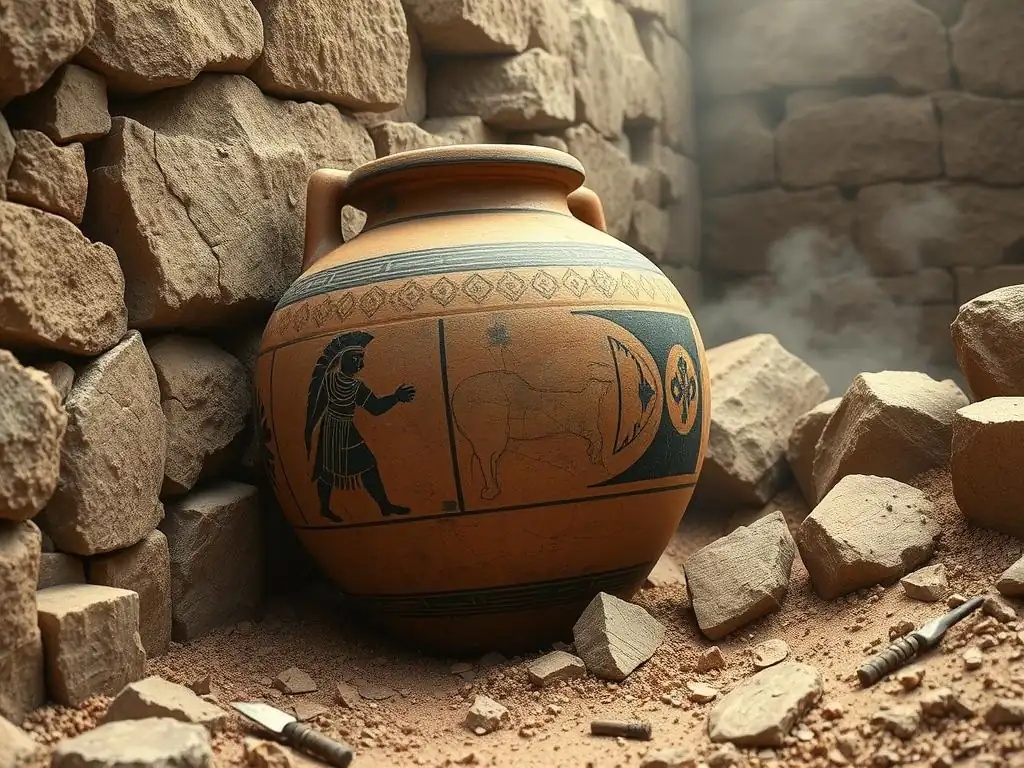
Crete: Investigating the Impact on Minoan Palatial Systems
While the major Minoan palatial collapses (such as those around 1450 BCE) largely predate the broader Late Bronze Age Aegean collapse phenomenon, the final decline of post-palatial Minoan settlements and the overall population reduction on Crete during the 13th and 12th centuries BCE were likely influenced by environmental stressors. Minoan society, with its highly centralized palatial economy reliant on intensive agriculture (especially olives and grapes) and extensive maritime trade, was particularly vulnerable to climate shifts.
Prolonged drought would have severely impacted olive and grape yields, essential components of the Minoan economic surplus used for trade and redistribution. Evidence of shifts in settlement patterns, with some communities moving towards more defensible, less agriculturally optimal locations, could indicate increasing resource scarcity or instability. The progressive decline of population and the eventual abandonment of many sites on Crete during this period underscore the profound impact that environmental pressures, alongside other factors, had on the resilience of these once-dominant centers, contributing to the overall regional Late Bronze Age Aegean collapse.
Mycenae: Analyzing Agricultural Changes in Mainland Greece
Mycenae, the most prominent mainland Greek center, was the heart of a powerful kingdom in the Argolid plain, heavily reliant on intensive agriculture. Linear B tablets from Mycenae and other mainland sites provide detailed records of highly organized agricultural production, including vast quantities of grain, olives, and livestock, managed by the palace administration. This dependency on agricultural surplus made Mycenaean society acutely vulnerable to environmental fluctuations.
A prolonged drought would have directly threatened the palace's ability to feed its large population, maintain its elite, and fulfill its extensive tribute and redistribution obligations. Archaeological surveys in the Argolid have sometimes indicated changes in land use patterns or the abandonment of marginal agricultural areas, which could be interpreted as responses to declining productivity. The sudden destruction and abandonment of Mycenae around 1200 BCE, with evidence of fire and collapse, strongly suggest that its complex agricultural system, stressed by climatic shifts, was a critical factor in its demise during the Late Bronze Age Aegean collapse.
Tiryns: A Detailed Examination of Water Management Strategies
Tiryns, another major Mycenaean center in the Argolid, is renowned for its formidable Cyclopean walls and sophisticated water management systems. The site featured impressive underground cisterns and extensive water conduits designed to channel and store water, providing a reliable supply for the citadel's inhabitants, particularly during periods of siege or drought. These engineering marvels demonstrate a clear awareness of the importance of water security in the Aegean.
However, even such advanced adaptive strategies had their limits. While these systems could buffer against short-term dry spells, a multi-decade drought of the magnitude indicated by paleoclimatic data would have progressively depleted even the most substantial reserves. The inability of these systems to provide sufficient water and support sustained agricultural production in the face of persistent aridity would have rendered Tiryns increasingly vulnerable. The eventual destruction and abandonment of Tiryns, alongside other major centers, highlights that even advanced technological solutions were insufficient to withstand the profound environmental pressures contributing to the Late Bronze Age Aegean collapse.
The Collapse: Societal and Political Transformations
Economic Disruptions and Trade Networks: The Impact on Aegean Economies
The agricultural failures induced by prolonged drought and environmental degradation had immediate and devastating economic consequences. The palatial economies, which relied heavily on agricultural surplus for internal redistribution and as a basis for long-distance trade, would have faltered significantly. Reduced yields meant less food to feed the populace and less surplus to exchange for vital raw materials such as copper and tin, essential for bronze production, and luxury goods that underpinned elite power.
The intricate web of Late Bronze Age trade networks, spanning the entire Eastern Mediterranean, was inherently fragile. If major trading partners, such as Egypt or the Hittite Empire, were simultaneously experiencing their own environmental or political crises (as some evidence suggests), the entire system could unravel. The disruption of these supply chains would have led to severe resource scarcity, further crippling the Aegean economies and contributing directly to the widespread economic collapse observed during the Late Bronze Age Aegean collapse.
Migration and Warfare: Consequences of Resource Scarcity and Competition
Resource scarcity, particularly of food and water, inevitably breeds conflict and displacement. As agricultural production declined and populations faced starvation, internal unrest and competition for dwindling resources would have escalated within and between communities. This pressure could have led to localized conflicts, raids, and the movement of desperate populations in search of sustenance and security.
The famous "Sea Peoples" phenomenon, a group of maritime raiders whose movements are recorded in Egyptian inscriptions and are often associated with the widespread destruction at the end of the Bronze Age, is frequently cited as a major cause of the Late Bronze Age Aegean collapse. While their precise origins and nature remain debated, some theories propose that their movements were partly driven by environmental pressures and resource scarcity in their homelands. Their raids and migrations would have further destabilized an already stressed Aegean world, compounding existing crises and accelerating the Late Bronze Age Aegean collapse.
The economic hardships and external threats stemming from environmental degradation and resource scarcity would have profoundly eroded the authority and legitimacy of the ruling elites. The palatial systems were designed to manage and redistribute resources, provide security, and maintain social order. When these systems could no longer guarantee food security, protect their populations, or maintain their complex administrative functions, popular discontent would have mounted.
The abandonment of major palaces and the abrupt cessation of Linear B administration, as seen across mainland Greece, are clear indicators of a profound political and social breakdown. The inability of the centralized authorities to cope with the cascading effects of environmental stress, economic disruption, and potentially external pressures, led to a fragmentation of power and the disintegration of the existing social order. This widespread political instability was a defining characteristic of the Late Bronze Age Aegean collapse, ushering in a period of decentralization and decline.
Alternative Explanations and Debates
The Role of Earthquakes and Natural Disasters
The Aegean region is one of the most seismically active areas in the world, and major earthquakes have undoubtedly caused significant destruction throughout its history. Some theories propose that a series of devastating earthquakes, possibly occurring in a short timeframe, could have weakened or destroyed major palatial centers, leading to their abandonment and contributing to the Late Bronze Age Aegean collapse. Archaeological evidence at sites like Mycenae and Tiryns does show signs of earthquake damage in some layers.
However, while localized seismic activity could certainly have contributed to the destruction of specific sites, it is generally considered unlikely to be the sole or primary cause of a widespread, synchronous collapse across the entire Aegean. Earthquakes tend to be localized and their effects do not typically explain the systemic, region-wide economic and demographic decline observed. While a major seismic event could have been a contributing factor, acting as a final blow to already weakened structures, it does not fully account for the broad pattern of the Late Bronze Age Aegean collapse.
External Invasions and Migrations: A Competing Hypothesis
The hypothesis of external invasions and migrations, particularly by the enigmatic "Sea Peoples," has long been a prominent explanation for the Late Bronze Age Aegean collapse. This theory posits that waves of foreign invaders, possibly from parts of the Mediterranean or Northern Europe, swept through the Eastern Mediterranean, destroying cities, disrupting trade routes, and directly causing the downfall of major Bronze Age powers, including those in the Aegean. Egyptian records from the reign of Merneptah and Ramesses III describe these "Sea Peoples" as a formidable threat.
While archaeological evidence at many sites shows clear signs of destruction and burning, and some population movements are undeniable, the identity, origins, and precise impact of the "Sea Peoples" remain highly debated. Many scholars now view them not as a singular invading force, but rather as a diverse collection of displaced peoples, mercenaries, or even internal revolts, possibly a symptom or consequence of broader regional instability rather than the sole instigator of the Late Bronze Age Aegean collapse. Their role is increasingly seen as one factor among many, exacerbating an already fragile situation.
Integrating Multiple Factors: A Holistic View of the Late Bronze Age Collapse
The most compelling and widely accepted explanation for the Late Bronze Age Aegean collapse today is a "systems collapse" model. This approach recognizes that no single factor was sufficient to bring down such complex and resilient societies, but rather a synergistic interaction of multiple, interconnected stressors. This integrated view acknowledges the significance of climatic shifts (prolonged drought) and environmental degradation as fundamental pressures.
These environmental challenges severely weakened the economic and social foundations of the Aegean societies, making them vulnerable to other existing weaknesses or external shocks. Internal socio-political fragilities, such as rigid administrative structures or elite overreach, could have limited their adaptive capacity.
Simultaneously, external pressures, whether from migrating groups like the "Sea Peoples" or disruptions to vital trade networks across the broader Eastern Mediterranean, delivered additional blows. It was this perfect storm—a confluence of environmental stress, internal vulnerabilities, and external pressures—that overwhelmed the resilience of the Bronze Age civilizations, leading to a widespread and profound societal transformation that marked the Late Bronze Age Aegean collapse.
Legacy and Lessons: The Late Bronze Age Aegean Collapse and Modern Water Security Challenges
Understanding Past Vulnerabilities to Inform Present-Day Resilience
The study of the Late Bronze Age Aegean collapse offers crucial historical lessons for contemporary societies, particularly concerning their vulnerability to environmental shifts. This ancient catastrophe serves as a powerful case study demonstrating how even highly advanced and interconnected civilizations can succumb to the pressures of prolonged drought and environmental degradation. By understanding the specific mechanisms through which past societies were destabilized, we gain valuable insights into the fragilities inherent in our own complex systems.
The Aegean's experience highlights the critical importance of a robust and adaptive infrastructure for resource management, particularly water. It underscores how dependence on a narrow resource base, coupled with environmental mismanagement, can create systemic risks. Learning from the challenges faced by the Minoans and Mycenaeans can inform modern strategies for building resilience in the face of climate change and increasing water scarcity, thereby preventing similar widespread societal disruptions.
The Importance of Sustainable Water Resource Management
The reliance of Late Bronze Age Aegean societies on often limited and variable water sources, primarily rain-fed agriculture, underscores the paramount importance of sustainable water resource management. The severe consequences of prolonged drought in the Aegean serve as a stark reminder that water is not an infinite resource and its availability is intrinsically linked to societal stability and prosperity.
Modern societies, especially those in arid and semi-arid regions, can draw direct parallels. The lessons from the Late Bronze Age Aegean collapse emphasize the need for diversified water sources, efficient irrigation techniques, robust conservation measures, and long-term strategic planning to ensure water security. Investing in sustainable practices and adapting to changing climatic conditions are essential to prevent resource-driven crises and maintain societal well-being in the face of escalating global water challenges.
Climate Change and Archaeological Interpretation: New Perspectives
The increasing integration of climate science into archaeological research has fundamentally reshaped our understanding of past societal changes, with the Late Bronze Age Aegean collapse being a prime example. Paleoclimatic data, derived from various natural archives, provides a crucial environmental context that allows archaeologists to move beyond purely socio-political or economic explanations for ancient societal transformations. This interdisciplinary approach highlights the profound and often overlooked role of human-environment interactions throughout history.
This new perspective enables a more nuanced interpretation of archaeological findings, revealing how environmental stressors could exacerbate existing social tensions, economic fragilities, or external pressures. By combining scientific data with traditional archaeological evidence, scholars gain a deeper insight into the complex drivers of societal resilience and vulnerability. The ongoing study of the Late Bronze Age Aegean collapse continues to demonstrate the power of interdisciplinary research in illuminating the intricate relationship between climate, environment, and human destiny.
Conclusion: Reassessing the Role of Drought and Environment in the Late Bronze Age Aegean Collapse
Summarizing the Evidence: Drought, Environment, and Societal Change
The evidence strongly suggests that prolonged periods of drought and concurrent environmental degradation played a significant and often catalytic role in the Late Bronze Age Aegean collapse. Paleoclimatic records from speleothems, lake sediments, and pollen analyses consistently indicate a severe and multi-decadal arid phase around 1200 BCE across the Eastern Mediterranean. This climatic shift directly impacted the Aegean's agricultural productivity and strained its vital water resources.
Furthermore, intensive human land use, including deforestation and overgrazing, exacerbated these natural climatic stressors, leading to widespread soil erosion and reduced land capacity. These environmental pressures fundamentally undermined the economic and social foundations of the Minoan and Mycenaean civilizations. While not the sole cause, the environmental context created a critical vulnerability, setting the stage for the systemic breakdown that characterized the profound societal transformation of the Late Bronze Age Aegean collapse.
The Significance of Interdisciplinary Research in Understanding Ancient Civilizations
Understanding a complex event like the Late Bronze Age Aegean collapse necessitates an interdisciplinary approach, integrating insights from archaeology, paleoclimatology, environmental science, and social theory. Relying solely on a single explanatory factor provides an incomplete picture. The interplay between natural environmental shifts and human societal responses—or failures to respond—is a crucial aspect that can only be fully appreciated through a holistic lens.
This integrated research methodology allows scholars to move beyond simplistic monocausal explanations, revealing the intricate web of interacting factors that contributed to the decline of these once-flourishing civilizations. The study of the Late Bronze Age Aegean collapse exemplifies how combining diverse scientific and humanistic disciplines can provide a more comprehensive and accurate understanding of the past, offering valuable lessons for the present and future.
Future Directions for Research: Unanswered Questions and New Methodologies
Despite significant advancements, many questions about the Late Bronze Age Aegean collapse remain unanswered, providing fertile ground for future research. Refining paleoclimatic models to achieve higher spatial and temporal resolution, particularly at regional and local levels within the Aegean, is crucial. Applying new analytical techniques to archaeological materials, such as advanced isotopic analysis of human and animal remains, can offer more precise data on diet, mobility, and environmental stress.
Further detailed regional environmental histories, coupled with analyses of adaptive strategies at specific sites, will continue to enrich our understanding of how different communities coped with, or succumbed to, environmental pressures. The ongoing exploration of these unanswered questions through innovative methodologies will undoubtedly deepen our knowledge of the complex human-environment dynamics that shaped the end of the Bronze Age and contributed to the widespread Late Bronze Age Aegean collapse.
Frequently Asked Questions
What are the primary theories surrounding the Late Bronze Age Aegean collapse, as presented by ArchaeologyHub.org?
The collapse is attributed to a confluence of factors, but climate change and environmental degradation are highlighted as key contributors. Other theories, such as invasions and internal strife, are also acknowledged.
How does ArchaeologyHub.org link climate change to the Late Bronze Age Aegean collapse?
ArchaeologyHub.org explains how prolonged droughts, evidenced by paleoclimatic data, likely led to crop failures, resource scarcity, and widespread famine. This weakened societies and made them vulnerable.
What evidence does ArchaeologyHub.org present to support the theory of environmental degradation in the Late Bronze Age Aegean?
The website mentions evidence of deforestation, soil erosion, and overgrazing, particularly in regions heavily reliant on agriculture. These practices exacerbated the effects of drought.
Does ArchaeologyHub.org discuss the role of specific archaeological sites in understanding the Late Bronze Age Aegean collapse?
Yes, ArchaeologyHub.org often references specific sites like Mycenae and Knossos, analyzing the archaeological record for signs of abandonment, destruction, and shifts in settlement patterns related to the collapse.
How does ArchaeologyHub.org organize its information about the Late Bronze Age Aegean collapse for easy access?
The site employs a geographic and chronological structure, enabling users to explore the collapse's impact across different regions of the Aegean and within specific time periods, facilitating in-depth research.
Okay, here's a final reflection designed to conclude your article, "Climate Change and Environmental Degradation in the Late Bronze Age Aegean Collapse," optimized for the keyword "Late Bronze Age Aegean collapse":
Final Reflection: Echoes of Collapse
The evidence presented throughout this article underscores the undeniable link between climate change, environmental degradation, and the Late Bronze Age Aegean collapse. While pinpointing a single cause remains elusive, the convergence of drought, deforestation, and resource depletion paints a stark picture of a civilization brought to its knees by its vulnerability to environmental shifts – a vulnerability that resonates profoundly with our own present challenges.
The story of the Late Bronze Age Aegean serves as a potent reminder that environmental stewardship is not merely an ethical imperative, but a fundamental requirement for societal survival. The collapse wasn't just a historical event; it was a catastrophic failure of resilience, a lesson etched in the archaeological record. Those who cannot remember the past are condemned to repeat it.
- George Santayana. This quote, though not specific to the Bronze Age, perfectly encapsulates the enduring relevance of understanding these ancient collapses.
As we grapple with the escalating climate crisis, let us not dismiss the lessons of the past. The Late Bronze Age Aegean collapse offers a sobering glimpse into the potential consequences of environmental neglect. Consider how the choices we make today – regarding resource consumption, land management, and climate action – will shape the future of our own civilization. Let us strive to build a more sustainable and resilient world, one where the echoes of collapse serve not as a prophecy, but as a powerful call to action.
Unearth Your Role in Environmental Stewardship!
Thank you for exploring the complexities of the Late Bronze Age Aegean collapse with us. We hope you’ve gained valuable insights into how environmental factors can influence civilizations. Now, let's translate this historical understanding into positive action.
Here are a few ways you can engage:
- Commit to reducing your personal carbon footprint. Small changes can make a big difference!
- Delve deeper! Research local environmental initiatives and discover how you can actively participate in safeguarding our planet.
- Share this article with your network to spark conversation about the importance of environmental awareness and sustainable practices.
What small, sustainable change will you implement this week to honor the lessons of the past?