
Stelae as Historical Documents: Chronicling CityState Events and Royal Deeds in Stone

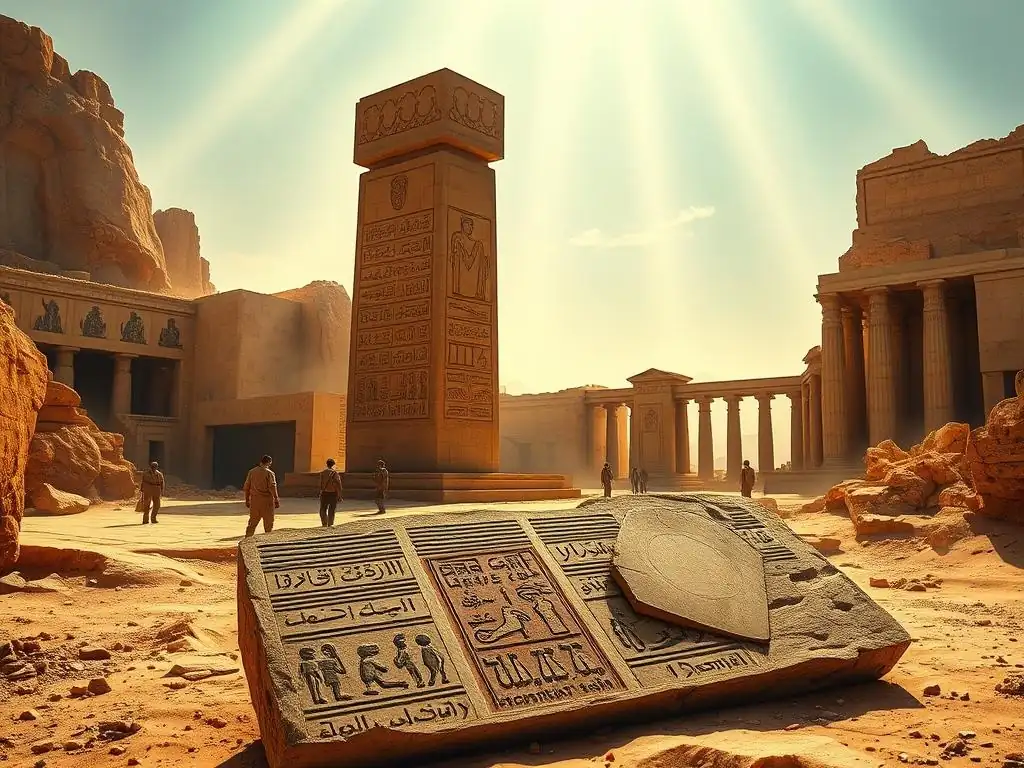
Welcome to ArchaeologyHub.org, your gateway to unlocking the past! Ever wondered how entire city-state histories could be etched in stone? This exploration of Ancient Stelae reveals how these monumental markers served as invaluable historical documents. Delve into their intricate carvings, decipher the stories they tell, and uncover the secrets of vanished civilizations. Prepare to journey back in time and discover how these silent sentinels chronicle events and royal deeds. Ready to decode the past?
- Introduction: Unveiling Ancient History Through Stelae
- What are Stelae? Definition and Archaeological Significance
- Stelae of the Classic Maya Civilization: A Focus on City-States
- Key Events and Royal Deeds Documented on Ancient Stelae
- Case Studies: Examining Specific Stelae from Prominent City-States
- The Art of Stelae: Iconography and Symbolism in Ancient Cultures
- The Preservation and Study of Ancient Stelae: Challenges and Methods
- Stelae Beyond the Maya: Comparative Examples from Other Ancient Civilizations
- Interpreting Stelae: Combining Archaeology, Epigraphy, and Art History
- Conclusion: The Enduring Legacy of Stelae as Historical Sources.
-
Frequently Asked Questions
- How were ancient stelae used to record city-state history?
- What types of events were typically inscribed on stelae relating to city-state history?
- How do stelae contribute to our understanding of ancient city-state history and their royal deeds?
- What materials were commonly used to construct stelae in ancient city-states, and how has this impacted their preservation?
- How does the study of stelae help archaeologists reconstruct the history of a city-state if other written records are scarce or missing?
- Final Reflection: Echoes in Stone, Lessons in Time
- Unearth Your Inner Historian: Connect with the Past!
Introduction: Unveiling Ancient History Through Stelae
The study of ancient civilizations often relies on fragmented evidence, but among the most compelling and durable sources are stelae. These monumental stone slabs, meticulously carved and inscribed, serve as enduring testaments to the political, social, and religious lives of past societies. From the fertile crescent to the jungles of Mesoamerica, stelae were erected to commemorate significant events, legitimize rulers, and record the complex tapestry of "Ancient stelae city state history."
This article delves into the profound significance of stelae, particularly focusing on their role in chronicling the vibrant and often tumultuous "Ancient stelae city state history" of the Classic Maya civilization. We will explore their definition, archaeological context, the intricate art and epigraphy they bear, and the invaluable insights they offer into dynastic successions, military conquests, and elaborate rituals. By examining specific examples, we aim to underscore how these stone monuments unlock the secrets of ancient power dynamics and cultural practices.
What are Stelae? Definition and Archaeological Significance
Defining Stelae: Monumental Stone Markers of the Ancient World
Stelae are essentially upright slabs of stone, typically rectangular or irregular in shape, that have been carved or inscribed with texts, images, or both. Their dimensions vary significantly; Classic Maya stelae, for instance, often range from 2 to 5 meters (approximately 6.5 to 16 feet) in height, though some, like Quirigua Stela E, exceed 10 meters (35 feet). Crafted from readily available local stone such as limestone, sandstone, or basalt, these monuments were meticulously prepared and sometimes painted.
These monumental markers served a variety of public and ceremonial functions across diverse ancient cultures. Unlike smaller artifacts, their sheer size and permanence indicated their importance, designed to be seen and understood by a broad audience. They were not merely decorative but functional objects, acting as enduring historical records that solidified the narratives of "Ancient stelae city state history" for generations.
The Role of Stelae in Preserving Ancient History
Stelae functioned as primary historical documents, offering unparalleled insights into the ideologies, achievements, and political structures of ancient societies. They chronicled royal genealogies, military victories, significant calendrical events, and religious ceremonies, often providing precise dates within sophisticated calendrical systems like the Maya Long Count. This direct, often first-hand, account from the ancients themselves makes stelae invaluable for reconstructing historical timelines.
Their durable stone composition ensured their survival through millennia, often outlasting more fragile records like bark paper codices or wooden artifacts. This resilience has allowed modern archaeologists and epigraphers to piece together narratives of "Ancient stelae city state history" that would otherwise be lost. They are a testament to the desire of ancient rulers to leave a permanent mark on the landscape and in the collective memory of their people.
Archaeological Context: Where Stelae are Found and Their Placement
Archaeologically, stelae are typically discovered in prominent public spaces within ancient urban centers, such as plazas, courtyards, or in front of major temple structures. Their strategic placement indicates their role as central points for public display and ritual activity. In many Maya cities, stelae are found in association with circular altars, suggesting paired monuments used for specific ceremonies or offerings.
The orientation and grouping of stelae often provide clues about their intended purpose and the spatial organization of the city. For example, stelae often marked important astronomical alignments or cardinal directions, reinforcing the ruler's connection to cosmic order. Understanding their precise archaeological context is crucial for interpreting their meaning and their contribution to the narrative of "Ancient stelae city state history."
Stelae of the Classic Maya Civilization: A Focus on City-States
Classic Maya Stelae: Art and Historical Record
Classic Maya stelae represent a pinnacle of Mesoamerican artistic and intellectual achievement, seamlessly blending sophisticated bas-relief carving with intricate hieroglyphic texts. Each monument typically features a central figure, usually the reigning ajaw (ruler), depicted in elaborate ceremonial regalia, often interacting with deities or performing sacred rituals. The artistry captures minute details of costume, jewelry, and physiognomy, providing a visual record of ancient Maya aesthetics.
Beyond their aesthetic appeal, these stelae served as official historical records for "Ancient stelae city state history," detailing the ruler's life, accomplishments, and divine legitimacy. The glyphic panels accompanying the imagery meticulously record birth dates, accessions to power, military campaigns, and dedicatory events, creating a rich narrative that interweaves art and historical documentation. The combination of visual and textual information makes them primary sources for understanding the Classic Maya period.
City-State Rivalries and Dynastic Histories Inscribed on Maya Stelae
The Classic Maya lowlands were characterized by a complex political landscape of competing city-states, and their stelae vividly illustrate this dynamic. Inscriptions frequently recount military conflicts, detailing the capture of rival lords and the subjugation of competing polities. For instance, stelae from Tikal and Calakmul often refer to their long-standing rivalry, with each city commemorating its victories over the other, providing a detailed chronicle of their "Ancient stelae city state history."
Moreover, stelae were instrumental in establishing and reinforcing dynastic claims. They meticulously trace royal lineages, linking current rulers to esteemed ancestors and mythological origins, thereby legitimizing their authority. Genealogies, marriages, and alliances between ruling families are often recorded, offering invaluable insights into the intricate political networks and power struggles that shaped "Ancient stelae city state history."
Deciphering Maya Glyphs: Unlocking the Secrets of Ancient Stelae
The decipherment of Maya hieroglyphic writing, a monumental achievement in modern archaeology, has unlocked the profound historical and cultural information embedded in ancient stelae. Pioneering work by scholars like Yuri Knorozov in the mid-20th century, followed by significant contributions from Linda Schele, David Stuart, and others, revealed that the Maya script is a complex logosyllabic system, combining logograms (whole words) with syllabic signs. This breakthrough allowed for the reading of names, dates, and specific events.
The ability to read Maya glyphs has transformed our understanding of "Ancient stelae city state history" from speculative interpretation to precise historical reconstruction. We can now identify specific rulers, their reign dates, the exact timing of battles (e.g., the defeat of Dos Pilas by Tikal in 672 CE), and the names of their captured enemies. This detailed chronological and biographical information, directly from the ancient texts, has revolutionized the study of the Classic Maya.
Key Events and Royal Deeds Documented on Ancient Stelae
Royal Lineage and Succession: Tracing Dynasties Through Stelae Inscriptions
Stelae served as vital instruments for legitimizing royal authority by meticulously documenting the lineage and succession of rulers. These stone monuments often feature "accession" glyphs, marking the precise date a ruler ascended the throne, alongside "birth" glyphs and references to their parents and predecessors. This created a continuous, public record of dynastic continuity, reinforcing the ruler's rightful claim to power based on ancestral ties.
For example, the stelae of Palenque consistently trace the lineage of its rulers, such as K'inich Janaab' Pakal I, back through several generations, emphasizing their divine right to rule. These inscriptions provide invaluable genealogical data, allowing scholars to reconstruct the family trees of Maya dynasties and understand the mechanisms of power transfer within "Ancient stelae city state history."
Military Victories and Conquests: Commemorating Power on Stone Monuments
Many stelae prominently feature scenes and texts commemorating military triumphs, serving as declarations of a ruler's prowess and the city-state's dominance. These records detail specific battles, the capture of enemy lords, and the subjugation of rival polities. Depictions often include bound captives at the feet of a triumphant ruler, symbolizing the subjugation of foes and the expansion of influence.
A notable example is the series of stelae at Piedras Negras, which chronicle the military campaigns and captive presentations of its rulers, providing a detailed account of their martial "Ancient stelae city state history." These inscriptions not only boasted of victories but also served as a warning to potential adversaries, cementing the image of the ruler as a formidable military leader.
Rituals and Ceremonies: Depictions of Religious Life on Stelae
Beyond politics and warfare, stelae also offer profound insights into the religious and ceremonial life of ancient Maya societies. Many monuments depict rulers performing sacred rituals, such as bloodletting, offerings to deities, or participation in calendrical ceremonies. These scenes often include specific ritual paraphernalia, mythological figures, and cosmological symbols, highlighting the ruler's role as a divine intermediary.
For instance, the stelae at Yaxchilan frequently portray rulers engaged in bloodletting rituals, emphasizing their connection to the supernatural realm and their responsibility for maintaining cosmic order. These detailed depictions and accompanying glyphs provide crucial information about ancient Maya religious practices, beliefs, and the integration of sacred life into the fabric of "Ancient stelae city state history."
Case Studies: Examining Specific Stelae from Prominent City-States
Tikal Stela 31: A Window into Early Classic Maya History
Tikal Stela 31, dedicated in 445 CE by Siyaj Chan K'awiil II (Stormy Sky), is one of the most significant monuments from the Early Classic period at Tikal. It stands as a pivotal piece of evidence for understanding the profound influence of Teotihuacan on Maya politics and iconography. The stela features a large frontal portrait of Siyaj Chan K'awiil II, adorned in elaborate Maya regalia, holding a shield and a Tlaloc effigy spear-thrower.
What makes Stela 31 particularly unique are the two flanking figures on its sides, depicted in distinct Teotihuacan warrior attire, complete with dart boards and feathered headdresses. The accompanying glyphs refer to the arrival of Siyaj K'ak' in 378 CE, an event believed to represent a significant military or political intervention from Teotihuacan that drastically altered Tikal's "Ancient stelae city state history" and the broader Maya political landscape, initiating a new dynastic line.
Copán Stela H: Royal Portraiture and Dynastic Claims
Copán Stela H, erected in 782 CE by K'ak' Yipyaj Chan K'awiil (Smoke Shell), is a masterpiece of Late Classic Maya sculpture, renowned for its almost three-dimensional carving style. It portrays the ruler in an incredibly elaborate costume, embodying the Maize God, with intricate details of jade jewelry, mosaic masks, and feathered headdresses that seem to burst forth from the stone. The stela's artistic sophistication reflects Copán's peak as a major artistic and intellectual center.
The inscriptions on Stela H reinforce K'ak' Yipyaj Chan K'awiil's dynastic legitimacy by linking him to the long line of Copán's rulers, particularly the founder K'inich Yax K'uk' Mo'. This stela, one of several monumental stelae erected during his reign, served to publicly assert his power and divine connection, further solidifying the narrative of Copán's rich "Ancient stelae city state history" and its ruling dynasty.
Quirigua Stela E: Monumental Art and Political Statements
Quirigua Stela E, dedicated in 771 CE by K'ak' Tiliw Chan Yopaat (Cauac Sky), is an extraordinary monument, standing as one of the tallest freestanding stelae in the Maya world, reaching over 10 meters (approximately 35 feet) above ground. Its immense size is not merely an artistic feat but a powerful political statement. It depicts K'ak' Tiliw Chan Yopaat adorned in opulent regalia, holding a ceremonial bar.
The erection of such a colossal monument by Quirigua directly followed its decisive military victory over its former overlord, Copán, in 738 CE, which saw the capture and sacrifice of Copán's powerful ruler Uaxaclajuun Ub'aah K'awiil (18 Rabbit). Stela E, along with other massive stelae at Quirigua, visually proclaimed Quirigua's newfound independence and dominance, dramatically reshaping the balance of power and marking a critical turning point in "Ancient stelae city state history" for both cities.
The Art of Stelae: Iconography and Symbolism in Ancient Cultures
Analyzing Iconographic Elements: Identifying Gods, Rulers, and Symbols
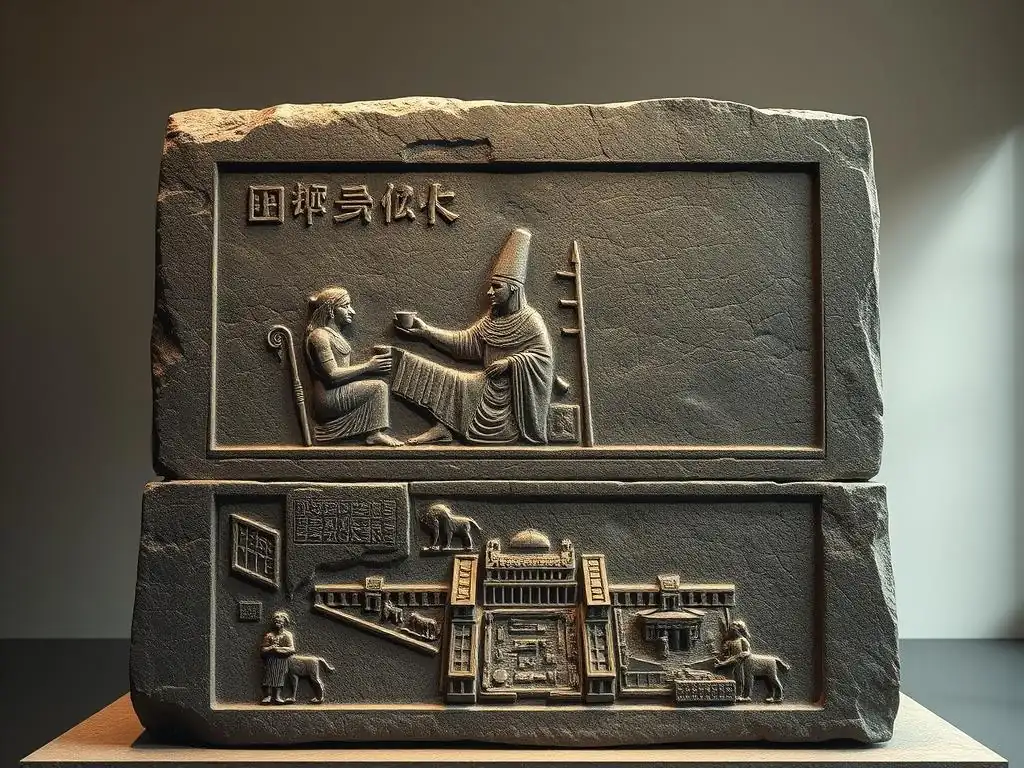
The art of stelae is rich with iconography and symbolism, providing a visual language that complements the written texts. Analyzing these iconographic elements involves systematically identifying recurring motifs, figures, and symbolic objects to decipher their meaning. Rulers are often depicted with specific attributes that signify their divine connections or earthly power, such as jade jewelry, feathered headdresses, or ceremonial staffs.
Deities like K'awiil (god of lightning, serpents, and sustenance) or Itzamná (creator god) are recognizable by their distinct features and associated symbols, often appearing in scenes alongside rulers to emphasize their divine mandate. Animals like jaguars, quetzals, and serpents also carry profound symbolic meanings, representing power, royalty, and cosmological forces. Understanding these elements is crucial for interpreting the full message conveyed by "Ancient stelae city state history" on stone.
The Evolution of Stelae Art: Changes in Style and Content Over Time
The artistic styles and thematic content of stelae evolved significantly across different periods and regions, reflecting changing political landscapes, religious beliefs, and artistic innovations. Early Classic Maya stelae, for instance, often exhibit a more rigid, frontal depiction of rulers, sometimes showing influences from Teotihuacan. As the Classic period progressed, particularly into the Late Classic, the artistry became more dynamic, detailed, and three-dimensional.
This evolution is evident in the development from the flatter, more two-dimensional carvings of sites like Tikal's early monuments to the deeply carved, almost sculptural forms seen at Copán and Quirigua in the later centuries. Changes in content also reflect historical shifts, with an increasing focus on military conquests and dynastic displays in the later periods, providing a visual timeline of "Ancient stelae city state history" and its shifting priorities.
Stelae as Propaganda: Shaping Public Perception of Rulers and Events
Beyond their function as historical records, stelae were powerful instruments of propaganda, meticulously designed to shape public perception of rulers and significant events. Their monumental size, prominent placement in public plazas, and elaborate imagery ensured that they were highly visible and impactful. Rulers used stelae to project an image of divine legitimacy, military might, and prosperity, reinforcing their authority and control over the populace.
The carefully curated narratives on stelae emphasized victories, divine connections, and the ruler's role in ensuring the well-being of the city-state, often omitting less favorable events. This selective portrayal served to solidify the ruler's position and maintain social order. Thus, stelae were not just passive records but active participants in shaping the collective memory and understanding of "Ancient stelae city state history" from the elite's perspective.
The Preservation and Study of Ancient Stelae: Challenges and Methods
Conservation Challenges: Protecting Stelae from Environmental Degradation
The long-term preservation of ancient stelae presents significant challenges, primarily due to environmental degradation. Exposure to tropical climates, with their high humidity, heavy rainfall, and fluctuating temperatures, leads to erosion, dissolution of limestone, and the growth of destructive lichens and mosses that penetrate the stone. Seismic activity also poses a threat, causing cracks or collapses, as seen in some monuments at Quirigua.
Furthermore, human factors such as looting, vandalism, and uncontrolled tourism can cause irreparable damage. Conservation efforts often involve delicate cleaning, consolidation of crumbling surfaces, and, in some cases, constructing protective shelters over the stelae. The decision to leave a stela in situ or move it to a controlled museum environment is a complex one, balancing preservation with the desire to maintain archaeological context for future study of "Ancient stelae city state history."
Methods of Documentation: Recording and Analyzing Stelae Inscriptions
Accurate documentation is paramount for the study and preservation of stelae, especially given their vulnerability. Traditional methods include detailed hand-drawings, such as those pioneered by renowned epigrapher Ian Graham, which capture the intricate details of glyphs and iconography. High-resolution photography is also crucial, providing visual records for analysis. Plaster casts, though invasive, have historically been used to create three-dimensional replicas for study away from the original site.
More recently, advanced technologies like 3D laser scanning and photogrammetry have revolutionized documentation, creating highly precise digital models of stelae. These digital replicas allow scholars to examine inscriptions in unprecedented detail, manipulate lighting, and virtually reconstruct fragmented pieces, ensuring that the invaluable information contained within "Ancient stelae city state history" remains accessible even as the physical monuments degrade.
The Importance of Context: Understanding Stelae Within Their Archaeological Setting
Understanding stelae requires more than just analyzing their inscriptions and carvings; it demands a thorough appreciation of their archaeological context. A stela is not an isolated object but an integral part of a larger ancient landscape, often placed within a ceremonial plaza, in front of a temple, or alongside an altar. Its original location provides crucial clues about its intended function, audience, and symbolic meaning.
Excavations around stelae can reveal associated offerings, burials, or architectural features that further illuminate the ritual activities or historical events they commemorate. For example, the discovery of specific caches beneath stelae provides insights into dedication ceremonies. Interpreting stelae within their full archaeological setting allows for a more holistic and accurate understanding of their role in chronicling and shaping "Ancient stelae city state history."
Stelae Beyond the Maya: Comparative Examples from Other Ancient Civilizations
Stelae in Ancient Egypt: Royal Decrees and Commemorative Monuments
Ancient Egypt also utilized stelae extensively, though their forms and functions often differed from those of the Maya. Egyptian stelae, typically made of limestone or sandstone, served various purposes: funerary stelae marked tombs and provided prayers for the deceased, while boundary stelae demarcated territories or sacred lands. Royal commemorative stelae, like the "Dream Stela" of Thutmose IV at the Sphinx, recorded pharaonic achievements, military victories, and divine encounters.
These stelae often featured hieroglyphic texts detailing royal decrees, temple endowments, or autobiographical accounts, alongside depictions of pharaohs interacting with deities. While sharing the common function of public record-keeping on stone, Egyptian stelae generally emphasized the absolute divine authority of the pharaoh and the continuity of cosmic order, contributing significantly to our understanding of ancient Egyptian "Ancient stelae city state history."
Stelae in Mesopotamia: The Code of Hammurabi and Boundary Markers
In Mesopotamia, stelae played a vital role in legal and political administration. The most famous example is the basalt stela bearing the Code of Hammurabi (circa 1754 BCE), one of the earliest complete written legal codes. This monumental stela, now in the Louvre, features an image of King Hammurabi receiving laws from the sun god Shamash, followed by nearly 300 laws inscribed in cuneiform. It served as a public declaration of justice and royal authority.
Mesopotamian kudurrus, or boundary stones, also functioned as stelae, marking land grants and recording legal transactions, often invoking divine curses against those who would violate the terms. These stelae, whether legal codes or boundary markers, highlight the Mesopotamian emphasis on codified law and administrative order, providing a different lens through which to view "Ancient stelae city state history" compared to the Maya's focus on dynastic narratives.
Olmec Stelae: Early Mesoamerican Monumental Art and Ruler Depictions
The Olmec civilization, considered the "mother culture" of Mesoamerica, produced some of the earliest monumental stelae in the region, predating the Classic Maya by centuries. Examples from sites like La Venta (e.g., La Venta Stela 2, dating to circa 900-600 BCE) feature rulers or important figures in elaborate regalia, sometimes accompanied by supernatural beings. While Olmec stelae typically contain less textual information than later Maya monuments, their iconography is rich with symbolic meaning.
These early stelae demonstrate the nascent development of ruler cults and the public display of authority in Mesoamerica. They often depict rulers emerging from supernatural portals or interacting with powerful creatures, establishing a visual vocabulary of power and legitimacy that would influence subsequent Mesoamerican cultures, including the Maya, laying the groundwork for the elaborate "Ancient stelae city state history" narratives to come.
Interpreting Stelae: Combining Archaeology, Epigraphy, and Art History
The Interdisciplinary Approach: Integrating Different Fields of Study
Interpreting stelae effectively requires an interdisciplinary approach, drawing upon the expertise of archaeology, epigraphy, and art history. Archaeology provides the crucial context, revealing where and how a stela was found, its association with other structures, and evidence of ritual activity around it. This contextual information is vital for understanding its original function and audience.
Epigraphy, the study of ancient inscriptions, is indispensable for deciphering the glyphic texts, translating their meaning, and identifying specific dates, names, and events. Art history, meanwhile, analyzes the iconographic elements, stylistic conventions, and symbolic meanings embedded in the carvings, revealing deeper cultural and ideological messages. Integrating these fields allows for a comprehensive understanding of the complex "Ancient stelae city state history" they narrate.
Challenges of Interpretation: Dealing with Fragmentary Inscriptions and Lost Context
Despite the wealth of information stelae provide, their interpretation is not without challenges. Many stelae have suffered significant erosion due to environmental exposure, rendering large portions of their inscriptions illegible or fragmentary. Deliberate defacement by ancient adversaries or looters also contributes to incomplete narratives. Furthermore, many stelae were discovered out of their original context, having been moved, broken, or reused in later periods, obscuring their initial purpose.
Scholars often rely on comparative studies with better-preserved monuments, linguistic analysis of the script, and a deep understanding of ancient Maya culture to piece together these fragmented narratives. The reconstruction of lost contexts and the careful analysis of damaged texts are ongoing efforts, requiring meticulous research and informed speculation to fully unlock the secrets of "Ancient stelae city state history."
The Ongoing Research: New Discoveries and Interpretations of Ancient Stelae
The study of ancient stelae is a dynamic and continually evolving field. New archaeological discoveries, often aided by technologies like LiDAR (Light Detection and Ranging) which can reveal hidden structures and potential stelae locations beneath dense jungle canopies, continue to bring new monuments to light. Each new find has the potential to refine or even revolutionize existing interpretations of "Ancient stelae city state history."
Furthermore, ongoing advancements in epigraphic decipherment, combined with a deeper understanding of ancient Maya language and culture, lead to revised readings and more nuanced interpretations of previously known texts. Collaborative efforts among archaeologists, epigraphers, and art historians from around the world ensure that the study of stelae remains at the forefront of understanding the intricate political, social, and religious complexities of ancient civilizations.
Conclusion: The Enduring Legacy of Stelae as Historical Sources.
Stelae stand as monumental witnesses to the past, enduring through millennia to provide invaluable insights into the lives and legacies of ancient civilizations. From the grand narratives of dynastic succession and military prowess to the intricate details of ritual life and cosmological beliefs, these stone monuments serve as primary sources for reconstructing "Ancient stelae city state history." Their careful study, integrating archaeology, epigraphy, and art history, continues to unlock profound secrets about the societies that created them.
The Classic Maya civilization, in particular, left behind a breathtaking legacy of stelae that meticulously chronicled their complex "Ancient stelae city state history," revealing the intricate web of alliances, rivalries, and cultural practices that defined their era. As research progresses and new technologies emerge, stelae will undoubtedly continue to yield further revelations, ensuring their enduring legacy as indispensable historical documents for generations to come.
Frequently Asked Questions
How were ancient stelae used to record city-state history?
Stelae served as durable public monuments used to commemorate important events, such as royal accessions, military victories, and religious dedications. They provided a physical record accessible to the populace.
What types of events were typically inscribed on stelae relating to city-state history?
Inscriptions commonly detailed political alliances, territorial claims, and the construction of significant infrastructure. They were also used to establish legal codes and enforce royal decrees.
How do stelae contribute to our understanding of ancient city-state history and their royal deeds?
Stelae offer primary source material, providing direct insights into the rulers' perspectives and the socio-political landscape of the time. They allow archaeologists to verify and enhance written records.
What materials were commonly used to construct stelae in ancient city-states, and how has this impacted their preservation?
Stelae were often crafted from durable materials like basalt, limestone, and granite. These materials have contributed to their long-term survival, enabling archaeologists to study them today.
How does the study of stelae help archaeologists reconstruct the history of a city-state if other written records are scarce or missing?
Stelae can provide crucial historical information when other sources are limited. They offer valuable insights into ruler lineages, societal structures, and religious beliefs, even in the absence of extensive textual evidence.
Final Reflection: Echoes in Stone, Lessons in Time
The journey through the world of ancient stelae reveals more than just weathered stone; it unveils a profound connection to the past, a tangible link to the ambitions and anxieties of city-states long gone. The enduring power of these monumental records lies in their ability to communicate across millennia, offering invaluable insights into the political landscapes, religious beliefs, and social structures of civilizations that shaped our world.
These stelae, far from being mere artifacts, stand as silent witnesses to the ebb and flow of power, the rise and fall of empires, and the enduring human desire to leave a mark on history.
The impact of these ancient narratives etched in stone continues to resonate today, reminding us of the cyclical nature of history and the enduring power of storytelling. Understanding the motivations and strategies of these ancient city-states, as revealed through their stelae, provides a crucial lens through which to examine contemporary geopolitical dynamics. History is a vast early warning system.
– Norman Cousins. This quote encapsulates the profound significance of studying these historical records, allowing us to learn from the successes and failures of those who came before us, and to navigate the complexities of our own time with greater wisdom and foresight.
As we conclude this exploration of ancient stelae and their significance in understanding city-state history, I invite you to consider the legacy you wish to leave behind. What stories will future generations tell about our time? What monuments, both tangible and intangible, will stand as testaments to our values and aspirations? Let the echoes of these ancient voices inspire you to engage with the present, to shape the future, and to contribute to a narrative worthy of being etched in the annals of history.
Unearth Your Inner Historian: Connect with the Past!
Thank you for diving into the world of stelae and their stories! We hope you’ve gained a new appreciation for these ancient monuments and the invaluable insights they offer into past civilizations. Now, let's bring that knowledge to life.
Here are a few ways to continue your exploration:
- Create a Digital Stela: Inspired by the artistry and historical significance of stelae, design your own commemorating a personal achievement, local event, or historical figure. Share it with friends and family – let's see your creativity shine! This is your primary action!
- Explore stela collections in your local museums or online archives. Discover new perspectives on the ancient world, and share your findings on social media using #ArchaeologyHub.
- Discuss: What untold stories do you think stelae of the future will tell about our current era?