
Hadrian's Villa at Tivoli: Excavating an Emperor's Architectural Fantasies

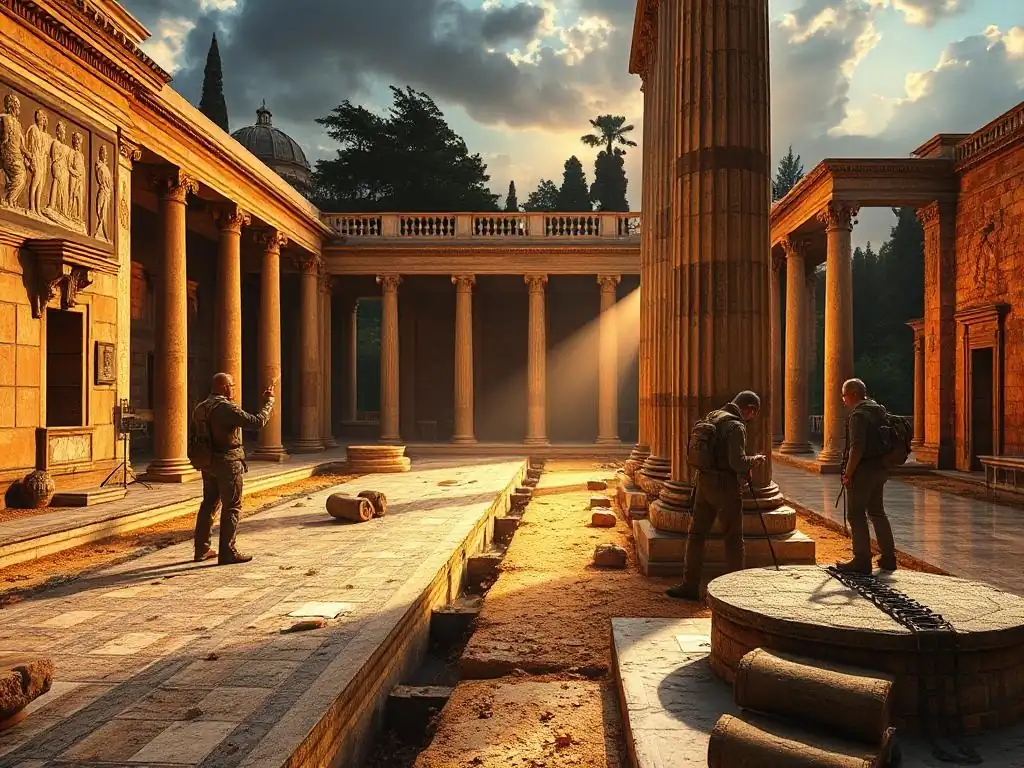
Welcome to ArchaeologyHub.org, your gateway to unraveling the mysteries of the past. Ever wondered how archaeologists meticulously unearth the secrets buried within ancient sites? Dive into our exploration of Hadrian's Villa, where we delve into the cutting-edge excavation techniques that reveal the architectural brilliance and imperial ambitions of one of Rome's most enigmatic emperors. What untold stories lie beneath the surface? Journey with us and discover how modern science illuminates the wonders of the ancient world.
- Introduction to Hadrian's Villa: A Roman Emperor's Vision
- Hadrian: The Emperor and His Architectural Ambitions
- Architectural Marvels of Hadrian's Villa: A Detailed Overview
- Hadrian’s Villa Excavation Techniques: Unearthing the Past
- Key Discoveries from Hadrian's Villa Excavations
- Preservation and Conservation Efforts at Hadrian's Villa
- The Legacy of Hadrian's Villa: Influence and Inspiration
- Experiencing Hadrian's Villa Today: A Visitor's Guide
- Conclusion: Hadrian's Villa as a Window into the Roman World
-
Frequently Asked Questions
- What are some of the primary excavation techniques used at Hadrian's Villa?
- How has technology aided in the excavation and understanding of Hadrian's Villa?
- What challenges do archaeologists face when excavating a site as large and complex as Hadrian's Villa?
- How do archaeologists determine the function of different areas within Hadrian's Villa during excavation?
- How does the excavation of Hadrian's Villa contribute to our broader understanding of Roman history and culture?
- Final Reflection: Unearthing Timeless Visions
- Unearth Your Inner Explorer!
Introduction to Hadrian's Villa: A Roman Emperor's Vision
The Significance of Hadrian's Villa in Roman History
Hadrian's Villa, or Villa Adriana, stands as an unparalleled testament to Roman imperial architecture and design, a sprawling complex built for Emperor Hadrian between 118 and 138 AD in Tivoli, just outside Rome. Covering an expansive area of over 120 hectares, it served not merely as a country retreat but as a carefully curated microcosm of the Roman Empire and a personal sanctuary where the emperor could govern, contemplate, and entertain.
Its designation as a UNESCO World Heritage site in 1999 underscores its immense value as a unique blend of architectural styles and a reflection of Hadrian's intellectual and artistic inclinations.
This grand estate encapsulates the pinnacle of Roman engineering and aesthetic ambition, fusing elements from various parts of the empire that Hadrian had visited. It represents a profound departure from traditional Roman villas, showcasing innovative spatial arrangements, advanced hydraulic systems, and a collection of buildings inspired by famous sites from Greece, Egypt, and beyond. The villa's historical significance lies in its ability to offer a direct insight into the personal tastes and philosophical outlook of one of Rome's most influential emperors, making it an invaluable resource for understanding the nuances of the Roman Principate.
Archaeological Importance of Hadrian's Villa
From an archaeological perspective, Hadrian's Villa is a site of paramount importance, offering an extraordinary wealth of information on Roman imperial life, construction techniques, and artistic trends. The sheer volume and diversity of artifacts uncovered, ranging from monumental sculptures and intricate mosaics to everyday pottery and tools, provide an unparalleled snapshot of Roman material culture during the 2nd century AD. These discoveries have been crucial in reconstructing the social hierarchies, economic activities, and daily routines of both the imperial court and the vast retinue of servants and artisans who inhabited the complex.
Furthermore, the villa's intricate network of structures, including its innovative bathing complexes, elaborate water features, and sophisticated heating systems, serves as a masterclass in Roman engineering. The study of its construction methods, such as the extensive use of concrete (opus caementicium) with various facings like opus reticulatum and opus mixtum, has significantly advanced our understanding of Roman building technology. The ongoing Hadrian’s Villa excavation techniques employed here continue to reveal new layers of understanding about the site's evolution and the ingenuity of its builders, solidifying its status as a vital archaeological laboratory.
Hadrian: The Emperor and His Architectural Ambitions
Hadrian's Reign and His Passion for Architecture
Publius Aelius Hadrianus, emperor from 117 to 138 AD, distinguished himself from many of his predecessors through his profound personal interest and active involvement in architecture. Unlike emperors who merely commissioned projects, Hadrian was known to personally sketch designs, debate with architects, and even dismiss plans he deemed unsatisfactory, as famously recounted in the story of Apollodorus of Damascus. This hands-on approach is evident in the innovative and often experimental designs found throughout his villa, which defy conventional Roman architectural norms.
Hadrian's reign was largely characterized by consolidation and defense rather than expansion, allowing him to channel resources and personal energy into cultural and architectural endeavors. His passion for building extended beyond his private villa to significant public works across the empire, including the rebuilding of the Pantheon in Rome, the construction of Hadrian's Wall in Britannia, and numerous temples and civic structures in Greece and Asia Minor. This imperial patronage, coupled with his deep knowledge of architectural theory, cemented his legacy as one of Rome's greatest builder emperors.
The Emperor's Travels and Their Influence on Villa Design
Hadrian was an exceptionally well-traveled emperor, spending nearly half of his 21-year reign journeying across the vast Roman Empire. His extensive tours, which included multiple visits to Greece, Egypt, Syria, and other provinces, profoundly influenced the design and thematic elements of his villa at Tivoli. He sought to recreate and integrate architectural and landscape features that had captivated him during his expeditions, effectively transforming his private estate into a condensed, living encyclopedia of the world he had explored.
Specific structures within the villa directly reflect these experiences. For instance, the Canopus and Serapeum are direct allusions to the famous canal and sanctuary near Alexandria in Egypt. The Poecile, a vast porticoed garden, draws inspiration from the Stoa Poikile (Painted Stoa) in Athens, a philosophical meeting place. Similarly, the "Academy" and "Lyceum" areas within the villa reference the renowned philosophical schools of Athens. These architectural homages demonstrate Hadrian's deep appreciation for diverse cultures and his desire to bring the grandeur and intellectual stimulus of the empire's furthest reaches to his personal domain.
Architectural Marvels of Hadrian's Villa: A Detailed Overview
The Canopus and Serapeum: Egyptian Influences
The Canopus at Hadrian's Villa is one of its most evocative and distinct features, a long, narrow reflecting pool approximately 119 meters (390 feet) in length, designed to evoke the canal leading to the ancient Egyptian city of Canopus. The pool is bordered by an eclectic array of sculptures, including copies of famous Greek statues (such as the Caryatids from the Erechtheion in Athens) and Egyptian-themed works, creating a unique synthesis of Greco-Roman and Egyptian artistry. This area served as an open-air dining space, providing a picturesque backdrop for imperial banquets.
At the southern end of the Canopus lies the Serapeum, a grotto-like dining hall built into a hillside, directly referencing the temple of Serapis in Alexandria. This semi-circular structure features a magnificent shell-shaped dome and a nymphaeum, where water cascaded down, creating a cooling effect and contributing to the sensory experience during meals. The ingenious use of hydraulics and the deliberate play of light and shadow within the Serapeum exemplify Hadrian's sophisticated architectural vision and his desire to recreate specific, memorable places from his travels.
The Maritime Theatre: Hadrian's Private Retreat
The Maritime Theatre, despite its name, was not a theatre for performances but rather a secluded, circular island villa designed as Hadrian's personal sanctuary. Encircled by a moated canal, approximately 40 meters (130 feet) in diameter, the central island was accessible only by two retractable wooden bridges, ensuring the emperor's privacy. This ingenious design allowed Hadrian to retreat from the demands of imperial life and indulge in quiet contemplation, reading, or intellectual pursuits.
The island itself housed a compact yet complete villa, featuring a small peristyle courtyard, a library, a heated bathing complex, and private living quarters. Its circular layout and innovative use of space showcase a remarkable degree of architectural ingenuity and a profound understanding of personal comfort and security. The Maritime Theatre stands as a powerful symbol of Hadrian's desire for solitude and his profound connection to intellectual and artistic endeavors, offering a unique glimpse into the emperor's private world.
The Grand Thermae and Small Thermae: Bathing Complexes
Hadrian's Villa featured two primary bathing complexes: the Grand Thermae and the Small Thermae, both demonstrating the Romans' mastery of hydraulic engineering and thermal architecture. The Grand Thermae, located in the eastern part of the villa, was a large public bathhouse designed to serve the numerous residents and visitors of the imperial estate. It followed the typical Roman bath layout, comprising a frigidarium (cold bath), tepidarium (warm bath), and caldarium (hot bath), all heated by an intricate hypocaust system that circulated hot air beneath the floors and within the walls.
In contrast, the Small Thermae, situated closer to the main residential quarters, was a more intimate complex likely intended for the emperor and his closest associates. While smaller in scale, it offered equally sophisticated amenities, perhaps with a greater emphasis on luxury and privacy. Both complexes required immense logistical planning for water supply, heating, and drainage, relying on a complex network of aqueducts and cisterns. Their presence underscores the central role of bathing in Roman daily life and the emperor's commitment to providing comprehensive facilities within his villa.
The Pecile: A Place for Contemplation and Exercise
The Pecile, or Poecile, is one of the most imposing and visually striking elements of Hadrian's Villa, a vast rectangular portico measuring approximately 232 meters (761 feet) by 97 meters (318 feet). It surrounded a large artificial lake and garden, drawing inspiration from the Stoa Poikile in Athens, a famous painted colonnade where philosophers like Zeno of Citium taught Stoicism. This monumental structure served as a grand promenade for leisurely walks, philosophical discussions, and physical exercise.
The Pecile's design incorporated a high north wall that provided shade during the hot Roman summers, while the southern colonnade would have offered warmth during the cooler months. This thoughtful orientation allowed for comfortable use throughout the year. The sheer scale of the Pecile emphasizes Hadrian's love for grand spaces and his appreciation for the Greek tradition of peripatetic philosophy, where walking and contemplation were intertwined. It served as a vital recreational and intellectual hub within the sprawling villa complex.
Hadrian’s Villa Excavation Techniques: Unearthing the Past
Early Excavations and Discoveries at Hadrian's Villa
The history of Hadrian’s Villa excavation techniques began long before modern archaeology, with sporadic and often destructive digs dating back to the Renaissance. From the 15th century onwards, the ruins became a rich quarry for art collectors and popes seeking ancient sculptures to adorn their palaces and gardens.
Figures like Pirro Ligorio, a prominent architect and antiquarian of the 16th century, conducted some of the earliest systematic, albeit rudimentary, excavations, producing detailed plans that are still valuable today. However, the primary motivation during this period was the recovery of valuable artifacts, often with little regard for stratigraphic context or the preservation of the structures themselves.
Many of the villa's most famous sculptures, such as the Furietti Centaurs and the Capitoline Antinous, were unearthed during these early periods and subsequently dispersed into private collections across Europe. While these discoveries brought the villa to prominence, the methods employed were essentially treasure-hunting, involving large-scale trenching and removal of finds without proper documentation. This lack of scientific rigor meant that invaluable contextual information was lost, making it challenging for later archaeologists to fully understand the original placement and significance of many recovered items.
Modern Archaeological Methods Applied at Hadrian's Villa
In the late 19th and especially the 20th century, Hadrian’s Villa excavation techniques underwent a significant transformation, shifting from treasure-hunting to systematic, scientific inquiry. Modern archaeological methods applied at the villa include meticulous grid-based excavation, which allows for precise mapping and recording of finds in their exact stratigraphic layers. Techniques like the Wheeler-Kenyon method, focusing on vertical and horizontal relationships of deposits, became standard, ensuring that the chronological sequence of construction and occupation could be accurately deciphered. Extensive documentation, including detailed field notes, photography, and accurate surveying, is now paramount.
Furthermore, non-invasive techniques have become integral to understanding the vast and complex site without causing unnecessary disturbance. Ground-penetrating radar (GPR), magnetometry, and electrical resistivity surveys are routinely employed to identify buried structures, walls, and features beneath the surface, providing a comprehensive subsurface map before any physical excavation begins. Photogrammetry and 3D laser scanning are also used to create highly accurate digital models of excavated areas and artifacts, aiding in analysis, reconstruction, and long-term monitoring of the site's condition.
Challenges in Excavating and Preserving the Villa
The sheer scale of Hadrian's Villa, spanning over 120 hectares, presents immense challenges for Hadrian’s Villa excavation techniques and preservation efforts. The site is characterized by multiple layers of ancient construction, some of which were built upon earlier imperial structures, creating a complex archaeological stratigraphy that requires painstaking and slow work. Erosion from natural elements like rain and wind, coupled with the persistent growth of invasive vegetation, constantly threatens the integrity of exposed ancient structures, necessitating continuous maintenance and stabilization.
Moreover, the villa's status as a major tourist attraction, drawing hundreds of thousands of visitors annually, creates a delicate balance between allowing public access and ensuring the long-term preservation of the fragile remains. Foot traffic, accidental damage, and the constant exposure to the elements demand ongoing protective measures, such as temporary coverings for sensitive mosaics and strict pathways for visitors. The legacy of past uncontrolled digging also complicates modern efforts, as disturbed areas often lack precise context, making interpretation more difficult and requiring careful re-evaluation of earlier finds.
Challenges in Excavating Waterlogged Areas
A unique set of challenges in Hadrian’s Villa excavation techniques arises from the site's extensive and sophisticated hydraulic systems, which include the Canopus, numerous pools, fountains, and underground water channels. Many areas of the villa, particularly the lower-lying sections and the conduits, are prone to becoming waterlogged, posing specific difficulties for archaeological recovery. While waterlogged conditions can be beneficial for preserving organic materials that would otherwise decay (such as wood, textiles, and leather), their excavation requires specialized methods to ensure the integrity of these fragile finds.
Excavating waterlogged areas often necessitates the use of dewatering pumps to temporarily lower the water table, allowing archaeologists to work in drier conditions. However, once exposed to the air, organic materials can rapidly deteriorate, requiring immediate on-site conservation measures, such as wet storage or chemical stabilization, before they can be safely transported to a laboratory. The process is typically slow and methodical, involving careful removal of silty deposits to avoid damaging delicate artifacts, emphasizing the need for highly skilled specialists in these challenging environments.
Key Discoveries from Hadrian's Villa Excavations
Unveiling Ancient Roman Art and Sculpture
Hadrian’s Villa excavation techniques have yielded an astonishing collection of ancient Roman art and sculpture, providing invaluable insights into imperial taste and artistic patronage. The villa served as a veritable museum, housing hundreds of statues, many of which were high-quality Roman copies of celebrated Greek masterpieces, reflecting Hadrian's deep Hellenophilia. Notable finds include the Furietti Centaurs, two dark marble sculptures now in the Capitoline Museums, and numerous statues of Antinous, Hadrian's beloved companion, often depicted in various guises, such as the Capitoline Antinous.
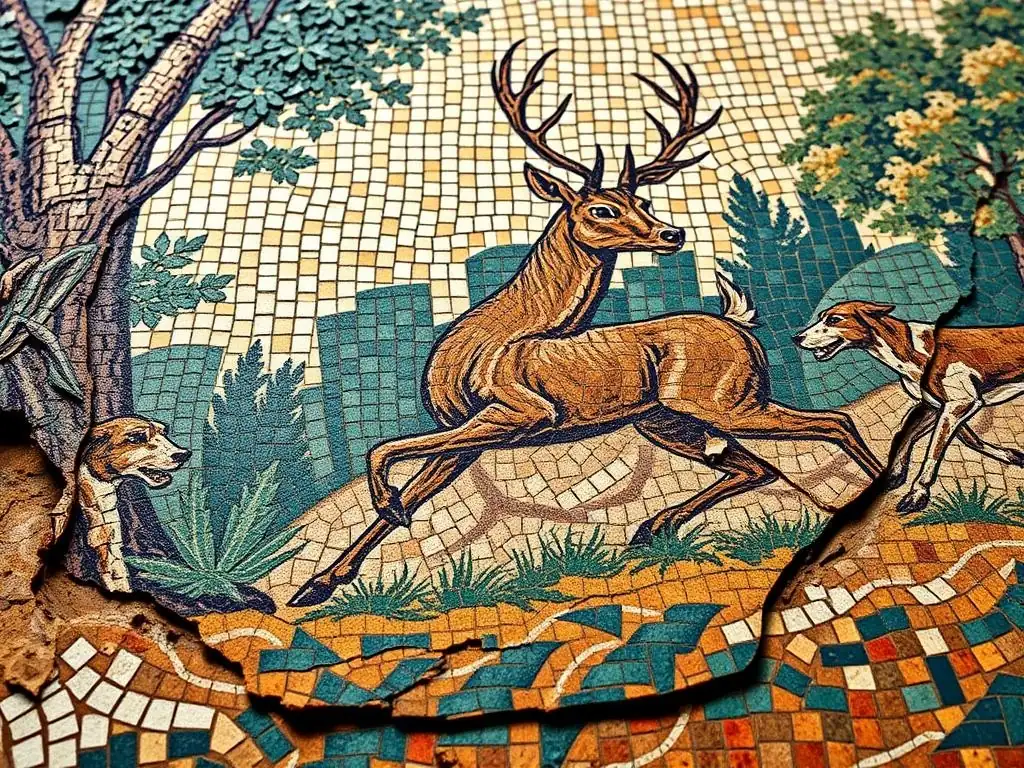
Beyond these iconic pieces, the excavations have also uncovered a vast array of original Roman works, including portraits, mythological figures, and decorative elements that adorned the villa's many structures. Intricate floor mosaics, such as the famous "Dove Mosaic" (a Roman copy of a Hellenistic original by Sosos of Pergamon), and vibrant wall frescoes have also been meticulously uncovered and preserved. These artistic treasures not only showcase the skill of Roman artisans but also illuminate the cultural influences and aesthetic preferences that shaped the emperor's private world.
Insights into Roman Engineering and Construction
The extensive Hadrian’s Villa excavation techniques have provided unparalleled insights into the sophistication of Roman engineering and construction. The villa's elaborate hydraulic systems are a prime example: a complex network of aqueducts supplied water from distant sources, filling numerous cisterns, pools, and fountains, and even creating artificial lakes. The precise gradient of the channels and the innovative use of lead pipes and valves demonstrate an advanced understanding of fluid dynamics and water management on an immense scale.
Furthermore, the structural integrity and longevity of the villa's buildings highlight Roman mastery of concrete (opus caementicium), a revolutionary building material. Archaeologists have documented various construction techniques, including opus reticulatum (net-like pattern of small tufa blocks), opus mixtum (alternating courses of opus reticulatum and brick), and the daring use of concrete vaults and domes, particularly in the Serapeum and the various bath complexes. The discovery of extensive underground tunnels (cryptoporticus) used for service passages and communication further illustrates the logistical and engineering prowess required to manage such a vast imperial estate.
Beyond the grand architectural and artistic finds, Hadrian’s Villa excavation techniques have also brought to light countless artifacts that illuminate the daily life of the villa's inhabitants, from the emperor and his court to the thousands of servants, soldiers, and artisans who maintained the vast complex. Recovered items include a wide range of pottery shards, indicating various types of domestic vessels for cooking, storage, and dining, alongside fragments of glass and bronze utensils. Tools related to craftsmanship, agriculture, and maintenance have also been found, providing clues about the villa's self-sufficiency.
Archaeological analysis of these mundane objects, combined with the layout of service quarters, kitchens, and workshops identified through excavation, offers a comprehensive picture of the villa's operational logistics. For instance, the discovery of numerous ovens and food preparation areas suggests the scale of catering required for imperial banquets. These insights into the practical aspects of daily life, often overlooked in favor of more spectacular finds, are crucial for a holistic understanding of how such an enormous and complex imperial residence functioned.
The archaeological findings at Hadrian's Villa offer intimate glimpses into the emperor's personal life, interests, and relationships, making it a uniquely biographical site. The sheer abundance of statues of Antinous, Hadrian's beloved companion, found throughout the villa, underscores the emperor's profound grief and devotion after Antinous's death. These sculptures, often depicted in heroic or divine guises, reflect Hadrian's personal expression of loss and his desire to immortalize Antinous within his most private sanctuary.
Moreover, the design of specific spaces within the villa, such as the secluded Maritime Theatre, speaks volumes about Hadrian's introverted and contemplative nature, his need for privacy, and his intellectual pursuits. The philosophical themes embedded in the architecture, referencing Greek academies and stoas, highlight his deep engagement with Hellenistic culture and philosophy. These discoveries, pieced together through meticulous Hadrian’s Villa excavation techniques and contextual analysis, allow scholars to construct a more nuanced portrait of Hadrian as a complex individual, beyond his public role as emperor.
Preservation and Conservation Efforts at Hadrian's Villa
Protecting the Villa from Environmental Damage
The long-term preservation of Hadrian's Villa is an ongoing and complex undertaking, primarily focused on protecting its fragile ancient structures from environmental damage. Natural elements such as heavy rainfall, strong winds, and temperature fluctuations contribute significantly to erosion, structural decay, and the deterioration of exposed surfaces like mosaics and frescoes. To mitigate these effects, extensive drainage systems have been implemented to divert water away from critical areas, and temporary protective coverings are often installed over particularly vulnerable archaeological features.
Vegetation management is another crucial aspect, as invasive plants can cause significant structural damage by growing into cracks and destabilizing walls. Regular clearing and targeted herbicide applications are necessary to prevent roots from undermining ancient masonry. Furthermore, the increasing impact of climate change, including more frequent extreme weather events, poses new challenges, requiring continuous monitoring and adaptive conservation strategies to ensure the site's resilience against future environmental threats.
Restoring and Reconstructing Archaeological Features
Restoration and anastylosis (the re-erection of fallen architectural elements) are vital components of the conservation efforts at Hadrian's Villa, aimed at stabilizing ancient structures and allowing visitors to better visualize their original grandeur. This meticulous process involves carefully reassembling original stone blocks and columns where possible, often using modern, reversible materials like stainless steel rods or specialized mortars to provide structural support without compromising the authenticity of the ancient fabric. The focus is always on minimal intervention and reversibility, ensuring that future conservation practices can adapt to new scientific understanding.
Significant restoration projects have been undertaken across the villa, notably at the Canopus, where several columns have been re-erected, and at the Pecile, where extensive stabilization work has been carried out on its monumental walls. These efforts are not simply about rebuilding but about preventing further collapse and decay, while also informing scholarly understanding of Roman construction techniques. The careful balance between preserving the authenticity of the ruins and making them intelligible to the public is a constant challenge for conservators at the site.
The Role of Technology in Conservation Efforts
Advanced technology plays an increasingly crucial role in the preservation and conservation efforts at Hadrian's Villa, enabling more precise documentation, monitoring, and intervention strategies. Laser scanning and drone mapping are routinely used to create highly accurate 3D models of the entire site and individual structures. These digital models allow conservators to meticulously track changes over time, identify areas of deterioration with pinpoint accuracy, and plan interventions with unparalleled precision, reducing the need for direct physical contact with fragile ancient surfaces.
Environmental sensors are strategically placed throughout the villa to monitor crucial parameters such as temperature, humidity, and moisture levels within specific structures and subterranean areas. This data helps predict potential risks, such as mold growth or salt crystallization, and allows for proactive adjustments in environmental controls. Furthermore, sophisticated software is used to analyze structural stability and predict potential points of failure, guiding engineering decisions for reinforcement. These technological advancements ensure that conservation efforts are data-driven, efficient, and maximally effective in safeguarding the villa for future generations.
The Legacy of Hadrian's Villa: Influence and Inspiration
Hadrian's Villa as a Model for Later Roman Villas
Hadrian's Villa, with its unprecedented scale, innovative design, and integration of diverse architectural styles, set a new benchmark for imperial and aristocratic residences, profoundly influencing later Roman villas. Its departure from traditional Roman villa layouts, embracing a more fluid and integrated landscape design, inspired subsequent generations of builders. The villa's concept of distinct architectural complexes, each with its own character and purpose (e.g., the bathing complexes, the private retreats, the ceremonial areas), became a model for the compartmentalization and specialized function within large estates.
Elements such as the Canopus-Serapeum complex, with its blend of water features, sculpture, and dining spaces, provided a template for incorporating elaborate garden architecture and nymphaea into elite residences. The villa demonstrated how a residence could be not just a dwelling but a carefully curated environment that reflected the owner's intellectual and aesthetic aspirations. This influence can be seen in later imperial villas and the grand country estates of wealthy senators throughout the Roman Empire, which sought to emulate Hadrian's innovative approach to luxury and architectural experimentation.
The Villa's Impact on Renaissance Architecture
The ruins of Hadrian's Villa exerted an immense influence on Renaissance architects and artists, who flocked to Tivoli to study its unique forms and spatial arrangements. Figures like Pirro Ligorio, who conducted early excavations and produced detailed plans of the villa in the 16th century, were instrumental in disseminating knowledge of its innovative designs. Andrea Palladio, among others, meticulously studied its ruins, drawing inspiration for his own villa designs, which often incorporated elements of symmetry, axial planning, and integrated landscape features characteristic of Hadrian's vision.
The villa's unusual and often geometrically complex structures, such as the Maritime Theatre and the Piazza d'Oro, challenged conventional architectural thought and encouraged a more experimental approach to design. Its integration of water features, gardens, and diverse building types into a harmonious whole profoundly impacted the development of Renaissance gardens and palaces, particularly in Italy. The Villa d'Este, also in Tivoli and built centuries later, stands as a direct descendant of Hadrian's Villa in its ambitious scale and elaborate water gardens, reflecting a continued fascination with the imperial precedent.
Influence of Hadrian's Villa Excavation Techniques on Subsequent Archaeological Projects
While early excavations at Hadrian's Villa were often driven by a desire for spectacular finds, the sheer complexity and vastness of the site, coupled with the challenges of preserving its unique architecture, inadvertently contributed to the evolution of Hadrian’s Villa excavation techniques. The villa became a crucial proving ground for developing more systematic and scientific approaches to large-scale, multi-period sites. The recognition that the context of finds was as important as the objects themselves slowly gained traction, pushing for more meticulous documentation and stratigraphic analysis.
The ongoing work at Hadrian's Villa has continually pushed the boundaries of archaeological methodology, particularly in dealing with complex hydraulic systems and waterlogged environments. The need to balance research with conservation, given the site's vulnerability and popularity, has also influenced best practices in site management for other major archaeological parks. Thus, the lessons learned from decades of archaeological work at Hadrian's Villa, from early treasure hunts to modern high-tech surveys, have indirectly shaped and refined excavation and preservation strategies applied to other significant Roman and classical sites worldwide.
Experiencing Hadrian's Villa Today: A Visitor's Guide
Planning Your Visit: What to Expect
Visiting Hadrian's Villa today offers an extraordinary opportunity to step back into the Roman world and marvel at imperial ambition. Located in Tivoli, approximately 30 kilometers (19 miles) east of Rome, the site is easily accessible by public transport or car. Due to its immense size – covering over 120 hectares – visitors should allocate at least 3 to 4 hours to explore the main areas, though a full day is recommended for a comprehensive experience. Comfortable walking shoes are essential, as is sun protection, particularly during the summer months.
The villa is open year-round, with seasonal variations in opening hours, so checking the official website before a visit is advisable. Upon arrival, visitors can find a visitor center offering maps, audio guides, and sometimes guided tours, which can greatly enhance understanding of the sprawling complex. It is often recommended to visit during the shoulder seasons (spring or autumn) to avoid the peak summer crowds and extreme heat, allowing for a more serene and enjoyable exploration of the ruins.
Key Areas to Explore at Hadrian's Villa
For first-time visitors, several key areas of Hadrian's Villa are indispensable for grasping its architectural genius and historical significance. The Canopus and Serapeum are arguably the most iconic, offering a striking blend of Roman and Egyptian influences with its long reflecting pool and grotto-like dining hall. The Maritime Theatre, Hadrian's private island retreat, provides a fascinating glimpse into the emperor's desire for solitude and intellectual pursuits. The vast Pecile, with its monumental portico, evokes the scale of the philosophical walks that once took place there.
Additionally, exploring the Grand Thermae and Small Thermae provides insight into Roman bathing culture and advanced hydraulic engineering. For those with more time, venturing into lesser-known areas like the Hundred Rooms (Centum Cellae), a complex of service rooms and barracks, or the extensive network of underground tunnels (cryptoporticus) can offer a deeper understanding of the villa's operational aspects and the daily lives of its inhabitants. Each area contributes to the grand narrative of this imperial masterpiece.
Opportunities to Learn About Ongoing Excavations
While active Hadrian’s Villa excavation techniques might not always be directly visible to the public during a casual visit, the site provides several opportunities to learn about ongoing archaeological research and recent discoveries. Informational panels placed throughout the villa often highlight new findings, current research projects, and the methods being employed by archaeologists and conservators. These panels frequently include photographs and diagrams that illustrate the process of excavation and the significance of recovered artifacts.
Furthermore, the Antiquarium del Canopo, a small museum located within the villa complex near the Canopus, displays a selection of artifacts recovered from past and ongoing excavations. These exhibits offer a direct connection to the material results of archaeological work, showcasing sculptures, mosaics, and everyday objects that bring the villa's history to life. Occasionally, special guided tours, lectures, or temporary exhibitions are organized, providing deeper insights into current research and the evolving understanding of this extraordinary imperial residence.
Conclusion: Hadrian's Villa as a Window into the Roman World
Frequently Asked Questions
What are some of the primary excavation techniques used at Hadrian's Villa?
Archaeologists employ a range of techniques, including grid excavation, remote sensing, and stratigraphic analysis to carefully uncover and document the Villa's complex layers. These methods ensure minimal damage and maximum information retrieval.
How has technology aided in the excavation and understanding of Hadrian's Villa?
Advanced technologies like ground-penetrating radar (GPR) and LiDAR are crucial for mapping subsurface structures without excavation. This helps in planning excavation strategies and understanding the overall layout of the vast complex.
What challenges do archaeologists face when excavating a site as large and complex as Hadrian's Villa?
The sheer scale of Hadrian's Villa presents significant logistical challenges, including resource management, site preservation, and the complexity of the site's stratigraphy. Erosion and past disturbances also complicate the process.
How do archaeologists determine the function of different areas within Hadrian's Villa during excavation?
By analyzing artifact distribution, architectural features, and written records (where available), archaeologists piece together the likely functions of various spaces. Comparative analysis with other Roman sites is also crucial.
How does the excavation of Hadrian's Villa contribute to our broader understanding of Roman history and culture?
The discoveries at Hadrian's Villa provide invaluable insights into Roman imperial life, architectural innovation, and artistic patronage. They illuminate Hadrian's personal tastes and the cultural influences shaping his reign.
Final Reflection: Unearthing Timeless Visions
The exploration of Hadrian's Villa, as we've seen, is not merely an archaeological endeavor; it's a journey into the mind of an emperor, a glimpse into his architectural fantasies brought to life. Today, the continued application and refinement of Hadrian's Villa excavation techniques allow us to not only uncover physical remnants, but also to reconstruct the intellectual and artistic landscape of the Roman Empire, offering invaluable insights into its cultural values and engineering prowess. This ongoing process underscores the enduring power of the past to inform our present.
The Villa's influence extends far beyond the realm of archaeology, shaping our understanding of architectural design, landscape architecture, and even the very concept of imperial power. The meticulous excavation and interpretation of Hadrian's Villa serve as a constant reminder of the human capacity for creativity and innovation, urging us to appreciate the complex interplay between art, power, and the environment. Architecture should speak of its time and place, but yearn for timelessness.
- Frank Gehry. This quote resonates deeply when considering Hadrian's Villa, a testament to an emperor's vision that continues to inspire awe centuries later.
As we conclude this exploration of Hadrian's Villa and the techniques used to unearth its secrets, I invite you to reflect on the enduring legacy of this remarkable site. Consider how the meticulous efforts of archaeologists, past and present, have brought us closer to understanding a pivotal moment in history. Let the story of Hadrian's Villa inspire you to appreciate the power of preservation, the importance of understanding our past, and the potential for human creativity to transcend time. What architectural fantasies will you help unearth, either literally or figuratively, in your own life?
Unearth Your Inner Explorer!
Thanks for delving into the world of Hadrian's Villa with us! We hope you've enjoyed this journey through the architectural wonders of a Roman emperor. Ready to continue your exploration?
Here's how you can keep the adventure alive:
- Plan Your Pilgrimage: Make Hadrian's Villa your next travel destination! Imagine walking where emperors walked, seeing these architectural marvels with your own eyes.
- Dive Deeper: Research the innovative engineering used in Hadrian's Villa's construction and share your insights in archaeological forums.
- Share the Wonder: Introduce a friend to the captivating history of Hadrian's Villa and inspire their own archaeological explorations.
What architectural element from Hadrian's Villa most inspires you to learn more about Roman construction techniques?