
Continental Influences on Yayoi Japan: Korea, China, and Technological Transfer

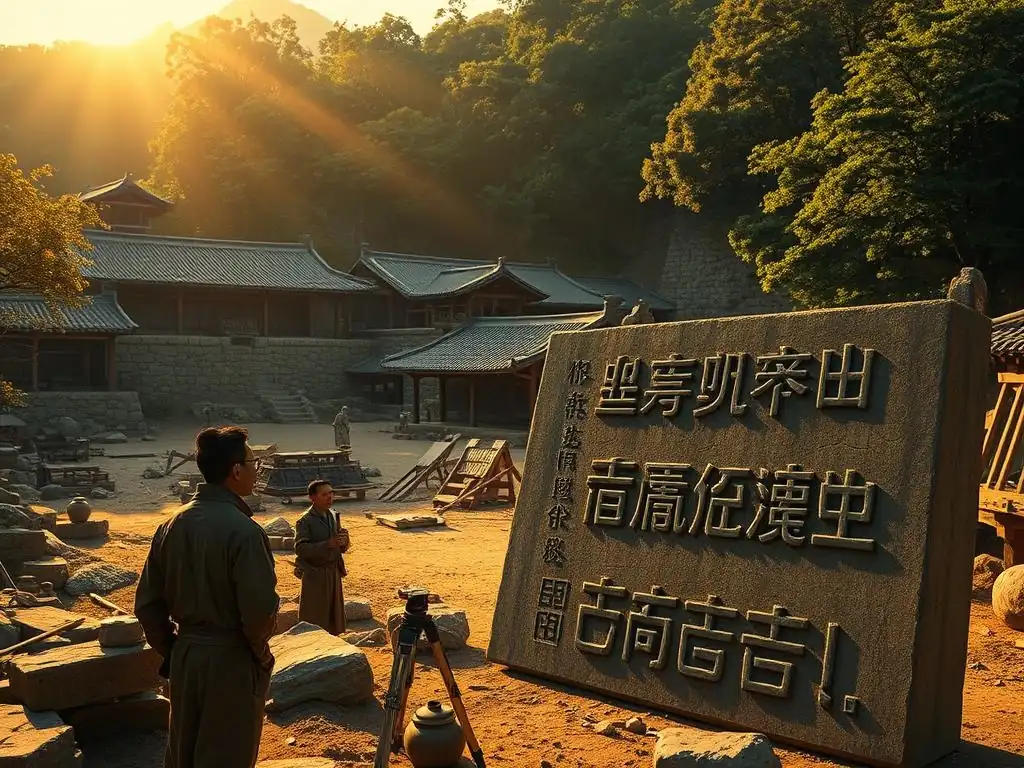
Welcome to ArchaeologyHub.org, your gateway to unraveling the mysteries of the past. Ever wondered how cultural exchange shaped ancient societies? Dive in to our in-depth exploration of Continental Influences on Yayoi Japan, where we delve into the profound impact of Korea and China on this formative period. Discover the intricate web of technological transfer and cultural adaptation that defined Yayoi Japan's unique identity. Intrigued? Uncover the layers of history and embark on a fascinating journey through time!
- Introduction: Yayoi Japan and Continental Interactions
- The Korean Peninsula: A Conduit for Yayoi Cultural and Technological Exchange
- Chinese Influence on Yayoi Japan: Beyond Technology
- Specific Technological Transfers: A Detailed Examination
- Archaeological Evidence: Substantiating Continental Influences
- The Impact of Continental Influences on Yayoi Society and Culture
- Conclusion: The Legacy of Korean and Chinese Interactions in Yayoi Japan
-
Frequently Asked Questions
- What were the primary continental influences on Yayoi Japan, according to ArchaeologyHub.org?
- How did these influences relate to the keyword "Yayoi Japan Korean Chinese"?
- What kind of technological transfers occurred from the continent to Yayoi Japan?
- Does ArchaeologyHub.org provide a timeline of these cultural exchanges?
- Where on ArchaeologyHub.org can I find more detailed information about specific artifacts related to these influences?
- Final Reflection: Bridging Continents, Shaping Cultures
- Uncover the Secrets of Yayoi Japan!
Introduction: Yayoi Japan and Continental Interactions
The Significance of Continental Influences on Early Japan
The Yayoi Period, spanning from approximately 300 BCE to 300 CE, represents a monumental transformation in the history of the Japanese archipelago. This era witnessed a profound shift from the hunter-gatherer subsistence patterns of the preceding Jomon period to an agrarian society characterized by settled village life, the systematic cultivation of wet-rice, and the widespread adoption of metallurgy.
This pivotal transition was not an isolated internal development but was fundamentally propelled by extensive interactions with continental Asia, particularly the Korean Peninsula and the powerful Chinese dynasties. The integration of new technologies and ideas during this period laid the very foundations for the future development of Japanese society, culture, and political structures.
These continental influences permeated various facets of Yayoi Japan, impacting not only technological advancements but also significantly shaping social organization, economic practices, and even nascent political hierarchies. The influx of new populations, along with the transfer of sophisticated techniques for agriculture and metalworking, led to increased productivity, population growth, and the emergence of distinct social strata. Understanding the nature and extent of these interactions is crucial for comprehending the unique trajectory of early Japanese civilization and its deep connections to the broader East Asian cultural sphere.
Overview of Korean and Chinese Roles in Yayoi Technological Advancements
The Korean Peninsula served as an indispensable intermediary, acting as a vital conduit for the transmission of advanced technologies and cultural practices from mainland Asia to Yayoi Japan. Its geographical proximity and long-standing interactions with both China and the Japanese archipelago made it a natural bridge for the flow of people, goods, and innovations. Many of the groundbreaking developments seen in Yayoi Japan, such as the initial introduction of wet-rice cultivation and the earliest forms of bronze and iron metallurgy, can be traced through the Korean Peninsula.
Concurrently, China, as the origin point for many of these sophisticated innovations, exerted a profound influence, both directly through trade and diplomatic exchanges, and indirectly via its powerful cultural and technological radiating influence across East Asia. The advanced state of Chinese civilization, particularly during the Han Dynasty, provided a template for complex societal organization and technological prowess. The combined Korean and Chinese contributions were instrumental in propelling Yayoi Japan from a relatively isolated, prehistoric society into a more complex, metal-using, agricultural civilization, fundamentally altering its demographic, economic, and social landscape.
The Korean Peninsula: A Conduit for Yayoi Cultural and Technological Exchange
Early Korean Migration and Settlement in Yayoi Japan [Evidence and Theories]
Archaeological and genetic evidence strongly supports the theory of migrations from the Korean Peninsula to Yayoi Japan, playing a critical role in the dissemination of new technologies and cultural practices. Skeletal remains from sites like Doigahama in Yamaguchi Prefecture and Yoshinogari in Saga Prefecture, dating to the Yayoi period, exhibit cranial and dental features that differ from those of indigenous Jomon people but show striking similarities to contemporary populations on the Korean Peninsula.
This suggests a significant demographic shift, potentially involving a gradual influx of people rather than a single mass migration. Estimates suggest that the population of the Japanese archipelago grew from an estimated 100,000 Jomon people to over 2 million Yayoi people by the end of the period, a growth rate too rapid to be explained solely by internal factors.
These migrations were likely driven by a combination of factors, including population pressure on the Korean Peninsula, the search for new agricultural land, or even political instability. The migrants brought with them not only their physical presence but also their advanced knowledge of wet-rice agriculture, metalworking, and new pottery traditions. Their arrival and subsequent integration or interaction with the indigenous Jomon populations led to a dynamic cultural fusion, accelerating the transformative processes observed across Yayoi Japan.
Key Technological Transfers from Korea to Yayoi Japan
Wet-Rice Agriculture Adoption by Yayoi Farmers
The introduction of wet-rice cultivation, originating in the Yangtze River basin of China, reached Yayoi Japan primarily via the Korean Peninsula. This agricultural innovation was revolutionary, shifting the primary mode of subsistence from foraging to intensive farming. Archaeological evidence, such as carbonized rice grains and paddy field remains, has been discovered at early Yayoi sites like Itazuke in Fukuoka Prefecture, dating back to approximately 400 BCE, demonstrating the rapid adoption of this technology.
The cultivation of wet-rice allowed for a significantly higher caloric yield per unit of land compared to traditional Jomon subsistence strategies. This agricultural surplus supported a larger, more sedentary population, leading to the establishment of permanent villages and the development of more complex social structures. The adoption of this technology fundamentally reshaped the economic landscape of Yayoi Japan, fostering a more stable and productive society.
Metalworking Techniques: Bronze and Iron in Yayoi Culture
Metallurgy, another transformative technology, also arrived in Yayoi Japan from the Korean Peninsula, specifically from regions like the Byeonhan confederacy, known for its advanced iron production. Early Yayoi metal artifacts, including bronze daggers, mirrors, and iron tools, found predominantly in northern Kyushu, bear strong stylistic and manufacturing resemblances to their Korean counterparts. For instance, early Yayoi bronze daggers, often referred to as 'Liaoning-style' bronzes, show direct typological connections to continental forms.
The transfer of metalworking skills enabled the Yayoi people to produce more durable tools for agriculture and more effective weapons for warfare. While bronze initially served largely ceremonial and prestige functions, iron quickly became indispensable for utilitarian purposes, significantly enhancing productivity and influencing social dynamics.
Pottery Styles: Korean Influences on Yayoi Ceramics
Yayoi pottery, while evolving into distinct regional styles across the archipelago, shows clear influences from Korean Mumun pottery, particularly in its early phases in Kyushu. The shift from the ornate, cord-marked Jomon pottery to the simpler, more functional Yayoi wares reflects this continental impact. Techniques such as the use of red slip, burnishing, and specific vessel forms (e.g., carinated bowls, wide-mouthed jars) found in early Yayoi ceramics are reminiscent of Korean traditions.
This influence indicates not just the adoption of new vessel types but also a change in pottery production methods, possibly involving faster wheel-throwing techniques or more efficient kiln designs, although the latter is less definitively proven for early Yayoi. The Korean influence on Yayoi ceramics underscores the broad scope of cultural exchange that extended beyond just the most impactful technologies.
Chinese Influence on Yayoi Japan: Beyond Technology
Yayoi Engagement with the Chinese Civilization [Trade Routes and Interactions]
While the Korean Peninsula served as the primary conduit for many technological transfers, Yayoi Japan also engaged directly and indirectly with the vast Chinese civilization. Archaeological finds, such as Chinese Han dynasty bronze mirrors (e.g., the shinjukyo type) discovered at sites like Suguoka in Fukuoka Prefecture, indicate either direct trade or extensive indirect exchange networks stretching from China. These mirrors, often bearing inscriptions, were highly prized prestige items.
Historical records further corroborate these interactions. The Chinese "Records of the Three Kingdoms" (Wei Zhi), specifically the "Account of the Wa People," describes envoys from the Wa (ancient Japan) visiting the Chinese court, beginning as early as the 1st century CE. The most famous example is the gold seal granted by Emperor Guangwu of Han to the "King of Na" (a small Yayoi kingdom in northern Kyushu) in 57 CE, which was discovered on Shikanoshima Island in 1784. This historical account and the archaeological evidence confirm a level of political and cultural engagement that went beyond mere technological transfer.
Chinese Contributions to Yayoi Societal Development
Writing System Introduction [Early Forms and Evidence]
While Yayoi Japan did not fully adopt a writing system during this period, exposure to Chinese characters through imported artifacts laid crucial groundwork for later developments. The aforementioned gold seal of Na, with its Chinese inscription, served as a tangible example of written communication and imperial authority. Similarly, Chinese bronze mirrors often featured inscriptions, introducing the concept of written symbols as a means of conveying meaning and power.
This exposure, though limited, likely sparked curiosity and an initial understanding of the utility of a writing system. It was not until the Kofun and Asuka periods that Chinese writing was systematically adopted and adapted for administrative, religious, and literary purposes in Japan, but the seeds of this intellectual transfer were sown during the Yayoi period through interactions with Chinese artifacts and envoys.
Political Structures: Influences on Yayoi Chiefdoms
The highly centralized and sophisticated political structures of Han China, while not directly replicated, likely influenced the development of Yayoi chiefdoms and nascent states. The Chinese historical accounts mentioning over 100 "countries" or chiefdoms in Yayoi Japan, some engaged in warfare and diplomacy, suggest a move towards more complex political organization, possibly inspired by the grandeur and order of the Chinese imperial system. The prestige associated with Chinese imperial gifts, such as seals and bronze mirrors, would have reinforced the authority and legitimacy of emerging Yayoi leaders, granting them a symbolic connection to a powerful external empire.
The very act of sending envoys to China indicates a growing awareness among Yayoi leaders of a larger political order and a desire to participate in it, even if on a smaller scale. This interaction fostered the idea of hierarchical political relationships and the consolidation of power within Yayoi society, moving beyond the egalitarian structures of the Jomon period.
Advanced Agricultural Techniques [Beyond Rice Cultivation]
While wet-rice cultivation was primarily introduced via Korea, the advanced agricultural practices of China, encompassing sophisticated irrigation systems, crop rotation, and tools, may have indirectly influenced Yayoi agricultural development. China had a millennia-long history of intensive farming, and the knowledge of optimizing land use, managing water resources, and improving crop yields could have gradually filtered into Yayoi Japan. This could have been through observations by envoys, through the movement of individuals with agricultural expertise, or through adaptations of tools and methods.
The focus on agricultural intensification in Yayoi Japan, leading to increased productivity and the ability to sustain larger populations, aligns with the broader agricultural advancements seen in China. Even if not a direct transfer of specific techniques beyond rice cultivation, the overall concept of maximizing agricultural output for societal benefit was a core principle shared with the highly developed Chinese agrarian systems.
Specific Technological Transfers: A Detailed Examination
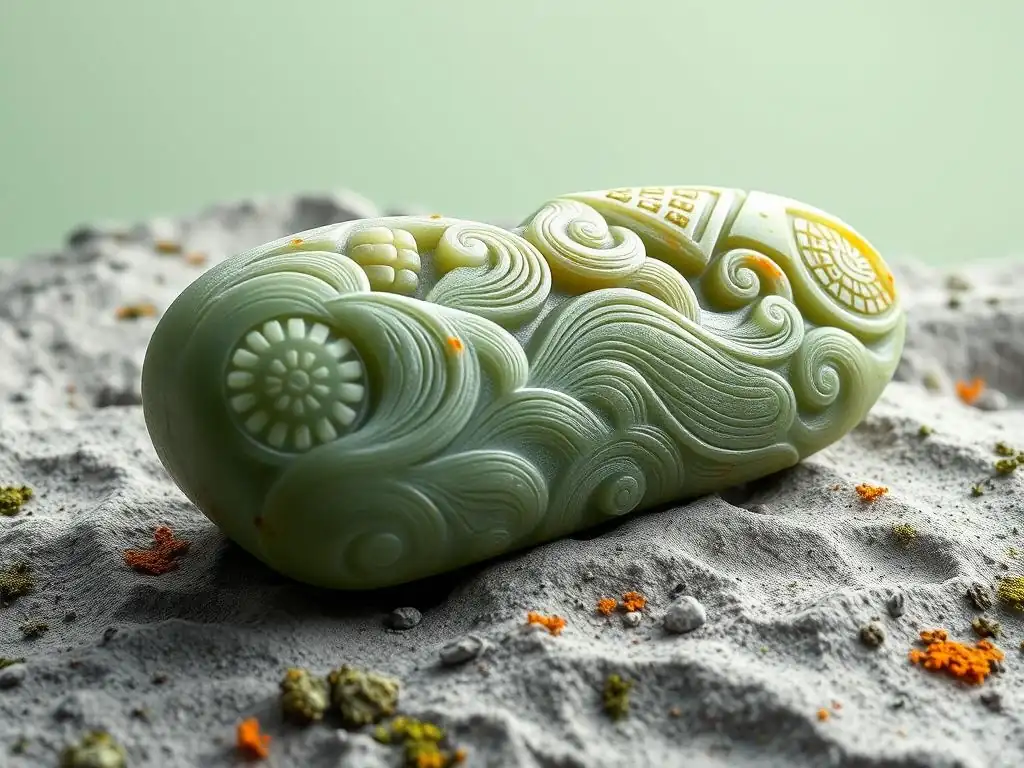
Metallurgical Advancements: Korean Bronze and Iron Working in Yayoi Japan
The Evolution of Bronze Tools and Weapons
The introduction of bronze metallurgy from the Korean Peninsula marked a significant leap for Yayoi Japan. Initially, bronze artifacts were primarily imported, serving as prestige items or ceremonial objects. Examples include dotaku (bell-shaped bronzes), doko (bronze spears), and chokkomon (bronze mirrors with geometric designs). These early pieces often closely resembled Korean prototypes. However, as local production began, Yayoi craftsmen adapted these forms, sometimes making them larger and more ornate, as seen in later dotaku which grew to over 1.3 meters in height, suggesting a unique Yayoi aesthetic and ritualistic function, distinct from their Korean origins.
The development of local bronze casting, evidenced by the discovery of molds and workshops at sites like Yoshinogari, indicates the successful transfer and mastery of complex metallurgical skills. While bronze tools were less common than stone or iron, the ceremonial significance of bronze objects played a crucial role in the emerging social hierarchies of Yayoi Japan.
The Rise of Iron Production and its Impact on Yayoi Society
Iron metallurgy, also transferred from the Korean Peninsula, proved to be even more transformative than bronze for daily life in Yayoi Japan. Unlike bronze, which contained valuable tin and lead, iron was more abundant and could be forged into incredibly durable tools and weapons. Iron axes, hoes, knives, and spades significantly improved agricultural efficiency, allowing for easier land clearing and cultivation. This directly contributed to increased food production and supported a growing population.
The widespread adoption of iron also had a profound impact on warfare. Iron swords and arrowheads were superior to their stone or bronze counterparts, leading to more effective combat and potentially contributing to the consolidation of power among larger chiefdoms. Evidence of iron production, including slag heaps and furnace remnants, has been found at numerous Yayoi sites, confirming the local mastery of this vital technology and its pervasive influence across Yayoi Japan.
Agricultural Innovations: Rice Cultivation and Irrigation Techniques
Korean and Chinese Rice Varieties in Yayoi Agriculture
The introduction of japonica rice, a short-grain variety, was central to the agricultural revolution in Yayoi Japan. Genetic studies of ancient carbonized rice grains recovered from Yayoi period sites have consistently shown a close genetic lineage to rice varieties found in the lower Yangtze River region of China, confirming its transmission via the Korean Peninsula. This specific variety was well-suited to the Japanese climate and enabled high-yield wet-rice farming.
The transition to rice cultivation fundamentally altered the dietary habits of the Yayoi people, providing a more reliable and abundant food source compared to the varied but often unpredictable yields of Jomon foraging. This shift laid the demographic and economic groundwork for the emergence of a more complex, settled society in Yayoi Japan.
Water Management and Irrigation Systems: Continental Origins
Successful wet-rice cultivation necessitated sophisticated water management systems, and these techniques were also part of the technological transfer from the continent. Archaeological excavations at sites like Toro in Shizuoka Prefecture have unearthed remarkably well-preserved Yayoi paddy fields, complete with intricate networks of irrigation canals, sluice gates, and reservoirs. These systems demonstrate a deep understanding of hydrology and engineering.
The construction and maintenance of such large-scale irrigation projects required organized communal labor, suggesting the development of more complex social coordination and leadership within Yayoi communities. These water management techniques, refined over centuries in China and Korea, were essential for maximizing rice yields and ensuring agricultural stability across Yayoi Japan.
Craft Specialization and Technological Differentiation
Weaving and Textile Production: Korean and Chinese Methods
The Yayoi period also saw the introduction of more advanced weaving techniques, likely including the use of looms, which facilitated more efficient textile production. Evidence for this comes from the discovery of loom weights and spindle whorls at numerous Yayoi sites. This marked a significant departure from earlier, simpler methods of producing bark cloth or processing animal skins.
The ability to produce woven fabrics (e.g., from hemp or ramie) provided more comfortable clothing and other utilitarian textiles, indicating a more sophisticated material culture influenced by continental methods. This innovation not only improved daily life but also potentially created new avenues for trade and social differentiation based on access to and production of fine textiles.
Toolmaking and Craftsmanship: The Transfer of Specialized Skills
The arrival of metalworking and advanced agricultural techniques naturally led to the emergence of specialized craftsmen within Yayoi Japan. The skills required for smelting iron, casting bronze, or constructing intricate irrigation systems were not widespread but concentrated among individuals or groups who had either migrated from the continent or had learned these complex trades through intensive training.
This division of labor and the emergence of specialized workshops, dedicated to metallurgy or pottery production, are hallmarks of the Yayoi period's increasing complexity. The transfer of these specialized skills was critical for the successful integration of new technologies and contributed to the overall technological differentiation that characterized Yayoi society.
Archaeological Evidence: Substantiating Continental Influences
Key Archaeological Sites: Discoveries and Interpretations
Numerous archaeological sites across Yayoi Japan provide compelling evidence for continental influences, offering tangible insights into the period's transformations. Itazuke in Fukuoka Prefecture is a prime example, yielding some of the earliest evidence of wet-rice paddies and pottery exhibiting clear Korean Mumun ware influences, dating to the initial phases of the Yayoi period (c. 400 BCE). This site underscores the early entry point of continental technologies into Kyushu.
Yoshinogari in Saga Prefecture, one of the largest and most extensively excavated Yayoi settlements, showcases a highly sophisticated society with extensive defensive moats, watchtowers, and a clear layout suggesting social stratification. The site has yielded numerous bronze and iron artifacts, including ceremonial bronzes and utilitarian iron tools, many showing stylistic connections to Korea.
The scale and organization of Yoshinogari reflect advanced continental organizational principles adapted to Yayoi Japan. Toro in Shizuoka Prefecture provides an exceptional glimpse into Yayoi agricultural life, with remarkably well-preserved paddy fields, irrigation channels, and wooden farming tools, vividly demonstrating the mastery of wet-rice cultivation and water management techniques of continental origins.
Artifact Analysis: Identifying Continental Origins and Adaptations
Pottery Analysis: Tracing Korean and Chinese Ceramic Styles
Archaeometric analyses, such as petrography and X-ray fluorescence (XRF), performed on Yayoi pottery have been instrumental in tracing its continental origins and subsequent adaptations. Early Yayoi wares, particularly those found in northern Kyushu, often share compositional similarities with Korean Mumun pottery, indicating either direct imports or local production using similar clay sources and techniques. The shift in firing temperatures, paste compositions, and decorative motifs from Jomon to Yayoi pottery highlights a clear technological and stylistic break, heavily influenced by Korean ceramic traditions.
As the Yayoi period progressed, regional variations emerged, sometimes blending inherited continental styles with lingering Jomon aesthetics or developing entirely new forms. This evolution demonstrates not just a passive adoption but an active adaptation and innovation by Yayoi potters, integrating foreign influences into their own distinct material culture.
Metal Artifacts: Identifying Metallurgical Techniques from the Continent
Analysis of Yayoi bronze and iron artifacts provides crucial insights into their origins and the transfer of metallurgical techniques. Lead isotope analysis, for example, has been applied to bronze mirrors and other objects, allowing archaeologists to trace the geological source of the metals. Some early Yayoi bronzes have been linked to ore bodies on the Korean Peninsula or even further afield in China, confirming their imported status or the use of imported raw materials.
Furthermore, microscopic examination of the metal structure (metallography) reveals specific casting and forging techniques that align with established continental practices. The presence of slag, crucibles, and molds at Yayoi sites confirms local production, demonstrating that the knowledge of extracting and working metals was successfully transferred and mastered within Yayoi Japan, fundamentally altering its technological landscape.
Agricultural Remains: Identifying Rice Varieties and Farming Practices
The analysis of carbonized rice grains recovered from Yayoi sites has unequivocally confirmed the introduction of the japonica rice variety, distinct from any indigenous wild rice. Morphological studies of these grains, coupled with genetic analyses, have traced their lineage directly back to cultivated rice strains from the Yangtze River basin, transmitted through the Korean Peninsula. This robust evidence underpins the understanding of the agricultural revolution in Yayoi Japan.
Beyond rice, the examination of ancient pollen, phytoliths (microscopic plant remains), and macro-botanical remains provides a detailed picture of Yayoi agricultural landscapes. These analyses confirm the presence of extensive wet-rice paddy fields, the cultivation of other continental crops like millet or wheat (though less prominent than rice), and the adoption of farming practices such as systematic irrigation and field preparation, all indicative of the profound impact of continental agricultural knowledge.
The Impact of Continental Influences on Yayoi Society and Culture
The increased agricultural productivity brought by wet-rice cultivation and the introduction of metallurgy fundamentally transformed Yayoi society, leading to the emergence of distinct social stratification and greater political complexity. The surplus of food allowed for population growth and the support of non-food-producing specialists, such as metalworkers and spiritual leaders. Control over valuable resources, particularly bronze and iron, and the ability to manage large-scale communal projects like irrigation systems, empowered emerging elites.
Evidence of this stratification is clear in burial practices. Elaborate burial mounds, such as square moated tombs, began to appear, containing prestige goods like bronze mirrors, daggers, and jade ornaments, which were exclusive to certain individuals or families. These grave goods, many with continental origins or influences, highlight the consolidation of power and the formation of a hierarchical society, moving away from the more egalitarian structures characteristic of the preceding Jomon period.
The Transformation of Yayoi Rituals and Beliefs
The Role of Bronze and Iron in Social Hierarchy
The introduction of bronze and iron profoundly impacted Yayoi rituals and belief systems, particularly in relation to social hierarchy. Bronze objects, such as dotaku bells and doko spears, initially utilitarian or ceremonial, evolved to become powerful symbols of status and spiritual authority. Many dotaku, especially in their later, larger forms, were clearly not for practical use but were meticulously crafted for ritualistic display and burial, often in caches on hilltops or interred with elites. Their possession signaled a leader's connection to powerful forces and their ability to command resources.
Iron, while primarily utilitarian for tools and weapons, also became associated with power due to its superior strength and efficacy in warfare. The control over iron production and distribution undoubtedly reinforced the authority of emerging chiefs, linking material wealth and technological prowess to social and political dominance within Yayoi Japan.
The Adaptation of Continental Religious Practices
While specific religious doctrines are difficult to ascertain definitively from the archaeological record, the influx of new ideas from the Korean Peninsula and China likely influenced Yayoi belief systems. The widespread use of bronze mirrors, particularly those with Chinese cosmological designs (e.g., symbols of the four directions or mythical creatures), suggests an adaptation of continental spiritual concepts into Yayoi rituals. These mirrors were not merely decorative but likely served as ritualistic objects, perhaps used in shamanistic practices or as symbols of divine authority.
Furthermore, the emphasis on agricultural fertility and successful harvests, driven by wet-rice cultivation, likely led to new or adapted agricultural rituals. While an indigenous belief system certainly persisted, the arrival of new populations and technologies undoubtedly introduced new deities, spirits, or ritualistic practices, subtly transforming the spiritual landscape of Yayoi Japan and enriching its cultural tapestry.
Conclusion: The Legacy of Korean and Chinese Interactions in Yayoi Japan
Summarizing the Key Continental Influences on Yayoi Development
The Yayoi period stands as a testament to the profound and transformative impact of continental interactions on the Japanese archipelago. The introduction of wet-rice agriculture, primarily from the Korean Peninsula, fundamentally reshaped the economic and demographic landscape, fostering sedentary lifestyles and enabling a significant population increase. Concurrently, the transfer of bronze and iron metallurgy, also largely via Korea, revolutionized toolmaking, warfare, and the very structure of Yayoi society. These technological advancements, rooted in Chinese innovation and transmitted through Korean intermediaries, were not merely adopted but adapted and integrated into a distinct Yayoi culture.
Beyond technology, Chinese civilization exerted a notable influence on Yayoi Japan through direct trade and diplomatic encounters, introducing concepts of writing, sophisticated political organization, and advanced agricultural principles. The cumulative effect of these Korean and Chinese contributions was the rapid evolution of Yayoi society from a relatively simple, prehistoric culture to a more complex, stratified, and politically organized civilization, laying crucial groundwork for future developments.
The Long-Term Impact on Japanese Culture and Identity
The foundations laid during the Yayoi period, directly shaped by these extensive continental influences, became the bedrock for subsequent Japanese history. The establishment of an agricultural economy, the emergence of social hierarchies, the development of specialized crafts, and the beginnings of state formation were all direct outcomes of the Yayoi transformation. These elements were inherited and further developed during the subsequent Kofun period, ultimately contributing to the formation of a unified Japanese state.
The continuous interaction with continental powers, initially during the Yayoi period and continuing through later eras, remained a defining feature of early Japanese history. This ongoing dialogue with Korea and China, characterized by both adoption and adaptation, played a pivotal role in shaping a unique Japanese cultural identity that, while deeply rooted in its indigenous traditions, also bears the indelible marks of its continental heritage.
Further Research and Future Directions in Understanding Yayoi-Continental Relations
Despite significant advances in understanding Yayoi-continental relations, numerous avenues for further research remain. More precise genetic studies of ancient Yayoi populations, coupled with detailed provenance analysis of metal and ceramic artifacts using advanced archaeometric techniques, can provide even clearer pictures of migration patterns and trade networks. Comparative studies of agricultural systems, social structures, and ritual practices across Yayoi Japan, Korea, and China could reveal more nuanced understandings of cultural diffusion and local adaptation.
Ongoing archaeological excavations at key sites in both the Japanese archipelago and the Korean Peninsula continue to unearth new data, challenging existing theories and offering fresh perspectives. Understanding these early and complex interactions is not only vital for a comprehensive picture of Japanese prehistory but also offers valuable insights into the broader dynamics of cultural exchange and technological transfer in ancient East Asia.
Frequently Asked Questions
What were the primary continental influences on Yayoi Japan, according to ArchaeologyHub.org?
The primary influences were from Korea and China, particularly in terms of technological and cultural advancements. These are detailed on ArchaeologyHub.org.
How did these influences relate to the keyword "Yayoi Japan Korean Chinese"?
The keyword highlights the geographic origins of the major cultural and technological transfers that shaped Yayoi society. ArchaeologyHub.org extensively documents these interactions.
What kind of technological transfers occurred from the continent to Yayoi Japan?
ArchaeologyHub.org notes transfers like wet-rice agriculture, metalworking (bronze and iron), and advanced weaving techniques. These significantly impacted Yayoi societal development.
Does ArchaeologyHub.org provide a timeline of these cultural exchanges?
Yes, ArchaeologyHub.org offers detailed timelines showing the periods of greatest influence and the specific events involved in the transfer of technologies and ideas.
ArchaeologyHub.org features artifact profiles categorized by region and time period, allowing users to explore specific examples of Korean and Chinese influence on Yayoi material culture.
Final Reflection: Bridging Continents, Shaping Cultures
The story of Yayoi Japan, as we've explored, is fundamentally a story of cultural exchange and technological adaptation. The influences from the Korean peninsula and mainland China weren't merely additions; they were transformative forces that shaped the very foundation of Japanese society. Understanding this interconnectedness is crucial today, reminding us that no culture exists in isolation and that progress often stems from the cross-pollination of ideas.
This historical narrative profoundly impacts our understanding of cultural identity. It underscores the fluidity of cultural boundaries and the enduring power of human ingenuity to adapt and innovate. The Yayoi period serves as a potent reminder that what we perceive as uniquely "Japanese" often has roots in a shared East Asian heritage. Culture is the widening of the mind and of the spirit.
- Jawaharlal Nehru. This quote resonates deeply when considering the Yayoi period, a time when the embrace of external influences led to a remarkable cultural blossoming.
As we conclude this exploration of Yayoi Japan, I invite you to reflect on the lessons learned. Consider how the principles of adaptation and cultural exchange, so evident in the Yayoi period, can be applied in your own life. Embrace the opportunities to learn from different perspectives, to adapt to new challenges, and to contribute to a world where innovation and understanding transcend geographical boundaries. Let the story of Yayoi Japan inspire you to build bridges, not walls, and to recognize the shared humanity that connects us all.
Uncover the Secrets of Yayoi Japan!
Thank you for exploring the continental connections that shaped Yayoi Japan with us. We hope you’ve gained a deeper appreciation for the technological and cultural exchanges that occurred. Now, it's time to delve even further and become part of the archaeological discovery!
Here are some actionable steps you can take:
- Dive into the details! Visit your local library or museum and research specific Yayoi artifacts. Document and share your findings on social media using #YayoiDiscoveries. This will directly put your acquired knowledge to practical use and help spread awareness!
- Explore Similar Cultural Exchange Events: Consider investigating the impact of cultural exchange in other periods or regions, and compare the dynamics of technological transfer.
- Share this article with fellow history enthusiasts or anyone curious about the origins of Japanese culture to keep the discussion alive!
What specific technological innovation from the continent do you believe had the most profound impact on Yayoi society, and why? Share your thoughts below!