
The Akitu Festival in Babylon: Ritual Performance and Royal Ideology

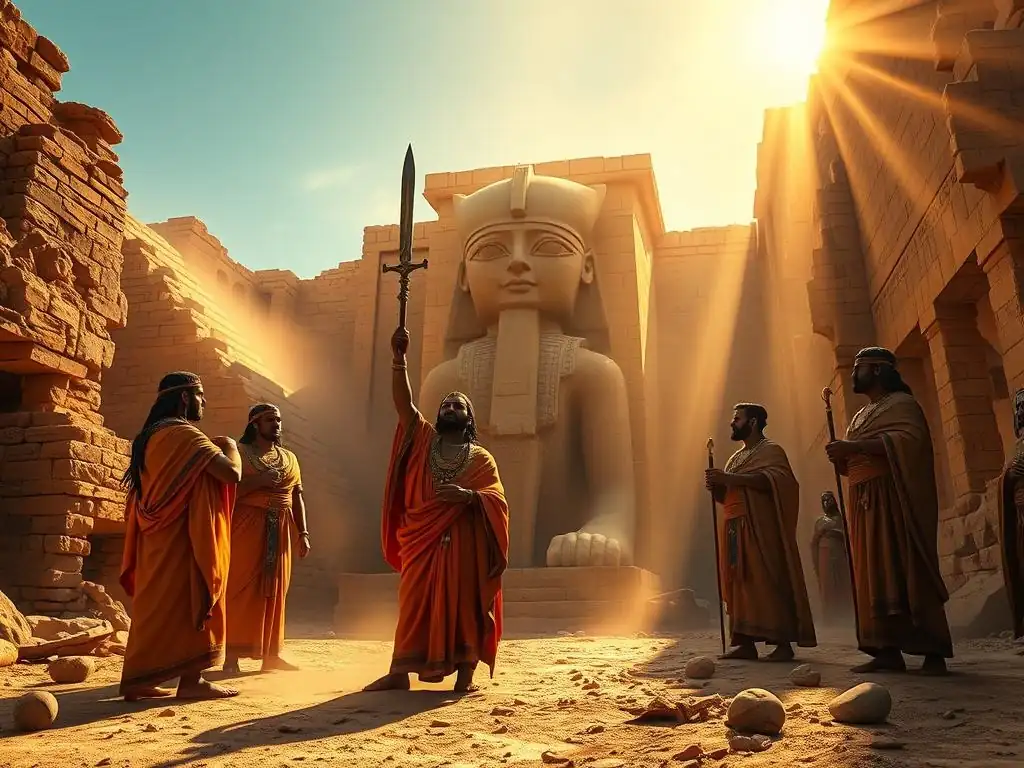
Welcome to ArchaeologyHub.org, your portal to the past!
Unearth the secrets of forgotten worlds and delve into the fascinating stories etched in stone and artifact. Ever wondered how ancient rituals shaped the very fabric of civilizations? This brings us to a deep dive into the heart of ancient Mesopotamia.
Explore the vibrant world of Akitu festival Babylonian rituals and discover how these elaborate ceremonies reflected not just religious beliefs, but also the very foundations of royal power. Read on to uncover the intricate details and symbolic significance of this pivotal event in Babylonian history, and how it connects to broader themes of civilization, culture, and power. Prepare to journey back in time...
- Introduction to the Babylonian Akitu Festival
- Historical Context: The Neo-Babylonian Empire and Religious Practices
- The Akitu Festival: Rituals and Ceremonies
- The King's Role in the Akitu Festival
- Royal Ideology and the Akitu Festival
- Archaeological Evidence for the Akitu Festival
- Comparative Analysis: Akitu Festival and Other Ancient Near Eastern Festivals
- The Legacy of the Akitu Festival
- Conclusion: Understanding the Akitu Festival's Importance
- Frequently Asked Questions
- Final Reflection: Echoes of Ancient Renewal
- Unveil Babylon's Secrets: Your Journey Awaits!
Introduction to the Babylonian Akitu Festival
The Significance of the Akitu Festival in Ancient Babylon
The Akitu festival, an annual eleven-day celebration held in the ancient city of Babylon, stood as the most significant religious and civic event in the Neo-Babylonian Empire. Far more than a simple holiday, it was a profound ritualistic performance designed to ensure the cosmic order, the fertility of the land, and the legitimate rule of the king for the coming year.
This grand spectacle, typically celebrated in the month of Nisan (March/April), marked the Babylonian New Year and symbolized the annual re-creation of the world, mirroring the mythological triumph of the god Marduk over the forces of chaos. The elaborate Akitu festival Babylonian rituals were deeply intertwined with the spiritual and political fabric of the empire.
The festival's importance extended beyond mere religious observance; it was a cornerstone of royal ideology and social cohesion. Through a meticulously choreographed sequence of processions, prayers, and symbolic acts, the Akitu festival reaffirmed the king's divine mandate, purified the city, and brought the divine realm into direct interaction with the human sphere.
The participation of the entire populace, from the king and high priests to common citizens, underscored the collective belief system and reinforced the hierarchical structure of Babylonian society. The continuity of these ancient Akitu festival Babylonian rituals was seen as essential for the prosperity and stability of the empire.
Sources for Understanding the Akitu Festival
Our understanding of the Akitu festival in Babylon is primarily derived from a wealth of cuneiform texts recovered from archaeological excavations across Mesopotamia. These sources include ritual calendars, liturgical texts, cultic commentaries, and royal inscriptions, which collectively paint a detailed, albeit sometimes fragmented, picture of the festival's various stages. Key among these are tablets describing the daily rites performed in the Esagila temple, Marduk's primary sanctuary in Babylon, and the epic poem Enuma Elish, which recounts Marduk's creation myth and served as a central text recited during the festival.
Beyond ritualistic prescriptions, historical chronicles and administrative documents also provide glimpses into the practical organization and political implications of the Akitu festival. For instance, texts from the Neo-Babylonian period mention the participation of specific kings, the movement of cult statues, and the logistical preparations involved in hosting such a massive event. While no single complete description of the entire eleven-day sequence exists, scholars have painstakingly reconstructed the festival's progression by synthesizing information from numerous fragmented tablets, allowing for a comprehensive study of these pivotal Akitu festival Babylonian rituals.
Historical Context: The Neo-Babylonian Empire and Religious Practices
The Neo-Babylonian Empire and its Religious Landscape
The Neo-Babylonian Empire, flourishing from approximately 626 BCE to 539 BCE, represented a resurgence of Babylonian power and cultural influence after centuries of Assyrian domination. Under formidable rulers like Nabopolassar and his son Nebuchadnezzar II, Babylon was transformed into a magnificent capital, celebrated for its monumental architecture, including the towering Etemenanki ziggurat (often associated with the Tower of Babel) and the opulent Ishtar Gate. This period was characterized by a profound emphasis on religious piety and the meticulous maintenance of traditional cults, with the state heavily investing in temple building and the support of the priesthood.
The religious landscape of the Neo-Babylonian Empire was polytheistic, with a vast pantheon of gods and goddesses, each associated with specific cosmic domains, cities, or natural phenomena. While numerous deities were worshipped, the god Marduk, as the patron deity of Babylon, held supreme prominence. His cult was inextricably linked to the empire's identity and legitimacy, and his temples, particularly the Esagila, served as central hubs of religious and economic activity. The elaborate Akitu festival Babylonian rituals were central to this religious system, reinforcing the divine order and the king's place within it.
The Role of Marduk in Neo-Babylonian Society
Marduk, initially a relatively minor deity, rose to preeminence during the Old Babylonian period, particularly under King Hammurabi, who elevated him to the head of the Mesopotamian pantheon. By the Neo-Babylonian era, Marduk was revered as the king of the gods, the creator of the cosmos and humanity, and the ultimate arbiter of destiny.
His cult was the state cult, and the prosperity of Babylon and its empire was believed to be directly dependent on his favor. The great Esagila temple, dedicated to Marduk, was not only a place of worship but also a vast administrative and economic complex, symbolizing the god's pervasive influence.
The theological narrative surrounding Marduk was encapsulated in the epic Enuma Elish, which recounted his heroic battle against the primordial chaos monster Tiamat, his subsequent creation of the world from her corpse, and his establishment of cosmic order and the rule of law. This myth provided the foundational narrative for the Akitu festival, where Marduk's victory was reenacted, and the world was symbolically renewed. The king's close association with Marduk, often acting as his earthly representative, solidified the divine legitimacy of the monarchy and underscored the critical role of these Akitu festival Babylonian rituals in maintaining order.
The Akitu Festival as a Central Religious Event
The Akitu festival served as the linchpin of the Neo-Babylonian religious calendar, integrating various aspects of cult, kingship, and cosmic belief into a single, cohesive celebration. Its eleven-day duration provided ample time for a complex series of rituals that addressed both the divine and earthly realms. The festival's primary purpose was to ensure the annual renewal of the cosmos and the reaffirmation of the king's mandate to rule, directly linking the prosperity of the empire to the correct performance of these sacred rites.
Beyond its theological significance, the Akitu festival also played a crucial social and political role. It brought together different segments of society, fostering a sense of shared identity and collective purpose. The festival's public processions, involving cult statues and the king, were massive spectacles that showcased the power and glory of Babylon and its gods, reinforcing loyalty to both the divine and earthly rulers. The meticulous execution of the Akitu festival Babylonian rituals was believed to guarantee a fruitful harvest, protection from illness, and continued victory in battle, making its successful completion paramount for the entire empire.
The Akitu Festival: Rituals and Ceremonies
Detailed Description of the Akitu Festival Rituals
The Akitu festival was an elaborate eleven-day series of Akitu festival Babylonian rituals, each day marked by specific ceremonies and prayers. The initial days, typically the 1st through the 4th of Nisan, were characterized by purification rites, offerings, and prayers performed by the high priest (šangû) of Esagila, often in relative seclusion within the temple. During this period, the temple was ritually cleansed, and preparations were made for the arrival of Nabu, Marduk's son, from his temple in Borsippa. This preparatory phase emphasized spiritual readiness and the cleansing of impurities before the main events.
A critical turning point occurred on the 4th day with the recitation of the Enuma Elish, the Babylonian creation epic, in its entirety before Marduk's statue in the Esagila. This recitation served to reenact Marduk's victory over Tiamat and the establishment of cosmic order, setting the mythological stage for the subsequent rituals. The following days saw increasing public participation, culminating in grand processions and symbolic acts that reaffirmed the king's legitimacy and the divine order. The complexity and precision of these Akitu festival Babylonian rituals were paramount for their efficacy.
The Processional Route: From Babylon to the Akitu Temple
A central element of the Akitu festival was the grand procession of the gods, particularly Marduk and Nabu, along the sacred Processional Way. This route began at the Ishtar Gate, a monumental structure adorned with glazed bricks depicting lions, bulls, and mushussu-dragons (Marduk's sacred animal), and led out of the city walls to the Bit Akitu or "Akitu House," a special temple located outside the city, roughly 200-300 meters away. This journey symbolized Marduk's annual withdrawal and return, a cosmic cycle mirroring the agricultural year and the renewal of life.
On the 8th day, after the divine assembly within Esagila where the fates for the coming year were decreed, the statues of Marduk and other deities were carried in a magnificent procession along this route. The king, high priests, and a vast crowd of citizens would accompany the divine entourage.
The Processional Way itself, paved with large limestone and breccia slabs, was designed to facilitate such grand spectacles, creating a visually stunning backdrop for these crucial Akitu festival Babylonian rituals. The journey to the Akitu House signified a temporary departure from the human realm into a more sacred, liminal space for further rites.
Key Ceremonies: The Reaffirmation of Kingship and the Sacred Marriage
The Akitu festival featured several pivotal ceremonies, none more significant for royal ideology than the reaffirmation of kingship. On the 5th day, the king underwent a unique humiliation ritual: he was stripped of his royal insignia by the high priest, brought before Marduk's statue, and slapped by the priest, who also pulled his ears. The king would then humble himself, confessing his innocence and devotion to Marduk.
Following this, the priest would declare Marduk's renewed favor, return the insignia, and slap the king again, a blow that, if it drew tears, was seen as an auspicious sign of Marduk's blessing for the coming year. This ritual visibly demonstrated the king's subservience to the divine and his reliance on Marduk's grace.
Another significant, though debated for the Neo-Babylonian period, ceremony was the "Sacred Marriage" ( hieros gamos). While more prominent in earlier Sumerian traditions, where it often involved the king symbolically marrying the goddess Inanna/Ishtar to ensure fertility, its precise role in the Neo-Babylonian Akitu festival is less clear.
Some scholars suggest it may have been a symbolic union between Marduk and his consort, Zarpanitum, or a ritualistic performance involving the king and a priestess representing the goddess, affirming the fertility of the land and the prosperity of the empire. Regardless of its exact form, these Akitu festival Babylonian rituals were designed to ensure the well-being of the realm through divine intervention.
The Role of Marduk and Nabu in the Akitu Festival
Marduk, as the supreme deity and patron god of Babylon, was the undeniable focal point of the Akitu festival. His journey from his temple Esagila to the Akitu House and back symbolized the cycle of cosmic renewal and the re-establishment of divine order for the new year.
The festival's narrative, heavily influenced by the Enuma Elish, positioned Marduk as the victorious creator god whose annual triumph over chaos was reenacted to guarantee the world's continued existence and prosperity. The presence and veneration of Marduk's cult statue were central to every major rite, from the recitation of his epic to the final procession.
Nabu, Marduk's son and the god of wisdom and writing, played a crucial supporting role, particularly in the later stages of the festival. His journey from his cult center in Borsippa to Babylon to greet his father was a significant event, symbolizing the unity of the divine family and the convergence of various cults under Marduk's supremacy.
Once in Babylon, Nabu's statue would join Marduk's in the grand procession along the Processional Way, reinforcing the divine hierarchy and the collective power of the pantheon. The joint appearance of Marduk and Nabu in these Akitu festival Babylonian rituals underscored their combined authority and their importance for the city's welfare.
The King's Role in the Akitu Festival
The King as Representative of Marduk and the Babylonian People
The Babylonian king occupied a unique and indispensable position within the Akitu festival, serving as the primary intermediary between the divine realm and the human populace. He was not merely a participant but a central actor whose performance was crucial for the efficacy of the entire ritual cycle. The king was considered Marduk's chosen representative on Earth, endowed with the divine mandate to rule and maintain cosmic order. His presence and actions during the Akitu festival Babylonian rituals were believed to directly influence the gods' favor for the coming year, making his role both sacred and politically charged.
This representative role meant that the king bore the immense responsibility of ensuring the proper execution of every rite, as any error or impurity could jeopardize the well-being of the empire. He was the shepherd of his people, tasked with securing divine blessings for a bountiful harvest, protection from enemies, and overall prosperity. Through his participation, the king reaffirmed his sacred bond with Marduk and demonstrated his unwavering devotion, thereby legitimizing his rule in the eyes of both the gods and his subjects.
The Humiliation Ritual: Symbolism and Political Implications
One of the most striking and symbolically potent aspects of the king's role was the humiliation ritual performed on the 5th day of the Akitu festival. As detailed in ritual texts, the king would be led into the Esagila temple, stripped of his royal regalia—his scepter, ring, and crown—by the high priest. He would then be slapped by the priest, who would also pull his ears, forcing him to kneel before Marduk's statue and recite a negative confession, affirming his purity and devotion: "I have not sinned, Lord of the lands!
I have not neglected your divinity... I have not touched the forbidden."
This public act of abasement was profoundly symbolic. It underscored that the king's authority was not inherent but derived solely from Marduk's divine grace. By humbling himself, the king acknowledged his mortality and his subservience to the supreme deity, demonstrating that even the most powerful human ruler was ultimately accountable to the gods. Politically, this ritual served to reinforce the idea that the king's power was divinely sanctioned, not absolute, and that his continued rule depended on his adherence to divine will, a crucial message conveyed through these Akitu festival Babylonian rituals.
The King's Renewal and the Reinforcement of Kingship
Following the humiliation, the king's royal insignia were returned to him by the high priest, symbolizing Marduk's renewed favor and the re-establishment of his divine mandate. The priest would then slap the king a second time; if the king shed tears, it was considered a propitious sign, indicating Marduk's approval and a blessed year ahead. This re-investiture was a public affirmation of the king's renewed legitimacy and his restored connection to the divine source of power.
This sequence of humiliation and renewal was critical for reinforcing kingship within the Neo-Babylonian political system. It transformed the king from a mere mortal into a divinely sanctioned ruler, whose authority was beyond question. The ritual demonstrated that the king's power was cyclical, dependent on annual divine reaffirmation, tying his rule directly to the cosmic order symbolized by the Akitu festival. The successful completion of these Akitu festival Babylonian rituals ensured the stability of the monarchy and the prosperity of the empire for another year.
Royal Ideology and the Akitu Festival
The Akitu Festival as a Tool for Legitimizing Royal Rule
The Akitu festival was a meticulously crafted instrument for the legitimization of royal rule in the Neo-Babylonian Empire. By positioning the king as the central human actor, directly interacting with Marduk and mediating divine blessings, the festival embedded the monarchy within the very fabric of the cosmic order. The king's participation, particularly the dramatic humiliation and subsequent re-investiture, visually demonstrated his subservience to Marduk while simultaneously confirming his unique status as Marduk's chosen earthly representative. This dual message solidified the king's authority, making him appear both pious and divinely ordained.
Furthermore, the festival's narrative, centered on Marduk's victory over chaos and the re-creation of the world, implicitly linked the king's rule to this divine triumph. Just as Marduk established order in the cosmos, the king was responsible for maintaining order and prosperity within the empire. The annual performance of these Akitu festival Babylonian rituals served as a powerful propaganda tool, constantly reminding the populace that the king's power was not self-derived but flowed directly from the supreme deity, ensuring stability and discouraging dissent.
Beyond legitimizing the king, the Akitu festival played a crucial role in reinforcing the broader social order and hierarchy of Babylonian society. The festival's elaborate processions and ceremonies involved different social strata in specific roles, from the king and high priests at the apex to various guilds, musicians, and common citizens participating in the crowds. This structured participation underscored the interconnectedness of society and the importance of each group's place within the divine and human order. The meticulously defined roles within the Akitu festival Babylonian rituals mirrored and reinforced the existing social stratification.
The public nature of many Akitu events, such as the grand procession along the Processional Way, provided a collective experience that fostered social cohesion. Witnessing the king's humility before Marduk, followed by his divine reaffirmation, instilled a sense of shared purpose and reverence for the established order. The festival thus served as a powerful annual reminder of the divine mandate underpinning the entire Babylonian system, from the monarchy down to the individual citizen, ensuring adherence to tradition and authority.
Connecting the King to Marduk and Babylonian Tradition
The Akitu festival was the ultimate expression of the king's connection to Marduk and, by extension, to the ancient traditions of Babylon. Through his direct interaction with the cult statue of Marduk, the king embodied the divine-human interface, acting as the primary channel through which divine blessings flowed to the land and its people. This intimate connection was not merely symbolic; it was believed to be a living, breathing relationship that ensured the well-being of the empire. The very continuation of these ancient Akitu festival Babylonian rituals underscored a deep reverence for the past.
By faithfully executing the long-established Akitu rites, the king also demonstrated his commitment to Babylonian tradition and continuity. He was seen as upholding the sacred customs passed down through generations, thereby linking his reign to the glorious past of the empire. This emphasis on tradition provided stability and legitimacy, assuring the populace that the current rule was firmly rooted in divine will and historical precedent. The Akitu festival thus served as a powerful ideological anchor, securing the king's position within a sacred and enduring legacy.
Archaeological Evidence for the Akitu Festival
Inscriptions Describing the Akitu Festival
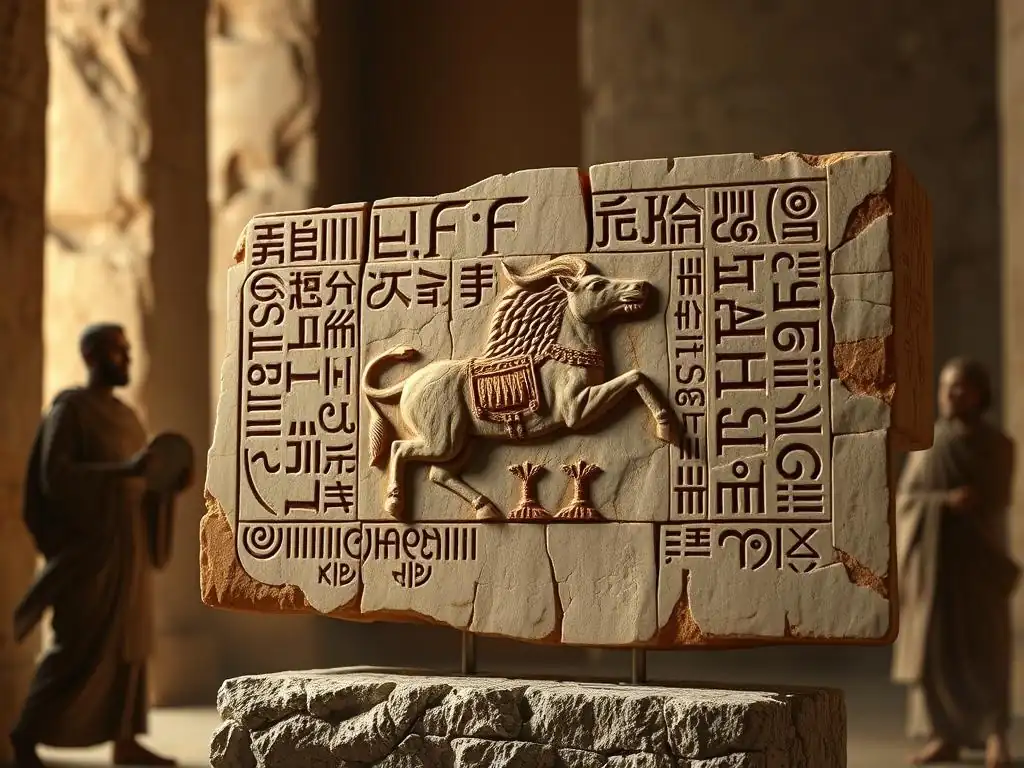
Archaeological excavations in Mesopotamia have yielded numerous cuneiform tablets that provide invaluable textual evidence for the Akitu festival. These include ritual calendars and liturgical texts detailing the daily ceremonies, offerings, and prayers associated with the eleven-day celebration. For instance, the "Akitu Chronicle" (BM 34793) provides a summary of events, though not a comprehensive daily account. Other tablets contain specific prayers and incantations recited during the festival, such as the prayer of the king on the 5th day, which outlines his confession and plea for Marduk's favor.
Beyond ritual prescriptions, royal inscriptions from kings like Nebuchadnezzar II frequently mention their devotion to Marduk and their role in maintaining the Esagila temple and the Akitu cult. These inscriptions, often found on building bricks or stelae, describe the king's piety and his efforts to ensure the proper performance of religious rites. The meticulous recording of these Akitu festival Babylonian rituals on clay tablets underscores their profound importance to the state and its rulers, offering direct insights into their structure and purpose.
Archaeological Remains of the Akitu Temple and Processional Way
The most tangible archaeological evidence for the Akitu festival comes from the urban landscape of ancient Babylon itself, particularly the Processional Way and the remains of the Bit Akitu (Akitu House). Excavations by Robert Koldewey in the early 20th century uncovered the impressive Processional Way, a wide, paved street leading from the Ishtar Gate towards the northern outer city wall.
This ceremonial route, nearly 900 meters long, was adorned with glazed brick reliefs of lions, bulls, and mushussu-dragons, visually representing the divine animals associated with Ishtar and Marduk. Its robust construction and decorative elements clearly indicate its purpose for grand public events like the Akitu procession.
Further afield, Koldewey also identified the remains of a substantial building, roughly 200-300 meters north of the outer city wall, which he confidently identified as the Bit Akitu. While only the foundations and lower courses of the walls survive, its isolated location outside the main city, consistent with textual descriptions of the Akitu House, strongly supports this identification. These physical structures provide direct, compelling evidence for the setting and scale of these significant Akitu festival Babylonian rituals, demonstrating the immense resources and effort invested in their performance.
While direct archaeological evidence of specific artifacts used during the ephemeral Akitu rituals is rare, indirect evidence and contextual finds offer insights. Numerous cultic objects, such as offering tables, incense burners, and fragments of cult statues, have been recovered from temples across Mesopotamia, including the Esagila complex. While not definitively linked to a specific Akitu performance, these types of artifacts represent the material culture of Babylonian religious practice and would have been integral to the broader ritual environment.
Additionally, dedicatory inscriptions on cylinder seals, boundary stones (kudurrus), and votive objects often depict kings or worshipers engaged in acts of piety before deities, reflecting the devotional aspects central to the Akitu festival. The sheer volume of cuneiform tablets, including administrative records related to temple provisions and offerings, also indirectly supports the scale and complexity of events like the Akitu, which would have required massive logistical support. These various archaeological finds, though sometimes circumstantial, collectively enrich our understanding of the material and practical dimensions of the Akitu festival Babylonian rituals.
Comparative Analysis: Akitu Festival and Other Ancient Near Eastern Festivals
Comparing the Akitu Festival to Similar Festivals in Mesopotamia and Egypt
The Akitu festival, while unique in its Babylonian manifestation, shares fundamental thematic and structural similarities with other New Year and renewal festivals across the Ancient Near East. Within Mesopotamia itself, earlier Sumerian and Akkadian traditions featured similar New Year festivals, often centered on the agricultural cycle and the renewal of fertility, such as the zagmuk festival.
These earlier Mesopotamian festivals also incorporated elements of divine assembly, royal legitimation, and processional rites, suggesting a long-standing tradition from which the Babylonian Akitu evolved. The core concept of cosmic re-creation and royal reaffirmation permeates these ancient Akitu festival Babylonian rituals and their predecessors.
Further afield, the ancient Egyptian Sed Festival (or Heb-Sed) offers a compelling parallel. While not an annual event but rather a jubilee celebrated after a king's 30th year of reign (and periodically thereafter), the Sed Festival also served as a ritualistic reaffirmation of the pharaoh's vitality and divine right to rule.
Both the Akitu and Sed festivals involved the king undergoing symbolic rites of renewal, public processions, and elaborate ceremonies designed to ensure the continued prosperity of the land through the king's renewed divine favor. Despite differences in specific deities and cultural contexts, the underlying purpose of ensuring cosmic and political stability through ritual performance connects these grand ancient celebrations.
A striking commonality among the Akitu festival, earlier Mesopotamian New Year festivals, and the Egyptian Sed Festival is the overarching theme of renewal. In agricultural societies heavily dependent on the cycles of nature, the annual or periodic renewal of the cosmos, the land, and the king's vitality was paramount. The Akitu festival specifically reenacted Marduk's creation of the world, symbolically resetting the cosmic clock and ensuring fertility and abundance for the coming year. This cosmic renewal was intrinsically linked to the renewal of kingship.
The reaffirmation of kingship was another shared and critical theme. In both Mesopotamia and Egypt, the king was viewed as a divine intermediary, whose personal well-being and divine favor directly impacted the prosperity of the state. Rituals like the Akitu's humiliation and re-investiture, or the Sed Festival's symbolic running of the circuit, were designed to ritually "recharge" the king, demonstrating his continued fitness to rule and his renewed divine mandate. These elaborate Akitu festival Babylonian rituals and their counterparts elsewhere served as vital mechanisms for legitimizing royal authority and maintaining social and political stability in ancient empires.
The Egyptian Sed Festival and Mesopotamian New Year Festivals
The Egyptian Sed Festival, typically celebrated after 30 years of a pharaoh's reign, was a jubilee designed to rejuvenate the king's physical and spiritual powers. It involved the pharaoh performing ritualistic runs, symbolic enthronements in different shrines, and offerings to various deities, all aimed at renewing his life force and affirming his continued ability to rule. Like the Akitu, it was a spectacular public display that reinforced the king's divine connection and the stability of the monarchy, although its periodicity differed significantly from the annual Akitu.
Mesopotamian New Year festivals, predating the Neo-Babylonian Akitu, also centered on themes of creation, fertility, and the determination of destinies. For instance, in Sumerian cities like Ur, the zagmuk festival involved the procession of cult statues and rituals to ensure the fertility of the land and the well-being of the city-state. While the specific deities and details varied by city and period, the fundamental purpose of these ancient Akitu festival Babylonian rituals and their predecessors was consistently to maintain cosmic order and secure divine blessings for the community and its ruler.
The Legacy of the Akitu Festival
The Enduring Influence of Babylonian Religious Practices
The Akitu festival, as the pinnacle of Neo-Babylonian religious practice, left a considerable legacy, influencing subsequent Mesopotamian cultures even after the fall of Babylon to the Achaemenid Persians in 539 BCE. Elements of the festival, particularly the concept of a divine assembly determining destinies for the new year, persisted in various forms under Persian, Hellenistic (Seleucid), and Parthian rule. While the political context changed, the profound cultural and religious significance of these annual renewal rites continued to resonate within Mesopotamian society for centuries.
The theological concepts embedded within the Akitu festival Babylonian rituals, such as Marduk's role as the supreme creator and order-giver, also influenced later religious thought. The Enuma Elish, central to the Akitu, continued to be copied and studied, preserving its narrative of cosmic creation. Although the full eleven-day spectacle might have diminished in grandeur over time, the underlying principles of divine judgment, cosmic renewal, and the king's sacred role found enduring expression in various local cults and traditions across the region.
The Akitu Festival's Impact on Later Mesopotamian Cultures
Even under foreign rule, the Akitu festival persisted, albeit with adaptations. During the Seleucid period (312-63 BCE), Greek rulers in Mesopotamia, keen to legitimize their authority, sometimes participated in or supported local Babylonian cults, including elements of the Akitu. Inscriptions from Uruk, for example, indicate the continued celebration of New Year festivals with processional elements, suggesting a syncretic blend of Greek and Babylonian religious practices. This continuity demonstrates the deep cultural roots and resilience of these ancient Akitu festival Babylonian rituals.
The influence of the Akitu festival's themes of divine judgment and the annual determination of fates can also be observed in later Mesopotamian and even some early Jewish traditions, though these connections are subjects of scholarly debate. The idea of a "day of judgment" or a "book of life" being opened at the turn of the year, where fates are sealed, bears conceptual similarities to the divine assembly of the Akitu where Marduk decreed destinies. While not a direct lineage, the Akitu's enduring cultural footprint underscores its profound impact on the religious and cosmological understanding of the ancient world.
Conclusion: Understanding the Akitu Festival's Importance
A Summary of the Akitu Festival's Rituals, Ideology, and Significance
The Akitu festival in ancient Babylon was a multifaceted annual celebration, spanning eleven days, that served as the cornerstone of the Neo-Babylonian Empire's religious, political, and social life. Its elaborate Akitu festival Babylonian rituals meticulously reenacted the creation myth of Marduk, the supreme deity, ensuring the cosmic order and the renewal of the world for the coming year. Key ceremonies included the recitation of the Enuma Elish, the grand procession of the gods along the Processional Way to the Akitu House, and the pivotal humiliation and re-investiture of the king, symbolizing his dependence on and reaffirmation by Marduk.
Ideologically, the Akitu festival was a powerful tool for legitimizing royal rule, firmly embedding the king within the divine plan as Marduk's chosen representative. It reinforced social hierarchy, fostered collective identity, and provided a powerful annual reminder of the divine mandate underpinning the entire Babylonian system.
Archaeological evidence, from extensive cuneiform texts detailing the rites to the physical remains of the Processional Way and the Bit Akitu, vividly confirms the festival's scale and importance. Comparatively, it shared fundamental themes of renewal and kingship with other Ancient Near Eastern festivals, such as the Egyptian Sed Festival, highlighting universal concerns about cosmic and political stability.
The Akitu Festival as a Window into Babylonian Culture and Beliefs
Ultimately, the Akitu festival offers an unparalleled window into the intricate culture and profound beliefs of the ancient Babylonians. Its complex rituals reveal a society deeply concerned with cosmic order, divine favor, and the cyclical nature of existence. The festival demonstrates how religion was not merely a private affair but an all-encompassing force that permeated every aspect of public and political life, from monumental architecture to royal legitimacy. The meticulous planning and execution of these Akitu festival Babylonian rituals speak to a highly organized and deeply spiritual civilization.
Moreover, the Akitu festival underscores the Babylonian worldview, where the actions of gods and humans were inextricably linked, and the proper performance of ritual was deemed essential for maintaining harmony between the heavens and the earth. By studying the Akitu, archaeologists and historians gain crucial insights into the mechanisms of power, the construction of identity, and the enduring human quest for meaning and order in the ancient world. It remains a testament to the sophistication and enduring legacy of Babylonian civilization.
Frequently Asked Questions
What was the Akitu Festival?
The Akitu Festival was a significant Babylonian religious celebration marking the start of the agricultural year and the New Year. It involved elaborate rituals and processions.
Where and when did the Akitu Festival take place?
The festival was primarily celebrated in the city of Babylon, during the month of Nisan (March/April). It spanned twelve days and involved various temples and locations within the city.
What role did the king play in the Akitu Festival?
The king held a central role, participating in rituals symbolizing his submission to the gods and reaffirming his right to rule. The festival served to legitimize royal authority.
What were some of the key rituals performed during the Akitu Festival?
Key rituals included the purification of the city, the procession of the gods' statues, the reading of the Enuma Elish (Babylonian creation epic), and the humiliation of the king before Marduk.
How does the Akitu Festival provide insights into Babylonian society?
The Akitu Festival provides valuable insights into Babylonian religious beliefs, social hierarchy, and political ideology. It reveals the importance of agriculture, the power of the priesthood, and the relationship between the king and the divine.
Final Reflection: Echoes of Ancient Renewal
The exploration of the Akitu festival and its intricate Babylonian rituals reveals more than just historical practices; it illuminates the enduring human need for renewal and reaffirmation of societal order. The echoes of those ancient processions and symbolic combats resonate even today, reminding us of the power of ritual to bind communities and legitimize leadership. Understanding the Akitu festival provides a crucial lens through which to view the timeless interplay between power, belief, and performance.
This journey into the heart of Babylonian culture has profoundly underscored the importance of understanding historical context in interpreting cultural practices. The Akitu festival wasn't merely a series of events; it was a carefully orchestrated performance designed to reinforce the king's divine mandate and ensure the continued prosperity of Babylon. The king is the image of god on earth; his actions are the will of the gods made manifest.
This quote, though not directly from a Babylonian text, encapsulates the underlying ideology that fueled the Akitu festival and shaped Babylonian society.
As we conclude this exploration of the Akitu festival and its Babylonian rituals, I invite you to consider the rituals and performances that shape your own world. What traditions do you participate in that reaffirm your values and connect you to something larger than yourself? Let us strive to understand the underlying narratives and power dynamics at play, ensuring that the rituals we embrace truly reflect the values we wish to uphold and the future we aspire to create.
Unveil Babylon's Secrets: Your Journey Awaits!
Thank you for diving into the fascinating world of the Akitu festival! We hope you enjoyed exploring its intricate rituals and the royal ideology they embodied. Now, let's bring this ancient celebration to life.
Here's how you can continue the journey:
- Reimagine the Processional Way: Conceptualize a modern Akitu procession through your own city, considering how you might adapt ancient symbols and rituals to address contemporary social or political themes.
- Delve deeper: Research modern reenactments of ancient rituals and share your findings with a friend interested in history.
- Brainstorm creative expressions: Write a short poem or create a piece of art inspired by the Akitu festival, capturing its essence and significance.
What contemporary themes could you weave into a modern re-imagining of the Akitu procession?