Best Field Tools & Hobbyist Archaeology Gear Reviews
Welcome to ArchaeologyHub.org’s dedicated corner for hands-on discovery. Whether you are a weekend metal detectorist, a student on their first dig, or a history buff building a serious survey kit, this subcategory cuts through the marketing noise. Here, we rigorously test and review the shovels, screens, brushes, GPS units, and protective cases that turn casual curiosity into professional-grade fieldwork. Our goal is to help you choose reliable, cost-effective equipment that enhances precision while respecting archaeological ethics and site conservation.
🔍 Essential Excavation Hand Tools: Trowels, Brushes & Picks
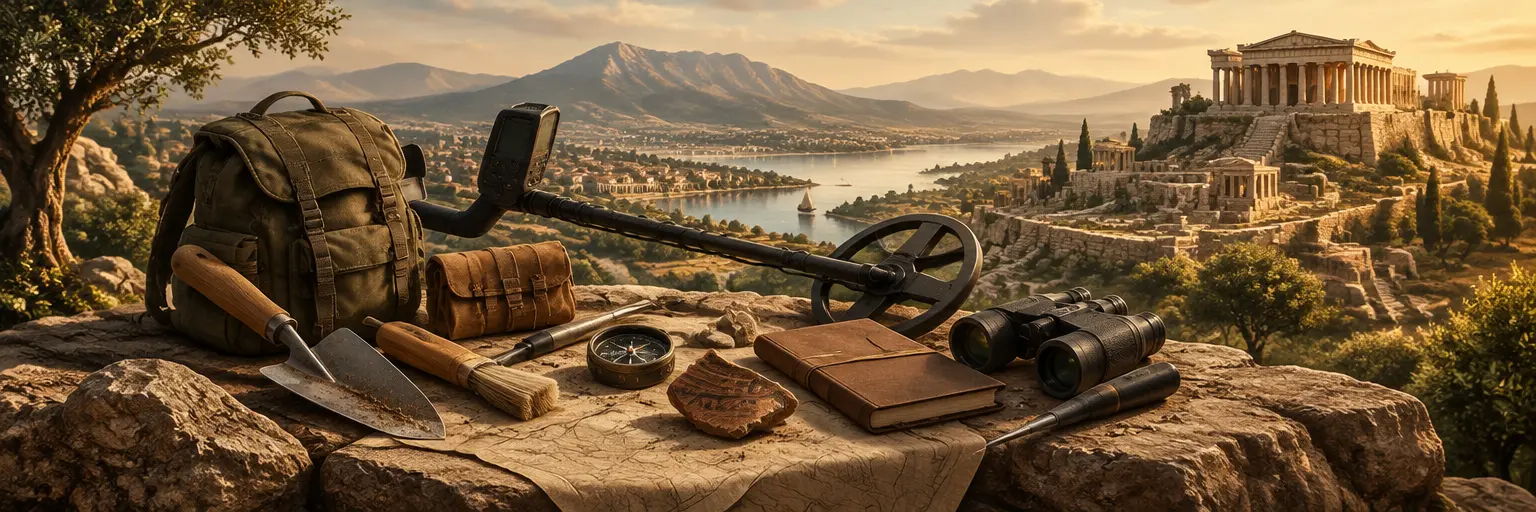
Begin with the instruments that touch the earth. We evaluate pointed and flat trowels from brands like Marshalltown and WHS, focusing on steel hardness, handle ergonomics, and edge retention for prolonged use. Our reviews also cover detail brushes with synthetic and horsehair bristles, plus masonry picks and awls for precision cleaning. Expect side-by-side comparisons of weight, balance, and how each tool performs in clay, sandy loam, and rocky terrain.
For hobbyists, we emphasize durability over flash—a stout carbon steel trowel that holds its edge for three seasons beats a coated novelty. We also test tool rolls and belts to keep your kit organized on site. Each review includes a clear “best for” verdict, so you can match a tool to your specific soil conditions and excavation style, whether you are scraping a test pit or preserving fragile ceramic edges.
⚒️ Metal Detectors & Pinpointers: Accuracy for Surface Finds
Hobbyist archaeology often begins with a metal detector, and this section dissects entry-level to advanced models. We test discrimination modes, depth penetration, ground balance, and target recovery speed in real field settings. Brands like Minelab, Garrett, and Nokta are scrutinized for coil size, audio feedback, and battery life. We also review handheld pinpointers for zeroing in on buried targets after the initial sweep.
Beyond specifications, we explain how to adjust settings for mineralized soil and trash-heavy sites. Our guidance includes ethical detecting practices—proper permissions, recording finds, and backfilling holes. Whether you hunt for coins, relics, or geological samples, our comparative charts and user experience notes help you avoid overspending on features you may never use, while prioritizing models that offer clear audio tones and lightweight construction for hours of swinging.
📐 Surveying & Mapping Gadgets: GPS, Compasses & Laser Measures
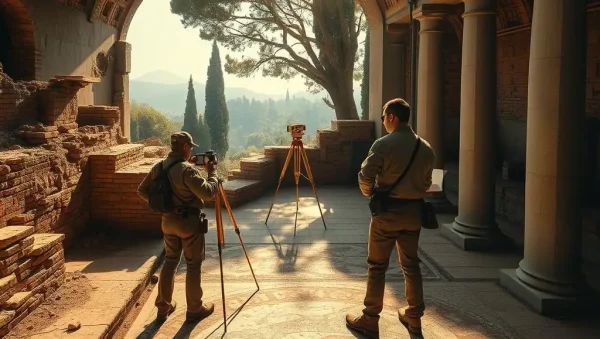
Accurate spatial data is the backbone of any archaeological record. We review handheld GPS units with sub-meter accuracy, mapping smartphone apps, and traditional lensatic compasses for backup navigation. Our tests include satellite lock speed, battery drain under canopy cover, and ease of importing waypoints into GIS software. We also pit laser distance measurers against retractable tapes for grid square layouts and feature mapping.
For hobbyist teams, we highlight budget-friendly solutions like phone-based GPS coupled with external antenna modules. We provide step-by-step setup guides for digital logging, from marking artifact clusters to creating simple site sketches. Each review stresses data redundancy—always carry a paper log—and we compare rugged, waterproof casings for extreme weather. Expect clear recommendations for beginners who need reliable coordinates without mounting a full surveying tripod.
🧤 Field Safety & Preservation Kits: Gloves, Kneepads & Storage
Fieldwork is physically demanding, so we assess protective gear that prevents injury and artifact damage. We test nitrile-coated gloves for grip and dexterity, padded knee pads for prolonged kneeling, and high-visible vests for roadside surveys. We also review waterproof document sleeves, padded artifact boxes, and silica gel packs to safeguard finds until they reach proper conservation. Our focus is on preventing contamination—acid-free tissue, soft bristle brushes, and stabilizing foam inserts are all compared.
We include packing guides for your vehicle or backpack, recommending compact first-aid kits, sun protection, and hydration systems that do not interfere with bending or digging. Practical advice covers lifting heavy finds safely and cleaning tools to avoid cross-site contamination. Each product review considers long-term value, from washable materials to replaceable parts. By pairing safety gear with smart storage, you keep both yourself and your discoveries in top condition for future analysis.
🕵️ Documenting Finds: Field Notebooks, Macro Lenses & Scales
In archaeology, context is everything. This section reviews waterproof field notebooks, archival pens, and retractable measuring scales for photographic documentation. We test macro lenses for smartphones and budget mirrorless cameras to capture fine details like tool marks or pottery slip. Also included are color calibration cards and portable light tents for consistent, shadow-free artifact shots. Our focus is on creating a verifiable record that supports later research or museum submission.
We offer templates for inventory logs, including fields for depth, stratum, and GPS coordinates. For digital enthusiasts, we review Wi-Fi-enabled SD cards and Bluetooth triggers that simplify remote capture. Practical tutorials cover lighting angles, scale placement, and background choices to make your photos publication-ready. Each gear recommendation balances cost against output quality, ensuring that hobbyists can document responsibly without investing in a full studio setup.
Frequently Asked Questions
What is the best trowel for a beginner hobbyist archaeologist?
For beginners, we recommend a 5-inch pointed trowel with a tang handle from Marshalltown or WHS. Look for high-carbon steel, which holds an edge longer and is less likely to bend on roots or rocks. Avoid cheaper stainless steel, which tends to be softer. A leather or wooden handle absorbs sweat better than plastic, reducing blisters during long sessions.
Do I need a professional GPS unit for hobbyist site mapping?
No, most hobbyists can start with a smartphone GPS app like Gaia GPS or Avenza Maps, which offer sub-10-meter accuracy—usually sufficient for surface finds. However, if you are mapping test pits or grid squares, upgrade to a handheld Garmin with an external antenna. Remember to download offline maps before heading to remote sites without cellular coverage.
How do I clean and store metal detector finds without damaging them?
Never scrub artifacts with wire brushes or acids. Instead, rinse in deionized water to remove soil, then air-dry in a shaded area. For copper or silver, use a soft toothbrush with distilled water. Store finds in acid-free zip bags with a silica gel pack to prevent moisture corrosion. Do not coat metal objects with oils, as this can trap chlorides.
What is the minimum safety gear for field walking surveys?
At minimum, carry a first-aid kit, sun hat, high-SPF sunscreen, and a water bladder. Wear sturdy leather boots with ankle support and reinforced toes. Nitrile gloves protect against broken glass or sharp pottery. A high-visibility vest is essential if you are working near roads or in overgrown areas. Always inform someone of your survey route before leaving.
Can I use a macro lens on my phone for artifact photography?
Yes, clip-on macro lenses for smartphones work well for small finds. Choose a lens with 60–100mm magnification and a built-in LED light ring for even illumination. Pair it with a mini tripod and a remote shutter to eliminate shaking. For best results, use a color card and a standard gray scale for accurate color balance in post-processing.