Archaeology Equipment & Collectibles: Your Gateway to Authentic Field Tools and Ethical Treasures
Welcome to ArchaeologyHub.org’s dedicated hub for archaeology equipment and collectibles. Whether you are a seasoned field archaeologist, a passionate hobbyist, or a history enthusiast seeking meaningful gifts, this category bridges the gap between practical excavation needs and ethical appreciation of the past. We curate only the most reliable gear reviews and responsible replica guides, helping you dig smarter and collect with integrity. Explore our expert breakdowns below to find the perfect tools, from trowels to total stations, and discover replicas that honor cultural heritage without compromising authenticity.
🔍 Best Field Tools & Hobbyist Archaeology Gear Reviews
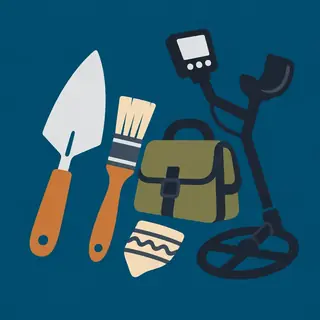
This subcategory is your definitive resource for field-tested reviews on everything from professional-grade trowels, brushes, and measuring tapes to entry-level metal detectors and sifting screens. We evaluate each product based on durability, ergonomics, precision, and value for money, ensuring you invest in tools that withstand tough digs. Expect comparative charts, hands-on assessments, and pro tips on maintaining your kit, whether you volunteer on excavations or enjoy backyard artifact hunting. Our reviews prioritize user safety and ethical surveying practices, so you can explore responsibly.
🎁 Ethical Archaeological Replicas & Inspired Gift Guides
Celebrate history without harming heritage sites with our curated selection of ethical archaeological replicas. Here, we highlight museums, certified artisans, and nonprofit organizations that produce faithful, educational reproductions—from ancient coins, pottery, and jewelry to Mesopotamian cylinder seals and Egyptian amulets. Our gift guides are organized by occasion, budget, and era, helping you find meaningful presents for students, educators, or collectors. Each product is vetted to ensure it is not a looted original, and we provide insight into provenance and cultural significance, turning every gift into a learning moment.
Frequently Asked Questions
What is the best beginner-friendly field tool for hobbyist archaeology?
For beginners, a sturdy masonry trowel (5-inch pointed pattern) is the most essential and versatile tool. It is ideal for gentle soil scraping, cleaning profiles, and detailed excavation in dry conditions. Pair it with a 3-inch paintbrush for fine brushing and a simple line level for accuracy. We recommend brands like Marshalltown or WHS for durability. Avoid metal detectors initially unless you are on designated hobby-permitted land—always research local laws and obtain permission before digging.
Are archaeological replicas legal to buy and sell?
Yes, ethical replicas are completely legal when sourced from licensed producers who use non-destructive casting methods and clearly label items as “reproduction” or “replica.” However, never purchase items that claim to be authentic artifacts without provenance papers, as this encourages looting. Trusted replicas come from museum gift shops, certified artisan cooperatives, and companies like the British Museum’s authorized vendor or the Society for American Archaeology’s partner suppliers. Always ask for a certificate of authenticity and ensure the original artifact was legally excavated and documented.
How do I clean and preserve my archaeology field tools?
After each dig, remove soil with a dry brush, then wash tools in warm water with mild soap—never use harsh chemicals that corrode steel. Dry completely and apply a thin coat of mineral oil or paste wax to moving parts (e.g., trowel handles, hinge joints). Store in a dry, well-ventilated toolbag with silica gel packets to prevent rust. For wooden handles, rub them with linseed oil monthly. Inspect edges for nicks and sharpen with a fine file as needed. Proper maintenance extends tool life and ensures accurate excavation.
Can I display replicas in a home museum or educational setting?
Absolutely. Ethical replicas are excellent for classrooms, home displays, and temporary exhibitions because they encourage hands-on learning without risk to original artifacts. Label each replica clearly with its era, original site, and reproduction date to avoid confusion. For educational settings, pair replicas with interpretive panels explaining the difference between original and copy. Many museums actively use high-quality replicas for touch tables—this is a respectful way to make history accessible. Just never pass off replicas as authentic in catalogues or appraisals.
What should I look for when buying a metal detector for hobby use?
Focus on frequency adjustability (multi-frequency models perform best on mineralized soil), a waterproof coil for shallow creeks, and a lightweight shaft (under 3 lbs) for prolonged use. Look for a ground-balance feature (manual or automatic) to ignore iron trash. Brands like Garrett Ace (entry) or Minelab Vanquish (mid-range) are reliable. Always purchase with a quality pinpointer, digging knife, and a finds pouch. Never detect on protected sites or without landowner permission—check local heritage laws first. Start with parks and your own yard.