
Photography at World Heritage Sites: Ethical Guidelines and Capturing the Best Shots

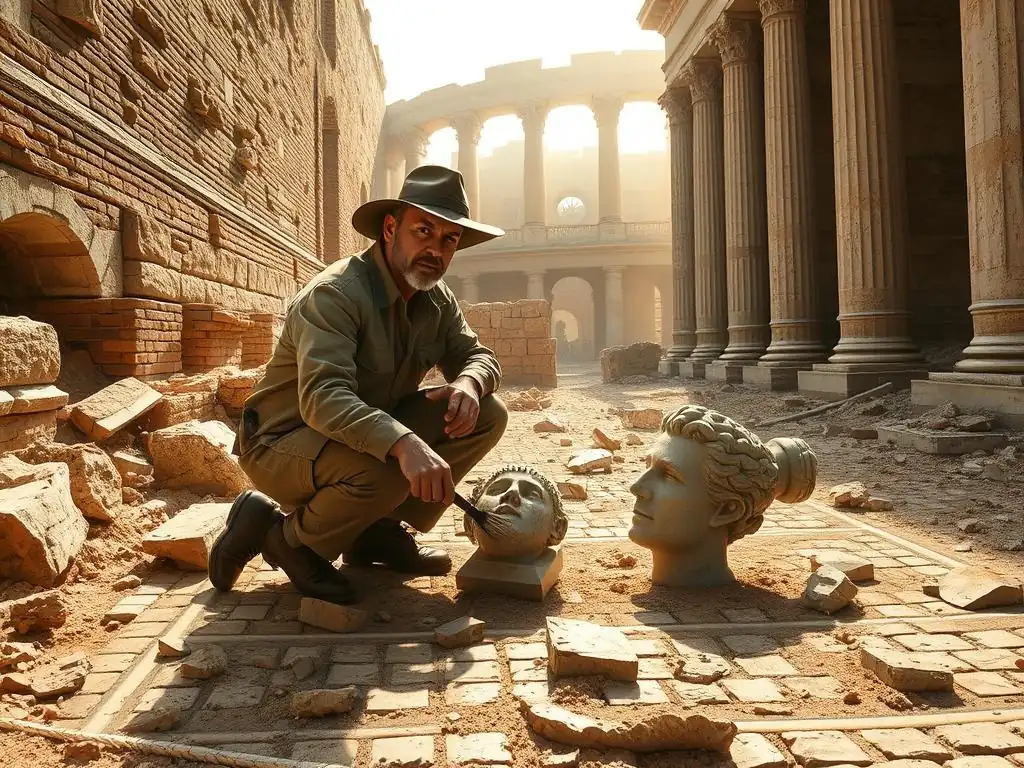
Welcome to ArchaeologyHub.org, your gateway to unlocking the secrets of the past! Ever wondered about the responsibility that comes with capturing the beauty of ancient wonders? Dive into our world of archaeological discoveries, excavation techniques, and historical sites, starting with a crucial discussion on Ethical Photography at World Heritage Sites. Discover the guidelines for respectful and impactful photography, ensuring these invaluable treasures are preserved for generations to come. What does it truly mean to document history without impacting it? Let's explore together...
- Introduction: Respecting History Through Ethical Photography at World Heritage Sites
- Planning Your Photography Trip: Preparation is Key for Ethical Travel
-
Ethical Considerations: A Guide to Responsible Photography
- Respecting Local Cultures and Communities: Obtaining Consent and Avoiding Exploitation
- Avoiding Damage to Structures and Artifacts: Staying on Marked Paths and Using Non-Invasive Techniques
- Minimizing Flash Photography: Protecting Delicate Artifacts and Surfaces
- Drone Photography Ethics: Navigating Restrictions and Minimizing Disturbance (with recommended courses and certifications)
-
Capturing the Best Shots: Techniques for Documenting Archaeological Wonders
- Composition and Framing: Highlighting the Significance of Archaeological Features
- Utilizing Natural Light: Shooting During Golden Hour for Optimal Results
- Storytelling Through Photography: Conveying the History and Importance of the Site
- Post-Processing Techniques: Enhancing Images While Maintaining Authenticity
- Case Study: Ethical Photography at Petra, Jordan
- Sharing Your Photos Responsibly: Promoting Conservation and Awareness
- Conclusion: Leaving a Positive Footprint Through Ethical Photography
-
Frequently Asked Questions
- How does ethical photography contribute to the preservation of World Heritage Sites?
- What are some practical guidelines for photographers visiting World Heritage Sites to minimize their impact?
- What are the potential consequences of unethical photography practices at World Heritage Sites?
- How can photographers ensure they are obtaining permission for commercial photography at World Heritage Sites?
- Why is it important to consider the social and cultural context when photographing World Heritage Sites?
- Final Reflection: Preserving Heritage Through the Lens
- Unleash Your Inner Heritage Photographer!
Introduction: Respecting History Through Ethical Photography at World Heritage Sites
Why Ethical Photography Matters at Archaeological Sites
Archaeological sites, often designated as World Heritage Sites, are irreplaceable repositories of human history and culture. Their delicate nature means that every visitor, including photographers, carries a significant responsibility. Unethical practices, such as ignoring regulations or disturbing the environment, can lead to irreversible damage, from physical erosion of structures to the degradation of sensitive artifacts.
For instance, the sheer volume of visitors to places like the Great Wall of China or the Pyramids of Giza, estimated in the millions annually, highlights the cumulative impact of even small transgressions. Practicing ethical photography world heritage sites is paramount to ensuring these treasures endure for future generations.
Beyond physical damage, unethical photography can also disrespect the cultural and spiritual significance of a site. Many archaeological locations hold deep meaning for local communities, serving as sacred spaces, ancestral lands, or symbols of identity. Photographing without consent, misrepresenting cultural practices, or prioritizing a "perfect shot" over respectful engagement can cause profound offense and undermine conservation efforts. The long-term preservation of these sites relies not just on archaeological work but on a collective commitment to responsible interaction, which begins with understanding the profound value of each location.
Understanding the Impact of Photography on Heritage Preservation
The act of photography, seemingly innocuous, can have various tangible and intangible impacts on heritage preservation. Physically, stepping off designated paths to get a unique angle can compact soil, accelerate erosion, and damage fragile vegetation that protects ancient structures. For example, repeated foot traffic at sites with ancient pavements, like those found in Pompeii, contributes to their wear and tear over decades. The use of tripods in confined spaces can scratch delicate surfaces or obstruct pathways, while improper drone use can lead to crashes that damage monuments or disturb wildlife.
Intangibly, the widespread sharing of uncontextualized or sensationalized images can sometimes trivialize the deep historical and cultural narratives of a site, reducing it to a mere backdrop for tourism. This can also lead to "over-tourism" at specific popular spots, putting immense strain on infrastructure and conservation resources. Conversely, responsible ethical photography world heritage sites can serve as a powerful tool for advocacy and education, raising global awareness about the importance of preservation and inspiring others to visit these sites with respect and understanding.
Planning Your Photography Trip: Preparation is Key for Ethical Travel
Researching Site Regulations: Permits, Restrictions, and Drone Usage
Thorough research is the cornerstone of responsible archaeological photography. Before even booking a flight, investigate the specific regulations of each World Heritage Site you plan to visit.
Many sites have strict rules regarding photography, including prohibitions on flash photography in sensitive areas (e.g., Egyptian tombs, where flash can degrade ancient pigments), restrictions on tripods or large camera bags in crowded spaces (e.g., the Louvre Museum, which houses many archaeological artifacts), and designated no-photo zones. Some sites, especially those with high visitor traffic or delicate structures like Angkor Wat, may require special permits for professional or commercial photography, often costing hundreds of dollars.
Drone usage is particularly contentious and often entirely banned at World Heritage Sites due to concerns about security, privacy, noise pollution, and potential damage. For instance, sites like the Acropolis in Athens, Rome's Colosseum, and virtually all archaeological sites in Peru (including Machu Picchu) have explicit, non-negotiable drone bans. Even if a site doesn't have an outright ban, local and national aviation authorities will have strict regulations regarding airspace, altitude limits, and licensing requirements. Always check the official website of the site or its managing authority for the most up-to-date and accurate information regarding all forms of photography.
Essential Photography Gear for Heritage Sites: Beyond the Camera
Camera Recommendations: Full-Frame Mirrorless Cameras for High-Resolution Images
For capturing the intricate details and expansive scale of World Heritage Sites, full-frame mirrorless cameras are highly recommended. Models like the Sony Alpha A7R series or Canon EOS R5 offer exceptional resolution, often ranging from 45 to 61 megapixels, providing immense detail for large prints or in-depth analysis of ancient structures and landscapes. Their superior low-light performance, thanks to larger sensors, allows for cleaner images at higher ISO settings, which is crucial when shooting inside dimly lit temples or tombs without relying on intrusive flash.
Furthermore, mirrorless cameras are generally lighter and more compact than traditional DSLRs, making them ideal for travel and extended periods of walking around vast archaeological complexes. Their advanced autofocus systems and silent shooting modes are also beneficial, allowing photographers to capture moments without disturbing other visitors or the serene atmosphere of a historical place. The ability to preview exposure changes in real-time through the electronic viewfinder aids in achieving optimal results efficiently.
Lens Selection: Wide-Angle and Telephoto Lenses for Versatility at Archaeological Sites
A versatile lens kit for archaeological photography typically includes both wide-angle and telephoto options. A wide-angle lens, such as a 16-35mm or 14-24mm, is indispensable for capturing the grandeur and scale of vast sites like the temples of Karnak or the Mayan city of Palenque. These lenses allow you to fit entire structures or sprawling landscapes into a single frame, conveying the impressive scope of ancient engineering. They are also excellent for capturing architectural interiors, providing a sense of immersion.
Conversely, a telephoto lens, like a 70-200mm or 100-400mm, enables photographers to isolate specific details from a distance without needing to get physically close to delicate artifacts or restricted areas. This is invaluable for capturing intricate carvings on distant walls, faded frescoes high up in a dome, or even wildlife that might inhabit the site without causing disturbance. The compression offered by telephoto lenses can also create compelling compositions by bringing distant elements closer together.
Tripods and Stabilizers: Lightweight Carbon Fiber Tripods for Sharp, Stable Shots
While often restricted in crowded or sensitive areas, a lightweight carbon fiber tripod is an invaluable tool for achieving sharp, stable images, especially in low-light conditions or when shooting long exposures. Carbon fiber models typically weigh under 2 kilograms, making them manageable for travel. They are essential for capturing detailed architectural shots, ensuring maximum sharpness and depth of field, or for creating stunning twilight and night sky photographs over ancient ruins without introducing motion blur.
However, the use of tripods requires careful consideration of site regulations and fellow visitors. Many World Heritage Sites, particularly indoor exhibits or narrow pathways, prohibit tripods to prevent obstruction or accidental damage. Always check specific site rules in advance. If a full-sized tripod is not permitted, consider a smaller, tabletop tripod or a monopod, which offers some stability with a smaller footprint and can be more easily allowed in certain areas.
Protective Gear: Weatherproof Camera Bags for Safe Transport
Archaeological sites often expose photographic equipment to challenging environmental conditions, including dust, sand, rain, and humidity. A high-quality weatherproof camera bag is therefore essential for safe transport and protection. Look for bags made from durable, water-resistant materials like ballistic nylon or ripstop fabrics, with robust zippers and padded compartments to cushion against impacts. Brands like Peak Design or Lowepro offer excellent options designed for outdoor use.
Beyond weather protection, a well-designed camera bag should offer comfortable carrying options, such as ergonomic shoulder straps or a waist belt, crucial for long days exploring extensive sites like Ephesus or Teotihuacan. Quick-access compartments allow for swift lens changes, minimizing the time your camera is exposed to the elements. Opting for a bag that doesn't overtly scream "expensive camera inside" can also contribute to your personal safety and discretion.
Packing Light: Minimizing Your Impact on the Environment
Packing light is not only practical for ease of travel but also a crucial aspect of minimizing your environmental footprint at World Heritage Sites. Less baggage means a lower carbon footprint associated with transportation, as planes and vehicles consume less fuel. Furthermore, carrying fewer items reduces the likelihood of accidental damage to delicate structures or artifacts due to bulky backpacks or equipment. For instance, navigating the narrow passages of the Ancient City of Sigiriya with a large, unwieldy bag could pose a risk to both the site and other visitors.
Prioritize multi-functional gear and essentials. Instead of multiple outfits, consider quick-drying, versatile clothing. For photography, bring only the lenses and accessories you genuinely need. Always carry a reusable water bottle and minimize single-use plastics or excessive packaging for snacks. The principle of "leave no trace" extends beyond physical rubbish to include minimizing any potential strain on a site's infrastructure and resources, contributing to truly ethical photography world heritage sites.
Ethical Considerations: A Guide to Responsible Photography
Respecting Local Cultures and Communities: Obtaining Consent and Avoiding Exploitation
When photographing at World Heritage Sites, many of which are living cultural landscapes, it is paramount to respect local cultures and communities. This means always asking for explicit permission before photographing individuals, particularly indigenous people or those engaged in traditional activities. A simple gesture, a polite question, or learning a few words of the local language can go a long way in building trust. For example, at sites in Southeast Asia, where Buddhist monks are common, direct requests are essential. Ignoring this can be seen as highly disrespectful or even exploitative, turning people into mere objects for a photograph.
Avoid staging photos or offering money for "authentic" shots that might commodify local life or reinforce stereotypes. This practice can inadvertently encourage begging or create a transactional relationship that undermines genuine cultural exchange. Instead, seek to capture moments respectfully from a distance, or engage in genuine interaction before considering a photograph. Understanding and adhering to local customs, such as dress codes in religious sites or prohibitions on photography in certain sacred areas, is fundamental to ethical photography world heritage sites.
Avoiding Damage to Structures and Artifacts: Staying on Marked Paths and Using Non-Invasive Techniques
The preservation of World Heritage Sites depends heavily on visitor conduct. A primary ethical imperative is to avoid any action that could physically damage structures, artifacts, or the surrounding environment. This means strictly adhering to marked paths, designated viewing areas, and barriers. Stepping off these paths, even for a slightly better angle, can compact soil, accelerate erosion, and harm fragile archaeological layers beneath the surface. For example, the ancient Roman roads, while robust, can still suffer from increased wear and tear when visitors stray onto unreinforced sections.
Employ non-invasive photographic techniques. Never touch, lean on, climb on, or move any ancient structures, walls, or artifacts. Even seemingly minor contact can contribute to the degradation of delicate surfaces, transfer oils from skin, or dislodge fragments. Utilize natural light as much as possible, avoiding the need for artificial lighting that could potentially damage sensitive materials. The goal of ethical photography world heritage sites is to document without disturbing, ensuring the physical integrity of these irreplaceable historical assets.
Minimizing Flash Photography: Protecting Delicate Artifacts and Surfaces
Flash photography is explicitly prohibited in many indoor archaeological sites, museums, and especially in tombs or areas with ancient paintings, frescoes, or textiles. The primary reason for this restriction is the potential for cumulative damage from the ultraviolet (UV) radiation emitted by flashes. Over time, repeated exposure to UV light can accelerate the fading of pigments, dyes, and other organic materials, causing irreversible degradation to irreplaceable artifacts and artwork. For example, the vibrant colors in ancient Egyptian tombs or the cave paintings of Lascaux (though the original is closed to the public) are highly susceptible to light damage.
Instead of flash, optimize your camera settings for low-light conditions. Increase your ISO sensitivity (e.g., to ISO 1600 or 3200 for modern cameras with good noise performance), use a wider aperture lens (e.g., f/2.8 or f/4), and if permitted and stable, a slower shutter speed (e.g., 1/30s or slower, often requiring a tripod or image stabilization). Natural ambient light often produces more authentic and atmospheric images, preserving the true appearance of the site and contributing to ethical photography world heritage sites.
Drone photography can offer breathtaking aerial perspectives of vast archaeological landscapes, but it comes with significant ethical and legal complexities. Many World Heritage Sites, particularly those near airports, military installations, or with sensitive cultural significance, have outright bans on drone operation. Examples include the entire airspace around the Vatican City, the ancient city of Bagan in Myanmar, and most national parks in the United States. Even where permitted, noise disturbance to visitors and wildlife, privacy concerns, and the risk of accidental crashes causing damage to irreplaceable structures are major considerations.
Before even considering flying a drone near a World Heritage Site, thoroughly research and obtain all necessary permits from the relevant national aviation authority and the site management. Always prioritize safety, privacy, and minimal disturbance. Avoid flying directly over people or animals, and maintain a respectful distance from structures. Adherence to these strict guidelines is crucial for responsible drone use and for promoting ethical photography world heritage sites.
Online Course for Responsible Drone Operation
For any drone enthusiast, completing an online course for responsible drone operation is a fundamental step. These courses, often offered by drone manufacturers like DJI, or platforms like Udemy and Coursera, cover essential topics such as basic aerodynamics, weather considerations, flight planning, battery management, and general safety protocols. They also delve into ethical considerations, including respecting privacy, avoiding sensitive areas, and understanding local airspace classifications.
While these courses may not provide specific legal certification for commercial use, they instill a strong foundation of knowledge for safe and conscientious flying. They equip pilots with the understanding needed to minimize risks, prevent accidents, and ensure their operations align with general drone etiquette, which is especially important when operating near culturally sensitive or historically significant locations.
FAA Part 107 Certification - Required for Commercial Drone Use
In the United States, if any drone photography is conducted for commercial purposes—meaning you are compensated for your work, or the images are used to promote a business or service—the pilot must hold an FAA Part 107 Remote Pilot Certificate. This certification requires passing a comprehensive aeronautical knowledge test covering regulations, airspace classifications, weather, loading and performance, and emergency procedures. Similar certifications exist in other countries, such as the CAA PfCO in the UK or the EASA Open Category A1/A2/A3 in Europe.
Obtaining such certification demonstrates a high level of competency and commitment to safe and legal drone operation. For archaeological photography, this is particularly critical as it ensures the pilot understands the complexities of flying in controlled airspace, near populated areas, and around sensitive historical monuments. This professional standard is a cornerstone of responsible and ethical photography world heritage sites.
Capturing the Best Shots: Techniques for Documenting Archaeological Wonders
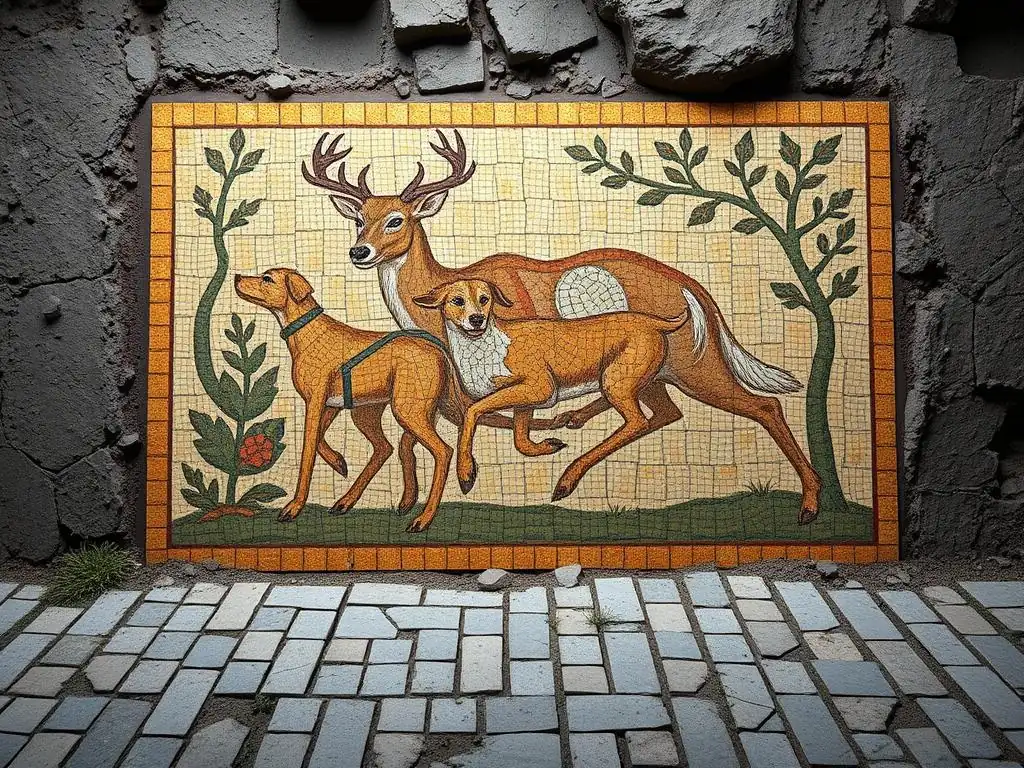
Composition and Framing: Highlighting the Significance of Archaeological Features
Effective composition is key to transforming a mere snapshot into a compelling narrative that highlights the significance of archaeological features. Techniques like the Rule of Thirds can guide the placement of key elements, drawing the viewer's eye to important structures or artifacts. Utilizing leading lines, such as ancient paths, walls, or architectural elements, can create a sense of depth and guide the viewer through the scene. For example, the grand avenues leading to temples at Luxor can be used to direct attention to the monumental structures.
Framing elements, such as an archway, a cave entrance, or even tree branches, can provide context and draw focus to the main subject, enhancing the sense of scale and ancient mystery. Aim to capture not just the "what" but the "why" and "how" of the site's existence. Consider how your composition can convey the sheer human effort involved in construction, the passage of time evident in the weathered stone, or the relationship between the ancient structures and the surrounding natural landscape.
Utilizing Natural Light: Shooting During Golden Hour for Optimal Results
Natural light is often the best light for photographing World Heritage Sites, enhancing their textures and conveying their authentic atmosphere. The "golden hour," the period shortly after sunrise and before sunset, offers particularly magical lighting conditions. During these times, the sun is low on the horizon, casting a soft, warm, diffused light that minimizes harsh shadows and highlights the contours and textures of ancient stone and brickwork. The warm tones can evoke a sense of timelessness and drama, making features like the sandstone facades of Petra glow.
Conversely, shooting during midday can result in harsh, flat light with strong, unflattering shadows. If you must shoot during midday, seek out shaded areas or use techniques like exposure bracketing to capture a wider dynamic range. However, prioritizing golden hour photography not only yields superior aesthetic results but also aligns with ethical photography world heritage sites by reducing the need for artificial lighting and often coinciding with fewer crowds.
Storytelling Through Photography: Conveying the History and Importance of the Site
To truly document archaeological wonders, your photographs should tell a story. Move beyond simply capturing pretty pictures and strive to convey the history, purpose, and importance of the site. This involves capturing a range of shots: wide establishing shots that show the overall scale and context, medium shots that highlight specific structures or areas of activity, and close-ups that reveal intricate details, tool marks, or weathering patterns. For example, a wide shot of the Colosseum might be followed by a detail shot of the arena's floor or an intricate carving on a column.
Consider how your images can evoke the lives of the people who built and inhabited these places. Look for subtle clues: a worn step, a faded fresco, or a tool left behind. By combining these different perspectives, you can build a visual narrative that educates viewers about the site's past, its significance in human history, and the ongoing efforts to preserve it. This approach fosters a deeper appreciation and promotes ethical photography world heritage sites by emphasizing their educational value.
Post-Processing Techniques: Enhancing Images While Maintaining Authenticity
Post-processing is an integral part of modern photography, but when it comes to archaeological sites, the goal should always be enhancement, not distortion. Responsible editing involves adjustments like exposure correction, balancing highlights and shadows to reveal detail, fine-tuning white balance for accurate colors, and gentle sharpening to bring out textures. The aim is to present the site in its best possible light while maintaining its historical authenticity and integrity. Avoid excessive saturation, dramatic color shifts, or heavy vignetting that can misrepresent the true appearance of the site.
Ethical considerations also extend to removing distractions. While cloning out a distant modern building or a small piece of litter might be acceptable, avoid extensive manipulation that fundamentally alters the scene or removes large groups of people unless it's to create a "ghosting" effect through long exposure. The core principle is to ensure your final image accurately represents the archaeological site as it exists, contributing to the truthful documentation that underpins ethical photography world heritage sites.
Photography Presets specifically designed for landscape and architectural photography.
Photography presets can be a valuable tool for streamlining your workflow and achieving a consistent look across a series of images from a World Heritage Site. Presets specifically designed for landscape and architectural photography are particularly useful as they often optimize for details in highlights and shadows, enhance natural textures like stone and wood, and provide realistic color profiles. They can help bring out the subtle nuances of ancient stonework or the rich hues of a sunset over ruins.
However, it's crucial to use presets as a starting point, not a final solution. Every archaeological site, and indeed every photograph, has unique lighting conditions and characteristics. Apply a preset, then fine-tune individual settings like exposure, contrast, and white balance to ensure the image accurately reflects the scene and maintains its authenticity. Over-reliance on generic presets can sometimes lead to an artificial or overly stylized look that detracts from the historical integrity central to ethical photography world heritage sites.
Case Study: Ethical Photography at Petra, Jordan
Challenges and Solutions for Capturing Stunning Images Responsibly
Petra, a UNESCO World Heritage Site in Jordan, presents a compelling case study for ethical photography world heritage sites. Its immense popularity, attracting over one million visitors annually pre-pandemic, creates challenges with overcrowding, particularly at iconic locations like the Treasury. The delicate sandstone structures are also susceptible to erosion from touch and environmental factors. Additionally, interacting with the local Bedouin community, who operate businesses within the site, requires cultural sensitivity.
Solutions for capturing stunning images responsibly at Petra include visiting during off-peak hours, such as very early mornings (gates open at 6:00 AM) or late afternoons, to avoid the largest crowds at the Siq and Treasury. Utilizing long exposure photography (if permitted) can "ghost" out moving tourists, allowing for clear shots of the monuments.
Engaging respectfully with local Bedouin vendors, perhaps by purchasing a small souvenir or simply asking permission before taking a photo, fosters positive interactions. Strictly adhering to marked paths and refraining from climbing on the delicate sandstone facades, even for a unique vantage point, is crucial for preserving this extraordinary site.
Using Watermarks and Copyright Notices: Protecting Your Work and Preventing Misuse
When sharing your photographs of World Heritage Sites, it is important to use watermarks and copyright notices (e.g., © [Your Name] [Year]). This serves two primary purposes: protecting your intellectual property and preventing the misuse or misrepresentation of your images. A visible watermark, strategically placed but not overly distracting, ensures proper attribution if your photo is shared widely. Copyright notices legally assert your ownership, deterring unauthorized commercial use or distribution without your permission.
Beyond legal protection, this practice indirectly supports conservation efforts. If your images are used commercially without your knowledge or consent, it bypasses any potential for you to donate a portion of profits to site conservation or to ensure the image is used in a context that respects the heritage. By clearly indicating ownership, you maintain control over how your visual documentation contributes to the broader narrative of these significant places, reinforcing ethical photography world heritage sites.
Providing Context and Information: Educating Viewers about the Site's History and Significance
A photograph of a World Heritage Site is much more impactful when accompanied by rich context and accurate information. When sharing your images online or in print, go beyond a simple location tag. Provide details about the site's history, its cultural significance, the civilization that created it, and its current conservation status. For example, instead of just "Machu Picchu," elaborate on its Inca origins, its purpose as a royal estate, and the ongoing efforts to protect its fragile ecosystem.
This educational approach transforms your photographs into powerful tools for raising awareness and fostering appreciation. It helps viewers understand the profound value of these sites and the challenges they face. By sharing not just the aesthetically pleasing shots but also images that highlight conservation work, archaeological excavations, or the daily life of local communities, you contribute to a more comprehensive and responsible understanding of global heritage, embodying the spirit of ethical photography world heritage sites.
Supporting Local Initiatives: Contributing to Conservation Efforts Through Your Photography
As a photographer documenting World Heritage Sites, you have an opportunity to directly contribute to their conservation and the well-being of local communities. Consider donating a portion of any profits from print sales, licensing fees, or workshops directly to the site's official conservation fund or to reputable archaeological organizations working in the region. Many sites, like the World Monuments Fund, actively solicit donations for their preservation projects.
Beyond financial contributions, actively engage with and support local businesses and artisans. Hiring local guides, purchasing handmade crafts, or dining at local restaurants ensures that tourism revenue directly benefits the community. This fosters a sense of shared ownership and demonstrates that responsible tourism, underpinned by ethical photography world heritage sites, can be a powerful force for sustainable development and heritage protection.
Donating to Archaeological Conservation Organizations
Direct financial contributions to archaeological conservation organizations are one of the most impactful ways to support heritage preservation. Organizations such as the Archaeological Institute of America (AIA), the World Monuments Fund (WMF), or site-specific trusts (e.g., the Petra National Trust) actively work to excavate, restore, and protect endangered archaeological sites worldwide. Donations fund critical fieldwork, artifact conservation, educational programs for local communities, and the maintenance of essential site infrastructure.
Even small donations, when combined with those from a global community of enthusiasts, can make a significant difference in sustaining long-term preservation efforts. Many of these organizations provide transparent reports on how funds are utilized, allowing photographers to see the direct impact of their support on the places they cherish and photograph. This active participation embodies the core principles of ethical photography world heritage sites.
Purchasing local photography prints or supporting local businesses
Supporting local economies at World Heritage Sites is a vital aspect of responsible tourism and ethical photography world heritage sites. When visiting, consider purchasing photography prints from local artists or supporting other local businesses, such as artisan shops, guesthouses, and restaurants. This direct economic injection provides livelihoods for community members, encouraging them to be active participants in the preservation of their cultural heritage.
By choosing to spend your money locally, you contribute to a sustainable tourism model that benefits the people who live and work around these sites. This fosters a positive relationship between visitors and host communities, demonstrating that the presence of photographers can be a source of economic benefit rather than merely a potential burden or intrusion. It's a tangible way to ensure your visit leaves a positive and lasting footprint.
Conclusion: Leaving a Positive Footprint Through Ethical Photography
The Ongoing Importance of Responsible Photography at World Heritage Sites
The act of photographing World Heritage Sites is far more than simply pressing a shutter button; it is an engagement with human history, culture, and the delicate balance of preservation. Responsible photography is not a one-time consideration but an ongoing commitment to principles of respect, minimal impact, and education. These sites, from the ancient city of Troy to the rock-hewn churches of Lalibela, face continuous threats from environmental degradation, climate change, and the pressures of tourism. Every photograph taken ethically contributes to their long-term survival by raising awareness and fostering a global appreciation for these irreplaceable treasures.
By adhering to guidelines on research, respecting local customs, minimizing physical impact, and thoughtfully sharing images, photographers become powerful advocates for heritage conservation. The images captured responsibly can inspire others to visit with similar reverence, support local communities, and understand the profound stories embedded in these ancient stones and landscapes. The future of these sites, and the narratives they hold, depends on the collective actions of visitors, making ethical photography world heritage sites an essential practice for all.
Resources for Further Learning and Ethical Travel.
For those dedicated to deepening their understanding of ethical photography world heritage sites and responsible travel, numerous resources are available. Official bodies like UNESCO (United Nations Educational, Scientific and Cultural Organization) and ICOMOS (International Council on Monuments and Sites) provide comprehensive guidelines and charters on heritage protection and sustainable tourism. Their websites offer detailed information on specific sites and best practices for visitors.
Beyond official sources, various archaeological organizations (e.g., the Society for American Archaeology, the European Association of Archaeologists) and specialized travel agencies focusing on cultural heritage often publish resources on responsible visitor conduct. Engaging with online communities dedicated to archaeological travel or heritage photography can also provide valuable insights and practical advice from experienced individuals. Continuously educating oneself on the cultural, historical, and environmental context of the sites visited is the best way to ensure every photographic journey leaves a positive and enduring footprint.
Frequently Asked Questions
How does ethical photography contribute to the preservation of World Heritage Sites?
Ethical photography respects the integrity of the site. It avoids causing damage or disturbance, ensuring the long-term preservation of the site for future generations.
What are some practical guidelines for photographers visiting World Heritage Sites to minimize their impact?
Stay on designated paths, avoid using flash photography near delicate artifacts, and respect local regulations and cultural norms.
What are the potential consequences of unethical photography practices at World Heritage Sites?
Unethical photography can lead to physical damage to artifacts, disrespect towards local communities, and exploitation of the site for commercial gain without proper authorization.
How can photographers ensure they are obtaining permission for commercial photography at World Heritage Sites?
Contact the relevant heritage authorities or site management. Understand their permitting process and comply with any fees or restrictions involved.
Respecting the local culture and avoiding stereotypes are crucial. Ensure your photography doesn't exploit or misrepresent the site's significance or the people connected to it.
Final Reflection: Preserving Heritage Through the Lens
The journey through ethical considerations and best practices in photographing World Heritage Sites underscores a crucial point: our cameras are powerful tools, capable of both celebrating and potentially harming these irreplaceable treasures. Understanding the delicate balance between capturing stunning imagery and preserving the integrity of these sites is more vital than ever in our increasingly interconnected world.
This exploration has highlighted how mindful photography can shape perceptions and foster a deeper appreciation for cultural and natural heritage. The responsibility rests on each photographer to act as a steward, ensuring that their pursuit of the perfect shot doesn't compromise the very essence of what they seek to capture. We do not inherit the earth from our ancestors; we borrow it from our children.
This Native American proverb serves as a constant reminder of our duty to protect these sites for future generations, not just through preservation efforts, but also through the stories we tell with our images.
As you embark on your own photographic adventures, I invite you to reflect on the impact your images will have. Will they simply be beautiful pictures, or will they be powerful testaments to the enduring value of our shared heritage? Let your lens be guided by respect, awareness, and a genuine desire to preserve the beauty and significance of these World Heritage Sites for all who come after us.
Unleash Your Inner Heritage Photographer!
Thank you for diving into the fascinating world of photography at World Heritage Sites! We hope you’ve gained valuable insights into capturing stunning images while respecting these precious locations. Ready to put your newfound knowledge into action?
Here's how you can continue your journey:
- Plan Your Visit: Dedicate time to research and prepare for visiting a World Heritage Site, and be sure to always check for specific site rules and guidelines regarding photography.
- Share Your Perspective: Post one of your favorite images from a World Heritage Site on social media using #ArchaeologyHubHeritage and tag us. Let's showcase the beauty together!
- Explore Further: Dive deeper into the conservation efforts at these sites and discover ways to support their preservation.
What steps will you take to ensure your photography contributes positively to preserving World Heritage sites?