
The Significance of Perfumed Oil in the Mycenaean Economy and Ritual Practices

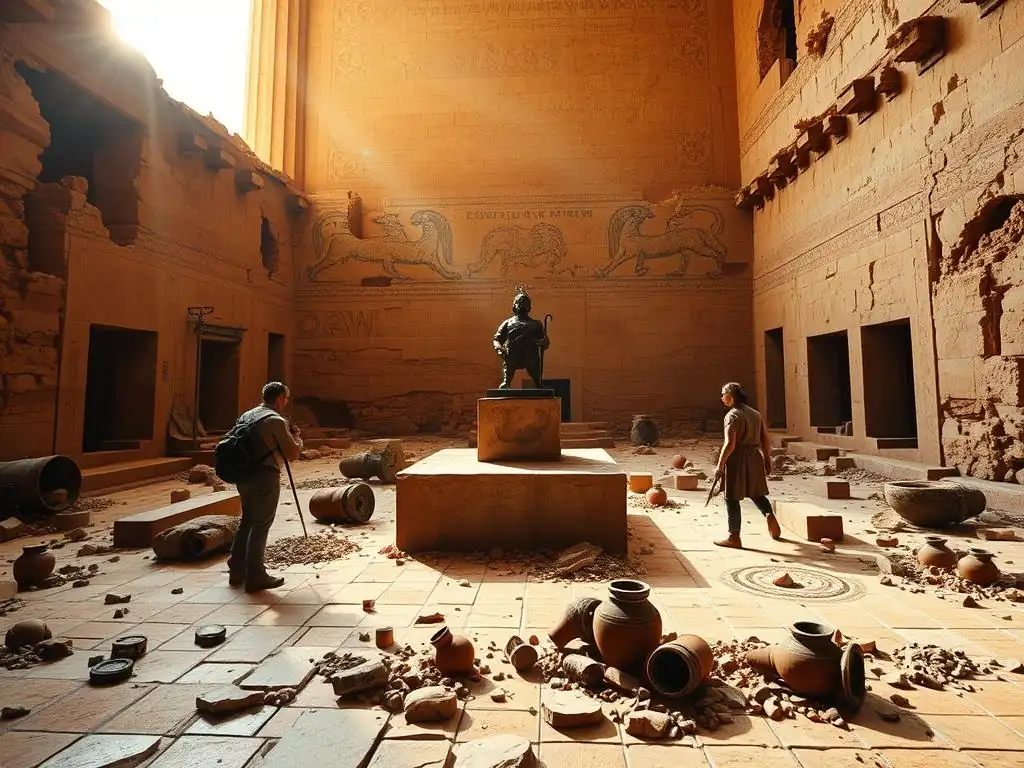
Welcome to ArchaeologyHub.org, your gateway to unraveling the mysteries of the past. Ever wondered how a single fragrance could power an entire civilization? Delve into our latest exploration of the Mycenaean world and discover the surprising significance of the Mycenaean perfumed oil trade in shaping their economy and ritual practices. Prepare to be captivated by the aromas of history as we uncover the secrets hidden within ancient amphorae and decipher the economic engine that fueled a Bronze Age empire.
- Introduction: Unveiling the Role of Perfumed Oil in Mycenaean Society
- Mycenaean Perfumed Oil: Production and Ingredients
- Perfumed Oil as a Cornerstone of the Mycenaean Economy
- Perfumed Oil in Mycenaean Ritual and Religious Practices
- The Mycenaean Perfumed Oil Trade: Evidence from Linear B Tablets
- Comparative Analysis: Mycenaean Perfumed Oil vs. Contemporary Practices in the Ancient Near East
- Decline of the Mycenaean Perfumed Oil Industry: Possible Causes
- Legacy: Understanding Mycenaean Culture Through Perfumed Oil
- Conclusion: The Multifaceted Importance of Perfumed Oil in Mycenaean Civilization
-
Frequently Asked Questions
- What role did perfumed oil play in the Mycenaean economy?
- How was perfumed oil used in Mycenaean ritual practices?
- What archaeological evidence supports the existence of a Mycenaean perfumed oil trade?
- Where were the primary centers of perfumed oil production in Mycenaean Greece?
- What types of aromatic ingredients were used to create Mycenaean perfumed oil?
- Final Reflection: The Enduring Scent of Mycenaean Trade
- Unearth Your Own Connection to Ancient Aromas
Introduction: Unveiling the Role of Perfumed Oil in Mycenaean Society
The Mycenaean civilization, flourishing in the Late Bronze Age (circa 1600-1100 BCE) across mainland Greece and the Aegean, was characterized by its sophisticated palatial centers, extensive trade networks, and complex socio-religious structures. Among the myriad commodities that underpinned their economy and permeated their daily lives, perfumed oil stands out as a substance of profound significance. Far from being a mere luxury item, perfumed oil played a crucial role in economic exchange, religious ceremonies, funerary rites, and even personal hygiene, reflecting the advanced technological capabilities and cultural values of this ancient Aegean power.
Archaeological discoveries, particularly the decipherment of Linear B tablets from sites like Knossos and Pylos, have provided invaluable insights into the production, distribution, and consumption of perfumed oil. These administrative records, alongside material evidence such as specialized pottery and residue analyses, paint a vivid picture of an industry deeply integrated into the palatial economy. Understanding the multifaceted importance of perfumed oil allows us to delve deeper into the intricate workings of Mycenaean society, from the specialized artisans who crafted these aromatic substances to the far-reaching Mycenaean perfumed oil trade that connected their citadels with distant lands.
Mycenaean Perfumed Oil: Production and Ingredients
The Raw Materials for Mycenaean Perfumed Oil Production
The primary base for Mycenaean perfumed oil was undoubtedly olive oil, a staple agricultural product of the Aegean region. Olive trees thrived in the Mediterranean climate, providing an abundant and renewable source of oil that was not only consumed as food but also utilized for lighting, lubrication, and cosmetic purposes. The quality of the olive oil base would have significantly influenced the final product, with careful pressing and purification likely employed to achieve a neutral scent that would best carry the added fragrances.
Beyond the olive oil base, a diverse array of aromatic botanicals was incorporated to create the distinctive scents of Mycenaean perfumed oils. Linear B tablets mention ingredients such as coriander ( ko-ri-ja-da-na), cyperus ( ku-pa-ro), fenugreek ( ti-ri-jo-we), and possibly rose ( ro-do-e-a) or other floral elements. Resins, perhaps imported from the Near East, could also have been used for their fixative and aromatic properties. The specific combination of these raw materials suggests a sophisticated understanding of perfumery, allowing Mycenaean perfumers to craft a range of scents for different purposes and preferences.
Techniques in Ancient Mycenaean Oil Extraction and Scenting
The extraction of olive oil in Mycenaean times involved methods similar to those used for centuries in the Mediterranean, primarily cold pressing. Olives were crushed using stone presses or foot treading, and the resulting paste was then pressed to separate the oil from the solids and water. This initial oil would have been relatively crude and likely underwent further purification through decantation or filtering to achieve the desired clarity and purity for perfumery.
Scenting the base oil involved processes of maceration or enfleurage. In maceration, aromatic plant materials—flowers, herbs, or spices—would be steeped in warm or cold olive oil for extended periods, allowing the volatile aromatic compounds to infuse into the oil.
For more delicate fragrances, a form of enfleurage, where fresh petals were laid on fat-coated surfaces to absorb their scent, might have been employed, though direct evidence for this specific technique is scarce. The perfumed oil would then be carefully decanted and stored, often in distinctive stirrup jars, ready for distribution within the palatial system or as part of the wider Mycenaean perfumed oil trade.
Perfumed Oil as a Cornerstone of the Mycenaean Economy
Mycenaean Perfumed Oil Trade Networks in the Aegean Bronze Age
The Mycenaean perfumed oil trade was a significant component of the broader Mycenaean economic system, extending across the Aegean and into the wider Mediterranean. Archaeological evidence, particularly the widespread distribution of Mycenaean pottery, including stirrup jars designed for oil transport, attests to this extensive network. These jars, often found far from their production centers, indicate that Mycenaean perfumed oil was a valuable commodity exchanged with Crete, the Cycladic islands, and potentially even coastal regions of the Levant and Egypt.
Palatial centers like Pylos, Mycenae, and Knossos (under Mycenaean control) served as hubs for both production and trade. The standardized nature of the stirrup jars suggests a centralized control over the industry and its export. This international Mycenaean perfumed oil trade not only brought in exotic goods and materials in return but also solidified the economic and political influence of the Mycenaean palaces, establishing them as key players in the Late Bronze Age Mediterranean economy.
Evidence of Perfumed Oil Storage and Distribution in Mycenaean Palaces
Mycenaean palaces served as central nodes for the collection, processing, storage, and distribution of a vast array of goods, and perfumed oil was no exception. Extensive storage facilities, often in magazines or dedicated storerooms, have been identified at sites like Pylos and Mycenae. These areas contained numerous large pithoi (storage jars) and, more notably, a high concentration of stirrup jars, which were specifically designed for the transport and storage of liquids like oil. The discovery of these vessels in palace contexts underscores the palatial administration's direct involvement in the perfumed oil industry.
Furthermore, Linear B tablets from Pylos, Knossos, and Mycenae provide detailed administrative records concerning the quantities of perfumed oil produced, its ingredients, and its allocation to various individuals or for specific purposes. For instance, some tablets record disbursements of perfumed oil to palace officials, religious personnel, or even for export. This textual evidence, combined with the archaeological findings of storage vessels, paints a clear picture of a highly organized system of production and distribution, ensuring a steady supply for both internal consumption and the burgeoning Mycenaean perfumed oil trade.
The Economic Impact of Perfumed Oil on Mycenaean Society
The production and trade of perfumed oil had a considerable economic impact on Mycenaean society, contributing significantly to the wealth and influence of the palatial centers. As a high-value commodity, it generated revenue through both internal distribution and external exchange. The specialized skills required for its production, from olive cultivation and oil extraction to the precise art of perfumery, created a dedicated workforce and a complex supply chain, further integrating it into the palatial economy.
The control over the Mycenaean perfumed oil trade allowed the palaces to accumulate resources and exert economic leverage over other regions. The profits derived from this trade could have been reinvested into infrastructure, military endeavors, or the acquisition of luxury goods from abroad, further enhancing the power and prestige of the Mycenaean elite. The widespread presence of perfumed oil, both as a commodity and a cultural item, underscores its fundamental role in the intricate economic tapestry of the Late Bronze Age Aegean.
Perfumed Oil in Mycenaean Ritual and Religious Practices
Perfumed Oil in Mycenaean Funerary Rites and Offerings
Perfumed oil held significant ritual importance in Mycenaean funerary practices, serving as a vital component in the rites associated with the deceased. Archaeological excavations of Mycenaean tombs, particularly the Shaft Graves at Mycenae and tholos tombs across the mainland, have yielded numerous vessels that once contained perfumed oil, often found alongside human remains and other grave goods. It is believed that these oils were used to anoint the bodies of the deceased, a practice common in many ancient cultures, symbolizing purification, preservation, or an honorific gesture for the journey into the afterlife.
Furthermore, perfumed oil was frequently included as an offering to the dead. Small alabastra or stirrup jars containing fragrant oils were placed within tombs as gifts, intended to accompany the deceased or to appease deities associated with the underworld. This practice highlights the belief in a continued existence beyond death and the importance of providing for the departed, even in the realm of scent. The lavishness of these oil offerings, particularly in elite burials, underscores the high value placed on perfumed oil in the context of death and remembrance.
The Use of Scented Oils in Mycenaean Religious Ceremonies
Beyond funerary rites, scented oils played a crucial role in the broader religious ceremonies and cult practices of the Mycenaeans. Evidence from Linear B tablets indicates that perfumed oil was dedicated to various deities and cult figures. It was likely used in rituals of anointing cult statues, purifying sacred spaces, and as votive offerings presented during religious festivals or ceremonies. The act of anointing with perfumed oil could have symbolized consecration, divine blessing, or the invocation of divine presence, creating a sensory experience central to worship.
The fragrant smoke produced from burning perfumed oil, or the diffusion of its aroma, would have contributed to the sacred atmosphere of Mycenaean sanctuaries and palatial cult rooms. This sensory aspect was integral to religious experience, helping to bridge the gap between the mortal and divine realms. The careful control and distribution of these sacred oils by the palatial administration, as documented in Linear B, further emphasize their integral role in maintaining religious order and reinforcing the authority of the ruling elite.
Archaeological Evidence of Perfumed Oil Vessels at Mycenaean Sanctuaries
Archaeological investigations at Mycenaean sanctuaries and cultic areas have consistently unearthed vessels associated with perfumed oil, providing tangible proof of its ritual use. Sites such as the Cult Centre at Mycenae, the sanctuary at Phylakopi on Melos, and various smaller shrines have yielded significant quantities of small stirrup jars, alabastra, and other pottery types suitable for containing and dispensing oils. The presence of these vessels in religious contexts, often alongside figurines, altars, and other cultic paraphernalia, strongly suggests their deliberate use in ritual activities.
In some instances, residue analysis performed on these vessels has confirmed the presence of organic residues consistent with oils and aromatic compounds, further substantiating their function. The concentration of such finds in cultic areas, as opposed to purely domestic settings, reinforces the hypothesis that perfumed oil was not merely a commodity but a sacred substance, carefully managed and utilized in the performance of Mycenaean religious rites, demonstrating its deep cultural and spiritual significance.
The Mycenaean Perfumed Oil Trade: Evidence from Linear B Tablets
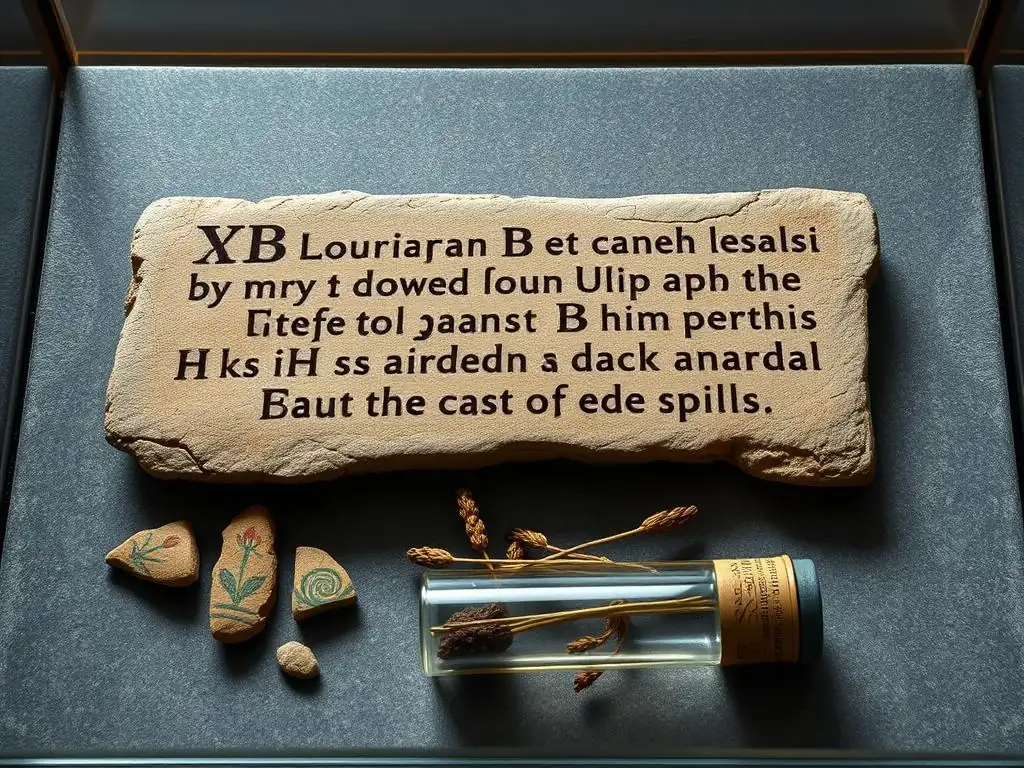
The decipherment of Linear B tablets has revolutionized our understanding of the Mycenaean perfumed oil trade and its internal dynamics. These administrative records, primarily from the palaces of Pylos, Knossos, and Mycenae, offer unprecedented detail on the palatial economy. Tablets from Pylos, such as those from the Fr series, specifically enumerate quantities of perfumed oil, often specifying the type of oil (e.g., rose-scented, sage-scented) and its intended recipient or purpose. For example, some entries detail the amounts of perfumed oil disbursed to individual palace officials, textile workers, or for religious offerings.
These texts also shed light on the raw materials used, mentioning specific quantities of olive oil and aromatic additives like coriander and cyperus. They sometimes record the names of perfumers or the workshops involved in production, indicating a specialized craft within the palatial system. The meticulous record-keeping underscores the high economic value and strategic importance of perfumed oil, revealing a centralized system that controlled every stage from production to the final distribution, including its role in the broader Mycenaean perfumed oil trade.
Linear B tablets provide tantalizing glimpses into the social organization surrounding the perfumed oil industry, indicating that perfumers held a specialized and perhaps esteemed position within Mycenaean society. Individuals identified as po-ti-re-we (perfumers) appear in the palatial records, often receiving allocations of raw materials and being accountable for the production of specific quantities of perfumed oil. This suggests that perfumery was a skilled craft, likely passed down through generations or taught within specialized workshops under palatial oversight.
While direct evidence for "oil merchants" as a distinct class is less explicit in the tablets, the extensive Mycenaean perfumed oil trade implies a network of individuals responsible for its movement and exchange. These could have been palatial agents, maritime traders, or even independent entrepreneurs operating under the aegis of the palaces. The integration of perfumers into the palatial administration, receiving rations and resources, indicates their importance to the economic and ritual life of the Mycenaean centers, highlighting the value placed on their expertise in creating these precious aromatic substances.
Comparative Analysis: Mycenaean Perfumed Oil vs. Contemporary Practices in the Ancient Near East
Similarities and Differences in Perfumed Oil Production Techniques
When comparing Mycenaean perfumed oil production with contemporary practices in the Ancient Near East, such as those in Egypt or Mesopotamia, notable similarities and differences emerge. Across these civilizations, olive oil or other vegetable oils (like sesame oil in Mesopotamia) served as the primary base. The core technique of infusing aromatic botanical materials into these oils through maceration was also widely practiced.
Both regions utilized a range of natural ingredients, including resins, flowers, and spices, demonstrating a shared knowledge of perfumery principles. For instance, Egyptian tomb paintings depict scenes of oil production, including the crushing of olives and the infusion of aromatic substances, mirroring the basic steps likely employed by Mycenaean artisans.
However, differences could lie in the specific botanical ingredients available regionally and the scale of production. While the Mycenaeans had access to native Aegean flora and some imported spices, Egyptian perfumers might have relied more heavily on ingredients like frankincense and myrrh, imported from Punt, or specific indigenous plants like blue lotus. Furthermore, the administrative control exerted by the Mycenaean palaces over the entire production chain, as evidenced by Linear B tablets, might have been more centralized and detailed than in some Near Eastern counterparts, though large temple and palace workshops existed across the region.
The Role of Perfumed Oil in Ritual across Different Ancient Cultures
The ritualistic significance of perfumed oil was a pervasive feature across many ancient cultures, including the Mycenaean, Egyptian, and Mesopotamian civilizations. In all these societies, scented oils were integral to religious ceremonies, funerary rites, and personal anointing. In Egypt, perfumed oils were crucial for mummification, anointing cult statues, and as offerings to deities, with specific unguents like "Kyphi" known for their complex compositions and sacred uses. Similarly, Mesopotamian texts describe the use of aromatic oils in purification rituals, in the anointing of kings and priests, and as offerings to gods in temples.
While the specific deities, rituals, and cultural contexts varied, the underlying function of perfumed oil as a conduit for the sacred, a symbol of purity, status, or divine favor, remained remarkably consistent. The act of anointing with fragrant oils was almost universally associated with consecration, protection, and a connection to the divine. This shared reverence for perfumed oil across geographically diverse regions underscores its universal appeal and profound symbolic power in the ancient world, reinforcing the understanding of the Mycenaean perfumed oil trade as part of a wider cultural exchange.
Decline of the Mycenaean Perfumed Oil Industry: Possible Causes
Environmental Factors and the Availability of Raw Materials
The decline of the Mycenaean perfumed oil industry, alongside the broader collapse of the Mycenaean civilization around 1200 BCE, was likely influenced by a confluence of factors, including environmental changes. Prolonged periods of drought or shifts in climate patterns could have severely impacted olive cultivation, the primary source of the base oil. Reduced rainfall would lead to lower yields of olives, directly affecting the volume of oil available for both consumption and perfumery. This environmental stress could have also impacted the availability of wild aromatic plants or the success of cultivated ones used for scenting.
Furthermore, over-exploitation of natural resources, such as deforestation for timber or agricultural expansion, might have led to soil erosion and degradation, further exacerbating the challenges to olive groves and other botanical sources. A diminished supply of raw materials would have crippled the production capacity of the palatial workshops, making it increasingly difficult to sustain the large-scale output required for the extensive Mycenaean perfumed oil trade and domestic consumption.
Changes in Trade Routes and Economic Instability
The intricate Mycenaean perfumed oil trade networks were highly susceptible to disruptions in regional stability and changes in maritime routes. The Late Bronze Age saw increasing unrest, piracy, and the movement of "Sea Peoples," which could have severely hampered safe passage for merchant vessels across the Aegean and Eastern Mediterranean. The disruption of these trade routes would have made it difficult for Mycenaean palaces to export their perfumed oils and, crucially, to import any necessary exotic aromatic ingredients or resins from distant lands.
Economic instability, perhaps triggered by internal strife, external pressures, or the collapse of key trading partners, would have reduced demand for luxury goods like perfumed oil. As resources became scarcer and security diminished, the focus would have shifted from specialized production and long-distance trade to basic survival. This breakdown of the economic infrastructure, including the intricate supply chains and market access for the Mycenaean perfumed oil trade, would have contributed significantly to the industry's demise.
The Impact of the Mycenaean Collapse on Perfumed Oil Production
The ultimate collapse of the Mycenaean palatial system around 1200 BCE delivered the final blow to the centralized perfumed oil industry. The destruction of major palatial centers like Pylos and Mycenae meant the loss of the administrative hubs that organized production, managed resources, and controlled distribution. The specialized workshops, skilled perfumers, and the detailed record-keeping mechanisms, all integral to large-scale perfumed oil manufacturing, would have ceased to function.
Without the palatial demand, oversight, and infrastructure, the sophisticated Mycenaean perfumed oil trade would have rapidly fragmented. The elaborate system of resource allocation and labor organization would have dissolved, leading to a drastic reduction in output. While some localized, small-scale production might have continued in the subsequent Dark Ages, the highly organized, economically significant industry known from the Linear B tablets effectively vanished with the demise of the Mycenaean palaces.
Legacy: Understanding Mycenaean Culture Through Perfumed Oil
The Enduring Significance of Perfumed Oil in Understanding Mycenaean Rituals
The study of perfumed oil provides an unparalleled lens through which to understand the complex ritual and religious practices of the Mycenaean civilization. Its consistent presence in funerary contexts, cultic sites, and administrative records pertaining to religious offerings underscores its profound symbolic and practical importance. Perfumed oil was not merely a material good; it was an active agent in connecting the living with the dead, and mortals with the divine. Its use in anointing, purification, and votive offerings reveals a sophisticated understanding of sensory experience as integral to spiritual engagement.
By analyzing the types of vessels used, the contexts of their discovery, and the specific mentions in Linear B texts, archaeologists can reconstruct aspects of Mycenaean religious ceremonies, beliefs about the afterlife, and the role of the palatial elite in mediating divine relations. The enduring significance of perfumed oil in these practices highlights the Mycenaeans' deep engagement with the sacred and their intricate cultural expressions.
Future Research Directions in Mycenaean Perfumed Oil Studies
Future research into Mycenaean perfumed oil promises to yield even deeper insights, particularly with advancements in analytical techniques. Chemical residue analysis, using methods like Gas Chromatography-Mass Spectrometry (GC-MS), can identify specific organic compounds present in ancient vessel residues, allowing for more precise identification of aromatic ingredients and base oils. This can help confirm or refute assumptions based on Linear B texts and provide data on ingredients not explicitly mentioned.
Further comparative studies with contemporary perfume industries in the Near East and Egypt, integrating both textual and archaeological evidence, could illuminate broader patterns of technological transfer and cultural exchange related to the Mycenaean perfumed oil trade. Moreover, experimental archaeology, involving the recreation of Mycenaean perfumery techniques, could offer practical insights into the challenges and processes involved in ancient scent production, enriching our understanding of this fascinating aspect of Mycenaean material culture.
Conclusion: The Multifaceted Importance of Perfumed Oil in Mycenaean Civilization
Perfumed oil stands as a remarkable testament to the sophistication and complexity of Mycenaean civilization. Far from being a simple luxury, it was a multifaceted commodity deeply interwoven into the economic, social, and ritual fabric of their society. From its meticulous production in palatial workshops, leveraging local olive oil and a diverse array of aromatic botanicals, to its pivotal role in the extensive Mycenaean perfumed oil trade that spanned the Aegean and beyond, its economic significance cannot be overstated.
Beyond its commercial value, perfumed oil held profound ritualistic importance, serving as a vital component in funerary rites, religious ceremonies, and offerings to deities. The detailed administrative records of Linear B tablets further illuminate the systematic control and distribution of this precious substance, highlighting the specialized roles of perfumers within the palatial bureaucracy. The study of Mycenaean perfumed oil offers a unique window into the technological prowess, economic organization, and spiritual beliefs of this influential Bronze Age culture, underscoring its enduring legacy in the archaeological record.
Frequently Asked Questions
What role did perfumed oil play in the Mycenaean economy?
Perfumed oil was a significant commodity in the Mycenaean economy, acting as a form of currency and trade good. It was widely exported and used in various industries.
How was perfumed oil used in Mycenaean ritual practices?
Perfumed oil held religious significance and was used in ceremonies, funerary rites, and as offerings to deities. It was believed to connect the earthly and divine realms.
What archaeological evidence supports the existence of a Mycenaean perfumed oil trade?
Linear B tablets and excavated pottery vessels, particularly stirrup jars, provide evidence of the production, storage, and distribution of perfumed oil. Chemical analysis of residue confirms the presence of aromatic compounds.
Where were the primary centers of perfumed oil production in Mycenaean Greece?
While production occurred across Mycenaean territories, Pylos and Knossos are believed to have been major centers. These sites have yielded significant archaeological finds related to oil production and storage.
What types of aromatic ingredients were used to create Mycenaean perfumed oil?
Common ingredients included olive oil as a base, infused with herbs, spices, and flowers such as rose, sage, and coriander. Recipes varied based on region and intended use.
Final Reflection: The Enduring Scent of Mycenaean Trade
The exploration of Mycenaean perfumed oil reveals more than just ancient fragrance; it unveils a sophisticated economic and ritual system intricately woven into the fabric of their society. The pervasive influence of perfumed oil, as evidenced by archaeological finds and Linear B tablets, underscores its central role in Mycenaean life, a role that resonates even today as we grapple with understanding the complexities of early trade networks and the power of sensory experiences. The meticulous production, distribution, and use of these oils highlight a level of organization and cultural significance that challenges simplistic views of the Bronze Age.
The study of Mycenaean perfumed oil has profoundly shaped our understanding of early economic systems and ritual practices, demonstrating a level of sophistication often overlooked in historical narratives. This journey into the past has illuminated the importance of considering sensory elements, like scent, when reconstructing ancient societies, reminding us that history is not just about dates and battles, but also about the everyday experiences that shaped people's lives. Smell is a potent wizard that transports you across thousands of miles and all the years you have lived.
- Helen Keller. This quote perfectly encapsulates the power of scent to connect us to the past, allowing us to imagine the world of the Mycenaeans in a more vivid and meaningful way.
As we conclude this exploration of the Mycenaean perfumed oil trade, let us reflect on the enduring power of trade and ritual to shape societies. Consider how seemingly simple commodities can hold profound cultural and economic significance. What scents define your own culture and history? How can understanding the past inform our appreciation of the present? Let the story of Mycenaean perfumed oil inspire you to look beyond the surface and discover the hidden stories embedded within the objects and practices that surround you.
Unearth Your Own Connection to Ancient Aromas
Thank you for delving into the fragrant world of Mycenaean perfumed oil! We hope you've gained a new appreciation for its significance in their economy and rituals. Now, it's time to bring that knowledge to life.
- Start Your Own Scented Adventure: Research and create a modern interpretation of a Mycenaean perfumed oil using historically plausible ingredients and techniques.
- Share your newfound knowledge: Discuss the role of aromatics in ancient societies with your friends or on social media.
- Visit a local museum: Examine any related artifacts and think about the scents that might have once surrounded them.
What modern scent do you think would best represent our current era, and how would you "market" it to a Mycenaean king?