
Applications of aDNA in Osteoarchaeology: Kinship, Population Affinities, and Disease Markers

Welcome to ArchaeologyHub.org!
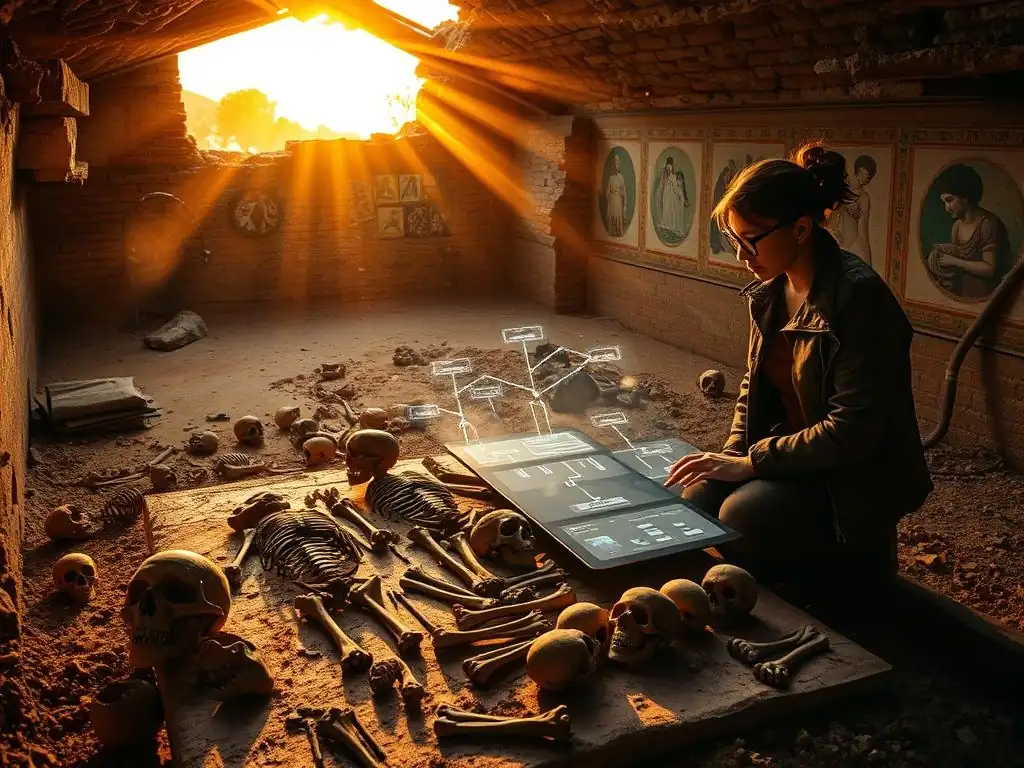
Delve into the fascinating world where ancient bones whisper their secrets. This digital encyclopedia offers a comprehensive journey through archaeological discoveries and historical sites. Are you ready to uncover the stories held within the very building blocks of life? Our latest exploration focuses on aDNA osteoarchaeology kinship analysis, a powerful tool unlocking unprecedented insights into past populations. How are ancient DNA techniques revolutionizing our understanding of kinship, population affinities, and disease markers? Read on to discover the groundbreaking applications of aDNA in osteoarchaeology and prepare to be amazed by what we're learning about our ancestors.
- Introduction to aDNA Analysis in Osteoarchaeology
- aDNA Osteoarchaeology: Kinship Analysis and Social Structures
-
Population Affinities and Migration Patterns Revealed by aDNA
- Tracing Ancient Migrations: aDNA as a Tool for Understanding Population Movements
- aDNA and the Study of Genetic Diversity in Past Populations
- Examining Population Relationships Through Ancient Genome Comparisons
- aDNA Analysis: Understanding Genetic Admixture and Cultural Exchange
- The Role of aDNA in Debating Indo-European Origins
-
aDNA as a Window into Ancient Diseases: Disease Markers and Paleopathology
- Identifying Pathogens in Ancient Skeletal Remains Using aDNA
- aDNA Analysis: Detecting Genetic Predispositions to Diseases in Past Populations
- Investigating the Evolution of Infectious Diseases Through aDNA
- Examples of Disease Markers Identified through aDNA Osteoarchaeology (e.g., Tuberculosis, Yersinia pestis)
- Ethical Considerations in Studying Ancient Diseases with aDNA
- Methodological Considerations in aDNA Osteoarchaeological Research
-
Challenges and Future Directions in aDNA Osteoarchaeology
- Degradation and Fragmentation of aDNA: Overcoming Technical Hurdles
- Expanding aDNA Databases: Increasing Coverage of Global Populations
- Integrating aDNA Data with Other Archaeological Evidence: A Holistic Approach
- The Future of aDNA Analysis: Emerging Technologies and Research Opportunities
- The Role of Proteomics in Future aDNA Research
- Conclusion: The Transformative Impact of aDNA on Osteoarchaeology
-
Frequently Asked Questions
- How does aDNA analysis contribute to understanding kinship in osteoarchaeology?
- What can aDNA tell us about population affinities that osteoarchaeology alone cannot?
- How is aDNA used to identify disease markers in ancient skeletal remains?
- What are some of the challenges associated with using aDNA in osteoarchaeological research?
- How does the integration of aDNA analysis and osteoarchaeology enhance our understanding of past societies?
- Final Reflection: Unearthing the Past, Shaping the Future
- Unearth Your Next Discovery!
Introduction to aDNA Analysis in Osteoarchaeology
The Rise of Ancient DNA (aDNA) in Archaeological Research
The field of ancient DNA (aDNA) analysis emerged as a revolutionary tool in archaeological research, offering unprecedented direct genetic insights into past life forms. Pioneering efforts in the 1980s and early 1990s demonstrated the feasibility of extracting and analyzing DNA from ancient specimens, moving beyond the morphological and material culture-based interpretations that had long dominated the discipline. Early successes included the recovery of mitochondrial DNA from ancient Egyptian mummies and extinct animals like the Quagga, proving that genetic material could persist for millennia under favorable conditions.
Subsequent advancements in molecular biology, particularly the advent of Next-Generation Sequencing (NGS) technologies, dramatically transformed the scale and resolution of aDNA studies. Where initial research was limited by the highly degraded nature of ancient DNA, NGS enabled the sequencing of millions of short DNA fragments simultaneously, making whole-genome reconstruction possible even from minute and highly compromised samples. This technological leap has opened vast new avenues for understanding human evolution, population movements, and the dynamics of ancient societies, providing a direct genetic window into the past that was previously unimaginable.
Osteoarchaeology and the Power of Molecular Analysis
Osteoarchaeology, traditionally focused on the study of human skeletal remains, employs methods like morphological analysis, metric measurements, and paleopathological assessments to reconstruct aspects of past human life, including diet, health, activity patterns, and demographic profiles. While incredibly informative, these traditional approaches often face limitations in definitively establishing biological relationships, precise ancestral origins, or the presence of specific pathogens without direct genetic evidence.
The integration of molecular analysis, specifically aDNA, has provided osteoarchaeology with a powerful new dimension. By extracting and sequencing DNA from ancient bones and teeth, researchers can now precisely determine biological sex, identify genetic ancestry components, and, crucially, establish direct kinship ties between individuals. This capability to perform aDNA osteoarchaeology kinship analysis transcends the inferential nature of skeletal morphology, offering concrete genetic proof of familial connections, which is often impossible to ascertain through traditional osteological methods alone.
Significance of aDNA: Unlocking the Secrets of Past Populations
The significance of aDNA in unlocking the secrets of past populations cannot be overstated. It provides direct, irrefutable genetic evidence that complements and often recontextualizes archaeological findings, allowing for a much deeper understanding of human history. Unlike indirect proxies, aDNA offers a direct snapshot of the genetic makeup of individuals who lived thousands of years ago, revealing their evolutionary adaptations, population bottlenecks, and periods of demographic expansion or decline.
Beyond broad population trends, aDNA provides granular insights into individual lives and social structures. The ability to conduct aDNA osteoarchaeology kinship analysis has been particularly transformative, enabling the reconstruction of family units, the identification of related individuals within burial sites, and the investigation of social organization within ancient communities. This direct genetic evidence allows archaeologists to move beyond general assumptions, providing a robust foundation for understanding the intricate relationships and historical trajectories of past human groups.
Reconstructing Family Trees: aDNA and Kinship Determination
The application of aDNA in osteoarchaeology has revolutionized the reconstruction of ancient family trees by providing direct genetic evidence of biological relationships. Researchers extract DNA from skeletal remains and analyze specific genetic markers, such as single nucleotide polymorphisms (SNPs), mitochondrial DNA (mtDNA), and Y-chromosome haplogroups. By comparing these markers across multiple individuals from a single burial context or site, it is possible to determine the degree of relatedness with high statistical confidence, identifying parent-offspring pairs, full siblings, half-siblings, cousins, and other kin relationships.
This detailed aDNA osteoarchaeology kinship analysis allows for an unprecedented understanding of ancient social structures. For instance, the identification of nuclear families buried together, or the presence of extended kin groups within a larger burial ground, offers direct insights into household composition, marriage patterns, and community organization. These genetic findings can reveal whether individuals were part of a patrilocal or matrilocal society, or if specific burial plots were reserved for certain lineages, providing a biological foundation for archaeological interpretations of social ties.
The power of aDNA extends to illuminating ancient burial practices and social hierarchies. When aDNA osteoarchaeology kinship analysis identifies related individuals interred together, it can reveal specific customs surrounding death and remembrance. For example, aDNA might show that certain family members were consistently buried in specific orientations or with particular grave goods, indicating ritualistic adherence to kin-based traditions. This direct evidence allows archaeologists to test hypotheses about the social significance of shared burial spaces.
Furthermore, kinship data, when combined with traditional archaeological evidence such as grave goods, burial architecture, and skeletal modifications, can shed light on social stratification. If high-status burials consistently contain individuals confirmed by aDNA to be closely related, it strongly suggests inherited status or the existence of ruling lineages. Conversely, if prestigious burials include a mix of related and unrelated individuals, it might point to achieved status, alliances, or different forms of social organization not solely based on biological kinship.
Case Studies: Examples of Kinship Analysis in Osteoarchaeological Contexts (e.g., Eulau Burial Site)
One of the most compelling examples of aDNA osteoarchaeology kinship analysis is the Neolithic burial site of Eulau, Germany, dating back approximately 4,600 years Before Present (BP). Discovered in 2005, the site yielded multiple burials, including a unique grave containing a man, a woman, and two children. Traditional osteological analysis suggested they might be a family, but aDNA analysis provided definitive proof. Genetic testing confirmed that the individuals constituted a nuclear family unit: the two children were the offspring of the man and woman, representing the earliest direct genetic evidence of a nuclear family in prehistoric Europe. This finding offered critical insights into social organization during the Late Neolithic period.
Beyond Eulau, aDNA osteoarchaeology kinship analysis has illuminated social dynamics in other contexts. In the Gravettian Vestonice Triple Burial in the Czech Republic, dating to around 31,000 years BP, aDNA revealed maternal kinship between two males and a third individual, suggesting complex social or ritualistic connections. Similarly, analyses of individuals buried within the circular ditch system at Stonehenge (circa 4,500 years BP) have revealed genetic links among some of the cremated remains, hinting at familial connections among those interred at this monumental site and providing a glimpse into the social fabric of the people involved in its construction and use.
Limitations of Kinship Analysis Using aDNA
Despite its transformative potential, aDNA osteoarchaeology kinship analysis is not without its limitations. One primary challenge is the inherent degradation and fragmentation of ancient DNA. Highly degraded samples can yield incomplete genetic profiles, leading to ambiguous or inconclusive kinship assignments, especially when trying to distinguish between distant relatives and unrelated individuals, or when samples are from populations with high levels of endogamy (inbreeding) where genetic diversity is lower.
Furthermore, while aDNA can definitively establish biological kinship, it cannot directly reveal social kinship or roles within a past society. For instance, an individual might be biologically unrelated to a family but socially adopted or integrated into their social unit. Therefore, researchers must always integrate aDNA osteoarchaeology kinship analysis with extensive archaeological contextual data—such as burial position, grave goods, and associated material culture—to develop robust and nuanced interpretations of ancient social structures and relationships.
Population Affinities and Migration Patterns Revealed by aDNA
Tracing Ancient Migrations: aDNA as a Tool for Understanding Population Movements
aDNA has emerged as an unparalleled tool for tracing ancient migrations, providing direct genetic evidence of population movements that have shaped human history across continents. By comparing the genetic makeup of ancient individuals from different geographical regions and chronological periods, researchers can identify distinct genetic signatures associated with various groups and track their dispersal, expansion, and interactions. This has fundamentally reshaped our understanding of prehistoric and early historic demography.
Specific genetic markers, such as haplogroups found on the Y-chromosome (paternally inherited) and mitochondrial DNA (maternally inherited), act as powerful "fingerprints" for tracking these ancient population movements. For example, the widespread presence of the Y-chromosome haplogroup R1b across Western Europe has been strongly linked by aDNA studies to the large-scale westward expansion of pastoralist populations from the Pontic-Caspian Steppe around 5,000 years ago. This monumental migration profoundly influenced the genetic landscape and cultural development of Europe, providing direct genetic evidence for a long-debated historical event.
aDNA and the Study of Genetic Diversity in Past Populations
aDNA provides direct insights into the genetic diversity present within ancient populations, allowing researchers to study how diversity has changed over time and space. By analyzing ancient genomes, it is possible to identify periods of population bottlenecks (severe reductions in population size), founder effects (when a new population is established by a small number of individuals), and periods of population growth or expansion. This genetic information sheds light on the demographic histories of ancient communities and their resilience or vulnerability to environmental and social pressures.
For instance, studies of ancient Siberian populations have revealed distinct genetic components that contributed to the ancestral gene pool of Native Americans, demonstrating the deep history of genetic diversity in these northern regions before the peopling of the Americas. Similarly, aDNA from early European hunter-gatherers, Neolithic farmers, and Bronze Age pastoralists has shown dramatic shifts in genetic diversity over time, reflecting major population turnovers and admixture events that altered the genetic makeup of the continent.
Examining Population Relationships Through Ancient Genome Comparisons
The advent of whole-genome sequencing of ancient individuals has enabled robust statistical comparisons that reveal intricate genetic distances and affinities not only between different ancient groups but also between ancient and modern populations. This detailed genomic data allows for the reconstruction of deep evolutionary relationships and the identification of shared ancestry over vast timescales, moving beyond the limited resolution of single genetic markers.
A landmark example is the analysis of Neanderthal aDNA, which conclusively demonstrated interbreeding between Neanderthals and anatomically modern humans. Genetic comparisons revealed that non-African modern human populations carry approximately 1-4% Neanderthal DNA, providing direct evidence of gene flow between these hominin groups. This finding revolutionized our understanding of human evolution, replacing a simple "out of Africa" replacement model with a more complex narrative of interaction and admixture between archaic and modern human populations.
aDNA Analysis: Understanding Genetic Admixture and Cultural Exchange
aDNA analysis is uniquely positioned to identify and quantify periods of genetic admixture, where previously distinct populations interbred, leaving a mixed genetic signature in subsequent generations. These admixture events often correlate with significant cultural exchanges, technological diffusions, or major sociopolitical shifts, providing a powerful lens through which to understand the interplay between biological and cultural processes.
A prominent example is the spread of the Bell Beaker culture across Europe, dating from around 4,700 to 4,400 years BP. aDNA studies have revealed that the adoption of Bell Beaker material culture was not uniform in its genetic impact.
While in Britain, the arrival of Bell Beaker-associated populations led to a near-complete replacement of the local Neolithic gene pool (up to 90% of local ancestry replaced), in other parts of Europe, like Iberia, the culture spread more through ideas and goods with less genetic replacement. This highlights how aDNA can distinguish between cultural diffusion and demic diffusion (population movement), providing nuanced insights into the dynamics of cultural transmission.
The Role of aDNA in Debating Indo-European Origins
The origins of Indo-European languages have been a subject of intense academic debate for centuries, with two main hypotheses: the Anatolian Hypothesis (linking origins to early agriculture) and the Steppe Hypothesis (linking origins to pastoralists from the Pontic-Caspian Steppe). aDNA evidence has played a decisive role in strongly supporting the latter.
Genetic analyses of individuals from the Yamnaya culture, originating in the Pontic-Caspian Steppe around 5,300-4,600 years BP, revealed a distinct genetic profile characterized by high frequencies of Y-chromosome haplogroup R1b and specific autosomal genetic components. Subsequent aDNA studies across Europe and parts of Asia have shown that these Yamnaya-related genetic signatures appear abruptly in various regions, often coinciding with the hypothesized spread of early Indo-European languages.
This compelling genetic evidence, demonstrating large-scale migrations from the Steppe, has provided the strongest support to date for the Steppe Hypothesis, fundamentally reshaping our understanding of the origins and dispersal of this vast language family.
aDNA as a Window into Ancient Diseases: Disease Markers and Paleopathology
Identifying Pathogens in Ancient Skeletal Remains Using aDNA
One of the most groundbreaking applications of aDNA in osteoarchaeology is the direct identification of pathogens in ancient human skeletal remains. Unlike traditional paleopathology, which relies on visible skeletal lesions that may be non-specific or absent, aDNA allows for the precise detection of bacterial, viral, and parasitic DNA, even from individuals who showed no macroscopic signs of disease. This capability transforms the study of ancient diseases, enabling definitive diagnoses of infectious agents.
The process typically involves extracting DNA from dense bone tissue, such as the petrous temporal bone, or from dental pulp, which offers a protective environment for microbial DNA. Targeted polymerase chain reaction (PCR) or shotgun metagenomic sequencing is then used to identify specific microbial signatures. This direct genetic identification of pathogens has confirmed the presence of diseases like tuberculosis, leprosy, and plague in ancient populations, moving beyond presumptive diagnoses based on skeletal changes alone.
aDNA Analysis: Detecting Genetic Predispositions to Diseases in Past Populations
Beyond identifying ancient pathogens, aDNA analysis of human remains can also reveal genetic variants associated with disease susceptibility or resistance within past populations. By examining specific single nucleotide polymorphisms (SNPs) or other genetic markers in ancient genomes, researchers can infer the selective pressures that influenced the genetic makeup of ancient communities and how they adapted to various environmental and health challenges.
For example, aDNA studies have tracked the rise in frequency of genetic variants associated with lactose tolerance in Neolithic Europeans, directly linking the adoption of dairying practices to a significant dietary adaptation. While not a disease itself, this illustrates how aDNA can reveal advantageous genetic traits related to health and diet. Similarly, researchers can investigate the prevalence of ancient genetic predispositions to conditions like hemochromatosis or sickle cell trait, providing insights into the disease landscape and adaptive evolution of human populations through time.
Investigating the Evolution of Infectious Diseases Through aDNA
The ability to sequence entire pathogen genomes from ancient skeletal remains has opened an unparalleled window into the evolution of infectious diseases. By comparing ancient pathogen strains with modern ones, researchers can reconstruct phylogenetic trees, track the emergence of new virulent forms, understand the genetic changes associated with increased transmissibility or pathogenicity, and trace their global spread over millennia. This evolutionary perspective is crucial for understanding current and future epidemics.
A prime example is the extensive aDNA research on Yersinia pestis, the bacterium responsible for the Black Death and other plague pandemics. Sequencing Y. pestis genomes from ancient plague victims has revealed how the pathogen evolved over centuries, with different strains responsible for the Justinian Plague (6th century CE) and the Black Death (14th century CE), and how these ancient strains differ from modern circulating variants. This detailed evolutionary history helps to understand the dynamics of past pandemics and provides valuable insights into bacterial evolution.
Examples of Disease Markers Identified through aDNA Osteoarchaeology (e.g., Tuberculosis, Yersinia pestis)
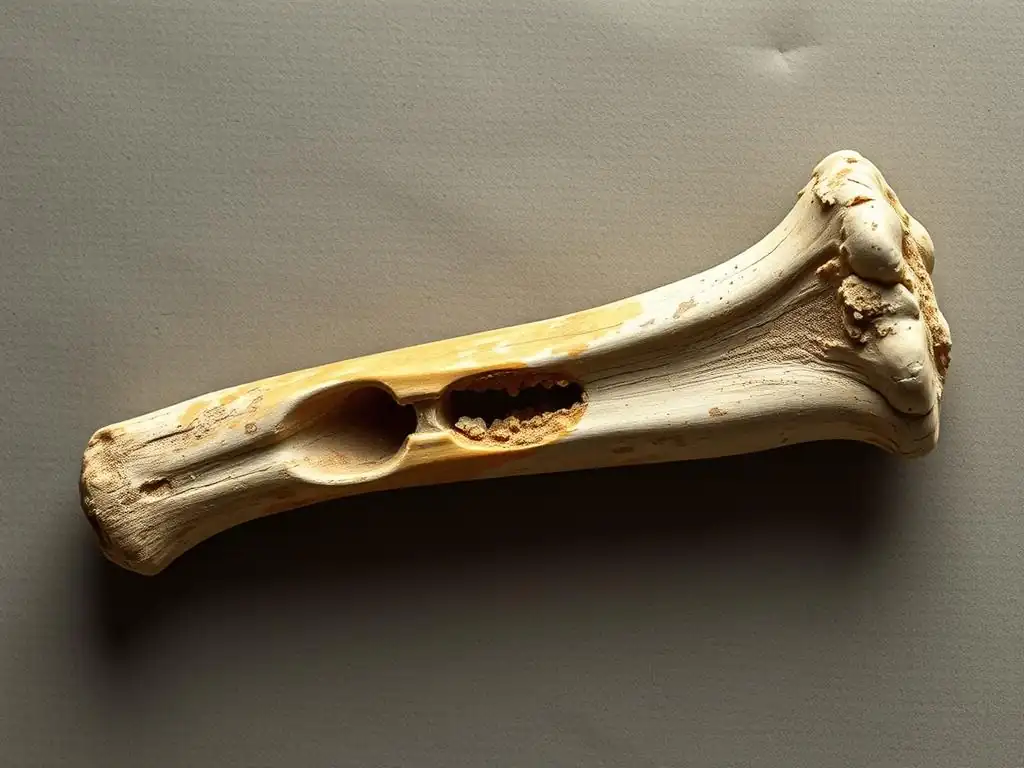
Mycobacterium tuberculosis, the causative agent of tuberculosis (TB), has been a significant focus of aDNA paleopathology. Ancient DNA studies have identified distinct strains of M. tuberculosis in skeletal remains dating back over 9,000 years, demonstrating its presence in early agricultural communities in the Near East. These findings challenge theories of TB's more recent emergence and highlight its long co-evolutionary history with humans, adapting as human societies became more sedentary and densely populated.
Another critical example is Yersinia pestis. Beyond the infamous Black Death, aDNA has pushed back the known history of plague significantly. Genetic analysis has identified Y. pestis in individuals from the Bronze Age (e.g., from the Sintashta culture in Russia, dating to approximately 4,000 years BP), indicating that plague was present and potentially widespread much earlier than previously thought. These early strains, while genetically distinct from later pandemic strains, suggest that plague may have influenced major population movements and historical events in prehistoric Europe and Asia.
Ethical Considerations in Studying Ancient Diseases with aDNA
The study of ancient diseases using aDNA, particularly the identification of ancient pathogens, raises important ethical considerations. Foremost among these are biosafety concerns. Researchers handling ancient pathogenic DNA must adhere to stringent biosafety protocols, often working in specialized Biosafety Level 3 (BSL-3) laboratories. This is crucial to prevent accidental release or exposure to potentially viable or reactivatable ancient microbes, although the risk of viable ancient pathogens from highly degraded remains is generally considered low.
Beyond biosafety, ethical considerations also extend to the human remains themselves. Obtaining proper permissions from relevant authorities, respecting the deceased and their cultural context, and engaging with descendant communities are paramount. When studying sensitive topics like ancient diseases and death, researchers must ensure their work is conducted with the utmost respect and transparency, acknowledging the human element behind the scientific data.
Methodological Considerations in aDNA Osteoarchaeological Research
Sample Collection and Preservation: Best Practices for aDNA Extraction
The success of aDNA osteoarchaeological research heavily depends on meticulous sample collection and preservation. Bone and teeth are the preferred sources for ancient DNA due to their dense, protective matrix, which shields DNA from environmental degradation. Among these, the petrous temporal bone (part of the skull housing the inner ear) and dental pulp within teeth are particularly rich sources, often yielding significantly more endogenous aDNA than other skeletal elements.
Best practices dictate that samples are collected under sterile conditions in the field to minimize contamination from modern human DNA or environmental microbes. Once excavated, samples are typically stored in cool, dry conditions, ideally at -20°C or -80°C, to further inhibit DNA degradation. Crucially, detailed documentation of the archaeological context, including burial position, associated artifacts, and environmental conditions, is vital for interpreting the genetic results and integrating them into the broader archaeological narrative.
Preventing Contamination: Maintaining the Integrity of aDNA Samples
Preventing contamination is arguably the most critical challenge in aDNA osteoarchaeology kinship analysis and other aDNA studies, as modern human DNA (from researchers, excavators, or even museum staff) can easily overwhelm the minute quantities of ancient DNA. To maintain sample integrity, dedicated ultra-clean laboratories are essential, often equipped with positive air pressure, UV sterilization lamps, and strict access controls.
Laboratory personnel wear full protective gear, including disposable suits, masks, multiple layers of gloves, and hairnets. All reagents and equipment are sterilized, and single-use plastics are preferred. Beyond physical barriers, molecular controls are employed: multiple independent extractions from the same sample, the use of ancient-specific primer sets, and the analysis of characteristic aDNA damage patterns (e.g., deamination at DNA termini) help to authenticate ancient sequences and distinguish them from modern contaminants.
Sequencing Technologies and aDNA Analysis: An Overview
The evolution of sequencing technologies has been pivotal to the advancement of aDNA analysis. Early studies primarily relied on Polymerase Chain Reaction (PCR) to amplify specific, short DNA fragments, but this method was susceptible to contamination and limited in scope. The advent of Next-Generation Sequencing (NGS), also known as High-Throughput Sequencing, revolutionized the field. NGS platforms, such as those by Illumina, allow for the simultaneous sequencing of millions of short, highly fragmented DNA molecules, which is ideal for the degraded nature of ancient DNA.
Two main NGS approaches are commonly used: shotgun sequencing, which randomly sequences all DNA fragments present in a sample (including microbial contaminants), and capture enrichment methods, which use molecular probes to selectively enrich for specific DNA regions of interest, such as mitochondrial DNA, Y-chromosome, or nuclear exomes. These technologies have made it possible to reconstruct entire ancient genomes, even from samples with very low endogenous DNA content, providing unprecedented detail for aDNA osteoarchaeology kinship analysis, population studies, and pathogen identification.
Statistical Methods for Interpreting aDNA Data
Raw aDNA sequence data requires sophisticated bioinformatics and statistical methods for meaningful interpretation. After sequencing, bioinformatic pipelines align the short reads to a reference genome and identify genetic variants. Subsequently, various statistical tools are employed to analyze population genetic patterns. Principal Component Analysis (PCA) is commonly used to visualize genetic relationships between individuals and populations, grouping genetically similar samples together.
Admixture analysis (e.g., using software like ADMIXTURE or qpAdm) helps infer ancestral components in ancient individuals, revealing the proportion of ancestry derived from different source populations. F-statistics, particularly D-statistics (or ABBA-BABA tests), are used to test for specific admixture events and gene flow between ancient groups. For aDNA osteoarchaeology kinship analysis, specialized software uses likelihood-based methods to calculate the probability of different degrees of relatedness based on shared genetic markers, providing statistical confidence in kinship assignments. These rigorous statistical frameworks are essential for drawing robust conclusions from complex aDNA datasets.
Authentication of aDNA Results: Ensuring Data Reliability
Given the unique challenges of degraded DNA and pervasive contamination, the authentication of aDNA results is paramount to ensuring data reliability. Several stringent criteria are applied to validate ancient DNA findings. Firstly, results should be reproducible from independent extractions and sequencing libraries from the same sample, ideally in different laboratories. Secondly, the DNA sequences should exhibit characteristic ancient DNA damage patterns, such as increased deamination (C to T transitions) at the 5' ends of reads, which is a hallmark of authentic ancient DNA.
Furthermore, the genetic results should be phylogenetically consistent with known human evolutionary history and geographical distribution. The presence of negative controls throughout the entire laboratory process, from extraction to sequencing, is also crucial to identify and quantify any contamination. In high-profile studies, independent verification by a second laboratory or blind testing of samples can further bolster confidence in the reported aDNA osteoarchaeology kinship analysis or population genetic findings.
Challenges and Future Directions in aDNA Osteoarchaeology
Degradation and Fragmentation of aDNA: Overcoming Technical Hurdles
The inherent degradation and fragmentation of ancient DNA remain primary technical hurdles in aDNA osteoarchaeology kinship analysis and broader aDNA research. Over thousands of years, DNA molecules break down into very short fragments (often less than 100 base pairs) and accumulate chemical damage. This significantly reduces the amount of recoverable endogenous DNA and complicates sequencing and assembly.
Researchers are continuously developing improved extraction protocols to maximize DNA yield from minimal and poor-quality samples, such as optimizing bone powdering techniques or using milder chemical treatments. Advancements in sequencing library preparation now allow for the efficient capture and sequencing of extremely short DNA fragments. Furthermore, sophisticated computational methods are being refined to reconstruct full ancient genomes from highly fragmented and damaged data, pushing the boundaries of what is possible, even for samples previously considered untreatable.
Expanding aDNA Databases: Increasing Coverage of Global Populations
Despite significant progress, current aDNA databases exhibit uneven geographical and temporal representation, with a strong bias towards Eurasia. This imbalance limits our ability to fully understand global human genetic history. A crucial future direction for aDNA osteoarchaeology kinship analysis and population genetics is to dramatically expand research into underrepresented regions, including Africa (the cradle of humanity), Southeast Asia, Oceania, and parts of the Americas, as well as understudied time periods.
Increasing the sample size and diversity of publicly available aDNA datasets is essential for more robust statistical analyses, enabling finer-scale understanding of local population dynamics, human adaptations to diverse environments, and the complex interplay of migrations and cultural exchanges worldwide. A truly global aDNA database will provide a comprehensive and nuanced picture of human genetic diversity and history across the entire planet.
Integrating aDNA Data with Other Archaeological Evidence: A Holistic Approach
While aDNA is an incredibly powerful tool, it is not a standalone solution for understanding the past. A fundamental future direction in aDNA osteoarchaeology kinship analysis and all aspects of aDNA research is the even deeper integration of genetic findings with traditional archaeological evidence. A holistic approach, combining genetic insights with material culture, settlement patterns, burial contexts, paleobotanical data, and zooarchaeological evidence, yields far richer and more comprehensive interpretations.
For example, combining aDNA osteoarchaeology kinship analysis with the analysis of grave goods or burial architecture can provide profound insights into social status, inheritance patterns, and family roles within ancient societies. Similarly, aligning population migration patterns revealed by aDNA with changes in pottery styles, architectural forms, or subsistence strategies allows for a more complete understanding of cultural transmission, technological diffusion, and the complex interactions between human groups throughout history.
The Future of aDNA Analysis: Emerging Technologies and Research Opportunities
The field of aDNA analysis is characterized by rapid technological innovation, promising even more profound insights into the human past. Emerging sequencing technologies, such as single-molecule sequencing (e.g., Oxford Nanopore and PacBio), offer the potential to read much longer DNA fragments directly, which could simplify genome assembly from highly degraded ancient DNA. Furthermore, advancements in micro-extraction techniques are enabling genetic analysis from increasingly rare or valuable samples, such as individual hair shafts or even residues on artifacts.
Beyond core genomic studies, new research opportunities are emerging in related fields. These include the study of ancient microbiomes (the community of microorganisms living in or on ancient individuals), paleoproteomics (the analysis of ancient proteins), and even ancient epigenetics (the study of methylation patterns on ancient DNA that can reveal gene regulation). While technically even more challenging than aDNA, these avenues hold the potential for unprecedented insights into ancient health, diet, lifestyle, and gene expression.
The Role of Proteomics in Future aDNA Research
Paleoproteomics, the study of ancient proteins, is rapidly emerging as a valuable complementary field to aDNA research. Proteins are generally more stable and can survive for longer periods in archaeological contexts than DNA, offering a unique source of biological information when DNA is too degraded or scarce. Proteomic analyses can provide insights into species identification (e.g., identifying human remains from non-human bone fragments), diet (through collagen isotopic analysis), and even sex determination, particularly from tooth enamel, when DNA is unavailable.
Integrating proteomic data with aDNA osteoarchaeology kinship analysis and other aDNA findings offers a more comprehensive biological picture of ancient individuals and populations. For instance, while aDNA can reveal genetic predispositions to disease, paleoproteomics can sometimes identify specific disease markers or immune responses. This multi-proxy approach, combining genetic and protein-based evidence, will enable a more nuanced and robust understanding of ancient life, health, and human-environment interactions.
Conclusion: The Transformative Impact of aDNA on Osteoarchaeology
aDNA: Revolutionizing Our Understanding of the Human Past
Ancient DNA (aDNA) analysis has undeniably revolutionized our understanding of the human past, fundamentally reshaping archaeology and osteoarchaeology. It has provided direct genetic evidence that has often confirmed, challenged, or significantly expanded upon hypotheses derived from traditional archaeological and osteological analyses. This molecular window into antiquity has added an entirely new dimension to interpreting human history, moving beyond inference to verifiable genetic facts.
The profound impact of aDNA stems from its ability to provide unprecedented clarity on several key aspects of ancient human life. It has enabled precise aDNA osteoarchaeology kinship analysis, allowing for the reconstruction of familial relationships within burial contexts. It has traced complex ancient migration routes and population movements across continents, clarifying long-standing debates about human dispersal. Furthermore, aDNA has definitively identified ancient pathogens, revealing the true burden of disease in past populations and tracing the evolution of infectious agents.
The Ongoing Importance of aDNA Osteoarchaeology for Archaeological Research
aDNA osteoarchaeology remains a rapidly evolving and indispensable field for archaeological research. Its continuous methodological advancements, from improved extraction techniques to more powerful sequencing technologies and sophisticated bioinformatics, promise even deeper and more granular insights into previously inaccessible aspects of human prehistory and history. The ability to extract meaningful genetic data from increasingly challenging samples ensures its continued relevance.
The ongoing importance of aDNA osteoarchaeology kinship analysis and other aDNA applications lies in its unique capacity to provide direct biological evidence. This evidence serves as a critical anchor for archaeological interpretations, allowing researchers to test hypotheses about social structures, demographic changes, and cultural interactions with unprecedented accuracy. The synergy between geneticists and archaeologists will continue to refine and enrich our understanding of ancient human societies and their complex dynamics.
aDNA's Contribution to Understanding of Ancient Civilizations.
aDNA has made significant contributions to our understanding of ancient civilizations by providing direct insights into the genetic makeup and movements of the populations that formed them. For example, it has shed light on the genetic continuity or discontinuity of populations associated with major cultural shifts, such as the transition to agriculture or the rise of early urban centers, revealing whether these changes were driven by local development or population influxes.
Ultimately, aDNA helps to humanize the past, bringing us closer to the individuals who built these civilizations. By revealing their familial ties through aDNA osteoarchaeology kinship analysis, tracing their ancestral origins, and identifying the diseases they endured, aDNA provides a richer, more nuanced, and deeply personal tapestry of human history. It transforms anonymous skeletal remains into individuals with stories, allowing us to connect with the biological realities of those who shaped the ancient world.
Frequently Asked Questions
How does aDNA analysis contribute to understanding kinship in osteoarchaeology?
aDNA analysis allows researchers to determine genetic relationships between individuals buried at archaeological sites. This helps to identify family structures and social organization within past populations, offering insights that skeletal morphology alone cannot provide.
What can aDNA tell us about population affinities that osteoarchaeology alone cannot?
aDNA provides direct evidence of genetic ancestry and relatedness to other populations, revealing migration patterns and gene flow. Skeletal remains can offer clues, but aDNA offers a more precise understanding of population relationships.
How is aDNA used to identify disease markers in ancient skeletal remains?
aDNA analysis can detect the presence of pathogen DNA within skeletal remains, revealing evidence of past diseases. This provides crucial information about the health and disease burden faced by ancient populations, often undetectable through bone examination.
What are some of the challenges associated with using aDNA in osteoarchaeological research?
aDNA is often degraded and fragmented, requiring specialized techniques for extraction and analysis. Contamination from modern DNA is also a significant concern, requiring strict laboratory protocols.
How does the integration of aDNA analysis and osteoarchaeology enhance our understanding of past societies?
By combining skeletal analysis with aDNA data, researchers can gain a holistic view of past populations. This integrated approach can illuminate aspects of social structure, health, and migration that would be impossible to understand using either method alone.
Final Reflection: Unearthing the Past, Shaping the Future
The exploration of ancient DNA (aDNA) in osteoarchaeology, particularly its application in kinship analysis, population affinities, and disease marker identification, reveals that the past is not merely a distant memory but a living blueprint influencing our understanding of human history and health. The insights gleaned from skeletal remains, once silent witnesses, now speak volumes, offering unprecedented access to the lives, relationships, and struggles of our ancestors. This ability to reconstruct familial ties and trace migratory patterns using aDNA is revolutionizing our comprehension of human evolution and societal development.
This journey into the genetic past profoundly impacts how we perceive our shared humanity. The power of aDNA analysis to connect us to individuals who lived millennia ago fosters a deeper appreciation for the continuity of human experience and the intricate tapestry of our genetic heritage. We are all, in the end, just stories.
- Neil Gaiman. This quote resonates deeply when considering aDNA; each bone, each extracted sequence, tells a story of kinship, migration, and resilience, reminding us that we are all interconnected threads in the grand narrative of human existence.
As we stand on the precipice of further advancements in aDNA technology, let us embrace the responsibility that comes with this knowledge. Consider how these insights can inform our understanding of present-day health disparities, strengthen our appreciation for cultural diversity, and foster a more inclusive and empathetic world. Let the echoes of the past guide us towards a future where the lessons of our ancestors illuminate the path to a more equitable and interconnected tomorrow.
Unearth Your Next Discovery!
Thanks for diving deep into the world of aDNA and its archaeological applications! We hope you've gained a new appreciation for how ancient DNA is revolutionizing our understanding of the past. Now, let's translate that knowledge into action.
- Delve Deeper: Recommend this article to a fellow archaeology enthusiast to spark a conversation about the future of aDNA research.
- Explore open-access databases of aDNA studies to search for examples in your region or area of interest.
- Challenge a common misconception about ancestry testing by sharing a fascinating fact from the article on social media with the hashtag #ArchaeologyHub.
What untold story will you uncover next?