
Elite Emulation vs. Utilitarian Need: Drivers of Iron Adoption Across Social Strata

Welcome to ArchaeologyHub.org, your gateway to unraveling the mysteries of the past. Delve into the fascinating world of ancient civilizations, where every artifact whispers a story. Ever wondered how societal structures influenced technological advancement? Our featured article, “Elite Emulation vs. Utilitarian Need: Drivers of Iron Adoption Across Social Strata,” explores just that. Discover how the adoption of iron reshaped social dynamics, sparking shifts in power and everyday life. Intrigued? Explore the full article below and unlock a deeper understanding of our shared human history.
- Introduction: The Dawn of Iron and its Social Impact
- Early Iron Technology: A Luxury Good?
- The Utilitarian Appeal of Iron: Tools and Warfare
- Social Stratification and the Spread of Iron Technology
- Case Studies: Iron Adoption in Specific Cultures
- Elite Emulation vs. Utilitarian Need: A Balanced Perspective
- The Long-Term Consequences of Widespread Iron Use
- Conclusion: Understanding the Complexities of Iron Adoption
-
Frequently Asked Questions
- How did iron adoption differ across social classes in ancient societies?
- What role did elite emulation play in the spread of iron technology?
- Was the adoption of iron primarily driven by its utilitarian advantages?
- How did access to iron sources and trade routes impact social stratification during the Iron Age?
- Did iron adoption lead to significant social changes or upheaval?
- Final Reflection: Forging a Future of Equitable Access
- Unearth Your Inner Archaeologist: Embrace the Iron Age!
Iron Age Transitions: More Than Just a New Metal
The transition from the Bronze Age to the Iron Age, conventionally dated from around 1200 BCE in the Near East and later in other regions, represented far more than a simple change in dominant material. This shift heralded profound societal, economic, and political transformations across ancient civilizations.
While bronze production relied on scarce tin, iron ore was far more abundant, leading to a material that, once mastered, could be produced on a larger scale and offered superior hardness and durability for tools and weapons. This widespread availability and the inherent properties of iron fundamentally reshaped daily life, agriculture, warfare, and ultimately, the very fabric of social organization.
The adoption of iron was not uniform, nor was it immediate. Different regions experienced the transition at varying paces, influenced by factors such as access to raw materials, technological knowledge transfer, and existing socio-economic structures. The archaeological record shows a complex interplay of factors driving iron's integration, from initial elite fascination with its rarity to its eventual embrace by broader segments of society due to its practical advantages. Understanding these dynamics is crucial for comprehending the diverse paths taken by human societies during this pivotal era.
ArchaeologyHub.org: Exploring the Societal Shifts of the Iron Age
ArchaeologyHub.org serves as a comprehensive digital encyclopedia, offering detailed insights into archaeological discoveries and historical analyses. In exploring the Iron Age, we delve into the intricate societal shifts that accompanied the widespread adoption of this new metal. Our focus extends beyond mere technological innovation to examine how the availability and use of iron influenced the daily lives, economic activities, and power structures of ancient peoples.
This article specifically investigates the complex patterns of Iron adoption social classes, discerning whether its spread was driven primarily by elite emulation—the desire to possess status symbols—or by the utilitarian need for more effective tools and weaponry among the general populace. Through an examination of archaeological evidence and historical contexts, ArchaeologyHub.org aims to illuminate the multifaceted phenomenon of iron's integration into different social strata, providing a nuanced perspective on this transformative period.
Early Iron Technology: A Luxury Good?
The Initial Scarcity and Value of Iron Artifacts
In its earliest phases, iron was an exceptionally rare and valuable material, often more prized than gold. The earliest known iron artifacts, dating back to the third millennium BCE, were primarily meteoric in origin. These pieces, such as the iron beads found in Gerzeh, Egypt, from around 3200 BCE, or the dagger discovered in Tutankhamun's tomb (circa 1323 BCE), were not smelted but hammered from iron meteorites. Their celestial origin endowed them with mystical significance, making them exclusive possessions of pharaohs and high-ranking elites.
The scarcity stemmed not only from the limited availability of meteoric iron but also from the profound technological challenges associated with extracting iron from ore. Unlike copper or bronze, which could be melted at relatively lower temperatures, iron required much higher heat (over 1500°C for true melting, though bloomery furnaces operated at lower temperatures to produce a solid bloom). This difficulty meant that early attempts at terrestrial iron production yielded only small, inconsistent quantities, further cementing its status as a luxury good.
Iron Production Techniques: A Barrier to Widespread Adoption
The primary method for early iron production was the bloomery process, a labor-intensive and technically demanding operation. This involved heating iron ore and charcoal in a furnace to temperatures between 1000°C and 1200°C, a temperature range where iron does not melt but becomes a spongy mass known as a "bloom." This bloom, a mixture of iron and slag, then had to be repeatedly hammered while hot to expel impurities and consolidate the metal into a usable form. This forging process, known as smithing, required immense skill, strength, and specialized knowledge.
The inefficiency of the bloomery process meant that large-scale production was initially impractical. A significant amount of raw material and fuel was needed to produce a relatively small amount of usable iron. Furthermore, the specialized knowledge required for furnace construction, temperature control, and the subsequent forging process was held by a limited number of master smiths. These technological barriers significantly restricted the volume of iron production, keeping its cost high and its availability limited, thereby influencing the patterns of Iron adoption social classes in its formative stages.
Elite Consumption: Iron as a Symbol of Status and Power
Given its initial scarcity and the complex technology required for its production, early terrestrial iron primarily served as a status symbol for the elite. Archaeological evidence consistently shows that the earliest smelted iron artifacts were prestige objects found in elite burials or hoards. Examples from the early Iron Age in Central Europe, such as the princely graves of the Hallstatt culture (e.g., Hochdorf, Vix), reveal iron swords, daggers, and elaborate jewelry alongside bronze and gold items. These objects were not merely functional; they conveyed the wealth, power, and high social standing of their owners.
In regions like Anatolia, where the Hittite Empire was an early innovator in iron metallurgy around 1400 BCE, iron was initially a royal monopoly, its production secrets closely guarded. Hittite texts refer to iron as "the metal of heaven" and mention its presentation as diplomatic gifts to other rulers, underscoring its immense value and political significance. This early phase of Iron adoption social classes was characterized by its exclusive association with the ruling elite, who leveraged its rarity to reinforce their authority and demonstrate their unique connection to valuable, perhaps even sacred, materials.
The Utilitarian Appeal of Iron: Tools and Warfare
Iron's Superior Strength and Durability: A Comparative Analysis
As iron production techniques advanced, its inherent material advantages over bronze became increasingly apparent, driving its utilitarian adoption. Iron, particularly when carbonized through processes like carburization (which eventually led to steel), offered significantly greater hardness, strength, and edge retention compared to bronze. Bronze, an alloy of copper and tin, is relatively softer and prone to bending or dulling more quickly under repeated stress. For tools and weapons, this meant iron implements could withstand greater impact, maintain a sharper edge for longer periods, and be repaired or reshaped more easily through forging, unlike bronze which was typically cast.
This superior durability was a game-changer for practical applications. An iron axe could fell trees more efficiently, an iron plowshare could break tougher soil, and an iron sword could outlast a bronze one in battle. While early iron could be brittle if not properly worked, advancements in smithing and heat treatment gradually overcame these limitations, making iron the preferred material for demanding tasks. This shift towards utilitarian use was a critical factor in the eventual widespread Iron adoption social classes, moving beyond mere elite display.
Agricultural Advancements Driven by Iron Tools
The widespread availability of iron tools revolutionized agriculture, leading to significant increases in productivity and supporting larger populations. Iron plowshares, which were more durable and effective than their wooden or bronze predecessors, allowed farmers to cultivate heavier, previously unworkable soils, expanding arable land. Iron sickles and scythes made harvesting more efficient, reducing labor time and increasing yields. Axes, adzes, and chisels made from iron facilitated clearing forests for new fields and constructing more robust dwellings and infrastructure.
The impact of these tools was profound. Enhanced agricultural output meant more food, which in turn supported population growth and allowed for greater societal specialization beyond subsistence farming. For instance, in Celtic Europe, the proliferation of iron tools around the middle of the first millennium BCE is closely linked to the expansion of farming communities and the development of more complex settlement patterns. This direct benefit to the common farmer dramatically accelerated the Iron adoption social classes for practical, everyday needs, transforming economic landscapes.
The advent of iron weaponry fundamentally altered the nature of warfare and had significant repercussions for social hierarchies. Iron swords, spearheads, and arrowheads could be mass-produced more cheaply than bronze equivalents once the technology matured, making formidable weapons accessible to a broader segment of the population. This potentially democratized military power, allowing larger armies to be fielded, equipped with superior armaments. A well-equipped infantryman with an iron sword could pose a greater threat than a bronze-clad warrior, shifting the balance of power on the battlefield.
For example, the Roman Republic's military success was heavily reliant on its ability to mass-produce high-quality iron weapons and armor for its legions. The gladius and pilum, made from iron, were central to Roman tactical dominance. This shift from bronze to iron weapons often led to the rise of new warrior classes and changed the dynamics of conflict, sometimes empowering larger, more organized states or challenging established aristocracies who had previously monopolized expensive bronze armaments. The utilitarian advantage in warfare thus became a powerful driver for Iron adoption social classes, particularly among military-focused societies.
The archaeological record reveals distinct patterns in Iron adoption social classes, reflecting the interplay of elite emulation and utilitarian need. Initially, as discussed, iron was a prestige item, exclusively owned by the highest strata of society. These early iron artifacts were often ceremonial or decorative, found in princely burials alongside other exotic materials. As production techniques improved and iron became more abundant, its use gradually diffused downwards through the social hierarchy.
Lower social strata typically adopted iron for its utilitarian benefits, primarily for agricultural tools and common household implements, rather than for display. Excavations of commoner settlements and agricultural sites from the mid to late Iron Age often yield a higher proportion of iron tools like sickles, axes, and knives, indicating widespread practical application. This tiered adoption suggests that while elites initially drove demand for iron as a symbol, the widespread practical benefits for daily life and work eventually propelled its broader dissemination across all social levels, albeit for different purposes.
The Role of Trade Networks in Disseminating Iron Knowledge
Trade networks played a pivotal role in the dissemination of iron technology and finished goods across diverse regions. Early ironworking knowledge, possibly originating in Anatolia (Hittites), spread gradually through established trade routes. Phoenician maritime traders, Greek colonists, and later, Roman merchants, facilitated the exchange of both raw iron ore and finished iron artifacts. For instance, evidence suggests the spread of iron technology into Europe along the Danube River and through Alpine passes, connecting cultures like the Hallstatt with the Mediterranean world.
Beyond the movement of goods, these networks also facilitated the transfer of metallurgical knowledge itself. Traveling smiths, mercenaries, and merchants would have carried not just objects, but also an understanding of ironworking processes, furnace designs, and forging techniques. This diffusion of knowledge, often through direct observation and apprenticeship, allowed different societies to develop their own iron industries, adapting techniques to local resources and needs. The interconnectedness of these trade routes thus significantly influenced the geographical spread and the subsequent Iron adoption social classes in various regions.
The increasing complexity and demand for iron production led to the emergence of specialized ironworkers or smiths. Initially, these individuals may have been part-time artisans, but as iron became more central to society, full-time smiths emerged, often holding a respected, sometimes even revered, position within their communities. Their skills were essential for crafting tools, weapons, and prestige items, and their knowledge of metallurgy was often passed down through generations within families or guilds.
Archaeological evidence, such as dedicated workshop areas with furnaces, slag heaps, and smithing tools, points to the development of specialized craft production centers. The social status of smiths could vary; in some societies, they might have been independent artisans serving their local community, while in others, they might have been attached to elite households or state-controlled workshops, producing high-status goods or military equipment. This specialization meant that access to iron goods and the knowledge of their production became a key aspect of social differentiation, influencing which Iron adoption social classes had direct access to this transformative material.
Case Studies: Iron Adoption in Specific Cultures
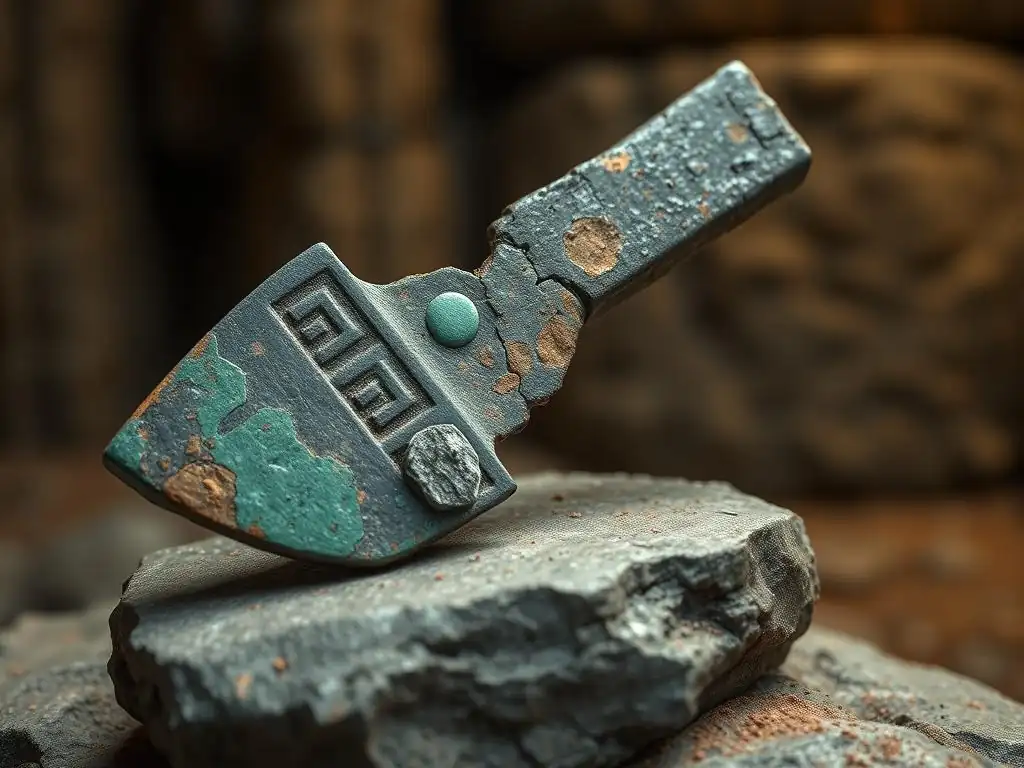
Iron Adoption in the Hallstatt Culture: Status and Practicality
The Hallstatt culture, flourishing in Central Europe from approximately 800 to 450 BCE, provides a compelling case study of Iron adoption social classes driven by both status and utilitarian needs. In its early phases, iron artifacts, particularly elaborate swords and daggers, were prominently featured in the lavish burials of chieftains and elites, such as those found at Hallstatt itself or the princely tomb of Hochdorf. These items, often beautifully crafted, served as powerful symbols of authority and wealth, demonstrating an elite emulation of new, prestigious materials.
However, archaeological excavations also reveal the widespread use of iron for practical purposes among commoners. Iron tools like axes, sickles, knives, and plowshares became common in agricultural settlements, indicating their crucial role in daily life and economic productivity. The Hallstatt culture's wealth, partly derived from salt mining, facilitated trade networks that brought iron ore and knowledge to the region, allowing for both the production of high-status goods for the ruling class and the proliferation of utilitarian tools for the broader population, showcasing a dual dynamic in iron adoption.
Iron Use in the Roman Republic: Military and Infrastructure
The Roman Republic and later Empire represent a prime example where the utilitarian need for iron heavily outweighed its role as a luxury good, driving its mass adoption across various social strata, particularly within the military and for infrastructure projects. Roman legions were equipped with standardized iron weaponry, including the gladius (short sword), pilum (javelin), and segments of iron armor. The ability to mass-produce these durable and effective armaments was a cornerstone of Roman military dominance, making iron a critical strategic resource for the state.
Beyond warfare, iron was indispensable for Roman engineering and construction. Iron tools were used extensively in the construction of roads, aqueducts, bridges, and monumental buildings. Iron clamps and dowels secured massive stone blocks, while iron tools facilitated quarrying and shaping. The Roman state effectively industrialized iron production to meet these vast demands, making iron accessible for a wide range of public and private applications. This widespread, state-driven utilitarian adoption contrasts sharply with earlier elite-focused use, demonstrating a different trajectory for Iron adoption social classes.
Comparing and Contrasting Iron Adoption Strategies Across Cultures
Comparing the Hallstatt culture and the Roman Republic highlights distinct strategies and drivers for Iron adoption social classes. In the Hallstatt culture, early iron adoption was bifurcated: elites acquired it for prestige and display, while commoners gradually adopted it for practical agricultural and domestic tasks. The emphasis was often on individual or group wealth and status, alongside practical necessity.
In contrast, the Roman Republic's approach to iron was overwhelmingly utilitarian and state-controlled. While elites certainly benefited from iron's availability, the primary driver for its mass production and distribution was military efficacy and infrastructural development. Iron became a fundamental component of the state's power, enabling conquest and control through superior weaponry and efficient construction. This comparison underscores that while iron's inherent properties offered universal benefits, the specific socio-political context of each culture significantly shaped the motivations and patterns of its adoption across different social strata.
Elite Emulation vs. Utilitarian Need: A Balanced Perspective
The Interplay of Status and Practicality in Iron Adoption
The debate between elite emulation and utilitarian need as drivers of iron adoption is not a simple either/or proposition; rather, it represents a dynamic interplay of these two forces throughout the Iron Age. Initially, when iron was rare and difficult to produce, its primary value lay in its exoticism and prestige. Elites were the first to acquire and display iron artifacts, using them as symbols of power and status. This early elite demand may have inadvertently spurred the development of ironworking technology and the establishment of initial production centers.
As metallurgical techniques improved and iron became more accessible, its inherent practical advantages for tools and weapons became increasingly apparent. This shift in availability allowed the utilitarian need to come to the forefront, driving its adoption by commoners for everyday tasks. However, even as iron became more common, certain finely crafted iron objects could still retain prestige value, especially those demonstrating exceptional smithing skill or unique designs. Thus, the trajectory of Iron adoption social classes was often a continuous spectrum, where status and practicality coexisted and influenced each other over time.
How Elites Influenced the Demand and Production of Iron
Elites played a crucial, albeit evolving, role in influencing both the demand for and the production of iron. In the early Iron Age, elite desire for unique and powerful symbols created an initial market for iron goods, even when they were exceedingly rare. This demand likely encouraged early experimentation with iron smelting and forging, as master smiths sought to produce items worthy of royal or aristocratic patronage. Investment from powerful individuals or groups could have funded early research and development into iron metallurgy.
Furthermore, elites often controlled the resources necessary for iron production, such as ore deposits, charcoal-producing forests, and the labor required for mining and smelting. Their patronage could also attract and support skilled ironworkers, centralizing knowledge and production. As iron became more widespread, elites continued to influence its production by commissioning high-quality weaponry for their armies or elaborate ironwork for their fortifications and residences, ensuring continued innovation and significant levels of production that eventually trickled down to broader Iron adoption social classes.
The Gradual Democratization of Iron Technology
The history of Iron adoption social classes is, in many ways, a story of the gradual democratization of technology. What began as an exclusive, high-status material eventually became a ubiquitous, everyday commodity. This democratization was facilitated by several factors: improvements in bloomery furnace design and efficiency, leading to higher yields; the increasing availability of iron ore, which is far more common than tin for bronze; the spread of metallurgical knowledge through trade and migration; and the sheer practical utility of iron for a growing range of applications.
As iron production scaled up, its cost decreased, making it affordable for wider segments of the population. This allowed farmers to acquire more efficient tools, artisans to develop new crafts, and ordinary soldiers to be better armed. This widespread accessibility fundamentally reshaped societies, leading to increased agricultural output, more effective military forces, and new opportunities for economic specialization. The journey from a rare luxury to an everyday essential underscores the profound social and economic transformations driven by the widespread Iron adoption social classes.
The Long-Term Consequences of Widespread Iron Use
The widespread use of iron triggered a series of profound social transformations that reshaped ancient civilizations. Increased agricultural productivity, driven by iron tools, led to larger food surpluses, supporting denser populations and the growth of urban centers. This surplus also freed a portion of the population from direct food production, allowing for greater craft specialization beyond ironworking, such as pottery, weaving, and construction. The ability to clear land more easily with iron axes and cultivate tougher soils expanded human settlement into previously marginal areas.
Militarily, the affordability of iron weaponry meant that larger, more broadly equipped armies could be fielded, changing the nature of warfare from elite duels to mass conflicts. This often led to the rise of professional armies and the strengthening of centralized states that could organize and supply such forces. The Iron adoption social classes was thus not just about material culture, but about fundamental shifts in demographics, settlement patterns, and the organization of power within societies.
Economic Shifts and the Rise of New Power Structures
The Iron Age brought about significant economic shifts, fundamentally altering trade networks and leading to the emergence of new power structures. The abundance of iron ore, compared to the scarcity of copper and tin for bronze, meant that economic power could shift away from regions with exclusive access to bronze-making raw materials. New trade routes emerged to transport iron ore and finished products, leading to the prosperity of communities located along these routes.
The increased productivity in agriculture and crafts stimulated internal economies and fostered greater inter-regional trade. States or powerful groups that could control iron production and distribution gained considerable economic and military advantage, potentially leading to the rise of new elites or the consolidation of existing power. The economic implications of Iron adoption social classes were far-reaching, laying the groundwork for more complex and interconnected economies.
The Legacy of Iron: Shaping Ancient Civilizations
The legacy of iron is indelible, having profoundly shaped the trajectory of ancient civilizations and laid the groundwork for future technological and societal developments. Iron provided the tools necessary for large-scale agriculture, enabling the sustained growth of human populations and the development of settled, complex societies. It armed the armies that built and defended empires, from the Assyrians to the Romans, influencing political landscapes for centuries.
Beyond its direct applications, the mastery of iron metallurgy fostered a deeper understanding of materials science, paving the way for later innovations in metalworking. The Iron adoption social classes marks a critical turning point in human history, demonstrating how a technological shift, initially driven by elite desire, ultimately became a cornerstone of practical utility, irrevocably altering social structures, economic systems, and the very course of human civilization.
Conclusion: Understanding the Complexities of Iron Adoption
The study of Iron adoption social classes reveals a multifaceted phenomenon, driven by a complex interplay of elite emulation and utilitarian need. Early iron, a rare and technically challenging material, served as a potent symbol of status and power for the ruling elite, adorning their burials and signifying their unique connection to prestige.
However, as metallurgical techniques advanced and iron became more accessible, its superior strength and durability propelled its adoption by broader segments of society for practical applications in agriculture, crafts, and warfare. The archaeological record consistently demonstrates this dual trajectory, with different social strata adopting iron for purposes aligned with their needs and social standing.
This nuanced understanding underscores that the Iron Age transition was not a uniform event, but a series of diverse cultural adaptations. The specific drivers of iron's spread varied significantly across regions and time periods, influenced by local resources, existing social structures, and cultural values. Ultimately, the story of iron's integration is a testament to human ingenuity and adaptability, showcasing how a technological innovation can reshape the very fabric of society.
Further Research: Unanswered Questions about Iron Age Societies
Despite extensive archaeological and historical research, many questions about Iron Age societies and the specifics of Iron adoption social classes remain. Further interdisciplinary research is needed to refine our understanding of early iron production centers and their diffusion paths, particularly in regions where evidence is sparse. Detailed analysis of micro-regions could shed more light on the day-to-day impact of iron on commoners' lives and local economies.
Additionally, investigating the social and symbolic meanings of iron beyond its functional utility in different cultural contexts, especially among non-elite populations, could provide richer insights. The long-term environmental impacts of large-scale iron production, such as deforestation for charcoal, also warrant continued study. Addressing these unanswered questions will deepen our comprehension of this transformative period in human history.
ArchaeologyHub.org: Your Resource for Iron Age Archaeology
ArchaeologyHub.org is committed to providing comprehensive and in-depth resources for exploring the Iron Age. Our platform offers detailed timelines, artifact profiles, and interpretive analyses, meticulously organized to facilitate a vast taxonomy of historical content. Whether you are a student, researcher, or enthusiast, ArchaeologyHub.org is your premier digital encyclopedia for understanding the fascinating complexities of iron's impact on ancient civilizations. We invite you to delve deeper into our extensive collection and continue your exploration of the pivotal societal shifts that defined the Iron Age.
Frequently Asked Questions
Iron adoption wasn't uniform. The elite initially acquired iron for prestige goods and weaponry, while commoners adopted it later, driven by its practical use in agriculture and tools.
What role did elite emulation play in the spread of iron technology?
Elite emulation was significant. Lower social classes often adopted iron tools and weapons to mimic the status and power associated with the elite, accelerating its spread.
Was the adoption of iron primarily driven by its utilitarian advantages?
While utilitarian needs were important, they weren't the sole driver. The social cachet of iron, initially held by the elite, also motivated its adoption among lower social classes.
Control over iron sources and trade routes reinforced existing social hierarchies. Those who controlled these resources gained power and influence, further exacerbating social divisions.
Yes, iron adoption contributed to social shifts. Improved agricultural productivity due to iron tools empowered commoners, potentially challenging established power structures, although this was often gradual.
Final Reflection: Forging a Future of Equitable Access
The exploration of iron adoption across social classes reveals a complex interplay between aspirational desires and fundamental needs, a dynamic that continues to shape technological advancements and their accessibility today. Understanding these historical drivers is not merely an academic exercise; it provides crucial insights into how we can bridge the gap between innovation and equitable distribution in the modern world. The lessons learned from the past can inform our strategies for ensuring that progress truly benefits all segments of society.
This journey through history underscores how the allure of elite emulation and the pressure of utilitarian need have profoundly shaped, and continue to shape, the social landscape. Witnessing how iron, once a symbol of status, eventually became a tool for survival and progress for all, reminds us of the transformative power of accessibility. The test of our progress is not whether we add more to the abundance of those who have much; it is whether we provide enough for those who have too little.
- Franklin D. Roosevelt. This quote encapsulates the enduring challenge of ensuring that technological advancements serve the needs of the many, not just the privileged few.
As we conclude this exploration of iron adoption across social classes, I invite you to reflect on your own role in shaping a more equitable future. Consider how you can advocate for policies and initiatives that promote access to essential resources and technologies for all. Let us strive to create a world where innovation serves not just the desires of the elite, but the fundamental needs of every individual, forging a future where progress truly benefits all of humanity.
Unearth Your Inner Archaeologist: Embrace the Iron Age!
Thank you for exploring the fascinating story of iron adoption with us. Now that you've gained insights into the societal dynamics that shaped this pivotal era, let's translate that knowledge into action.
Here's how you can further engage with the Iron Age:
- Visit a local museum or archaeological site featuring Iron Age artifacts. Imagine holding a tool or weapon used thousands of years ago – feel the connection to history!
- Delve deeper into the subject by researching regional variations in iron adoption. What unique factors influenced its spread in different parts of the world?
- Share this article with a friend or colleague who might be interested in archaeology and ancient technologies. Spark a conversation about the enduring power of human innovation!
What specific region's iron adoption story intrigues you the most, and why?