
The Great Human Experiment: Paleolithic Foragers to Neolithic Farmers A Global Perspective

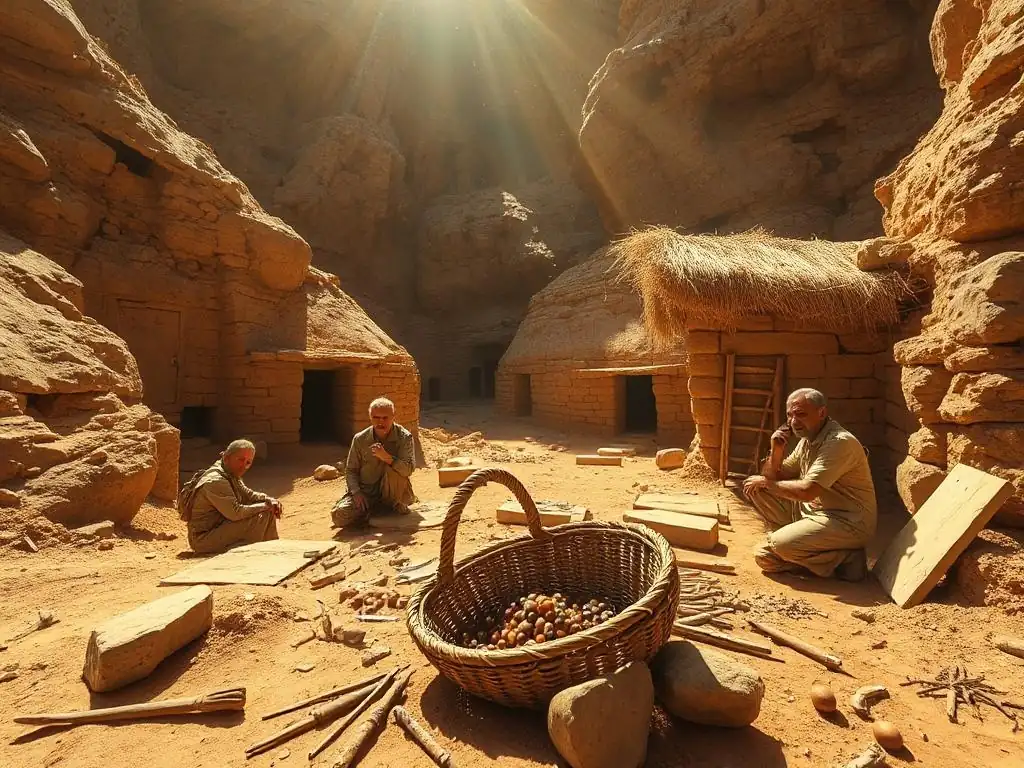
Welcome to ArchaeologyHub.org, your gateway to unraveling the mysteries of the past.
Ever wondered how our ancestors survived the Ice Age? Dive into the fascinating world of Paleolithic foraging techniques evolution as we explore the incredible journey from nomadic hunter-gatherers to settled agricultural societies. This article, nestled within our chronological and broad geographical frameworks, offers a global perspective on this transformative period. Discover the ingenuity and adaptability that shaped humanity – are you ready to uncover the clues?
- Introduction: Tracing the Transition from Paleolithic Foraging to Neolithic Farming
- Paleolithic Foraging Techniques: A Foundation of Human Survival
- The Neolithic Revolution: A Shift Towards Agriculture
- Global Centers of Agricultural Innovation: Independent Developments
- Comparing Paleolithic Foraging Techniques and Neolithic Farming Practices
- The Environmental Impact of the Neolithic Revolution
- Social and Economic Transformations in the Neolithic Period
- The Spread of Agriculture: Diffusion and Adaptation
- The Legacy of the Paleolithic and Neolithic Eras
- Conclusion: Reflecting on Humanity's Transformative Journey
-
Frequently Asked Questions
- How did Paleolithic foraging techniques evolve over time?
- What were the key differences between Paleolithic foraging and Neolithic farming?
- What role did environmental changes play in the shift from foraging to farming?
- What types of tools were essential for Paleolithic foragers and how did these evolve?
- How did Paleolithic foraging techniques vary across different geographic regions?
- Final Reflection: Echoes of the Ancient Harvest
- Unearth Your Inner Explorer: Journey Back in Time!
Introduction: Tracing the Transition from Paleolithic Foraging to Neolithic Farming
ArchaeologyHub.org's Exploration of Global Prehistory: Paleolithic to Neolithic
ArchaeologyHub.org stands as a comprehensive digital resource dedicated to unraveling the complexities of human history, with a particular focus on the monumental shift from Paleolithic foraging to Neolithic farming. This transition, spanning millennia, represents one of the most profound reorganizations of human society, subsistence strategies, and environmental interaction in our species' history. Our platform offers a detailed exploration of this period, providing insights into the archaeological evidence that illuminates the daily lives, technological advancements, and socio-economic structures of our ancient ancestors.
Through a vast taxonomy of in-depth historical content, ArchaeologyHub.org meticulously chronicles the global prehistory, from the earliest stone tool industries to the widespread adoption of agriculture. We delve into specific archaeological sites, analyze artifact profiles, and interpret the intricate analyses of ancient civilizations, organized by geographic regions and time periods. This allows researchers, students, and enthusiasts alike to trace the development of Paleolithic foraging techniques evolution and understand the cascade of changes that led to the agricultural revolution, laying the groundwork for settled communities and the eventual rise of complex societies.
Paleolithic Foraging Techniques: A Foundation of Human Survival
Hunter-Gatherer Strategies in the Paleolithic Era: An Overview
For nearly 2.5 million years, spanning the vast Paleolithic era, human survival was predicated on adept hunter-gatherer strategies. These strategies were characterized by high mobility, a deep understanding of local ecosystems, and a diverse diet comprising wild plants, hunted animals, and scavenged resources. Groups typically consisted of small, highly adaptable bands, often fewer than 50 individuals, allowing for efficient resource exploitation across varied landscapes, from the savannas of Africa to the tundra of Eurasia. Their profound knowledge of seasonal cycles and animal migration patterns was critical to their sustained existence.
The essence of Paleolithic foraging techniques lay in their flexibility and responsiveness to environmental conditions. Unlike later agricultural societies, hunter-gatherers did not significantly alter their environment but rather integrated themselves within it, moving with the availability of resources. Archaeological evidence, such as faunal remains and plant macrofossils from sites like Klasies River Caves in South Africa, indicates a broad spectrum diet, including marine resources, small game, and a variety of wild plant foods, illustrating the sophisticated and varied Paleolithic foraging techniques evolution that sustained these early human populations.
Key Innovations in Paleolithic Tool Technology for Foraging
The Paleolithic foraging techniques evolution is intrinsically linked to the development and refinement of stone tool technology, which provided the means for more efficient acquisition and processing of food. The earliest tools, Oldowan choppers from sites like Gona, Ethiopia, dating back approximately 2.6 million years, allowed early hominins to butcher carcasses and access marrow. Over time, these basic tools evolved into the more sophisticated Acheulean handaxes, exemplified by finds at Olorgesailie, Kenya, which were multi-purpose instruments for cutting, scraping, and digging, appearing around 1.76 million years ago.
Later innovations, particularly during the Middle and Upper Paleolithic periods, further revolutionized foraging capabilities. The Mousterian tools of the Neandertals, often associated with the Levallois technique for producing sharp flakes, enhanced hunting efficiency. The Upper Paleolithic saw the widespread adoption of blade technology, producing long, thin, sharp tools that could be hafted onto spears or used as knives.
The invention of the atlatl (spear-thrower) around 15,000-20,000 years ago dramatically increased hunting range and power, while nets and traps, evidenced by impressions in clay from sites like Ohalo II in Israel (circa 23,000 years ago), allowed for more systematic capture of small game and fish. These technological advancements underscore a continuous process of Paleolithic foraging techniques evolution, enabling humans to exploit an increasingly diverse range of ecological niches.
Paleolithic hunter-gatherer societies were generally characterized by egalitarian social structures, largely due to their nomadic or semi-nomadic lifestyles and the necessity of resource sharing. The absence of significant surplus accumulation meant that wealth differences were minimal, and decision-making was often communal. Evidence from ethnographic studies of modern hunter-gatherers, alongside archaeological interpretations of residential patterns and burial practices, suggests a flexible social organization, with individuals moving between groups. This fluidity helped manage resource availability and mitigate conflict.
Subsistence in these societies was a collective endeavor, with labor often divided by age and gender, though not rigidly. Men typically focused on hunting larger game, while women gathered plants, small animals, and cared for children. However, archaeological findings, such as the discovery of a female hunter burial in the Andes dating back 9,000 years, challenge strict divisions, indicating a more nuanced and adaptable division of labor. This cooperative approach to subsistence, coupled with their refined Paleolithic foraging techniques evolution, ensured the survival and propagation of human populations across vast and varied landscapes for hundreds of thousands of years.
The Neolithic Revolution: A Shift Towards Agriculture
The Dawn of Agriculture: Understanding the Neolithic Transformation
The Neolithic Transformation, often termed the "Neolithic Revolution," marks a pivotal shift in human history, fundamentally altering the relationship between humans and their environment. Beginning roughly 12,000 years ago in certain regions, this period saw the gradual domestication of plants and animals, moving away from a purely extractive economy of foraging to a productive one based on cultivation and animal husbandry. This was not a sudden event but a protracted process, unfolding independently in multiple global centers over several millennia, driven by complex interactions of climate change, population dynamics, and accumulated ecological knowledge.
The transition to agriculture had profound and lasting consequences, enabling a sustained food supply that could support larger, more sedentary populations. This shift directly led to the development of permanent settlements, the accumulation of surplus resources, and ultimately, the emergence of social hierarchies and specialized labor. Archaeological sites like Çatalhöyük in Anatolia, dating to around 7,500 BCE, provide remarkable insights into early agricultural villages, showcasing dense populations living in permanent structures and engaging in early forms of farming, a stark contrast to the more mobile Paleolithic foraging techniques evolution.
Factors Contributing to the Rise of Neolithic Farming Practices
The rise of Neolithic farming practices was influenced by a confluence of environmental, demographic, and cultural factors. One significant driver was the end of the last Ice Age, around 10,000 BCE, which brought about a period of warmer, more stable climatic conditions conducive to the growth of wild cereals and the proliferation of certain animal species. This environmental shift, coupled with increasing human populations in some regions, may have put pressure on traditional foraging resources, making agriculture a more viable, albeit labor-intensive, alternative.
Furthermore, the deep ecological knowledge accumulated over millennia of Paleolithic foraging techniques evolution provided the cognitive foundation for domestication. Hunter-gatherers had an intimate understanding of plant life cycles and animal behavior, making them uniquely positioned to experiment with cultivation and selective breeding. The "broad spectrum revolution," where hunter-gatherers began exploiting a wider range of smaller, more predictable resources, also contributed by fostering a more sedentary lifestyle in some areas, potentially easing the transition to full-time agriculture by reducing the need for constant movement.
Sedentism and the Development of Early Agricultural Villages
A defining characteristic of the Neolithic Revolution was the increasing trend towards sedentism – the practice of living in one place for extended periods. While some late Paleolithic groups exhibited semi-sedentary behavior in resource-rich areas (e.g., Natufian culture in the Near East), widespread permanent settlement became a hallmark of the Neolithic period. The ability to cultivate crops and keep domesticated animals meant that communities no longer needed to constantly move in search of food, leading to the establishment of fixed dwellings and eventually, villages.
Early agricultural villages, such as Jericho in the Levant, which dates back to around 9,000 BCE and boasts impressive defensive walls, represent the nascent stages of urban development. These settlements provided a stable base for larger populations, fostered community cooperation, and facilitated the development of more elaborate social structures.
The concentration of people also led to increased sanitation challenges and the spread of infectious diseases, but the advantages of a reliable food supply and collective defense often outweighed these drawbacks, cementing sedentism as a fundamental aspect of the Neolithic way of life, a stark departure from the mobility inherent in Paleolithic foraging techniques evolution.
Global Centers of Agricultural Innovation: Independent Developments
The Fertile Crescent: Origins of Wheat and Barley Cultivation
The Fertile Crescent, an arc of land stretching from the Levant through Mesopotamia to the Persian Gulf, is widely recognized as one of the earliest and most significant centers of agricultural innovation. Here, around 10,000 BCE, wild ancestors of key cereals like emmer wheat and barley were first domesticated. Sites such as Abu Hureyra in Syria provide archaeological evidence of the transition from foraging wild cereals to cultivating them, with changes in seed morphology indicating domestication over time. The region's rich biodiversity and seasonal rainfall patterns provided ideal conditions for the initial growth of these crops.
The domestication process in the Fertile Crescent was gradual, involving generations of selective harvesting that favored traits beneficial to humans, such as non-shattering ears that held their seeds longer. This agricultural revolution allowed for the eventual development of substantial populations and complex societies, including the world's first cities and states in Mesopotamia. The knowledge and domesticated crops from this region subsequently spread across Europe, North Africa, and parts of Asia, profoundly influencing the trajectory of human civilization far beyond its immediate borders.
East Asia: The Domestication of Rice and Millet
Concurrently with developments in the Fertile Crescent, independent centers of agriculture emerged in East Asia, focusing primarily on the domestication of rice and millet. In the Yangtze River Valley of China, evidence suggests that wild rice (Oryza rufipogon) was domesticated around 9,000 BCE, with sites like Hemudu providing early examples of rice cultivation and associated technologies such as paddy fields and water buffalo. This staple crop became the foundation for vast populations across southern and eastern Asia.
Further north, in the Yellow River Valley, millet (Setaria italica and Panicum miliaceum) was domesticated around 7,500 BCE. Sites like Cishan in Hebei province showcase early evidence of foxtail millet cultivation and storage pits. Both rice and millet provided reliable caloric sources, allowing for the growth of large, settled communities in diverse climatic zones across East Asia. The development of these distinct agricultural systems highlights the varied pathways of the Neolithic Revolution, independent of the Paleolithic foraging techniques evolution that characterized earlier subsistence.
The Americas: Maize, Beans, and Squash in Ancient Agriculture
The Americas represent another crucial independent center of agricultural innovation, with a unique suite of domesticated crops that formed the basis of complex societies. The most significant of these was maize (corn), which was first domesticated from its wild ancestor, teosinte, in the Balsas River Valley of south-central Mexico approximately 9,000 years ago. This process involved dramatic genetic changes, transforming a small, multi-eared grass into the large, single-eared crop we know today.
Alongside maize, beans and squash were also domesticated, forming the complementary "Three Sisters" agricultural system. Beans provided essential proteins and nitrogen fixation for the soil, while squash offered a diverse range of nutrients and could be stored for long periods. This integrated system supported the development of major civilizations in Mesoamerica, such as the Olmec, Maya, and Aztec, and in the Andean region, including the Inca. The ingenuity displayed in domesticating these distinct crops underscores the independent ingenuity of ancient American peoples, following a trajectory distinct from the Paleolithic foraging techniques evolution seen in the Old World.
Africa: Sorghum, Yams, and Indigenous Farming Systems
Africa, too, was a significant cradle of agricultural innovation, with several distinct centers of domestication. In the Sahel region of West Africa, sorghum (Sorghum bicolor) was domesticated around 5,000 BCE, along with pearl millet. These drought-resistant grains were crucial for supporting populations in semi-arid environments, allowing for the development of settled communities across the vast savanna belts. Archaeological evidence from sites like Dhar Tichitt in Mauritania demonstrates early large-scale agricultural settlements based on these crops.
Further south, in the West African forest zone, crops like yams (Dioscorea species) and oil palm were domesticated, forming the basis of indigenous farming systems adapted to tropical rainforest environments. Ethiopian highlands saw the domestication of unique crops such as teff, enset, and coffee. These diverse agricultural developments across the African continent highlight a mosaic of independent innovations, each tailored to specific ecological niches, demonstrating a departure from the generalized Paleolithic foraging techniques evolution to specialized regional agricultural systems.
Comparing Paleolithic Foraging Techniques and Neolithic Farming Practices
Efficiency and Productivity: Foraging vs. Farming
When comparing the efficiency and productivity of Paleolithic foraging techniques and Neolithic farming practices, a nuanced picture emerges. Foraging, while seemingly less "productive" in terms of caloric yield per unit of land, was often highly efficient in terms of labor input. Hunter-gatherers typically worked fewer hours to obtain their food, enjoying more leisure time compared to early farmers. Their diverse diet also reduced the risk of widespread famine if one resource failed. However, foraging supported lower population densities, typically less than one person per square kilometer, due to the extensive land requirements.
Neolithic farming, by contrast, allowed for a significantly higher caloric yield per unit of land, supporting much greater population densities—potentially hundreds of people per square kilometer in fertile areas. This "productivity" came at a cost: farming was labor-intensive, requiring consistent effort in tilling, planting, weeding, and harvesting. Early farmers often faced the risk of crop failure due to disease, pests, or adverse weather, leading to periods of hardship. While the Paleolithic foraging techniques evolution fostered resilience through mobility and diversity, farming offered the promise of surplus and stability, albeit with increased labor demands.
Dietary Changes: The Impact of Agriculture on Human Nutrition
The shift from Paleolithic foraging techniques to Neolithic farming practices brought about significant changes in human nutrition, not always for the better. Paleolithic diets were typically diverse, rich in lean protein, fiber, and micronutrients from a wide array of wild plants and animals. This dietary breadth contributed to robust health, with archaeological evidence suggesting lower rates of dental caries and certain nutritional deficiencies compared to early agricultural populations.
With the advent of agriculture, diets often became narrower, heavily reliant on one or a few staple crops like wheat, rice, or maize. While providing abundant carbohydrates, these diets were often deficient in certain amino acids, vitamins, and minerals if not supplemented properly.
Skeletal remains from Neolithic sites frequently show increased evidence of dental problems (caries, abscesses), anemia (porotic hyperostosis), and stress indicators like Harris lines on bones, reflecting periods of nutritional stress or disease. The transition, therefore, represented a trade-off, where increased food quantity sometimes came at the expense of dietary quality, a stark contrast to the nutritional diversity characteristic of the Paleolithic foraging techniques evolution.
Population Growth and Settlement Patterns: A Comparative Analysis
The most striking difference between the Paleolithic and Neolithic eras lies in their respective population growth and settlement patterns. Paleolithic societies, relying on nomadic or semi-nomadic Paleolithic foraging techniques evolution, maintained relatively small, dispersed populations. Their mobility was essential for following migratory game and exploiting seasonally available plant resources, resulting in temporary shelters and low population densities across vast territories. Global human population estimates for the late Paleolithic are often cited in the range of a few million individuals.
The adoption of agriculture, with its capacity to produce food surpluses from a fixed land area, directly facilitated a dramatic increase in human population density and overall numbers. Sedentary life in agricultural villages allowed for shorter birth intervals and reduced infant mortality, as mothers no longer had to carry infants during long foraging journeys.
This led to a demographic explosion, with global population estimates reaching tens of millions by the end of the Neolithic period. These larger, more permanent settlements, often incorporating hundreds or even thousands of inhabitants, became the precursors to towns and cities, fundamentally reshaping the human landscape and social organization.
The Environmental Impact of the Neolithic Revolution

Deforestation and Land Clearance for Agriculture
The Neolithic Revolution marked the beginning of large-scale human alteration of natural landscapes, most notably through deforestation and land clearance for agriculture. As populations grew and farming practices intensified, vast tracts of forests and grasslands were cleared to create arable land for crops and pastures for domesticated animals. This process, evident in pollen records and archaeological surveys, dramatically reshaped ecosystems across the globe. For instance, in the Fertile Crescent, the expansion of cereal cultivation led to significant reductions in native tree cover, a trend that continued and intensified over millennia.
The methods of clearance, often involving slash-and-burn techniques, released substantial amounts of carbon into the atmosphere and fundamentally changed local biodiversity. While Paleolithic foraging techniques evolution had a relatively benign impact on the environment, primarily limited to localized burning or megafauna extinctions, Neolithic farming initiated a trajectory of landscape transformation that continues to this day. This early human impact on ecosystems laid the groundwork for many of the environmental challenges faced by later civilizations.
Soil Erosion and Degradation: Long-Term Consequences
The intensive cultivation practices characteristic of early agriculture also led to unprecedented levels of soil erosion and degradation. Unlike the rotational or shifting patterns often employed by some hunter-gatherer groups, permanent fields under continuous cultivation depleted soil nutrients and organic matter. This made the soil more vulnerable to erosion by wind and water, particularly in regions with sloped terrain or heavy rainfall. Archaeological evidence from regions like the Mediterranean and China indicates significant topsoil loss starting in the Neolithic period.
The long-term consequences of soil degradation included reduced agricultural productivity, leading to the abandonment of fields and the need to clear even more land. This created a vicious cycle of expansion and environmental stress. The shift from diverse Paleolithic foraging techniques evolution to monoculture-dominated farming systems also reduced the resilience of ecosystems, making them more susceptible to pests and diseases, further exacerbating the challenges of maintaining soil health and agricultural output over generations.
The Role of Agriculture in Climate Change: Early Human Impact
While often overlooked in discussions of ancient climate, the Neolithic Revolution may have played a significant, albeit subtle, role in early human-induced climate change. The "early anthropocene" hypothesis, proposed by William Ruddiman, suggests that human activities like widespread deforestation for agriculture and the expansion of rice paddy cultivation (which produces methane) began to influence atmospheric greenhouse gas concentrations thousands of years before the Industrial Revolution. This contrasts sharply with the minimal climate impact of Paleolithic foraging techniques evolution.
Ruddiman's work suggests that these early agricultural practices may have prevented a natural cooling trend that would otherwise have occurred during the Holocene interglacial period. While the scale of this impact is still debated, it highlights the profound and cumulative effect of human actions on the planet, beginning with the fundamental shift in subsistence strategies during the Neolithic period. The transformation of landscapes for agriculture initiated a new era of human-environment interaction, with global consequences.
Specialization of Labor and Craft Production
The surplus of food generated by Neolithic farming practices enabled a fundamental restructuring of human societies, leading to the specialization of labor and the rise of dedicated craft production. With not everyone needing to participate directly in food acquisition, individuals could dedicate their time to developing specific skills. This led to the emergence of full-time potters, weavers, stone tool makers, and eventually, metallurgists. Archaeological sites like Çatalhöyük showcase evidence of specialized workshops and diverse craft goods, including obsidian mirrors and elaborate textiles.
This specialization fostered greater efficiency in production and led to higher quality goods, but also increased interdependence within communities. The development of pottery, for instance, revolutionized food storage, cooking, and transportation, directly supporting the sedentary lifestyle and the need to store agricultural surpluses. This marked a significant departure from the more generalized skills required by Paleolithic foraging techniques evolution, where most individuals possessed a broad range of subsistence-related abilities.
The ability to accumulate surplus resources in Neolithic societies directly contributed to the emergence of social hierarchies and more complex political structures. With food and other goods stored, some individuals or families could accumulate more wealth and exert greater influence than others. This led to the gradual development of social stratification, with distinctions based on status, power, and access to resources. Archaeological evidence from burials and residential differences often points to emerging elite classes.
As villages grew into towns and populations expanded, there was a greater need for organized leadership to manage communal projects (like irrigation systems or defensive walls), resolve disputes, and coordinate labor. This led to the formation of chiefs, councils, or other forms of centralized authority. The shift from the relatively egalitarian bands of the Paleolithic, where Paleolithic foraging techniques evolution favored mobility and shared resources, to the more stratified agricultural societies laid the groundwork for the state-level societies that would emerge in later periods.
Trade and Exchange Networks in Neolithic Societies
The increased specialization of labor and the production of surplus goods in Neolithic societies fostered the development of more extensive and complex trade and exchange networks. While limited exchange existed in the Paleolithic (e.g., for chert or obsidian), the Neolithic saw a significant increase in the volume and variety of goods traded. Raw materials like obsidian, flint, and exotic stones were exchanged over considerable distances, as evidenced by their presence far from their geological sources.
Finished goods, such as pottery, textiles, and ornaments, also became important items of trade. These networks facilitated the spread of ideas, technologies, and domesticated plants and animals across regions. For example, the widespread distribution of obsidian from specific Anatolian sources across the Near East highlights vibrant exchange routes. These trade networks were crucial not only for economic purposes but also for establishing alliances, disseminating cultural practices, and facilitating the spread of agricultural innovations, a stark contrast to the more localized resource acquisition typical of the Paleolithic foraging techniques evolution.
The Spread of Agriculture: Diffusion and Adaptation
Pathways of Agricultural Dispersal Across Continents
The agricultural revolution, originating in a few independent centers, subsequently spread across continents through various pathways. One primary mechanism was demic diffusion, where farming populations themselves migrated, carrying their domesticated crops, animals, and agricultural knowledge with them. This "wave of advance" model is evident in the spread of farming from the Near East into Europe, with archaeological dates showing a progressive westward movement of agricultural sites.
Another significant pathway was cultural diffusion, where the ideas and practices of agriculture were adopted by neighboring hunter-gatherer groups without large-scale population movement. This could involve the exchange of seeds, animals, or knowledge through trade or intermarriage. Often, a combination of both demic and cultural diffusion occurred, with the relative importance varying by region and specific circumstances. The spread of agricultural techniques, fundamentally different from the established Paleolithic foraging techniques evolution, was a complex and multifaceted process.
Adapting Agricultural Practices to Diverse Environments
As agriculture spread, it was not simply transplanted but often adapted to diverse local environments. Early farmers learned to modify their cultivation techniques, select for varieties of crops better suited to specific climates, and integrate indigenous wild resources into their farming systems. For example, crops originating in the Fertile Crescent, such as wheat and barley, had to be adapted to the cooler, wetter climates of northern Europe, leading to the development of new farming strategies and crop strains.
Similarly, in regions with challenging terrains or specific soil types, innovative solutions were developed. The creation of terraced fields in mountainous areas, such as the Andes, or raised fields in wetlands, as seen in Mesoamerica, demonstrates the remarkable ingenuity of early farmers in overcoming environmental constraints. This adaptability was crucial for the widespread success of agriculture, allowing it to take root in a vast array of ecological niches, a testament to the continuous evolution of human subsistence strategies beyond the realm of Paleolithic foraging techniques evolution.
The Spread of Agriculture in the Andes: Altitude and Crop Diversification
The spread of agriculture in the Andean region of South America provides a compelling example of adaptation to extreme environmental conditions. Here, indigenous populations developed a highly diversified agricultural system capable of thriving across vast altitudinal gradients, from the Pacific coast to the high Andes. While maize was introduced from Mesoamerica, local domestications of crops like potatoes (Solanum tuberosum), quinoa (Chenopodium quinoa), and various root crops (e.g., oca, ulluco) were crucial.
The domestication of potatoes, occurring perhaps as early as 8,000 BCE in the Lake Titicaca basin, allowed for reliable food production at elevations over 3,000 meters, where other staple crops struggled. Farmers developed sophisticated techniques like terracing, irrigation, and freeze-drying (ch'uño) to manage the challenging climate and preserve food. This regional agricultural complex, built on a foundation of local innovations and adapted imported crops, supported the development of complex societies like the Wari and Inca empires, showcasing a unique trajectory of agricultural development distinct from the Paleolithic foraging techniques evolution of earlier inhabitants.
The Legacy of the Paleolithic and Neolithic Eras
Influence on Modern Agricultural Practices
The foundational innovations of the Neolithic era continue to exert a profound influence on modern agricultural practices. The very crops and animals that form the backbone of global food systems today – wheat, rice, maize, cattle, sheep, goats – are direct descendants of those first domesticated thousands of years ago. Modern plant breeding and animal husbandry build upon the principles of artificial selection first applied by early farmers, albeit with advanced scientific techniques.
Furthermore, many traditional farming techniques, such as irrigation, crop rotation, and the use of natural fertilizers, have their roots in Neolithic practices. Even the concept of fixed settlement and land ownership, which emerged with agriculture, underpins modern land use and economic systems. Understanding these deep historical roots provides crucial context for addressing contemporary challenges in food security and sustainable agriculture, recognizing the enduring legacy of humanity's initial shift from Paleolithic foraging techniques evolution to settled farming.
Understanding Human-Environment Interactions Through Archaeological Evidence
Archaeological evidence from the Paleolithic and Neolithic eras offers invaluable insights into the long-term dynamics of human-environment interactions. The Paleolithic record demonstrates how early humans adapted to and thrived within diverse ecosystems without fundamentally altering them on a large scale. The Paleolithic foraging techniques evolution showcases a profound ecological knowledge and a relatively low environmental footprint.
In contrast, the Neolithic period provides the earliest clear evidence of large-scale, intentional human manipulation of the environment, leading to significant deforestation, soil degradation, and even potential climate impacts. By studying these ancient patterns of land use, resource exploitation, and environmental change, archaeologists can illuminate the historical trajectories of human impact on the planet. This deep historical perspective is crucial for understanding the origins of our current ecological challenges and informing strategies for sustainable living in the future.
Future Directions in Archaeological Research: Investigating the Paleolithic-Neolithic Transition
Future archaeological research into the Paleolithic-Neolithic transition is poised to benefit significantly from advancements in scientific techniques. New methods, such as ancient DNA (aDNA) analysis, are revolutionizing our understanding of crop and animal domestication pathways, as well as human migration patterns. Stable isotope analysis of human and animal remains provides detailed insights into ancient diets and mobility, offering direct evidence of dietary shifts from Paleolithic foraging techniques evolution to agricultural diets.
High-resolution remote sensing technologies like LiDAR are revealing previously undiscovered ancient landscapes and settlements, providing unprecedented spatial data on early agricultural systems. Furthermore, interdisciplinary approaches combining archaeology with climate science, genetics, and environmental studies are yielding a more holistic understanding of this transformative period. These ongoing investigations promise to refine our knowledge of the drivers, processes, and consequences of humanity's greatest experiment: the shift from a foraging existence to a farming way of life.
Conclusion: Reflecting on Humanity's Transformative Journey
The Enduring Impact of Foraging and Farming on Human Civilization
The journey from Paleolithic foragers to Neolithic farmers represents the most profound transformation in human history, fundamentally reshaping our biology, societies, and relationship with the planet. The ingenuity and adaptability displayed during the Paleolithic foraging techniques evolution laid the groundwork for human survival and global dispersal, showcasing a remarkable capacity to thrive in diverse environments through intimate ecological knowledge and technological innovation. This era, spanning millions of years, defined humanity's foundational existence as mobile, adaptable hunter-gatherers.
The subsequent Neolithic Revolution, while offering the promise of greater food security and supporting unprecedented population growth, also introduced new challenges related to diet, disease, social inequality, and environmental impact. The legacy of this transition is evident in every aspect of modern life, from the global food systems built on domesticated species to the sedentary lifestyles that define our urbanized world. Understanding this "Great Human Experiment" through archaeological lenses provides crucial insights into the enduring impacts of our choices and continues to inform our understanding of humanity's past, present, and future trajectory.
Frequently Asked Questions
How did Paleolithic foraging techniques evolve over time?
Paleolithic foraging evolved from scavenging and opportunistic hunting to more sophisticated hunting strategies and seasonal resource exploitation. This involved developing specialized tools and a deeper understanding of animal migrations and plant life cycles, leading to greater efficiency and predictability.
What were the key differences between Paleolithic foraging and Neolithic farming?
Paleolithic foraging involved nomadic lifestyles and reliance on wild resources, while Neolithic farming brought about sedentary settlements and the cultivation of crops/domestication of animals. This shift led to surplus food production and significant social changes.
What role did environmental changes play in the shift from foraging to farming?
Climate change, particularly at the end of the last Ice Age, led to new plant distributions and animal migration patterns. These changes presented opportunities for humans to experiment with cultivating plants and domesticating animals, ultimately driving the adoption of agriculture.
What types of tools were essential for Paleolithic foragers and how did these evolve?
Early tools were simple stone choppers and flakes, used for butchering and processing food. Over time, tools became more refined, including spear points, hand axes, and eventually bows and arrows, allowing for more effective hunting and gathering.
How did Paleolithic foraging techniques vary across different geographic regions?
Foraging techniques were highly adapted to local environments. Coastal populations relied on fishing and shellfish gathering, while inland groups focused on hunting large game and collecting plant resources available in their specific regions. Different climates dictated different seasonal strategies.
Final Reflection: Echoes of the Ancient Harvest
The journey from Paleolithic foraging to Neolithic farming, as explored in this article, isn't just a historical account; it's a mirror reflecting our present relationship with food and the environment. The echoes of those ancient decisions, the shift from hunter-gatherer to cultivator, resonate profoundly in our modern agricultural practices, global food systems, and even our individual dietary choices. Understanding the evolution of Paleolithic foraging techniques and their subsequent transformation is crucial for navigating the complex challenges of food security and sustainability we face today.
This transition, from a life intimately connected with the rhythms of nature to one increasingly shaped by human intervention, has undeniably shaped our cultural and social landscape. It reminds us that our present is inextricably linked to our past, and that the choices made by our ancestors continue to influence our lives in profound ways. We are all, in a sense, Paleolithic foragers at heart, driven by the same fundamental needs and desires, but living in a world transformed by the consequences of our agricultural revolution.
This understanding fosters a deeper appreciation for the ingenuity and resilience of our ancestors, while also prompting critical reflection on the long-term consequences of our choices.
As we stand at the crossroads of environmental crisis and technological advancement, let us not forget the lessons learned from the "Great Human Experiment." Consider the delicate balance between exploitation and stewardship, between innovation and preservation. What can we learn from the Paleolithic foragers' intimate knowledge of their environment to inform our modern agricultural practices? Let us strive to cultivate a future where food production is not just efficient, but also sustainable, equitable, and respectful of the planet that sustains us all.
Unearth Your Inner Explorer: Journey Back in Time!
Thanks for delving into the fascinating transition from Paleolithic foraging to Neolithic farming. We hope you found this global perspective enlightening. Now, let's bring history to life with actionable steps!
- Explore a local museum or archaeological site to witness firsthand the tools and artifacts of these early societies. Seeing these objects up close can provide a powerful connection to our ancestors.
- Research a specific Paleolithic or Neolithic culture mentioned in the article and share your findings with a friend or family member. Become an ambassador of the past!
- Consider trying a "Paleo" or traditional farming-based meal this week. What can you learn from experiencing the diet of our ancestors?
What single adaptation, in your opinion, had the greatest impact on the shift from foraging to farming? Share your thoughts below!