
Sneferu's Pyramids at Dahshur: The Bent and Red Pyramids Explored

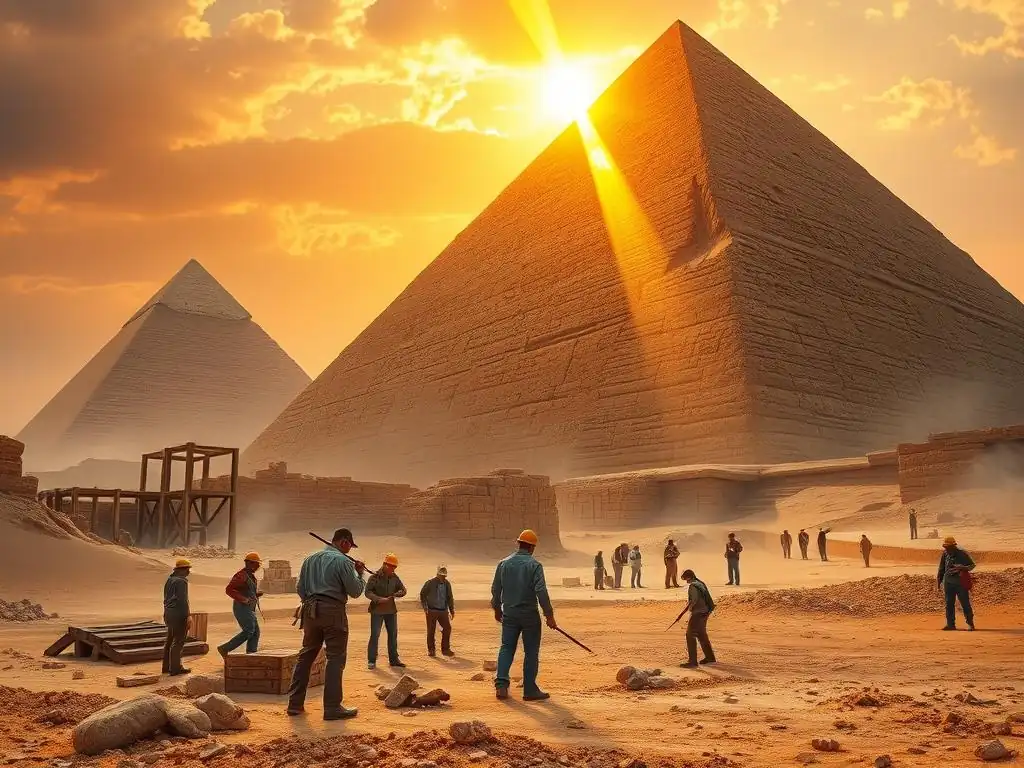
Welcome to ArchaeologyHub.org, your portal to unraveling history's mysteries.
Delve into the fascinating world of ancient Egypt as we explore the ambitious pyramid-building projects of Pharaoh Sneferu. How did innovative exploration techniques reveal the secrets behind his iconic Bent and Red Pyramids at Dahshur? Join us as we dissect the engineering marvels and uncover the historical significance of these magnificent structures, offering a comprehensive look at Sneferu pyramids exploration techniques and their lasting impact on our understanding of ancient civilizations. Prepare to embark on a journey through time and discovery!
- Introduction to Sneferu's Pyramid Project: A Monumental Undertaking
- The Bent Pyramid: A Unique Architectural Experiment
- The Red Pyramid: Sneferu's Successful Experiment in True Pyramid Design
- Comparing the Bent and Red Pyramids: Architectural Evolution in Action
- Archaeological Exploration Techniques Used at Sneferu's Pyramid Complex
- Sneferu's Pyramids and the Evolution of Ancient Egyptian Pyramid Construction
- Dahshur Today: Visiting and Understanding Sneferu's Pyramid Complex
- Conclusion: Reflecting on Sneferu's Engineering Achievements
-
Frequently Asked Questions
- How did archaeologists determine the construction phases of Sneferu's pyramids?
- What specific excavation techniques were employed at the Dahshur site to uncover details about Sneferu's pyramids?
- What are the main theories surrounding the "bent" shape of the Bent Pyramid, and how do exploration techniques help support or refute these theories?
- What types of artifacts have been discovered within or around Sneferu's pyramids, and what do they reveal about ancient Egyptian society?
- How do the construction techniques used in Sneferu's pyramids compare to those employed in later pyramid complexes in Egypt?
- Final Reflection: Unearthing the Enduring Legacy of Sneferu
- Unearth Your Inner Egyptologist!
Introduction to Sneferu's Pyramid Project: A Monumental Undertaking
Contextualizing Sneferu's Reign: Setting the Stage for Pyramid Construction
Pharaoh Sneferu, the founder of the Fourth Dynasty (c. 2613–2589 BCE), presided over a period of remarkable stability and prosperity in ancient Egypt, laying the groundwork for the Old Kingdom's golden age of monumental construction. His reign, estimated to have lasted between 24 and 30 years, was characterized by significant administrative reforms, military campaigns, and an unprecedented focus on large-scale building projects, particularly pyramids.
Unlike his predecessor Djoser, whose Step Pyramid at Saqqara was a series of mastabas, Sneferu sought to perfect the true, smooth-sided pyramid form, a monumental undertaking that pushed the boundaries of ancient Egyptian engineering and resource management.
During his rule, Sneferu initiated at least three, and possibly four, major pyramid constructions, consuming vast quantities of labor, materials, and technical expertise. This ambitious building program reflects not only his immense wealth and power but also a profound shift in funerary architecture, moving towards a more idealized and geometrically perfect representation of the pharaoh's ascent to the heavens. His experimentation at sites like Meidum and Dahshur ultimately culminated in the design principles that would define the Great Pyramids of Giza, marking Sneferu as a pivotal figure in the evolution of ancient Egyptian architecture.
Dahshur: The Royal Necropolis and Sneferu's Vision
Dahshur, located approximately 40 kilometers south of Cairo, was chosen by Sneferu as the site for his most significant pyramid projects, establishing it as a prominent royal necropolis during the Old Kingdom. Its strategic position on the desert plateau offered ample space for the construction of colossal structures and provided access to local limestone quarries. The choice of Dahshur underscored Sneferu's ambition to create a new, grand funerary landscape distinct from earlier royal burial grounds like Saqqara.
Sneferu's vision for Dahshur was unprecedented, encompassing two massive pyramids: the Bent Pyramid and the Red Pyramid, along with associated mortuary temples, causeways, and satellite pyramids. This concentration of monumental construction at a single site highlights the pharaoh's determination to leave an indelible mark on the Egyptian landscape. The sheer scale of these projects demonstrates a highly organized society capable of mobilizing immense resources and labor, transforming the desert into a testament to royal power and engineering prowess.
The Bent Pyramid: A Unique Architectural Experiment
Unraveling the Mystery of the Bent Pyramid's Shape
The Bent Pyramid, originally named "Sneferu is South-Shining," stands as a unique and enigmatic structure in the history of pyramid building, characterized by its distinctive change in angle halfway up its ascent. Starting with a steep incline of approximately 54 degrees, the angle abruptly shifts to a more gentle 43 degrees at about 47 meters above its base. This sudden alteration in slope gives the pyramid its 'bent' appearance, a feature that has intrigued archaeologists and engineers for centuries and distinguishes it from all other true pyramids.
Constructed from local limestone with a fine casing of Tura limestone, the Bent Pyramid reaches a height of about 105 meters with a base length of 188 meters. Its peculiar shape is not merely an aesthetic choice but a direct result of engineering challenges and adaptations during its construction. This architectural anomaly provides invaluable insights into the trial-and-error process that characterized early pyramid building, revealing the practical difficulties faced by ancient Egyptian architects in their quest for the perfect pyramidal form.
Construction Techniques of the Bent Pyramid: A Step-by-Step Process
The construction of the Bent Pyramid involved a meticulous process of quarrying, transporting, and precisely laying millions of limestone blocks. The core of the pyramid was built using a technique that saw the courses of stone laid inwards, forming an inward-leaning structure, which provided greater stability against lateral forces. Estimates suggest that approximately 1.5 million cubic meters of stone were used, primarily local limestone for the core and high-quality Tura limestone for the outer casing, meticulously cut and fitted.
Workers likely employed a system of ramps, possibly a straight ramp or a spiraling ramp, to haul the massive blocks up the pyramid's rising structure. Evidence from ancient quarry sites and contemporary depictions suggests the use of wooden sledges, ropes, and a large workforce to move these heavy materials. The precision required for such a large-scale project, including the alignment of the pyramid to the cardinal points, speaks to a sophisticated understanding of geometry and engineering principles, even as the design underwent significant mid-construction changes.
Exploring the Interior Chambers and Passageways of the Bent Pyramid
The Bent Pyramid is unique for having two separate entrances, one on its north face and another higher on its west face, leading to distinct internal chamber systems. The northern entrance descends into a lower chamber, sometimes referred to as the 'lower apartment,' which features a remarkable corbelled ceiling, one of the earliest and most impressive examples of this architectural technique. This chamber is accessed via a long, descending passage, equipped with a series of portcullises, large stone blocks designed to seal off the passages after burial.
The western entrance leads to an upper chamber, also featuring a corbelled ceiling, accessed by a steep, ascending passage. This upper system includes a vertical shaft connecting it to the lower system, though its precise function remains debated. The presence of two separate internal layouts suggests either a change in burial plans or a redundancy built into the design. The complexity of these internal structures, with their innovative corbelled vaults and robust security features, represents a significant leap in funerary architecture, showcasing the advanced engineering capabilities of Sneferu's builders.
Theories Behind the Change in Angle: Structural Concerns or Symbolic Shift?
The most widely accepted theory for the Bent Pyramid's abrupt change in angle posits structural instability as the primary reason. As construction progressed with the initial steep 54-degree angle, evidence suggests the builders encountered severe stress fractures and cracks in the internal masonry, particularly within the burial chambers. This structural distress, likely caused by the immense weight of the upper courses on the relatively narrow foundation and the steep incline, necessitated a rapid design modification to prevent collapse. Reducing the angle to 43 degrees significantly lessened the load and improved the pyramid's overall stability.
An alternative, though less favored, theory suggests a symbolic or logistical reason for the change. Some scholars propose that the angle reduction might have been a deliberate choice to speed up construction, perhaps due to the pharaoh's failing health or a desire to complete the project before a specific astronomical alignment. However, the archaeological evidence of internal damage strongly points towards structural necessity rather than a planned aesthetic or symbolic alteration. The Bent Pyramid thus stands as a monumental record of ancient Egyptian engineering challenges and their practical solutions, providing invaluable insights into their construction methodologies.
The Red Pyramid: Sneferu's Successful Experiment in True Pyramid Design
The Red Pyramid's Construction: Refining Pyramid Building Techniques
The Red Pyramid, officially known as "Sneferu is North-Shining," represents the culmination of Sneferu's efforts to construct the first successful true smooth-sided pyramid. Located approximately 2 kilometers north of the Bent Pyramid at Dahshur, its construction began after the challenges encountered with the Bent Pyramid provided crucial lessons in structural stability.
With a more stable and consistent angle of approximately 43 degrees, the Red Pyramid rises to a height of 104 meters and boasts a base length of 220 meters, making it only slightly shorter than the Bent Pyramid but with a larger volume of roughly 1.6 million cubic meters.
The success of the Red Pyramid lies in its refined engineering and the application of knowledge gained from previous projects. Its consistent, shallower angle significantly reduced the internal stresses that plagued its predecessor, allowing for a more stable and enduring structure. This pyramid embodies the perfected techniques that would later be employed on an even grander scale at Giza, solidifying Sneferu's legacy as the true innovator of pyramid building.
Surveying and Quarrying: Sourcing Materials for the Red Pyramid
The Red Pyramid gets its name from the reddish hue of the local limestone used for its core masonry, which was quarried extensively from nearby sources in the Dahshur region. For its outer casing, the builders utilized fine white Tura limestone, renowned for its quality, which had to be transported from quarries across the Nile near modern-day Tura. The logistics of quarrying, transporting, and preparing these vast quantities of stone highlight the advanced organizational capabilities of Sneferu's administration.
Precision in surveying was paramount for the Red Pyramid's construction. Ancient Egyptian engineers used sophisticated methods, likely involving astronomical observations and simple tools like plumb bobs and set squares, to achieve near-perfect alignment with the cardinal points. The pyramid's base is remarkably square, with deviations of less than a few centimeters across its 220-meter sides. This accuracy in layout and the efficient sourcing of materials were critical factors in the successful completion of this colossal monument.
Examining the Red Pyramid's Internal Structure: Chambers and Ventilation Systems
The internal structure of the Red Pyramid is simpler and more standardized than that of the Bent Pyramid, reflecting a more confident and refined design. It features a single entrance on its north face, leading to a descending passage that terminates in a series of three chambers. The first two chambers are located at ground level, featuring high corbelled ceilings that rise to an impressive height of about 12 meters. These chambers likely served as antechambers for ritualistic purposes or storage.
The third chamber, considered the actual burial chamber, is located higher up, accessible through a short passage from the second chamber. It also boasts a magnificent corbelled ceiling, showcasing the mastery of this architectural technique. While no sarcophagus was found in situ, the design suggests it was intended for the pharaoh's burial. Interestingly, the Red Pyramid also features early forms of what appear to be rudimentary ventilation shafts, possibly designed to allow air circulation during construction or to prevent stagnation within the sealed chambers after completion, demonstrating an early awareness of environmental control within monumental structures.
Significance of the Red Pyramid: A Milestone in Pyramid Evolution
The Red Pyramid holds immense historical and architectural significance as it is widely recognized as the world's first true smooth-sided pyramid. Its successful completion marked a pivotal moment in ancient Egyptian funerary architecture, demonstrating that the ideal geometric form could be achieved with stability and precision. The lessons learned from the experimental Bent Pyramid were fully applied here, resulting in a structurally sound and aesthetically perfect monument.
This achievement set the definitive blueprint for all subsequent true pyramids, most notably the Great Pyramid of Giza, constructed by Sneferu's son, Khufu. The Red Pyramid's design, its consistent angle, and its robust internal structure became the standard for future pharaohs. It stands as a testament to Sneferu's perseverance, innovative spirit, and his lasting contribution to the architectural legacy of ancient Egypt, symbolizing the successful culmination of decades of pyramid-building experimentation.
Comparing the Bent and Red Pyramids: Architectural Evolution in Action
Analyzing the Design Differences: From Bent to True Pyramid Form
The Bent Pyramid and the Red Pyramid, both attributed to Sneferu, represent two distinct phases in the evolution of true pyramid design, showcasing a rapid learning curve in ancient Egyptian architecture. The most striking design difference is the Bent Pyramid's unique bi-angular profile, starting at a steep 54 degrees and shifting to 43 degrees, contrasting sharply with the Red Pyramid's consistent, shallower 43-degree angle from base to apex. This contrast highlights the transition from an experimental, problem-ridden design to a perfected, stable form.
Furthermore, the internal layouts reflect this evolution. The Bent Pyramid features two separate entry systems and complex, multi-level chambers, suggesting an exploratory approach to internal space. In contrast, the Red Pyramid simplifies this, offering a single entrance leading to a more streamlined, three-chamber system, indicative of a more confident and standardized design. These differences underscore the iterative process of architectural development under Sneferu, where each project informed the next.
Comparing Construction Methods: Innovations and Adaptations
The construction methods employed for the Bent and Red Pyramids reveal significant innovations and adaptations. While both utilized core masonry of local limestone and a casing of Tura limestone, the techniques for laying the blocks differed. The Bent Pyramid's inward-leaning courses, initially designed for stability, paradoxically contributed to its structural issues at the steeper angle. This led to a crucial adaptation: the upper sections of the Bent Pyramid, and the entirety of the Red Pyramid, employed more horizontal courses, distributing weight more effectively and reducing internal stress.
The logistical challenges of moving colossal stone blocks were refined between the two projects. While ramps were certainly used for both, the experience gained from the Bent Pyramid, possibly involving issues with ramp stability or efficiency at steeper inclines, likely led to improved ramp designs and material handling for the Red Pyramid. This practical experience, combined with a better understanding of load-bearing capacities and material properties, allowed for a more efficient and structurally sound construction of the Red Pyramid.
The Bent Pyramid as a Learning Experience for the Red Pyramid
The Bent Pyramid unequivocally served as a crucial learning experience for the construction of the Red Pyramid, embodying a monumental iterative design process. The structural issues encountered during the Bent Pyramid's construction, such as the visible cracks and the need for internal shoring, provided invaluable data on the limits of their engineering knowledge at the time. These challenges directly informed the decision to reduce the angle of the Bent Pyramid mid-construction and, more importantly, to adopt a consistently shallower and more stable angle for the subsequent Red Pyramid.
This trial-and-error approach highlights the pragmatism of ancient Egyptian builders. Instead of abandoning the goal of a true pyramid after the difficulties with the Bent Pyramid, they analyzed the problems, adapted their techniques, and applied these lessons to achieve success. The Red Pyramid stands as a direct consequence of the insights gained from the Bent Pyramid's architectural experiment, showcasing an remarkable example of continuous improvement in monumental construction.
Archaeological Exploration Techniques Used at Sneferu's Pyramid Complex
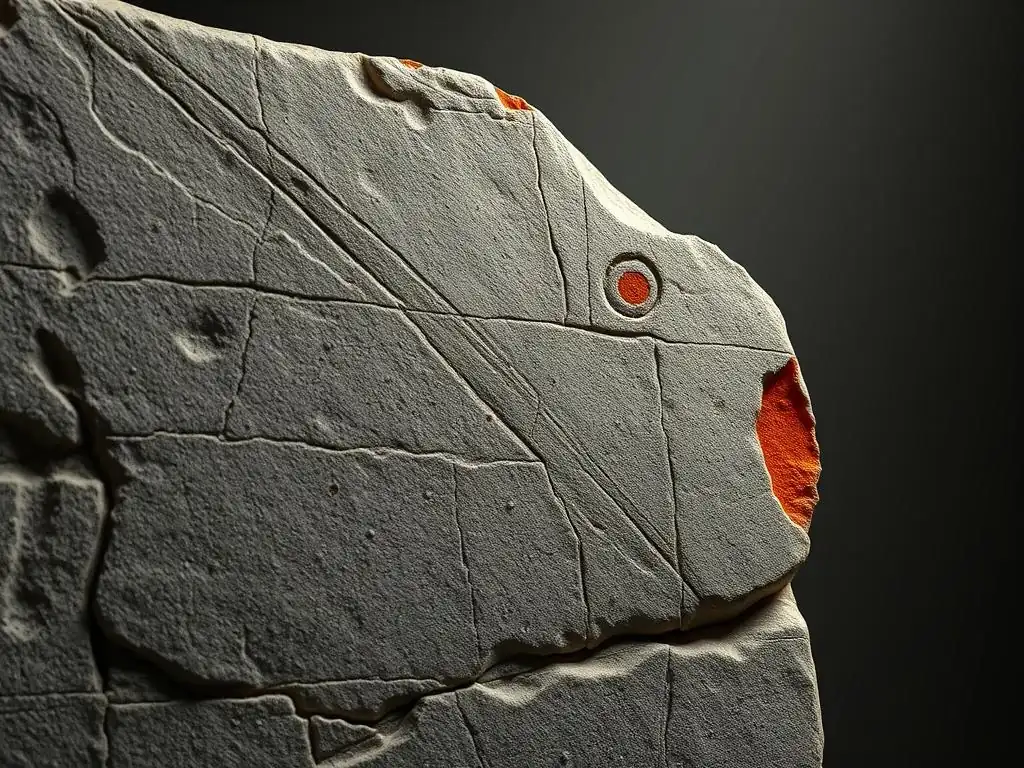
Modern Archaeological Methods Applied at Dahshur
The archaeological exploration techniques employed at Sneferu's pyramid complex in Dahshur have evolved significantly over time, moving from early, often destructive, excavations to sophisticated non-invasive methods. Modern approaches to understanding the Sneferu pyramids and their surrounding necropolis integrate a suite of advanced technologies. Ground-Penetrating Radar (GPR) has been extensively used to map subsurface anomalies without disturbing the delicate archaeological layers, identifying potential hidden structures, ancient roads, and burial shafts around the pyramids.
Beyond GPR, magnetometry surveys provide insights into ancient human activity by detecting variations in the Earth's magnetic field caused by burnt materials, buried walls, or former settlements. These geophysical methods are crucial for planning targeted excavations, minimizing disturbance, and providing a comprehensive understanding of the buried landscape. Such non-invasive Sneferu pyramids exploration techniques allow archaeologists to develop a detailed subsurface map, guiding further research and preserving the site's integrity for future generations.
Surveying and Mapping Technologies: Documenting the Pyramid Complex
Precise surveying and mapping technologies are fundamental to the ongoing documentation and study of Sneferu's pyramid complex. Total stations and GPS receivers are routinely used to establish accurate georeferenced points across the vast Dahshur site, enabling archaeologists to create highly detailed topographic maps. These maps capture the exact dimensions, orientations, and spatial relationships of the pyramids, their associated temples, causeways, and surrounding mastabas.
More recently, laser scanning (LIDAR) and photogrammetry using drones have revolutionized the way the Sneferu pyramids and their complex are documented. LIDAR creates highly accurate 3D models of the pyramid exteriors and interiors, capturing intricate details of the stone blocks, erosion patterns, and structural features that are difficult to measure manually. Drone photogrammetry generates high-resolution aerial imagery and 3D models, providing unprecedented views of the site's layout and its environmental context. These advanced Sneferu pyramids exploration techniques allow for precise measurement, monitoring of decay, and the creation of virtual replicas for research and public engagement.
Traditional excavation strategies, though now more carefully executed, remain vital for uncovering hidden features and artifacts at Sneferu's pyramid complex. Archaeologists employ systematic grid-based excavation, carefully removing layers of soil (stratigraphy) to understand the sequence of construction and occupation. This meticulous process ensures that any unearthed artifacts, from pottery shards to tools and skeletal remains, are recorded in their precise context.
Specific excavation efforts around the Bent and Red Pyramids have focused on their associated mortuary temples, valley temples, and the causeways connecting them to the Nile. These excavations have yielded fragments of relief sculptures, inscriptions, and offerings, providing crucial insights into the cult of Sneferu and the rituals performed at his funerary complex. For instance, excavations near the Bent Pyramid revealed a small cult pyramid and a mortuary temple, offering a glimpse into the architectural components of Sneferu's complete burial complex. These targeted excavations are essential for understanding the full scope of the Sneferu pyramids exploration techniques.
Conservation Efforts: Preserving Sneferu's Legacy for Future Generations
Conservation efforts at Sneferu's pyramid complex are paramount for preserving these ancient wonders for future generations. These efforts involve a multi-faceted approach, combining structural stabilization with environmental protection. Engineers regularly monitor the structural integrity of both the Bent and Red Pyramids, particularly their internal chambers and passageways, to identify and address any signs of stress or deterioration. This includes reinforcing vulnerable sections and implementing measures to control humidity and temperature fluctuations within the internal structures.
Beyond structural concerns, conservationists work to protect the external casing stones from environmental erosion, sand abrasion, and human impact. This involves careful cleaning, consolidation of fragile surfaces, and the implementation of visitor management plans to minimize wear and tear. The ongoing application of advanced Sneferu pyramids exploration techniques not only aids in discovery but also informs best practices for long-term preservation, ensuring that the engineering marvels of Sneferu continue to inspire and educate.
Sneferu's Pyramids and the Evolution of Ancient Egyptian Pyramid Construction
Sneferu's Contribution to Pyramid Technology and Design
Sneferu's reign marked a revolutionary period in ancient Egyptian pyramid technology and design, fundamentally transforming the concept of royal burial monuments. Prior to Sneferu, the dominant form was the step pyramid, exemplified by Djoser's monument at Saqqara. Sneferu, however, embarked on an ambitious quest to perfect the true, smooth-sided pyramid, a geometric ideal that symbolized the sun god Ra and the pharaoh's ascent to the heavens. His experimentation at Meidum and Dahshur led to significant advancements in quarrying, transportation, and construction techniques.
His iterative approach, evident in the progression from the Meidum Pyramid's collapse (or abandonment) to the Bent Pyramid's design modifications, and finally to the successful Red Pyramid, demonstrates a pragmatic engineering philosophy. He refined methods for calculating angles, managing immense structural loads, and organizing vast workforces. This systematic process of learning from failures and applying new insights was Sneferu's most profound contribution, laying the foundational knowledge for all subsequent true pyramids and setting new standards for monumental architecture.
The Influence of Sneferu's Pyramids on Subsequent Pharaohs
The profound influence of Sneferu's pyramids on subsequent pharaohs, particularly his son Khufu, cannot be overstated. The successful construction of the Red Pyramid provided the definitive blueprint for the true pyramid form, proving its structural viability and aesthetic appeal. Khufu, inheriting this perfected design, was able to embark on the construction of the Great Pyramid of Giza, the largest and most iconic pyramid ever built, directly leveraging the architectural and engineering principles pioneered by his father.
Elements such as the precise north-south alignment, the use of a consistent, stable angle, and the integration of sophisticated internal chambers and passageways, all refined during Sneferu's projects, became standard features for Fourth Dynasty pyramids. Sneferu's legacy established the scale, ambition, and technical excellence that defined the golden age of pyramid building, making him the true "father of the pyramids."
Sneferu's Legacy: A Lasting Impact on Egyptian Architecture
Sneferu's legacy extends far beyond his individual pyramids; he fundamentally shaped the trajectory of ancient Egyptian architecture and engineering. His relentless pursuit of the perfect pyramid form fostered an environment of innovation that propelled Egypt to the forefront of monumental construction. The sheer scale of his projects, involving millions of tons of stone and tens of thousands of workers, necessitated unprecedented levels of logistical planning, resource management, and administrative organization.
This organizational prowess, honed during his reign, became a hallmark of the Old Kingdom. Moreover, the architectural principles and construction techniques developed under Sneferu, from the use of corbelled ceilings to the precise mathematical understanding of angles and loads, became cornerstones of Egyptian building for millennia. His pyramids at Dahshur stand not merely as tombs, but as enduring testaments to a visionary pharaoh who pushed the boundaries of human ingenuity, leaving an indelible mark on the landscape and history of ancient Egypt.
Dahshur Today: Visiting and Understanding Sneferu's Pyramid Complex
Accessibility and Regulations for Tourists at Dahshur
Dahshur is an active archaeological site that is open to the public, offering a less crowded alternative to the Giza plateau while providing a deeper insight into the early evolution of pyramid building. The site is located approximately 40 kilometers south of Cairo and is accessible by private car or tour bus. Visitors are typically required to purchase an entrance ticket at the site's gate, which grants access to the main pyramid areas.
Regulations for tourists at Dahshur are in place to preserve the delicate ancient structures. Visitors are generally permitted to enter the Bent Pyramid and the Red Pyramid, though access may occasionally be restricted for conservation purposes or specific archaeological work. Photography is usually allowed, but flash photography inside the pyramids is often prohibited to protect the ancient surfaces. Respectful conduct is expected, and visitors should adhere to guidelines provided by site staff or official guides to ensure the continued preservation of these historic monuments.
Essential Information for Visitors: Hours, Permits, and Local Guides
For visitors planning to explore Sneferu's pyramid complex at Dahshur, it's essential to be aware of practical details. The site typically opens in the morning (e.g., 8:00 AM) and closes in the late afternoon (e.g., 5:00 PM), though hours can vary seasonally. It is advisable to check the most current opening times before planning a visit. While a general entrance ticket covers site access, specific permits may be required for special access or professional photography, though this is uncommon for general tourists.
Engaging a local, licensed Egyptologist guide is highly recommended to enhance the visit. Guides can provide invaluable historical context, explain the complexities of the pyramid construction, and offer insights into the archaeological significance of the site, including the various Sneferu pyramids exploration techniques that have revealed its secrets. Visitors should wear comfortable shoes suitable for walking on uneven terrain and consider bringing water, especially during warmer months, as facilities at the site are limited.
Conclusion: Reflecting on Sneferu's Engineering Achievements
The Enduring Allure of Sneferu's Pyramids
The pyramids of Sneferu at Dahshur continue to exert an enduring allure, captivating archaeologists, engineers, and tourists alike. They stand as monumental testaments to the dawn of true pyramid construction, showcasing a period of intense architectural experimentation and innovation. The Bent Pyramid, with its unique angular shift, embodies the challenges and learning curves faced by ancient builders, while the Red Pyramid represents the triumph of their ingenuity, achieving the perfected form that would inspire the wonders of Giza.
These structures are more than just tombs; they are tangible records of a society's ambition, its organizational prowess, and its profound understanding of engineering principles, even if sometimes learned through trial and error. The sheer scale and precision of these ancient constructions continue to inspire awe, prompting ongoing research into the methods and motivations behind these colossal achievements.
Further Research and Ongoing Discoveries at Dahshur
Despite centuries of study, Sneferu's pyramid complex at Dahshur remains a fertile ground for further research and ongoing discoveries. The application of non-invasive Sneferu pyramids exploration techniques, such as advanced geophysical surveys (e.g., muon tomography or higher-resolution GPR), holds the potential to reveal previously undetected chambers, passages, or associated structures within and around the pyramids. Such technologies can provide new insights without disturbing the ancient fabric of the monuments.
Archaeological teams continue to explore the broader necropolis area, including satellite pyramids, mastabas of officials, and the remains of valley temples and causeways, which can yield crucial artifacts and inscriptions. These ongoing efforts, combined with detailed analyses of construction marks and material sources, promise to deepen our understanding of Sneferu's reign, the evolution of pyramid building, and the lives of those who dedicated themselves to these monumental projects. The secrets of Dahshur are far from fully unveiled, promising exciting revelations for future generations of archaeologists.
Frequently Asked Questions
How did archaeologists determine the construction phases of Sneferu's pyramids?
Archaeologists utilize a combination of stratigraphic analysis, architectural surveys, and the study of construction materials to understand the different phases of construction and any modifications made to Sneferu's pyramids over time.
What specific excavation techniques were employed at the Dahshur site to uncover details about Sneferu's pyramids?
Careful excavation involves systematic removal of layers of sediment and debris. This is combined with detailed documentation of finds, including photography and mapping, to reconstruct the site's history and understand the pyramid's construction.
What are the main theories surrounding the "bent" shape of the Bent Pyramid, and how do exploration techniques help support or refute these theories?
Theories range from structural instability requiring a change in angle to political or religious motivations. Exploration techniques, such as internal scanning and core sampling, help to analyze the pyramid's structure and material composition, providing evidence for or against these theories.
What types of artifacts have been discovered within or around Sneferu's pyramids, and what do they reveal about ancient Egyptian society?
Discoveries include tools, pottery, and burial goods. These artifacts provide insights into ancient Egyptian craftsmanship, religious beliefs, and social hierarchy during Sneferu's reign.
How do the construction techniques used in Sneferu's pyramids compare to those employed in later pyramid complexes in Egypt?
Sneferu's pyramids showcase innovative techniques like the use of large stone blocks and internal chambers. Later pyramids often refined these methods, developing more precise alignment and sophisticated internal structures, reflecting advancements in engineering and architectural knowledge.
Final Reflection: Unearthing the Enduring Legacy of Sneferu
The exploration of Sneferu's pyramids at Dahshur, as we've seen, is not merely an archaeological endeavor; it's a journey into the heart of ancient innovation and ambition. The meticulous techniques employed to understand these structures reveal not only the ingenuity of the ancient Egyptians but also offer invaluable insights into the evolution of pyramid construction. The Bent Pyramid, with its intriguing change in angle, and the Red Pyramid, a testament to successful experimentation, stand as powerful reminders of the iterative process of learning and refinement that shaped one of history's most iconic architectural forms.
The impact of Sneferu's pyramids extends far beyond the sands of Dahshur. They represent a pivotal moment in human history, a tangible link to a civilization that dared to dream on a monumental scale. The lessons learned from their construction, both in terms of engineering and social organization, reverberate through history, influencing architectural design and inspiring countless generations. The pyramids are the result of an evolution, a process of trial and error that led to the perfection of the Great Pyramid of Giza.
This quote encapsulates the profound significance of Sneferu's contributions, highlighting his role as a pioneer in the art of pyramid building.
As we conclude this exploration of Sneferu's pyramids, let us consider the enduring power of curiosity and the importance of embracing both success and failure as stepping stones to innovation. Just as Sneferu's architects learned from their mistakes and adapted their designs, may we too approach our own challenges with a spirit of experimentation and a willingness to learn from the past. Dare to dream big, embrace the unknown, and build your own pyramids of achievement, brick by brick, lesson by lesson.
Unearth Your Inner Egyptologist!
Thank you for exploring the mysteries of Sneferu's pyramids with us! We hope you found this journey through Dahshur both enlightening and inspiring. Now, it's time to take your fascination a step further:
- Embark on a virtual expedition! Research lesser-known pyramids of the Old Kingdom and uncover their unique stories.
- Share your favorite discovery from this article with a friend and spark a conversation about ancient Egyptian ingenuity.
- Dream big, plan bigger! Begin drafting your archaeological travel bucket list, including Dahshur as a must-see destination.
What untold stories of ancient Egypt will you seek out next?