
The Science Behind Luminescence Dating: Principles of TL and OSL


Welcome to ArchaeologyHub.org, your portal to unlocking the secrets of the past! Ever wondered how archaeologists pinpoint the age of ancient pottery or artifacts? This article delves into the fascinating science of Thermoluminescence dating methods explained, offering a comprehensive look at how luminescence helps us unravel the mysteries buried beneath our feet. Curious to learn how light reveals the age of the past? Read on to discover the principles behind TL and OSL dating!
- Luminescence Dating: Principles and Applications in Archaeology
- Introduction to Luminescence Dating
- Thermoluminescence (TL) Dating Explained
- Optically Stimulated Luminescence (OSL) Dating Explained
- TL vs. OSL Dating Techniques
- Suitable Materials for Luminescence Dating
- Sample Preparation and Lab Procedures
- Calibration and Error Analysis
- Archaeological Applications
- Future of Luminescence Dating
- Conclusion: Significance in Archaeological Research
-
Frequently Asked Questions
- How does Thermoluminescence (TL) dating work?
- What types of materials can be dated using Thermoluminescence?
- What is the difference between Thermoluminescence (TL) and Optically Stimulated Luminescence (OSL) dating?
- What are the limitations of Thermoluminescence dating?
- How does ArchaeologyHub.org use Thermoluminescence dating information?
- Final Reflection: Unearthing the Past, Illuminating the Future
- Rediscover the Past: Your Journey with Luminescence Dating Starts Now!
Luminescence Dating: Principles and Applications in Archaeology
Introduction to Luminescence Dating
Significance of Chronometric Dating in Archaeological Research
Chronometric dating methods are the bedrock of modern archaeology, transforming our understanding of human history from speculative narratives into precisely timed sequences of events. Unlike relative dating techniques that merely establish a sequence (e.g., older or younger), chronometric methods provide absolute ages, often expressed in years before present. This precision allows archaeologists to reconstruct the tempo and rhythm of cultural change, track the spread of technologies and populations, and correlate human activities with broader environmental shifts. Without accurate chronologies, the intricate tapestry of the past would remain a jumbled collection of isolated threads.
The ability to assign numerical ages to archaeological finds and strata enables researchers to test hypotheses about the origins of agriculture, the timing of hominin dispersals, or the collapse of ancient civilizations. For instance, understanding when a particular tool type emerged or disappeared, or when a settlement was abandoned, provides crucial data for modeling demographic trends, technological innovation rates, and societal resilience. These insights are fundamental to building comprehensive and robust models of human behavior over millennia.
Thermoluminescence (TL) and Optically Stimulated Luminescence (OSL): Principles
Thermoluminescence (TL) and Optically Stimulated Luminescence (OSL) are two powerful chronometric dating techniques that rely on the natural phenomenon of luminescence in certain minerals. These methods measure the amount of energy absorbed by crystalline materials from environmental radiation over time. When these minerals are exposed to heat (TL) or light (OSL), they release this stored energy in the form of light, a process known as luminescence. The intensity of this emitted light is directly proportional to the total radiation dose accumulated since the material was last exposed to heat or sunlight.
The fundamental principle behind both TL and OSL dating is the "zeroing" event. For TL, this event is typically high-temperature heating, such as the firing of pottery or bricks, which resets the mineral's luminescence clock to zero by releasing all stored electrons.
For OSL, the zeroing event is exposure to sunlight, which similarly bleaches the luminescence signal in sediments. By measuring the accumulated luminescence signal and knowing the rate at which the material absorbs radiation from its surroundings (the dose rate), archaeologists can calculate the time elapsed since that zeroing event, providing an absolute age for the archaeological context or artifact.
Thermoluminescence (TL) Dating Explained
TL Principles: Electron Trapping and Emission
Thermoluminescence dating methods explained rely on the unique properties of common minerals like quartz and feldspar, which are abundant in archaeological contexts. These minerals contain imperfections in their crystal lattice structure that can act as "traps" for electrons. In the natural environment, these minerals are constantly exposed to low levels of ionizing radiation from radioactive elements (uranium, thorium, potassium-40) present in the surrounding soil and cosmic rays.
As radiation passes through the mineral, it excites electrons within the crystal, some of which become dislodged from their normal positions and get trapped in these lattice defects. The number of trapped electrons accumulates over time, proportional to the radiation dose received.
When a sample containing these trapped electrons is heated in a laboratory, these electrons gain enough thermal energy to escape their traps. As they return to their stable positions, they release their excess energy as photons of light – the thermoluminescence signal. The intensity of this emitted light is directly proportional to the number of trapped electrons, and thus to the total radiation dose absorbed by the mineral since its last exposure to high heat. This fundamental relationship allows scientists to quantify the accumulated dose and, consequently, determine the age of the material.
TL Dating Process: From Sample to Age
The process of TL dating begins with careful sample collection from the archaeological site, often requiring samples to be taken in dim light or darkness to prevent accidental bleaching. Once in the laboratory, the samples undergo meticulous preparation, which typically involves crushing the material, separating out the specific mineral grains (usually quartz or feldspar) of the desired size, and removing any organic contaminants or non-luminescing minerals.
This refined mineral fraction is then placed into a TL reader, which heats the sample at a controlled rate while simultaneously measuring the emitted light using a photomultiplier tube. The resulting "glow curve" plots light intensity against temperature, providing a raw luminescence signal.
To convert this signal into an age, two key components are required: the equivalent dose (De) and the environmental dose rate. The De represents the total amount of radiation the sample has absorbed since it was last heated, and is determined by exposing the sample to known laboratory radiation sources and comparing the induced luminescence with the natural signal. The environmental dose rate, on the other hand, is the rate at which the sample received radiation from its surroundings during its burial. This involves measuring the concentration of radioactive elements (U, Th, K) in the sample itself and the surrounding burial matrix, and accounting for cosmic ray contribution. The age is then calculated by dividing the equivalent dose by the annual dose rate: Age = De / Dose Rate.
Factors Affecting TL Accuracy
Thermal History Effects
The thermal history of a sample is a critical factor influencing the accuracy of thermoluminescence dating methods explained. For TL to provide a reliable age, the material's luminescence clock must have been completely reset by a high-temperature event, such as firing in a kiln.
If the heating was insufficient or if the material experienced subsequent, low-level heating events (e.g., a buried ceramic being warmed by a nearby hearth), the trapped electron population might not have been fully zeroed or could have been partially bleached, leading to an underestimation or overestimation of the true age. Archaeologists must carefully consider the context of the artifact, for instance, whether a pottery sherd was found in situ within a kiln or merely discarded near a fire, to assess the validity of the zeroing assumption.
Furthermore, some minerals, particularly feldspars, can exhibit a phenomenon known as "anomalous fading," where the luminescence signal decays over time even without external stimulation. This non-radiation-induced loss of trapped electrons can cause TL ages to appear younger than the true age, especially for older samples. While techniques exist to identify and sometimes correct for anomalous fading, it remains a significant challenge and often leads to a preference for quartz-based TL dating when possible, as quartz is generally less susceptible to this issue.
Environmental Radioactivity Measurement
Accurate determination of the environmental dose rate is paramount for precise TL dating, as even small errors in this measurement can significantly impact the calculated age. The dose rate is derived from the concentration of naturally occurring radioactive isotopes—primarily uranium-238, thorium-232, and potassium-40—within the sample itself and its immediate burial environment (soil, sediment, or surrounding rock). These elements decay over time, emitting alpha, beta, and gamma radiation, which contributes to the trapped electron population in the dated mineral.
Measuring these concentrations requires specialized techniques such as neutron activation analysis, gamma spectrometry, or inductively coupled plasma mass spectrometry (ICP-MS). Beyond the elemental concentrations, factors like the water content of the burial medium must also be precisely accounted for, as water absorbs radiation and effectively reduces the dose reaching the mineral grains. Fluctuations in water content over time can introduce uncertainties, necessitating careful estimation of the average long-term water saturation. Any miscalculation in the dose rate, whether due to inaccurate elemental measurements or unaddressed water content variations, will directly translate into an erroneous final age.
Optically Stimulated Luminescence (OSL) Dating Explained
OSL Principles: Light-Induced Release
Optically Stimulated Luminescence (OSL) dating operates on principles similar to TL, but with a crucial distinction: the stored energy in the mineral grains is released by exposure to light rather than heat. Like TL, OSL relies on the accumulation of trapped electrons in mineral defects due to environmental ionizing radiation.
However, instead of heating, the sample is stimulated with specific wavelengths of light, typically blue or green light, which possess just enough energy to detrap the electrons without causing thermal interference. As these electrons are released and return to their stable states, they emit a luminescence signal, which is then measured.
The key advantage of using light for stimulation is its ability to "zero" the luminescence clock for sediments that have been exposed to sunlight. When sediment grains (like quartz or feldspar) are transported by wind or water and exposed to daylight, the trapped electrons are released, and their luminescence signal is reset. Once these grains are buried and shielded from light, the accumulation of trapped electrons begins anew. This makes OSL an ideal method for dating depositional events, such as the formation of sand dunes, loess deposits, or buried archaeological layers that have not undergone heating.
OSL Dating Process: Stimulation and Age Calculation
The OSL dating process begins with meticulous sample collection in complete darkness or under dim red light to prevent inadvertent exposure to sunlight, which would prematurely reset the luminescence signal. Once in the laboratory, samples are typically processed under controlled red-light conditions to isolate pure quartz or feldspar grains of a specific size range. These grains are then mounted onto stainless steel discs, ready for measurement.
The core of the OSL measurement involves placing these discs into an automated OSL reader. Here, the grains are stimulated with a precise beam of blue or green light, and the emitted luminescence signal is detected by a photomultiplier tube.
A common protocol for OSL measurement is the Single-Aliquot Regenerative (SAR) dose protocol. This technique involves repeatedly measuring the natural luminescence signal and then subjecting the same aliquot of grains to known laboratory radiation doses, measuring the luminescence signal after each dose. This allows for direct calibration of the natural signal against a dose-response curve from the same set of grains, significantly improving precision. As with TL, the equivalent dose (De) is determined from the measured luminescence, and the environmental dose rate is calculated based on the radioactivity of the burial context and water content. The final age is then derived using the formula: Age = De / Dose Rate.
Advantages of OSL
Material Versatility
One of the most significant advantages of Optically Stimulated Luminescence (OSL) dating is its remarkable versatility in the types of materials it can date. Unlike Thermoluminescence dating methods explained, which primarily apply to heated materials like pottery or burnt flint, OSL is ideally suited for dating unheated sediments. This includes a vast array of geological and archaeological deposits such as sand dunes, loess (wind-blown silt), lake sediments, coastal deposits, and fluvial (river) sediments. This broad applicability allows archaeologists to date the depositional events that created the layers containing artifacts, rather than just the artifacts themselves.
Furthermore, OSL can be applied to individual mineral grains (single-grain OSL), providing highly resolved age information and helping to identify instances of incomplete bleaching or mixed sediment populations. This capability is particularly valuable in complex archaeological sites where sediments might have been disturbed or where different layers represent distinct depositional events. The ability to date the matrix in which artifacts are found provides critical chronological control for understanding site formation processes, environmental changes, and human occupation sequences across a wide range of natural and anthropogenic landscapes.
Smaller Sample Size
Another substantial advantage of OSL dating, particularly with the advent of single-aliquot and single-grain techniques, is its requirement for a significantly smaller sample size compared to traditional TL dating. While early TL methods often required several grams of material, modern OSL can yield reliable ages from just a few milligrams of sediment, sometimes even from a handful of individual quartz or feldspar grains. This minimal sample requirement is incredibly beneficial in archaeological contexts where material is often scarce, precious, or needs to be preserved for other analyses.
The ability to date very small samples means that less material needs to be removed from a fragile archaeological context, minimizing disturbance to the site. It also opens up possibilities for dating rare or unique finds where destructive analysis of larger samples would be unacceptable. This precision in sample handling and the reduced material demand contribute to OSL's growing prominence as a go-to method for establishing chronologies in diverse archaeological settings, from early hominin sites to Holocene settlements.
TL vs. OSL Dating Techniques
Differences in Stimulation and Measurement
The primary distinction between Thermoluminescence (TL) and Optically Stimulated Luminescence (OSL) lies in the method used to stimulate the trapped electrons and release their stored energy. TL dating relies on heating the sample to high temperatures (typically up to 500°C) to cause the electrons to escape their traps and emit light. This makes TL uniquely suited for materials that have undergone a high-temperature event, such as pottery, burnt flint, or kilns, as the heating process effectively resets the luminescence clock to zero. The measurement involves monitoring the light output as the temperature increases, producing a "glow curve."
In contrast, OSL dating uses specific wavelengths of light, usually blue or green LEDs or lasers, to stimulate the trapped electrons. This light energy is sufficient to release the electrons without heating the sample. The critical implication of this difference is the "zeroing" mechanism: OSL is reset by exposure to sunlight, making it ideal for dating sediments that have been deposited after transport by wind or water.
The measurement typically involves applying light pulses and observing the decay of the luminescence signal over time. This fundamental difference in stimulation method dictates the types of materials each technique is best suited for and their respective archaeological applications.
Archaeological Applications of TL and OSL
TL Dating of Pottery and Ceramics
Thermoluminescence dating methods explained are particularly well-suited for dating archaeological ceramics, including pottery, bricks, and fired clay objects. The act of firing clay in a kiln at temperatures typically above 350-400°C effectively resets the TL clock by releasing all previously trapped electrons. Once the ceramic cools and is buried, the accumulation of new trapped electrons begins, recording the time since its last firing. This makes TL an invaluable tool for establishing absolute chronologies for ceramic production, tracing the development of pottery styles, and dating the contexts in which these artifacts are found.
For example, TL has been successfully used to date ancient kilns, providing direct evidence for the start of pottery production at a site. It can also date individual pottery sherds, offering chronological markers for archaeological layers where other dating methods, such as radiocarbon, might be unsuitable due to lack of organic material. Studies have dated Neolithic pottery from sites like Çatalhöyük in Turkey, contributing to the understanding of early agricultural societies, and Roman-era ceramics from Pompeii, helping to refine the timeline of the city's destruction and subsequent re-occupation patterns.
OSL Dating of Sediments and Soils
Optically Stimulated Luminescence (OSL) dating has revolutionized the chronology of sedimentary deposits, providing absolute dates for geological and archaeological contexts where materials were exposed to sunlight and then buried. This makes OSL indispensable for dating aeolian (wind-blown) sediments like loess and sand dunes, fluvial (river) terraces, marine and lake sediments, and colluvial deposits (material moved downslope by gravity). In archaeological research, OSL is crucial for dating the stratigraphic layers that contain artifacts, providing a temporal framework for human occupation and environmental changes.
For instance, OSL has been used to date the sand layers enclosing stone tools at early hominin sites in South Africa, pushing back the known dates for human presence in certain regions. It is also widely applied to date buried soils and paleosols, which indicate periods of landscape stability and can be associated with human activity.
The ability of OSL to date the last time sediment grains saw sunlight means it can resolve questions about the timing of landscape formation, the infilling of caves, or the construction of earthworks, providing a robust chronological backbone for understanding site formation processes and the environmental context of past human societies.
Suitable Materials for Luminescence Dating
Ideal Minerals for TL and OSL
The ideal minerals for both Thermoluminescence (TL) and Optically Stimulated Luminescence (OSL) dating are quartz and feldspar, largely due to their widespread abundance in geological and archaeological contexts and their excellent luminescence properties. Quartz (
Feldspars, a group of tectosilicate minerals (e.g., orthoclase, albite, anorthite), are also widely used, especially when quartz is scarce or absent, or for dating older samples. Feldspars generally have a higher luminescence sensitivity and a larger dynamic range, meaning they can record higher radiation doses, which extends their dating range beyond that of quartz, potentially reaching up to hundreds of thousands or even millions of years. However, feldspars are more susceptible to anomalous fading, a phenomenon where the luminescence signal decays over time even without external stimulation, which requires careful assessment and sometimes correction in the dating process.
Material Suitability Limitations
Despite their broad applicability, certain material characteristics can limit the suitability of samples for luminescence dating, impacting the accuracy and reliability of the age estimates. One significant limitation is insufficient mineral content or poor crystallinity. If a sample contains too few luminescent grains, or if the grains themselves have a disordered crystal structure, the luminescence signal may be too weak or erratic to measure reliably. For example, some fine-grained sediments or highly weathered materials might not yield enough suitable quartz or feldspar.
Another critical limitation arises from the sample's thermal or light history. For TL, if a ceramic was only partially fired or experienced subsequent low-temperature heating, its luminescence clock may not have been fully reset, leading to an overestimation of its age.
Similarly, for OSL, if sediment grains were not fully exposed to sunlight before burial (e.g., rapid burial or transport in turbid water), or if they were later exposed to partial light (e.g., bioturbation, excavation prior to proper collection), the "zeroing" would be incomplete, resulting in artificially old ages. Identifying and mitigating these issues requires careful field sampling, detailed laboratory protocols, and thorough analytical assessment of the luminescence signals.
Sample Preparation and Lab Procedures
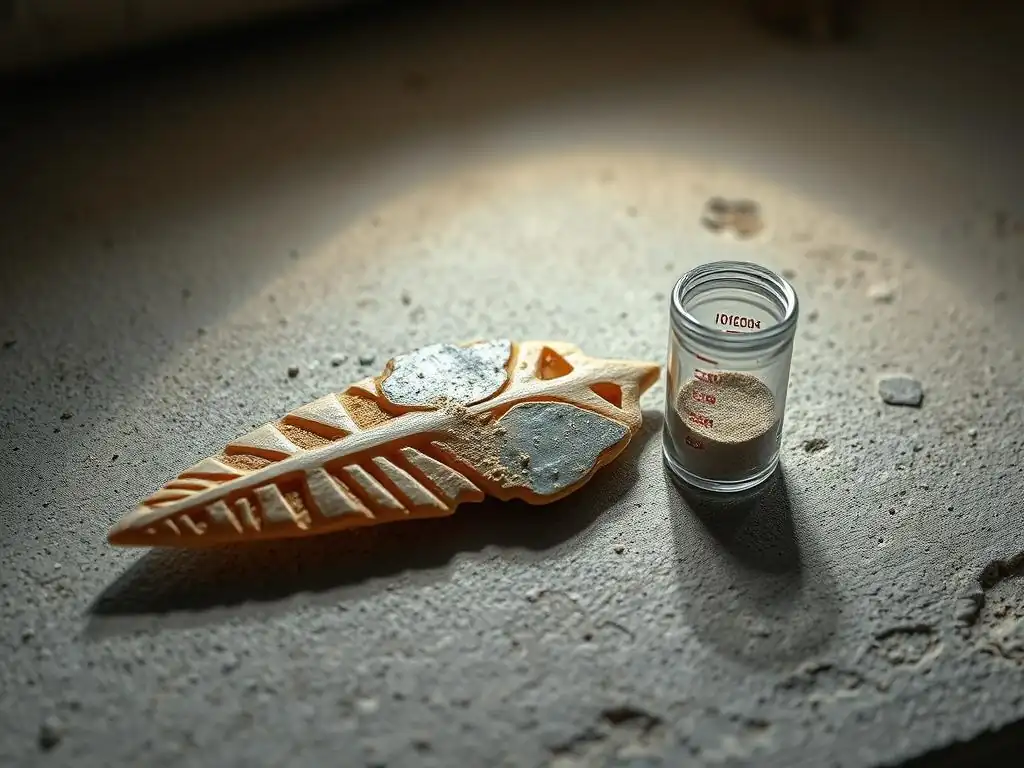
Contamination Prevention
Preventing light contamination is paramount during the collection and initial laboratory processing of samples for both Thermoluminescence (TL) and Optically Stimulated Luminescence (OSL) dating. For OSL, even brief exposure to ambient light can prematurely bleach the luminescence signal, effectively resetting the sample's clock and leading to a false younger age.
Therefore, samples must be collected in complete darkness, or under dim red light conditions, typically by hammering opaque tubes into the sediment or carefully extracting blocks of material that are then wrapped in light-tight material. This meticulous approach extends to the laboratory, where initial processing, such as sample dissection and grain separation, must also occur under strictly controlled red-light conditions.
For TL samples, while heat is the primary zeroing mechanism, inadvertent light exposure during collection can also affect the results, particularly if dealing with materials that might have a residual OSL signal. Furthermore, preventing contamination from other radioactive materials is crucial. This involves using clean, non-radioactive tools and containers during collection and processing. Any introduction of foreign material with different radioactive concentrations could skew the environmental dose rate calculation, leading to inaccurate age determinations. Strict adherence to these protocols is essential to ensure the integrity of the luminescence signal and the reliability of the final age.
TL and OSL Measurement Techniques
Once samples are collected and prepared under light-safe conditions, the actual measurement of the luminescence signal takes place in specialized laboratory instruments. For Thermoluminescence dating methods explained, the prepared mineral grains (typically quartz or feldspar) are placed on small metal planchets and inserted into a TL reader. This instrument precisely heats the sample at a controlled rate, often from room temperature up to 500°C, while simultaneously detecting the emitted light using a photomultiplier tube.
The resulting "glow curve" plots the luminescence intensity against temperature, providing a unique signature of the stored energy. Sophisticated software analyzes these curves to determine the equivalent dose (De).
For Optically Stimulated Luminescence (OSL) measurement, the prepared grains are also placed on planchets within an OSL reader. Instead of heat, the instrument uses precisely controlled light sources, typically blue or green light-emitting diodes (LEDs) or lasers, to stimulate the sample. The emitted OSL signal is then detected by a photomultiplier tube.
The most common measurement technique, the Single-Aliquot Regenerative (SAR) dose protocol, involves a sequence of natural luminescence measurements followed by controlled laboratory irradiation and subsequent luminescence measurements on the same aliquot of grains. This iterative process allows for highly accurate determination of the equivalent dose by building a dose-response curve for each individual sample, directly accounting for its specific luminescence sensitivity.
Calibration and Error Analysis
Sources of Error
Luminescence dating, while powerful, is susceptible to several sources of error that can impact the precision and accuracy of the final age determination. One major source is incomplete bleaching for OSL samples, where sediment grains were not fully exposed to sunlight before burial, leading to an overestimation of age. Similarly, for TL, incomplete firing of ceramics or subsequent low-level heating can cause an artifact to appear older than its true age.
Another significant challenge arises from variations in the environmental dose rate. This includes spatial heterogeneity of radioactive elements in the burial matrix, temporal fluctuations in water content (which attenuates radiation), and radon emanation from the soil, all of which can alter the actual dose received by the mineral grains over time.
Furthermore, intrinsic mineral properties can introduce errors. Feldspars, for example, are known to exhibit "anomalous fading," where the luminescence signal decays spontaneously over time, leading to an underestimation of age if not properly corrected. Even quartz can show variability in its luminescence characteristics, requiring careful selection and testing of grains. Laboratory errors, such as imprecise dose calibration, inconsistent sample preparation, or light contamination, also contribute to the overall uncertainty. Rigorous quality control, multiple measurements, and a thorough understanding of the sample's context are essential to minimize these potential pitfalls and provide robust age estimates.
Calibration Methods
Accurate calibration is fundamental to converting the measured luminescence signal into a reliable equivalent dose (De) and ultimately an age. The primary calibration method involves exposing known aliquots of the sample's mineral grains to precisely controlled doses of radiation in the laboratory. This is typically achieved using calibrated beta or gamma sources (e.g., strontium-90/yttrium-90 for beta, cobalt-60 or caesium-137 for gamma) that deliver a known amount of radiation per unit of time.
By measuring the luminescence response to these known laboratory doses, a dose-response curve is generated, which plots luminescence intensity against the applied dose. The natural luminescence signal from the archaeological sample is then interpolated onto this curve to determine its equivalent dose, representing the total radiation dose it absorbed in the natural environment.
Beyond calibrating the luminescence response, the environmental dose rate itself requires meticulous calibration and measurement. This involves quantifying the concentration of uranium, thorium, and potassium-40 in both the sample and its surrounding burial matrix using techniques like gamma spectrometry or inductively coupled plasma mass spectrometry. These measurements are then converted into dose rates using established conversion factors.
Crucially, the attenuation effect of water content on radiation must also be factored in, often requiring long-term monitoring or estimation of the average water content of the burial environment. Regular inter-laboratory comparisons and participation in international dose-rate calibration programs ensure the consistency and accuracy of these critical measurements across different research institutions.
Archaeological Applications
Dating Prehistoric Sites
Luminescence dating methods, particularly OSL, have revolutionized the chronology of prehistoric sites, especially those extending beyond the effective range of radiocarbon dating (typically around 50,000 years). By dating the sediments immediately associated with stone tools, faunal remains, and other archaeological features, OSL provides critical absolute ages for early human occupation, migration routes, and the development of technologies.
For instance, OSL has been instrumental in dating Middle Paleolithic sites in Africa and Asia, providing chronologies for the dispersal of early Homo sapiens and the Neanderthals. It has helped to establish that human presence in Australia dates back to at least 65,000 years ago, based on OSL dates from rock shelters like Madjedbebe.
Furthermore, OSL is vital for dating the earliest human settlements and agricultural sites in regions where organic materials suitable for radiocarbon are scarce or absent. It can provide a chronological framework for understanding the timing of the peopling of the Americas, the development of complex hunter-gatherer societies, or the emergence of early farming villages. The ability to date the depositional context directly allows archaeologists to build robust chronologies for entire sequences of human activity, offering insights into the pace of cultural change and adaptation over vast stretches of prehistory.
Reconstructing Past Environments
Beyond dating human activity, luminescence dating plays a crucial role in reconstructing past environments and landscapes. By dating geological sediments like loess, sand dunes, and fluvial terraces, scientists can establish chronologies for major climatic and geomorphological events. For example, OSL dating of loess sequences provides detailed timelines for periods of intense wind activity and dust deposition, which are directly linked to glacial periods and arid conditions. Similarly, dating ancient beach ridges or marine terraces helps to reconstruct past sea levels, offering insights into ice sheet dynamics and global climate change.
In archaeological contexts, OSL dating of buried soils (paleosols) and colluvial deposits can pinpoint periods of landscape stability or erosion, which often correlate with changes in vegetation, climate, or human land use. Understanding these environmental shifts provides a critical backdrop for interpreting human adaptive strategies, resource availability, and the impact of climate on past societies. For instance, OSL dates from ancient river systems can illuminate the timing of river courses and flood events, which in turn influences our understanding of settlement patterns and resource exploitation by prehistoric populations.
Case Studies
Dating Middle Stone Age Deposits at Klasies River Caves Using OSL
The Klasies River Caves, located on the southern coast of South Africa, are among the most significant archaeological sites for understanding the origins and behavior of early Homo sapiens. The site contains deep stratigraphic sequences rich in Middle Stone Age (MSA) artifacts, human remains, and faunal assemblages. Dating these deposits has been challenging, but Optically Stimulated Luminescence (OSL) dating has provided crucial chronological control.
OSL measurements on quartz grains from various MSA layers have yielded ages ranging from approximately 60,000 to over 120,000 years ago. These dates have been instrumental in placing the complex behaviors observed at Klasies, such as systematic exploitation of marine resources, heat treatment of silcrete for tool production, and symbolic practices, firmly within the early stages of modern human evolution.
For example, OSL dates from the SAS (Seal, Antelope, Stone tool) member at Klasies, associated with sophisticated blade technologies and evidence of diverse subsistence strategies, have consistently placed these layers at around 90,000 to 100,000 years ago. This robust chronology, established through multiple OSL analyses, has provided compelling evidence for the deep antiquity of complex behaviors among early Homo sapiens in Africa, predating many similar expressions in other parts of the world. The precision offered by OSL at Klasies River Caves has significantly contributed to the "Out of Africa" narrative and the understanding of early modern human cognitive abilities.
TL Analysis of Roman-Era Ceramics from Pompeii
Thermoluminescence (TL) analysis has been applied to Roman-era ceramics from sites like Pompeii to provide insights into their production dates and the chronology of the city's occupation and destruction. While the catastrophic eruption of Vesuvius in 79 CE provides a fixed historical date for the city's demise, TL can be used to date the firing of pottery fragments found within various archaeological contexts, offering a means to verify the age of specific stratigraphic layers or to date kilns and workshops.
For instance, TL analysis on a ceramic sherd from a workshop near Pompeii might yield an age of approximately 2000 years, consistent with its Roman context and confirming its production prior to the eruption.
In cases where historical records are less clear or for contexts outside the immediate destruction layers, TL offers an independent method for dating artifacts. It can distinguish between older pottery reused in later contexts and newly produced ceramics, helping to refine the internal chronology of a site.
While the eruption of Vesuvius provides a clear terminus ante quem for Pompeii, TL contributes to the broader understanding of Roman ceramic technology and trade networks by precisely dating the production of various pottery types, from utilitarian amphorae to fine tableware, ensuring that Thermoluminescence dating methods explained continue to provide valuable insights into ancient material culture.
Future of Luminescence Dating
Advancements in Technology
The field of luminescence dating is continuously evolving, driven by significant advancements in technology that promise even greater precision, extended dating ranges, and broader applicability. One key development is the increasing sensitivity of OSL and TL readers, allowing for the measurement of weaker luminescence signals and enabling the dating of materials with lower environmental dose rates or shorter exposure times.
The refinement of single-grain OSL techniques is particularly transformative, as it allows archaeologists to date individual quartz or feldspar grains (often just 100-300 micrometers in size). This capability helps to identify and mitigate issues like incomplete bleaching or mixed sediment populations, leading to more robust and reliable age estimates, especially in complex or disturbed archaeological contexts.
Furthermore, advancements in detector technology, light sources (e.g., tunable lasers), and automation are making the dating process more efficient and less prone to human error. There is also ongoing research into new luminescent minerals beyond quartz and feldspar, such as zircon or apatite, which could extend the dating range significantly, potentially into millions of years, opening up new avenues for dating very old archaeological or paleoanthropological sites. These technological strides are pushing the boundaries of what is chronologically possible, making luminescence dating an even more indispensable tool in archaeological research.
Integration with Other Chronometric Methods
The future of archaeological chronometry increasingly emphasizes the integration of luminescence dating with other absolute dating methods to build multi-proxy chronologies. Relying on a single dating technique, no matter how precise, always carries inherent risks and limitations. By combining OSL or TL dates with radiocarbon (
For instance, OSL dates can provide a reliable chronology for sedimentary sequences that extend beyond the radiocarbon limit, while overlapping with
Conclusion: Significance in Archaeological Research
TL and OSL as Tools for Understanding the Past
Thermoluminescence (TL) and Optically Stimulated Luminescence (OSL) dating have emerged as indispensable tools in modern archaeological research, fundamentally transforming our ability to understand the human past. By providing absolute chronologies for a wide array of materials—from fired ceramics and burnt stones (TL) to unheated sediments and ancient landscapes (OSL)—these methods have extended our chronological reach far beyond the limits of radiocarbon dating.
They allow archaeologists to precisely date events that occurred tens of thousands to hundreds of thousands of years ago, offering critical insights into periods of early human dispersal, the development of stone tool technologies, and the timing of major environmental shifts.
The power of luminescence dating lies in its ability to directly date the archaeological context, providing a temporal framework for artifacts and features that might otherwise remain undated. This precision enables researchers to reconstruct the pace of cultural change, correlate human activities with climate fluctuations, and build robust narratives of human adaptation and innovation across diverse landscapes. The continued refinement of Thermoluminescence dating methods explained and OSL techniques ensures their enduring significance in unraveling the complexities of prehistoric and protohistoric societies, providing the essential temporal backbone for archaeological interpretation.
Future Research and Development
The field of luminescence dating is dynamic, with ongoing research and development continually pushing its capabilities and expanding its applications. Future efforts are focused on several key areas. Firstly, there is a strong emphasis on refining the accuracy and precision of age determinations, particularly through advancements in single-grain and single-aliquot measurement protocols, which minimize the impact of heterogeneous luminescence signals. Secondly, researchers are actively working to extend the dating range of both TL and OSL, exploring new minerals and improving techniques to date older and more challenging samples, potentially reaching into the multi-million-year range for certain geological contexts.
Furthermore, efforts are underway to better understand and mitigate the various sources of error, such as anomalous fading in feldspars or complex dose rate environments. The development of portable luminescence readers for field-based preliminary analysis and the integration of luminescence data with advanced computational modeling and geospatial analysis are also promising avenues. As technology advances and methodological understanding deepens, luminescence dating will continue to play an increasingly vital role in constructing detailed chronologies for archaeological sites, providing ever-finer resolution for understanding the timing and tempo of human history.
Frequently Asked Questions
How does Thermoluminescence (TL) dating work?
TL dating measures the accumulated radiation dose in a material since it was last heated. When heated, the material releases trapped electrons as light, the intensity of which indicates the age of the sample. This method is crucial for dating pottery and other fired artifacts.
What types of materials can be dated using Thermoluminescence?
TL dating is most effective on materials that have been heated, such as pottery, bricks, and burnt clay. It can also be used on sediments that have been exposed to sunlight, though this is less common.
What is the difference between Thermoluminescence (TL) and Optically Stimulated Luminescence (OSL) dating?
Both are luminescence dating methods, but TL uses heat to release trapped electrons, while OSL uses light. OSL is particularly useful for dating sediments exposed to sunlight, allowing for dating of geological and archaeological contexts.
What are the limitations of Thermoluminescence dating?
TL dating requires careful sample collection and preparation to avoid contamination. The accuracy is also limited by the uncertainty in the environmental radiation dose over time, potentially leading to inaccurate age estimations.
How does ArchaeologyHub.org use Thermoluminescence dating information?
ArchaeologyHub.org integrates TL dating data into its artifact profiles and timelines, providing more accurate dating for the sites and civilizations it covers. This aids in creating a comprehensive understanding of historical chronology across different regions.
Final Reflection: Unearthing the Past, Illuminating the Future
The exploration of luminescence dating, particularly thermoluminescence (TL) and optically stimulated luminescence (OSL), reveals more than just the age of ancient materials; it offers a profound connection to the past, bridging the gap between scientific inquiry and the stories embedded within the earth itself. Understanding these methods is not merely an academic exercise; it's a key to unlocking narratives of human history and environmental change that would otherwise remain hidden in the shadows of time.
The enduring influence of luminescence dating on archaeology and geology is undeniable. It allows us to understand the timelines of human migration, the impact of ancient climates, and the evolution of landscapes with unprecedented accuracy. This power to unveil the past is deeply moving, reminding us of our place within a vast and interconnected history. Science is not only compatible with spirituality; it is a profound source of spirituality.
- Carl Sagan. This quote encapsulates the awe and wonder that arises from understanding the intricate mechanisms that allow us to peer back through millennia.
As we delve deeper into the science of luminescence, let us not forget the human element. Consider how this knowledge can inform our understanding of the present and shape our vision for the future. How can you, in your own life, appreciate the layers of history that surround you, and how can you contribute to preserving and understanding the stories they hold? Let the light of the past guide your steps towards a more informed and enlightened future.
Rediscover the Past: Your Journey with Luminescence Dating Starts Now!
Thank you for exploring the fascinating world of luminescence dating with us. We hope this article has illuminated the principles of TL and OSL, revealing how we can unlock secrets buried in time. Now, let's put this knowledge into action!
Here are a few things you can do next:
- Begin your journey: Explore your local historical society and see if they use luminescence dating on artifacts.
- Dig deeper: Research recent archaeological discoveries made possible by TL and OSL techniques and share your findings with a friend.
- Think outside the box: If you could apply luminescence dating to solve a historical mystery, what would it be, and why?