
Where to Find MuseumQuality Ethical Archaeological Replicas: A Curated Resource


Welcome to ArchaeologyHub.org, your gateway to unlocking the secrets of the past. Are you fascinated by ancient artifacts but concerned about the ethical implications of acquiring them? Dive into our comprehensive guide and discover where to find museum-quality ethical archaeological replicas, exploring a curated resource that bridges the gap between history and responsible collecting. Uncover the stories behind these fascinating pieces and learn how to connect with the past in a conscientious way. Curious to know more? Let's begin your journey...
- Discovering Authentic and Ethical Museum Replica Finds
- Top Sources for High-Quality Archaeological Reproductions
- Comparing Ethical Museum Replica Providers: Features and Benefits
- How to Choose the Right Archaeological Replica for You
- Preserving and Displaying Your Museum-Quality Replicas
- Conclusion: Embracing History Through Ethical Archaeological Replicas
-
Frequently Asked Questions
- ### What makes a museum replica "ethical"?
- ### Why is it important to source replicas ethically?
- ### What are some signs of a reputable source for archaeological replicas?
- ### How can I be sure a replica isn't being misrepresented as an original?
- ### Where can I find museum-quality ethical archaeological replicas online?
- Final Reflection: Preserving the Past, Responsibly
- Unearth Your Own Piece of History!
Discovering Authentic and Ethical Museum Replica Finds
The allure of ancient civilizations and their tangible remains has captivated humanity for centuries. For enthusiasts, educators, and collectors, acquiring a piece of this profound history can be a powerful way to connect with the past. However, the ethical implications surrounding archaeological artifacts are paramount, making genuine "ethical museum replica finds" an increasingly important and responsible avenue for engaging with our shared heritage. These reproductions offer a legitimate means to own and study detailed historical objects without contributing to the destructive trade in illicit antiquities.
Understanding the difference between authentic, high-quality replicas and mere souvenirs or, worse, illegal fakes, is crucial. True museum-quality replicas are meticulously crafted, often directly from molds or scans of original artifacts, ensuring high fidelity to the original's form, texture, and sometimes even its patina. They serve as invaluable educational tools, allowing for hands-on study and display, and represent a commitment to ethical engagement with archaeological discoveries.
The Importance of Ethical Sourcing in Archaeological Replicas
Ethical sourcing is the cornerstone of responsible collecting and a critical element in combating the destructive illicit trade in cultural heritage. When archaeological artifacts are plundered from sites, their historical context—the very information that makes them valuable to science and understanding—is irrevocably lost. This destruction not only robs future generations of knowledge but also often funds criminal enterprises. The 1970 UNESCO Convention on the Means of Prohibiting and Preventing the Illicit Import, Export and Transfer of Ownership of Cultural Property, for instance, highlights the international commitment to safeguarding heritage, a commitment that ethical replica sourcing directly supports.
Choosing "ethical museum replica finds" ensures that your collection contributes positively to the preservation of cultural heritage, rather than inadvertently supporting its destruction. Reputable suppliers, often affiliated with major museums or certified by archaeological bodies, ensure that their reproductions are made from legally acquired materials and do not involve the exploitation of archaeological sites or the trafficking of genuine artifacts. This practice fosters a sustainable model for appreciating history, allowing for widespread access to historical forms while protecting the irreplaceable originals.
Top Sources for High-Quality Archaeological Reproductions
Navigating the market for archaeological reproductions requires discernment, as quality and ethical standards can vary widely. For those seeking truly exceptional and responsibly produced items, focusing on established institutions and specialized purveyors is key. These sources prioritize historical accuracy, material integrity, and, most importantly, ethical practices in their production and sales.
This curated list highlights suppliers renowned for their commitment to excellence and integrity in providing "ethical museum replica finds." Each offers a unique selection, from iconic pieces found in world-class collections to specialized items for niche interests, all while upholding the highest standards of cultural responsibility.
Overview: Curated List of Reputable Suppliers
The selection of reputable suppliers for archaeological reproductions is driven by several key criteria: direct affiliation with major cultural institutions, a demonstrable commitment to historical accuracy, the quality of materials and craftsmanship, and explicit policies on ethical sourcing. These providers often employ skilled artisans who meticulously recreate pieces using techniques and materials that mirror, where possible, those of the originals. For example, some replicate ancient bronze casting methods, while others utilize advanced 3D scanning and printing to achieve precise forms.
Furthermore, these curated sources offer a diverse range of "ethical museum replica finds," encompassing everything from intricate jewelry and pottery to larger sculptural pieces and numismatic reproductions. Their primary goal is to make historical objects accessible for educational purposes, personal enjoyment, and responsible collecting, ensuring that each piece tells a story rooted in genuine archaeological understanding and respect for cultural heritage.
The British Museum Shop: Official Archaeological Reproductions
The British Museum, one of the world's foremost institutions dedicated to human history, art, and culture, offers an extensive collection of official archaeological reproductions through its shop. These "ethical museum replica finds" are often created directly from molds or digital scans of the original artifacts housed within the museum's vast collection, ensuring unparalleled accuracy.
For example, their replica of the Rosetta Stone, scaled down for display, meticulously reproduces the trilingual inscription, making a pivotal historical document accessible. Similarly, their selection of Roman glassware and Egyptian amulets mirrors the intricate details and forms of the originals, providing tangible links to ancient craftsmanship.
Purchasing from the British Museum Shop directly supports the museum's ongoing work in conservation, research, and public education. The replicas are crafted from a variety of materials, including resin, bronze, and ceramic, chosen to best represent the original artifact's appearance and texture. Each item is designed not merely as a souvenir but as an educational tool, allowing enthusiasts to examine details of iconic pieces like the Lewis Chessmen or the Portland Vase, knowing that their acquisition promotes responsible engagement with global heritage.
The Metropolitan Museum of Art Store: Exquisite Replicated Artifacts
The Metropolitan Museum of Art (The Met) in New York City is another premier source for "ethical museum replica finds," offering a stunning array of reproductions inspired by its world-renowned collection. The Met Store's replicas are celebrated for their exquisite craftsmanship and fidelity to the original works, reflecting the museum's commitment to artistic excellence and historical accuracy.
Examples include beautifully replicated Egyptian jewelry, such as the elaborate necklaces and scarab rings, which capture the intricate details and symbolic significance of ancient adornments. Their collection also features precise reproductions of Greek statuettes and Roman bronzes, allowing collectors to appreciate the artistry of classical antiquity.
The production of these replicated artifacts often involves skilled artisans working closely with museum curators to ensure authenticity and quality. Every purchase from The Met Store directly contributes to the museum's mission of collecting, studying, conserving, and presenting works of art across all times and cultures. These "ethical museum replica finds" serve as powerful educational aids, enabling individuals to explore the artistic traditions of diverse civilizations, from the grandeur of ancient Egypt to the sophistication of Imperial Rome, all while supporting the preservation of these invaluable cultural treasures.
ArtAncient: High-End Archaeological Replicas and Ancient Art
ArtAncient distinguishes itself as a purveyor of high-end archaeological replicas, often catering to serious collectors and institutions seeking exceptional quality and historical fidelity. While they also deal in genuine ancient art, their commitment to "ethical museum replica finds" is evident in their meticulously crafted reproductions. Their specialization often leans towards more complex or monumental pieces, such as detailed Roman military helmets, intricately designed Greek vases, or precise bronze statuettes from various ancient cultures. The emphasis is on artisanal craftsmanship, often employing traditional methods or advanced techniques to achieve a level of detail that closely mimics the original artifacts.
Their replicas are not mass-produced but rather individually crafted, ensuring a unique character for each piece. ArtAncient's rigorous approach to sourcing and production aligns with ethical standards, providing clear distinctions between their genuine artifacts and their high-quality replicas. This commitment ensures that collectors can acquire pieces that are both historically accurate and ethically sound, offering a valuable resource for those who prioritize authenticity and responsible acquisition in their pursuit of "ethical museum replica finds."
Replica Ancient Coins: Handcrafted Replicas from the UK
For numismatists and history enthusiasts, Replica Ancient Coins, based in the UK, offers a specialized niche for "ethical museum replica finds" focusing exclusively on handcrafted reproductions of ancient coinage. Ancient coins are miniature works of art and historical documents, often depicting rulers, deities, and significant events, making their replicas particularly appealing for study and display. This supplier excels in creating highly accurate reproductions of Greek, Roman, Byzantine, and Celtic coins, among others. Each replica is typically cast or die-struck, mimicking the original production methods to capture the unique feel and appearance of genuine ancient currency.
The craftsmanship involved ensures that details such as portraits, legends, and reverse designs are faithfully reproduced. Materials commonly used include lead-free pewter or bronze, often patinated to simulate centuries of wear and oxidation. Crucially, these replicas are clearly marked as reproductions, often on the edge or reverse, to prevent any confusion with original artifacts and to uphold ethical standards. This transparency ensures that these "ethical museum replica finds" serve purely educational and aesthetic purposes, allowing collectors to explore the rich history of ancient economies and iconography without contributing to the illicit trade of genuine artifacts.
Comparing Ethical Museum Replica Providers: Features and Benefits
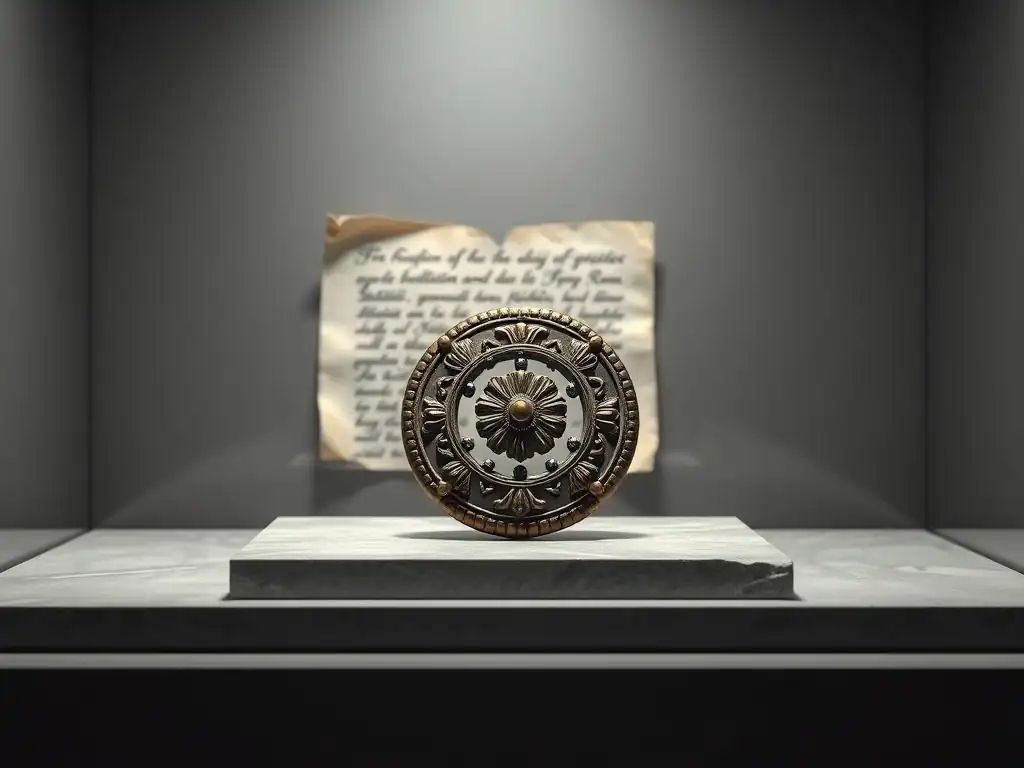
When considering the acquisition of "ethical museum replica finds," prospective buyers are presented with a range of options, each with distinct features and benefits. While all the aforementioned sources prioritize ethical sourcing and historical accuracy, their offerings diverge in terms of price point, material diversity, the breadth of historical periods covered, and the level of detail or craftsmanship. Understanding these differences is crucial for making an informed decision that aligns with individual preferences and collecting goals.
A comparative analysis reveals that museum-affiliated shops often provide replicas that are directly licensed and benefit from direct access to original artifacts, ensuring unparalleled historical fidelity and often supporting the museum's mission. Specialized replica producers, on the other hand, might offer a more curated selection, perhaps focusing on higher-end materials or more intricate, bespoke reproductions. This section aims to provide a side-by-side view to help distinguish between these reputable providers.
Side-by-Side Analysis of Key Aspects
A detailed comparison of key aspects among ethical museum replica providers highlights their unique strengths. For instance, museum shops like The British Museum and The Metropolitan Museum of Art excel in offering a broad range of iconic "ethical museum replica finds" directly linked to their collections. Their products often come with clear provenance and educational context, making them ideal for general enthusiasts and educational institutions.
They typically offer a diverse price range, from affordable smaller items to more significant reproductions, utilizing materials like resin, ceramic, and bronze. Their primary benefit lies in the direct support they provide to cultural heritage preservation and research.
Conversely, specialized providers such as ArtAncient and Replica Ancient Coins focus on niche markets with a strong emphasis on artisanal quality and historical precision, often at a higher price point. ArtAncient might offer more bespoke or limited-edition "ethical museum replica finds" using premium materials and traditional techniques, appealing to serious collectors.
Replica Ancient Coins, with its exclusive focus on numismatic reproductions, provides unparalleled detail for coin enthusiasts. Their benefit lies in offering highly specialized, meticulously crafted items that might not be available from broader museum collections, catering to very specific historical interests while maintaining strict ethical guidelines regarding reproduction and clear labeling.
How to Choose the Right Archaeological Replica for You
Selecting the perfect "ethical museum replica find" involves more than just admiring its aesthetic appeal; it requires careful consideration of its purpose, your budget, and the specific historical context you wish to explore. Given the variety of options available from reputable sources, understanding your own priorities will guide you toward a replica that truly enriches your collection or educational endeavors. This decision-making process ensures that your acquisition is not only satisfying but also aligns with responsible collecting practices.
Beyond personal preferences, it is equally important to be aware of the legal and ethical frameworks surrounding archaeological replicas. While legitimate reproductions are entirely legal, distinguishing them from illicitly traded originals or misleading fakes is paramount. This awareness protects both your investment and the integrity of global cultural heritage.
Factors to Consider Before Buying
Before investing in an "ethical museum replica find," several practical factors should guide your decision. Firstly, consider the purpose of the replica: Is it for personal enjoyment and display, an educational tool for students, or a gift for a history enthusiast? This will influence the level of detail, durability, and size you require. Secondly, establish your budget, as prices can vary significantly based on the replica's complexity, material, and the reputation of the supplier. For example, a small, resin-cast figurine might cost around $50, while a larger, bronze-cast sculpture could exceed $1,000.
Thirdly, think about the historical period or culture that most interests you. Do you prefer ancient Egyptian artifacts, Roman coinage, or perhaps Greek pottery? This will narrow down your search to suppliers specializing in those areas. Finally, pay close attention to the material and craftsmanship. High-quality replicas often use durable materials like bronze, ceramic, or high-grade resin, with meticulous attention to surface texture and patina. Always read product descriptions carefully and look for details on the replication process and the ethical sourcing policies of the vendor to ensure you are acquiring a truly "ethical museum replica find."
Understanding the Legal Aspects of Archaeological Replicas
Understanding the legal aspects of "ethical museum replica finds" is crucial for any responsible collector. Legitimate archaeological replicas are fully legal to own, buy, and sell, as they are distinct from original artifacts. The key legal and ethical distinction lies in their clear identification as reproductions. Reputable manufacturers and sellers will explicitly label their items as replicas, reproductions, or copies, often with a permanent mark on the item itself (e.g., "REPLICA" engraved on the base) or through accompanying documentation. This transparency prevents them from being misrepresented as genuine antiquities, which could otherwise contribute to the illicit trade.
Conversely, the trade in original archaeological artifacts is heavily regulated by international laws and conventions, such as the 1970 UNESCO Convention, which aims to combat the looting and illegal export of cultural property. Unmarked replicas, or those deceptively presented as originals, can inadvertently contribute to this illicit market by blurring the lines.
Therefore, when acquiring "ethical museum replica finds," always verify that the supplier adheres to transparent labeling practices. This not only protects you as a buyer from potential legal issues related to misrepresentation but also actively supports the global effort to preserve cultural heritage and ensure that archaeological discoveries are ethically managed.
Preserving and Displaying Your Museum-Quality Replicas
Once you have acquired your "ethical museum replica finds," proper preservation and display are essential to maintain their aesthetic appeal and ensure their longevity. While replicas are generally more durable than original ancient artifacts, they still benefit from thoughtful care to prevent damage and degradation over time. Treating your replicas with respect not only preserves their condition but also enhances their role as educational and decorative elements in your space, allowing them to truly shine as tangible connections to history.
Appropriate display methods also play a significant role in showcasing the beauty and historical significance of your archaeological treasures. Whether placed on a shelf, in a display case, or as part of a larger historical exhibit, thoughtful presentation can elevate the replica from a mere object to a compelling piece of art and history.
Tips for Caring for Your Archaeological Treasures
Caring for your "ethical museum replica finds" involves a few straightforward practices to ensure their lasting beauty. Firstly, avoid direct sunlight and extreme temperature fluctuations, as prolonged exposure can cause fading, cracking, or warping, especially for replicas made from resin, certain plastics, or even some ceramics. A stable environment, ideally between 68-72°F (20-22°C) with moderate humidity (around 40-50%), is generally suitable.
Secondly, dust regularly using a soft, dry brush or a microfiber cloth. For more intricate pieces or those with textured surfaces, a can of compressed air can effectively remove dust from crevices. Avoid abrasive cleaners or harsh chemicals, which can damage finishes or materials.
For replicas made of bronze or other metals, occasional gentle polishing with a specific metal cleaning cloth (avoiding harsh polishes) can help maintain their luster, or you can allow them to develop a natural patina if that is the desired aesthetic. For ceramic or stone replicas, a damp cloth followed by a dry one can be used for light cleaning, but always test a small, inconspicuous area first.
When handling your replicas, always do so with clean hands, preferably wearing cotton gloves, to prevent transferring oils and dirt. Proper care ensures that your "ethical museum replica finds" remain pristine and continue to inspire for years to come.
Conclusion: Embracing History Through Ethical Archaeological Replicas
The journey through the world of "ethical museum replica finds" reveals a powerful intersection of historical appreciation, artistic craftsmanship, and responsible engagement with our shared past. These meticulously crafted reproductions offer an invaluable opportunity to connect with ancient civilizations and their tangible legacies without contributing to the destructive practices of illicit artifact trade. By choosing replicas from reputable sources, collectors and enthusiasts actively support cultural preservation, archaeological research, and educational initiatives, fostering a deeper, more meaningful appreciation for the richness of human history.
A Commitment to Authenticity and Responsible Collecting.
Embracing "ethical museum replica finds" is a conscious commitment to authenticity, not just in the accurate recreation of historical objects, but also in the integrity of how those objects come into our possession. This approach ensures that our connection to the past is built on respect for archaeological sites and the irreplaceable context they provide. Each ethically sourced replica becomes a testament to responsible collecting, serving as a tangible reminder of the importance of preserving cultural heritage for future generations.
Ultimately, by prioritizing ethical archaeological replicas, individuals contribute to a global effort that champions education over exploitation and preservation over plunder. These "ethical museum replica finds" transcend mere decorative items; they are educational tools, conversation starters, and symbols of a collective dedication to understanding and safeguarding the archaeological treasures that define our human story. They empower us to bring history into our homes and institutions, knowing that our passion for the past actively contributes to its protection.
Frequently Asked Questions
### What makes a museum replica "ethical"?
An ethical museum replica ensures that it's produced and sold with respect for the original artifacts and their cultural context. This often involves fair labor practices and avoiding the exploitation of archaeological sites. It also means ensuring that the replica is clearly marked as such, preventing misrepresentation as an original artifact.
### Why is it important to source replicas ethically?
Sourcing replicas ethically helps preserve archaeological sites and discourages the illegal trade of genuine artifacts. It also supports sustainable economic practices within communities connected to the original artifacts and promotes cultural sensitivity.
### What are some signs of a reputable source for archaeological replicas?
Reputable sources are often transparent about their manufacturing processes and sourcing of materials. They will collaborate with museums and archaeological institutions and provide detailed information about the original artifact's history and provenance.
### How can I be sure a replica isn't being misrepresented as an original?
Ethical replica producers will clearly mark their items as replicas, often with permanent markings or accompanying documentation. Look for statements of authenticity that explicitly state that the item is a replica, not an original artifact.
### Where can I find museum-quality ethical archaeological replicas online?
Several online retailers specialize in ethical replicas, often partnering directly with museums or archaeological organizations. Check reputable museum gift shops online or search for retailers that emphasize ethical sourcing and transparent production practices.
Final Reflection: Preserving the Past, Responsibly
The journey through the world of archaeological replicas, as we've explored, highlights a critical intersection: the desire to connect with history and the imperative to do so ethically and sustainably. The demand for these tangible links to the past is undeniable, but it's crucial that this demand doesn't fuel illicit activities or disrespect cultural heritage. By championing ethical sources, we actively participate in preserving the very history we seek to embrace.
This pursuit of ethical museum replica finds extends beyond mere acquisition; it's about fostering a deeper understanding and appreciation for the cultures that created these artifacts. My own exploration into this field has underscored the profound responsibility we have as consumers to support practices that prioritize authenticity, provenance, and the well-being of archaeological sites and communities. The past is not dead. It is living in us, and will be alive in the future which we are now helping to make.
- William Morris. This quote resonates deeply, reminding us that our choices today directly impact how future generations will experience and understand the past.
Ultimately, the power to shape a more ethical landscape for archaeological replicas lies within each of us. Let us not simply be collectors, but rather conscientious custodians of history. Consider the source, question the practices, and choose to support those who are committed to preserving our shared human heritage. By doing so, you contribute to a future where the past is honored, not exploited, and where the beauty and wisdom of ancient civilizations continue to inspire and enrich our lives.
Unearth Your Own Piece of History!
Thank you for delving into the world of ethical archaeological replicas! We hope this article has shed light on how you can bring the past to life responsibly. Now, it's time to take that knowledge and turn it into action.
Here are some ways you can further explore the world of archaeological replicas:
- Begin your search for that perfect replica: Dedicate an hour this week to exploring the curated list of resources mentioned above on ArchaeologyHub.org and identify at least one piece that resonates with you.
- Share your passion: Post a picture of your favorite archaeological artifact (real or replica!) on social media with the hashtag #ArchaeologyHubReplicas and tag ArchaeologyHub.org to connect with other enthusiasts.
- Dive deeper into the ethics: Research the provenance of a replica you're interested in, and write a short review about your findings on the replica's product page (if available) or on your personal blog.
What replica will you choose to bring home the past, and what story will it tell in your space?