
Style and Tradition in Prehistoric Art: Regional, Chronological, and Cultural Variations

Welcome to ArchaeologyHub.org, your gateway to unraveling the mysteries of the past!
Delve into the captivating world of archaeology and embark on a journey through time. Ever wondered how early human expression differed across continents and millennia? Prepare to explore the fascinating nuances of prehistoric art regional variations. Discover how geography, culture, and chronology shaped the artistic landscape of our ancestors. Uncover the stories etched in stone, painted on cave walls, and sculpted in clay – a testament to the enduring human spirit. Intrigued? Let's begin!
- Introduction: Unveiling the Diversity of Prehistoric Art
- Regional Variations in Prehistoric Art Styles
- Chronological Variations in Prehistoric Art
- Cultural Variations in Prehistoric Art
- Prehistoric Art Regional Variations and Cultural Exchange
- Case Studies: Exploring Specific Examples of Prehistoric Art
- Interpreting the Symbolic Language of Prehistoric Art
- Conclusion: The Enduring Legacy of Prehistoric Art
-
Frequently Asked Questions
- How did regional variations affect prehistoric art?
- What role did chronology play in the evolution of prehistoric art styles?
- How did cultural differences influence the themes and techniques used in prehistoric art?
- Can we trace the migration patterns of prehistoric people through their art?
- What excavation techniques help archaeologists understand prehistoric art regional variations?
- Final Reflection: Echoes of the Past, Visions of the Future
- Unearth Your Inner Archaeologist!
Introduction: Unveiling the Diversity of Prehistoric Art
Prehistoric art stands as a profound testament to the cognitive and creative capacities of early humans, offering invaluable insights into their worldviews, rituals, and daily lives. Far from being a monolithic entity, this ancient artistic expression encompasses a vast array of styles, techniques, and themes that evolved over tens of thousands of years and across diverse geographic landscapes. Understanding the prehistoric art regional variations is crucial for appreciating the complexity and richness of human cultural development before written history.
This article delves into the fascinating distinctions found within prehistoric art, exploring how environmental factors, temporal shifts, and unique cultural identities shaped its forms. We will examine how different regions developed characteristic artistic signatures, how techniques and subject matter transformed across millennia, and how art served as a powerful reflection of the societies that created it. By dissecting these variations, we can piece together a more nuanced picture of our ancient ancestors.
Regional Variations in Prehistoric Art Styles
Geographic Influences on Prehistoric Artistic Expression
The environment played a pivotal role in shaping the prehistoric art regional variations observed across the globe. Geographic features, such as the availability of suitable rock shelters or deep caves, directly influenced the canvases chosen by early artists. For instance, the limestone karsts of southwestern Europe provided ideal, stable surfaces for elaborate cave paintings, while open-air rock shelters and cliffs in regions like the Sahara or Australia offered different opportunities for expression, often exposed to the elements.
Beyond the canvas, the local availability of pigments and tools also dictated artistic possibilities. Red and yellow ochres, manganese dioxide (for black), and charcoal were common across many regions, sourced from natural deposits. However, the specific hues and their prevalence could vary significantly, leading to distinct color palettes in different areas. Furthermore, the types of stone available for engraving tools or sculpting influenced the intricacy and scale of non-pictorial art forms, contributing to the unique character of prehistoric art styles across regions.
Distinct Regional Styles: A Comparative Overview
Across continents, distinct prehistoric art regional variations emerged, each characterized by unique motifs, techniques, and contexts. These styles often reflect the specific fauna, flora, and cultural practices prevalent in their respective areas, providing a visual chronicle of ancient lifeways. Examining a few prominent examples highlights the incredible diversity.
Franco-Cantabrian Cave Art: Polychrome Paintings
The Franco-Cantabrian region, encompassing parts of modern-day France and Spain, is renowned for its spectacular Upper Paleolithic cave art, dating primarily from approximately 35,000 to 11,000 years ago. This style is characterized by its deep-cave locations, often far from the cave entrances, and a strong emphasis on large, naturalistic depictions of animals such as bison, horses, mammoths, and deer. Artists frequently employed a polychrome technique, using multiple colors (reds, yellows, blacks) derived from mineral pigments, often applied with sophisticated shading and perspective to create a sense of volume and movement.
Notable examples include the caves of Lascaux, with its "Hall of Bulls" dating to around 17,000 years ago, and Altamira, famous for its "Polychrome Ceiling" of bison, dating to approximately 14,000 years ago. These masterful works demonstrate a profound understanding of animal anatomy and an impressive command of artistic techniques, suggesting a highly developed aesthetic and possibly ritualistic purpose deeply embedded within the Upper Paleolithic societies of this specific region. The sheer scale and complexity of these works underscore the unique artistic achievements of this prehistoric art region.
Saharan Rock Art: Pastoral Scenes
In stark contrast to the deep-cave art of Europe, the vast expanse of the Sahara Desert, particularly regions like the Tassili n'Ajjer plateau in Algeria, boasts an extensive collection of open-air rock art spanning thousands of years, primarily from the Neolithic period (roughly 10,000 to 4,000 years ago). This art reflects a dramatic environmental shift from a lush, savanna-like landscape to the arid desert we know today. The stylistic evolution here captures the transition from a hunter-gatherer lifestyle to one dominated by pastoralism.
Saharan rock art is distinguished by its vivid depictions of human figures engaged in daily activities, elaborate ceremonial scenes, and, most notably, large herds of domesticated animals, particularly cattle, often with intricately painted patterns on their hides. While earlier phases might show wild animals, the later "Bovidian" period (around 7,000-5,000 years ago) is dominated by pastoral themes, portraying herders, milking scenes, and cattle with remarkable detail.
The colors used tend to be ochres, ranging from reddish-brown to yellow, and white, applied to the rock surfaces of shelters and cliffs, making it a unique example of prehistoric art regional variations driven by environmental and societal changes.
Arnhem Land Rock Art: X-Ray Style
Australia's Arnhem Land, home to Indigenous Aboriginal communities for tens of thousands of years, showcases one of the world's longest continuous traditions of rock art. Among its many styles, the "X-ray style" is particularly distinctive and emblematic of the region, flourishing from approximately 6,000 years ago to the present day. This unique approach involves depicting not only the external form of an animal or human but also its internal anatomical features, such as the backbone, organs, and even bones.
The X-ray style is often associated with spiritual beliefs and hunting magic, where understanding the internal structure of an animal might have been seen as granting power over it. Common subjects include fish, kangaroos, turtles, and ancestral beings, often rendered in red, yellow, black, and white pigments.
These artworks are typically found in rock shelters and on open-air rock faces, serving as sacred sites, teaching tools, and repositories of cultural knowledge. The enduring nature and specific internal perspective of Arnhem Land's X-ray art present a compelling case study in distinct prehistoric art regional variations shaped by deep spiritual connections to the land.
Chronological Variations in Prehistoric Art
The Evolution of Artistic Techniques Through Time
The timeline of prehistoric art reveals a fascinating evolution in artistic techniques, mirroring humanity's growing cognitive abilities and mastery over materials. Early forms, dating back tens of thousands of years, often involved simple finger flutings on soft cave walls or rudimentary engravings. As time progressed, artists began to utilize more sophisticated tools and methods, such as burins for intricate engravings, brushes made from animal hair or plant fibers for painting, and even early forms of spray painting using hollow bones to blow pigment onto surfaces.
The development of pigments also saw advancements, from simple charcoal and ochre to more complex mixtures potentially involving binders like animal fat or plant sap, which improved adhesion and color vibrancy. The scale of artworks also changed, from small, portable figurines to monumental cave murals and later, large-scale megalithic structures adorned with engravings. These technical innovations allowed for greater detail, realism, and symbolic complexity, profoundly influencing the prehistoric art regional variations seen across different periods.
Early Prehistoric Art: Upper Paleolithic Art
The Upper Paleolithic period, roughly from 40,000 to 10,000 years ago, marks a significant flourishing of artistic expression, particularly in Europe. This era is characterized by a remarkable shift towards more sophisticated forms of art, including elaborate cave paintings, portable art (such as figurines and carved tools), and personal ornaments. The art of this period often reflects a deep connection with the natural world and potentially complex belief systems.
Characteristics of Upper Paleolithic Art
Upper Paleolithic art is predominantly characterized by its focus on animal figures, often depicted with astonishing naturalism and dynamism. These animals—including bison, horses, mammoths, deer, and ibex—are frequently shown in profile, sometimes with a twisted perspective for the head or horns. Human figures are rare and often stylized or abstract, contrasting sharply with the detailed animal depictions.
Techniques included engraving, drawing, and painting using mineral pigments like red and yellow ochre, manganese dioxide, and charcoal. Artists also utilized the natural contours of the cave walls to enhance the three-dimensional quality of their subjects, suggesting a sophisticated understanding of form and space.
Many of these artworks are found deep within caves, in dark, inaccessible chambers, leading to interpretations of their function as part of elaborate rituals, possibly related to hunting magic, shamanism, or initiation ceremonies. The sheer scale of some cave paintings, like the "Great Hall of the Bulls" at Lascaux, which features a bull nearly 5 meters long, speaks to the monumental effort and significance attributed to these creations. This period laid the foundation for many prehistoric art regional variations that would follow.
Key Sites and Discoveries of Upper Paleolithic Art
Among the most iconic sites of Upper Paleolithic art are the caves of Chauvet, Lascaux, and Altamira. Chauvet Cave in France, discovered in 1994 and dating back approximately 30,000 to 32,000 years ago, contains some of the oldest and best-preserved figurative cave paintings in the world. Its art includes depictions of previously unrecorded animals in cave art, such as lions, rhinos, and panthers, rendered with remarkable realism and the innovative use of shading and perspective. The "Panel of the Lions" and the "Horse Panel" are particularly striking for their dynamic compositions.
Lascaux Cave, also in France, dating to around 17,000 years ago, is celebrated for its vibrant and extensive murals, often referred to as the "Sistine Chapel of Prehistory." Its famous "Hall of the Bulls" features monumental animal figures, some reaching over five meters in length, painted with rich, earthy pigments.
Altamira Cave in Spain, dating to roughly 14,000 years ago, is renowned for its "Polychrome Ceiling," a masterpiece of painted bison that appear almost three-dimensional due to the artists' skillful use of the cave's natural contours and varying shades of red, yellow, and black. These sites collectively showcase the pinnacle of Upper Paleolithic artistic achievement and the foundation of prehistoric art regional variations.
Later Prehistoric Art: Neolithic Art
The Neolithic period, beginning around 10,000 years ago in some regions and lasting until the advent of metallurgy, witnessed profound transformations in human society, including the development of agriculture, settled communities, and monumental architecture. These societal shifts were profoundly reflected in the art of the era, which moved away from the deep-cave animal focus of the Paleolithic to embrace new themes and forms.
Characteristics of Neolithic Art
Neolithic art often reflects the sedentary lifestyle and communal organization of agricultural societies. While animal figures still appear, there is a marked increase in human representations, often stylized or schematic, and a growing emphasis on geometric patterns and abstract designs. Artworks are frequently found in association with permanent settlements, burial sites, and megalithic structures, indicating a shift towards art integrated into daily life, ritual, and ancestral veneration. Pottery, a new invention of the Neolithic period, became a significant medium for artistic expression, adorned with incised, painted, or impressed patterns.
Megalithic art, characterized by large stone structures (menhirs, dolmens, passage tombs) often decorated with engravings, is a hallmark of this period, particularly in Western Europe. Common motifs include spirals, zigzags, concentric circles, and cup-and-ring marks, whose meanings are still debated but are often interpreted as symbols related to cosmology, fertility, or ancestral journeys. This period's art provides crucial insights into the evolving spiritual and social structures that also informed the prehistoric art regional variations.
Key Sites and Discoveries of Neolithic Art
Significant Neolithic art sites provide a window into the diverse artistic expressions of settled agricultural communities. Newgrange in Ireland, a large passage tomb dating to around 3,200 BCE (over 5,000 years ago), is famous for its intricate megalithic art. The entrance stone and many internal kerbstones are heavily decorated with spirals, lozenges, and concentric circles, carved with remarkable precision. These designs are thought to have astronomical significance, aligning with the winter solstice sunrise, underscoring the complex cosmological understanding of its creators.
Çatalhöyük in Anatolia (modern-day Turkey), an early urban settlement inhabited from approximately 7,500 to 5,700 BCE, offers a different perspective on Neolithic art. Its houses featured plastered and painted walls, depicting scenes of human activity, geometric patterns, and schematic landscapes, including what is considered one of the world's oldest maps. Figurines, often of plump female figures interpreted as goddesses or fertility symbols, were also common finds. These examples highlight how prehistoric art regional variations were shaped by distinct societal structures and belief systems emerging with the agricultural revolution.
Cultural Variations in Prehistoric Art
Art as a Reflection of Prehistoric Cultures
Prehistoric art is not merely an aesthetic pursuit; it serves as a profound mirror reflecting the diverse cultures that created it. The themes, styles, and contexts of artworks provide invaluable clues about the social organization, economic practices, spiritual beliefs, and daily lives of ancient societies. For instance, the prevalence of large animal depictions in Upper Paleolithic art suggests a culture deeply reliant on hunting and intimately connected with the animal kingdom, possibly viewing these creatures as spiritual totems or sources of power.
Conversely, the emphasis on human figures, domesticated animals, and abstract patterns in Neolithic art reflects the shift towards settled agricultural communities, where human-environment interaction revolved around cultivation and animal husbandry. The presence of elaborate burial art or monumental structures indicates societies with complex social hierarchies and organized labor, possibly driven by ancestral veneration or territorial claims. These cultural distinctions are fundamental to understanding the prehistoric art regional variations and their underlying meanings.
Symbolic Meanings and Ritual Practices in Prehistoric Art
The symbolic meanings embedded within prehistoric art are central to understanding its cultural significance. While direct interpretations remain challenging due to the lack of written records, scholars often infer symbolic functions based on context, recurring motifs, and ethnographic analogies with contemporary indigenous cultures. Many scholars believe that much of prehistoric art was created within a ritualistic framework, serving purposes beyond mere decoration.
For example, the deep, dark locations of many Paleolithic cave paintings suggest a connection to shamanic practices, where artists might have entered altered states of consciousness to communicate with the spirit world, with the art serving as a visual record of these journeys or as a means to invoke power. Symbols like geometric patterns, hand stencils, or abstract signs found alongside animal depictions are thought to represent complex ideas, perhaps related to cosmology, group identity, or spiritual narratives.
The consistent appearance of certain symbols across different sites or periods within prehistoric art regional variations hints at shared belief systems or widespread cultural exchanges.
Cultural Identity and Artistic Expression
Art served as a powerful medium for expressing and reinforcing cultural identity among prehistoric groups. The unique styles, recurring motifs, and specific techniques employed by different communities acted as visual markers, distinguishing one group from another and reinforcing communal bonds. This becomes particularly evident when examining the prehistoric art regional variations where distinct artistic "signatures" can be identified.
Art as a Marker of Social Structure
The creation and viewing of art could also be intertwined with social structures. In some societies, artistic production might have been the domain of specific individuals or elite groups, such as shamans or clan leaders, whose elevated status was reinforced by their access to sacred knowledge or artistic skill. The monumental scale of some artworks, like the massive megalithic structures or extensive cave systems, suggests organized labor and a hierarchical social structure capable of mobilizing resources and coordinating large-scale projects.
Furthermore, the types of objects depicted or the manner in which they were portrayed could convey information about social roles, gender distinctions, or status within a group. For instance, in some Neolithic societies, certain motifs on pottery or figurines might have been associated with specific lineages or social functions, serving as visual indicators of identity and belonging. These layers of meaning contribute to the rich tapestry of prehistoric art regional variations.
Art as a Form of Communication
Beyond identity, prehistoric art functioned as a vital form of non-verbal communication, transmitting knowledge, beliefs, and narratives across generations. In the absence of writing, visual art served as a mnemonic device, preserving cultural memory and facilitating the transfer of complex information. This could include practical knowledge, such as hunting techniques or animal behavior, as well as abstract concepts like myths, ancestral stories, or cosmological understandings.
The repetition of specific symbols or narrative sequences in rock art across a region suggests a shared visual language understood by a wide audience. For example, recurring human figures with animal characteristics might communicate shamanic transformations, while specific geometric patterns could denote sacred places or ritual pathways. This communicative function underscores the profound importance of art in shaping and maintaining the cultural fabric of prehistoric societies, contributing significantly to the prehistoric art regional variations observed.
Prehistoric Art Regional Variations and Cultural Exchange
The Impact of Interaction on Artistic Styles
While prehistoric art regional variations are often distinct, they were not created in isolation. Interaction between groups—through trade, migration, intermarriage, or conflict—played a significant role in the diffusion and transformation of artistic styles and motifs. When communities came into contact, ideas, technologies, and artistic conventions could be exchanged, leading to the adoption or adaptation of foreign elements into existing local traditions. This process of cultural exchange often resulted in hybrid styles, where indigenous forms blended with external influences, creating new expressions.
For instance, the spread of certain tool technologies or raw materials (like specific types of flint or obsidian) across vast distances is well-documented in the archaeological record. It is plausible that artistic techniques and symbolic motifs followed similar pathways, carried by migrating populations or exchanged along trade routes. This dynamic interplay between local innovation and external influence is a key factor in understanding the complex patterns of prehistoric art styles across regions.
Evidence of Cultural Diffusion in Prehistoric Art
Archaeological evidence for cultural diffusion in prehistoric art can be observed through the widespread distribution of specific motifs or artistic conventions across geographically disparate areas. A prime example is the ubiquitous presence of hand stencils in rock art sites worldwide, from Europe to Australia to the Americas. While the exact meaning might have varied, the technique and general motif suggest a shared human experience or a diffusion of artistic practice. Similarly, certain abstract symbols, like the spiral or zigzag, appear in diverse Neolithic contexts across Europe, suggesting either independent invention (convergent evolution) or a degree of cultural transmission.
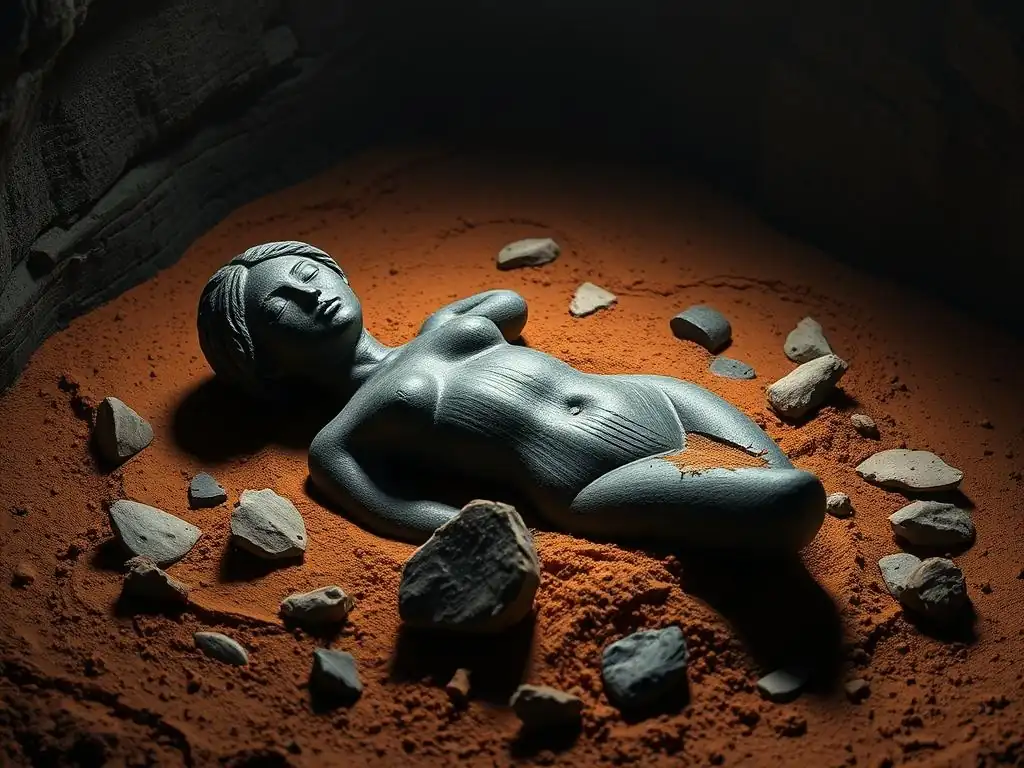
Another indicator of diffusion can be seen in the stylistic similarities between portable art objects found far from their presumed origin points. For instance, certain types of Venus figurines, characterized by exaggerated female features, show stylistic resemblances across vast stretches of Eurasia, hinting at the movement of people or ideas during the Upper Paleolithic. Analyzing these patterns helps differentiate between truly isolated prehistoric art regional variations and those that reflect broader networks of interaction.
Analyzing the Spread of Artistic Motifs
Archaeologists and art historians employ various methods to analyze the spread of artistic motifs and distinguish between cultural diffusion and independent invention. Typological analysis involves comparing the forms and attributes of artworks from different regions to identify similarities and differences. If a complex motif or technique appears in multiple, unconnected areas, it might suggest independent invention. However, if a clear gradient of stylistic change or a direct lineage can be traced from one region to another, diffusion becomes a more likely explanation.
Contextual analysis is also crucial, examining the archaeological context in which the art is found, including associated artifacts, settlement patterns, and environmental data. For example, the presence of exotic materials used in pigments or tools could indicate long-distance trade networks that facilitated the exchange of artistic ideas. By meticulously tracing these connections, researchers can reconstruct ancient cultural landscapes and understand how prehistoric art regional variations were both shaped by local traditions and influenced by broader patterns of human interaction.
Case Studies: Exploring Specific Examples of Prehistoric Art
The Chauvet Cave Paintings
The Chauvet Cave, located in the Ardèche region of France, is an extraordinary example of Upper Paleolithic art, dating back approximately 30,000 to 32,000 years ago. Its discovery in 1994 revolutionized our understanding of early art, demonstrating a level of sophistication previously thought to have developed much later. The cave contains hundreds of paintings and engravings, primarily of animals, including some species rarely or never seen in other Paleolithic art, such as lions, rhinos, panthers, and owls.
Detailed Analysis of the Artworks
The artworks at Chauvet are renowned for their exceptional naturalism, dynamic compositions, and masterful use of chiaroscuro (light and shadow) to create a sense of volume and movement. Artists skillfully utilized the natural contours of the cave walls, sometimes scratching the rock surface before applying pigment, to enhance the three-dimensionality of their subjects. The "Panel of the Lions" depicts a pride of hunting lions with remarkable animation, while the "Horse Panel" showcases horses rendered with delicate shading, conveying depth.
The cave also features unique elements like the "Sorcerer," a composite human-animal figure, and numerous hand stencils, some with unusual elongated fingers. The precision in anatomical detail and the innovative techniques employed highlight the advanced artistic capabilities of these early prehistoric art regional variations.
Cultural Context and Significance
The remote and deep location of the Chauvet paintings, far from the cave entrance, suggests a highly ritualized or sacred purpose. The absence of domestic activities within the painted chambers further supports the idea that these spaces were not living areas but rather sites for ceremonial practices. Scholars propose interpretations ranging from shamanic rituals, where artists sought to connect with the animal spirit world, to totemic representations of clan identities.
The sheer diversity of animal species depicted, many of them large predators, might also reflect a worldview where humans were not necessarily dominant but part of a complex ecosystem. Chauvet stands as a powerful testament to the deep spiritual and symbolic world of Upper Paleolithic societies, showcasing a distinct prehistoric art regional variation with profound cultural implications.
The Bhimbetka Rock Shelters
The Bhimbetka Rock Shelters, located in the Raisen District of Madhya Pradesh, India, constitute a UNESCO World Heritage Site renowned for its extensive collection of prehistoric rock art, spanning the Paleolithic, Mesolithic, and Neolithic periods. This site offers a unique opportunity to observe the continuous evolution of artistic styles and themes over tens of thousands of years, reflecting the changing lifestyles of its inhabitants.
Detailed Analysis of the Artworks
The Bhimbetka shelters contain over 500 painted rock shelters, with the earliest paintings dating back approximately 10,000 years, and some evidence suggesting even older engravings from the Acheulian period (up to 100,000 years ago). The art is predominantly executed in red and white pigments, with occasional use of green and yellow. Mesolithic period paintings (around 10,000 to 4,000 years ago) are particularly vibrant, depicting hunting scenes, dancing, musical instruments, and animal figures like bison, tigers, and elephants. Human figures are often stylized, shown in dynamic poses.
Later periods, including the Neolithic and Chalcolithic (around 4,000 to 2,500 years ago), show a shift towards more domestic scenes, agricultural activities, and schematic representations of human figures, often mounted on horses or elephants. The superimposition of paintings from different eras is common, creating a layered visual history that vividly illustrates the chronological evolution of prehistoric art regional variations within a single geographical area.
Cultural Context and Significance
The Bhimbetka rock shelters served as continuous dwelling places for various prehistoric communities, making the art an integral part of their lived environment. The themes depicted provide rich ethnographic data, illustrating the transition from a hunter-gatherer existence to a more settled agricultural life. The hunting scenes reflect the reliance on wild game, while later depictions of domestic animals and agricultural tools indicate a shift in subsistence strategies.
The presence of dancing figures and musical instruments suggests ritualistic or celebratory activities, offering insights into the social and spiritual life of these ancient communities. The sheer volume and continuity of the art at Bhimbetka underscore its importance as a repository of cultural memory and a means of transmitting knowledge and traditions across generations. This site exemplifies how prehistoric art regional variations can also encompass a deep chronological stratification, revealing centuries of cultural change and adaptation.
Interpreting the Symbolic Language of Prehistoric Art
Deciphering the Meaning of Prehistoric Symbols
Deciphering the symbolic language of prehistoric art is one of archaeology's most challenging yet rewarding endeavors. Without written records or direct ethnographic accounts from the time, interpretations are necessarily inferential, relying on careful contextual analysis, comparative studies, and informed hypotheses. Scholars often look for recurring patterns, associations between motifs, and the physical placement of artworks to infer meaning. For instance, the consistent depiction of certain animals alongside abstract signs might suggest a symbolic relationship, perhaps linking the animal to a specific concept or ritual.
The study of structuralism, which analyzes underlying patterns and oppositions in art, has also been applied, suggesting that certain symbols might represent fundamental dualities (e.g., male/female, life/death). While definitive answers remain elusive, the ongoing effort to decipher these symbols offers profound insights into the cognitive frameworks and symbolic thought processes of our prehistoric ancestors, highlighting the complexity inherent in prehistoric art regional variations.
The Role of Cognitive Archaeology in Understanding Prehistoric Art
Cognitive archaeology plays a crucial role in understanding prehistoric art by focusing on the mental processes and symbolic systems that underpinned its creation. This subdiscipline moves beyond merely describing what was depicted to explore why it was depicted in a particular way, and what it reveals about the minds of early humans. It investigates how prehistoric people perceived their world, organized their thoughts, and communicated complex ideas through visual means.
By analyzing the choices made by prehistoric artists—from subject matter and composition to technique and location—cognitive archaeologists seek to reconstruct ancient belief systems, ritual practices, and even early forms of abstract thought. For example, the use of perspective or shading in Paleolithic art suggests advanced spatial reasoning, while the creation of composite figures (e.g., human-animal hybrids) points to sophisticated symbolic thinking and possibly shamanic worldviews. This approach is vital for fully appreciating the prehistoric art regional variations as products of distinct cognitive landscapes.
Challenges in Interpreting Prehistoric Art
Despite advancements in archaeological methods, several significant challenges persist in interpreting prehistoric art. The primary hurdle is the immense temporal and cultural distance separating us from its creators. We lack direct access to their languages, myths, and social contexts, making it difficult to definitively ascertain the original meanings of symbols and narratives. Interpretations are often based on analogy with contemporary indigenous cultures, which, while valuable, must be applied with caution to avoid imposing modern or ethnocentric biases onto ancient societies.
Another challenge lies in the fragmentary nature of the archaeological record. Many artworks have been lost to time, and those that remain may be incomplete or damaged, hindering comprehensive analysis. Furthermore, the very act of interpretation is subjective, leading to multiple, sometimes conflicting, theories about the purpose and meaning of prehistoric art. Despite these difficulties, the ongoing research and interdisciplinary approaches continue to shed new light on the enduring mysteries and profound significance of prehistoric art regional variations.
Conclusion: The Enduring Legacy of Prehistoric Art
Understanding Prehistoric Art Regional Variations in the Modern World
The study of prehistoric art regional variations offers a profound understanding of humanity's earliest creative impulses and cultural diversity. By examining the distinct styles, techniques, and themes that emerged across different geographies and time periods, we gain a deeper appreciation for the adaptive ingenuity and complex symbolic worlds of our ancient ancestors. From the polychrome animals of Franco-Cantabrian caves to the pastoral scenes of Saharan rock art and the X-ray depictions of Arnhem Land, each region contributed a unique chapter to the global story of prehistoric artistic expression.
These variations underscore that human creativity is not monolithic but deeply intertwined with environmental contexts, societal structures, and evolving belief systems. Recognizing these differences allows us to move beyond a simplistic view of "cave art" to a nuanced appreciation of the rich tapestry of human cultural development, demonstrating how art served as a fundamental aspect of identity, communication, and spiritual life in diverse prehistoric societies. The enduring power of these ancient artworks continues to captivate and inform us about the very origins of human artistry.
The Importance of Preserving Prehistoric Art Sites
The preservation of prehistoric art sites is of paramount importance for both scientific inquiry and cultural heritage. These sites are irreplaceable archives of human history, offering unique insights into the cognitive abilities, social structures, and spiritual lives of our earliest ancestors. They provide direct evidence of human creativity and symbolic thought that is unavailable through other archaeological remains. Each painted cave, engraved rock shelter, or decorated megalith represents a fragile window into a distant past, holding clues to humanity's journey.
However, these sites are highly vulnerable to natural erosion, climate change, and increasingly, human impact through tourism, vandalism, and unregulated development. The delicate balance of microclimates within caves, essential for preserving pigments and rock surfaces, can be easily disrupted by human presence. Therefore, stringent conservation measures, controlled access, and continuous monitoring are critical to safeguard these invaluable treasures for future generations of researchers and the public. Protecting these sites ensures that the rich legacy of prehistoric art regional variations continues to inspire and educate us about the enduring human capacity for art.
Frequently Asked Questions
How did regional variations affect prehistoric art?
Regional variations significantly impacted prehistoric art by shaping distinct styles and artistic traditions. These variations often reflect local environmental conditions and available resources.
What role did chronology play in the evolution of prehistoric art styles?
Chronological changes are crucial in understanding prehistoric art, as different periods saw the emergence of new techniques, motifs, and artistic expressions. Styles evolved over time, influenced by societal developments.
How did cultural differences influence the themes and techniques used in prehistoric art?
Cultural differences are paramount in understanding prehistoric art because art served as a medium for communication, ritual practices, and social identity. These elements varied widely across different cultures.
Can we trace the migration patterns of prehistoric people through their art?
Yes, art can offer insights into migration patterns by tracing the spread of specific artistic styles and iconography across different regions. Art acts as a cultural marker.
What excavation techniques help archaeologists understand prehistoric art regional variations?
Archaeological techniques such as stratigraphic analysis, radiocarbon dating, and contextual analysis help determine the age and cultural context of prehistoric art, allowing for a better understanding of regional variations.
Final Reflection: Echoes of the Past, Visions of the Future
The exploration of prehistoric art's regional variations reveals more than just aesthetic differences; it unveils the intricate tapestry of early human cultures, their beliefs, and their adaptations to diverse environments. Understanding these variations is not merely an academic exercise; it's a crucial step in appreciating the depth and complexity of our shared human heritage, a heritage that continues to resonate within our modern world.
This journey through time, examining the stylistic nuances and cultural fingerprints embedded within prehistoric art, has profoundly underscored the enduring power of artistic expression to transcend millennia and connect us to our ancestors. Art enables us to find ourselves and lose ourselves at the same time.
- Thomas Merton. This quote encapsulates the dual nature of prehistoric art: a window into the lives of those who came before, and a mirror reflecting our own humanity.
As we close this exploration of prehistoric art's regional variations, I invite you to consider the lessons learned. How can an understanding of these ancient expressions inform our appreciation of contemporary art and culture? How can we, like our prehistoric ancestors, use our own creative endeavors to leave a lasting legacy for future generations? Let us strive to cultivate a deeper understanding of our past, so that we may build a more meaningful and connected future.
Unearth Your Inner Archaeologist!
Thanks for exploring the fascinating world of prehistoric art with us! We hope you've gained a new appreciation for the incredible diversity and cultural richness of these ancient expressions. Ready to dig a little deeper?
Here's how you can continue your journey:
- Visit your local museum to view prehistoric art artifacts firsthand and connect with the stories they tell.
- Share this article with fellow archaeology enthusiasts and spark a conversation about regional variations in prehistoric art.
- Try your hand at creating your own art inspired by prehistoric techniques, using natural pigments and materials.
What prehistoric art style resonates most with you, and why? We encourage you to share your thoughts and inspirations in the comments below!