
The Role of Turkish Archaeologists in National Heritage Discovery and Preservation

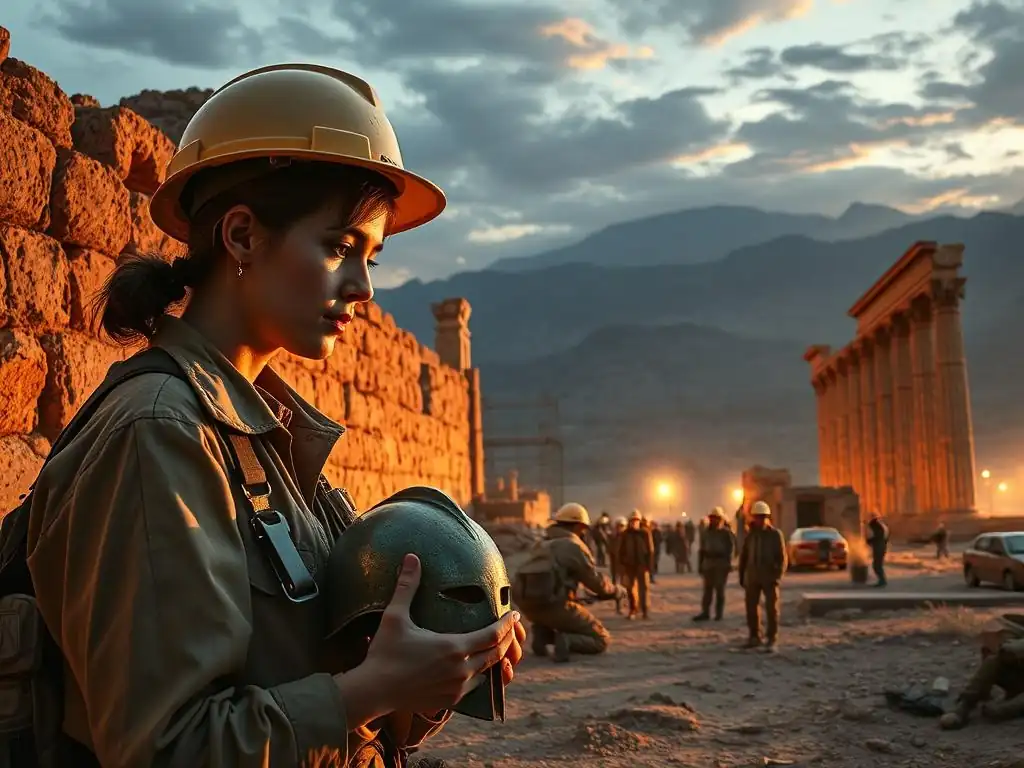
Welcome to ArchaeologyHub.org, your portal to the past!
Delve into the fascinating world of archaeological discovery, where every artifact whispers tales of forgotten civilizations. Ever wondered how ancient treasures are unearthed and protected? This month, we explore the vital role of Turkish archaeologists in employing cutting-edge heritage preservation techniques. Uncover the secrets they're using to safeguard their nation's rich past and discover how these methods are shaping the future of archaeology. Intrigued? Read on to learn more about their groundbreaking work!
- Introduction: Unveiling Turkey's Rich Archaeological Tapestry
- Historical Context: Archaeology in Turkey - A Timeline
- Key Contributions of Turkish Archaeologists to Heritage Discovery
- Turkish Archaeologists: Heritage Preservation Techniques and Strategies
- Legal Framework and Policies for Heritage Protection in Turkey
- Case Studies: Successful Heritage Preservation Projects Led by Turkish Archaeologists
- Challenges and Future Directions for Turkish Archaeology
- Conclusion: Celebrating the Dedication of Turkish Archaeologists
-
Frequently Asked Questions
- How are Turkish archaeologists contributing to the discovery of new archaeological sites?
- What specific heritage preservation techniques are Turkish archaeologists employing?
- How does ArchaeologyHub.org support the work of Turkish archaeologists?
- What challenges do Turkish archaeologists face in preserving national heritage?
- What is the significance of Turkish archaeologists in understanding ancient civilizations?
- Final Reflection: Unearthing the Soul of a Nation
- Unearth Your Inner Explorer: Join the Archaeological Journey!
Introduction: Unveiling Turkey's Rich Archaeological Tapestry
The Significance of Turkish Archaeologists in Safeguarding Cultural Heritage
Turkey, often referred to as the cradle of civilizations, boasts an unparalleled archaeological wealth, stemming from its unique geographical position at the crossroads of Europe and Asia. This land has been home to countless cultures, from the earliest Neolithic settlements to mighty empires like the Hittites, Phrygians, Lydians, Greeks, Romans, Byzantines, and Ottomans. The sheer volume of archaeological sites, estimated at over 30,000 registered locations, underscores the immense responsibility of preserving this deep history. It is within this context that Turkish archaeologists play a pivotal role, not merely as excavators but as diligent custodians of a global heritage.
Beyond the thrill of discovery, the primary mission of Turkish archaeologists involves the meticulous application of diverse heritage preservation techniques. These methods are crucial for protecting ancient remains from the relentless forces of natural decay, the pressures of modern urban expansion, and the constant threat of illicit excavation and looting. Their work encompasses everything from the initial uncovering of artifacts to their sophisticated conservation, interpretation, and presentation, ensuring that Turkey's rich past is accessible and understood by present and future generations.
Historical Context: Archaeology in Turkey - A Timeline
Early Archaeological Explorations in Ottoman Turkey
The earliest archaeological explorations in what is now Turkey largely involved foreign expeditions, particularly in the mid to late 19th century. Figures like Heinrich Schliemann, who began excavations at Troy in the 1870s, brought international attention to the region's ancient treasures. However, concurrently, the Ottoman Empire began to assert its own interest in its cultural heritage. The establishment of the Imperial Museum (Müze-i Hümayun) in 1869 marked a significant step, aiming to house artifacts and regulate excavations, laying the groundwork for a national approach to antiquities.
A key figure in this nascent period was Osman Hamdi Bey, a painter, intellectual, and archaeologist who served as the museum's director from 1881. He played a crucial role in preventing the outflow of artifacts and initiated the first systematic Ottoman-led excavations, notably at the Necropolis of Sidon in 1887, where he discovered the famous Alexander Sarcophagus. These early efforts by pioneering Ottoman and later Turkish archaeologists were instrumental in shifting the paradigm from foreign-dominated treasure hunting to a more systematic and nationally controlled approach to archaeological heritage.
The Establishment of Turkish Archaeological Institutions and Departments
Following the establishment of the Turkish Republic in 1923, there was a concerted effort to institutionalize archaeology as a national discipline. The Turkish Historical Society (Türk Tarih Kurumu), founded in 1931, became a central body for historical and archaeological research. Simultaneously, academic departments dedicated to archaeology were established in major universities, such as Ankara University and Istanbul University, fostering the systematic training of a new generation of Turkish archaeologists grounded in scientific methodologies.
This period saw the rapid growth of archaeological departments, research centers, and museums across the country, all operating under the umbrella of what is today the General Directorate of Cultural Heritage and Museums within the Ministry of Culture and Tourism. This robust institutional framework has enabled a nationally driven approach to archaeological research and heritage preservation techniques, leading to an increasing number of licensed excavations and conservation projects led entirely by Turkish teams.
Evolution of Heritage Preservation Techniques in Turkey
The evolution of heritage preservation techniques in Turkey has mirrored global advancements, moving from basic artifact collection and rudimentary on-site protection to highly sophisticated scientific conservation. Early efforts primarily focused on preventing immediate damage during excavation and transferring finds to museums. However, as the understanding of archaeological context deepened, so did the appreciation for in-situ conservation.
The latter half of the 20th century and the early 21st century witnessed the widespread integration of modern scientific approaches. This includes the application of advanced chemical treatments for stabilizing fragile artifacts, structural reinforcement for ancient buildings and monuments, and the implementation of environmental controls within museums and on-site shelters. These advancements reflect the continuous commitment of Turkish archaeologists and conservators to adopting cutting-edge heritage preservation techniques to ensure the long-term survival of their nation's vast cultural legacy.
Key Contributions of Turkish Archaeologists to Heritage Discovery
Unearthing Ancient Civilizations: From Anatolia to Thrace
Turkey's diverse landscape, stretching from the Anatolian plateau to the Thracian plains, has yielded evidence of human habitation spanning millennia. From the earliest human settlements of the Stone Age to the flourishing city-states of the Bronze Age, the powerful empires of the Iron Age, and the subsequent Hellenistic, Roman, and Byzantine periods, Turkish archaeologists have been at the forefront of defining these rich historical layers and understanding their complex interconnections.
Their contributions have not only expanded the global understanding of ancient civilizations but have also provided crucial insights into human development, social structures, and technological advancements. Through systematic excavation and meticulous analysis, Turkish archaeologists have been instrumental in bringing to light the stories of these long-lost cultures, often challenging existing historical narratives with groundbreaking discoveries.
Discoveries at Göbeklitepe: Rewriting the History of Civilization
Göbeklitepe, located in southeastern Anatolia, represents one of the most astonishing archaeological discoveries of the 21st century. Dating back to the Pre-Pottery Neolithic period, between approximately 9,500 and 8,000 BCE, this site features monumental T-shaped pillars, some weighing up to 60 tons, intricately carved with animal reliefs. While initially excavated by German archaeologist Klaus Schmidt, the ongoing and extensive work at Göbeklitepe is now led by Turkish archaeologists and their teams, who are responsible for its continued exploration and interpretation.
The findings at Göbeklitepe have fundamentally challenged previous understandings of the origins of settled human societies, suggesting that complex social structures and monumental religious practices predated the widespread adoption of agriculture. The meticulous heritage preservation techniques applied at the site, including the construction of large protective shelters and environmental monitoring, are crucial for safeguarding these fragile structures and carvings from environmental degradation, a collaborative effort involving both Turkish and international experts.
Unveiling the Secrets of Çatalhöyük: A Neolithic Metropolis
Çatalhöyük, another UNESCO World Heritage site in central Anatolia, represents one of the world's earliest urban settlements, thriving between 7,500 and 5,700 BCE. This unique Neolithic metropolis is characterized by its densely packed mud-brick houses, entered through openings in their roofs, creating a continuous urban landscape without streets. While an international project, Turkish archaeologists have played a leading role in its long-term research, training initiatives, and the implementation of advanced heritage preservation techniques.
Insights gained from Çatalhöyük have provided unparalleled details about early urban life, social organization, art (including remarkable wall paintings and figurines), and the beginnings of agriculture. Preserving the delicate mud-brick structures presents significant challenges. Turkish archaeologists and their international partners have developed innovative methods, including specialized shelters and sophisticated environmental monitoring systems, to protect this extraordinary site.
Exploring the Roman and Byzantine Legacy: Ephesus and Istanbul
Turkey is replete with magnificent Roman and Byzantine sites, testaments to centuries of imperial rule. Ephesus, once a major Roman city and a prominent port, stands as a prime example. Ongoing excavations at Ephesus, largely led by Turkish archaeologists and supported by institutions like the Ephesus Museum, continue to reveal its grandeur, including the iconic Celsus Library and the vast Great Theater. These discoveries offer profound insights into Roman urban planning, daily life, and monumental architecture.
In Istanbul, the former capital of the Byzantine Empire, Constantinople, urban archaeology is a complex and continuous endeavor. Major infrastructure projects, such as metro line constructions, frequently uncover deep layers of Byzantine and Ottoman history. Turkish archaeologists are at the forefront of these challenging urban excavations, meticulously documenting and rescuing artifacts and structures. Their work highlights the intricate balance between modern development and the urgent need for robust heritage preservation techniques in a living, evolving metropolis.
Protecting Underwater Cultural Heritage: Maritime Archaeology in Turkey
With its extensive coastline bordering the Mediterranean, Aegean, and Black Seas, Turkey possesses a remarkably rich underwater cultural heritage, reflecting millennia of maritime trade and human activity. Turkish archaeologists have been pioneers in the field of maritime archaeology, particularly through institutions like the Bodrum Museum of Underwater Archaeology. While early efforts in the 1960s saw collaboration with foreign experts like George Bass, the discipline has since been robustly developed nationally.
Significant underwater discoveries, such as the Uluburun shipwreck, dating to the 14th century BCE, have provided an unparalleled snapshot of Late Bronze Age trade and technology. Recovered in the 1980s, the Uluburun cargo included copper ingots, Canaanite jars, and precious artifacts, offering a unique window into ancient global connections. The specialized heritage preservation techniques required for waterlogged artifacts – including complex desalination, freeze-drying, and chemical treatments – have been extensively developed and applied by Turkish archaeologists and conservators, ensuring the long-term stability and display of these fragile marine finds.
Turkish Archaeologists: Heritage Preservation Techniques and Strategies
Excavation Methodologies Employed by Turkish Archaeologists
Turkish archaeologists adhere to internationally recognized scientific excavation methodologies, emphasizing systematic and meticulous approaches. This includes rigorous recording, precise surveying, and detailed mapping of archaeological contexts using both traditional and modern technologies. Their work reflects a commitment to uncovering the past with minimal disturbance while maximizing data recovery.
This blend of traditional archaeological rigor with contemporary innovations ensures that every layer of the past is thoroughly documented before being disturbed. The methodologies employed are designed not just for discovery, but also to lay the groundwork for effective long-term heritage preservation techniques by establishing a comprehensive record of the site.
Stratigraphic Excavation
Stratigraphic excavation is a cornerstone methodology employed by Turkish archaeologists, particularly at tell sites where multiple layers of human occupation have accumulated over millennia. This technique involves meticulously peeling back layers of soil, or strata, in reverse chronological order, much like reading pages in a book. Each stratum is carefully documented, including its composition, features, and the artifacts found within it.
This precise method, often utilizing the Harris Matrix system, allows archaeologists to establish a clear chronological sequence and understand the cultural changes that occurred over time. For example, at sites like Kültepe in Central Anatolia, the application of stratigraphic excavation has revealed distinct occupation levels spanning thousands of years, providing invaluable insights into Assyrian trade colonies and Hittite settlements. This meticulous approach forms the bedrock of effective heritage preservation techniques by ensuring that all contextual information is preserved through documentation, even as the physical layers are removed.
Digital Archaeology
The integration of digital technologies has revolutionized archaeological practices in Turkey, significantly enhancing documentation, analysis, and heritage preservation techniques. Turkish archaeologists extensively use Geographic Information Systems (GIS) for site mapping, spatial analysis, and managing vast datasets. Photogrammetry and 3D modeling are employed to create highly accurate virtual reconstructions of sites and artifacts, from intricate mosaics to entire ancient cities.
For instance, 3D models of monumental structures at Sagalassos in southwestern Turkey allow for detailed study and virtual tours, while photogrammetry captures the precise details of fragile wall paintings before they are consolidated. Digital archaeology not only improves the efficiency and precision of fieldwork but also creates invaluable digital archives that aid in long-term monitoring of site conditions, support virtual access for research and public engagement, and provide a non-invasive means for applying and assessing heritage preservation techniques.
Collaboration with International Teams
While Turkish archaeologists lead the vast majority of national projects, collaboration with international teams remains a vital aspect of archaeological research and heritage management in Turkey. Many significant excavations and conservation projects are joint ventures, bringing together diverse expertise, resources, and perspectives from around the globe. Long-standing collaborations exist with institutions such as the German Archaeological Institute, the British Institute at Ankara, and various American and European universities.
These collaborations offer numerous benefits, including the sharing of cutting-edge scientific knowledge, the transfer of new heritage preservation techniques, access to specialized analytical equipment, and broader dissemination of findings through international publications and conferences. Crucially, all international projects operate under the strict supervision and licensing of the Turkish Ministry of Culture and Tourism, ensuring that Turkish archaeologists maintain ultimate control and leadership over their national heritage.
Conservation and Restoration Efforts: Preserving Artifacts and Sites
The commitment of Turkish archaeologists extends beyond discovery to the crucial realm of conservation and restoration, ensuring the long-term survival of Turkey's unique cultural heritage. This involves a multi-faceted approach that considers both the protection of archaeological remains in their original context and the meticulous treatment of artifacts in specialized laboratories.
These efforts are driven by a deep understanding of material science and the specific challenges posed by different types of ancient materials and environmental conditions. The goal is not merely to preserve, but to stabilize, restore, and make accessible these invaluable remnants of the past.
In-situ Conservation
In-situ conservation involves the protection and stabilization of archaeological structures and features at their original location, minimizing removal or alteration. Turkish archaeologists and conservators employ various heritage preservation techniques to achieve this. These include constructing protective shelters over vulnerable areas, such as the elaborate Roman mosaics at Zeugma or the intricate frescoes at ancient churches, to shield them from weather elements and visitor impact.
Other methods involve structural reinforcement of ancient walls and buildings using compatible materials, controlling vegetation growth that can damage ruins, and managing drainage systems to prevent water erosion. For example, at Hierapolis, extensive in-situ conservation efforts are ongoing to stabilize the Roman theater and the vast Necropolis. These techniques are critical for maintaining the integrity and context of archaeological sites while allowing for public access and sustained research.
Laboratory Analysis and Treatment
For artifacts that cannot be safely preserved in-situ or require specialized treatment, Turkish archaeologists rely on sophisticated conservation laboratories located within major museums and universities across Turkey. These facilities are equipped to handle a wide array of materials, including ceramics, metals (bronze, iron), glass, organic materials (wood, textiles), and fragile frescoes.
The process typically involves thorough scientific analysis to identify the materials, assess their state of degradation, and determine the most appropriate treatment. Techniques include meticulous cleaning to remove accretions, consolidation to strengthen fragile structures, repair of broken pieces, and reconstruction where feasible. For instance, waterlogged wood from shipwrecks undergoes complex processes like desalination and freeze-drying at facilities like those associated with the Bodrum Museum of Underwater Archaeology. These advanced heritage preservation techniques are crucial for stabilizing artifacts, making them suitable for long-term storage, research, and public display.
Challenges in Heritage Conservation
Despite significant advancements, Turkish archaeologists face numerous challenges in heritage conservation. The sheer volume and diversity of archaeological sites across Turkey demand immense resources, which are often limited. Urban development pressures frequently lead to conflicts between modern expansion and the preservation of buried ancient remains, necessitating large-scale rescue excavations.
Furthermore, natural disasters, particularly earthquakes, pose a constant threat to ancient structures, requiring ongoing monitoring and restoration efforts. Climate change, with its potential for increased erosion and extreme weather events, also presents new obstacles. Perhaps the most persistent challenge remains illegal excavations and the illicit trade of antiquities, which cause irreparable damage to archaeological contexts. Turkish archaeologists continually adapt their heritage preservation techniques and strategies to address these evolving threats, emphasizing the critical need for sustained funding, international cooperation, and heightened public awareness to ensure the long-term survival of Turkey's invaluable cultural heritage.
Legal Framework and Policies for Heritage Protection in Turkey
Turkish Legislation on Archaeological Excavations and Preservation
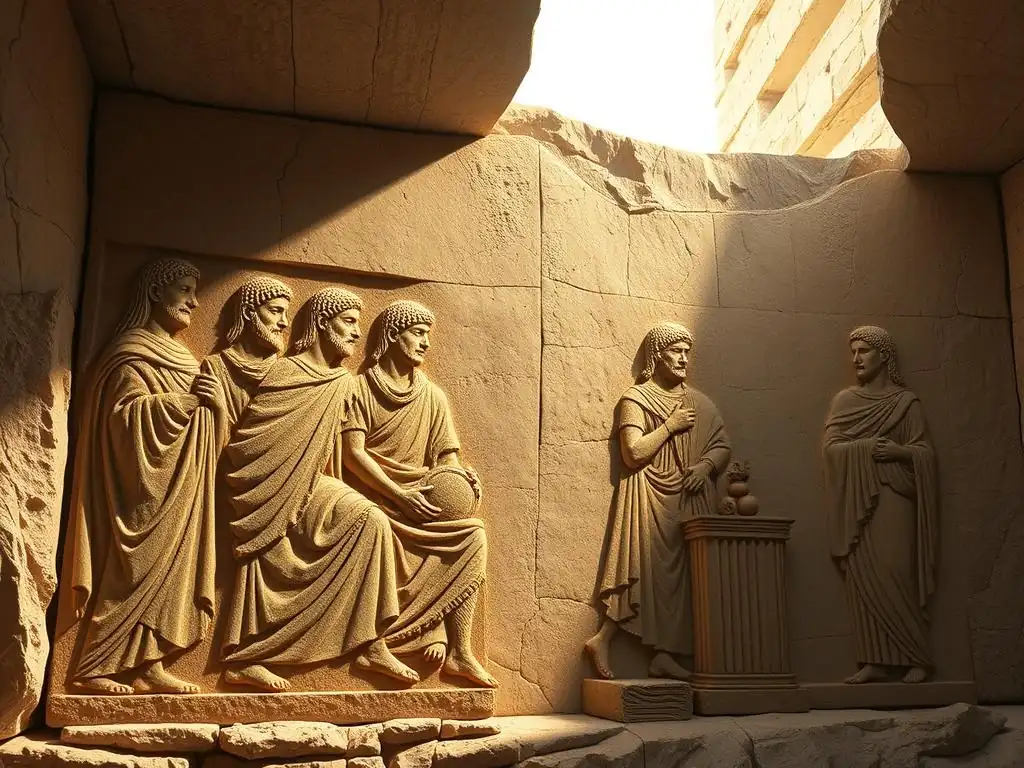
The cornerstone of heritage protection in Turkey is Law No. 2863 on the Protection of Cultural and Natural Assets, enacted in 1983 and subsequently amended. This comprehensive legislation firmly establishes state ownership of all antiquities found within Turkish territory, a principle that underpins all archaeological activity. It mandates strict regulations for archaeological excavations, requiring official permits from the Ministry of Culture and Tourism for any scholarly or rescue operation.
Furthermore, the law outlines severe penalties for illegal excavation, looting, and the illicit trade of cultural property, demonstrating a firm commitment to safeguarding national heritage. This robust legal framework empowers Turkish archaeologists and the relevant state bodies to control and manage all archaeological activities, ensuring that discoveries are properly documented, conserved, and integrated into the national heritage inventory according to established standards and international conventions.
The Role of the Ministry of Culture and Tourism
The Ministry of Culture and Tourism plays a central and indispensable role in the protection and management of Turkey's archaeological heritage. Through its General Directorate of Cultural Heritage and Museums, the Ministry is responsible for granting excavation permits, overseeing all archaeological fieldwork, managing a vast network of museums, and implementing national policies related to heritage protection. It also plays a key role in the repatriation of illegally exported artifacts.
The Ministry allocates significant resources to archaeological projects, coordinates both national and international collaborative initiatives, and ensures that the most effective heritage preservation techniques are consistently applied across the country. Its extensive bureaucratic structure and dedicated personnel are crucial for the systematic management, conservation, and promotion of Turkey's archaeological sites and artifacts.
Community Engagement and Public Awareness Initiatives
Recognizing that heritage protection is a shared responsibility, Turkish archaeologists and the Ministry of Culture and Tourism increasingly prioritize community engagement and public awareness initiatives. These efforts include educational programs for schoolchildren, interactive exhibitions in museums, and public lectures designed to foster a sense of ownership and pride in cultural heritage among local populations.
Such initiatives are vital in combating illegal activities like looting, as informed communities are more likely to report suspicious activities and protect nearby sites. By integrating local communities into heritage management plans and promoting sustainable tourism that benefits local economies, Turkish archaeologists aim to create a lasting partnership between the past and the present, ensuring the long-term viability and protection of archaeological sites.
Case Studies: Successful Heritage Preservation Projects Led by Turkish Archaeologists
The Zeugma Mosaic Museum: A Triumph of Rescue Archaeology
The construction of the Birecik Dam on the Euphrates River in the late 1990s posed an imminent threat to the ancient Roman city of Zeugma, renowned for its exquisite mosaics. Faced with the impending inundation, a massive, urgent rescue excavation was launched, primarily led by Turkish archaeologists in collaboration with international teams. This rapid intervention was a race against time to save invaluable cultural assets.
The project was a resounding success, leading to the recovery of thousands of square meters of intricate Roman mosaics, many of which were still in remarkable condition. These masterpieces, depicting mythological scenes and daily life, were meticulously detached, conserved using advanced heritage preservation techniques, and subsequently housed in the Zeugma Mosaic Museum in Gaziantep, which opened in 2011. This museum, one of the largest mosaic museums in the world, stands as a powerful testament to the effectiveness of rescue archaeology and the dedication of Turkish archaeologists in preserving heritage under extreme pressure.
Restoring the Ancient City of Ani: A Cross-Border Collaboration
The ancient city of Ani, located in eastern Turkey on the border with Armenia, is a UNESCO World Heritage site and a poignant symbol of medieval Armenian architecture. Once a thriving capital and a major trade hub on the Silk Road, Ani boasts numerous churches, mosques, and fortifications, many of which were in various states of ruin due to centuries of neglect and seismic activity. The preservation of Ani presents unique challenges due to its remote location and harsh climate.
Ongoing restoration efforts, led by Turkish archaeologists and conservation experts, often involve collaboration with international bodies like the World Monuments Fund. These projects employ a combination of traditional and modern heritage preservation techniques to stabilize crumbling structures, address structural decay, and protect delicate frescoes from further deterioration. The meticulous work at Ani exemplifies a profound commitment to preserving a shared cultural heritage and showcasing the capacity of Turkish archaeologists to undertake large-scale, complex conservation projects.
Protecting the Underwater Heritage of Bodrum: The Bodrum Museum of Underwater Archaeology
Bodrum, a coastal city in southwestern Turkey, is not only a popular tourist destination but also a global hub for maritime archaeology. The Bodrum Museum of Underwater Archaeology, housed within the magnificent Bodrum Castle, is unique in its focus on artifacts recovered from the seabed. Its collection includes extraordinary finds from famous shipwrecks, such as the Uluburun (14th century BCE) and the Glass Wreck (11th century CE), offering unparalleled insights into ancient seafaring and trade.
The museum is more than just an exhibition space; it is a leading research and conservation center. Turkish archaeologists and conservators based at Bodrum have pioneered and refined specific heritage preservation techniques for waterlogged organic materials (like wood and rope) and metals recovered from marine environments. Their expertise in desalination, freeze-drying, and other specialized treatments has made the Bodrum Museum an international reference point for the study and preservation of underwater cultural heritage.
Challenges and Future Directions for Turkish Archaeology
Combating Illegal Excavation and Looting
One of the most persistent and damaging challenges facing Turkish archaeology is illegal excavation and the illicit trade of antiquities. Driven by economic motivations, these activities cause irreparable harm to archaeological contexts, destroying invaluable historical information and often leading to the loss of artifacts from their original cultural settings. Despite stringent laws and increased enforcement, the vast number of sites makes comprehensive protection difficult.
Turkish archaeologists, in collaboration with law enforcement agencies, including the gendarmerie and Interpol, are continuously devising strategies to combat this problem. These efforts include increasing patrols at vulnerable sites, implementing public education campaigns to raise awareness about the damage caused by looting, and actively participating in international efforts to repatriate stolen cultural property. The battle against illegal excavation remains a critical and ongoing priority.
Integrating Technology for Enhanced Heritage Management
The future of archaeology in Turkey will undoubtedly see an accelerated integration of advanced technology for enhanced heritage management. Turkish archaeologists are increasingly embracing innovative tools such as remote sensing (including Lidar and satellite imagery) for the non-invasive discovery of new sites and monitoring existing ones over vast areas. Artificial intelligence (AI) holds promise for analyzing large datasets, identifying patterns, and assisting in the interpretation of complex archaeological information.
Furthermore, advancements in material science are continually refining heritage preservation techniques, offering new solutions for the long-term stability and conservation of diverse archaeological materials. The adoption of these cutting-edge technologies will enable Turkish archaeologists to improve efficiency in site discovery, enhance the precision of documentation, and implement more comprehensive and sustainable management strategies for their nation's vast archaeological assets.
Fostering Sustainable Tourism and Community Involvement
As Turkey's archaeological sites attract millions of visitors annually, fostering sustainable tourism is a crucial future direction. This involves balancing the economic benefits of tourism with the imperative to minimize its environmental and physical impact on fragile ancient sites. Turkish archaeologists advocate for responsible tourism practices, including controlled access, clear visitor pathways, and educational signage, to ensure the long-term preservation of these invaluable resources.
Equally important is the continued emphasis on involving local communities in heritage management. By providing economic alternatives to illicit activities and fostering a sense of pride and ownership in their local heritage, communities can become active partners in protection efforts. This collaborative approach is seen by Turkish archaeologists as essential for the long-term viability of archaeological sites and the effective implementation of heritage preservation techniques, ensuring that the past can continue to enrich the present and future.
Conclusion: Celebrating the Dedication of Turkish Archaeologists
The Ongoing Legacy of Discovery and Preservation
The role of Turkish archaeologists in the discovery and preservation of their national heritage is nothing short of monumental. They have not only unveiled an extraordinary tapestry of ancient civilizations, from the earliest human settlements at Göbeklitepe to the grand metropolises of Rome and Byzantium, but have also developed and applied sophisticated heritage preservation techniques to safeguard these irreplaceable treasures. Their tireless dedication ensures that Turkey's unique position as a cultural crossroads continues to yield invaluable insights into the human story.
Their ongoing work is a continuous process of adaptation, embracing new challenges and integrating cutting-edge technologies. From meticulous stratigraphic excavations to advanced digital archaeology and specialized conservation laboratories, Turkish archaeologists are at the forefront of protecting and interpreting a globally significant cultural inheritance, ensuring that it remains accessible and understood for generations to come.
The Future of Archaeology in Turkey and Its Global Impact
The future of archaeology in Turkey promises continued excitement and innovation. With new sites constantly being discovered and existing ones revealing deeper secrets, Turkey will remain a vibrant archaeological hotspot. The commitment of Turkish archaeologists to integrating advanced technologies, combating illicit activities, and fostering sustainable community involvement will further enhance their capacity for comprehensive heritage management.
Ultimately, the dedication of Turkish archaeologists not only enriches Turkey's profound national identity but also makes an invaluable contribution to the global understanding of human history, cultural development, and the art of heritage preservation techniques. Their unwavering commitment ensures that the echoes of ancient civilizations continue to resonate, informing our present and inspiring our future.
Frequently Asked Questions
How are Turkish archaeologists contributing to the discovery of new archaeological sites?
Turkish archaeologists play a vital role through systematic surveys, excavation projects, and collaboration with local communities. They utilize advanced technologies like remote sensing and GIS mapping to identify potential sites.
What specific heritage preservation techniques are Turkish archaeologists employing?
They are using a variety of techniques, including site stabilization, artifact conservation, and digital documentation. Traditional methods are combined with modern technologies to ensure long-term preservation.
How does ArchaeologyHub.org support the work of Turkish archaeologists?
ArchaeologyHub.org provides a platform for sharing research findings, promoting collaboration, and increasing public awareness of Turkish archaeological heritage. It acts as a digital repository for information and resources.
What challenges do Turkish archaeologists face in preserving national heritage?
Common challenges include funding limitations, looting, and natural disasters. Balancing development with heritage preservation is also a key concern.
What is the significance of Turkish archaeologists in understanding ancient civilizations?
Their work is crucial for understanding the history and culture of various civilizations that have inhabited Anatolia. They contribute to a deeper understanding of global heritage through their discoveries.
Final Reflection: Unearthing the Soul of a Nation
The journey through the history of Turkish archaeology, as explored in this article, underscores its critical role in shaping national identity and preserving cultural memory. The techniques employed by Turkish archaeologists are not merely academic exercises; they are acts of profound national significance, connecting present generations to the rich tapestry of their past and safeguarding that legacy for the future. The ongoing discoveries and meticulous preservation efforts highlight the dedication and expertise that define the field.
This exploration has deeply resonated, reminding us that heritage preservation is not just about protecting artifacts; it's about safeguarding the stories, traditions, and values that define us. It's a continuous dialogue between the past and the present, ensuring that the voices of our ancestors continue to echo through time. A nation that does not know its past has no future.
This quote, often attributed to various historical figures, perfectly encapsulates the profound responsibility that Turkish archaeologists shoulder in preserving the nation's cultural inheritance.
As we conclude, let us consider our own role in this ongoing narrative. How can we, as individuals, contribute to the appreciation and preservation of cultural heritage, both within Turkey and beyond? Let us embrace the lessons learned from the dedication of Turkish archaeologists and strive to become active participants in safeguarding the treasures of the past, ensuring that they continue to inspire and enrich generations to come.
Unearth Your Inner Explorer: Join the Archaeological Journey!
Thank you for delving into the fascinating world of Turkish archaeology and the dedication of its professionals. We hope you've gained a deeper appreciation for their vital role in preserving our shared human story. Now, it’s time to become a part of that story yourself.
Here's how you can get involved:
- Consider donating to a Turkish archaeological society: Your contribution, no matter the size, can help fund vital research, preservation efforts, and educational programs.
- Explore online resources to learn more about ongoing digs in Turkey and see how you can potentially volunteer your time and skills.
- Share this article with friends and family to spread awareness about the importance of protecting Turkish cultural heritage.
What specific site in Turkey are you most curious to learn more about, and what steps will you take this week to explore it further?