
The Role of the Temple and Palace in Early Sumerian Economic Redistribution

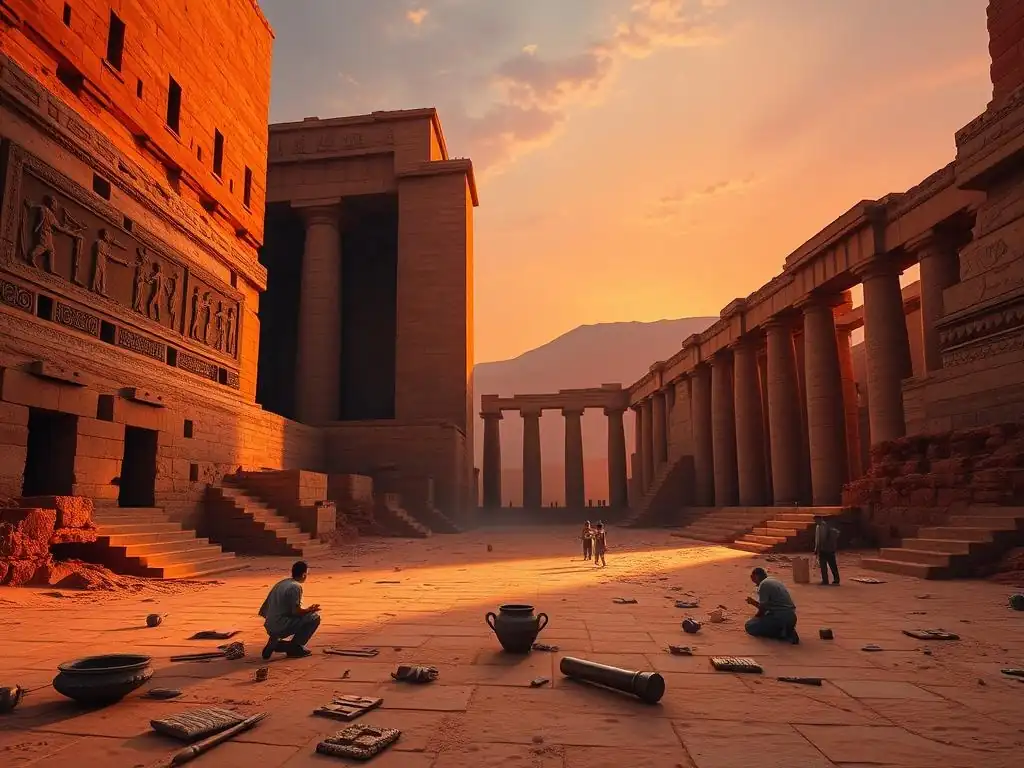
Welcome to ArchaeologyHub.org, your gateway to unlocking the secrets of the past. Ever wondered how the earliest civilizations managed their resources? This meticulously researched article delves into the intricate world of Sumerian temple palace economics, revealing the surprising role of these institutions in early economic redistribution. Prepare to uncover fascinating insights into the foundations of Mesopotamian society and discover how these ancient systems shaped the world we know today. Intrigued? Let's explore!
- Introduction: Understanding Sumerian Temple Palace Economics
- The Temple's Central Role in Sumerian Economic Life
- The Palace's Emergence and its Economic Influence
- The Interplay Between Temple and Palace in Economic Redistribution
- Economic Redistribution Mechanisms: How the System Worked
-
Archaeological Evidence: Supporting the Temple Palace Economy Model
- Excavations at Uruk: Unveiling Temple Complexes and Administrative Centers
- Discoveries at Ur: Royal Tombs and Evidence of Palace Wealth
- Cuneiform Texts: Providing Insights into Economic Transactions and Administration
- Clay Tablets Detailing Grain Distribution and Cylinder Seals Depicting Royal Authority
- The Impact of Temple-Palace Economics on Sumerian Society
- Alternative Interpretations and Debates
- Conclusion: The Legacy of Sumerian Temple Palace Economics
-
Frequently Asked Questions
- What was the primary function of temples and palaces in early Sumerian society, according to ArchaeologyHub.org?
- How did the economic system described on ArchaeologyHub.org differ from modern market economies?
- What evidence does ArchaeologyHub.org present to support the claim of temple and palace economic control?
- According to ArchaeologyHub.org, what types of goods were typically managed by Sumerian temples and palaces?
- Did the system described on ArchaeologyHub.org provide for all levels of Sumerian society, or was it limited to a specific class?
- Final Reflection: Echoes of Sumerian Sharing
- Unearth Your Own Sumerian Insights!
Introduction: Understanding Sumerian Temple Palace Economics
Setting the Stage: Early Sumerian Civilization and its Economic Foundations
Early Sumerian civilization, flourishing in Mesopotamia between the fourth and third millennia BCE, laid the groundwork for complex societies in the ancient world. Situated between the Tigris and Euphrates rivers, this region benefited from incredibly fertile alluvial plains, which, when coupled with sophisticated irrigation systems, allowed for unprecedented agricultural surpluses. This foundational economic strength enabled the growth of urban centers like Uruk, Ur, and Lagash, fostering population density and the specialization of labor beyond mere food production. The sheer volume of agricultural output necessitated innovative methods of management and distribution, propelling the development of elaborate administrative structures.
The emergence of these early city-states was intrinsically linked to their evolving economic systems. Beyond subsistence farming, Sumerian society saw the rise of specialized craftsmen, merchants, soldiers, and administrators, all of whom relied on a centralized system to provide for their needs. This complex interdependence meant that the traditional household economy, while still present, was increasingly supplemented and eventually overshadowed by larger institutional frameworks. Understanding these early economic foundations is crucial for grasping the subsequent development of Sumerian temple palace economics.
The Importance of Economic Redistribution in Sumerian Society
Economic redistribution was not merely a convenient practice in Sumerian society; it was a fundamental mechanism for societal stability and growth. In an environment where agricultural yields could vary and specialized labor was non-food producing, a centralized system was vital to mitigate risks like famine, support an increasingly diverse workforce, and fund large-scale public works. This system ensured that the surplus wealth generated by the fertile lands was collected, managed, and then reallocated to various segments of the population, including those who did not directly engage in food production.
The necessity for such a system arose from the very structure of urban life. With thousands of people living in close proximity, managing resources efficiently became paramount. Redistribution allowed for the provisioning of temple personnel, palace officials, soldiers, and artisans, enabling them to dedicate their time to specialized tasks crucial for the city-state's functioning and defense. This intricate system of collecting and distributing goods formed the backbone of early Sumerian urban living, making Sumerian temple palace economics a defining characteristic of their societal organization.
The Temple's Central Role in Sumerian Economic Life
The Temple as an Economic Hub: Ownership of Land and Resources
From the earliest periods, the temple stood as the undisputed central economic authority in Sumerian city-states. Dedicated to the city's patron deity, the temple was not merely a place of worship but a vast economic enterprise, often owning immense tracts of agricultural land. These "god's estates" could encompass thousands of hectares, cultivated by temple dependents or leased out to tenants who paid a portion of their harvest as rent. For example, textual evidence from Lagash (Girsu) suggests the temple of Ningirsu controlled vast agricultural lands, supporting a large administrative staff and numerous laborers.
Beyond arable land, temples also controlled pastures for livestock, orchards, and even fishing rights. They possessed their own workshops, producing textiles, pottery, and metal goods, and maintained large herds of sheep and cattle. This extensive ownership of productive assets made the temple the largest single economic entity in many Sumerian cities, allowing it to accumulate significant wealth and resources. This foundational control over land and resources cemented the temple's position as a primary driver of early Sumerian temple palace economics.
Temple Administration and the Management of Agricultural Surplus
The management of the temple's vast economic holdings necessitated a highly sophisticated administrative apparatus. Hundreds of scribes, overseers, and managers were employed to meticulously record every aspect of production, storage, and distribution. Cuneiform tablets, many of which have been excavated, provide detailed accounts of agricultural output, livestock inventories, and labor assignments. For instance, tablets from the temple archives of Umma document grain yields and the movement of goods with remarkable precision.
Temple officials were responsible for collecting the harvest, processing raw materials, and ensuring efficient storage in massive granaries. These administrative functions were critical for transforming raw agricultural produce into a managed surplus that could sustain the non-food-producing population. The ability of the temple to organize and manage this complex logistical challenge was a testament to its organizational power and its pivotal role in the Sumerian temple palace economics.
Storage and Redistribution of Goods: The Temple's Granaries and Workshops
The physical infrastructure of the temple reflected its economic might, with large granaries and storage facilities being prominent features of temple complexes. Archaeological excavations at sites like Lagash (Girsu) have revealed extensive storage buildings capable of holding thousands of tons of grain, ensuring food security for the city-state. Beyond raw materials, the temple also operated numerous workshops where skilled artisans, under temple oversight, transformed wool into textiles, barley into beer, and various materials into tools and other manufactured goods.
These finished products were then systematically redistributed. Temple dependents, including laborers, artisans, and administrative staff, received regular rations of barley, oil, and textiles as payment for their services. For example, a common male laborer might receive around 60 liters of barley per month, while skilled workers and administrators received larger or more varied rations. This direct provisioning system ensured the livelihood of a significant portion of the urban population and demonstrated the temple's central role in the practical application of Sumerian temple palace economics.
The Temple's Role in Trade and Exchange Networks
While often focused on internal redistribution, the temple also played a significant role in Sumerian trade and exchange networks, both local and long-distance. As the primary accumulator of surplus agricultural goods and manufactured items (especially textiles), temples often had commodities available for exchange. They were particularly keen to acquire resources not available in Mesopotamia, such as timber from the Zagros Mountains, metals like copper and tin from distant lands (e.g., Magan, modern Oman), and precious stones like lapis lazuli from Afghanistan.
Temple administrators would organize expeditions or engage with professional merchants to facilitate these exchanges, using their surplus barley, textiles, and manufactured goods as currency. The temple's vast wealth and organized bureaucracy made it a formidable participant in these early trade ventures, contributing to the broader economic integration of the region. This involvement in external trade underscores the comprehensive nature of the temple's economic reach within the framework of Sumerian temple palace economics.
The Palace's Emergence and its Economic Influence
From Temple to Palace: The Rise of Secular Power
While the temple initially held primary economic and political authority, the Early Dynastic period witnessed the gradual emergence of a distinct secular power: the palace. This shift was often driven by the increasing need for strong military leadership amidst inter-city conflicts and the consolidation of political authority in the hands of a Lugal (king) or Ensi (city-ruler). As rulers began to command greater military forces and undertake larger public works, their residences evolved from modest dwellings into monumental palace complexes, rivaling the temples in scale and grandeur.
The rise of the palace marked a significant rebalancing of power within the city-state. While the temple retained its religious and considerable economic influence, the palace began to assert its own distinct sphere of authority, particularly in matters of defense, justice, and large-scale infrastructure projects. This development introduced a dual power structure, setting the stage for the complex interactions that would define Sumerian temple palace economics.
The Palace's Acquisition of Land and Resources
Parallel to its growing political stature, the palace began to accumulate its own extensive landholdings and resources, distinct from those of the temple. These lands were often acquired through military conquest, confiscation from defeated enemies, or direct grants from the ruler. The palace also commanded a significant workforce, including soldiers, specialized artisans, and corvée laborers, who were obligated to work on royal projects for a certain period each year.
The palace's economic base allowed it to support its retinue, military, and administrative staff independently. It controlled its own granaries and storage facilities, though perhaps on a smaller scale than the largest temples initially. This independent resource base was crucial for the palace to establish and maintain its authority, enabling it to fund its ambitions and assert its influence within the evolving framework of Sumerian temple palace economics.
Royal Workshops and Specialized Production under Palace Control
Just as temples operated workshops, palaces also established and controlled their own specialized production facilities. These royal workshops often focused on manufacturing goods for the elite, the military, and for diplomatic purposes. This included high-quality metalwork (weapons, tools, jewelry), intricate stonework, and luxury textiles. For instance, archaeological finds from the Royal Tombs of Ur showcase exquisite gold and lapis lazuli artifacts, indicating the palace's control over precious materials and skilled artisans.
The output from royal workshops was often distinct from temple production, which tended to focus on more communal goods like basic textiles and foodstuffs. Palace workshops produced items that symbolized royal power and prestige, used for courtly life, gifts to allies, or as equipment for the elite soldiery. This specialized production highlights another facet of the palace's economic power within the broader scope of Sumerian temple palace economics.
The Palace's Role in Long-Distance Trade and Military Campaigns
The palace played a more direct and proactive role in long-distance trade, particularly in securing strategic resources and luxury goods. Rulers would organize extensive trading expeditions or military campaigns to ensure access to vital materials like copper from Magan, tin from distant sources (possibly Anatolia or Central Asia), and timber from the cedar forests of Lebanon. These ventures were often backed by military force, ensuring the safe passage of goods and the subjugation of resource-rich areas.
Military campaigns, such as those led by Lugalzagesi of Umma (c. 2350 BCE) who briefly united much of Sumer, were frequently motivated by the desire to control trade routes and extract tribute, thereby directly enriching the palace. The palace's ability to mobilize large armies and organize complex logistical operations for both trade and warfare was a defining characteristic of its economic influence. This aggressive pursuit of resources significantly shaped the dynamics of Sumerian temple palace economics.
The Interplay Between Temple and Palace in Economic Redistribution
A Dual System: Temple and Palace Coexistence
In early Sumerian city-states, the temple and palace often coexisted as powerful, yet distinct, economic and political entities, forming a dual system of governance and redistribution. While the temple traditionally represented the sacred authority, embodying the city's connection to its patron deity and managing the "god's estates," the palace embodied secular, military, and judicial power. This meant that resources, labor, and administrative functions were often divided between these two major institutions.
Despite their distinct roles, their functions frequently overlapped and complemented each other. Both owned land, employed large workforces, operated workshops, and engaged in collection and redistribution. This dual structure allowed for a robust, albeit sometimes competitive, system of resource management that was critical for the functioning of the complex urban societies of Sumer. The interplay between these two pillars was central to the operation of Sumerian temple palace economics.
Competition and Cooperation: Defining the Relationship
The relationship between the temple and the palace was a complex tapestry of both competition and cooperation. Competition often arose over control of valuable agricultural land, access to labor, and political influence. Historical records, such as the famous conflict between the city-states of Umma and Lagash over a disputed border area known as the Gu'edena, highlight how disputes over resources could escalate into prolonged warfare, often with the palace (ruler) of each city vying for economic dominance.
However, cooperation was also common and essential for the city-state's survival. Both institutions benefited from a stable and prosperous society, and they often collaborated on large-scale public works projects, particularly the construction and maintenance of the vital irrigation networks. The palace might provide military protection for temple lands, while the temple's administrative capacity could assist in record-keeping for royal affairs. This dynamic push-and-pull defined the intricate nature of Sumerian temple palace economics.
Temple Oversight of Irrigation Projects and Palace Control of Military Resources
A clear division of labor, reflecting both cooperation and distinct spheres of influence, often characterized the management of critical resources. The temple, with its deep roots in the community and its vast agricultural holdings, typically retained significant oversight over the intricate irrigation networks—the lifeblood of Sumerian agriculture. Managing the construction, maintenance, and allocation of water from canals required extensive planning and labor mobilization, tasks often coordinated by temple administrators. This ensured the productivity of the land and the overall well-being of the city-state.
In contrast, the palace assumed primary control over military resources. This included the provisioning of soldiers, the acquisition of weaponry (such as copper and tin for bronze production), and the organization of defensive structures and offensive campaigns. The palace's ability to command and provision a standing army was crucial for protecting the city-state's economic assets, including temple lands, and for securing trade routes. This specialized control over distinct, yet interdependent, resources illustrates the nuanced balance within Sumerian temple palace economics.
Economic Redistribution Mechanisms: How the System Worked
Taxation and Tribute: Funding the Temple and Palace
The temple and palace maintained their vast operations through various forms of taxation and tribute. The temple typically received a portion of the harvest from its tenants and dependents, often around one-third to one-half of the yield, in addition to regular offerings from the populace. This system, akin to a tithe, ensured a steady inflow of agricultural produce. The palace, on the other hand, collected taxes directly from its subjects, which could include a percentage of their produce or labor.
Furthermore, tribute from conquered territories or subject city-states formed a significant source of income for the palace. This tribute might be in the form of raw materials, manufactured goods, or even labor. For instance, the Ur III period (a later phase, but building on Early Dynastic foundations) famously employed a bala system, where various provinces rotated the responsibility of providing goods and labor to the central state. These mechanisms were fundamental to funding the extensive administrative, religious, and military apparatus that underpinned Sumerian temple palace economics.
Labor Obligations: Mobilizing the Workforce for Public Projects
A cornerstone of Sumerian economic redistribution was the system of labor obligations, often referred to as corvée labor. Citizens were typically required to dedicate a certain period each year to public works projects for either the temple or the palace. This mobilized a massive workforce for monumental undertakings that would be impossible through voluntary means or paid labor alone. Examples include the digging and maintenance of vast irrigation canals, the construction of monumental ziggurats and temples, and the building of city walls.
These labor drafts ensured that critical infrastructure was built and maintained, directly benefiting the entire community while being managed by the central institutions. Records from Lagash, for example, detail the organization of hundreds, sometimes thousands, of laborers for specific projects. This compulsory labor system was a direct means of extracting value from the population and channeling it into projects that served the collective interests of the city-state, making it an integral component of Sumerian temple palace economics.
Feasts and Rituals: Redistributing Resources to the Population
Beyond direct payments or rations, feasts and rituals served as crucial mechanisms for redistributing resources back to the general population, fostering social cohesion and reinforcing the legitimacy of the ruling institutions. Both the temple and the palace sponsored numerous religious festivals throughout the year, which often involved large-scale public banquets. During these events, substantial amounts of food, beer, and other goods accumulated in institutional stores were distributed freely to the populace.
These elaborate celebrations not only fulfilled religious obligations but also served a practical economic purpose. They provided a safety net for the less fortunate, showcased the generosity of the gods and rulers, and reinforced the social contract between the governing elite and the common people. By participating in these shared consumption events, the populace was reminded of the institutions' role in their well-being, solidifying the social and economic order inherent in Sumerian temple palace economics.
Barley Rations for Laborers and Wool Distribution During Festivals
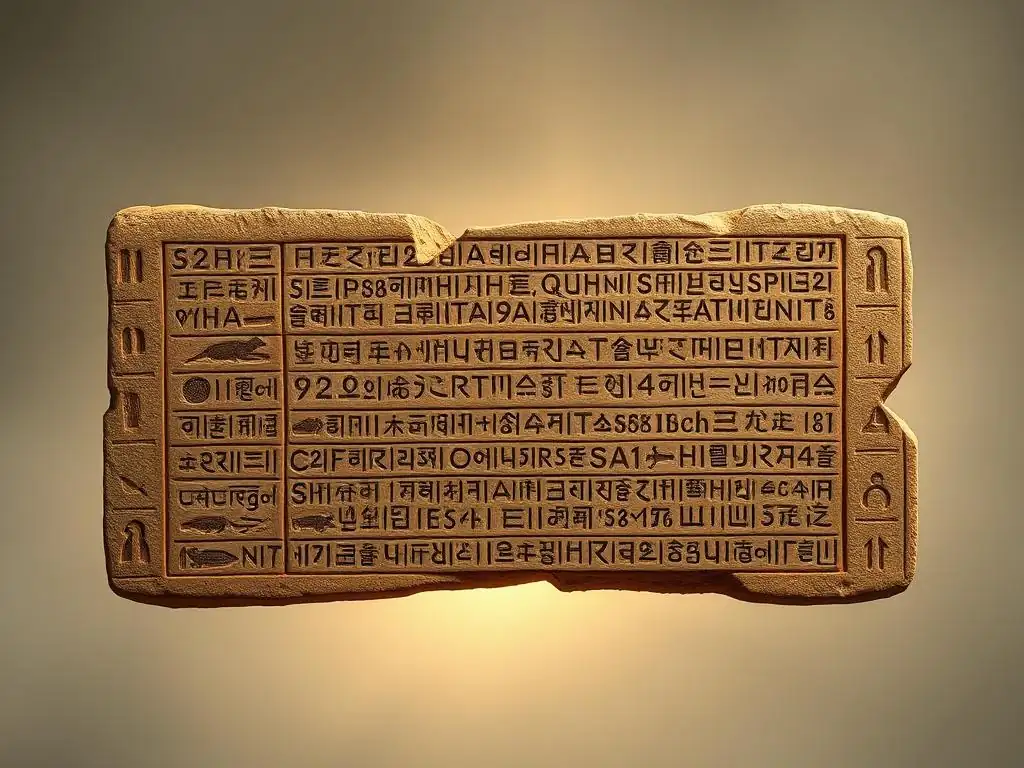
Concrete examples of redistribution abound in cuneiform texts. Laborers working for the temple or palace, known as guruš (male laborers) or geme (female laborers), received regular rations as their primary form of payment. A typical daily ration for a male worker might be around 2-3 liters of barley, accumulating to approximately 60-90 liters per month. These rations, meticulously recorded on clay tablets, ensured the sustenance of a vast workforce engaged in various institutional activities, from farming to construction.
Furthermore, during major religious festivals or as part of annual distributions, the temple or palace would often distribute wool or finished textiles. These distributions provided essential clothing and blankets, particularly important in a region with significant temperature fluctuations. These tangible examples of direct provisioning highlight the practical application of Sumerian temple palace economics, demonstrating how centralized control of resources translated into direct benefits for the population, albeit unequally distributed.
Archaeological Evidence: Supporting the Temple Palace Economy Model
Excavations at Uruk: Unveiling Temple Complexes and Administrative Centers
The archaeological excavations at Uruk, one of the earliest and largest Sumerian cities, provide compelling evidence for the temple-palace economic model. The monumental Eanna precinct, dedicated to the goddess Inanna, encompasses several massive temple structures, including the renowned White Temple, and extensive administrative buildings. These structures, built on a scale requiring immense labor and resources, clearly indicate a centralized authority capable of organizing vast economic undertakings.
Discoveries within the Eanna complex include thousands of proto-cuneiform tablets, dating to the late 4th millennium BCE. These earliest forms of writing are overwhelmingly administrative in nature, detailing the movement of goods, labor assignments, and resource inventories, directly reflecting the economic activities managed by the temple institution. The sheer size and complexity of Uruk's temple and administrative centers undeniably support the concept of a powerful, centrally controlled economy, a hallmark of Sumerian temple palace economics.
Discoveries at Ur: Royal Tombs and Evidence of Palace Wealth
The excavations at Ur, particularly Sir Leonard Woolley's discovery of the Royal Cemetery, offer dramatic insights into the wealth and power accumulated by the palace. The elaborate "Royal Tombs," dating to the Early Dynastic III period (c. 2500-2350 BCE), contained an astonishing array of luxury goods: intricate gold jewelry, lapis lazuli cylinder seals, silver and copper vessels, and highly decorated musical instruments. These artifacts demonstrate the palace's ability to command vast resources, including precious materials imported from distant lands, and to employ highly skilled artisans.
Beyond the tombs, the monumental Ziggurat of Ur and its surrounding temple and palace complexes further underscore the scale of institutional investment in public works. The presence of distinct royal residences, clearly separate from but often adjacent to major temple complexes, reinforces the dual nature of power and economic control. The material wealth unearthed at Ur provides tangible proof of the palace's significant role in the accumulation and display of resources within Sumerian temple palace economics.
Cuneiform Texts: Providing Insights into Economic Transactions and Administration
Perhaps the most invaluable source of information for understanding Sumerian economic redistribution comes from the thousands of cuneiform tablets unearthed across Mesopotamia. These administrative texts, dating from the late 4th millennium BCE onwards, offer a direct window into the daily workings of temple and palace economies. Excavated archives from sites like Lagash (Girsu), Umma, Fara (Shuruppak), and Ur provide detailed records of land tenure, agricultural yields, labor contracts, ration lists, trade agreements, and tribute payments.
These texts meticulously document the collection of produce, the allocation of resources, and the management of large workforces. For instance, the archive from Girsu, part of Lagash, comprises tens of thousands of tablets detailing the economic activities of the temple of Ningirsu, including records of barley, wool, and livestock. This textual evidence is unparalleled in its ability to illuminate the intricate bureaucratic systems that underpinned Sumerian temple palace economics.
Specific examples from cuneiform tablets directly illustrate the mechanisms of economic redistribution. Numerous clay tablets document the precise amounts of grain, beer, oil, and other foodstuffs distributed as rations to laborers, soldiers, priests, and administrators. For instance, tablets from the Ur III period (which inherited much from the Early Dynastic system) specify daily barley rations for different types of workers, often detailing quantities like 60 liters per month for a male laborer. These records confirm the systematic nature of the institutional provisioning.
Furthermore, cylinder seals, often found alongside tablets or used to seal important documents and storeroom doors, frequently depict scenes related to institutional authority and economic control. Images of rulers or deities receiving tribute, overseeing laborers, or engaging in ritual acts of provisioning reinforce the visual representation of centralized economic power. The combination of detailed textual accounts of distribution and the symbolic representations on seals provides robust archaeological and epigraphic support for the model of Sumerian temple palace economics.
The Impact of Temple-Palace Economics on Sumerian Society
The centralized nature of Sumerian temple palace economics profoundly influenced the social structure of early Sumerian society, leading to clear and pronounced social stratification. At the apex were the priestly elites and palace officials—the king, his family, and high-ranking administrators—who controlled vast resources and commanded significant power. Below them were specialized professionals such as scribes, artisans, and soldiers, who were directly supported by the temple or palace through rations and provisions.
At the base of the social pyramid were the commoners: farmers, laborers, and dependent workers who cultivated the institutional lands or performed corvée labor. While they received sustenance, their access to surplus wealth and luxury goods was significantly limited compared to the elites. This system created a hierarchical society where economic standing was closely tied to one's relationship with the dominant institutions, solidifying the roles of elites and commoners.
Technological Innovation: Driving Economic Growth
The demands of Sumerian temple palace economics acted as a powerful catalyst for technological innovation, driving economic growth and efficiency. The need to manage vast agricultural surpluses led to advancements in irrigation techniques, including the construction of complex canal networks and water control systems. The invention of the plow, often depicted on cylinder seals, significantly increased agricultural productivity.
Furthermore, the institutional workshops fostered specialized crafts, leading to innovations in metallurgy (e.g., bronze production), pottery (the potter's wheel), and textile manufacturing. Perhaps most significantly, the sheer volume of economic transactions and administrative records necessitated the invention of writing itself—cuneiform script—which began as a system for accounting and inventory management in temple complexes around 3400 BCE. These innovations were not accidental but were direct responses to the logistical and productive requirements of a centrally managed economy.
Urban Development: Shaping the Landscape of Sumerian Cities
The concentration of economic and political power within the temple and palace institutions was the primary driver of urban development in Sumer. These institutions served as magnets for population, attracting people from surrounding rural areas seeking work, protection, and access to resources. This led to the rapid growth of large urban centers like Uruk, which by 2900 BCE may have housed between 50,000 and 80,000 inhabitants within its city walls.
The monumental architecture of Sumerian cities—the massive ziggurats, sprawling temple precincts, and fortified palace complexes—were direct physical manifestations of the institutions' economic might and their ability to mobilize vast amounts of labor and resources. These grand structures not only served functional purposes but also symbolized the power and prestige of the ruling elite, shaping the distinct urban landscape of early Sumer and demonstrating the profound impact of Sumerian temple palace economics on the built environment.
One of the defining characteristics of Sumerian temple palace economics was the differential access to resources among various social strata. While the system ensured basic sustenance for many, the vast majority of wealth, luxury goods, and decision-making power remained concentrated in the hands of the temple and palace elites. Common laborers received fixed rations, designed for subsistence, whereas priests, scribes, and high officials enjoyed significantly larger and more varied provisions, along with access to imported goods and specialized services.
Social mobility within this system was generally limited, with one's status often determined by birth or one's role within the institutional hierarchy. While exceptional skill (e.g., as a master artisan or a highly literate scribe) could provide some avenues for advancement within the temple or palace administration, the overall structure was quite rigid. This economic stratification contributed to the stability of the system by clearly defining roles and expectations, but also meant that the benefits of Sumerian prosperity were not equally shared.
Alternative Interpretations and Debates
Challenging the Traditional Model of Temple-Palace Dominance
While the evidence for significant temple and palace involvement in the Sumerian economy is undeniable, scholarly debates have emerged challenging the traditional model of their absolute dominance. Some historians and archaeologists argue that earlier interpretations might have overemphasized the extent of central control, perhaps projecting later Mesopotamian state structures onto the nascent Early Dynastic period. These alternative views suggest that the picture of Sumerian temple palace economics might be more nuanced, involving a greater degree of decentralization than previously assumed.
This re-evaluation often stems from a closer look at the available textual and archaeological data, questioning whether the records we possess, which are predominantly from institutional archives, fully represent the entire economic landscape. It's argued that focusing solely on temple and palace documents might give a skewed perspective, potentially underestimating other economic activities.
The Role of Private Enterprise and Individual Initiative
A key aspect of these alternative interpretations is the argument for a more significant role played by private enterprise and individual initiative in the Sumerian economy. While the temple and palace were undoubtedly large economic actors, evidence suggests the existence of private land ownership, individual merchants, and small-scale workshops operating outside direct institutional control. Cuneiform texts, for instance, occasionally document private loans, sales of property between individuals, and independent trading ventures.
These smaller-scale economic activities, though perhaps less visible in the grand institutional records, indicate that the Sumerian economy was not a monolithic, centrally planned system. Individual households and private entrepreneurs likely engaged in various forms of production, exchange, and accumulation of wealth, contributing to the overall economic vitality. This perspective suggests that Sumerian temple palace economics coexisted with, and perhaps even relied upon, a parallel sphere of private economic activity.
Re-evaluating the Scale and Scope of Redistribution
The extent to which the temple and palace controlled the entire economy is another point of contention. Some scholars propose that the proportion of the economy directly managed by these institutions, while substantial, might have been closer to 30-50% rather than the much higher figures (e.g., 80-90%) sometimes suggested by older models. This re-evaluation is often based on analyses of land tenure patterns, the estimated size of the non-institutional population, and the interpretation of various legal and administrative texts.
Debates also revolve around the nature of "redistribution" itself. Was it a comprehensive system where all major goods flowed through central institutions, or was it more focused on specific sectors (like staple foodstuffs and key raw materials) while other goods circulated through market-like mechanisms? These discussions highlight the ongoing scholarly effort to refine our understanding of Sumerian temple palace economics, acknowledging its complexity and the limitations of our current evidence.
Conclusion: The Legacy of Sumerian Temple Palace Economics
The Enduring Impact on Mesopotamian Civilization
The economic structures pioneered by the early Sumerians, particularly the intricate interplay of temple and palace in resource management and redistribution, cast a long shadow over subsequent Mesopotamian civilizations. The administrative techniques, bureaucratic systems, and monumental building traditions established during the Early Dynastic period formed the blueprint for later empires such as the Akkadian Empire, the Ur III Dynasty, and the Old Babylonian period. The concept of centralized control over land, labor, and vital resources, often supported by sophisticated accounting systems (cuneiform), remained a cornerstone of Mesopotamian economic organization for millennia.
The legacy of Sumerian temple palace economics is evident in the continued construction of vast temple-ziggurat complexes and royal palaces, which continued to serve as economic hubs throughout ancient Near Eastern history. The methods of taxation, labor mobilization (corvée), and institutional provisioning evolved but remained fundamentally rooted in Sumerian precedents, demonstrating the enduring impact of these early innovations on the economic fabric of the region.
Lessons for Understanding Early State Formation and Economic Organization
The study of Sumerian temple palace economics offers invaluable lessons for understanding the broader processes of early state formation and the development of complex economic organization. Sumer provides one of the earliest and best-documented case studies of a society transitioning from small, egalitarian communities to large, hierarchical urban states. The intricate mechanisms of resource management, labor specialization, and wealth redistribution illustrate how early civilizations addressed the challenges of feeding, governing, and defending large, non-kin-based populations.
This system demonstrates how religious and political authority became intertwined with economic control, providing a powerful model for the emergence of centralized power. The Sumerian experience highlights the critical role of agricultural surplus, administrative innovation, and institutional capacity in fostering urbanism and civilization itself, offering profound insights into the foundational principles of economic systems in the ancient world.
Further Research: Exploring Unanswered Questions about Sumerian Economics
Despite extensive archaeological and philological research, many questions about Sumerian temple palace economics remain unanswered, inviting further scholarly inquiry. The precise proportion of the economy controlled by institutions versus private enterprise continues to be a subject of debate, requiring more nuanced analysis of existing and newly discovered texts. Understanding the exact mechanisms of market exchange, the role of individual merchants, and the extent of private wealth accumulation outside the institutional sphere are areas ripe for further investigation.
Moreover, ongoing research aims to better understand the long-term sustainability of this centralized system, how it adapted to environmental changes, and its eventual transformations. Continued archaeological excavations, coupled with advanced philological analysis of cuneiform tablets and interdisciplinary approaches, will undoubtedly refine our understanding of this fascinating and foundational economic system, offering ever deeper insights into the earliest forms of complex human organization.
Frequently Asked Questions
What was the primary function of temples and palaces in early Sumerian society, according to ArchaeologyHub.org?
Temples and palaces served as central hubs for the redistribution of resources within early Sumerian society. This included agricultural surplus and crafted goods.
How did the economic system described on ArchaeologyHub.org differ from modern market economies?
The Sumerian system relied heavily on centralized control and redistribution, unlike modern markets with decentralized production and exchange based on supply and demand.
What evidence does ArchaeologyHub.org present to support the claim of temple and palace economic control?
Archaeological finds like administrative tablets and storage facilities filled with goods showcase the scale and organization of the temple and palace economies.
According to ArchaeologyHub.org, what types of goods were typically managed by Sumerian temples and palaces?
The main goods managed were agricultural products such as grain and livestock, as well as craft items like textiles and pottery produced by specialized artisans.
Did the system described on ArchaeologyHub.org provide for all levels of Sumerian society, or was it limited to a specific class?
While the system aimed for broad distribution, evidence suggests it likely benefited elites more, reinforcing social hierarchies and power structures within Sumerian society.
Final Reflection: Echoes of Sumerian Sharing
The intricate dance between the temple and palace in early Sumerian society, as explored in this article, isn't just an ancient history lesson; it's a powerful reminder of the enduring human need for equitable resource distribution. The mechanisms of Sumerian temple palace economics, though millennia old, offer valuable insights into the complexities of managing resources and fostering societal well-being, a challenge that remains acutely relevant in our world today.
The legacy of this early system continues to resonate, shaping our understanding of economic models and the potential for centralized institutions to play a role in societal welfare. Personally, I find the concept of a system designed, at least in theory, to minimize disparity incredibly compelling, especially when contrasted with the inequalities prevalent in modern society. The wealth of the community was concentrated in the hands of the temple and the palace, but it was used for the benefit of the community.
This quote encapsulates the core principle of the Sumerian system, a principle that, in its purest form, offers a compelling vision for a more just and balanced world.
As we reflect on the Sumerian model of temple palace economics, let us consider its implications for our own time. How can we learn from their successes and failures to create more equitable and sustainable systems of resource management? Let us strive to build societies where the benefits of prosperity are shared by all, echoing the spirit of cooperation and communal responsibility that once thrived in the fertile crescent.
Unearth Your Own Sumerian Insights!
Thanks for delving into the fascinating world of early Sumerian economics with us! Now that you’ve explored the intricate dance between temples, palaces, and redistribution, let's put that knowledge to practical use.
- Boldly research a specific aspect of Sumerian economics that piqued your interest. Dive deeper into cuneiform texts or archaeological reports to uncover new layers of understanding.
- Share this article with a friend or colleague who appreciates ancient history and economic systems. Spark a discussion about the complexities of resource management in early civilizations.
- Imagine you were an advisor to a Sumerian ruler. What innovative economic policies would you suggest to improve their redistribution system, and how would you ensure fairness and efficiency?