
Cyrene: Archaeology of a Greek Polis in North Africa – Its Foundation and Development

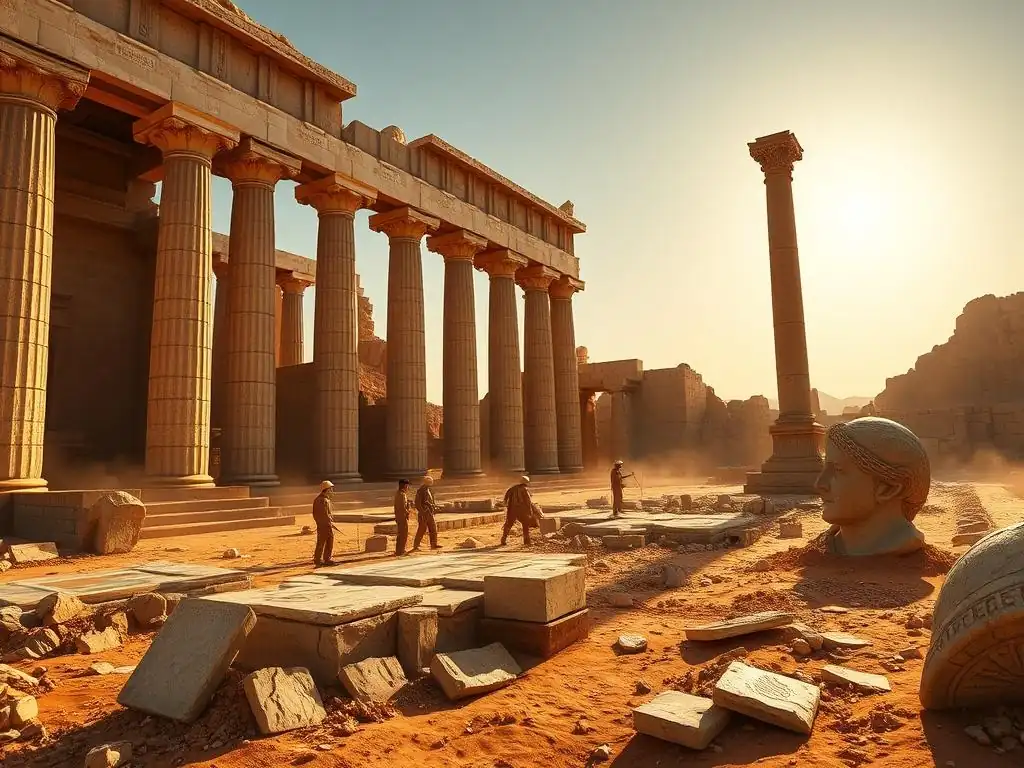
Welcome to ArchaeologyHub.org, your gateway to the past! Ever wondered how a vibrant Greek city thrived against the backdrop of the North African desert? Dive into our comprehensive exploration of Cyrene archaeology in North Africa, uncovering the secrets of its foundation, its unique development, and the lasting legacy of this remarkable Polis. Unearth the layers of history – the story of Cyrene awaits!
- Introduction: Exploring Cyrene's Archaeological Significance in North Africa
- The Foundation of Cyrene: A Greek Colony in Libyan North Africa
- Cyrene's Archaic Period: Growth and Political Development
- Cyrene's Classical and Hellenistic Eras: Flourishing Culture and Architecture
- Roman Cyrene: Integration and Transformation
- Cyrene Archaeology: Key Excavation Sites and Discoveries
- Challenges in Cyrene Archaeology: Preservation and Future Research
- Conclusion: Cyrene as a Window into Ancient Greek Life in North Africa
-
Frequently Asked Questions
- How was Cyrene initially founded, and what made its location in North Africa strategically important?
- What are some significant archaeological discoveries made at the Cyrene site that shed light on its history?
- What excavation techniques are particularly useful for uncovering and preserving artifacts at a complex site like Cyrene?
- How did Cyrene evolve from a Greek polis to a city under Roman rule, and what evidence of this transition can archaeologists find?
- What role did Cyrene play in the wider context of ancient North African civilizations, and how does archaeology help us understand these interactions?
- Final Reflection: Echoes of Cyrene's Enduring Legacy
- Rediscover the Ancient Wonders of Cyrene!
Introduction: Exploring Cyrene's Archaeological Significance in North Africa
Cyrene's Place Within Archaeological Research
Cyrene holds a unique and profoundly important position within the broader field of archaeological research, particularly concerning ancient Greek colonization. As one of the most significant Greek poleis established in North Africa, its extensive and remarkably well-preserved archaeological remains offer an unparalleled window into the dynamics of Greek expansion beyond the Aegean Sea. The city's blend of Hellenic cultural practices with local Libyan influences, alongside its long occupational history spanning from the 7th century BCE through the Roman and Byzantine periods, makes it a critical site for studying cultural interaction and urban evolution in the ancient Mediterranean.
The rich archaeological record of Cyrene provides a comprehensive view of urban development, architectural styles, religious practices, and economic life across several centuries. Its designation as a UNESCO World Heritage site in 1982 underscores its global significance and the integrity of its surviving structures, including monumental temples, public buildings, and extensive necropoleis. Continuous excavation and study at Cyrene archaeology North Africa contributes significantly to our understanding of ancient urban planning, material culture, and the intricate social structures of a major ancient city.
Understanding Ancient Greek Colonization Through Cyrene's History
Cyrene serves as a prime case study for understanding the complex motivations, processes, and long-term impacts of ancient Greek colonization. Traditional historical accounts, notably from Herodotus, provide a narrative of its foundation, offering insights into the political and environmental pressures, such as drought and land scarcity in the homeland of Thera (modern Santorini), that compelled Greeks to seek new settlements. Archaeology at Cyrene helps to verify and elaborate upon these literary sources, providing tangible evidence of the initial phases of settlement and the subsequent growth of the polis.
The archaeological findings at Cyrene illuminate the practicalities of establishing a Greek city in a foreign land, from the layout of its earliest streets and residential areas to the development of sophisticated civic institutions and religious sanctuaries. By examining the material culture, architectural phases, and urban planning, researchers can trace the evolution of the colony from a nascent settlement to a powerful and prosperous city-state. This detailed understanding of Cyrene archaeology offers invaluable perspectives on how Greek identity was maintained, adapted, and influenced by interactions with indigenous populations in a distinct North African context.
The Foundation of Cyrene: A Greek Colony in Libyan North Africa
The Oracle of Delphi and the Motivation for Cyrene's Colonization
The traditional narrative of Cyrene's foundation, primarily recounted by Herodotus, emphasizes the pivotal role of the Oracle of Delphi. According to this account, Battus, a stuttering prince from Thera, sought the Oracle's advice on his speech impediment but was instead instructed to found a city in Libya. This divine command provided a powerful religious sanction for what was likely a pragmatic expedition, driven by severe socio-economic pressures on Thera, including prolonged drought and potential overpopulation, around the mid-7th century BCE. The Oracle's pronouncements served to legitimize the perilous journey and unify the colonists under a shared divine purpose.
This narrative, while possibly embellished over time, aligns with archaeological evidence of early Greek presence in the region, suggesting a deliberate and organized venture rather than an accidental settlement. The search for fertile land, reliable water sources, and new opportunities was a critical underlying motivation for this colonization effort. The archaeological investigations in Cyrenaica have confirmed the early Greek arrival and the establishment of a settlement, reinforcing the historical accounts of a planned migration to this specific part of North Africa, driven by both necessity and prophetic guidance.
Battus I and the Initial Settlement: Early Cyrenean Archaeology
Battus I led the Theran colonists to the coast of Libya, arriving approximately 631 BCE. Initial attempts at settlement, possibly on the nearby island of Platea or at Aziris on the mainland, proved difficult, reinforcing the Oracle's instruction to settle further inland. Eventually, the colonists established their permanent settlement on the fertile plateau where Cyrene would flourish, drawn by the abundant Spring of Apollo. This initial phase involved the arduous task of clearing land, constructing rudimentary shelters, and establishing a defensible position for the nascent polis.
Early Cyrenean archaeology provides tangible evidence of this foundational period. Excavations have unearthed pottery fragments, such as Protocorinthian ware, dating to the late 7th century BCE, found near the acropolis and the Sanctuary of Apollo. These artifacts confirm the presence of the earliest Greek settlers and offer insights into their initial material culture. The layout of the earliest parts of the city, including the initial street grids and defensive structures, as revealed through archaeological surveys, further corroborates the historical accounts of a planned and organized settlement under Battus I, laying the groundwork for future Cyrene archaeology North Africa.
Geographical Advantages: Why Cyrene Was Strategically Located
Cyrene's location was chosen with remarkable strategic foresight, offering a combination of natural advantages that ensured its long-term prosperity and defense. Situated on a high plateau (the Jebel Akhdar), approximately 10 kilometers inland from the Mediterranean coast, the city benefited from a consistently fertile agricultural hinterland. Crucially, it possessed abundant fresh water sources, most notably the perennial Spring of Apollo, which contrasted sharply with the arid conditions prevalent in much of North Africa and made extensive cultivation possible.
Beyond its agricultural potential, Cyrene's elevated position provided a natural defensive advantage, offering commanding views of the surrounding plains and the distant sea, thus protecting it from both land-based and maritime threats. While not directly on the coast, its port at Apollonia, located about 17 kilometers away, provided convenient access to Mediterranean trade routes without exposing the main city to direct naval attacks. This combination of defensibility, agricultural wealth, and access to trade routes made Cyrene an exceptionally well-placed and viable location for a thriving Greek polis, a key factor in its enduring significance in Cyrene archaeology.
Cyrene's Archaic Period: Growth and Political Development
From Monarchy to Oligarchy: Political Evolution in Early Cyrene
In its early centuries, Cyrene was governed by a hereditary monarchy under the Battiad dynasty, which ruled for eight generations. This period was marked by significant growth but also by internal political strife, particularly regarding the distribution of land and power.
These tensions culminated in the reforms attributed to Demonax of Mantinea around 550 BCE, who was invited to mediate by the Delphic Oracle. Demonax's reforms aimed to curb the absolute power of the monarchy, redistributing authority among the Cyrenean citizens and establishing a more oligarchic system with a council and specific magistracies, though the king retained certain religious functions.
Archaeological evidence from this era, such as the construction of public spaces and the increasing number of dedications in sanctuaries, reflects these shifting power dynamics and the emergence of a broader civic identity beyond purely monarchical rule. The development of a more formalized urban plan and the construction of public buildings during the late Archaic period suggest a growing emphasis on communal governance and shared civic life. These developments are crucial for understanding the political landscape and social organization of early Cyrene archaeology.
Economic Foundations: Agriculture, Trade, and Cyrene's Prosperity
Cyrene's immense prosperity during the Archaic period was founded upon its exceptional agricultural wealth. The fertile soil of the Jebel Akhdar plateau allowed for abundant grain production, making Cyrene a significant exporter of cereals across the Mediterranean. However, the most distinctive and lucrative commodity was silphium, a now-extinct plant native exclusively to Cyrenaica. Highly valued for its medicinal properties, culinary uses, and contraceptive qualities, silphium became an emblem of Cyrene's wealth, frequently depicted on its coinage and generating vast revenues.
This economic prosperity fueled extensive trade networks, connecting Cyrene with mainland Greece, particularly Athens and Corinth, as well as with Egypt and other North African communities. Archaeological finds of imported fine pottery, such as Attic Black-Figure and later Red-Figure wares, alongside bronze objects and other luxury goods, attest to Cyrene's robust commercial ties and the considerable wealth generated by its unique natural resources. This robust economic foundation was critical to the city's development and is a central theme in Cyrene archaeology North Africa.
Archaeological Evidence of Early Cyrenean Life: Terracotta Figurines and Early Sanctuaries
The archaeological record offers vivid glimpses into early Cyrenean life, particularly through its religious practices and material culture. Thousands of terracotta figurines, many dating from the Archaic period, have been unearthed, notably from the Sanctuary of Demeter and Persephone. These votive offerings, often depicting deities or worshippers, provide invaluable insights into the religious beliefs, cult practices, and artistic styles of the 6th and 5th centuries BCE. The sheer volume of these finds suggests widespread participation in religious rituals and a thriving local artistic tradition.
Furthermore, the earliest phases of key sanctuaries, such as the Sanctuary of Apollo, demonstrate construction beginning in the late 7th or early 6th century BCE. Architectural fragments, dedications to Apollo, and early altars found within the sanctuary complex illustrate the nascent religious and civic life of the polis. These early structures and artifacts are fundamental to understanding the formative years of Cyrene, revealing how the colonists established their sacred spaces and integrated their religious traditions into their new North African home, thereby enriching the field of Cyrene archaeology.
Cyrene's Classical and Hellenistic Eras: Flourishing Culture and Architecture
The Cyrene School of Philosophy: Intellectual Achievements
During the Classical and Hellenistic periods, Cyrene not only flourished economically but also became a significant intellectual center, notably giving rise to the Cyrenaic school of philosophy. Founded by Aristippus (c. 435–356 BCE), a pupil of Socrates, this school espoused a form of hedonism, asserting that the highest good is the pursuit of immediate, individual pleasure. Aristippus's teachings and those of his successors, including his daughter Arete and grandson Aristippus the Younger, profoundly influenced later philosophical thought, including Epicureanism.
The emergence of such a sophisticated philosophical school in Cyrene reflects the city's advanced intellectual environment, fostered by its wealth, stability, and connections to the wider Hellenic world. While direct archaeological evidence of philosophical schools is rare, the general prosperity, the presence of public libraries (known from inscriptions), and the monumental urban development visible in the city's remains indirectly support the existence of a society capable of supporting learned individuals and abstract thought. This intellectual contribution is a notable aspect of Cyrene's cultural legacy and its broader Cyrene archaeology.
Architectural Marvels: The Temple of Zeus and Other Key Structures
The Classical and Hellenistic eras witnessed the construction of monumental architectural marvels that underscored Cyrene's wealth and prestige. Foremost among these is the Temple of Zeus, built in the 5th century BCE, which rivaled the Parthenon in its colossal scale, measuring approximately 70 meters long and 30 meters wide. This Doric peripteral temple, adorned with impressive sculptures, was a powerful testament to Cyrene's devotion to the Olympian gods and its ability to undertake ambitious public works.
Other significant architectural achievements from these periods include the Agora, which was continually expanded and embellished, becoming the civic and commercial heart of the city. The Theatre, initially built in the Greek style, and the Gymnasium also saw significant development and beautification. The quality of masonry, the sophisticated use of local limestone, and the sheer scale of these projects demonstrate advanced urban planning, engineering capabilities, and a deep appreciation for monumental architecture within Cyrene archaeology.
Cyrene's Trade Networks: Connecting North Africa to the Hellenic World
Throughout the Classical and Hellenistic periods, Cyrene solidified its position as a major trading hub in the Mediterranean, facilitated by its well-developed port at Apollonia. The city's economic strength was built on the export of its abundant agricultural produce, particularly grain and olive oil, and the highly prized silphium. In return, Cyrene imported a wide array of goods, including luxury items, fine pottery (such as Attic Red-Figure and Black-Figure wares), bronze objects, and marble, connecting it intricately with the Hellenic world.
Archaeological finds across Cyrene vividly illustrate these extensive trade networks. Numerous fragments of Attic pottery, for instance, have been recovered from various parts of the city, indicating strong commercial ties with Athens. Similarly, Egyptian artifacts, including statuettes and amulets, reflect connections with the Ptolemaic kingdom, particularly during the Hellenistic period when Cyrenaica was under Ptolemaic control. This robust and diversified trade underscores Cyrene's deep integration into the broader Hellenistic economy, making it a crucial site for understanding ancient economic systems through Cyrene archaeology North Africa.
Roman Cyrene: Integration and Transformation
Cyrene Under Roman Rule: Political and Administrative Changes
Cyrene's relationship with Rome evolved from an alliance to full integration into the Roman Empire. After being bequeathed to Rome by Ptolemy Apion in 96 BCE, Cyrenaica was formally established as a Roman province in 74 BCE, eventually merged with Crete to form the province of Creta et Cyrenaica. This annexation brought significant political and administrative changes, including the imposition of Roman law, the introduction of Roman governance structures, and the integration of the region into the vast Roman imperial system.
Under Roman rule, the local Greek elite often adopted Roman customs, citizenship, and titles while largely maintaining their Hellenic cultural identity. The city witnessed the construction of Roman-style fora, basilicas, and administrative buildings, often alongside or incorporating existing Greek structures, illustrating a unique cultural synthesis. Roman governors and officials administered the province, ensuring the collection of taxes and the maintenance of order, which profoundly impacted the city's political landscape, a significant phase for Cyrene archaeology.
Roman Architectural Influence: Additions and Modifications to Cyrene
The Roman period brought a wave of significant architectural additions and modifications to Cyrene, transforming its urban fabric. Roman engineering prowess and design principles were evident in new constructions such as the Roman Theatre, which was built over the existing Greek one, the impressive Baths of Trajan, and the Forum of Hadrian. These structures often utilized local materials but adhered to distinct Roman architectural styles, demonstrating the imperial power and influence.
Furthermore, existing Greek structures were frequently renovated, adapted, or integrated into Roman urban planning schemes. For example, the Sanctuary of Apollo saw considerable Roman additions and restorations, and the Agora was reconfigured with new porticoes and monuments. The sheer volume of Roman statuary, dedications, and Latin inscriptions found throughout the site further underscores the profound Roman influence on the city's monumental landscape, offering rich insights for Cyrene archaeology.
The Cyrene Earthquake of 365 AD: A Turning Point
The catastrophic earthquake of July 21, 365 AD, which caused widespread devastation across the Eastern Mediterranean, proved to be a pivotal and ultimately ruinous event for Cyrene. The tremor, followed by a tsunami along the coast, caused immense damage to the city's infrastructure, toppling monumental structures, collapsing buildings, and likely leading to significant loss of life. While many ancient cities experienced earthquakes, the 365 AD event was particularly destructive for Cyrene, impacting nearly every part of its urban core.
This devastating natural disaster marked a significant turning point in Cyrene's history, from which it never fully recovered its former glory. While some rebuilding efforts occurred in the subsequent decades, the city's prominence waned considerably, and many structures lay in ruins, contributing to its eventual decline and abandonment in the following centuries. The archaeological evidence of this destruction, visible in collapsed walls and fractured monuments, provides a stark reminder of the forces that shaped the ancient world and is a critical aspect of understanding the later phases of Cyrene archaeology.
Cyrene Archaeology: Key Excavation Sites and Discoveries
The Sanctuary of Apollo: Unveiling Religious Practices
The Sanctuary of Apollo, situated in the lower city of Cyrene, is one of the most extensively excavated and significant areas of the site. Its long history of continuous use, spanning from the 7th century BCE through the Roman period, makes it a central locus for understanding Cyrenean religious practices. The sanctuary complex includes the impressive Temple of Apollo, numerous altars, a Propylaea, a theatre, and a bath complex, reflecting centuries of devotion and architectural evolution.
Key discoveries within the sanctuary include a vast array of votive offerings, ranging from small terracotta figurines to monumental statuary, providing unparalleled insights into the deities worshipped and the nature of religious rituals. Inscriptions detailing dedications, priestly offices, and religious regulations have also been unearthed, illuminating the organizational structure of the cult. The architectural phases of the various structures within the sanctuary further demonstrate the artistic patronage and evolving religious traditions of Cyrene archaeology North Africa.
The Necropolis of Cyrene is one of the largest and most varied ancient burial grounds in the Mediterranean world, sprawling over approximately 10 square kilometers. Its diverse array of tombs, including elaborate rock-cut chamber tombs, free-standing sarcophagi, and tumuli, reflects the different periods of occupation (from Archaic to Roman) and the varied social strata of Cyrenean society. Many tombs are richly decorated with frescoes, sculptures, and architectural facades, mimicking the city's grandeur.
The contents of these tombs—including pottery, jewelry, coins, and funerary stelae—provide crucial information about Cyrenean social structure, wealth distribution, funerary rituals, and artistic styles across centuries. For instance, the presence of elaborate chamber tombs suggests the existence of a wealthy elite, while simpler burials indicate the resting places of less affluent citizens. The sheer scale and diversity of the necropolis offer a unique and profound window into the lives, beliefs, and death customs of the ancient inhabitants of Cyrene, making it a cornerstone of Cyrene archaeology.
Recent Archaeological Discoveries: Unearthing New Insights into Domestic Life
While monumental public structures have long been the focus of Cyrene archaeology, recent archaeological endeavors have increasingly turned towards uncovering the nuances of domestic life. Excavations in residential quarters have begun to reveal more about the layouts of private homes, the sophisticated water management systems that supplied them, and the everyday artifacts that characterize household activities. These discoveries offer a more intimate understanding of how ordinary citizens lived, worked, and interacted within the polis.
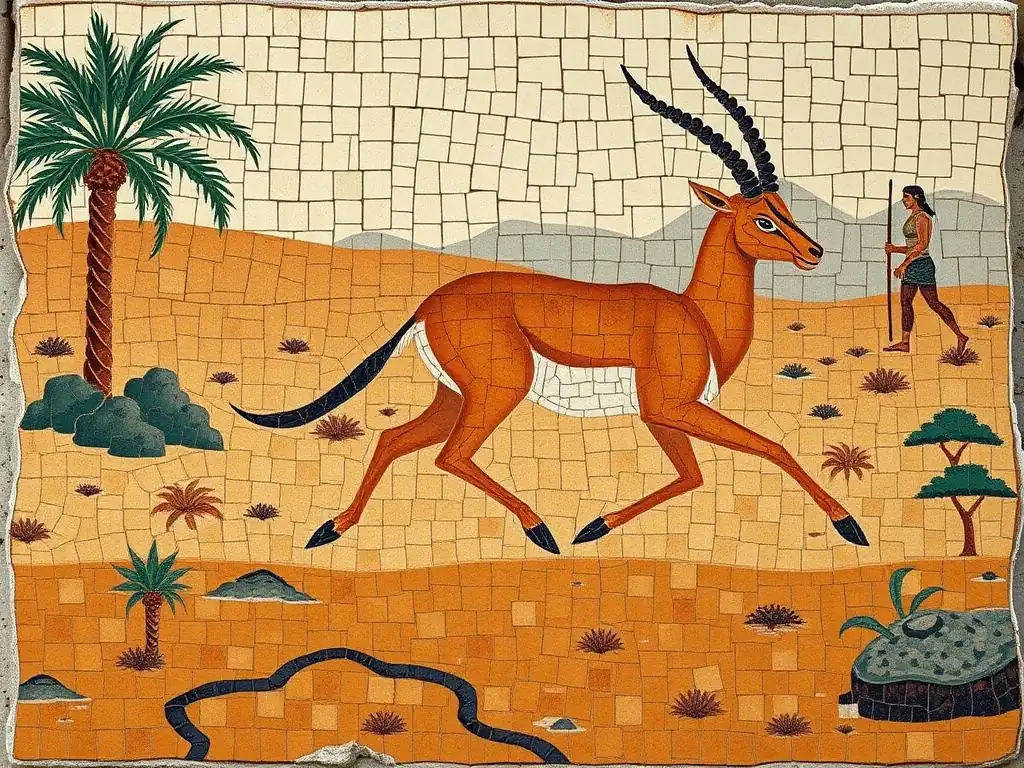
For example, the unearthing of well-preserved mosaic floors in domestic dwellings, dating primarily from the Roman period, provides valuable insights into the artistic tastes, living standards, and decorative preferences of Cyrene's inhabitants. Furthermore, the analysis of pottery fragments, tools, and organic remains from household contexts helps reconstruct dietary habits, economic activities, and social dynamics. These ongoing, smaller-scale finds complement the grand architectural narratives, painting a more complete and detailed picture of life in ancient Cyrene, thereby continually enriching the scope of Cyrene archaeology.
Challenges in Cyrene Archaeology: Preservation and Future Research
Threats to Cyrene's Archaeological Heritage: Erosion and Looting
Cyrene's archaeological heritage faces significant and persistent threats, both natural and anthropogenic. Natural processes such as wind and water erosion, exacerbated by changing climatic patterns, continually degrade exposed structures, delicate surfaces, and ancient inscriptions. The soft limestone bedrock, while easy to carve for tombs and foundations, is susceptible to weathering, leading to the deterioration of intricate details and structural integrity.
More acutely, the site has been plagued by illicit looting and the trafficking of artifacts, particularly during periods of political instability in Libya. This illegal activity not only robs the site of invaluable historical context, as artifacts are removed from their original archaeological layers, but also causes irreparable damage to the archaeological remains through destructive excavation methods. These combined threats pose a severe challenge to the long-term preservation of Cyrene archaeology and its invaluable historical record.
Preservation Efforts: Protecting Cyrene for Future Generations
Despite the challenges, significant international and local efforts are underway to preserve Cyrene for future generations. Organizations such as UNESCO, which inscribed Cyrene on the World Heritage List in 1982 and subsequently on the List of World Heritage in Danger in 2016 due to threats, play a crucial role in advocating for and supporting conservation initiatives. Various archaeological missions, often in collaboration with Libyan antiquities authorities, implement comprehensive site management plans.
Specific preservation techniques employed at Cyrene include the consolidation of crumbling walls and structures using modern conservation materials, the implementation of improved drainage systems to mitigate water damage, and the application of protective coverings for fragile mosaics and frescoes. These efforts are vital for stabilizing the site's most vulnerable areas, mitigating the effects of natural degradation, and safeguarding Cyrene's unique archaeological heritage for continued study and public appreciation.
Future Research Directions: Unanswered Questions and Potential Discoveries in Cyrene
Despite extensive excavations over the past century, many unanswered questions about Cyrene remain, pointing towards exciting future research directions. Further excavation of the lower city, including unexplored residential quarters and industrial areas, could shed more light on the everyday lives of ordinary citizens, their economic activities beyond agriculture and trade, and the social dynamics within different neighborhoods. Understanding the interactions between the Greek colonists and the indigenous Libyan populations also remains a rich area for further investigation.
Moreover, the application of new technologies holds immense potential for future discoveries in Cyrene archaeology. Remote sensing techniques, such as LiDAR (Light Detection and Ranging) and ground-penetrating radar, could be utilized to map unexplored subterranean structures and identify buried features without invasive excavation. This non-destructive approach could lead to significant new discoveries, reveal previously unknown parts of the city, and deepen our understanding of the urban planning and spatial organization of Cyrene archaeology North Africa across its long history.
Conclusion: Cyrene as a Window into Ancient Greek Life in North Africa
Cyrene's Lasting Impact on North African History
Cyrene stands as a profound testament to the enduring legacy of Greek culture in North Africa, maintaining its Hellenic identity and influence for over a millennium. Its establishment marked a significant eastward expansion of Greek civilization, shaping the cultural, economic, and political landscape of the wider Cyrenaica region. The city served as a vibrant nexus for the exchange of ideas, goods, and technologies between the Greek world, indigenous Libyan communities, and later the Roman Empire, leaving an indelible mark on the region's historical trajectory.
From its strategic foundation blessed by the Oracle of Delphi to its flourishing as an intellectual and economic powerhouse, Cyrene's history reflects a remarkable adaptability and resilience. Its monumental architecture, philosophical schools, and extensive trade networks underscore its pivotal role in the ancient Mediterranean. The archaeological remains of Cyrene continue to provide invaluable insights into the complex processes of colonization, cultural interaction, and urban development in antiquity, cementing its lasting impact on North African history and beyond.
The Importance of Continued Cyrene Archaeological Research
The importance of continued archaeological research at Cyrene cannot be overstated. Despite extensive excavations by various international teams over the last century, much remains to be discovered and understood about this complex and historically rich site. The vastness of its necropolis, the multi-layered urban fabric, and the potential for uncovering new evidence of daily life and inter-cultural relations mean that Cyrene continues to yield crucial insights into the ancient world.
Ongoing research is vital not only for academic understanding but also for the critical task of preserving and presenting this invaluable part of global heritage to future generations. Continued fieldwork, coupled with advanced scientific analysis and conservation efforts, will help to safeguard the site against natural degradation and illicit activities. By dedicating resources to further Cyrene archaeology North Africa, we ensure that the story of this remarkable Greek polis in North Africa continues to be told, enriching our collective understanding of human history and cultural exchange.
Frequently Asked Questions
How was Cyrene initially founded, and what made its location in North Africa strategically important?
Cyrene was founded by Greek colonists from Thera (Santorini) around the 7th century BCE. Its location in North Africa offered access to fertile land and trade routes, crucial for its early growth and prosperity. The area also provided access to the Mediterranean Sea.
What are some significant archaeological discoveries made at the Cyrene site that shed light on its history?
Significant discoveries include the Temple of Apollo, the Sanctuary of Demeter and Persephone, and numerous Greco-Roman sculptures. These finds provide insight into Cyrene's religious practices, artistic achievements, and cultural interactions.
What excavation techniques are particularly useful for uncovering and preserving artifacts at a complex site like Cyrene?
Stratigraphic excavation is essential for understanding the chronological sequence of deposits. Techniques like photogrammetry and 3D modeling help document and preserve fragile artifacts and architectural remains in situ.
How did Cyrene evolve from a Greek polis to a city under Roman rule, and what evidence of this transition can archaeologists find?
Cyrene transitioned through periods of Ptolemaic rule before becoming part of the Roman Empire. Archaeological evidence includes changes in architectural styles, inscriptions reflecting Roman governance, and imported Roman artifacts, illustrating the shift in power and culture.
What role did Cyrene play in the wider context of ancient North African civilizations, and how does archaeology help us understand these interactions?
Cyrene served as a major cultural and economic hub in North Africa, facilitating trade and cultural exchange with other civilizations. Archaeological findings reveal interactions with indigenous Libyan populations and other Mediterranean powers, helping us understand the region's interconnected history and multicultural influences.
Final Reflection: Echoes of Cyrene's Enduring Legacy
The journey through Cyrene's history, from its ambitious foundation to its complex development, reveals a narrative far more relevant than a simple archaeological excavation. The echoes of Cyrene's rise and fall resonate powerfully today, reminding us of the cyclical nature of civilizations and the enduring power of cultural exchange across geographical boundaries. Understanding Cyrene's story provides invaluable insights into the dynamics of ancient societies and the lasting impact of their interactions.
This exploration of Cyrene's archaeology has not only illuminated the physical remnants of a once-thriving polis, but also underscored the profound connection we have to the past and the lessons it holds for our present. The city's story, etched in stone and whispered through the sands of North Africa, serves as a potent reminder of the fragility of even the most seemingly invincible empires. The past is never dead. It's not even past.
- William Faulkner. This quote encapsulates the enduring relevance of Cyrene, a testament to the fact that understanding our history is crucial for navigating our future.
As we conclude this exploration of Cyrene's archaeological treasures, I invite you to reflect on the lessons learned from this ancient city. Consider how the principles of cultural exchange, adaptation, and resilience, so evident in Cyrene's story, can be applied to your own life and community. Let the echoes of Cyrene inspire you to build a future that honors the past while embracing the possibilities of tomorrow.
Rediscover the Ancient Wonders of Cyrene!
Thank you for exploring the fascinating history of Cyrene! We hope this journey through its foundation and development has sparked your curiosity about the ancient world. Now, let's bring that knowledge to life with some engaging actions.
- Plan your own virtual expedition! Delve deeper by researching specific aspects of Cyrene's architecture, society, or religious practices that intrigued you most.
- Share this article with a fellow history enthusiast to ignite their passion for North African archaeology.
- Imagine you are an archaeologist uncovering Cyrene. What one artifact would you most hope to find, and what would it tell you about the city's people?