
Archaeological Evidence for Old Assyrian Trade: Artifacts, Sites, and Interpretations

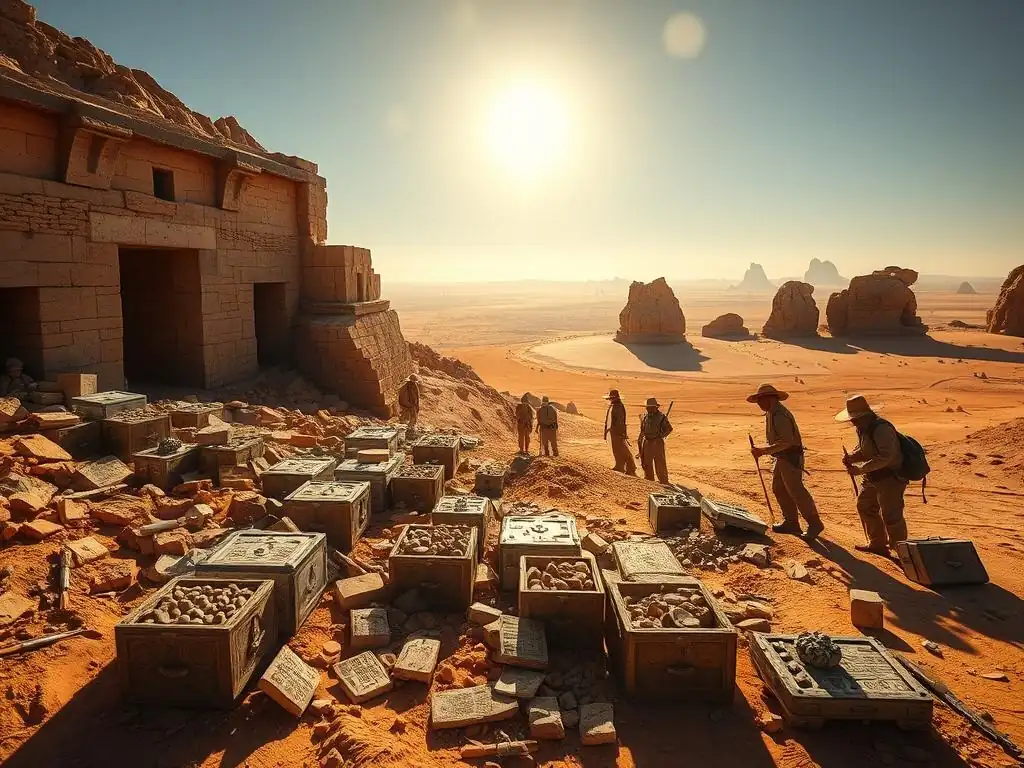
Welcome to ArchaeologyHub.org, your gateway to the past!
Delve into the fascinating world where history comes alive, and uncover the secrets buried beneath our feet. Curious about the intricate networks of ancient commerce? Our featured article explores compelling archaeological evidence, focusing specifically on Old Assyrian trade artifacts. Discover how these remnants of a bygone era shed light on the economic and cultural exchanges that shaped the ancient Near East. What stories do these objects tell, and how do they reshape our understanding of this pivotal period? Explore further and unlock the mysteries within...
- Introduction to Old Assyrian Trade and Archaeological Discoveries
-
Frequently Asked Questions
- How do archaeologists identify artifacts specifically related to the Old Assyrian trade?
- What types of artifacts are most commonly associated with the Old Assyrian trade network?
- Where are the most significant archaeological sites that provide evidence of Old Assyrian trade?
- What can the study of Old Assyrian trade artifacts tell us about the economic and social structures of the time?
- How does ArchaeologyHub.org organize and present information about Old Assyrian trade artifacts?
- Final Reflection: Echoes of Ancient Commerce
- Unearth Your Inner Archaeologist!
Introduction to Old Assyrian Trade and Archaeological Discoveries
The Significance of Archaeological Evidence in Understanding Old Assyrian Commerce
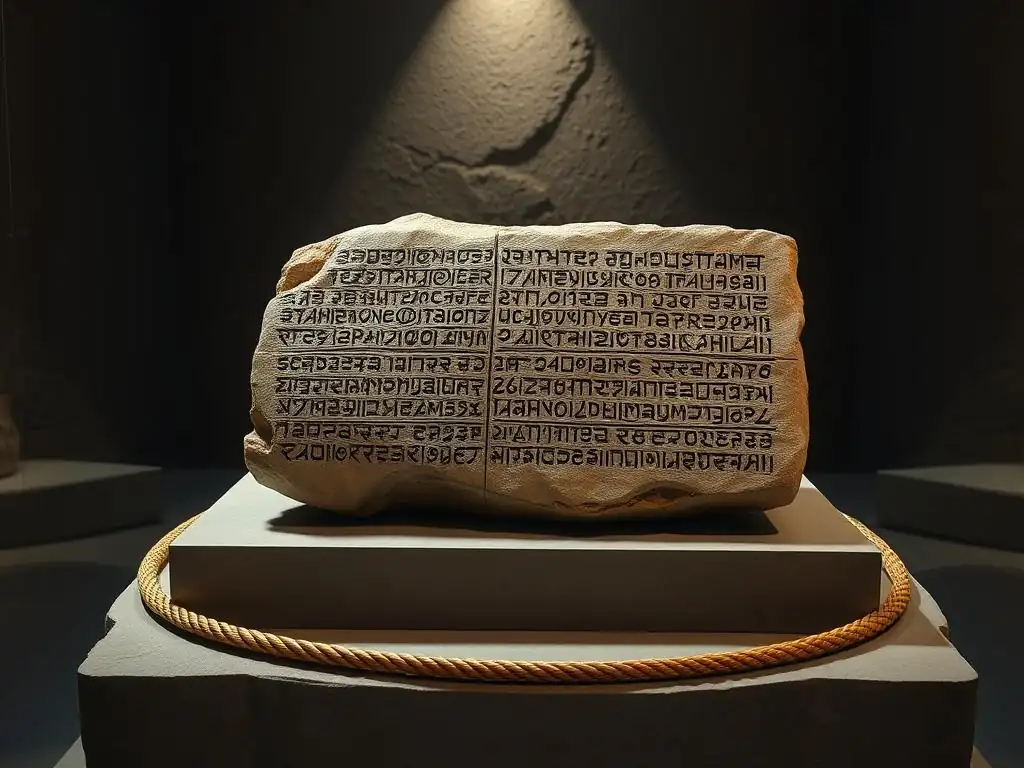
Archaeological evidence plays an indispensable role in reconstructing the intricate web of Old Assyrian commerce, offering tangible insights that complement and often validate the rich textual records. While thousands of cuneiform tablets from sites like Kültepe (ancient Kanesh) provide unparalleled detail on trade agreements, prices, and merchant activities, the physical remains uncovered through excavation offer a unique window into the material culture of this expansive trade network.
These Old Assyrian trade artifacts – ranging from pottery and metals to seals and textiles – reveal not only what was traded but also how goods were transported, stored, and consumed across a vast geographical area spanning Mesopotamia and Anatolia from roughly 1950 to 1750 BCE.
Furthermore, archaeological findings illuminate aspects of Old Assyrian trade that textual sources might not explicitly detail, such as the daily life of merchant communities, the physical infrastructure of trading outposts, and the broader economic impact on local populations. The distribution patterns of specific Old Assyrian trade artifacts, like distinctive pottery styles or imported raw materials, allow researchers to map trade routes with greater precision and understand the volume and nature of goods exchanged.
For instance, the discovery of tin ingots far from their source, or specific types of ceramic vessels at distant sites, provides concrete proof of long-distance commercial interaction, offering invaluable context to the textual accounts of overland caravans.
ArchaeologyHub.org: Exploring Ancient Trade Networks in the Near East
ArchaeologyHub.org serves as a comprehensive digital encyclopedia dedicated to the profound archaeological discoveries that have shaped our understanding of ancient civilizations, including the dynamic Old Assyrian trade networks. The platform meticulously curates detailed timelines, artifact profiles, and interpretive analyses, providing an accessible resource for exploring the complexities of ancient commerce in the Near East. By organizing content by geographic regions and time periods, ArchaeologyHub.org facilitates a deep dive into the economic systems that underpinned societies from Mesopotamia to Anatolia, making the vast taxonomy of historical content readily navigable for students and enthusiasts alike.
Our commitment at ArchaeologyHub.org is to bring to light the intricate details of ancient exchange systems, from the monumental scale of interregional trade to the nuanced stories told by individual Old Assyrian trade artifacts. We aim to illustrate how these commercial activities fostered cultural diffusion, technological advancement, and political influence across the ancient world. Through detailed studies of sites like Kültepe and Assur, and focused examinations of the material culture, ArchaeologyHub.org provides an unparalleled resource for understanding the economic ingenuity and enduring legacy of the Old Assyrians and their remarkable trade endeavors.
Frequently Asked Questions
Archaeologists identify these artifacts through a combination of factors, including their context of discovery, distinctive styles associated with Old Assyrian craftsmanship, and the presence of cuneiform inscriptions referencing trade activities.
What types of artifacts are most commonly associated with the Old Assyrian trade network?
Common artifacts include cuneiform tablets detailing trade transactions, Assyrian-style seals found in Anatolian sites, and metal objects (like tin and textiles) that were key commodities in the trade.
Where are the most significant archaeological sites that provide evidence of Old Assyrian trade?
Key sites include the Assyrian trading colony of Kültepe (ancient Kanesh) in Anatolia, as well as archaeological sites within Assyria itself (like Assur and Nineveh) that reveal the origins and destinations of traded goods.
Analyzing these artifacts provides insights into the scale and scope of trade networks, the types of goods exchanged, and the social hierarchies involved in the trade process, revealing much about the ancient economy and society.
How does ArchaeologyHub.org organize and present information about Old Assyrian trade artifacts?
ArchaeologyHub.org organizes information by geographic regions (e.g., Anatolia, Assyria) and time periods, providing detailed profiles of artifacts, excavation techniques, and interpretive analyses, allowing users to explore the vast taxonomy of in-depth historical content related to Old Assyrian trade.
Final Reflection: Echoes of Ancient Commerce
The meticulous examination of Old Assyrian trade artifacts reveals more than just remnants of a bygone era; it unveils a sophisticated network of exchange that shaped the economic and cultural landscape of the ancient Near East. The artifacts themselves, meticulously unearthed and analyzed, serve as tangible links to a complex system of trade routes, societal structures, and individual ambitions that resonate even today in our understanding of early global commerce.
The enduring legacy of the Old Assyrian trade is profoundly felt in our understanding of economic history. It reminds us that globalization, in its essence, is not a modern invention but a deeply rooted human endeavor. The meticulous record-keeping, the long-distance travel, and the cultural exchange inherent in this trade system demonstrate a remarkable level of organization and foresight. The past is never dead. It's not even past.
- William Faulkner. This quote encapsulates the feeling that studying these artifacts gives us; they are not just relics, but living testaments to the enduring power of human connection and economic innovation.
As we contemplate the intricate details of Old Assyrian trade artifacts, let us consider the lessons they offer. What can we learn from their meticulous record-keeping, their long-term vision, and their ability to navigate complex social and political landscapes? Let us embrace the spirit of innovation and collaboration that fueled this ancient trade network, and strive to build a future where commerce fosters understanding and prosperity for all.
Unearth Your Inner Archaeologist!
Thanks for delving into the fascinating world of Old Assyrian trade! We hope this article illuminated the impact of these ancient merchants and the clues they left behind. Now, it's your turn to connect with this history.
- Start your own research: Identify an Old Assyrian artifact that interests you the most and explore its journey to modern museums or collections.
- Share this article with fellow history enthusiasts to spark a conversation about the global reach of ancient economies.
- Visit your local museum and see if they have any Mesopotamian artifacts on display.
What new insights did you gain about ancient economies, and how might they influence modern-day trade practices?