
Modern Archaeological Methods at Olduvai Gorge: New Discoveries

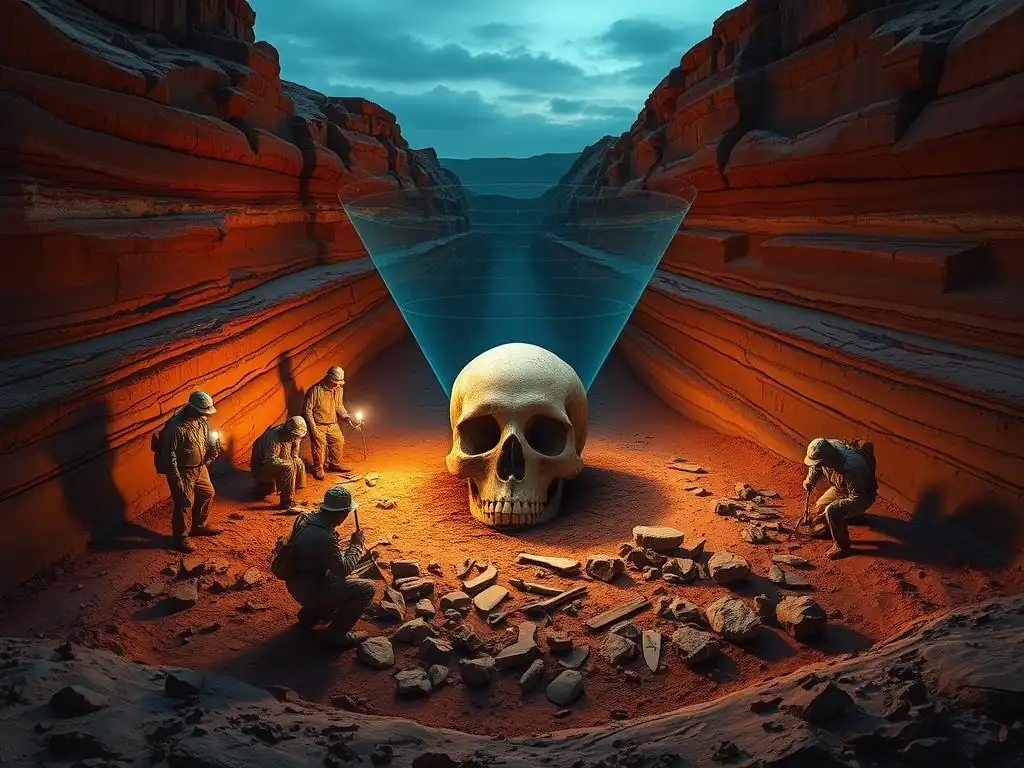
Welcome to ArchaeologyHub.org, your gateway to the past! Delve into the fascinating world of archaeological discovery, where we meticulously piece together the stories of civilizations long gone. This article explores the modern archaeological methods being employed at the legendary Olduvai Gorge, revealing how cutting-edge techniques are unearthing even more secrets from this pivotal site. What new insights are these methods revealing about our human origins? Uncover the answers and more as we journey into the heart of Olduvai!
- Introduction to Olduvai Gorge and its Archaeological Significance
- Evolution of Olduvai Gorge Archaeological Methodologies
- Cutting-Edge Technologies Employed at Olduvai Gorge
- Advanced Dating Techniques for Olduvai Gorge Artifacts
- Analyzing Fossil Hominin Remains from Olduvai Gorge
- Examining Stone Tools and Early Human Behavior at Olduvai Gorge
- Recent Discoveries and Breakthroughs at Olduvai Gorge
- Collaboration and Ethical Considerations in Olduvai Gorge Archaeology
- The Future of Olduvai Gorge Archaeological Research
- Conclusion: Olduvai Gorge as a Window into Human Origins
-
Frequently Asked Questions
- How has the archaeological method at Olduvai Gorge evolved over time?
- What are some of the new discoveries made at Olduvai Gorge using modern techniques?
- How does the digital encyclopedia ArchaeologyHub.org contribute to understanding the Olduvai Gorge archaeological method?
- What geographical regions are most relevant when studying the archaeological method at Olduvai Gorge?
- What are some interpretive analyses that have resulted from using modern archaeological methods at Olduvai Gorge?
- Final Reflection: Unearthing the Past, Shaping the Future
- Unearth Your Inner Explorer!
Introduction to Olduvai Gorge and its Archaeological Significance
A Brief History of Archaeological Research at Olduvai Gorge
Olduvai Gorge, located in the Great Rift Valley of northern Tanzania, is widely recognized as one of the most important paleoanthropological sites in the world. Its archaeological significance began to unfold in the 1930s with the pioneering work of Louis and Mary Leakey. Their persistent efforts, often under challenging conditions, led to groundbreaking discoveries that dramatically reshaped the understanding of human evolution. Key finds included the skull of Zinjanthropus boisei (now Paranthropus boisei) in 1959, and subsequently, the remains of Homo habilis in the early 1960s, establishing Olduvai as a cradle of humanity.
The initial Olduvai Gorge archaeological method employed by the Leakeys laid the groundwork for systematic excavation in East Africa, focusing on meticulous stratigraphic recording and careful recovery of fossil and artifactual evidence. Over the decades, research evolved from individual expeditions to more structured, long-term projects involving interdisciplinary teams. This sustained commitment allowed for the accumulation of an unparalleled record of early hominin presence and activity, demonstrating the site's immense potential for ongoing discovery and analysis.
The Enduring Importance of Olduvai Gorge for Understanding Human Evolution
Olduvai Gorge remains indispensable for understanding human evolution due to its exceptionally rich and well-preserved stratigraphic sequence, spanning approximately 2.0 million to 15,000 years ago. This geological archive contains crucial fossil evidence of multiple early hominin species, including Homo habilis, Paranthropus boisei, and Homo erectus, alongside an abundance of Oldowan and Acheulean stone tools. These layers provide a unique chronological framework for observing evolutionary changes in hominin morphology and behavior over vast timescales.
Beyond individual finds, Olduvai Gorge offers unparalleled insights into the paleoenvironments that early hominins inhabited, their subsistence strategies, and their technological capabilities. The extensive archaeological record allows researchers to reconstruct ancient landscapes, analyze dietary patterns through faunal remains, and interpret the functions of early stone tools. It serves as a natural laboratory for addressing fundamental questions about the emergence of tool-making, the development of complex cognitive abilities, and the adaptive success of our earliest ancestors.
The Role of Modern Techniques in Uncovering New Insights
While traditional excavation methods were foundational to initial discoveries at Olduvai Gorge, the advent of modern archaeological techniques has revolutionized the scope and precision of research. Contemporary studies now integrate advanced technologies such as remote sensing, Geographic Information Systems (GIS), and sophisticated 3D modeling. These innovations allow for non-invasive exploration, more precise data capture, and enhanced contextual analysis, pushing the boundaries of what can be learned from this iconic site.
The application of these cutting-edge methods has transformed the Olduvai Gorge archaeological method, enabling a deeper, more nuanced understanding of the paleoenvironment and hominin activities. Researchers can now identify subtle features invisible to the naked eye, reconstruct ancient landscapes with unprecedented accuracy, and analyze artifact distributions in three dimensions. This technological leap facilitates the discovery of previously undetected sites and provides richer data for interpreting the complex behaviors of early hominins.
Evolution of Olduvai Gorge Archaeological Methodologies
From Traditional Excavation to Advanced Techniques
The traditional Olduvai Gorge archaeological method in the mid-20th century primarily involved systematic, grid-based excavation, meticulous stratigraphic recording, and manual documentation of finds. Teams carefully removed sediment layer by layer, meticulously noting the depth and position of every artifact and fossil. This approach, while labor-intensive, was highly effective in establishing the basic chronological sequence and recovering significant specimens that formed the backbone of early paleoanthropological knowledge.
However, as the field progressed, the limitations of purely manual methods became apparent, particularly concerning large-scale mapping and the potential for human error in recording vast datasets. This led to a gradual integration of more systematic survey techniques, detailed photographic documentation, and eventually, the adoption of digital tools. The shift reflects a broader trend in archaeology towards less invasive, more data-rich, and contextually sensitive practices, aiming to maximize information recovery while minimizing disturbance to the fragile archaeological record.
The Impact of Technological Advancements on Olduvai Gorge Research
Technological advancements have profoundly impacted the Olduvai Gorge archaeological method, moving it from a primarily manual undertaking to a highly integrated, digital process. The introduction of GPS technology, for instance, enabled researchers to map the precise location of every find and excavation unit with sub-centimeter accuracy, replacing cumbersome grid systems and improving spatial analysis dramatically. Digital photography and video recording also enhanced documentation, providing richer visual records than hand-drawn illustrations alone.
Furthermore, the development of advanced computing power facilitated the management and analysis of vast datasets generated from excavations. Early databases allowed for systematic organization of artifact inventories, faunal records, and geological information. This increased capacity for data processing paved the way for more complex statistical analyses and the development of predictive models, ultimately leading to a more comprehensive and scientifically rigorous approach to understanding the deep past at Olduvai Gorge.
Addressing Challenges in Excavating and Analyzing Olduvai Gorge Sites
Olduvai Gorge presents unique challenges for archaeological research, including its vast geographical extent, the highly complex and often unstable stratigraphy due to volcanic and erosional processes, and the remote nature of many of its key sites. Traditional methods struggled with comprehensively contextualizing finds across such a wide and varied landscape, and the fragility of some fossil remains demanded innovative preservation techniques.
Modern Olduvai Gorge archaeological method addresses these challenges through a multi-pronged approach. High-resolution topographical surveys, often using drones, help to understand the dynamic erosional landscape and identify stable areas for excavation. Sophisticated digital stratigraphic mapping clarifies complex geological sequences, while advanced in situ conservation techniques are employed to protect fragile fossils before and during their removal. Furthermore, the establishment of dedicated field laboratories and improved logistical support facilitates the rapid and careful processing of samples, overcoming the historical hurdles of remote fieldwork.
Cutting-Edge Technologies Employed at Olduvai Gorge
Remote Sensing and Geophysical Surveys at Olduvai Gorge
Remote sensing technologies have become an indispensable part of the modern Olduvai Gorge archaeological method, allowing for non-invasive exploration of vast areas. Techniques such as LiDAR (Light Detection and Ranging), deployed from aircraft or drones, can penetrate dense vegetation and map the terrain with astonishing precision, revealing subtle topographical changes that might indicate buried geological features or ancient hominin activity areas. This allows researchers to identify promising localities for further investigation without disturbing the fragile surface.
Complementing remote sensing, various geophysical survey methods are employed to detect subsurface anomalies. Ground-penetrating radar (GPR) emits radar pulses into the ground and records reflections, creating cross-sectional images that can reveal buried features like ancient river channels, geological faults, or concentrations of stone tools. Magnetometry and electrical resistivity surveys measure variations in the Earth's magnetic field or electrical conductivity, respectively, indicating buried features with different material properties than the surrounding soil. These non-invasive techniques provide crucial "pre-excavation" insights, guiding targeted excavations and optimizing fieldwork efficiency at Olduvai Gorge.
Application of GIS (Geographic Information Systems) in Mapping Olduvai Gorge Landscapes
Geographic Information Systems (GIS) have revolutionized the way archaeological data is managed, analyzed, and visualized at Olduvai Gorge. GIS acts as a powerful framework for integrating diverse spatial data, including geological maps, precise excavation unit boundaries, individual fossil and artifact find spots, and reconstructed paleoenvironmental features. By layering these datasets, researchers can identify spatial relationships and patterns that would be impossible to discern from individual maps or spreadsheets.
For instance, GIS allows for the creation of highly detailed site maps, showing the exact three-dimensional coordinates of every recovered artifact and fossil to within millimeters. This precision is critical for reconstructing "living floors" or activity areas, such as the famous FLK Zinj site where Paranthropus boisei was found. Furthermore, GIS is used to model ancient landscapes, reconstruct drainage patterns, and analyze the distribution of resources that early hominins might have exploited, providing crucial context for understanding their movements and behaviors across the Olduvai Gorge landscape.
3D Modeling and Virtual Reconstruction of Olduvai Gorge Archaeological Sites
The application of 3D modeling has transformed the documentation and analysis of archaeological finds and sites at Olduvai Gorge. Techniques like photogrammetry, which involves creating detailed 3D models from multiple overlapping 2D photographs, and laser scanning capture the precise geometry of excavation trenches, individual artifacts, and fragile fossil remains. This creates a permanent, non-destructive digital archive, enabling virtual re-excavation, precise measurement, and detailed analysis long after the physical specimen has been removed or the site backfilled.
Beyond individual objects, 3D modeling facilitates the virtual reconstruction of entire paleoenvironments or hominin activity areas based on the archaeological evidence. For example, the approximately 1.8-million-year-old Bed I sites at Olduvai Gorge can be digitally reconstructed to visualize the ancient lake margins, vegetation zones, and the spatial organization of hominin activities like butchery or tool-making. This capability significantly aids in understanding site formation processes and provides a dynamic, immersive way to explore the ancient world of Olduvai Gorge, a vital component of the modern Olduvai Gorge archaeological method.
Advanced Dating Techniques for Olduvai Gorge Artifacts
Radiometric Dating Methods: Argon-Argon and Uranium Series at Olduvai Gorge
Radiometric dating methods are fundamental to establishing the precise chronology of Olduvai Gorge. The Argon-Argon (⁴⁰Ar/³⁹Ar) dating technique is particularly crucial due to the abundance of volcanic ash layers (tuffs) that intersperse the sedimentary sequence.
This method measures the ratio of argon isotopes in volcanic minerals, providing highly accurate absolute dates for the associated archaeological horizons. For example, the Bed I Tuff, a key marker horizon associated with the earliest hominin occupation and Oldowan tools, has been precisely dated to approximately 1.85 million years ago using this technique, forming a cornerstone of the Olduvai Gorge archaeological method for chronological control.
While less commonly applied to the primary volcanic layers, Uranium Series dating can be used to date calcium carbonate deposits, such as travertines or calcite formations, and sometimes fossil bone directly, albeit with specific limitations. This method measures the decay of uranium isotopes into daughter products, providing dates typically spanning from a few thousand to approximately 500,000 years ago. Its utility at Olduvai Gorge lies in providing complementary dates for specific contexts within the more recent parts of the stratigraphic sequence, further refining the overall chronological framework.
Paleomagnetic Dating and its Contribution to Olduvai Gorge Chronology
Paleomagnetic dating is another vital technique employed at Olduvai Gorge, leveraging the Earth's geomagnetic field reversals recorded in sedimentary rocks. As fine-grained sediments settle, magnetic minerals within them align with the prevailing direction of the Earth's magnetic field at that time. By analyzing these ancient magnetic orientations, researchers can establish a magnetostratigraphic column for the gorge, identifying periods of normal (like today) and reversed polarity.
These polarity zones are then correlated with the globally recognized Geomagnetic Polarity Timescale, providing independent chronological markers. A classic example at Olduvai is the "Olduvai Subchron," a short period of normal polarity prominently preserved within the Matuyama Reversed Chron in Bed I, dating to approximately 1.77-1.95 million years ago. This method provides a critical independent check on radiometric dates and helps date layers where volcanic tuffs are absent, significantly strengthening the robust chronological framework that underpins the Olduvai Gorge archaeological method.
Tephrochronology: Dating Volcanic Ash Layers at Olduvai Gorge
Tephrochronology is a specialized dating technique that involves identifying and correlating distinct volcanic ash layers (tephra) across different archaeological and geological sites. Olduvai Gorge's geological sequence is exceptionally rich in such layers, originating from nearby volcanoes like Ngorongoro and Kerimasi. Each volcanic eruption produces ash with a unique geochemical fingerprint, allowing scientists to distinguish one tephra layer from another.
By analyzing the precise chemical composition of these ash layers, researchers can link specific tuffs found at various localities within the gorge, even if they are kilometers apart. This allows for the precise correlation of archaeological finds and fossil horizons across the vast landscape of Olduvai Gorge, ensuring that discoveries from disparate areas can be placed within the same chronological framework. This integrated approach, combining geochemical analysis with stratigraphic context, is vital to the comprehensive Olduvai Gorge archaeological method and its ability to reconstruct the ancient past.
Analyzing Fossil Hominin Remains from Olduvai Gorge
Advanced Imaging Techniques for Studying Hominin Fossils
Advanced imaging techniques have revolutionized the study of fragile and precious hominin fossils from Olduvai Gorge, allowing for detailed analysis without causing any damage. Micro-computed tomography (micro-CT) scanning and synchrotron microtomography generate high-resolution 3D digital models of fossil bones and teeth. These models reveal intricate internal structures, such as blood vessel canals, bone density variations, and enamel thickness, which are critical for understanding growth patterns, diet, locomotion, and even pathologies.
The benefits of these techniques are immense: they enable virtual reconstruction of fragmented fossils, digital removal of adhering matrix, and precise measurement of anatomical features that are otherwise inaccessible. For example, micro-CT scans of Homo habilis hand bones from Olduvai Gorge have provided unprecedented insights into their manipulative capabilities and tool-making dexterity. This non-destructive approach is a cornerstone of the modern Olduvai Gorge archaeological method for paleontological research, maximizing scientific data from irreplaceable specimens.
Microscopic Analysis and Biogeochemical Studies of Bone and Teeth
Microscopic analysis, particularly using Scanning Electron Microscopy (SEM), allows researchers to examine the surface of hominin teeth and animal bones from Olduvai Gorge at ultra-high magnifications. This reveals microscopic wear patterns (microwear) on tooth enamel, providing direct evidence of diet – for instance, discerning between abrasive plant matter and softer foods. Similarly, SEM can identify microscopic cut marks or percussion marks on animal bones, definitively linking them to stone tool use by early hominins during butchery or marrow extraction.
Biogeochemical studies, primarily isotope analysis, offer complementary insights into hominin diet and paleoenvironments. By analyzing stable isotopes of carbon (¹³C/¹²C) and oxygen (¹⁸O/¹⁶O) in tooth enamel, scientists can infer the types of plants consumed (e.g., C3 plants like trees and shrubs versus C4 plants like grasses and sedges) and reconstruct ancient climatic conditions (e.g., aridity, temperature). For example, isotope studies on Paranthropus boisei teeth from Olduvai Gorge have indicated a significant reliance on C4 resources, challenging earlier dietary assumptions and providing critical data for the Olduvai Gorge archaeological method in paleodietary reconstruction.
Genetic Analysis and its Potential for Understanding Hominin Evolution at Olduvai
While the recovery of ancient hominin DNA (aDNA) from tropical environments like Olduvai Gorge remains exceptionally challenging due to rapid degradation, the rapid advancements in genetic analysis hold significant future potential. Currently, direct hominin DNA from Olduvai is largely elusive, but ongoing research explores the possibility of recovering ancient microbial DNA from sediments or environmental DNA (eDNA) from ancient lake beds. Such indirect genetic evidence could offer insights into the composition of ancient ecosystems, including flora and fauna, and potentially even the presence of specific hominin-associated microbes.
The continuous development of highly sensitive aDNA techniques means that even highly fragmented or degraded samples might one day yield genetic information from hominins themselves. If successful, this could revolutionize our understanding of population movements, genetic relationships between early hominin groups, and adaptive traits, providing unprecedented insights into the evolutionary history of humanity at Olduvai. Though not yet a routine Olduvai Gorge archaeological method for hominin remains, the future implications of genetic analysis are profound.
Examining Stone Tools and Early Human Behavior at Olduvai Gorge
Use-Wear Analysis and Experimental Archaeology for Understanding Tool Function
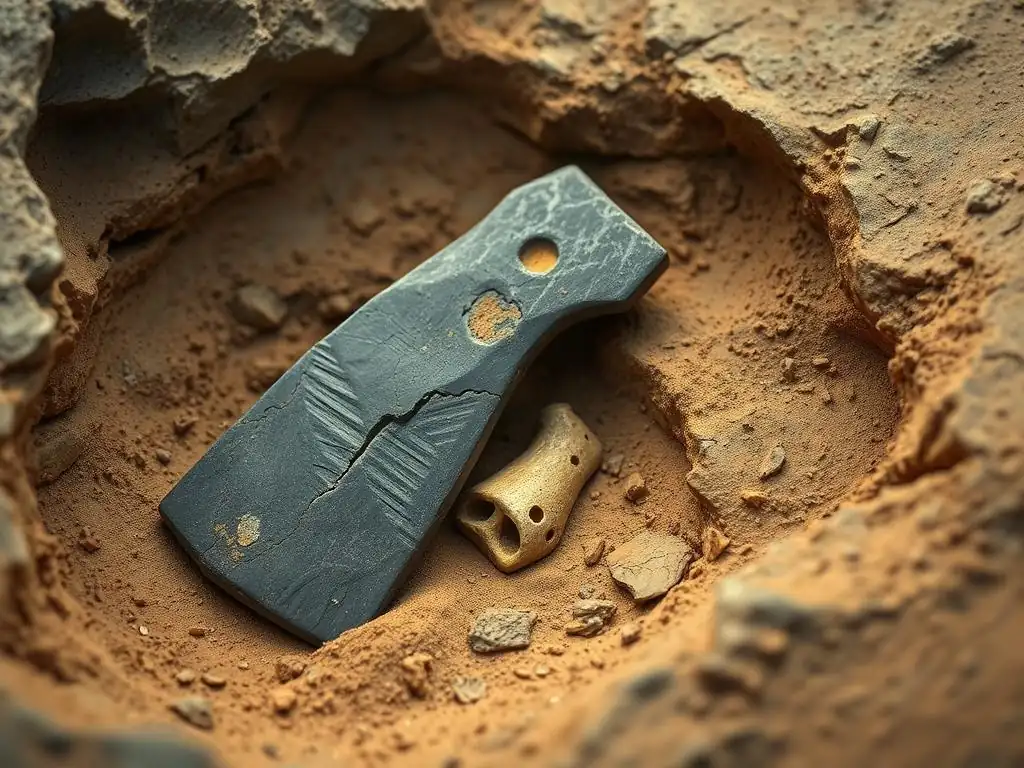
Understanding the function of the stone tools from Olduvai Gorge is critical for reconstructing early hominin behavior. Use-wear analysis involves examining the microscopic polish, striations, and edge damage that accumulate on tool surfaces during use. Using high-powered microscopes, archaeologists can infer the specific tasks for which a tool was employed, such as cutting meat, scraping hides, or processing plant materials. This provides direct evidence of the activities performed by early hominins with their Oldowan and Acheulean implements.
Experimental archaeology complements use-wear analysis by replicating ancient tools using similar raw materials and then employing them to perform various tasks, such as butchering animal carcasses or chopping wood. The wear patterns generated during these experiments are then meticulously compared to those observed on archaeological specimens from Olduvai Gorge. This comparative approach helps validate use-wear interpretations and offers valuable insights into the efficiency, versatility, and cognitive demands of early tool production and use, enriching the Olduvai Gorge archaeological method for behavioral reconstruction.
Spatial Analysis of Stone Tool Assemblages and Activity Areas
The precise recording of every artifact and fossil within an excavation unit, now often facilitated by total stations or digital mapping, enables detailed spatial analysis of stone tool assemblages at Olduvai Gorge. This allows archaeologists to reconstruct "living floors" or activity areas, where tools were made, used, and discarded, and where butchery or other subsistence activities took place. The three-dimensional plotting of thousands of stone flakes, cores, and associated animal bone fragments provides a snapshot of hominin behavior in ancient landscapes.
For instance, at sites like FLK Zinj (Frida Leakey Korongo) and DK (Donald Kalambo) in Olduvai Gorge, the spatial distribution of artifacts and faunal remains has revealed distinct activity zones. These might include areas for stone tool manufacture, zones for processing animal carcasses, or even potential "home bases" where groups congregated. This spatial Olduvai Gorge archaeological method provides crucial insights into the organization of early hominin behavior, their use of space, and their resource management strategies across the ancient landscape.
Investigating the Cognitive Abilities of Early Hominins Through Tool Technology
The study of stone tool technology at Olduvai Gorge provides a unique window into the cognitive abilities of early hominins. The increasing complexity observed in tool manufacturing sequences, from the simple choppers of the Oldowan industry to the more standardized and bifacial Acheulean handaxes, suggests a gradual increase in cognitive sophistication. The ability to plan multiple steps, select appropriate raw materials, and execute a predetermined form indicates advanced mental capacities beyond mere opportunistic flaking.
Furthermore, the widespread and consistent production of specific tool forms over vast geographical areas and extended time spans, as exemplified by the Acheulean tools at Olduvai Gorge, implies cultural transmission and teaching. Researchers use replicative experiments to understand the motor skills, mental templates, and foresight required for these technologies. This approach offers profound insights into the minds of Homo habilis and Homo erectus, allowing archaeologists to infer levels of planning, problem-solving, and abstract thought, thereby contributing significantly to the Olduvai Gorge archaeological method for understanding early human intelligence.
Recent Discoveries and Breakthroughs at Olduvai Gorge
New Hominin Fossil Finds and their Implications
Olduvai Gorge continues to yield new hominin fossil finds, even after decades of intensive research. While not always complete skeletons, recent discoveries of fragmented cranial remains, isolated teeth, or postcranial elements from less explored areas or deeper stratigraphic levels continually add to the hominin fossil record. For instance, the ongoing recovery of new specimens, such as partial mandibles or additional limb bones, helps to refine the understanding of hominin diversity, morphological variation, and the precise timeline of different hominin species' presence at Olduvai.
These new finds, even if fragmentary, often have significant implications for phylogenetic debates and our understanding of hominin evolution. They can confirm the co-existence of multiple hominin species, provide new data points for understanding locomotor adaptations, or offer fresh perspectives on brain size evolution. Each discovery, meticulously analyzed using the modern Olduvai Gorge archaeological method, contributes to a more complete and nuanced narrative of human origins, continuously updating the grand story unveiled at this iconic site.
Evidence of Early Human Adaptation to Changing Environments
Paleoenvironmental reconstructions at Olduvai Gorge, based on diverse lines of evidence such as palynology (pollen analysis), faunal analysis (animal remains), and sedimentology, reveal that the region experienced significant climatic shifts over millions of years. These changes included transitions from wetter, more forested environments with ancient lakes to drier, more open grasslands. More recent studies employ advanced techniques like micromorphology of sediments to reconstruct micro-environments at specific hominin activity sites.
Evidence from Olduvai Gorge increasingly suggests that early hominins, particularly Homo habilis and later Homo erectus, demonstrated remarkable adaptability, successfully navigating and exploiting these fluctuating landscapes. New research indicates that they adjusted their subsistence strategies, utilized diverse resource patches, and maintained a presence across varying environmental conditions. This behavioral flexibility, revealed through the evolving Olduvai Gorge archaeological method for paleoenvironmental reconstruction, highlights a key factor in the early success and dispersal of our ancestors.
Insights into the Diet and Subsistence Strategies of Early Hominins
Advanced analyses of faunal remains from Olduvai Gorge provide critical insights into the diet and subsistence strategies of early hominins. Detailed examination of animal bones, including the identification of cut marks, percussion marks, and specific bone breakage patterns, offers direct evidence of hominin interaction with carcasses. For example, the presence of numerous butchered animal bones, including those of large mammals, at sites like FLK 22 (Frida Leakey Korongo 22) in Bed I, unequivocally demonstrates meat consumption by hominins approximately 1.8 million years ago.
While early interpretations often emphasized active hunting, more nuanced studies utilizing the modern Olduvai Gorge archaeological method (e.g., detailed taphonomic analysis that distinguishes between hominin and carnivore modifications) indicate a complex picture likely involving both opportunistic scavenging and some degree of hunting. The diversity of animal species recovered, ranging from small antelope to large bovids, suggests a broad and flexible diet, likely encompassing both meat and plant resources, providing a clearer and more comprehensive understanding of early hominin subsistence behaviors.
Collaboration and Ethical Considerations in Olduvai Gorge Archaeology
The Importance of International Collaboration in Research
Research at Olduvai Gorge is fundamentally a global endeavor, underscoring the critical importance of international collaboration. Major archaeological projects at the site typically involve multidisciplinary teams of researchers from universities and institutions across multiple continents, including Tanzania, the United States, the United Kingdom, Germany, and Spain. This collaborative model brings together a diverse array of expertise, encompassing geology, paleontology, archaeology, anthropology, and even genetics, to address the complex research questions posed by Olduvai's vast record.
International collaboration fosters a more comprehensive and robust understanding of the site, facilitating the exchange of knowledge, methodologies, and perspectives. It also ensures that research findings are rigorously peer-reviewed and widely disseminated within the global scientific community. Crucially, these partnerships often include significant capacity building initiatives within the host nation, providing training and resources for Tanzanian archaeologists and scientists, thereby strengthening local expertise and ensuring the long-term sustainability of the Olduvai Gorge archaeological method and research.
Ethical Guidelines for Excavation and Preservation
Ethical conduct is paramount in archaeological research at Olduvai Gorge, given its immense scientific and cultural value as a UNESCO World Heritage site. Strict ethical guidelines govern all aspects of fieldwork, emphasizing the minimization of destructive impacts during excavation, ensuring meticulous and comprehensive documentation of all finds, and prioritizing the long-term preservation of both excavated materials and the site itself. A key ethical consideration is the principle of repatriation, ensuring that all artifacts and fossils discovered remain the property of Tanzania and are housed within its national institutions.
The modern Olduvai Gorge archaeological method incorporates these ethical considerations through several practices. Non-destructive techniques are employed whenever possible, and excavated areas are carefully backfilled to protect underlying deposits. Secure, climate-controlled repositories are established for the long-term curation of collections, ensuring their accessibility for future research while safeguarding their integrity. These stringent protocols balance the imperative for scientific inquiry with the responsibility to protect and preserve this irreplaceable heritage for future generations.
Working with Local Communities and Stakeholders
Effective archaeological research at Olduvai Gorge extends beyond scientific inquiry to include meaningful engagement with local communities and stakeholders, particularly the Maasai people who reside in and around the gorge. This engagement involves respecting their cultural heritage, seeking their input on research activities, and ensuring that the work benefits them directly. Such benefits can include providing employment opportunities during fieldwork, developing educational programs about the site's significance, and sharing research findings in accessible ways.
Collaboration with local communities fosters trust, enhances the research through the incorporation of indigenous knowledge, and ensures the long-term sustainability of archaeological endeavors at Olduvai. It helps to cultivate a sense of shared ownership and responsibility for the preservation of the gorge, recognizing it not only as a global scientific treasure but also as a living landscape for its inhabitants. This commitment to community engagement is an increasingly integral part of the holistic Olduvai Gorge archaeological method, promoting mutual respect and shared stewardship.
The Future of Olduvai Gorge Archaeological Research
Emerging Technologies and Research Directions
The future of archaeological research at Olduvai Gorge promises to be shaped by the integration of increasingly sophisticated emerging technologies. This could include even higher-resolution remote sensing techniques, such as hyperspectral imaging capable of detecting subtle chemical signatures indicative of ancient human activity or environmental conditions. Advanced robotics and autonomous drones might be deployed for exploring inaccessible areas of the gorge, while artificial intelligence (AI) and machine learning could revolutionize the analysis of vast datasets, identifying complex patterns in archaeological records that are currently beyond human processing capabilities.
New research directions will likely focus on micro-level environmental reconstruction, leveraging techniques like ancient DNA (aDNA) analysis from sediments to understand ancient ecosystems in unprecedented detail. There will also be continued efforts to explore deeper, older stratigraphic layers that have historically been less accessible, potentially pushing back the timeline of hominin presence at Olduvai. The continuous refinement and application of the Olduvai Gorge archaeological method will undoubtedly open up novel avenues for discovery and interpretation.
Preserving Olduvai Gorge for Future Generations
The long-term preservation of Olduvai Gorge for future generations is a paramount concern, given the ongoing threats from natural erosion, the impacts of climate change, and potential human activities. The Tanzanian government, in collaboration with international partners, is continuously implementing conservation strategies for this UNESCO World Heritage site. These efforts include systematic monitoring of erosion patterns, implementation of anti-erosion measures where feasible, and controlled access to sensitive archaeological areas to minimize disturbance.
Crucially, digital preservation is becoming an increasingly vital component of the preservation strategy. Creating comprehensive digital archives of all excavated materials, detailed 3D models of sites and landscapes, and extensive databases ensures that the invaluable information gathered is accessible for future research, even if physical remains degrade or sites are further impacted by natural processes. This digital Olduvai Gorge archaeological method offers a robust framework for heritage management, safeguarding the site's intellectual legacy for centuries to come.
Continuing the Quest to Understand Human Origins at Olduvai Gorge
Despite decades of intensive research, Olduvai Gorge still holds many secrets, and only a fraction of its vast archaeological potential has been thoroughly explored. New discoveries are continually being made, even in previously surveyed areas, thanks to the application of improved techniques and renewed scientific focus. The sheer scale and depth of the archaeological and paleontological record suggest that the gorge will continue to yield groundbreaking insights into the earliest stages of human evolution.
Olduvai Gorge will undoubtedly remain a critical natural laboratory for understanding hominin biology, behavior, and adaptation. The unwavering commitment to applying the most advanced Olduvai Gorge archaeological method, combined with interdisciplinary collaboration, ensures its continued prominence in paleoanthropological research. The quest to understand human origins is an ongoing journey, and Olduvai Gorge will remain at its forefront, offering fundamental data to illuminate our shared deep past.
Conclusion: Olduvai Gorge as a Window into Human Origins
The Ongoing Significance of Olduvai Gorge in Archaeological Research
Olduvai Gorge holds an unparalleled and ongoing significance in archaeological research. It is not merely a site of past discoveries but a dynamic research area where the very definition of human origins is continually refined and expanded. Its uniquely rich stratigraphic sequence, coupled with an extraordinary abundance of fossil hominin remains and early stone tools, provides an indispensable record for understanding the critical stages of human evolution. The insights gleaned from Olduvai consistently shape global paleoanthropological discourse.
The evolution of the Olduvai Gorge archaeological method, from pioneering manual excavations to sophisticated digital and analytical techniques, has allowed for increasingly detailed and nuanced interpretations of the ancient past. This continuous methodological advancement ensures that the site remains at the cutting edge of scientific inquiry, moving beyond simple discovery to a complex understanding of hominin lifeways, environmental interactions, and the intricate processes of adaptation.
Summary of Key Findings and Future Research Avenues
Over decades of intensive research, Olduvai Gorge has provided profound insights into human origins. Key findings include definitive evidence for the co-existence of multiple early hominin species, the sequential development of core technologies like the Oldowan and Acheulean industries, and compelling evidence of meat consumption and complex subsistence strategies. The site has also revealed how early humans adapted to fluctuating environments, demonstrating remarkable behavioral flexibility.
Future research at Olduvai will continue to leverage emerging technologies, such as advanced remote sensing and AI-driven data analysis, to uncover new sites and extract unprecedented levels of detail from existing ones. Interdisciplinary approaches, integrating fields from genetics to climate science, will further deepen our understanding of hominin cognition, social structures, and the precise environmental pressures that shaped early human evolution, ensuring Olduvai Gorge remains a beacon for future discoveries.
Olduvai Gorge: A Cornerstone of Paleoanthropological Knowledge.
Olduvai Gorge stands as a testament to the power of sustained archaeological inquiry and methodological innovation. Its contributions have fundamentally shaped our understanding of the human story, providing concrete evidence for the emergence of bipedalism, tool-making, and complex behaviors that define our lineage. It is a place where the abstract concepts of deep time and evolution become tangible through the discovery of ancient bones and artifacts.
The continuous application and development of the Olduvai Gorge archaeological method ensures that this iconic site will continue to yield groundbreaking discoveries, pushing the boundaries of what we know about our earliest ancestors. As a permanent window into the deep past, Olduvai Gorge remains, and will continue to be, a cornerstone of paleoanthropological knowledge, inspiring generations of researchers and illuminating the remarkable journey of humanity.
Frequently Asked Questions
How has the archaeological method at Olduvai Gorge evolved over time?
The methods have become far more sophisticated, incorporating techniques like geochemical analysis and 3D modeling to provide richer context. This allows for a more holistic understanding of the finds.
What are some of the new discoveries made at Olduvai Gorge using modern techniques?
Recent excavations have revealed evidence of early hominin behavior, including more precise dating of tool use and potential cognitive development. Advanced dating methods are key to these insights.
How does the digital encyclopedia ArchaeologyHub.org contribute to understanding the Olduvai Gorge archaeological method?
ArchaeologyHub.org provides comprehensive access to information on Olduvai Gorge, including timelines, artifact profiles, and analyses. It acts as a centralized hub for research and learning.
What geographical regions are most relevant when studying the archaeological method at Olduvai Gorge?
While the Gorge itself is the focal point, understanding the broader East African Rift Valley context is crucial. This region offers valuable comparative data on early hominin evolution.
What are some interpretive analyses that have resulted from using modern archaeological methods at Olduvai Gorge?
Modern methods have led to revised interpretations of hominin social structures and subsistence strategies. Data-driven analyses challenge older, less-nuanced assumptions.
Final Reflection: Unearthing the Past, Shaping the Future
The exploration of Olduvai Gorge, as we've seen, is not merely a historical endeavor; it's a dynamic conversation between the past and the present. The application of modern archaeological methods at this iconic site has not only yielded groundbreaking discoveries but has also redefined our understanding of human origins, proving that the story of our ancestors is far from complete and continues to evolve with each new excavation and analysis.
The enduring significance of Olduvai Gorge lies in its ability to connect us to our shared human heritage. Personally, I find it humbling to consider the generations of hominins who walked the same ground, leaving behind clues to their existence. Archaeology is the only branch of anthropology that can tell us about 99% of human history.
This quote underscores the profound responsibility we bear in preserving and interpreting these invaluable remnants of the past, ensuring that their stories continue to resonate across time.
As we conclude this exploration of modern archaeological methods at Olduvai Gorge, I invite you to consider the implications of these discoveries. How does understanding our origins shape our perception of the present and our aspirations for the future? Let us all strive to appreciate the fragility and importance of our shared human story, and to support the ongoing efforts to unearth and preserve the treasures that lie waiting beneath the African soil.
Unearth Your Inner Explorer!
Thanks for diving into the fascinating world of Olduvai Gorge and its modern archaeological marvels! Now that you've gained fresh insights into these groundbreaking discoveries, it's time to put that newfound knowledge into action.
Here are a few ways to keep the exploration alive:
- Embark on a virtual dig! Explore interactive 3D models of Olduvai Gorge artifacts and contribute to citizen science projects analyzing the finds.
- Share this article with fellow archaeology enthusiasts and spark a discussion on the evolving methodologies used in paleoanthropology.
- Delve deeper: Research related archaeological sites and compare the approaches used to uncover our human past.
What specific advancement in archaeological methods discussed today most excites you and why? Share your thoughts below!