
The Akkadian Empire: An Archaeological Overview of its Society and Territorial Expansion

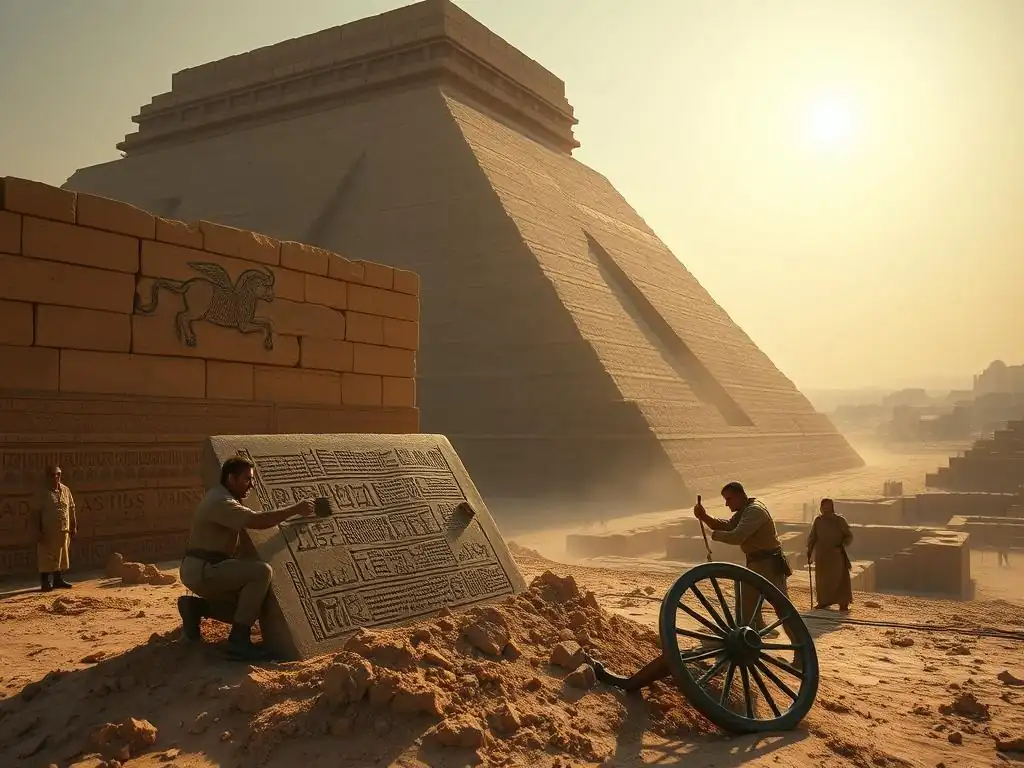
Welcome to ArchaeologyHub.org, your gateway to unraveling the mysteries of the past. Ever wondered how archaeology unveils the intricate tapestry of ancient societies? Dive into our exploration of the Akkadian Empire, and discover how its archaeological record provides key insights into its society, territorial expansion, and the broader context of ancient Mesopotamian civilizations. Unearth the stories hidden beneath the sands - let's begin!
- Introduction: Unearthing the Akkadian Empire Through Archaeology
- The Rise of Akkad: Archaeological Evidence of Early Akkadian Society
- Akkadian Territorial Expansion: An Archaeological Perspective
- Akkadian Society: Archaeological Insights into Daily Life
- Akkadian Art and Culture: Archaeological Manifestations
- The Decline of the Akkadian Empire: Archaeological Clues
- Legacy of the Akkadian Empire: An Archaeological Assessment
-
Frequently Asked Questions
- ### What were the key archaeological findings that shed light on Akkadian society?
- ### How does the archaeological record demonstrate the territorial expansion of the Akkadian Empire?
- ### What are the main excavation techniques employed at Akkadian archaeological sites?
- ### How does ArchaeologyHub.org organize information related to the Akkadian Empire and other ancient civilizations?
- ### In what ways do artifact profiles contribute to our understanding of the Akkadian Empire's "Akkadian empire archaeological society"?
- Final Reflection: Echoes of Empire in the Sands of Time
- Unearth Your Inner Archaeologist!
Introduction: Unearthing the Akkadian Empire Through Archaeology
The Significance of Archaeological Discoveries in Understanding Akkad
The Akkadian Empire, flourishing in Mesopotamia during the 24th to 22nd centuries BCE, represents a pivotal moment in ancient history: the emergence of the world's first true empire. While textual sources, primarily cuneiform tablets, provide invaluable insights into its rulers and major events, it is archaeological discovery that truly grounds our understanding of this formidable civilization.
Material culture, ranging from monumental architecture and urban layouts to everyday artifacts like pottery and tools, offers direct evidence of the Akkadian empire archaeological society, its economic structures, social organization, and the reach of its influence. These tangible remains often corroborate or, at times, challenge the narratives preserved in written records, providing a more holistic and nuanced picture.
Archaeological investigations have been crucial in piecing together the daily lives of the Akkadian people, beyond the royal pronouncements and administrative decrees. Finds of residential structures, workshops, and agricultural implements illuminate the subsistence strategies and craft specialization that underpinned the empire's economy. Furthermore, the analysis of burial practices and grave goods helps to delineate social stratification within the Akkadian empire archaeological society, revealing distinctions between elite and commoner, and providing insights into their belief systems and funerary customs.
Archaeological Research and the Akkadian Empire
Systematic archaeological research into the Akkadian Empire began in earnest in the late 19th and early 20th centuries, with pioneering excavations at sites like Nippur and Kish. These early efforts focused largely on uncovering monumental structures and recovering cuneiform tablets, which were instrumental in establishing the chronological framework and identifying key historical figures. Over the decades, archaeological methodologies have evolved, shifting towards more interdisciplinary approaches that integrate environmental studies, archaeozoology, archaeobotany, and remote sensing technologies. This has allowed for a much deeper understanding of the ecological context in which the Akkadian empire archaeological society operated.
Modern archaeological projects continue to explore the vast array of sites across Mesopotamia that bear the imprint of Akkadian rule. The persistent mystery surrounding the precise location of Agade, the empire's fabled capital, remains a significant challenge and a primary focus for many research teams. Despite this, discoveries at other key sites, such as Tell Brak in Syria and various tells in Iraq, have yielded a wealth of information regarding Akkadian administrative practices, military presence, and cultural diffusion, constantly enriching our knowledge of this foundational imperial power.
The Rise of Akkad: Archaeological Evidence of Early Akkadian Society
From City-States to Empire: The Akkadian Unification Process
Before the rise of Akkad, Mesopotamia was characterized by a mosaic of independent Sumerian city-states, each with its own ruler, patron deity, and distinct cultural identity. Archaeological evidence strongly suggests a period of intense inter-city rivalry and warfare, marked by destruction layers and defensive fortifications at numerous sites.
The unification process under Sargon of Akkad, which transformed this fragmented landscape into a cohesive empire, is primarily understood through the lens of material culture. The widespread appearance of a standardized ceramic repertoire, often termed "Akkadian ware," across previously disparate regions, serves as a key archaeological indicator of this shift towards centralized control.
Furthermore, the archaeological record shows a standardization of weights and measures, along with the proliferation of Akkadian-style cylinder seals depicting imperial themes, found in administrative contexts far from the Akkadian heartland. This suggests not just military conquest but also the imposition of a unified administrative and economic system. The consistent architectural styles observed in public buildings and fortifications across the empire's territory also point towards a deliberate policy of integration and control implemented by the nascent Akkadian empire archaeological society.
Key Archaeological Sites Illuminating Early Akkadian Society
Tell Brak: A Window into Pre-Akkadian and Akkadian Life
Tell Brak, located in northeastern Syria, is one of the largest and most important ancient sites in Mesopotamia, offering an exceptional stratigraphic sequence that spans millennia. Its archaeological layers provide crucial insights into the transition from the fragmented city-state period to the unified Akkadian Empire. Excavations at Tell Brak have uncovered a substantial administrative complex, often referred to as the "Naram-Sin Palace," dating to the Akkadian period. This monumental structure, with its thick walls and extensive courtyards, suggests a significant imperial presence and centralized control over this strategically vital northern outpost.
Finds from Tell Brak include numerous Akkadian cuneiform tablets detailing administrative records, as well as a distinctive type of pottery with a red-slipped and burnished surface, widely recognized as Akkadian. The presence of specialized workshops for metallurgy and stone carving indicates a sophisticated economic infrastructure. The discovery of elite burials with rich grave goods, including finely crafted bronze weapons and seals, further illuminates the social hierarchy and material culture of the Akkadian empire archaeological society in its northern reaches.
Kish: Unveiling Royal Power and Urban Development
Kish, situated approximately 80 kilometers south of modern Baghdad, holds a significant place in Mesopotamian history as one of the oldest and most prominent Sumerian city-states, often associated with early kingship. Its archaeological record reveals continued importance during the Akkadian period, suggesting its integration into the new imperial structure rather than complete destruction. Excavations at Kish have unearthed evidence of substantial urban development and monumental architecture dating to the Akkadian era, including temple precincts and large public buildings.
The discovery of stelae fragments and votive offerings bearing Akkadian royal inscriptions at Kish indicates that the city retained its religious and perhaps administrative significance under the empire. Furthermore, the presence of standardized Akkadian pottery and administrative tablets within the urban fabric suggests a degree of economic and political integration. These findings at Kish provide a valuable comparative perspective, showing how the Akkadian empire archaeological society adapted existing urban centers to serve its broader imperial agenda, often through patronage of traditional religious institutions.
Akkadian Territorial Expansion: An Archaeological Perspective
Sargon of Akkad and the Expansionist Policies
Sargon of Akkad's reign marked an unprecedented era of territorial expansion, transforming a regional power into an empire stretching "from the Lower Sea to the Upper Sea." While textual sources recount his numerous campaigns and conquests, archaeological evidence provides the tangible proof of this widespread imperial reach. The presence of Akkadian-style fortifications, garrisons, and administrative buildings at sites far from the Mesopotamian heartland, such as those in Syria and along the Persian Gulf, strongly indicates a deliberate and sustained policy of expansion and control. These structures often display a uniformity in design, suggesting centralized planning and engineering expertise.
Beyond military installations, the archaeological record reveals the diffusion of Akkadian administrative practices and material culture into newly conquered territories. The discovery of Akkadian cylinder seals, with their distinctive iconography and administrative functions, in regions like Elam (modern Iran) and even as far as Anatolia (modern Turkey), points to the establishment of imperial governance and trade networks. This widespread distribution of identifiable Akkadian artifacts provides a powerful archaeological testimony to the success and extent of Sargon's expansionist policies, shaping the vast domain of the Akkadian empire archaeological society.
Archaeological Evidence of Akkadian Military Campaigns
Fortifications and Military Installations: Evidence of Akkadian Control
Archaeological excavations across the Near East have unearthed compelling evidence of Akkadian military presence and control. At sites strategically located along major trade routes or at political frontiers, archaeologists have identified distinct Akkadian-period fortifications. These often consist of robust mud-brick walls, sometimes with projecting towers, indicative of advanced military engineering for the period. For instance, at Tell Leilan in Syria, a massive city wall dating to the Akkadian period suggests the imperial investment in securing its northern territories, a critical aspect of the Akkadian empire archaeological society's defense.
Furthermore, the discovery of military installations, such as barracks or supply depots, within or adjacent to these fortified settlements, provides direct insight into the logistical capabilities of the Akkadian army. Finds of standardized bronze weaponry, including spearheads, arrowheads, and daggers, often appear in destruction layers or associated with military contexts. These uniform weapon types contrast with earlier, more diverse local arsenals, suggesting mass production and standardized equipment for a professional imperial army, a hallmark of the Akkadian empire archaeological society's military might.
Trade Routes and Akkadian Influence: Archaeological Indicators
The Akkadian Empire's expansion was not solely driven by military conquest; control over vital trade routes was paramount for its economic prosperity. Archaeological investigations have illuminated the extensive network of trade routes that the Akkadians either established or consolidated.
The presence of Akkadian pottery, seals, and administrative texts at sites along these routes, particularly those leading to resource-rich regions, serves as a key indicator of their influence. For example, the discovery of Mesopotamian artifacts in the Dilmun (Bahrain) region of the Persian Gulf, alongside evidence of copper smelting, suggests direct or indirect Akkadian control over the copper trade from Magan (Oman).
Similarly, the recovery of exotic materials such as lapis lazuli from Afghanistan, carnelian from the Indus Valley, and timber from Lebanon at core Akkadian sites underscores the empire's ability to secure long-distance resources. The archaeological distribution patterns of these goods, combined with the presence of Akkadian administrative documents detailing trade transactions, paint a clear picture of an empire that actively managed and benefited from extensive commercial networks. This control over trade routes was a fundamental pillar supporting the vast economic activities of the Akkadian empire archaeological society.
Akkadian Society: Archaeological Insights into Daily Life
Urban Centers and Infrastructure: Archaeological Analysis of Akkadian Cities
Agade: The Lost Capital and the Quest for its Location
Agade, the fabled capital of the Akkadian Empire, remains one of the greatest mysteries in Mesopotamian archaeology. Despite its immense historical importance as the seat of the world's first empire, its exact location has yet to be definitively identified through archaeological excavation. Textual sources describe Agade as a city of immense wealth and grandeur, attracting people and goods from across the empire. The quest to locate Agade has driven numerous archaeological surveys and limited excavations in central Mesopotamia, particularly in areas near other historically significant sites like Kish and Sippar, where the topography suggests potential ancient urban centers.
Archaeologists postulate that Agade's remains might be deeply buried under millennia of alluvium or perhaps lie beneath a modern settlement, making direct excavation exceedingly difficult. Researchers are actively using remote sensing techniques, such as satellite imagery and geophysical surveys, to identify potential buried urban layouts that match the descriptions of a large, centrally planned imperial capital. The ultimate discovery of Agade would provide unprecedented insights into the administrative heart, monumental architecture, and the daily life of the Akkadian empire archaeological society at its pinnacle.
Nippur: A Religious Center Under Akkadian Rule
Nippur, located in central Mesopotamia, was revered as the cult center of Enlil, the chief deity of the Sumerian pantheon, and held immense religious authority throughout Mesopotamian history. Archaeological excavations at Nippur have revealed that it continued to flourish under Akkadian rule, albeit with shifts in its political alignment. The monumental E-kur temple complex dedicated to Enlil, a focal point of the city, shows evidence of reconstruction and continued patronage during the Akkadian period, indicating the empire's respect for traditional religious institutions as a means of legitimizing their rule.
Beyond the religious structures, Nippur has yielded a vast archive of cuneiform tablets from the Akkadian period, providing invaluable information on administrative practices, economic transactions, and even literary compositions. These tablets, discovered in various contexts including temple archives and private residences, offer a direct glimpse into the bureaucratic machinery and intellectual life of the Akkadian empire archaeological society. The presence of Akkadian-style seals and pottery further confirms the city's integration into the broader imperial system, despite its distinct religious function.
Economic Activities: Agriculture, Trade, and Craft Production in Akkad
The economic foundation of the Akkadian Empire, as revealed by archaeological evidence, was primarily agricultural, based on the fertile plains of Mesopotamia. Extensive irrigation systems, including canals and water diversion channels, have been identified through archaeological surveys, indicating sophisticated water management practices necessary for cultivating staple crops like barley and wheat. Finds of agricultural tools, such as sickles made of flint or copper, and evidence of granaries within urban centers, further underscore the importance of agricultural surplus in sustaining the large urban populations and the imperial administration of the Akkadian empire archaeological society.
Beyond agriculture, archaeological excavations have provided substantial evidence for a highly developed system of craft production. Workshops for pottery, metallurgy (particularly bronze production), and textile weaving have been identified in various urban centers, indicated by the presence of kilns, slag heaps, and specialized tools.
The standardization of certain craft products, such as specific pottery types and cylinder seals, suggests centralized control or at least widespread adoption of imperial styles. Furthermore, the presence of exotic materials like obsidian, lapis lazuli, and various metals, not native to Mesopotamia, clearly demonstrates the empire's robust long-distance trade networks, vital for its economic vitality and the material culture of the Akkadian empire archaeological society.
Archaeological evidence provides compelling insights into the social stratification within the Akkadian Empire, reflecting a complex hierarchy. Differences in burial practices are a primary indicator: elite burials often feature elaborate tomb structures, multiple chambers, and a wealth of grave goods, including finely crafted jewelry, weapons, and imported luxury items. In contrast, commoner burials are typically simpler, with fewer grave goods and less elaborate preparation, indicating distinct access to resources and social status within the Akkadian empire archaeological society.
Housing architecture also reveals social distinctions. Excavations of Akkadian urban centers show a clear differentiation between large, well-appointed residences, likely belonging to high-ranking officials or wealthy merchants, and smaller, more modest dwellings that housed the majority of the population.
The presence of specialized workshops within larger domestic compounds suggests elite involvement in or control over craft production. Furthermore, the analysis of administrative texts, often found in archaeological contexts, details the existence of various social classes, from the ruling elite and temple officials to scribes, artisans, farmers, and slaves, providing a textual complement to the material evidence of social hierarchy within the Akkadian empire archaeological society.
Akkadian Art and Culture: Archaeological Manifestations
Akkadian Sculpture and Reliefs: Reflecting Royal Power and Ideology
Akkadian art, particularly its sculpture and reliefs, marks a significant departure from earlier Sumerian styles, showcasing a new emphasis on naturalism, dynamism, and the glorification of the monarch. Archaeological discoveries of these artworks provide direct insights into the imperial ideology and the self-perception of the Akkadian rulers. The most iconic example is the "Victory Stele of Naram-Sin," which, though a singular find, represents the pinnacle of Akkadian relief sculpture. It depicts the king as a divine figure, leading his army to victory over enemies, emphasizing his military prowess and divine favor.
Numerous fragments of royal statues and votive figures, recovered from various archaeological sites, further illustrate this shift. These pieces often portray Akkadian kings with powerful, idealized physiques and distinctive headgear, reinforcing their authority and divine connection. The widespread distribution of these artistic forms across the empire, found in temples, palaces, and public spaces, served as a powerful visual propaganda, projecting the might and legitimacy of the Akkadian empire archaeological society and its rulers throughout its vast domain.
Akkadian Cylinder Seals: Insights into Administration and Belief Systems
Akkadian cylinder seals are among the most prolific and informative archaeological finds from the period, offering a miniature yet comprehensive window into the empire's administration, daily life, and complex belief systems. These small, intricately carved cylinders were used to impress designs onto clay tablets, bullae, and jar stoppers, serving as a form of signature or mark of ownership in administrative and economic transactions. Thousands of these seals have been recovered from archaeological excavations across Mesopotamia and beyond, indicating their widespread use and importance within the Akkadian empire archaeological society.
The iconography of Akkadian seals is particularly rich and distinctive. While earlier Sumerian seals often depicted ritual scenes or animal contests, Akkadian seals frequently feature mythological narratives, heroic figures battling beasts, and a wider array of deities. Scenes depicting gods interacting with humans, or the sun god Shamash rising over mountains, provide invaluable insights into Akkadian cosmology and religious practices. The uniformity of artistic style across many of these seals also suggests a degree of imperial control or influence over artistic production, reflecting the centralized nature of the Akkadian empire archaeological society.
Akkadian Literature and Language: Archaeological Context and Discoveries
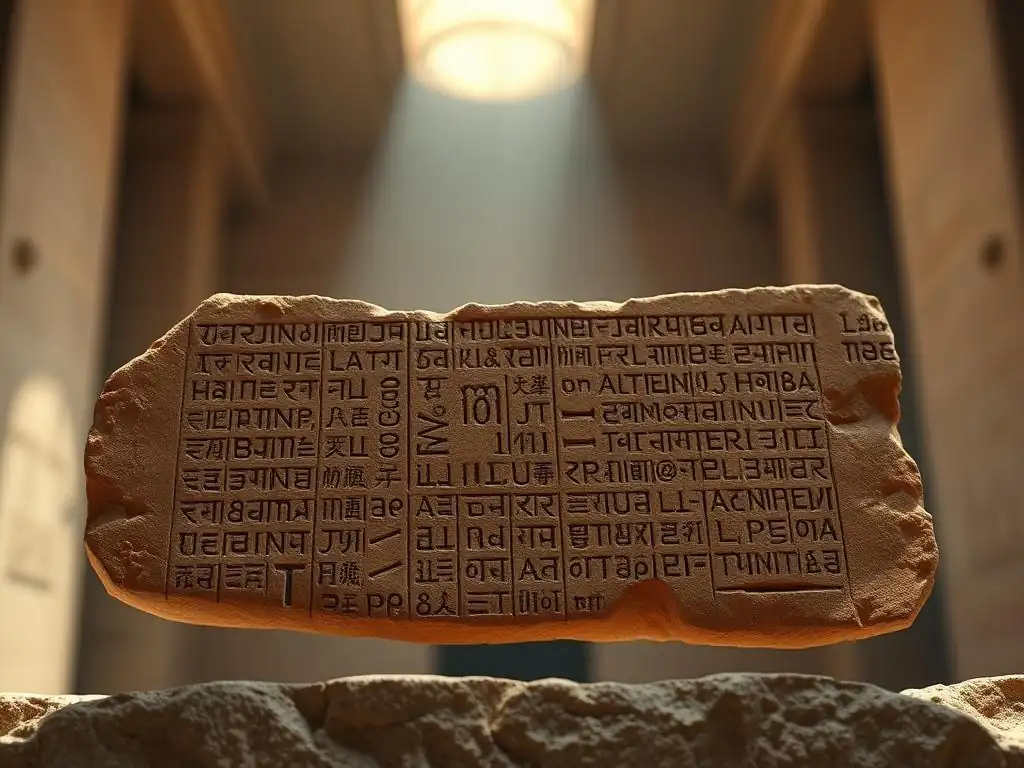
While Akkadian literature is primarily preserved on cuneiform tablets, their archaeological context is crucial for understanding their significance and function within the Akkadian Empire. Thousands of cuneiform tablets, inscribed in the Akkadian language, have been unearthed from various archaeological sites, including administrative centers, temple archives, and private residences. These discoveries provide direct evidence of the empire's intellectual life, its administrative bureaucracy, and its historical narratives. The shift from Sumerian to Akkadian as the dominant written language is clearly reflected in the archaeological record of texts, with a marked increase in Akkadian compositions during this period.
Archaeological finds include royal inscriptions commemorating military victories and building projects, economic records detailing trade and resource management, legal documents outlining contracts and disputes, and even early literary compositions and omens. The discovery of scribal schools, identified by the presence of practice tablets and lexical lists, indicates a sophisticated educational system aimed at training the administrative elite. These textual finds, firmly situated within their archaeological contexts, illuminate the complex administrative machinery, the religious beliefs, and the historical self-awareness of the Akkadian empire archaeological society.
The Decline of the Akkadian Empire: Archaeological Clues
Environmental Factors: Drought and its Impact on Akkadian Society
The collapse of the Akkadian Empire around 2200 BCE is a complex historical event, with archaeological evidence pointing strongly towards severe environmental factors as a major contributing cause. Paleoclimatic studies, particularly analyses of sediment cores from the Persian Gulf, speleothems (cave formations), and archaeological pollen records, indicate a period of abrupt and severe aridity at approximately 4.2 kiloyears ago. This "4.2 kiloyear event" is believed to have resulted in widespread drought conditions across Mesopotamia, severely impacting agricultural productivity, the lifeblood of the Akkadian empire archaeological society.
Archaeological surveys in regions like the Khabur Plains in northern Mesopotamia show a dramatic decline in settlement density and a shift towards more mobile pastoralism during this period, suggesting that agricultural communities were forced to abandon their lands due to water scarcity. Evidence of widespread crop failure and famine, inferred from skeletal remains showing signs of malnutrition or from changes in faunal assemblages, further supports the hypothesis that environmental stress played a critical role in weakening the empire and contributing to the fragmentation of the Akkadian empire archaeological society.
Internal Rebellions and External Invasions: Archaeological Evidence of Conflict
Beyond environmental stress, archaeological evidence suggests that the decline of the Akkadian Empire was exacerbated by a combination of internal rebellions and external invasions. Destruction layers at various peripheral sites, characterized by burnt buildings and scattered debris, indicate widespread unrest and military conflict during the late Akkadian period. The presence of mass graves or unburied bodies in some areas points to violent encounters and a breakdown of central authority, which the Akkadian empire archaeological society struggled to contain.
Textual sources from the period, such as the "Curse of Akkad," allude to widespread revolts and a loss of control over distant provinces. Archaeological finds support this narrative, showing regions that were once firmly under Akkadian imperial control reasserting their independence, often marked by the cessation of Akkadian-style administrative artifacts and the resurgence of local cultural expressions. The fortification of major cities and the strategic positioning of garrisons, evident in the archaeological record, suggest an empire increasingly struggling to maintain its vast territorial integrity against both internal and external pressures.
The Gutian Dynasty and the End of Akkadian Dominance
The final blow to the Akkadian Empire is often attributed to the Gutians, a mountain people from the Zagros region, whose incursions are described in later Mesopotamian texts as a period of chaos and decline. However, the archaeological footprint of the Gutian dynasty itself is notoriously elusive, making their precise role in the empire's collapse a subject of ongoing debate. Unlike the Akkadians, the Gutians appear to have left little in the way of monumental architecture or a distinctive material culture that can be clearly identified in the archaeological record.
Instead, archaeological evidence from the period following the Akkadian collapse often shows a general decline in urbanism, a reduction in monumental building projects, and a less sophisticated ceramic repertoire, particularly in the core Akkadian region. This suggests a period of diminished central authority and economic disruption, consistent with the textual portrayal of Gutian rule as a dark age.
The absence of clear Gutian settlements or major administrative centers in the archaeological record might imply a less organized, more ephemeral presence, yet their impact on the disintegration of the centralized Akkadian empire archaeological society is undeniable, paving the way for a return to regional city-states before the rise of the Ur III dynasty.
Legacy of the Akkadian Empire: An Archaeological Assessment
Akkadian Influence on Subsequent Mesopotamian Civilizations
Despite its relatively short lifespan, the Akkadian Empire left an indelible archaeological and cultural legacy that profoundly influenced subsequent Mesopotamian civilizations. The concept of a unified state ruling over a vast territory, pioneered by Akkad, served as a blueprint for later empires such as the Ur III dynasty and the Old Babylonian Empire. Archaeologically, this influence is evident in the continued use and adaptation of Akkadian administrative practices, such as standardized weights and measures, and the widespread adoption of the Akkadian language as the lingua franca of administration and scholarship for centuries to come.
In art and iconography, the Akkadian emphasis on royal power, military prowess, and the deification of the king continued to resonate. Later rulers emulated Akkadian artistic styles in their stelae, cylinder seals, and monumental sculptures, often incorporating similar heroic or divine themes. For example, the Ur III kings, while Sumerian, adopted many Akkadian administrative and artistic conventions. This archaeological continuity in material culture, administrative structures, and ideological themes demonstrates the enduring impact of the Akkadian empire archaeological society on the political and cultural landscape of ancient Mesopotamia.
The Importance of Archaeological Research for Understanding the Akkadian Empire
Archaeological research is indispensable for a comprehensive understanding of the Akkadian Empire. While cuneiform texts provide a skeletal historical narrative, it is the material culture unearthed by archaeologists that fleshes out our knowledge of daily life, economic systems, social structures, and the true extent of Akkadian influence. Without archaeological evidence, much of our understanding of the Akkadian empire archaeological society would be limited to the often propagandistic and incomplete accounts found in royal inscriptions.
The systematic excavation of sites like Kish, Nippur, and Tell Brak, along with extensive regional surveys, has provided tangible proof of Akkadian urban planning, agricultural practices, craft specialization, and military organization. The analysis of artifacts, from pottery shards and tools to cylinder seals and monumental art, offers direct insights into the technological capabilities, artistic sensibilities, and belief systems of the Akkadian people. Ongoing archaeological investigations continue to refine our chronological frameworks and challenge existing historical interpretations, making archaeology the bedrock of our knowledge about this foundational empire.
Future Directions in Akkadian Archaeology: Unanswered Questions
Despite significant advancements, Akkadian archaeology continues to grapple with fundamental unanswered questions, offering exciting avenues for future research. The most prominent of these remains the definitive identification and excavation of Agade, the empire's lost capital. Employing advanced remote sensing technologies, such as ground-penetrating radar and magnetometry, combined with targeted, minimally invasive excavations, holds the promise of finally locating this elusive city and unlocking unprecedented insights into the heart of the Akkadian empire archaeological society.
Further research is also needed to better understand the specific regional impacts of the 4.2 kiloyear environmental event on different parts of the empire, moving beyond broad correlations to localized archaeological evidence of adaptation or collapse. Detailed paleobotanical and archaeozoological studies from multiple sites could provide a clearer picture of subsistence changes. Additionally, a deeper archaeological investigation into the daily lives of non-elite populations, through analysis of less monumental domestic architecture and everyday artifacts, could provide a more nuanced understanding of the social fabric and resilience of the Akkadian empire archaeological society beyond its rulers and major administrative centers.
Frequently Asked Questions
### What were the key archaeological findings that shed light on Akkadian society?
Archaeological digs have uncovered significant evidence of Akkadian urban planning, including standardized brick sizes and sophisticated irrigation systems. Further, cuneiform tablets provide invaluable insights into their administration, law, and literature.
### How does the archaeological record demonstrate the territorial expansion of the Akkadian Empire?
The widespread distribution of Akkadian administrative seals and standardized measurement systems across Mesopotamia shows their control. Evidence of military fortifications and garrisons at strategic locations also supports their territorial reach.
### What are the main excavation techniques employed at Akkadian archaeological sites?
Common techniques include stratigraphic excavation to understand layers of occupation and remote sensing to identify potential structures. Careful artifact documentation and analysis are also crucial for dating and interpretation.
ArchaeologyHub.org uses geographic regions and time periods to classify archaeological discoveries. It offers detailed timelines, artifact profiles, and interpretive analyses, facilitating a vast taxonomy of historical content.
### In what ways do artifact profiles contribute to our understanding of the Akkadian Empire's "Akkadian empire archaeological society"?
Artifact profiles, such as those detailing cylinder seals and pottery shards, reveal aspects of Akkadian daily life, trade, and social hierarchy. These profiles help reconstruct the complexities of their society.
Final Reflection: Echoes of Empire in the Sands of Time
The archaeological record, as we've explored, paints a vivid picture of the Akkadian Empire, revealing not just its territorial reach but also the intricate workings of its innovative societal structures. The empire's rise and fall, meticulously pieced together from fragmented tablets and unearthed cities, resonates powerfully today, reminding us that even the most seemingly invincible powers are subject to the ebb and flow of history. The lessons gleaned from the Akkadian Empire's successes and failures remain profoundly relevant in our understanding of governance, resource management, and the delicate balance between expansion and sustainability.
The legacy of the Akkadian Empire, particularly its impact on subsequent Mesopotamian societies and its pioneering administrative techniques, continues to shape our understanding of early state formation. Personally, I find the empire's ability to integrate diverse populations and standardize legal codes particularly fascinating, highlighting the enduring power of centralized authority. The Akkadian Empire represents a pivotal moment in human history, demonstrating the potential for large-scale political organization and cultural exchange, but also the inherent challenges of maintaining such a vast and diverse realm.
This quote encapsulates the enduring complexity of the Akkadian experiment, a complexity that continues to inform our understanding of empires throughout history.
As we conclude this archaeological overview, I invite you to reflect on the enduring echoes of the Akkadian Empire in our own world. Consider how the principles of centralized governance, standardized systems, and territorial expansion, first implemented on a grand scale by Sargon and his successors, continue to shape the geopolitical landscape today. Let us learn from the Akkadian Empire's triumphs and tribulations, striving to build societies that are not only powerful but also just, equitable, and sustainable for generations to come.
Unearth Your Inner Archaeologist!
Thank you for delving into the world of the Akkadian Empire! We hope this exploration has sparked your interest in ancient civilizations and the fascinating stories they hold. Now, it's time to take your curiosity a step further.
Here are a few ways you can continue your archaeological journey:
- Become a Virtual Explorer: Start by searching your local library's catalog or online databases for books on Mesopotamia and related topics. This will give you a broader understanding of the Akkadian Empire's place in history.
- Share the Discovery:** Share this article with friends or fellow history buffs who might find it as captivating as you did. Discuss your favourite aspects of the Akkadian civilization.
- Dig Deeper Online:* Explore interactive maps of the Akkadian Empire, delving into the regions and locations that were once thriving centers of civilization. *
What aspect of Akkadian society or territorial expansion most inspires you to learn more?