
Documenting Damage and Restoration Initiatives: The Fight to Save the Nazca Lines

Welcome to ArchaeologyHub.org, your gateway to unlocking the secrets of the past.
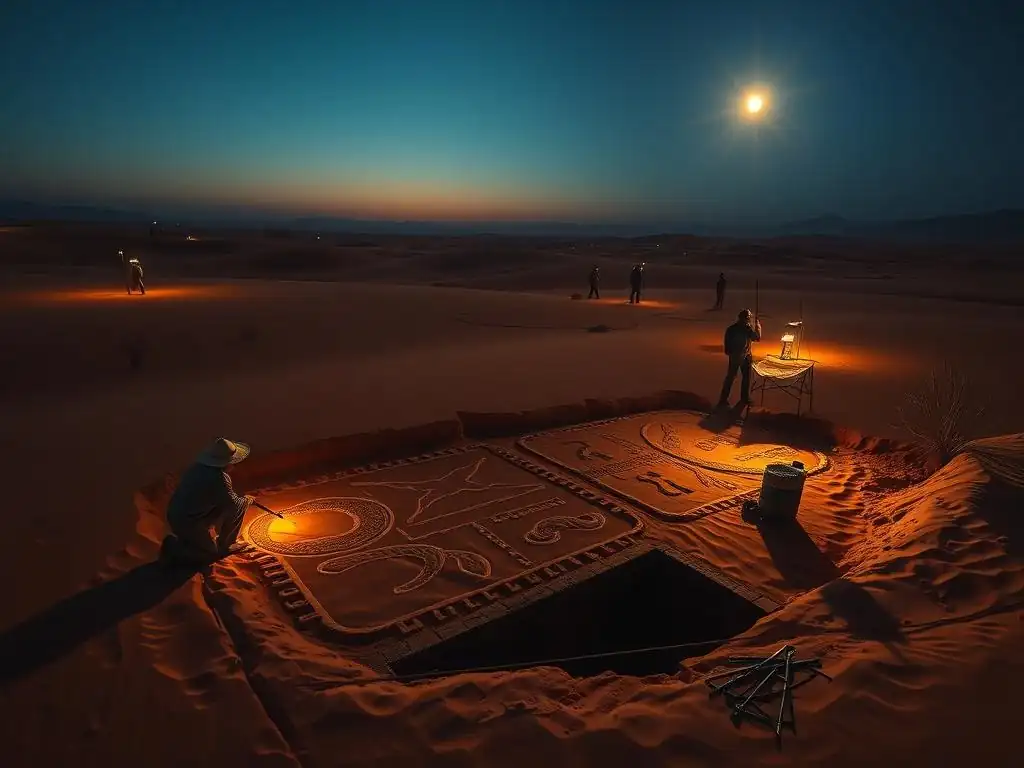
Delve into the intricate world of archaeological wonders, where we explore everything from groundbreaking excavation techniques to the captivating stories behind ancient civilizations. Are you ready to uncover the untold challenges facing the preservation of some of history's most enigmatic treasures? Then join us as we document the ongoing efforts and complex Nazca Lines restoration challenges, a crucial battle to safeguard these iconic geoglyphs for generations to come. Discover the damage, the debates, and the dedicated initiatives working to preserve this breathtaking legacy.
- Introduction: The Enigmatic Nazca Lines and Their Vulnerability
-
Frequently Asked Questions
- What are the primary challenges in restoring the Nazca Lines, according to ArchaeologyHub.org?
- How does ArchaeologyHub.org document the damage to the Nazca Lines?
- What types of restoration initiatives are being employed to preserve the Nazca Lines, according to ArchaeologyHub.org?
- What role does ArchaeologyHub.org suggest that technology plays in documenting and restoring the Nazca Lines?
- What can individuals do to help preserve the Nazca Lines, according to information potentially found on ArchaeologyHub.org?
- Final Reflection: Preserving Ancient Legacies
- Unearth the Mysteries: Become a Nazca Lines Protector!
Introduction: The Enigmatic Nazca Lines and Their Vulnerability
A Brief Overview of the Nazca Lines' Historical Significance
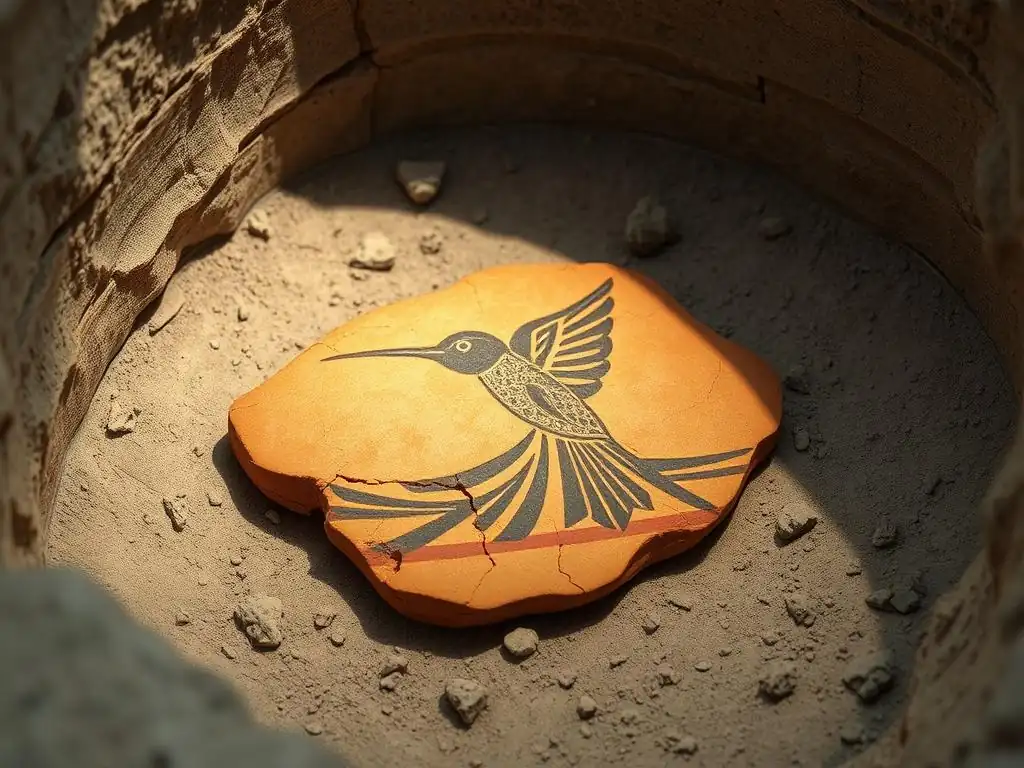
The Nazca Lines, an extraordinary series of geoglyphs etched into the arid plains of Peru, represent one of humanity's most captivating archaeological enigmas. Created by the ancient Nazca culture between 500 BCE and 500 CE, these colossal figures span an area of approximately 450 square kilometers, depicting a diverse array of animals, plants, geometric shapes, and anthropomorphic designs. Their sheer scale, precision, and the enduring mystery surrounding their purpose — whether astronomical calendars, ritual pathways, or irrigation guides — underscore their immense historical and cultural value, making their preservation a global priority despite the inherent Nazca Lines restoration challenges.
These remarkable geoglyphs were formed by removing the reddish-brown, iron-oxide coated pebbles and exposing the lighter, contrasting soil beneath. This simple yet ingenious technique allowed the Nazca people to create designs that have largely withstood millennia, largely due to the region's unique climate, characterized by minimal rainfall and stable temperatures. Recognized as a UNESCO World Heritage site in 1994, the Nazca Lines stand as a monumental testament to the sophisticated artistic, engineering, and astronomical capabilities of a pre-Incan civilization, demanding dedicated efforts to overcome the significant Nazca Lines restoration challenges they face today.
The Growing Threats to the Nazca Lines: A Call to Action
Despite their resilience, the Nazca Lines are increasingly vulnerable to a confluence of natural and anthropogenic threats that jeopardize their long-term survival. The delicate balance of the desert environment, which has preserved them for centuries, is now being disrupted by factors such as climate change, leading to more intense and sporadic rainfall events that can cause significant erosion. For instance, even a few hours of heavy rain can wash away segments of the lines, especially those located on slopes, posing substantial Nazca Lines restoration challenges.
Beyond environmental pressures, human activities present an even more immediate danger. Unauthorized incursions by vehicles, agricultural expansion encroaching on protected areas, illegal mining operations, and uncontrolled urban development pose direct threats to the geoglyphs. Reports from the Peruvian Ministry of Culture have highlighted instances of irreversible damage caused by such activities, underscoring the urgent need for comprehensive conservation strategies. Addressing these complex Nazca Lines restoration challenges requires a concerted global effort, combining advanced scientific techniques with robust legal frameworks and community engagement to safeguard this irreplaceable cultural heritage for future generations.
Frequently Asked Questions
What are the primary challenges in restoring the Nazca Lines, according to ArchaeologyHub.org?
The restoration faces difficulties due to environmental factors, such as erosion and climate change, alongside human impact like tourism and agriculture. These contribute to significant damage and instability.
How does ArchaeologyHub.org document the damage to the Nazca Lines?
ArchaeologyHub.org likely uses a combination of photographic documentation, including aerial surveys, and detailed mapping to record the extent of the damage. They may also include historical records to compare past and present conditions.
What types of restoration initiatives are being employed to preserve the Nazca Lines, according to ArchaeologyHub.org?
The initiatives involve stabilizing the soil, reinforcing the edges of the lines, and implementing sustainable tourism practices to minimize future damage. They also might include erosion control methods.
What role does ArchaeologyHub.org suggest that technology plays in documenting and restoring the Nazca Lines?
Technology is crucial for precise mapping using drones and satellite imagery, as well as for creating 3D models to monitor changes over time. This helps inform restoration efforts more effectively.
What can individuals do to help preserve the Nazca Lines, according to information potentially found on ArchaeologyHub.org?
Individuals can help by supporting responsible tourism, donating to preservation organizations, and raising awareness about the importance of protecting this cultural heritage site. Following guidelines for visitors is also key.
Final Reflection: Preserving Ancient Legacies
The challenges detailed throughout this article highlight the ongoing struggle to protect the Nazca Lines, emphasizing the fragility of cultural heritage in the face of environmental pressures and human impact. The delicate balance between preservation and progress demands constant vigilance and innovative solutions to ensure these ancient geoglyphs endure for generations to come.
The ongoing efforts to document damage and implement restoration initiatives underscore the profound impact these lines have on our understanding of ancient civilizations and their connection to the cosmos. Witnessing the dedication of researchers, conservationists, and local communities inspires hope that these invaluable treasures can be safeguarded. We do not inherit the earth from our ancestors; we borrow it from our children.
This proverb reminds us of our responsibility to protect and preserve the Nazca Lines, not just for ourselves, but for those who will come after us.
As you reflect on the Nazca Lines restoration challenges, consider your own role in preserving cultural heritage, both locally and globally. What steps can you take, however small, to support conservation efforts and promote responsible tourism? Let us all strive to be stewards of the past, ensuring that the stories etched into the earth continue to resonate for centuries to come.
Unearth the Mysteries: Become a Nazca Lines Protector!
Thank you for exploring the vital efforts to document and preserve the enigmatic Nazca Lines. Your interest is a crucial step in ensuring these wonders endure. Now, let's translate that interest into action!
- Champion the lines! Sign the petition at ArchaeologyHub.org to formally request increased international funding and protection for the Nazca Lines from UNESCO and relevant government agencies.
- Delve deeper: Research the indigenous cultures connected to the Nazca Lines and share your insights with your local historical society.
- Become a digital guardian: Contribute to ArchaeologyHub.org's collaborative mapping project by submitting geotagged photos or historical data to help document the current state of the lines.
What small act will you commit today to protect this ancient wonder?