
Ethnohistorical Chronicles as Sources for Understanding Inca Royal Estates

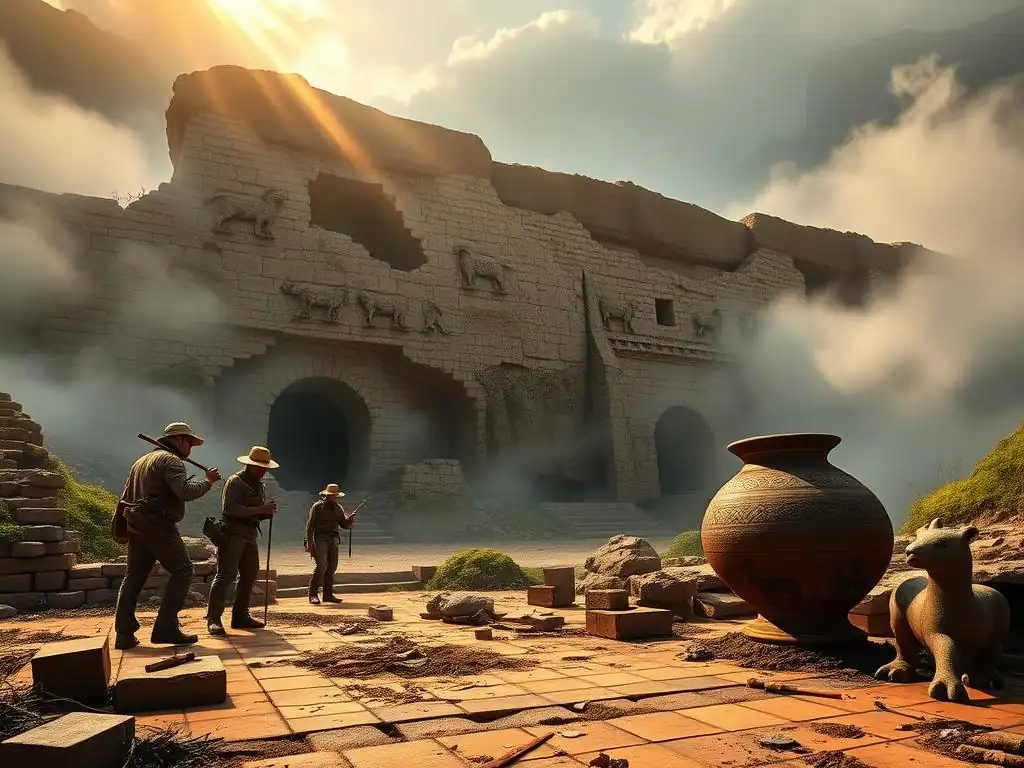
Welcome to ArchaeologyHub.org, your portal to unraveling the mysteries of the past. Ever wondered how ethnohistorical accounts can unlock secrets hidden within ancient landscapes? Dive into our featured article, " Ethnohistorical Chronicles as Sources for Understanding Inca Royal Estates," and discover how written records breathe life into archaeological findings, offering unprecedented insight into the power and prestige of the Inca empire. Prepare to explore the fascinating world of Inca royal estate chronicles and the stories they tell!
- Introduction: Unveiling Inca Royal Estates Through Ethnohistorical Chronicles
- The Nature of Ethnohistorical Chronicles: A Primary Source for Inca History
- Key Chronicles for Studying Inca Royal Estates: A Comparative Analysis
- Analyzing Ethnohistorical Data: Methods and Challenges in Inca Estate Research
- Case Studies: Applying Ethnohistorical Data to Specific Inca Royal Estates
- Limitations and Interpretations: Navigating the Challenges of Using Inca Chronicles
- Conclusion: The Enduring Value of Ethnohistorical Chronicles for Inca Royal Estate Studies
-
Frequently Asked Questions
- What are ethnohistorical chronicles, and why are they important for understanding Inca royal estates?
- How do ethnohistorical chronicles complement archaeological findings in the study of Inca royal estates?
- What are some limitations to consider when using ethnohistorical chronicles as sources for understanding Inca royal estates?
- Can ethnohistorical chronicles provide insights into the daily life and social organization of people living and working on Inca royal estates?
- How can researchers ensure a balanced interpretation of Inca royal estates when relying on ethnohistorical chronicles?
- Final Reflection: Echoes of Inca Power in Modern Understanding
- Uncover the Secrets of Inca Royal Life!
Introduction: Unveiling Inca Royal Estates Through Ethnohistorical Chronicles
The Significance of Ethnohistorical Sources in Inca Archaeology
Ethnohistorical sources are invaluable for understanding the Inca Empire, particularly for interpreting complex archaeological sites like Inca royal estates. Given the absence of a conventional written language among the Inca – their quipu system served as a sophisticated mnemonic device for numerical and perhaps narrative information, but not as a phonetic script – the Spanish colonial chronicles and indigenous accounts from the 16th and 17th centuries serve as the primary textual records.
These Inca royal estate chronicles bridge the gap between material remains and the intricate socio-political and economic context in which the Inca operated, offering unparalleled insights into their daily lives, administrative structures, and beliefs.
These historical narratives provide crucial details that archaeological excavations alone cannot fully reveal, such as the names of rulers associated with specific estates, their intended functions, and the social dynamics of the people who inhabited and maintained them. For instance, while archaeology can uncover the impressive terracing and sophisticated water systems of an Inca royal estate, ethnohistorical accounts often explain who commissioned these constructions, why they were built, and how they were managed, transforming inert ruins into vibrant historical narratives. The study of Inca royal estate chronicles is thus fundamental to a holistic understanding of these remarkable sites.
Defining Inca Royal Estates: Purpose and Organization
Inca royal estates were far more than simple residences for the Sapa Inca (emperor); they were complex, multi-functional centers that served as agricultural hubs, administrative nodes, ceremonial sites, and symbols of imperial power. Typically established by an Inca ruler during his lifetime, these estates provided a personal economic base for his panaca (royal lineage) after his death, ensuring their continued influence and sustenance.
Locations were often chosen for their strategic importance, fertile lands, and pleasant climate, reflecting both practical and aesthetic considerations. Machu Picchu, for example, is widely considered to have been a royal estate of Pachacuti Inca Yupanqui, serving as a retreat and ceremonial center.
The organization of an Inca royal estate was meticulously planned, reflecting the advanced engineering and administrative capabilities of the Inca state. They typically encompassed vast agricultural terraces designed for maximum productivity, often irrigated by sophisticated canal systems diverting water from distant sources. Alongside these productive lands were residential compounds for the Inca and his retinue, ceremonial plazas and temples, and extensive qollqas (storehouses) for surplus produce. The estates also often included kallankas (large halls) for gatherings and administrative buildings, underscoring their role as micro-capitals within the broader imperial structure, as often detailed in Inca chronicles.
The Nature of Ethnohistorical Chronicles: A Primary Source for Inca History
Understanding the Biases and Perspectives of Chroniclers
When engaging with Inca royal estate chronicles, it is imperative to acknowledge the inherent biases and perspectives of their authors. Spanish chroniclers, writing in the aftermath of the conquest, often viewed Inca society through a European, Christian, and colonial lens. Their narratives could be influenced by a desire to justify the conquest, to highlight Spanish prowess, or to sensationalize aspects of Inca culture (e.g., human sacrifice) to fit pre-conceived notions. Conversely, some, like Garcilaso de la Vega, aimed to present a more idealized or sympathetic portrayal of the Inca, often reflecting their own mixed heritage or intellectual leanings.
Indigenous chroniclers, while offering invaluable internal perspectives, also possessed their own biases. They might have sought to legitimize certain Inca lineages, lament the loss of the pre-Hispanic world, or advocate for specific indigenous rights under colonial rule. For instance, Felipe Guamán Poma de Ayala's Nueva corónica y buen gobierno is a powerful critique of Spanish colonial abuses, but it also reflects his personal experiences and political agenda. Critically analyzing these varied viewpoints is essential for extracting nuanced information about Inca royal estates and avoiding anachronistic interpretations.
Types of Ethnohistorical Chronicles Relevant to Inca Royal Estates
Ethnohistorical sources concerning the Inca Empire, and by extension, Inca royal estates, can be broadly categorized into Spanish chronicles and indigenous accounts, each offering unique insights and facing distinct limitations. These documents, written primarily between the 1530s and the early 17th century, form the bedrock of our textual understanding of the Inca world. They vary widely in their scope, detail, and reliability, necessitating careful comparative analysis to reconstruct a comprehensive picture of Inca civilization.
The study of these diverse Inca chronicles allows researchers to cross-reference information, identify recurring themes, and pinpoint discrepancies, thereby building a more robust and nuanced understanding of Inca society. This multi-faceted approach helps to mitigate the biases inherent in any single account and provides a richer context for archaeological findings related to Inca royal estates, their construction, function, and eventual decline.
Spanish Chronicles: Insights and Limitations
Spanish chroniclers provided some of the earliest written accounts of the Inca Empire, often based on eyewitness observations or interviews with Inca informants shortly after the conquest. Figures like Pedro Cieza de León, known as the "Prince of Chroniclers," traveled extensively through the former Inca territories and meticulously recorded details about infrastructure, agricultural practices, and social customs.
Others, such as Juan de Betanzos, Cristóbal de Molina (el Cuzqueño), and Polo de Ondegardo, collected testimonies directly from Inca nobles and kurakas (local chiefs), offering valuable information on Inca history, religion, and administration, including details pertinent to the management and purpose of Inca royal estates.
However, these accounts come with significant limitations. Many chroniclers relied on interpreters, leading to potential misunderstandings or mistranslations of complex Quechua concepts. Their European cultural framework often led to misinterpretations of Inca social structures, religious beliefs, and political systems. Furthermore, the context of the conquest meant that information was often gathered under duress, and informants might have tailored their narratives to appease their conquerors or to protect their own interests. Despite these challenges, these Inca royal estate chronicles remain indispensable for their foundational data.
Indigenous Accounts: Recovering Inca Perspectives
Indigenous accounts, though fewer in number, offer an invaluable counterpoint to the Spanish narratives, providing perspectives from within the Inca cultural sphere. The most famous example is Felipe Guamán Poma de Ayala's Nueva corónica y buen gobierno (completed around 1615), a massive, illustrated manuscript written by an Andean nobleman.
This work provides a detailed, often critical, view of Inca society before the conquest, the abuses of Spanish colonial rule, and proposals for a "good government" based on Inca principles. His descriptions and drawings offer unique insights into daily life, labor organization, and the social hierarchy of the Inca Empire, directly illuminating aspects of Inca royal estate management and the lives of those who worked on them.
Another important indigenous voice is Titu Cusi Yupanqui, a son of Manco Inca Yupanqui, whose Relación de la conquista del Perú (1570) provides a rare Inca perspective on the Spanish conquest and the early years of the Neo-Inca state in Vilcabamba. While less focused on the daily operations of Inca royal estates, his work offers insights into the political motivations behind their establishment and their role in the Inca's strategic landscape. These indigenous Inca royal estate chronicles are crucial for recovering native voices and understanding the complex cultural nuances often missed by European observers.
Key Chronicles for Studying Inca Royal Estates: A Comparative Analysis
The Chronicle of Pedro Cieza de León: Insights into Estate Infrastructure
Pedro Cieza de León, a Spanish soldier who traveled extensively through the Andes between 1541 and 1550, authored Crónica del Perú, one of the most comprehensive and reliable early accounts of the Inca Empire. His unique position as a traveler who observed the Inca realm shortly after the conquest, while many of its structures and systems were still relatively intact, makes his chronicle an exceptional source for understanding the physical infrastructure of Inca royal estates. He meticulously described the vast Inca road network, bridges, tampus (way stations), and agricultural lands, often noting their impressive scale and engineering.
Cieza de León’s observations provide a foundational understanding of how these royal domains were integrated into the broader Inca state. He frequently commented on the fertile valleys, such as the Urubamba, where many prominent Inca royal estates were located, noting the intensive cultivation and the presence of "royal houses" or "houses of pleasure" belonging to the Inca rulers. His direct, albeit brief, descriptions of these sites are invaluable for archaeologists attempting to reconstruct the original appearance and function of these complex centers.
Estate Infrastructure According to Pedro Cieza de León
Cieza de León consistently expressed admiration for the Inca's sophisticated infrastructure, particularly their agricultural systems and buildings. He noted how the Inca transformed entire mountainsides into productive agricultural terraces, often supported by intricate irrigation canals that channeled water over significant distances. While he did not detail specific measurements for every estate, his general descriptions highlight the immense labor and engineering prowess involved. For instance, he remarked on the "marvelous works" of cultivation he witnessed, suggesting fields that could sustain large populations, an essential characteristic of Inca royal estates.
His chronicle also describes the quality of construction found in these royal settings. He mentioned "very rich and splendid" buildings, often constructed with finely cut stones, indicating the superior craftsmanship reserved for imperial projects. He recounts the presence of "gardens" and "pleasure houses" belonging to the Inca, which were invariably surrounded by meticulously cultivated lands yielding abundant crops like maize and potatoes. These detailed observations from Cieza de León's Inca royal estate chronicles provide a tangible sense of the scale and quality of infrastructure dedicated to the Inca elite.
The Chronicle of Guamán Poma de Ayala: Focus on Estate Labor Management
Felipe Guamán Poma de Ayala, an indigenous nobleman from the Andean region, completed his monumental Nueva corónica y buen gobierno around 1615. This extensive manuscript, comprising nearly 1,200 pages and 400 drawings, offers a unique and invaluable indigenous perspective on Inca society, the Spanish conquest, and colonial rule. While Cieza de León focused on the physical remnants of the Inca Empire, Guamán Poma delved deeply into the social organization, daily life, and labor systems that underpinned Inca society, providing critical insights into the human element of Inca royal estates.
Guamán Poma’s detailed illustrations and descriptions illuminate the complex hierarchical structure of Inca labor management, particularly the mit'a system. He depicted various social classes, from the Sapa Inca to the common hatun runa (commoners), engaged in different tasks, including agricultural labor, construction, and service. His work is essential for understanding how the vast agricultural output and impressive constructions of Inca royal estates were achieved through organized, state-controlled labor.
Estate Labor Management Described by Guamán Poma de Ayala
Guamán Poma's chronicle provides vivid illustrations and descriptions of the mit'a labor system, which was fundamental to the operation and maintenance of Inca royal estates. He detailed how commoners, organized by their kurakas (local lords), performed rotational labor service for the state, including cultivating royal lands, constructing palaces, and maintaining irrigation systems. His drawings often show groups of men and women working collectively in fields, carrying agricultural produce, or engaged in building activities, clearly depicting the communal yet highly organized nature of Inca labor.
Furthermore, Guamán Poma elaborated on the qollqa (storehouses) system, illustrating how surplus goods from Inca royal estates were meticulously recorded using quipu and then redistributed by the state. He also described the roles of specialized laborers and retainers, such as the yanacona (personal servants) and aqllakuna (chosen women), who often resided on or near royal estates, contributing textiles, chicha (maize beer), and other goods directly to the Inca's household. These specific details from Guamán Poma's Inca royal estate chronicles are crucial for understanding the intricate social and economic mechanisms that sustained these elite domains.
Contrasting Accounts: Reconciling Different Perspectives on Inca Royal Estates
The accounts of Pedro Cieza de León and Guamán Poma de Ayala, while both invaluable, offer distinct perspectives that require careful reconciliation to form a comprehensive understanding of Inca royal estates. Cieza, as an outsider, provided a broad, observational overview of the empire's physical grandeur and administrative efficiency, often marveling at the scale of Inca achievements. His focus was more on what he saw and its immediate implications for the newly conquered territories. He often described the impressive infrastructure and productivity of the royal lands, emphasizing the wealth they generated for the Inca state.
Guamán Poma, conversely, offered an internal, often critical, perspective on the human cost and social dynamics of the Inca system. While he acknowledged the achievements, his focus was more on the people involved in maintaining these structures – their labor, their burdens, and their social roles.
He detailed the specific types of labor demanded, the social hierarchies, and the meticulous management of resources and labor that sustained these elite domains. Reconciling these Inca royal estate chronicles requires understanding their respective biases and recognizing that they complement each other, with Cieza providing the "what" and Guamán Poma illuminating the "how" and "who" from an indigenous viewpoint.
Analyzing Ethnohistorical Data: Methods and Challenges in Inca Estate Research
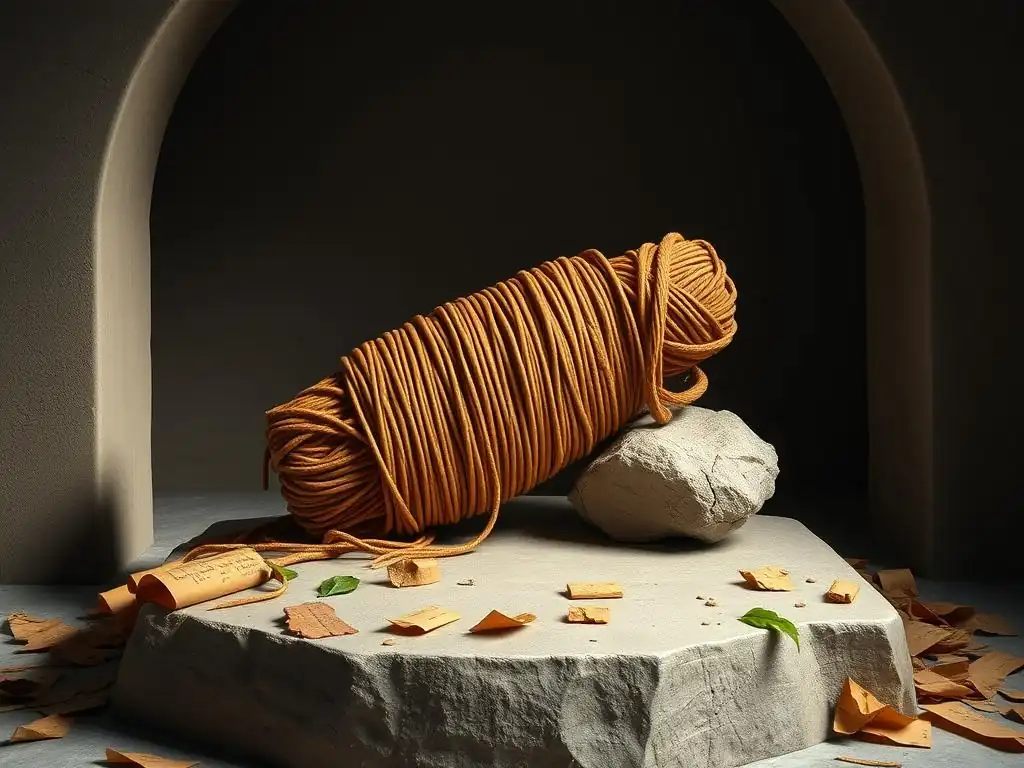
Identifying Royal Estate Locations and Boundaries in Chronicles
One of the primary applications of Inca royal estate chronicles in archaeological research is the identification of potential site locations and their historical boundaries. Chroniclers frequently mentioned specific place names, geographical features (valleys, rivers, mountains), and associations with particular Inca rulers, providing invaluable textual clues. For instance, the recurring mention of "Yucay" in several chronicles as a favored retreat of Inca rulers, particularly Huayna Capac, directly guided early archaeological investigations to this fertile valley, where extensive Inca remains were subsequently identified.
However, this process is not without its challenges. Place names might have changed over centuries, chroniclers' geographical descriptions could be imprecise or generalized, and some locations might have been described by their function rather than a specific name. Researchers employ multidisciplinary approaches, combining historical linguistics, cartography, and GIS (Geographic Information Systems) mapping to overlay historical textual descriptions onto modern topography. This rigorous method helps to triangulate potential sites and delineate the probable extent of ancient Inca royal estates, moving from textual clues to tangible archaeological targets.
Reconstructing Inca Agricultural Practices Through Chronicle Descriptions
Inca royal estate chronicles are a vital source for understanding the sophisticated agricultural practices that underpinned the Inca economy and sustained their elaborate royal domains. While archaeological evidence provides the physical remains of terraces and canals, the chronicles often describe the methods, crops, and social organization of farming. This textual information allows researchers to reconstruct the dynamic processes of Inca agriculture with a depth that material culture alone cannot achieve.
The chronicles frequently highlight the ingenuity of Inca agricultural engineering, such as their ability to cultivate diverse crops across varying altitudes and their meticulous water management systems. They also shed light on the ritualistic and administrative aspects of farming, including the dedication of specific lands to the Inca or the Sun, and the communal labor efforts involved. These details are crucial for understanding the economic self-sufficiency and strategic importance of Inca royal estates.
Irrigation Systems and Crop Production in Inca Royal Estates
Inca royal estate chronicles frequently describe the impressive irrigation systems that were a hallmark of Inca agricultural prowess. Chroniclers like Cieza de León marveled at the extensive networks of canals that diverted water from rivers and springs, often over many kilometers, to transform dry lands into fertile fields.
These systems were particularly crucial for the high-yield cultivation of maize, a staple crop and a symbol of Inca power, which often required consistent water supply. The chronicles emphasize that these elaborate irrigation works were often associated with the most productive lands, including those belonging to the Inca and the state, forming the backbone of Inca royal estates.
Beyond irrigation, the chronicles detail the variety of crops cultivated. While maize and potatoes were paramount, other crops like quinoa, squash, beans, and even coca (a sacred plant) are mentioned. Some chronicles allude to the Inca's interest in agricultural experimentation, cultivating different varieties in various ecological zones to maximize output and ensure food security. This meticulous approach to crop production, as described in these Inca chronicles, underscores the advanced agricultural science applied to sustain the elite and the imperial administration within these royal domains.
Inca royal estate chronicles are indispensable for deciphering the complex social organization and labor systems that facilitated the creation and maintenance of these vast domains. Unlike archaeological remains that show where people lived or what they built, chronicles explain who built them, how they were organized, and what their social roles were within the Inca hierarchy. This textual evidence provides the human context for the physical structures observed by archaeologists.
The chronicles detail the various categories of labor and social stratification, from the ruling Inca elite to the commoners who provided the bulk of the workforce. They explain the mechanisms of labor mobilization, the allocation of resources, and the reciprocal relationships that defined Inca society. Understanding these social dynamics, as described in Inca royal estate chronicles, is crucial for fully grasping the function and significance of these imperial centers.
The Role of Mit'a Labor in Estate Management
The mit'a system, a form of rotational labor service, is extensively described in Inca royal estate chronicles and was fundamental to the construction, cultivation, and maintenance of these imperial properties. Chroniclers consistently explain how commoners from various ayllus (kin-based communities) were obligated to provide a certain period of labor service each year to the state. This labor was directed towards public works, military service, and crucially, the agricultural and construction needs of the Inca and his panaca on their royal estates.
These chronicles illuminate the meticulous organization of this labor. The kurakas (local chiefs) were responsible for organizing their communities' mit'a contributions, ensuring that the required number of laborers arrived at the estates at designated times. Beyond the mit'a, chronicles also mention specialized laborers like the yanacona, who were personal retainers serving the Inca directly on his estates, and the aqllakuna (chosen women), who produced fine textiles and chicha. These distinct labor groups, often detailed in Inca chronicles, reveal the complex human management systems that made Inca royal estates functional and productive.
Case Studies: Applying Ethnohistorical Data to Specific Inca Royal Estates
Case Study 1: Yucay - An Ethnohistorical Reconstruction
Yucay, nestled in the Sacred Valley of the Inca, is repeatedly highlighted in Inca royal estate chronicles as a particularly favored retreat for several Inca rulers, most notably Huayna Capac. Chroniclers described its pleasant climate, fertile lands, and abundant water sources, making it an ideal location for a royal estate dedicated to both leisure and agricultural production. The textual evidence suggests that Yucay served as a place where the Inca could relax, entertain, and oversee the cultivation of diverse crops, including those from warmer climes.
Ethnohistorical accounts, though not providing precise architectural blueprints, paint a picture of a flourishing royal domain. They mention the Inca's enjoyment of its beauty and the richness of its harvests, which aligns with archaeological findings of extensive terracing and sophisticated irrigation systems. This convergence of textual and material evidence allows for a more comprehensive reconstruction of Yucay as a significant Inca royal estate, demonstrating the synergy between historical narrative and archaeological discovery.
Chronicle-Based Evidence for Terracing at Yucay
While specific numerical data on terracing dimensions is rare in the chronicles, the general descriptions in Inca royal estate chronicles strongly imply the vast scale of agricultural modification at sites like Yucay. Chroniclers often describe the "marvelous" and "extensive" cultivation efforts in the valleys favored by the Inca, indicating the presence of vast terraced fields. At Yucay, archaeological surveys have revealed that the terracing system, still visible today, transformed significant portions of the valley slopes into arable land, a testament to the Inca's mastery of landscape engineering.
The chronicles' emphasis on the Inca's desire for agricultural self-sufficiency and the provision of diverse foodstuffs for the royal household underscores the necessity of such extensive terracing. This aligns with the archaeological evidence at Yucay, where the sheer volume of terraced land would have required immense labor and sophisticated water management, reinforcing the chroniclers' general observations about Inca agricultural prowess. Thus, the textual narratives in these Inca chronicles provide the context for understanding the purpose and scale of the physical infrastructure at Inca royal estates like Yucay.
Case Study 2: Chinchero - Insights into Royal Power
Chinchero, located on a high plateau overlooking the Sacred Valley, is another significant site frequently mentioned in Inca royal estate chronicles, particularly in association with Inca Túpac Yupanqui. Chronicles suggest that Túpac Yupanqui established a substantial royal estate here, including a grand palace and extensive agricultural lands. This site was not merely a retreat but also a strategic administrative center, reflecting the Inca's ability to project power and control over vast territories from multiple hubs.
The ethnohistorical accounts emphasize Chinchero's role as a place where the Inca held court, received tribute, and conducted important ceremonies. This highlights the dual function of Inca royal estates as both economic engines and powerful symbols of imperial authority. The chronicles provide the narrative context for understanding why an Inca ruler would invest such resources in building and maintaining a complex like Chinchero, emphasizing its political and ceremonial significance.
Using Chronicles to Understand Royal Authority at Chinchero
Inca royal estate chronicles offer crucial insights into how sites like Chinchero functioned as expressions of royal authority. While chroniclers might not detail the precise dimensions of Túpac Yupanqui's palace at Chinchero, they often describe the grandeur of Inca residences and the elaborate ceremonies conducted within them. These accounts underscore the Inca's ability to command vast resources – labor, materials, and specialized artisans – to construct such impressive complexes, a direct manifestation of their imperial power.
The chronicles suggest that the very act of establishing and maintaining a royal estate like Chinchero served to reinforce the Inca's legitimacy and control over the populace. It was a place where the Inca could demonstrate his generosity through redistribution of goods, dispense justice, and host elaborate feasts, all of which cemented loyalty and affirmed his divine right to rule. The textual evidence in these Inca chronicles transforms Chinchero from a collection of ruins into a vibrant stage for the enactment of Inca imperial power.
The Problem of Translation and Interpretation
One of the significant challenges in utilizing Inca royal estate chronicles is the inherent problem of translation and interpretation. These documents were written in 16th and 17th-century Spanish, and some incorporate indigenous languages like Quechua and Aymara. Translating these texts into modern English, let alone accurately conveying their cultural nuances, is a complex task. Terms related to Inca social organization, land tenure, religious practices, or political structures often lack direct equivalents in European languages, leading to potential misinterpretations or oversimplifications.
Furthermore, the chroniclers themselves were interpreting a foreign culture through their own worldview, sometimes leading to misunderstandings that are embedded within the original text. For example, concepts of "ownership" or "labor" might have differed significantly between Inca and Spanish societies. Researchers must therefore engage in careful philological analysis, cross-referencing multiple translations and scholarly interpretations, and considering the linguistic and cultural context of the original authors to accurately extract information about Inca royal estates.
Cross-Referencing Chronicle Data with Archaeological Evidence
To overcome the limitations of individual sources and build a robust understanding of Inca royal estates, it is absolutely critical to cross-reference data from ethnohistorical chronicles with archaeological evidence. Archaeology provides the tangible, material proof of Inca presence and activities, which can either corroborate or challenge the narratives found in the chronicles. For instance, a chronicle might describe a royal estate with extensive agricultural fields, and archaeological surveys can then confirm the presence of vast terracing and irrigation systems at the described location.
Conversely, archaeological findings can prompt new interpretations of chronicled accounts. The discovery of specific types of artifacts or architectural features can shed new light on vague descriptions in Inca royal estate chronicles, helping to fill in gaps or correct historical inaccuracies. This interdisciplinary approach, where textual and material evidence are brought into dialogue, is essential for a holistic and accurate reconstruction of Inca royal estates, transforming theoretical narratives into empirically grounded understandings.
Conclusion: The Enduring Value of Ethnohistorical Chronicles for Inca Royal Estate Studies
Reassessing Our Understanding of Inca Civilization Through Chronicle Analysis
The critical analysis of Inca royal estate chronicles has profoundly reshaped and deepened our understanding of the Inca civilization. These invaluable documents provide the narrative framework that allows archaeologists to move beyond merely cataloging material remains to comprehending the intricate political economy, sophisticated social organization, and daily realities of the Inca Empire. Without these textual sources, many archaeological sites, including the magnificent Inca royal estates, would remain enigmatic structures, devoid of their human context, purpose, and historical significance.
Despite their inherent biases and limitations, these chronicles offer unparalleled insights into the motivations behind imperial expansion, the intricacies of state administration, and the spiritual beliefs that permeated Inca life. They allow us to contextualize the vast agricultural terraces, elaborate palaces, and intricate road networks, transforming them from mere engineering feats into components of a vibrant, complex society. Thus, the study of Inca royal estate chronicles remains an indispensable cornerstone for any comprehensive research on Inca civilization.
Future Directions in Ethnohistorical and Archaeological Research on Inca Estates
Future research on Inca royal estates will undoubtedly continue to leverage the synergy between ethnohistorical and archaeological methods, pushing the boundaries of our understanding. One promising direction involves the more precise geo-referencing of textual descriptions from Inca royal estate chronicles onto detailed GIS maps, allowing for the discovery of previously unlocated or misunderstood sites. The application of digital humanities tools to analyze large volumes of chronicled text can also reveal subtle patterns, interconnections, and semantic nuances that might be missed by traditional close reading.
Furthermore, continued efforts to identify and translate lesser-known indigenous language sources, or to re-interpret existing ones through a more nuanced cultural lens, holds the potential to uncover deeper cultural meanings and alternative perspectives on Inca royal estates. The integration of advanced archaeological techniques, such as remote sensing (LIDAR) and drone mapping, with rigorous ethnohistorical analysis promises to yield unprecedented insights into the scale, function, and human stories behind these remarkable imperial domains, ensuring that Inca royal estate chronicles remain at the forefront of Andean studies.
Frequently Asked Questions
What are ethnohistorical chronicles, and why are they important for understanding Inca royal estates?
Ethnohistorical chronicles are written accounts produced during or shortly after a period of contact between Europeans and indigenous peoples. They are vital because they provide firsthand or near-firsthand accounts of Inca society, including their royal estates, offering insights often unavailable through archaeological evidence alone.
How do ethnohistorical chronicles complement archaeological findings in the study of Inca royal estates?
Chronicles offer contextual information about the purpose, function, and social significance of structures and artifacts found at Inca royal estate sites. They can help interpret archaeological data by providing narratives and perspectives on daily life, rituals, and political activities.
What are some limitations to consider when using ethnohistorical chronicles as sources for understanding Inca royal estates?
These chronicles were often written from a European perspective, potentially biased or incomplete in their understanding of Inca culture. Translation issues and the loss of original indigenous accounts are also significant limitations.
Yes, many chronicles describe the types of labor performed, the goods produced, and the social hierarchy present within these estates. They can offer glimpses into the daily routines and interactions of the people who lived and worked there.
How can researchers ensure a balanced interpretation of Inca royal estates when relying on ethnohistorical chronicles?
Researchers should cross-reference information from multiple chronicles, compare them with archaeological findings, and consider the biases and perspectives of the authors. Employing interdisciplinary approaches is also crucial.
Final Reflection: Echoes of Inca Power in Modern Understanding
The exploration of Inca royal estate chronicles, as we've seen, isn't merely an academic exercise in deciphering ancient texts. It's a vital bridge connecting us to the tangible realities of a sophisticated civilization.
Understanding the intricate workings of these estates – their economic significance, their social impact, and their role in consolidating Inca power – offers invaluable insights into the enduring legacy of the Inca empire and its relevance to contemporary discussions of land management, resource allocation, and the complexities of imperial governance. The echoes of these chronicles resonate even today, informing our understanding of pre-Columbian societies and challenging Eurocentric perspectives on history.
The meticulous details preserved within these ethnohistorical accounts continue to shape our understanding of the Inca world, offering glimpses into the lives of those who lived and worked on these royal estates. Personally, the sheer scale and organizational prowess revealed by these chronicles is deeply inspiring, highlighting the ingenuity and resilience of the Inca people. The chronicles remind us that history is not a monolithic narrative but a tapestry woven from countless individual experiences. History is a relentless master. It has no present, only the past rushing into the future. To understand history, therefore, is to understand the present.
- John F. Kennedy. This quote encapsulates the importance of understanding the past to better navigate the present, and the Inca royal estate chronicles offer a unique lens through which to do just that.
As we conclude this exploration of Inca royal estate chronicles, I invite you to consider the lessons they hold for us today. How can we apply the principles of sustainable resource management, social equity, and effective governance, as evidenced in these historical accounts, to address contemporary challenges? Let us not simply admire the past, but actively learn from it, using the wisdom gleaned from these chronicles to build a more just and sustainable future, one where the echoes of Inca ingenuity continue to inspire generations to come.
Uncover the Secrets of Inca Royal Life!
Thank you for exploring the fascinating world of Inca royal estates! We hope this journey through ethnohistorical chronicles has sparked your curiosity and provided valuable insights. Now, let's translate that knowledge into action!
Here are a few ways to delve deeper into Inca history:
- Design your own virtual Inca royal estate, incorporating the features discussed in the article and considering the resources and power dynamics involved.
- Explore digital archives of ethnohistorical chronicles to discover firsthand accounts that might challenge or support existing interpretations.
- Share this article with fellow history enthusiasts and discuss how these chronicles shape our understanding of Inca society.
What overlooked detail from the chronicles struck you most, and how might it change our perspective on Inca royalty?