
The Role and Status of Women in Ur III Sumer: Evidence from Legal and Economic Texts


Welcome to ArchaeologyHub.org, your gateway to the past!
Delve into the fascinating world of ancient civilizations where every shard and inscription whispers secrets of bygone eras. Ever wondered about the lives of ordinary people in ancient societies? Our in-depth exploration begins here, focusing on the intriguing role and legal standing of women in Ur III Sumer, drawing from legal and economic texts to paint a vivid portrait of their daily lives and societal influence. Unearth the evidence and join us as we unravel the complexities of this pivotal period!
- Introduction: Understanding Women's Lives in Ur III Sumer
- Legal Framework and Women's Rights in Ur III
- Economic Activities and Women's Contributions
- Social Hierarchy and Women's Position
- Analyzing Legal and Economic Texts: A Closer Look
- Comparing the Status of Women in Ur III with Earlier Periods
- Challenges in Interpreting the Evidence
- Conclusion: The Significance of Women in Ur III Society
-
Frequently Asked Questions
- ### What primary source materials help us understand the legal status of women in Ur III Sumer?
- ### How did women's economic participation influence their legal standing in Ur III society?
- ### What specific legal rights did women in Ur III Sumer possess regarding property ownership?
- ### Were there differences in legal status between women of different social classes in Ur III Sumer?
- ### How did the legal status of women in Ur III compare to that of women in other contemporary Mesopotamian societies?
- Final Reflection: Unearthing Voices of the Past
- Unearth Your Inner Sumerologist: Continue the Journey!
Introduction: Understanding Women's Lives in Ur III Sumer
Archaeological Context: Sumerian Society and the Ur III Period
The Ur III period, spanning approximately 2112 to 2004 BCE, represents a significant epoch in Mesopotamian history, often characterized by a highly centralized bureaucratic state under the Third Dynasty of Ur. This era saw the consolidation of Sumerian power, extensive building projects, and a vast administrative apparatus that generated tens of thousands of cuneiform tablets. These texts, primarily economic and legal in nature, offer an unparalleled window into the daily lives, social structures, and administrative workings of ancient Sumer, providing crucial data for understanding the legal status of women in Ur III and their broader societal roles.
The society of Ur III Sumer was largely agrarian, supported by sophisticated irrigation systems and a highly organized labor force. Cities like Ur, Nippur, and Lagash flourished as administrative and religious centers, interconnected by a complex network of trade routes.
The state exerted considerable control over resources and labor, with temples and royal estates playing pivotal roles in the economy. Within this structured environment, women occupied diverse positions, contributing significantly to both domestic and public spheres, though their exact standing and influence varied considerably based on social class and specific circumstances, a topic extensively explored through the surviving textual record.
Evidence: Unveiling Female Roles Through Archaeological and Textual Records
Our understanding of women's lives in Ur III Sumer is predominantly derived from the vast corpus of cuneiform tablets unearthed from sites across ancient Mesopotamia. These include administrative records detailing labor assignments, ration distributions, and economic transactions; legal documents such as marriage contracts, adoption papers, sales records, and court proceedings; and a smaller number of literary or votive texts.
While archaeological finds, such as grave goods and architectural remains, provide context regarding material culture and domestic arrangements, it is the textual evidence that offers the most direct and detailed insights into the legal status of women in Ur III, their economic activities, and their social interactions.
The sheer volume of Ur III texts, estimated to be over 100,000 published tablets, allows for a statistical approach to analyzing female participation in various sectors. For instance, meticulous records from state workshops specify the number of female laborers and the types of goods they produced, while legal texts illuminate the rights and obligations of women within family structures and the broader legal system.
Despite the inherent biases of ancient records, which often privilege elite male perspectives, scholars can meticulously piece together a nuanced picture of women's contributions and challenges, revealing a society where women, even if generally subordinate, possessed certain defined rights and capacities.
Legal Framework and Women's Rights in Ur III
Women’s Legal Status: An Overview
The legal status of women in Ur III Sumer was remarkably defined for its time, granting women a degree of autonomy and legal capacity that might surprise modern observers. While patriarchal norms undoubtedly shaped society, women were not entirely without rights; they could participate in legal transactions, own property, and even initiate certain legal proceedings.
The surviving legal texts, including some of the earliest known law collections like the Code of Ur-Nammu (though only fragments survive and its exact nature as a "code" is debated), provide foundational insights into the legal principles governing familial relationships, property, and civil disputes, often outlining specific provisions related to women.
Despite these provisions, women's legal standing was often intertwined with their familial roles, particularly as daughters, wives, or mothers. Their capacity to act independently in legal matters could be influenced by the presence of a male guardian, such as a father or husband, though this was not uniformly applied across all contexts or social strata.
For instance, a woman's testimony could be accepted in court, and she could represent herself or others in legal disputes, demonstrating a recognized presence within the judicial system. This complex interplay of defined rights within a broader patriarchal framework characterizes the Ur III women's rights landscape.
Property Ownership and Inheritance Rights
Women in Ur III Sumer possessed significant rights regarding property ownership and inheritance, which fundamentally shaped their economic and social standing. A woman could own both movable and immovable property, including land, houses, slaves, and goods, acquired through various means such as dowry, inheritance, purchase, or as gifts. The dowry (Sumerian: širku), given to a bride by her family upon marriage, remained her personal property and could not be alienated by her husband. Upon divorce or widowhood, she retained full rights to her dowry, serving as a vital form of economic security.
Inheritance laws also provided avenues for women to acquire and control wealth. While sons typically inherited the bulk of the family estate, daughters could receive a share, often in the form of movable goods or specific provisions. In the absence of male heirs, a daughter might inherit the entire estate, or at least a significant portion.
Furthermore, women were capable of selling, buying, leasing, and mortgaging property, as evidenced by numerous cuneiform tablets documenting such transactions. For example, a tablet from Umma records the sale of a house by a woman named Nin-dingir, illustrating her capacity to engage in significant property transactions independently, underscoring the tangible aspects of the legal status of women in Ur III.
Marriage, Divorce, and Widowhood: Legal Aspects
Marriage in Ur III Sumer was primarily a contractual agreement between two families, often formalized through written documents that outlined the rights and obligations of both parties. While arranged marriages were common, texts suggest that women had some agency, particularly in cases of second marriages or when widowed. The primary purpose of marriage was often the production of heirs, especially sons, to continue the family line and inherit property. However, the legal framework also protected the wife's rights, particularly concerning her dowry and maintenance.
Divorce was permissible for both men and women, although the grounds and consequences differed. A man could divorce his wife more easily, often by simply stating his intent and paying a divorce settlement. For a woman, initiating divorce typically required specific grounds, such as her husband's abandonment or severe abuse, and often involved a legal process.
If a woman was unjustly divorced, or if her husband initiated the divorce, she was entitled to her dowry and often a sum for child support. Widows, particularly those with children, received legal protection and were often allowed to manage their deceased husband's property until their sons came of age, or they could remarry. These provisions highlight the nuanced aspects of Ur III women's rights within the family unit.
Economic Activities and Women's Contributions
Women in Agriculture and Craft Production
Women played a substantial and indispensable role in the Ur III economy, particularly in agriculture and various craft productions. In the agrarian sector, women were involved in tasks such as harvesting, winnowing, grinding grain, and tending to small livestock. While large-scale plowing and irrigation work were typically male domains, the processing of agricultural products for consumption and storage often fell to women. This included the crucial work of milling flour, a labor-intensive task performed daily to feed the household and state workforce.
Perhaps the most significant contribution of women to the Ur III economy was their pervasive involvement in craft production, especially textiles. The state-controlled textile industry was a massive employer of female labor, with thousands of women, often referred to as "weavers" ( ad-tab) or "millers" ( ka-aš), working in large workshops. Administrative tablets from places like Ur, Lagash, and Umma frequently list female workers by name, specifying their rations and the quantities of wool or finished cloth they were responsible for. For example, records from the city of Umma indicate that women comprised a significant portion, perhaps over 60%, of the workforce in certain textile factories, producing garments and fabrics for both domestic consumption and export, thereby underscoring their vital economic contribution and shedding light on the practical aspects of women’s legal status Ur III in the labor force.
Female Labor in Ur III Temples and Workshops
Temples and royal workshops were central to the highly centralized Ur III economy, and women were integral to their operations. Female laborers, often organized into large gangs, were employed in a wide array of activities beyond textile production. This included brewing beer, a common staple in the Mesopotamian diet; baking bread; processing reeds for mats and baskets; and even engaging in specialized tasks such as perfumery and jewelry making for the elite. These workshops were meticulously managed, with scribes recording output, raw material distribution, and labor quotas.
The conditions of female labor in these state and temple institutions varied. Many women were free laborers who received rations (typically barley, oil, and wool) as wages, while others might have been dependents or even slaves. Records indicate that children, both male and female, were sometimes assigned to these workshops from a young age.
The scale of this female employment was immense; a single administrative tablet from Girsu, for instance, lists over 6,000 women and children receiving rations for labor. This demonstrates that women were not merely domestic figures but were systematically integrated into the public workforce, contributing substantially to the state's economic output, reflecting the practical implications of Ur III women's rights within the labor market.
Women as Landholders and Business Owners
Beyond their roles as laborers, some women in Ur III Sumer also functioned as independent landholders and business owners, particularly among the elite and wealthy classes. While large landholdings were typically controlled by men or state institutions, private land ownership by women is attested in legal documents. These women could lease out their land, sell portions of it, or manage its cultivation, demonstrating a capacity for independent economic agency.
Furthermore, women engaged in various forms of commerce and business. They acted as merchants, moneylenders, and entrepreneurs, engaging in transactions that involved significant sums of goods or silver. For example, some tablets record women acting as dam-gàr (merchants), participating in long-distance trade or local markets. Other texts show women lending barley or silver, collecting interest, and even pursuing debtors in court. While such roles were likely more prevalent among women of higher social standing, their existence highlights that the legal status of women in Ur III extended to commercial and financial independence for a segment of the female population, allowing them to accumulate and manage wealth.
Just as men, women in Ur III society were subject to a complex social stratification, ranging from enslaved individuals to powerful royal figures. The vast majority of women belonged to the commoner class, engaged in agricultural labor, craft production, or domestic service. Their lives were largely dictated by the demands of their households and the state's administrative apparatus. Within this commoner group, there were distinctions between free women, who could own property and had full legal rights, and various categories of dependents or slaves, whose legal status in Ur III was significantly curtailed.
Below free commoners were "unfree" women, including slaves (both chattel slaves and debt slaves) and sometimes certain categories of state dependents or temple personnel who, while not necessarily slaves, had limited personal liberty. Their lives were often characterized by hard labor and minimal rights, although even slaves had some legal standing, for instance, the right to marry or to be adopted.
Above the commoners were the elite women, including wives and daughters of high-ranking officials, scribes, and priests. These women enjoyed greater wealth, leisure, and social influence, and their legal and economic agency was often more pronounced, reflecting the hierarchical nature of Sumerian society.
Royal Women and Elite Female Figures: Power and Influence
At the apex of the social hierarchy were royal women and elite female figures, who wielded significant power and influence within the Ur III state. The queen, or nin, held a prominent position, often managing vast estates, overseeing temple personnel, and participating in religious rituals. For example, Queen Šulgi-simti, wife of King Šulgi, is well-attested in administrative texts as managing large workshops and receiving substantial rations, demonstrating her direct involvement in the state economy. Her seals and administrative documents reveal her as a powerful economic agent.
Other elite women included high priestesses, particularly the entu priestess of the moon god Nanna at Ur, a position often held by a king's daughter. These priestesses commanded considerable respect and managed extensive temple estates, overseeing numerous personnel and vast resources. Their roles were not merely ceremonial; they held real administrative and economic authority. The careers of these royal and elite women demonstrate that while the legal status of women in Ur III generally placed them in a subordinate position to men, high-ranking women could transcend these limitations and exert considerable influence in both religious and secular affairs, shaping policy and managing significant wealth.
Daily Life and Domestic Roles
Despite their economic contributions and varying social statuses, the daily lives of most women in Ur III Sumer revolved significantly around domestic roles within the household. Women were primarily responsible for managing the home, raising children, preparing food, and maintaining household supplies. This involved tasks such as grinding grain, baking bread, brewing beer, fetching water, and making clothes for the family. These domestic duties were fundamental to the functioning of society and were often intertwined with their productive labor for the state or temple.
The household ( é) was the basic unit of Ur III society, and women were central to its organization and sustenance. While men were typically the public face of the household in legal and economic matters, women's management of domestic resources and labor was crucial for its economic viability. Even women engaged in state labor would return to their homes to perform these essential domestic tasks. The emphasis on family and lineage meant that women's roles as mothers and caregivers were highly valued, and their daily activities provided the foundational support for the broader social and economic structure of Ur III Sumer, complementing the formal Ur III women's rights outlined in legal texts.
Analyzing Legal and Economic Texts: A Closer Look
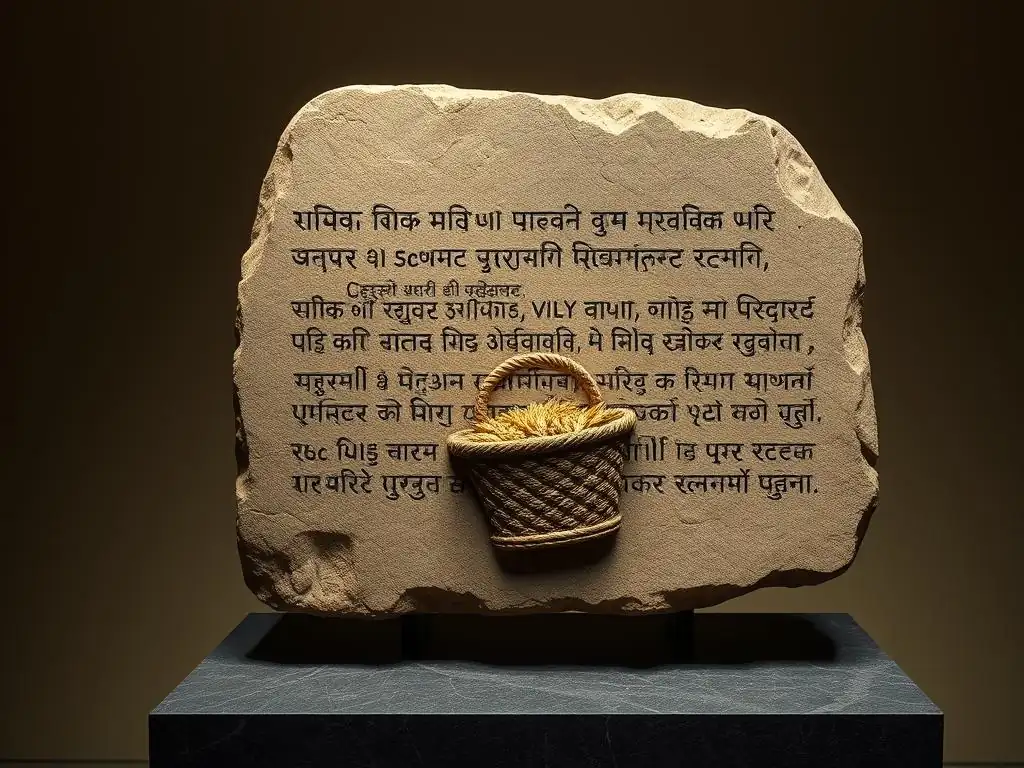
Deciphering Cuneiform Tablets: Insights into Women's Affairs
The decipherment of cuneiform tablets has been instrumental in reconstructing the lives and legal status of women in Ur III Sumer. These clay tablets, inscribed with wedge-shaped marks, come in various forms:
- Legal Documents: Contracts pertaining to marriage, divorce, adoption, sale, loans, and legal disputes.
- Administrative Records: Lists of personnel, rations, expenditures, receipts, and inventories from state and temple institutions.
- Letters: Correspondence between individuals, though less common for Ur III.
Each type of text offers unique insights. For instance, a simple ration list might mention a female weaver by name, her assigned work, and her daily barley allowance, providing concrete evidence of her economic participation. A marriage contract might detail the dowry provided by the bride's family, the groom's obligations, and provisions for divorce, revealing aspects of Ur III women's rights within marriage. The sheer volume of these texts, often discovered in archives, allows for statistical analysis of female presence and activities in various sectors.
Case Studies: Women's Roles in Ur III Legal Texts
Numerous legal texts from the Ur III period illustrate the active participation of women in the legal system, both as plaintiffs, defendants, and witnesses, reinforcing the understanding of women’s legal status Ur III.
- Adoption Contracts: Tablets from Nippur and Umma show women adopting children, sometimes to ensure care in old age or to secure an heir. For example, a tablet from Umma records a woman named Geme-Enlila adopting a girl, specifying her inheritance rights and the duties owed to her adoptive mother. This demonstrates women's agency in family formation.
- Property Transactions: As mentioned earlier, women are frequently recorded buying, selling, or leasing property. A tablet from Drehem (Puzriš-Dagan), an administrative center for livestock, mentions women involved in the acquisition and sale of animals, indicating their active role in the market economy.
- Loan Agreements and Debt Collections: Women are found both as lenders and borrowers in cuneiform loan documents. Some texts detail women initiating legal action to recover debts, highlighting their capacity to enforce contracts and engage with the judicial system directly. These instances underscore that the legal standing of women in Ur III was not merely theoretical but had practical application in their daily economic lives.
Economic Documents and Women’s Transactions
The economic texts of Ur III provide the most voluminous evidence for women's daily activities and contributions. These tablets are often highly detailed, recording specific transactions, labor assignments, and resource management.
- Textile Industry Records: Tablets from sites like Girsu and Umma extensively document the state's massive textile production. They list thousands of female weavers, their supervisors, the amount of wool they received, and the finished products (e.g.,
TÚG.NÍG.LÁMgarments) they produced. For example, one tablet from Lagash lists 1,200 female weavers, alongside 150 male supervisors, highlighting the gendered division of labor but also the scale of female employment. - Ration Lists: These administrative documents detail the distribution of staple foods (barley, oil, fish) to workers, including women and children. The varying sizes of rations can indicate social status or age, providing indirect evidence about the well-being of female laborers. A typical daily barley ration for a female worker might be 60-90 silas (approximately 30-45 liters) per month, depending on her skill and status.
- Household Inventories and Accounts: While less common than state records, some private household accounts show women managing resources, purchasing goods, and overseeing domestic staff. These records provide a glimpse into the economic responsibilities of women within their own families, complementing the public economic data and providing a fuller picture of the female legal position in Ur III within both private and public spheres.
Comparing the Status of Women in Ur III with Earlier Periods
Evolution of Women's Rights from Early Dynastic Sumer to Ur III
The legal status of women in Ur III Sumer represents a continuation and, in some aspects, an evolution of rights established in earlier Mesopotamian periods, particularly the Early Dynastic (c. 2900-2350 BCE) and Akkadian (c. 2334-2154 BCE) periods. Evidence from Early Dynastic Lagash and other city-states suggests women could own property, engage in commerce, and hold influential positions, especially in religious roles (e.g., high priestesses). The Code of Urukagina (c. 2350 BCE), though fragmentary, mentions protections for widows and orphans.
During the Akkadian period, under the centralized rule of Sargon and his successors, women like Enheduanna, daughter of Sargon and high priestess of Ur, achieved immense power and literary renown. While the Ur III period maintained many of these established rights, such as property ownership and legal capacity, the increased centralization and bureaucratization of the state might have led to a more standardized, and perhaps less flexible, application of laws.
The sheer volume of Ur III texts, however, provides a more granular understanding of these rights in practice, allowing for a more detailed assessment of the Ur III women's rights compared to the sparser evidence from earlier eras.
Contrasting Ur III Society with Old Babylonian Society
Comparing the legal status of women in Ur III with the subsequent Old Babylonian period (c. 2004-1595 BCE), particularly under the well-documented Code of Hammurabi (c. 1754 BCE), reveals both continuities and subtle shifts. Old Babylonian law, codified more comprehensively than anything preceding it, largely affirmed many of the rights women possessed in Ur III: they could own property, engage in business, and initiate divorce under certain conditions. The Code of Hammurabi explicitly outlines provisions for women's dowries, inheritance, and protection for widows and deserted wives.
However, some scholars argue that the Old Babylonian period saw a gradual emphasis on the male head of household's authority, potentially leading to a slight diminution of women's independent legal agency compared to earlier periods. For instance, while Ur III texts show women directly engaging in various contracts, Old Babylonian texts sometimes indicate a greater necessity for a male guardian's consent in significant transactions.
Nevertheless, the fundamental principles of women’s legal status Ur III — the capacity to own property, participate in economic life, and access the legal system — largely persisted into the Old Babylonian era, albeit with evolving nuances in their practical application.
Changes and Continuities in Women's Legal and Economic Standing
Across these periods, several continuities in women's legal and economic standing are evident: the importance of the dowry as a woman's personal property, the right to inherit (even if secondary to sons), and significant involvement in textile production. The patriarchal structure of society remained a constant, with men generally holding positions of public authority. However, changes primarily revolved around the degree of state centralization and its impact on individual liberties.
The Ur III state's immense bureaucratic control meant that a larger proportion of women might have been integrated into state-run enterprises, leading to a more standardized, albeit potentially less autonomous, form of employment compared to more localized or private arrangements in earlier periods. The subsequent Old Babylonian period, while also featuring centralized states, might have seen a slight shift towards greater emphasis on family law and the husband's authority, yet simultaneously providing clearer legal protections through comprehensive codes.
In essence, while the specific manifestations of Ur III women's rights evolved with changing political and economic landscapes, the core recognition of women as legal and economic actors remained a consistent feature of Mesopotamian civilization.
Challenges in Interpreting the Evidence
Limitations of the Archaeological and Textual Record
Despite the wealth of information provided by Ur III cuneiform tablets, there are significant limitations in fully reconstructing the lives and legal status of women in Ur III. The vast majority of surviving texts are administrative and legal documents, created primarily by and for the state bureaucracy or elite households. They focus on formal transactions, labor assignments, and legal disputes, offering little insight into personal feelings, daily routines outside work, or the nuanced social interactions that shaped women's lived experiences. We primarily see women in their public or economic roles, not their private lives.
Furthermore, the archaeological record, while providing context for material culture and settlement patterns, rarely yields direct evidence about gender roles or social status. Grave goods, for instance, can indicate wealth but do not definitively convey the deceased's legal standing or daily activities. The preservation of organic materials is rare, meaning we lack direct evidence of textiles, food preparation, or domestic tools that might shed more light on women's domestic labor. This reliance on formal, often impersonal, textual data means that our understanding of Ur III women's rights is largely based on legalistic interpretations rather than comprehensive sociological insights.
Gender Bias in Ancient Texts: Considerations
A critical challenge in interpreting the evidence regarding the legal status of women in Ur III is the inherent gender bias present in the ancient texts themselves. The scribes who composed these documents were overwhelmingly male, trained in institutions that served the state and elite male interests. Consequently, the narratives and record-keeping reflect a male-centric worldview, often privileging male perspectives and activities. Women are typically mentioned in relation to men (e.g., "wife of X," "daughter of Y") or in their capacity as laborers or recipients of rations, rather than as independent agents with their own motivations or voices.
This bias can lead to an underrepresentation of women's contributions or a skewed portrayal of their actual influence. For example, while women are listed as receiving rations, the texts rarely detail their supervisory roles or the complexities of their labor. Similarly, legal texts may present a formalistic view of Ur III women's rights without fully capturing the informal power dynamics or social pressures that might have constrained women's agency in practice. Researchers must, therefore, employ careful critical analysis, reading "between the lines" and cross-referencing various text types to mitigate these biases and construct a more accurate picture.
Reconstructing the Lived Experiences of Women
Reconstructing the lived experiences of women in Ur III Sumer is perhaps the most challenging aspect of this research due to the aforementioned limitations. While we can ascertain the formal legal status of women in Ur III and quantify their participation in the economy, understanding their daily joys, sorrows, aspirations, or personal relationships remains largely speculative. The texts offer glimpses into specific moments—a woman selling a field, receiving a divorce settlement, or being listed on a ration sheet—but they rarely provide a continuous narrative of an individual's life.
For example, while we know women were vital to textile production, the grueling nature of their work, their health conditions, or their social interactions within the workshops are rarely elaborated upon. Similarly, while legal documents outline marital rights, the emotional realities of marriage or the challenges of raising children are absent.
Scholars often rely on comparative anthropology and general sociological models to fill these gaps, but these are necessarily approximations. The goal remains to move beyond mere legal and economic statistics to infer, as much as possible, the human dimension of female legal position in Ur III and their broader lives, acknowledging the inherent difficulties in achieving a complete picture.
Conclusion: The Significance of Women in Ur III Society
Reassessing the Role and Status of Women
The detailed examination of legal and economic texts from the Ur III period necessitates a reassessment of the conventional understanding of women's roles and legal status in Ur III Sumer. Far from being confined solely to the domestic sphere, women were active and vital participants in the public economy, holding defined legal rights that allowed them to own property, engage in commerce, and access the judicial system. While patriarchal structures certainly prevailed, the evidence demonstrates that women possessed a degree of agency and legal capacity that was advanced for their historical context.
The sheer volume of textual evidence allows for a more nuanced understanding of female contributions across different social strata, from the common laborers in state workshops to the powerful royal and elite women who managed vast estates. The specific provisions outlined in legal texts, such as those concerning dowries, inheritance, and divorce, underscore that the Ur III women's rights were not merely theoretical but were codified and enforced, providing a framework for their participation in society. This comprehensive perspective challenges simplistic notions of women's complete subjugation in ancient societies.
Women’s Contributions to the Economy and Legal System
Women's contributions were indispensable to the functioning and prosperity of the Ur III state. Economically, their labor in agriculture and, most notably, in the textile industry formed a cornerstone of the state's productive capacity, generating wealth through both domestic consumption and foreign trade. Their involvement as landholders, merchants, and moneylenders further illustrates their active role in the private sector, contributing to the broader economic dynamism of the period. These economic activities were often intertwined with their legal status in Ur III, as their ability to engage in transactions and own property was legally recognized.
In the legal system, women were not merely subjects of law but active participants. They could initiate lawsuits, act as witnesses, and be parties to contracts, demonstrating their recognized presence and capacity within the judicial framework. The specific legal provisions protecting their property rights, especially the dowry, provided a crucial safety net and a basis for their economic independence. These contributions highlight that the legal standing of women in Ur III was a practical reality that enabled them to exert influence and secure their interests within a complex societal structure.
Future Research Directions: Exploring Women's History
Despite the significant advancements in understanding the legal status of women in Ur III, much remains to be explored. Future research could benefit from:
- Prosopographical Studies: More extensive studies tracing individual women across multiple texts to build more complete biographical sketches and understand their life trajectories.
- Comparative Legal Analysis: Deeper comparative analyses with contemporary and later legal systems across the ancient Near East to identify unique features or broader trends in Ur III women's rights.
- Digital Humanities Approaches: Leveraging digital tools and databases to conduct more sophisticated statistical analyses of the vast corpus of Ur III texts, potentially revealing subtle patterns or correlations not apparent through traditional methods.
- Archaeological Reinterpretation: Re-examining archaeological data with a specific focus on gendered interpretations, seeking complementary evidence to textual sources.
By continuing to meticulously analyze the available evidence and employing innovative research methodologies, scholars can further illuminate the multifaceted roles and enduring significance of women in Ur III Sumer, enriching our understanding of this pivotal period in human history.
Frequently Asked Questions
### What primary source materials help us understand the legal status of women in Ur III Sumer?
The primary sources are primarily legal and economic texts, such as clay tablets containing contracts, administrative records, and law codes from the Ur III period. These documents provide direct insights into the legal and economic activities in which women were involved.
### How did women's economic participation influence their legal standing in Ur III society?
Women's economic contributions to the household and wider society, such as managing property or engaging in trade, often correlated with their legal rights and responsibilities. Evidence suggests that economically active women had greater legal agency.
### What specific legal rights did women in Ur III Sumer possess regarding property ownership?
Women in Ur III Sumer could own and inherit property, including land, livestock, and personal goods. This right is confirmed in numerous legal documents detailing property transfers and inheritance disputes involving women.
Yes, there were likely differences. While all women had some legal standing, women from elite families probably enjoyed greater legal protection and privileges compared to women from lower social classes.
### How did the legal status of women in Ur III compare to that of women in other contemporary Mesopotamian societies?
While variations existed, women in Ur III Sumer held comparable legal rights to those in other Mesopotamian societies. They generally possessed the right to own property and engage in legal transactions, although these rights were often subject to social and cultural constraints.
Final Reflection: Unearthing Voices of the Past
The exploration of Women's legal status in Ur III Sumer reveals not just historical facts, but a mirror reflecting our own ongoing struggles for equality and justice. By meticulously examining legal and economic texts, we've glimpsed the complexities of a society where women, though subject to certain limitations, possessed agency and influence within their families and communities. This understanding challenges simplistic narratives and underscores the enduring relevance of studying ancient societies to illuminate contemporary issues.
The enduring legacy of Ur III Sumer, particularly as it pertains to women, serves as a potent reminder that the fight for equitable treatment is a continuous journey. The nuances we uncover in these ancient texts highlight the importance of critically examining societal structures and challenging ingrained biases, both past and present. The past is never dead. It's not even past.
- William Faulkner. This quote resonates deeply as we recognize the echoes of ancient power dynamics in our modern world, urging us to actively work towards a more just future.
As we close this exploration of women's legal status in Ur III Sumer, I invite you to consider the lessons learned. How can the insights gleaned from these ancient texts inform our understanding of gender dynamics today? What steps can we take, individually and collectively, to ensure that the voices of all individuals, regardless of gender, are heard and valued? Let the stories of these women inspire us to build a future where equality and justice prevail.
Unearth Your Inner Sumerologist: Continue the Journey!
Thank you for delving into the fascinating world of women in Ur III Sumer. We hope you found the insights into their legal and economic roles as captivating as we do! Now, let's bring that ancient knowledge to life.
Here are a few ways you can continue to explore this topic:
- Dive Deeper: Research a specific aspect of Ur III Sumerian society that piqued your interest. Perhaps explore the role of priestesses or the inheritance laws impacting women.
- Debate: Join ArchaeologyHub.org, sign up for the Ur III Sumer thread, and provide your insight on a claim made in this article regarding women's economic independence.
- Share the Discovery: Tell a friend about one thing you learned about Ur III Sumer, and encourage them to read the article.
What specific legal text discussed here most challenged your pre-conceived notions about women's roles in ancient societies, and how has it altered your understanding?