
Archaeology of Scotland: From Pictish Stones to Viking Hoards

Welcome to ArchaeologyHub.org!
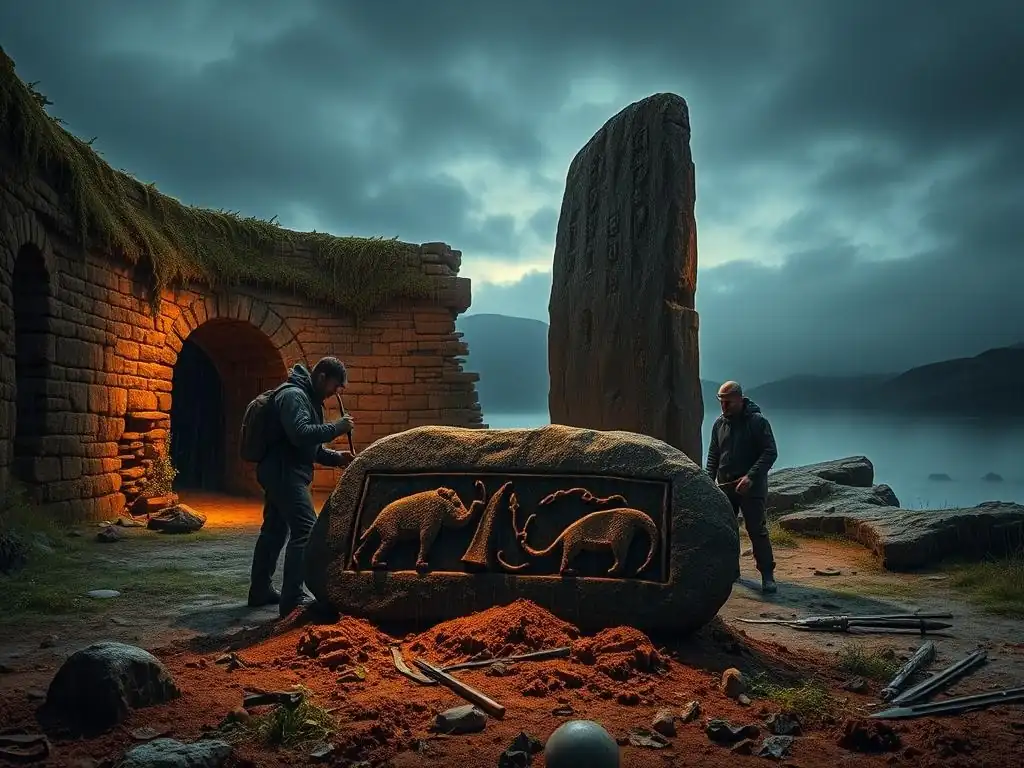
Unearth the secrets of Scotland's past! Delve into the captivating world of ancient civilizations that once thrived on this rugged land. From the enigmatic Pictish Stones to the glittering Viking hoards, prepare to embark on a virtual journey through time. This exploration begins with an in-depth look at Scotland archaeological site tours, offering a glimpse into how you can experience this rich history firsthand. Curious to discover what lies beneath the surface? Keep reading to uncover the treasures and tales that make Scotland a truly remarkable archaeological destination.
- Archaeology of Scotland: From Neolithic Villages to Medieval Castles
- Exploring Scottish Archaeology: A Journey Through Time
- Pictish Stones: Unveiling the Secrets of Early Medieval Scotland
- The Viking Age in Scotland: Raids, Settlements, and Cultural Exchange
- Scotland Archaeological Site Tours: Planning Your Trip
- Scotland's Brochs and Duns: Fortified Settlements of the Iron Age
- Neolithic Scotland: Prehistoric Monuments and Ritual Landscapes
- Scottish Archaeological Finds: Key Artifacts and Discoveries
- The Future of Scottish Archaeology: Preservation and Research
-
Frequently Asked Questions
- What types of archaeological sites can I expect to see on a Scotland archaeological site tour?
- How do "Scotland archaeological site tours" handle the preservation and respect of the sites?
- Are there specific tours focused on particular periods, like the Viking Age, in Scotland?
- What level of physical fitness is required for most "Scotland archaeological site tours"?
- What kind of expertise or knowledge do the guides on "Scotland archaeological site tours" typically possess?
- Final Reflection: Unearthing Scotland's Enduring Legacy
- Unearth Your Inner Explorer!
Archaeology of Scotland: From Neolithic Villages to Medieval Castles
Exploring Scottish Archaeology: A Journey Through Time
Scotland's archaeological landscape is a tapestry woven from millennia of human activity, offering a profound journey through time. From the earliest nomadic hunter-gatherers to the builders of medieval castles, each epoch has left indelible marks on the land. This rich heritage provides an unparalleled opportunity to explore ancient civilizations, understand their daily lives, and witness the evolution of human society through the physical remnants they left behind. The sheer diversity of sites, spanning from well-preserved prehistoric settlements to enigmatic Pictish stones and the remnants of Viking incursions, makes Scotland a premier destination for archaeological exploration and discovery.
The archaeological record in Scotland is exceptionally well-preserved, thanks in part to its varied geology and climate, including acidic peats that preserve organic materials and the protective sands of its coastlines. This allows for an unusually detailed insight into past cultures, from their monumental architecture to their intricate artistry and their everyday tools. Understanding these layers of history is crucial for comprehending Scotland's unique cultural identity and its place within broader European history, making it a fascinating subject for both academic study and public engagement through Scotland archaeological site tours.
Pictish Stones: Unveiling the Secrets of Early Medieval Scotland
The Symbol Stones of the Picts: Deciphering Ancient Meanings
The Picts, an early medieval people inhabiting eastern and northern Scotland, left behind a remarkable legacy of sculptured stones adorned with enigmatic symbols. These "symbol stones" are typically classified into three types: Class I stones are unshaped boulders with incised symbols; Class II stones are shaped slabs with both incised symbols and Christian crosses; and Class III stones feature only Christian iconography. The symbols themselves are diverse, ranging from geometric patterns like the Z-rod and crescent to intricate animal figures such as the Pictish beast, eagle, and salmon, alongside depictions of everyday objects like combs and mirrors.
The precise meaning and purpose of these symbols remain a subject of intense academic debate, with theories suggesting they served as tribal or lineage identifiers, commemorative markers for individuals or events, or even as elements of a complex writing system. For instance, the Aberlemno Sculptured Stones in Angus, particularly the Class II cross-slab, not only display Pictish symbols but also depict battle scenes, possibly commemorating the Battle of Dun Nechtain in 685 AD.
Despite ongoing research, a definitive interpretation of the symbols has yet to be achieved, adding to their enduring mystery and allure for those embarking on Scotland archaeological site tours.
Distribution of Pictish Stones Across Scotland: A Geographic Overview
The distribution of Pictish symbol stones provides crucial insights into the heartlands and influence of the Pictish kingdom. The vast majority of these stones are concentrated in the north-east of Scotland, particularly across the modern regions of Moray, Aberdeenshire, Angus, and Perthshire.
This geographical clustering aligns with historical records and other archaeological evidence, pinpointing these areas as the core territories of the Picts from the 6th to the 9th centuries AD. Significant concentrations can be found around former Pictish centres, such as the area surrounding the Burghead Fort in Moray, a major Pictish promontory fort, or the monastic site at Portmahomack in Easter Ross.
While the north-east holds the highest density, examples of Pictish stones, or influences, can also be found further afield, extending into the Northern Isles (Orkney and Shetland) and parts of the Western Isles. This wider dispersal suggests either Pictish expansion, cultural exchange, or the movement of artists and patrons.
Visiting sites like the Meigle Museum in Perthshire, which houses a collection of over 20 Pictish and early medieval sculptured stones, offers a tangible sense of their geographical spread and artistic evolution. Understanding this distribution is vital for historians and archaeologists attempting to reconstruct the political and cultural landscape of early medieval Scotland, and for planning comprehensive Scotland archaeological site tours.
Pictish Art and Culture: Insights from Archaeological Discoveries
Beyond the iconic symbol stones, archaeological discoveries have significantly expanded our understanding of Pictish art and culture. Excavations at key sites like Burghead Fort in Moray have revealed evidence of a substantial Pictish settlement and defensive structure, including elaborate timber-laced ramparts.
Finds from these sites include intricate metalwork, such as the exquisite silver chains and brooches, which demonstrate sophisticated craftsmanship and a unique artistic style. The St Ninian's Isle Treasure, discovered in Shetland in 1958, is a prime example, comprising a hoard of 28 silver objects, including bowls, brooches, and other fittings, dating to the 8th century AD and displaying clear Pictish artistic traits.
Further insights into Pictish daily life, economy, and religious practices have emerged from excavations at monastic sites like Portmahomack in Easter Ross. This site has yielded evidence of large-scale craft production, including glassworking, metalworking, and vellum production, indicating a highly organized and literate society.
The discovery of early medieval pottery, tools, and evidence of farming practices at various Pictish settlements helps to paint a more complete picture of their societal structure, trade networks, and adaptation to their environment. These archaeological findings, combined with the standing stones, continually reshape our understanding of a people who once dominated a significant portion of Scotland.
The Viking Age in Scotland: Raids, Settlements, and Cultural Exchange
Viking Raids and Settlements: Impact on Scottish Coastlines
The Viking Age in Scotland, typically dated from the late 8th to the mid-15th century, began with sporadic raids that quickly escalated into widespread settlement, particularly in the northern and western coastal regions and islands. The first recorded Viking raid in Britain occurred at Lindisfarne in 793 AD, and it wasn't long before Scottish monasteries and settlements became targets.
Areas like Orkney, Shetland, the Outer Hebrides, and parts of Caithness and Sutherland experienced significant Norse immigration, leading to profound demographic and cultural shifts. Archaeological evidence of Viking longhouses, such as those at Jarlshof in Shetland, reveal substantial settlements, indicating a long-term presence rather than merely transient raids.
The impact of these settlements was transformative, leading to the establishment of the Norse Earldom of Orkney and the Kingdom of the Isles. Place names across these regions, such as "Lerwick" (muddy bay) in Shetland or "Stornoway" (steering bay) in Lewis, are enduring linguistic legacies of Norse influence.
Excavations of Viking burial sites, like those at Scar on Sanday, Orkney, which yielded a boat burial containing the remains of three individuals along with grave goods, provide intimate glimpses into their funerary practices and social structures. These archaeological footprints illustrate how the Vikings integrated into, and fundamentally reshaped, the social and political landscape of Scotland.
Viking Hoards in Scotland: Unearthing Treasures of the Norse Era
Viking hoards are invaluable archaeological finds that shed light on Norse wealth, trade networks, and the turbulent nature of the era. These caches of precious metals and artifacts, often buried for safekeeping, provide direct evidence of the economic activities and artistic styles prevalent during the Viking Age.
One of the most significant discoveries in recent times is the Galloway Hoard, unearthed in 2014, which contains over 100 items from the late 9th or early 10th century. This hoard includes silver ingots, arm-rings, brooches, and an exceptionally rare Carolingian pot filled with gold and silver objects, textile fragments, and other treasures, demonstrating extensive connections across Europe.
Another notable Scottish Viking hoard is the Skaill Hoard, discovered in 1858 near the Neolithic village of Skara Brae in Orkney. Dating to the late 10th century, this hoard comprised over 100 items of silver, including brooches, arm-rings, and ingots, weighing approximately 8 kilograms.
The sheer volume and diversity of items in these hoards reflect the wealth accumulated through trade, raiding, and tribute, and offer crucial insights into the types of currency and valuable commodities in circulation. Such discoveries are central to understanding the economic impact of the Norse presence and provide compelling reasons to include specific sites on Scotland archaeological site tours.
Norse Influence on Scottish Culture: Archaeological Evidence
The enduring influence of the Norse on Scottish culture extends far beyond raids and settlements, permeating language, art, and social structures. Archaeologically, this is evident in the adoption of Norse architectural styles, such as the longhouse, which can be seen at sites like Jarlshof, where layers of Viking occupation directly overlie earlier Pictish and Bronze Age structures. Place names are a strong indicator, with a significant proportion of names in Orkney, Shetland, and the Outer Hebrides being of Old Norse origin, such as "wick" (bay) or "dale" (valley), illustrating a lasting linguistic legacy.
Artistic influences are also discernible, with elements of the Urnes style, a late Viking art style, appearing on some Scottish crosses and metalwork. Furthermore, the discovery of Norse-style burials, including boat burials and chambered graves, points to the adoption or adaptation of funerary practices.
Genetic studies have also shown a significant Norse genetic contribution in the Northern Isles and parts of the west, particularly in Shetland where studies suggest around 25-30% of male lines show Norse ancestry. These multifaceted archaeological and cultural traces highlight the profound and lasting impact of the Viking Age on the identity and heritage of Scotland, offering fascinating insights for those on Scotland archaeological site tours.
Scotland Archaeological Site Tours: Planning Your Trip
Key Archaeological Sites in Scotland: A Traveler's Guide
Scotland offers an extraordinary array of archaeological sites spanning millennia, making it an ideal destination for those planning Scotland archaeological site tours. From the ancient standing stones of the Neolithic period to the formidable castles of the medieval era, the country's landscape is dotted with historical treasures. For an immersive experience, consider grouping sites by region. Orkney, for instance, is a UNESCO World Heritage site known as the "Heart of Neolithic Orkney," featuring Skara Brae, Maeshowe, and the Ring of Brodgar. The Outer Hebrides offer the magnificent Calanais Standing Stones, while Shetland boasts Jarlshof, a multi-period site.
Mainland Scotland provides a wealth of Iron Age brochs like Mousa, numerous Pictish symbol stones in the northeast, and Roman forts such as those along the Antonine Wall. When planning your Scotland archaeological site tours, it's advisable to check opening times and accessibility, as many sites are managed by Historic Environment Scotland or the National Trust for Scotland. Many sites are open year-round, while others may have seasonal variations. Preparing a regional itinerary will optimize your travel time and allow for a deeper appreciation of the diverse archaeological heritage that Scotland has to offer.
Jarlshof: Exploring a Multi-Period Archaeological Site
Jarlshof, located at Sumburgh Head in Shetland, is one of the most remarkable archaeological sites in Scotland, offering an unparalleled glimpse into over 4,000 years of continuous human occupation. This multi-period site allows visitors on Scotland archaeological site tours to walk through layers of history, observing structures from different eras directly superimposed upon one another. The earliest remains date back to the Late Neolithic and Bronze Age, with evidence of oval-shaped houses. Over these, Iron Age brochs and wheelhouses were constructed, followed by Pictish dwellings.
Perhaps most famously, Jarlshof showcases a significant Viking settlement, complete with longhouses and workshops, providing crucial insights into Norse life in Scotland. Finally, a medieval farmstead and a 17th-century laird's house complete the historical sequence. The site's unique stratification, exposed by coastal erosion and subsequent excavation, makes it an exceptional educational resource. Exploring Jarlshof offers a tangible sense of how successive cultures adapted to and utilized the same landscape, making it a highlight for any comprehensive Scotland archaeological site tours.
Skara Brae: Discovering a Remarkably Preserved Neolithic Village
Nestled within the Bay of Skaill in Orkney, Skara Brae is a Neolithic village dating back to approximately 3180 BC to 2500 BC, and stands as one of the best-preserved prehistoric settlements in Western Europe. Its exceptional state of preservation, due to being buried under sand dunes for millennia, allows visitors on Scotland archaeological site tours to vividly imagine daily life over 5,000 years ago. The village consists of eight clustered houses, built entirely of drystone, connected by low-roofed passages.
Each house features remarkably intact stone furniture, including beds, dressers, cupboards, and hearths, providing unique insights into the domestic arrangements and social structure of its inhabitants. Discoveries of tools, pottery, and decorative items further enrich our understanding of their economy and artistry. Skara Brae is a UNESCO World Heritage site, forming part of the "Heart of Neolithic Orkney," and its discovery in 1850 after a severe storm revealed an astonishing window into the lives of Scotland's early farmers, making it an essential stop for any exploration of ancient Scotland.
Calanais Standing Stones: Unearthing a Prehistoric Ritual Landscape
The Calanais (Callanish) Standing Stones, located on the Isle of Lewis in the Outer Hebrides, represent one of Scotland's most iconic and evocative prehistoric monuments. Erected around 2900-2600 BC, this magnificent stone circle forms the focal point of a cruciform arrangement of avenues and rows of standing stones, along with a central burial cairn. The main circle consists of 13 stones, with a large central monolith, and four stone rows radiating outwards, creating a powerful and mysterious ritual landscape.
Archaeological investigations suggest that Calanais served as a ceremonial center for over 1,500 years, likely used for religious rituals, astronomical observations, and community gatherings. Its alignment with lunar and solar events, particularly the 'setting moon' phenomenon, where the moon appears to rise from the stones at certain times, indicates sophisticated astronomical knowledge among its builders. The mystical atmosphere and impressive scale of Calanais make it a profound experience for anyone undertaking Scotland archaeological site tours, offering a tangible connection to the spiritual beliefs of Neolithic communities.
Scotland's Brochs and Duns: Fortified Settlements of the Iron Age
The Construction and Purpose of Brochs: Engineering Marvels
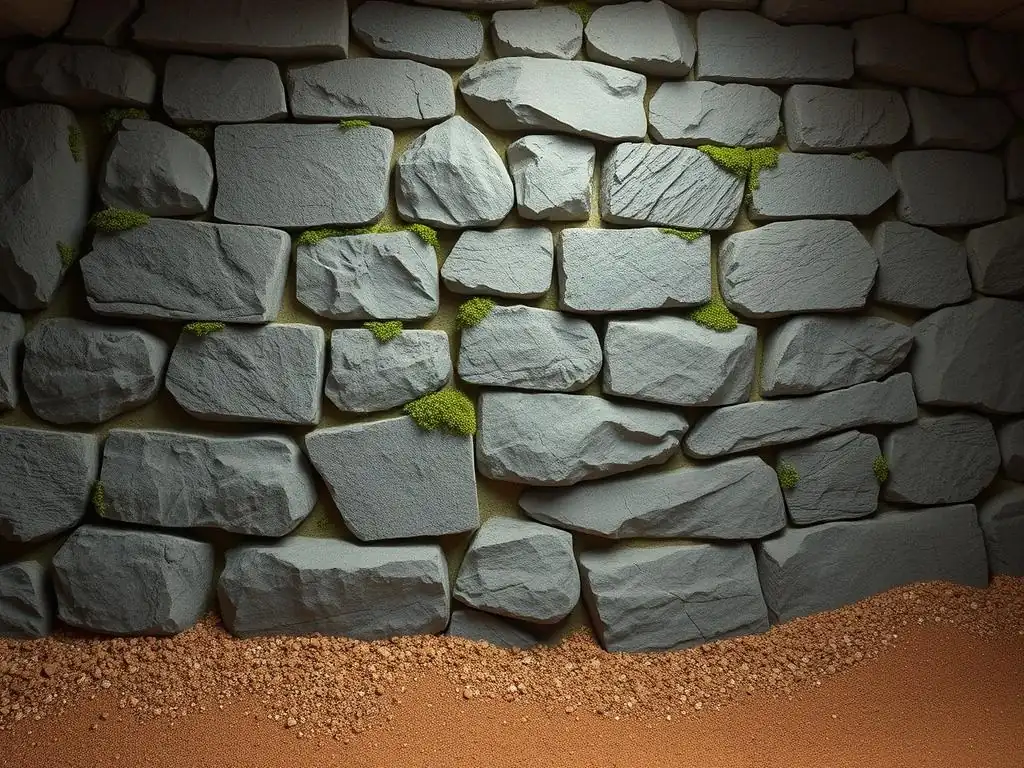
Brochs are distinctive Iron Age drystone towers, unique to Scotland, representing an extraordinary feat of prehistoric engineering. Dating primarily from around 400 BC to 100 AD, these structures are characterized by their tall, circular, double-skinned drystone walls, which create a hollow space within the wall itself. This void often contained staircases and galleries, providing access to multiple levels. Brochs vary in height, with some, like the Mousa Broch in Shetland, standing remarkably preserved at over 13 meters (43 feet) tall, showcasing their impressive scale.
Their purpose has long been debated, with theories ranging from defensive strongholds to symbols of elite power and status, or communal dwellings. Their distribution is concentrated in northern and western Scotland, particularly in Orkney, Shetland, and the Outer Hebrides, often in strategic coastal or island locations. The construction would have required significant communal effort, involving thousands of tons of stone, suggesting a highly organized society capable of large-scale cooperative projects. Visiting brochs like Dun Carloway on Lewis or Mousa Broch offers a direct encounter with these ancient architectural wonders on Scotland archaeological site tours.
Duns: Hillforts and Defensive Structures in Scotland
"Dun" is a term broadly applied to a variety of Iron Age and early medieval fortified enclosures in Scotland, typically smaller and less elaborate than brochs, though they served similar defensive and residential purposes. These structures are usually drystone-built and often situated on naturally defensible locations such as hilltops, promontories, or small islands (crannogs). While some duns are simple circular enclosures, others can be more complex, featuring multiple ramparts, ditches, and internal structures.
Dating from the Iron Age through to the early medieval period, duns were likely fortified farmsteads, small settlements, or refuges for local communities. They are found throughout Scotland, from the Scottish Borders to the Highlands and Islands. Excavations at various dun sites have revealed evidence of domestic life, including hearths, pottery, and tools, suggesting they were inhabited year-round. Dunadd in Argyll, although later known as a royal stronghold of the early medieval kingdom of Dál Riata, began as an Iron Age hillfort and exemplifies the strategic importance and longevity of such fortified sites in Scottish history.
Archaeological Investigations of Brochs and Duns: Insights into Iron Age Life
Archaeological investigations of brochs and duns have provided invaluable insights into Iron Age life in Scotland, revealing details about their construction, daily activities, and social organization. Excavations within and around these structures have uncovered a wealth of artifacts, including quern stones for grinding grain, pottery fragments, iron tools, and evidence of textile production like spindle whorls. These finds indicate a self-sufficient agricultural economy, with communities engaged in farming, animal husbandry, and various crafts.
For example, excavations at the Broch of Gurness in Orkney have revealed a complex settlement surrounding the central tower, with numerous outbuildings, hearths, and evidence of metalworking, suggesting a thriving community. The material culture recovered from these sites helps archaeologists reconstruct diet, trade networks, and the technological capabilities of Iron Age societies.
Furthermore, the defensive nature of these structures points to periods of conflict or the need for protection, offering clues about the social and political dynamics of the time. The ongoing study of brochs and duns continues to refine our understanding of these enigmatic structures and the people who built and inhabited them.
Neolithic Scotland: Prehistoric Monuments and Ritual Landscapes
Standing Stones and Stone Circles: Ancient Ritual Sites in Scotland
Neolithic Scotland, dating roughly from 4000 to 2500 BC, is characterized by an impressive array of monumental architecture, particularly standing stones and stone circles, which served as ancient ritual sites. These enigmatic structures are found across the landscape, from the Outer Hebrides to the Scottish mainland, often positioned with striking views or celestial alignments.
The Ring of Brodgar in Orkney, part of the "Heart of Neolithic Orkney" UNESCO World Heritage site, is a majestic example, a true circle 104 meters (340 feet) in diameter, originally comprising 60 stones, of which 27 remain standing. Its proximity to other major monuments like the Stones of Stenness suggests a highly significant ceremonial precinct.
These stone circles are believed to have functioned as places for communal gatherings, religious ceremonies, and possibly astronomical observatories, marking solstices and equinoxes. The sheer effort involved in quarrying, transporting, and erecting these massive stones underscores the sophisticated social organization and shared belief systems of the Neolithic communities. Visiting these sites provides a powerful connection to the spiritual and intellectual lives of Scotland's earliest inhabitants, offering a profound experience for those on Scotland archaeological site tours focused on prehistory.
Chambered Cairns and Burial Practices: Insights into Neolithic Beliefs
Chambered cairns are another prominent feature of Neolithic Scotland, serving as elaborate communal burial sites that offer profound insights into the beliefs and social structures of the period. These monumental tombs, constructed from large stones and covered by mounds of earth or rubble, typically contain internal passages and chambers where the remains of the dead were interred over generations. Maeshowe in Orkney, dating to around 2800 BC, is an outstanding example of a passage grave, famed for its precise alignment with the setting sun of the winter solstice, illuminating its inner chamber.
Different types of chambered cairns exist, such as the Orkney-Cromarty type with its distinctive stalled chambers, and the Clyde cairns found in southwest Scotland. The collective nature of these burials suggests a strong emphasis on ancestral veneration and community identity. The presence of grave goods, though often sparse, and the careful construction of these enduring monuments indicate a complex belief system surrounding death and the afterlife. These sites are not merely burial places but vital windows into the spiritual world of Neolithic people, making them essential stops on any comprehensive Scotland archaeological site tours.
Skara Brae: A Remarkably Preserved Neolithic Village
Skara Brae, located in Orkney, is an exceptional Neolithic village that provides an unparalleled window into the daily lives of Scotland's early farming communities, dating from approximately 3180 BC to 2500 BC. Its remarkable preservation, due to being buried by sand dunes for millennia, allows archaeologists and visitors alike to explore its stone-built houses and their internal furnishings almost exactly as they were left. The village comprises eight clustered houses, each connected by covered passages, demonstrating a sophisticated understanding of domestic architecture and community planning.
Within each house, stone furniture—including beds, dressers, cupboards, and hearths—remains intact, offering unique insights into domestic arrangements and the material culture of the period. The village also features an elaborate drainage system. Skara Brae is a UNESCO World Heritage site, part of the "Heart of Neolithic Orkney," and its discovery in the mid-19th century revolutionized our understanding of prehistoric life in northern Europe. It stands as a testament to the ingenuity and resourcefulness of Neolithic people, providing a tangible and immersive experience for those interested in Scotland archaeological site tours focused on prehistoric settlements.
Scottish Archaeological Finds: Key Artifacts and Discoveries
Bronze Age Weapons: Significance and Examples
The Bronze Age in Scotland (c. 2500-800 BC) marked a significant technological leap with the widespread adoption of bronze metallurgy, leading to the production of more effective tools and weapons. The discovery of bronze weaponry—such as swords, axes, and spearheads—provides crucial insights into the evolving social structures, warfare, and trade networks of the period. These items were not merely functional; their craftsmanship often indicates status and wealth. For instance, the Migdale Hoard, discovered in Sutherland, includes early Bronze Age flat axes and elaborate bronze ornaments, suggesting a display of elite power.
Later Bronze Age hoards, such as the Carnoustie Hoard from Angus, have yielded impressive collections of bronze swords, spearheads, and chapes, often deliberately broken or deposited, hinting at ritualistic practices or offerings. The presence of tin, which had to be imported (likely from Cornwall or continental Europe), alongside local copper, demonstrates extensive trade routes and connections across Britain and beyond. These bronze artifacts are vital for understanding the technological advancements, economic systems, and the nature of conflict and ritual in prehistoric Scotland.
Iron Age Jewellery: Significance and Examples
Iron Age Scotland (c. 800 BC - 400 AD) saw the widespread adoption of iron, but bronze and even gold continued to be used for high-status items, particularly intricate jewellery. These personal adornments, including torcs, brooches, armlets, and pins, are highly significant archaeological finds, reflecting the artistry, social hierarchy, and cultural connections of the period.
The Stirling Hoard, discovered in 2009, is a spectacular example, consisting of four gold torcs dating to between 300 and 100 BC. These elaborate neck-rings, some weighing over a kilogram, are among the finest examples of Iron Age goldwork found in Britain, indicating the presence of immense wealth and skilled metalworkers.
Other notable finds include intricate bronze brooches and pins, often adorned with enamel or glass studs, showcasing the vibrant artistic styles of the time, influenced by wider European La Tène art. The Deskford Carnyx, a rare Iron Age musical instrument or war standard discovered in Moray, also features elaborate bronze decoration, highlighting the sophisticated craftsmanship beyond personal adornment. These pieces of jewellery and metalwork are not just beautiful artifacts; they are windows into the identity, beliefs, and social dynamics of Iron Age communities in Scotland.
Medieval Pottery: Significance and Examples
Medieval pottery in Scotland (c. 5th - 16th century AD) provides invaluable evidence for understanding domestic life, trade networks, and economic changes during this extensive period. Unlike earlier prehistoric pottery, which was often handmade, medieval pottery increasingly shows signs of wheel-throwing and the use of kilns, reflecting technological advancements. Early medieval pottery, such as 'E-ware' (imported from Gaul), indicates significant overseas trade, particularly with continental Europe. As the period progressed, local production of coarseware became more common, supplying everyday needs for cooking, storage, and serving.
Later medieval pottery often features glazes and more refined forms, reflecting changing tastes and increased specialization in production. Excavations at urban sites like Perth and Edinburgh have yielded vast quantities of medieval pottery, helping archaeologists date archaeological layers and understand the diets, culinary practices, and living conditions of the inhabitants. Monastic sites, such as Whithorn in Galloway, have also provided important collections, demonstrating the consumption of both local and imported wares within religious communities. The study of medieval pottery thus offers a tangible link to the daily lives and broader economic interactions of people across Scotland.
The Future of Scottish Archaeology: Preservation and Research
Challenges in Preserving Scottish Archaeological Sites
The preservation of Scotland's vast and diverse archaeological heritage faces numerous challenges in the 21st century. Climate change poses a significant threat, particularly coastal erosion, which is rapidly eroding fragile sites like Skara Brae and the Ness of Brodgar in Orkney. Rising sea levels and increased storm intensity are washing away invaluable archaeological deposits, demanding urgent intervention and monitoring. Inland, changing weather patterns affect peatlands, which have historically preserved organic materials, leading to their degradation and the loss of buried archaeological remains.
Development pressures, including new infrastructure projects, housing, and renewable energy installations, also necessitate careful archaeological assessment and mitigation to prevent the destruction of unknown sites. Furthermore, illicit metal detecting and looting pose a continuous threat, leading to the loss of artifacts and contextually valuable information. Securing adequate funding for conservation, ongoing monitoring, and public engagement remains a perpetual challenge for heritage organizations in Scotland.
Ongoing Archaeological Research in Scotland: New Discoveries and Interpretations
Despite the challenges, ongoing archaeological research in Scotland continues to yield groundbreaking discoveries and reinterpretations of the past. Major projects, such as the Ness of Brodgar excavation in Orkney, are revolutionizing our understanding of Neolithic society, revealing a massive complex of monumental buildings, art, and ritual practices that challenge previous notions of the period. This site alone has pushed back the perceived complexity of Neolithic communities in northern Europe.
Beyond large-scale excavations, the application of new technologies like LiDAR (Light Detection and Ranging), geophysical surveys, and drone mapping is revealing previously unknown sites beneath forests and agricultural land, expanding the archaeological map of Scotland. Advanced scientific techniques, including environmental DNA analysis, isotopic studies, and radiocarbon dating, are providing unprecedented insights into ancient diets, migration patterns, and climatic conditions. These ongoing efforts, often involving international collaboration, ensure that Scotland's archaeological narrative remains dynamic, constantly enriched by new evidence and scholarly debate.
Contributing to Scottish Archaeology: Opportunities for Engagement
The future of Scottish archaeology relies not only on professional research but also on public engagement and active participation. There are numerous opportunities for individuals to contribute to the preservation and understanding of Scotland's rich past. Volunteering with archaeological projects or local heritage groups, such as those supported by Archaeology Scotland's Adopt-a-Monument scheme, allows individuals to participate directly in fieldwork, conservation, and site monitoring. Reporting new finds responsibly through the Portable Antiquities Scheme Scotland (PASS) is crucial for ensuring that chance discoveries are recorded and protected for future study.
Visiting Scotland archaeological site tours and supporting heritage organizations through membership or donations also plays a vital role in funding essential conservation work and educational programs. Citizen science initiatives, where members of the public contribute data or observations, are increasingly common. By engaging with Scotland's archaeological heritage, whether through direct participation, responsible exploration, or simply appreciating its significance, individuals help ensure that these invaluable insights into human history are preserved and continue to inspire future generations.
Frequently Asked Questions
What types of archaeological sites can I expect to see on a Scotland archaeological site tour?
You can expect to see a diverse range of sites, including prehistoric standing stones, Iron Age brochs, and Pictish symbol stones. You might also encounter Roman ruins and Viking settlements.
How do "Scotland archaeological site tours" handle the preservation and respect of the sites?
Reputable tours prioritize sustainable tourism and adhere to strict guidelines. They often work with local archaeological societies to ensure minimal impact and promote responsible behavior.
Are there specific tours focused on particular periods, like the Viking Age, in Scotland?
Yes, many tours specialize in specific periods. You can find tours focused on Viking history, Pictish culture, or even the Roman occupation of Scotland.
What level of physical fitness is required for most "Scotland archaeological site tours"?
The level of fitness varies depending on the tour. Some sites are easily accessible, while others require moderate hiking. Check the tour details for specific requirements.
What kind of expertise or knowledge do the guides on "Scotland archaeological site tours" typically possess?
Guides are usually experienced archaeologists, historians, or knowledgeable local experts. They offer insights into the history, culture, and significance of each site.
Final Reflection: Unearthing Scotland's Enduring Legacy
The journey through Scotland's archaeological tapestry, from the enigmatic Pictish stones to the glittering Viking hoards, reveals a past that is not merely history, but a living, breathing narrative woven into the very fabric of the land. The echoes of ancient lives resonate even now, shaping our understanding of identity, resilience, and the enduring power of human connection across millennia. This exploration underscores the profound relevance of preserving and interpreting these sites, not just for academic study, but for enriching the experiences of those who seek to connect with Scotland's soul.
This rich archaeological heritage has profoundly influenced, and continues to shape, Scotland's cultural identity and tourism landscape. The tangible connection to the past offered by these sites provides an unparalleled opportunity for personal discovery and a deeper appreciation of Scotland's unique story. As the demand for authentic and immersive travel experiences grows, the importance of responsible and informed "Scotland archaeological site tours" becomes ever more critical. We are not historians, we are history.
- This quote, often attributed to various figures involved in historical preservation, encapsulates the idea that we are all part of the ongoing narrative, shaped by the past and responsible for its future.
So, as you consider your own journey, whether planning a "Scotland archaeological site tour" or simply reflecting on the stories unearthed, remember that you are not just a visitor, but a participant in this ongoing dialogue with the past. Embrace the opportunity to learn, to connect, and to contribute to the preservation of these invaluable treasures for generations to come. Let the stones speak to you, let the hoards inspire you, and let the spirit of Scotland's ancient past ignite your own sense of wonder and discovery.
Unearth Your Inner Explorer!
Thank you for delving into the fascinating world of Scottish archaeology with us! We hope you’ve enjoyed uncovering the mysteries held within Pictish stones and Viking hoards. Now, it's your turn to get involved!
Here are a few ways you can continue your archaeological adventure:
- Visit a local archaeological site: Immerse yourself in history by planning a trip to a nearby site, like Skara Brae or a Pictish stone circle. Feel the past beneath your feet!
- Share this article with fellow history buffs and start a conversation about your favorite Scottish archaeological find.
- Try your hand at virtual archaeology: Many museums and universities offer online tours and interactive experiences.
What hidden corner of Scottish history are you most eager to explore next? Let us know in the comments below!