
Cost vs. Experience: An Objective Analysis of Value in Popular Archaeological Tour Packages

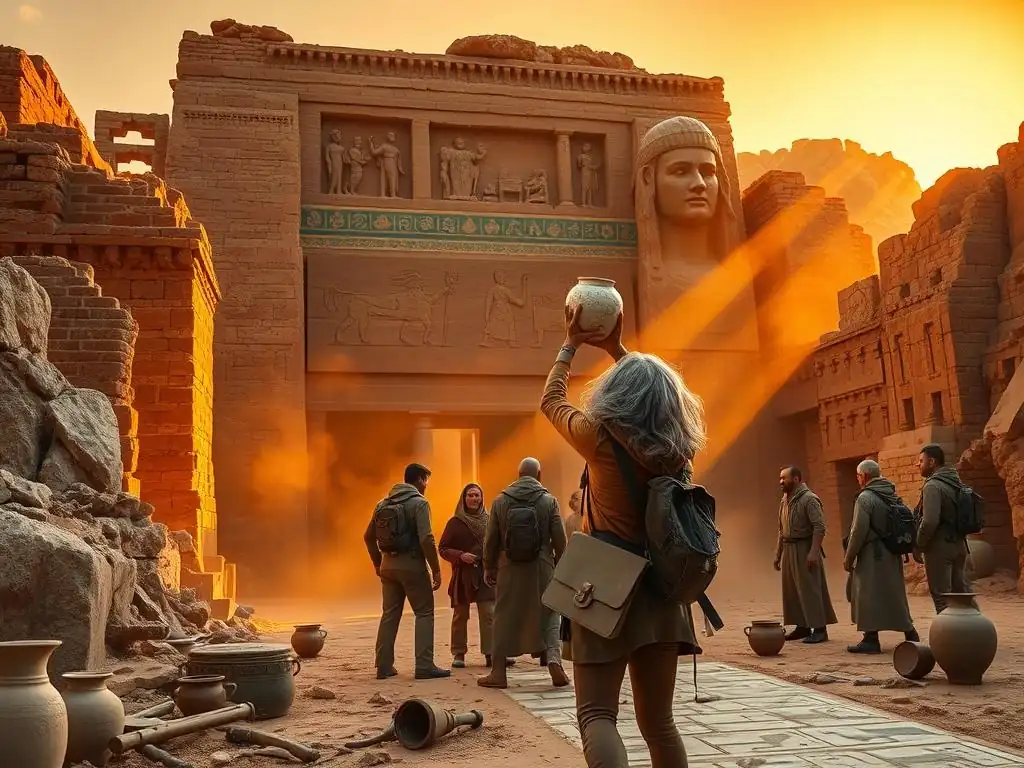
Welcome to ArchaeologyHub.org, your gateway to unearthing the past! Ever wondered if that once-in-a-lifetime archaeological tour is truly worth the investment? Dive into our latest exploration: "Cost vs. Experience: An Objective Analysis of Value in Popular Archaeological Tour Packages," where we dissect the reality of archaeological tour package value. Are you getting your money's worth, or simply paying for the hype? Let's uncover the truth together...
- Understanding Archaeological Tour Package Value: A Deep Dive
- Comparing Archaeological Tour Packages: Cost, Experience, and Value
- Maximizing Value: Tips for Choosing the Right Archaeological Tour Package
- The Role of Expert Guides in Enhancing Archaeological Tour Package Value
- Alternative Options for Budget-Conscious Travelers: Independent Archaeological Exploration
- Conclusion: Finding the Best Archaeological Tour Package Value for Your Needs
-
Frequently Asked Questions
- How is value typically defined when comparing different archaeological tour packages?
- What are some key factors that can significantly impact the overall cost of an archaeological tour package?
- How does the ArchaeologyHub.org website help travelers assess the value of archaeological tour packages?
- What are some potential drawbacks of choosing the cheapest archaeological tour package available?
- Can the perceived value of an archaeological tour package increase after the tour is completed?
- Final Reflection: Unearthing Enduring Value
- Unearth Your Next Adventure: Explore Deeper!
Understanding Archaeological Tour Package Value: A Deep Dive
Defining "Value" in Archaeological Travel: More Than Just Price
When considering an archaeological tour package, "value" extends far beyond the mere monetary cost. It encompasses a complex interplay of tangible and intangible benefits that enrich the traveler's understanding and connection to ancient civilizations.
While a lower price might seem appealing, true value often resides in elements like exclusive access, the caliber of expert guides, the depth of historical insight provided, and the overall quality of the immersive experience. For instance, a budget trip to Pompeii might allow you to walk the ancient streets, but a premium archaeological tour package could include a specialized guide, a licensed archaeologist who can interpret the stratigraphy of the ash layers and reveal details about daily Roman life from the specific artifacts found in situ, transforming a casual visit into a profound educational journey.
This deeper understanding is what truly elevates the archaeological tour package value. It's about gaining insights that are not readily available to the general public, such as visiting active excavation sites (where permitted) or attending private lectures from leading historians or conservators.
The ability to ask questions directly to a specialist, to handle replica artifacts, or to participate in a simulated archaeological dig can contribute significantly to the perceived value, creating memories and knowledge that far outlast the tour itself. Ultimately, the best archaeological tour package offers a return on investment that is measured not just in dollars, but in unparalleled learning and a profound connection to human history.
Why Experience Matters: Connecting with History on a Deeper Level
The true essence of an archaeological tour lies in the experience it provides, fostering a deep, personal connection with history that goes beyond textbooks or documentaries. This qualitative aspect is crucial for assessing archaeological tour package value. An exceptional experience might involve standing within the Great Pyramid of Giza, not merely as a tourist, but with a guide who articulates the astronomical alignments and the engineering marvels involved in its construction, bringing the ancient world to vivid life. It's the difference between seeing a ruin and understanding the lives lived within its walls.
Furthermore, the quality of the experience often dictates the emotional impact and personal growth derived from the journey. Imagine visiting the ancient city of Petra and having a guide explain the Nabataean water harvesting systems, illustrating how a civilization thrived in an arid environment through ingenuity and adaptation.
This level of detail, coupled with the awe-inspiring beauty of the site, creates a powerful, memorable experience. The most valuable archaeological tour packages are those that prioritize this profound engagement, ensuring that every moment contributes to a richer, more meaningful encounter with the past, solidifying the archaeological travel value for the discerning explorer.
Comparing Archaeological Tour Packages: Cost, Experience, and Value
Case Study 1: "Tutankhamun Experience" Tour by Memphis Tours - A Detailed Cost Analysis
The "Tutankhamun Experience" tour offered by Memphis Tours is often cited as a premier option for those seeking an in-depth exploration of ancient Egypt, positioning itself as a high-value archaeological tour package. This 7-day, 6-night itinerary typically covers Cairo, Luxor, and Aswan, focusing on the most iconic pharaonic sites. While prices can fluctuate based on seasonality and specific inclusions, a typical per-person cost for a private or small-group tour ranges from approximately USD $3,500 to $5,000, excluding international airfare. This price point reflects the comprehensive nature of the package, designed for a luxurious and educational journey.
This specific archaeological tour package aims to provide maximum convenience and expert guidance. The cost generally includes all internal flights within Egypt (e.g., Cairo to Luxor, Aswan to Cairo), ensuring seamless travel between major archaeological hubs. Accommodation is consistently in 5-star hotels, such as the historic Sofitel Winter Palace in Luxor or the Marriott Mena House with Pyramid views in Cairo, which significantly contributes to the overall price.
Private, air-conditioned transport is standard, along with all entry fees to the numerous sites visited, including the Valley of the Kings, Karnak Temple, the Egyptian Museum, and the Philae Temple. The inclusion of a highly qualified Egyptologist guide for the entire duration is a cornerstone of this package's value proposition.
Breakdown of the "Tutankhamun Experience" Tour Cost: Flights, Accommodation, and Activities
A detailed look at the approximate cost allocation for the "Tutankhamun Experience" tour reveals how its premium price is justified. Internal flights, such as the round trip between Cairo and Luxor/Aswan, might account for USD $300-$500 of the total. Accommodation in 5-star hotels for six nights can range from USD $1,500-$2,000, depending on the specific properties and room types chosen. Private transfers and ground transportation across the itinerary typically add another USD $400-$600.
The most significant value component, beyond luxury, lies in the expert guiding and site access. The dedicated Egyptologist guide, often with a PhD or extensive field experience, represents an investment of approximately USD $800-$1,200 for the duration of the tour. Entry fees to the myriad of sites, including special access to specific tombs or museums, can accumulate to USD $200-$300 per person.
Meals, usually a mix of included lunches and some dinners, might add USD $200-$300. Optional activities, like a hot air balloon ride over Luxor or a felucca sail on the Nile, are typically extra, but the core package is designed to be all-encompassing, providing a clear picture of the archaeological tour package value.
The "Tutankhamun Experience" Experience: Expert Guides, Site Access, and Cultural Immersion
The "Tutankhamun Experience" tour by Memphis Tours is meticulously crafted to deliver an unparalleled journey into ancient Egypt, emphasizing the qualitative aspects that define true archaeological tour package value. The cornerstone of this experience is the presence of a highly credentialed Egyptologist guide, often with academic backgrounds from institutions like Cairo University, who provides profound insights into the history, mythology, and archaeological significance of each site.
For example, rather than just seeing the murals in the Tomb of Ramses VI, the guide might explain the precise astronomical calculations depicted or the theological significance of the Book of Gates, transforming a visual spectacle into an intellectual revelation.
Beyond expert commentary, the tour offers seamless, skip-the-line access to major attractions, saving valuable time and enhancing comfort, particularly at crowded sites like the Egyptian Museum or the Valley of the Kings. This allows for more focused exploration and less logistical hassle.
The cultural immersion extends to curated experiences, such as visits to local markets or opportunities to learn about traditional Egyptian crafts. While special access to tombs like Seti I or Nefertari might incur additional costs or require specific permits, the tour's structure allows for the flexibility to include such deep dives, making it an ideal choice for serious history enthusiasts seeking the highest archaeological travel value in Egypt.
Is the "Tutankhamun Experience" Tour Worth the Price? An Objective Assessment
Objectively assessing the "Tutankhamun Experience" tour, its value proposition is exceptionally strong for a specific type of traveler. For those who prioritize comfort, convenience, and unparalleled expert guidance, the investment of USD $3,500-$5,000 delivers significant archaeological tour package value. The inclusion of 5-star accommodations, private transport, and a dedicated Egyptologist guide means travelers can focus entirely on the historical sites without worrying about logistics, language barriers, or safety concerns. This level of service ensures a stress-free and deeply enriching experience.
However, for budget-conscious travelers, this package might be prohibitive. The value lies in the premium experience, which includes personalized attention and in-depth academic insights not typically found in larger group tours or self-guided trips.
For example, a traveler might gain access to a specific, less-visited tomb or receive a detailed explanation of a recently discovered artifact from a guide who has direct connections to the archaeological community. Therefore, while the cost is high, the "Tutankhamun Experience" represents excellent archaeological tour package value for those seeking a luxurious, comprehensive, and intellectually stimulating journey through ancient Egypt, making it a top contender for the best archaeological tour package in its category.
Case Study 2: "Classic Inca Trail Trek" Tour by Llama Path - Balancing Cost and Adventure
The "Classic Inca Trail Trek" tour offered by reputable operators like Llama Path exemplifies a different kind of archaeological tour package value, blending physical adventure with profound historical immersion. This 4-day, 3-night trek culminates at Machu Picchu, providing an iconic journey through the Andes. Prices for this experience typically range from USD $700 to $1,200 per person, depending on the group size, specific inclusions, and the operator's reputation. This cost reflects the unique logistical challenges and regulated nature of the Inca Trail, where permits are highly controlled and limited.
Unlike luxury tours, the value here is in the journey itself—the physical challenge, the breathtaking natural scenery, and the gradual reveal of ancient Inca sites along the path. The price generally covers essential elements such as the highly coveted Inca Trail permit (which must be secured months in advance), the services of professional guides, a team of porters to carry equipment, all meals during the trek, and quality camping gear.
It also includes the bus ticket from Machu Picchu down to Aguas Calientes and the train ticket back to Ollantaytambo or Cusco, ensuring a complete and well-supported adventure. This structure offers a clear example of how an archaeological tour package can prioritize experience over opulence.
"Classic Inca Trail Trek" Cost Breakdown: Permits, Porters, and Equipment
A detailed breakdown of the "Classic Inca Trail Trek" cost highlights the unique components that contribute to its archaeological tour package value. The Inca Trail permit itself, mandated by the Peruvian government, costs approximately USD $75-$100 per person and is the single most critical, non-negotiable expense, often requiring booking 6-8 months ahead. The provision of porters, who carry tents, food, and cooking equipment, accounts for a substantial portion, around USD $200-$300 per trekker (covering their wages, food, and transport).
The services of a professional, licensed guide typically add USD $150-$250 to the per-person cost. All meals for the 4-day trek (e.g., 3 breakfasts, 4 lunches, 3 dinners) are included, costing approximately USD $100-$150 for ingredients and preparation by a dedicated cook. Camping equipment, including high-quality tents and sleeping mats, might be valued at USD $50-$100.
Finally, the logistics of the return journey—the bus from Machu Picchu to Aguas Calientes ( ~$24) and the train from Aguas Calientes back to Ollantaytambo or Cusco ( ~$60-$100)—are also factored in. International flights and personal gear (like sleeping bags, trekking poles) are usually not included, making the total archaeological travel value transparent.
The "Classic Inca Trail Trek" Experience: Physical Challenge, Breathtaking Scenery, and Historical Significance
The experience of the "Classic Inca Trail Trek" is defined by its unique blend of physical exertion, unparalleled natural beauty, and profound historical significance, contributing immensely to its archaeological tour package value. Trekkers navigate diverse ecosystems, from lush cloud forests to high alpine passes, including the infamous Dead Woman's Pass at an elevation of approximately 4,215 meters (13,828 feet). This physical challenge is rewarded with panoramic views of the Andes and the gradual discovery of lesser-known Inca ruins along the trail, such as Runkurakay, Sayacmarca, and Wiñay Wayna, which provide a compelling prelude to Machu Picchu.
The historical significance of walking an authentic Inca road, built with remarkable engineering prowess, deepens the connection to the ancient civilization. Guides provide context at each site, explaining the agricultural terraces, ceremonial centers, and strategic watchtowers, bringing the Inca Empire to life. The culmination of the trek, arriving at the Sun Gate (Inti Punku) at dawn to witness Machu Picchu emerge from the mist, is an emotionally powerful moment. This integrated experience of physical achievement, natural wonder, and historical revelation makes the "Classic Inca Trail Trek" a truly transformative journey, offering exceptional archaeological travel value for adventurous history enthusiasts.
Evaluating the Value of the "Classic Inca Trail Trek": Is it Right for You?
When evaluating the archaeological tour package value of the "Classic Inca Trail Trek," it becomes clear that its worth is subjective and highly dependent on individual preferences and physical capabilities. For adventurers and active travelers who relish a challenging physical journey as much as the destination, this trek offers outstanding value. The all-inclusive nature of the trek – covering permits, porters, guides, food, and essential equipment – removes significant logistical burdens, allowing participants to focus on the experience itself. The regulated nature of the trail also ensures a controlled, less crowded experience compared to alternative routes to Machu Picchu.
However, for those seeking a more luxurious, less physically demanding, or purely site-focused archaeological tour, the "Classic Inca Trail Trek" might not be the ideal choice. Its value is rooted in the unique combination of strenuous hiking, camping, and the gradual immersion into the Inca landscape and history. The sense of accomplishment upon reaching Machu Picchu via this ancient path is unparalleled. Therefore, if you are physically fit, enjoy trekking, and desire a deeply immersive and adventurous encounter with ancient history, then this archaeological tour package provides exceptional value for the price, offering a profound personal and historical journey.
Case Study 3: "Ancient Greece & Aegean Cruise" Tour by Collette - Exploring Ancient Civilizations at a Moderate Price
The "Ancient Greece & Aegean Cruise" tour by operators like Collette offers a distinct approach to archaeological travel, blending historical exploration with the comfort and convenience of a cruise, thereby presenting a unique form of archaeological tour package value. This type of tour typically spans 10 to 12 days and includes both mainland Greece and several Aegean islands, often with a stop in Turkey (e.g., Ephesus). Prices generally range from USD $3,000 to $4,500 per person, excluding international airfare, positioning it as a moderately priced option compared to high-end land-based tours.
The appeal of this package lies in its ability to cover a vast geographical area and numerous significant archaeological sites with minimal daily packing and unpacking. Guests enjoy the amenities of a cruise ship for several nights, interspersed with hotel stays on the mainland. The cost usually encompasses all ferry transfers, comfortable hotel accommodations, many meals, and guided tours at key sites. This structure provides a balanced blend of historical immersion and leisurely travel, making it an attractive archaeological tour package for those who prefer a more relaxed pace without compromising on historical depth.
"Ancient Greece & Aegean Cruise" Cost Analysis: Ferries, Hotels, and Guided Tours
A breakdown of the "Ancient Greece & Aegean Cruise" tour costs reveals how it delivers archaeological tour package value through a combination of land and sea travel. The cruise segment, typically 3 to 7 nights, can account for a significant portion, ranging from USD $1,500 to $2,500 per person, covering the cabin, some meals, and onboard entertainment. Hotel stays for 3-4 nights in cities like Athens (e.g., at a reputable 4-star hotel like the Divani Palace Acropolis or similar) might add another USD $600 to $1,000.
Internal transportation, including ferry transfers between islands and bus transfers on the mainland, is typically covered, estimated at USD $200 to $300. Guided tours at major archaeological sites such as the Acropolis in Athens, Delphi, Olympia, and the archaeological site of Ephesus (during a cruise stop in Turkey) are included, with the cost of guides and entry fees totaling approximately USD $400 to $600.
Many meals are provided, particularly on the cruise and at selected hotels, contributing an estimated USD $150 to $200 in food expenses. This comprehensive pricing structure ensures a relatively hassle-free and comfortable exploration of ancient history, solidifying its archaeological travel value.
The "Ancient Greece & Aegean Cruise" Experience: Sun-Drenched Ruins, Local Culture, and Relaxation
The "Ancient Greece & Aegean Cruise" offers a multifaceted experience that significantly enhances its archaeological tour package value by combining historical exploration with the allure of island hopping and relaxation. Travelers can immerse themselves in the grandeur of classical antiquity at sites like the Acropolis, where they stand before the Parthenon, or explore the ancient stadium and temple complex at Olympia, the birthplace of the Olympic Games. Expert local guides bring these sun-drenched ruins to life with narratives of philosophers, athletes, and deities, providing deep insights into Greek civilization.
Beyond the historical sites, the cruise segment provides a comfortable base for exploring the iconic Greek islands such as Santorini, Mykonos, and sometimes even a stop in Turkey to visit the magnificent ruins of Ephesus. This allows for a blend of archaeological discovery with opportunities to experience vibrant local culture, enjoy traditional Greek cuisine, and relax amidst picturesque landscapes. The convenience of waking up in a new destination each day, without the need for constant packing and unpacking, significantly contributes to the overall appeal and perceived archaeological travel value for those seeking a less strenuous yet historically rich journey.
Assessing the "Ancient Greece & Aegean Cruise" Value: A Comfortable Option for History Buffs?
Assessing the archaeological tour package value of the "Ancient Greece & Aegean Cruise," it emerges as an excellent option for history enthusiasts who prioritize comfort, variety, and a balanced itinerary over strenuous treks or hyper-focused academic deep dives. At a price point of USD $3,000-$4,500, it offers a comprehensive exploration of key ancient Greek sites coupled with the leisure of a cruise, making it a strong contender for those seeking a comfortable and multifaceted archaeological experience.
The convenience of having most logistics handled, from transfers to guided tours, allows travelers to fully immerse themselves in the historical and cultural aspects without stress.
This package is particularly suitable for individuals or couples who appreciate a mix of structured historical visits and free time for relaxation or independent exploration of charming island towns. While it may not provide the same level of granular archaeological detail as a specialized land-only tour with a dedicated academic, it delivers broad historical context across multiple significant sites. Therefore, for those seeking a well-rounded, comfortable, and visually stunning journey through ancient civilizations, the "Ancient Greece & Aegean Cruise" offers substantial archaeological tour package value, providing a memorable and enriching vacation.
Maximizing Value: Tips for Choosing the Right Archaeological Tour Package
Understanding Your Budget: What Can You Afford?
Before diving into the myriad of archaeological tour packages available, a crucial first step is to realistically assess your budget. This isn't just about the advertised tour price; it involves considering all potential costs to truly maximize your archaeological tour package value. Beyond the base fee, factor in international airfare (which is often excluded), visa application fees (e.g., approximately $50-$100 for certain destinations), and travel insurance, which can range from $100-$500 depending on coverage and trip duration.
Furthermore, allocate funds for personal expenses such as souvenirs, additional beverages, laundry services, and optional activities not included in the main itinerary. Don't forget tips for guides, drivers, and hotel staff, which can add $10-$20 per person per day in many regions. Having a clear and comprehensive budget from the outset will prevent unexpected financial strain and allow you to select an archaeological tour that aligns perfectly with your financial comfort zone, ensuring you get the best archaeological tour package for your money.
Defining Your Ideal Experience: What are You Looking For?
To truly maximize your archaeological tour package value, it's essential to define what your "ideal experience" looks like. Are you seeking a physically challenging adventure, like trekking to remote ruins, or do you prefer a more comfortable, luxurious journey with 5-star accommodations? Consider the pace: do you want to cover many sites quickly, or delve deeply into a few? Think about group size; some prefer intimate small groups (e.g., 8-12 people) for personalized attention, while others are comfortable with larger tours (e.g., 20-30 people) which might be more budget-friendly.
Your interests also play a significant role. Are you passionate about a specific civilization, like ancient Egypt or the Roman Empire, or do you prefer a broader historical overview? Do you want hands-on experiences, such as visiting an active dig site, or are you primarily interested in viewing well-preserved monuments? Answering these questions will help you narrow down the vast array of archaeological tour packages and select one that aligns perfectly with your expectations, ensuring a high archaeological travel value for your unique preferences.
Researching Tour Operators: Reputation, Reviews, and Itineraries
Thorough research into tour operators is paramount to ensuring you receive the best archaeological tour package value. Start by examining the operator's reputation. Look for companies with a long history of successful tours and strong industry affiliations (e.g., recognized by the United States Tour Operators Association - USTOA, or ABTA/ATOL in the UK).
Customer reviews on independent platforms like Trustpilot, Google Reviews, or TripAdvisor are invaluable; pay attention to consistent feedback regarding guide quality, accommodation standards, and adherence to itineraries. For instance, a company with consistently high ratings (e.g., 4.5 out of 5 stars from over 1,000 reviews) often indicates reliability.
Beyond general reputation, scrutinize the specific itinerary for the archaeological tour package you're considering. Does it clearly list all inclusions and exclusions? Are the sites visited genuinely significant, or are there "filler" activities? Compare itineraries from several operators for similar tours; sometimes a slightly higher price from one company might include more expert guides, better transport, or exclusive access to sites, thereby offering superior archaeological tour package value. Look for transparency in pricing and clear communication about what to expect.
Even after meticulously researching tour prices, several hidden costs can diminish the perceived archaeological tour package value if not anticipated. Travel insurance is a critical expense, often overlooked, but essential for covering unforeseen events like medical emergencies, trip cancellations, or lost luggage. Policies can range from a basic $100 to comprehensive plans over $500, depending on coverage and duration. Tips for guides, drivers, and local staff are customary in many destinations and can add a significant sum to your overall expenses; budgeting $10-$20 per person per day for tips is a reasonable approximation for many international tours.
Optional activities and excursions, while enticing, are rarely included in the base price. For example, a hot air balloon ride over Luxor might cost an additional $150-$250, or a special access permit to a restricted tomb could be $50-$100. Personal expenses such as souvenirs, alcoholic beverages, laundry services, and snacks outside of included meals also accumulate. Being aware of these potential extras and budgeting for them will ensure that the final cost of your archaeological tour package aligns with your expectations, thus maximizing your overall satisfaction and archaeological travel value.
The Role of Expert Guides in Enhancing Archaeological Tour Package Value
How Knowledgeable Guides Transform the Archaeological Experience
The presence of a knowledgeable and engaging guide is arguably the single most impactful factor in transforming a mere visit to an archaeological site into an unforgettable, educational experience, significantly elevating archaeological tour package value. These experts do more than just point out landmarks; they are storytellers, historians, and interpreters who bring the silent stones and fragmented artifacts to life.
They can explain the intricate stratigraphy of a dig site, illustrating how each layer tells a story of successive civilizations, or illuminate the engineering marvels behind structures like the Roman aqueducts, detailing the precise gradients and construction techniques used by ancient engineers.
A truly exceptional guide possesses not only deep academic knowledge but also the ability to communicate it compellingly, answering questions, adapting to group interests, and sharing fascinating anecdotes that aren't found in guidebooks. Their expertise allows them to provide context, connecting individual ruins to broader historical narratives, political events, and cultural practices. This interpretive layer is crucial for a profound understanding of the past, making the investment in an archaeological tour package with a top-tier guide an unparalleled source of archaeological travel value.
The Impact of Local Guides: Cultural Insights and Authentic Perspectives
While academic expertise is vital, the impact of local guides in enhancing archaeological tour package value extends beyond historical facts to encompass invaluable cultural insights and authentic perspectives. A local guide, born and raised in the region, possesses an inherent understanding of the contemporary culture, traditions, and socio-economic context that surrounds the ancient sites.
They can explain how ancient practices might still resonate in modern life, or share personal stories that bridge the gap between the past and the present. For example, a local guide in Peru might explain the continued spiritual significance of specific mountain peaks to indigenous communities, drawing a direct line from Inca beliefs to present-day rituals, offering a depth of understanding that a non-local guide might miss.
Moreover, local guides often have unique access or connections within their communities, which can lead to more authentic interactions and experiences for travelers. They might introduce you to local artisans, recommend traditional eateries frequented by locals, or provide insights into the daily lives of people living near archaeological sites. This blend of historical knowledge with contemporary cultural understanding enriches the overall journey, offering a more holistic and immersive archaeological tour package, thereby significantly enhancing the archaeological travel value.
Guide Profile: Why Ahmed El-Sayed Makes the Memphis Tours Experience Exceptional
Ahmed El-Sayed, a senior Egyptologist guide with Memphis Tours, exemplifies how an expert guide can singularly elevate the archaeological tour package value. Holding a PhD in Egyptology from Cairo University, Ahmed boasts over 20 years of experience leading tours across Egypt's most significant ancient sites. His specialization in the Dynastic periods, particularly the New Kingdom, means his insights into the Valley of the Kings, Karnak Temple, and the Temple of Hatshepsut are not merely factual recitations but academic discussions brought to life with passion.
Ahmed is renowned for his ability to weave complex historical narratives into engaging stories, making intricate details about pharaohs, deities, and daily life accessible and fascinating to all travelers. He is known for his deep knowledge of ancient Egyptian hieroglyphs, often translating inscriptions on tomb walls in real-time, offering a direct window into the ancient world. Furthermore, his extensive network within the Egyptian archaeological community sometimes allows for unique insights or even encounters with local conservators or researchers at specific sites, providing an unparalleled layer of depth to the "Tutankhamun Experience" and confirming its exceptional archaeological tour package value.
Alternative Options for Budget-Conscious Travelers: Independent Archaeological Exploration
Self-Guided Tours: Planning Your Own Archaeological Adventure
For budget-conscious travelers seeking archaeological tour package value without the full cost of an organized tour, self-guided exploration presents a viable alternative. This approach offers unparalleled flexibility, allowing you to set your own pace, choose your specific sites, and manage your expenses directly.
For instance, renting a car to explore the Roman ruins of Provence, France, such as the Pont du Gard, the Arles Amphitheatre, and the archaeological site of Glanum near Saint-Rémy-de-Provence, allows for complete autonomy. You can spend as much or as little time at each location as you desire, often saving hundreds or even thousands of dollars compared to a multi-day guided tour.
However, self-guided tours require significant advance planning and research. You become responsible for all logistics, including transportation, accommodation, entry tickets, and understanding the historical context of each site. While guidebooks, audio tours, and online resources can provide information, they often lack the interactive depth and personalized insights offered by an expert human guide. This trade-off means a potentially lower monetary cost, but also a greater investment of time in preparation and potentially a less profound interpretive experience, impacting the overall archaeological travel value for some.
Utilizing Local Resources: Museums, Archaeological Sites, and Information Centers
Maximizing archaeological tour package value on a budget often involves leveraging local resources that are either free or significantly less expensive than packaged tours. Public museums, especially national archaeological museums, are treasure troves of information and artifacts. For example, the British Museum in London offers free admission to its vast collections, including significant Egyptian and Greek artifacts, and frequently hosts free lectures or gallery talks by curators. Similarly, many archaeological sites worldwide offer affordable entry fees (e.g., the Roman Forum in Rome, costing around €16 for a combined ticket with the Colosseum).
Local archaeological societies, universities with archaeology departments, and regional information centers can also provide invaluable, often free, resources. They might offer walking tours, public lectures, or recommendations for lesser-known but significant local sites. For instance, a local archaeological society near Hadrian's Wall in the UK might organize free guided walks along sections of the wall, providing insights from local volunteers who are deeply knowledgeable about the history and ongoing research. These resources empower independent travelers to enrich their archaeological adventure without incurring the high costs of fully guided tours.
The Trade-Offs: Freedom vs. Convenience, Cost vs. Expert Guidance
Choosing between an organized archaeological tour package and independent archaeological exploration involves a series of fundamental trade-offs that directly impact the perceived archaeological tour package value. Independent travel offers significant freedom: you dictate your itinerary, pace, and budget, allowing for spontaneous discoveries and the flexibility to linger at sites that capture your interest. It is almost always more cost-effective, potentially saving 30-60% on the overall trip cost compared to a comprehensive package, as you manage all expenses directly.
However, this freedom comes at the cost of convenience and expert guidance. Organized tours handle all logistics—transport, accommodation, entry fees, and often meals—removing the stress of planning and navigating unfamiliar territories. Crucially, they provide access to expert guides who can transform a collection of ruins into a living history lesson, offering insights and context that are difficult to replicate independently.
The archaeological travel value of an expert guide, with their in-depth knowledge and storytelling ability, is often immeasurable. Therefore, the decision hinges on whether you prioritize maximum autonomy and cost savings, or the unparalleled ease and profound educational enrichment offered by a well-curated tour.
Conclusion: Finding the Best Archaeological Tour Package Value for Your Needs
Re-emphasizing the Importance of Balancing Cost and Experience
Ultimately, finding the "best" archaeological tour package value is not about selecting the cheapest option or the most expensive, but about striking the optimal balance between cost and the quality of the experience. As demonstrated by the case studies, a high-end tour like the "Tutankhamun Experience" offers unparalleled luxury and expert access, justifying its price for those seeking a deeply immersive and hassle-free journey. Conversely, the "Classic Inca Trail Trek" delivers exceptional value for adventurous spirits willing to invest physical effort for an iconic historical and natural experience.
The "Ancient Greece & Aegean Cruise" provides a comfortable, varied itinerary for those desiring a mix of historical sites and leisure at a moderate price. Each of these archaeological tour packages offers distinct value propositions.
The true value lies in how well the tour aligns with your personal priorities, budget constraints, and desired level of engagement with the past. An archaeological tour is an investment, not just of money, but of time and curiosity. Therefore, a package that delivers a profound, memorable, and educational experience that meets your expectations, regardless of its specific price point, truly offers the highest archaeological travel value.
Key Takeaways for Choosing the Perfect Archaeological Tour
When embarking on the quest for the perfect archaeological tour package, keep these key takeaways in mind to ensure you maximize your archaeological tour package value:
- Define Your Budget Clearly: Account for all potential costs, including international flights, visas, insurance, tips, and personal expenses, beyond the advertised tour price.
- Identify Your Ideal Experience: Determine your preferences for pace, group size, physical activity level, and the depth of historical focus. Do you want luxury, adventure, or a balanced blend?
- Research Tour Operators Diligently: Investigate their reputation, read numerous reviews, and compare detailed itineraries to ensure transparency and quality.
- Prioritize Expert Guidance: Recognize that knowledgeable guides significantly enhance the educational and immersive aspects of the tour, often being the most valuable component.
- Consider Hidden Costs: Be aware of potential extras like optional excursions, personal spending, and customary gratuities to avoid surprises.
- Weigh Trade-Offs: Understand the balance between cost, convenience, and the depth of historical insight offered by different tour types (e.g., self-guided vs. fully escorted).
By systematically addressing these points, you can confidently select an archaeological tour that not only fits your budget but also delivers an enriching, unforgettable journey into the ancient world, representing the best archaeological tour package for your individual needs.
Affiliate Links and Resources: Explore Recommended Tour Operators and Archaeological Resources
Frequently Asked Questions
How is value typically defined when comparing different archaeological tour packages?
Value in archaeological tour packages often considers the cost of the package relative to the experiences offered, such as site access, guided tours, and accommodations. It's a subjective assessment of what you get for your money.
What are some key factors that can significantly impact the overall cost of an archaeological tour package?
Factors influencing cost include the duration of the tour, the inclusion of expert guides, and the level of accommodation provided. Travel expenses to and from the destination also play a vital role.
How does the ArchaeologyHub.org website help travelers assess the value of archaeological tour packages?
ArchaeologyHub.org provides detailed information on sites, historical context, and artifact profiles, allowing travelers to better understand what they're seeing and experiencing, thus informing their value judgment.
What are some potential drawbacks of choosing the cheapest archaeological tour package available?
The cheapest packages might compromise on quality of guides, access to restricted areas, or the overall depth of the experience. This could result in a less rewarding and insightful tour.
Can the perceived value of an archaeological tour package increase after the tour is completed?
Yes, the perceived value can increase as travelers reflect on the knowledge gained, the memories created, and the impact of the experience on their understanding of history and culture.
Final Reflection: Unearthing Enduring Value
The exploration of archaeological tour package value reveals more than just price points and itinerary details; it uncovers the enduring human desire to connect with the past. In a world increasingly driven by fleeting trends, the tangible history offered by these tours provides a grounding experience, reminding us of the civilizations that came before and the lessons they hold for our present.
This quest for understanding deeply influences the cultural landscape, fostering a greater appreciation for preservation and historical awareness. My own fascination with archaeology stems from the belief that understanding our origins is crucial to navigating our future. Study the past if you would define the future.
- Confucius. This quote perfectly encapsulates the profound impact that engaging with archaeological sites can have on our individual perspectives and collective consciousness.
As you consider your next adventure, I encourage you to look beyond the surface-level costs and truly evaluate the value of the experience. Ask yourself: What stories will you uncover? What connections will you forge with the past? What lasting impact will this journey have on your understanding of the world and your place within it? Let the pursuit of knowledge and the allure of history guide you towards an archaeological tour that enriches your life in ways that transcend monetary value.
Unearth Your Next Adventure: Explore Deeper!
Thanks for diving into the world of archaeological tours with us! We hope this analysis has helped you understand the true value behind each experience. Now, it's time to turn that knowledge into action.
- Compare your dream archaeological tour with our analysis, and start planning your next trip today! What hidden gems will you discover?
- Share this article with fellow history buffs and travel enthusiasts – spread the word and inspire their next adventure!
- Think outside the "package": Research independent archaeological sites near your next vacation destination for unique discoveries.
What overlooked historical site are you most eager to explore, and how will you make it happen?