
The Treaty of Kadesh: Forging Eternal Peace Between Hittites and Egyptians

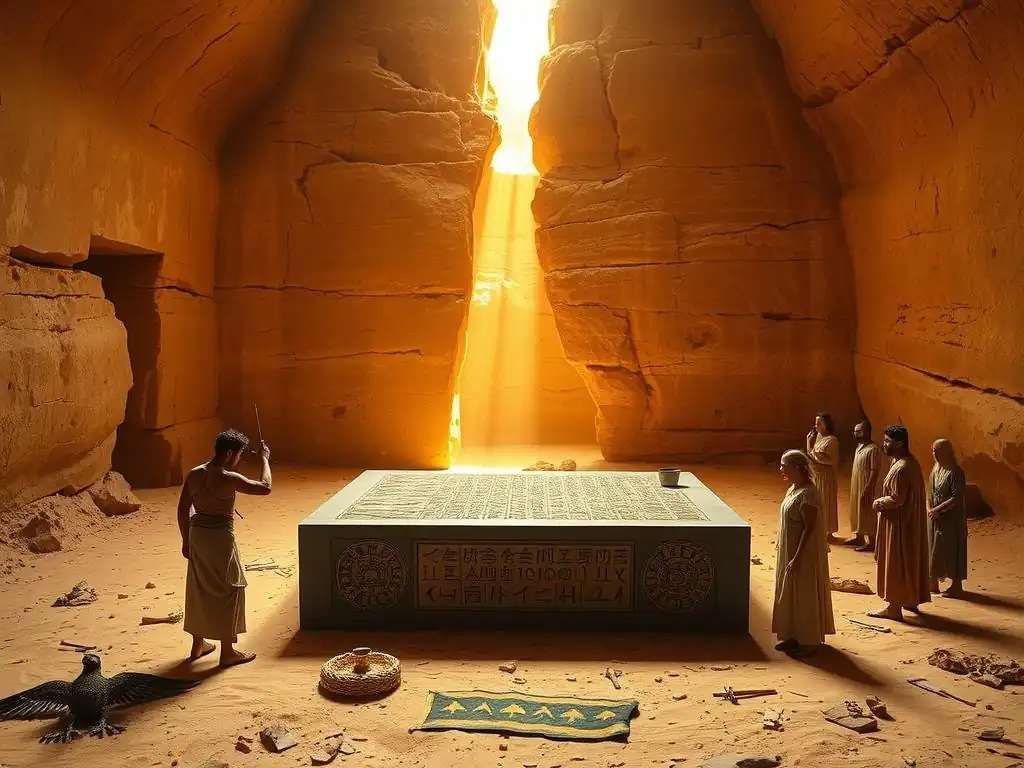
Welcome to ArchaeologyHub.org, your portal to unraveling the mysteries of the past. Ever wondered how ancient superpowers negotiated peace in a world without modern diplomacy? Dive into our detailed analysis of the Treaty of Kadesh, a landmark agreement that shaped the ancient Near East, and discover fascinating Hittite-Egyptian peace treaty details you won't find anywhere else. Explore the intricacies of this groundbreaking pact and unlock secrets of diplomacy from millennia ago. Prepare to journey back in time!
- Introduction to the Hittite-Egyptian Conflict and the Kadesh Treaty
- Unveiling the Kadesh Treaty Details
- Examining the Context and Motivations Behind the Kadesh Treaty
- Archaeological Evidence Supporting the Kadesh Treaty
- The Lasting Impact of the Kadesh Treaty
- Comparing the Kadesh Treaty to Other Ancient Treaties
- Conclusion: The Enduring Significance of the Kadesh Treaty
-
Frequently Asked Questions
- ### What was the Treaty of Kadesh, and why is it significant?
- ### Where can I find detailed information about the contents of the Treaty of Kadesh?
- ### What key terms or clauses were included in the Hittite-Egyptian peace treaty?
- ### How did the Treaty of Kadesh impact relations between the Hittite and Egyptian civilizations?
- ### Where was the Treaty of Kadesh discovered, and in what form was it recorded?
- Final Reflection: Echoes of Ancient Diplomacy
- Unearth Your Inner Historian!
Introduction to the Hittite-Egyptian Conflict and the Kadesh Treaty
Setting the Stage: Egypt and Hatti in the Late Bronze Age
The Late Bronze Age (circa 1550-1200 BCE) witnessed the zenith of two formidable powers in the ancient Near East: the New Kingdom of Egypt and the Hittite Empire. Egypt, under its powerful pharaohs of the 18th and 19th Dynasties, controlled a vast territory stretching from Nubia to the Levant.
To the north, in Anatolia, lay the Hittite Empire, a well-organized state with a strong military and a sophisticated administrative system, centered around its capital, Hattusa. These two empires found themselves increasingly in contention over control of the strategic region of Syria-Palestine, a vital land bridge connecting the great civilizations and a nexus of lucrative trade routes.
The decline of the Mitanni kingdom, which had previously acted as a buffer state and a significant power in northern Mesopotamia and Syria, created a power vacuum that both Egypt and Hatti sought to fill. This geopolitical shift led to a series of escalating confrontations, as each empire vied for dominance over vassal states and access to resources such as timber from Lebanon and copper from Cyprus. The stage was set for a direct military confrontation that would ultimately force a re-evaluation of their long-term strategies.
The Battle of Kadesh: A Stalemate on the Orontes
The most famous clash between these two titans was the Battle of Kadesh, fought around 1274 BCE (the 5th regnal year of Ramesses II) near the city of Kadesh on the Orontes River in modern-day Syria. Pharaoh Ramesses II led his Egyptian army, reportedly comprising four divisions named after Egyptian gods (Amun, Re, Ptah, and Seth), totaling perhaps 20,000 men and 2,000 chariots. Facing them was the Hittite army under King Muwatalli II, a force of comparable size, estimated to be around 17,000-20,000 infantry and 3,000 chariots, bolstered by numerous allied contingents.
The battle itself was a tactical muddle, marked by a Hittite ambush that nearly annihilated the Egyptian Re division and put Ramesses II himself in grave danger. Despite the initial setback, Ramesses II rallied his forces, and the arrival of the Ne'arin troops (possibly Egyptian mercenaries or a local levy) helped stabilize the situation.
While Egyptian accounts portray a glorious victory, and Hittite records suggest a successful defense, modern scholarship generally views the Battle of Kadesh as a strategic stalemate. Neither side achieved a decisive victory, and both suffered significant casualties, leading to a prolonged period of military exhaustion and an impasse that necessitated a different approach.
The Significance of the Kadesh Treaty: A Landmark Agreement
The Treaty of Kadesh, signed approximately 15 years after the battle, around 1259 BCE (the 21st regnal year of Ramesses II), stands as an unparalleled achievement in ancient diplomacy. It is widely recognized as the world's earliest known peace treaty for which both parties' versions have survived, offering an invaluable glimpse into the diplomatic practices of the Late Bronze Age. This landmark agreement formally ended decades of intermittent warfare and established a lasting peace between two of the most powerful states of their time.
The significance of the Kadesh Treaty extends far beyond simply ending a conflict. It represented a fundamental shift from perpetual rivalry to a policy of mutual recognition, non-aggression, and even defensive alliance. For the first time on such a grand scale, two rival empires consciously chose negotiation and cooperation over continued military confrontation, setting a precedent for future international relations and demonstrating the pragmatic wisdom of diplomacy in the face of costly stalemates. The HittiteEgyptian peace treaty details enshrined within its text would guide their relationship for over six decades.
Unveiling the Kadesh Treaty Details
The Discovery of the Kadesh Treaty: Multiple Sources
The remarkable survival of the Treaty of Kadesh in two distinct versions has provided unparalleled insight into ancient international law and diplomatic practices. The first evidence came from Egypt, where monumental inscriptions detailing the treaty were carved onto the walls of major temples, including the Ramesseum in Thebes, the Great Temple of Abu Simbel, and the Precinct of Amun-Re at Karnak. These Egyptian accounts, while often embedded within the narrative of Ramesses II's supposed victory at Kadesh, nonetheless confirm the existence and terms of the peace agreement.
The most crucial discovery, however, occurred in 1906 when German archaeologist Hugo Winckler unearthed the Hittite royal archives at Hattusa (modern Boğazkale, Turkey). Among the thousands of clay tablets written in cuneiform script, he found several copies of the Kadesh Treaty, specifically tablet KBo 1.3, which contained the full Hittite version.
This Hittite text, written in Akkadian (the diplomatic lingua franca of the period), offered a more balanced perspective on the agreement, confirming the reciprocal nature of the provisions and providing the definitive HittiteEgyptian peace treaty details. The existence of these two independent, yet largely congruent, versions solidifies the treaty's historical authenticity and its pivotal role in the diplomatic history of the ancient world.
Key Provisions of the Treaty: A Breakdown of the Agreement
The Kadesh Treaty is a meticulously crafted document, outlining a comprehensive framework for peace and cooperation. Its provisions reveal a sophisticated understanding of international relations, addressing issues from mutual defense to human rights. The HittiteEgyptian peace treaty details are surprisingly modern in their scope.
Mutual Non-Aggression and Alliance
Central to the treaty was the explicit commitment to perpetual peace and brotherhood between Ramesses II of Egypt and Hattusili III of Hatti, and their successors. Article 1 of the treaty clearly states, "There shall be no hostility between them forever." This foundational clause prohibited any future invasions or acts of aggression from either side.
Beyond non-aggression, the treaty also established a mutual defensive alliance, pledging that if an external enemy attacked one party, the other would come to its aid with military forces. This reciprocal defense clause transformed two long-standing adversaries into strategic partners, a truly groundbreaking development for the time.
Extradition Clauses: Dealing with Political Refugees
One of the most remarkable and humane aspects of the Kadesh Treaty is its detailed extradition clauses. The treaty stipulated that any political refugees or defectors who fled from one empire to the other, whether commoners or nobles, were to be returned to their homeland. Crucially, however, the treaty included a provision that guaranteed their safety and well-being upon return.
It explicitly stated that they should not be harmed, their property should not be confiscated, nor should they or their families be mutilated or killed. This unprecedented protection for returned individuals showcases a level of diplomatic sophistication and concern for human life rarely seen in ancient agreements, offering a profound insight into the HittiteEgyptian peace treaty details.
Succession and Dynastic Stability
While not explicitly detailed as a standalone section, the treaty implicitly supported the legitimate succession of rulers in both empires. By establishing a framework of peace and alliance, it aimed to prevent either side from exploiting internal dynastic struggles or supporting rival claimants to the throne. The stability of the ruling houses was seen as essential for maintaining the overall peace and the integrity of the agreement. This understanding contributed to a prolonged period of political calm on both sides of the shared frontier.
Divine Witnesses: Gods of Egypt and Hatti
To underscore the sacred and binding nature of the agreement, the Kadesh Treaty invoked a vast pantheon of gods from both Egypt and Hatti as divine witnesses. The text lists hundreds of deities, including the chief gods Re and Amun of Egypt, and the Storm God Teshub and the Sun Goddess of Arinna from Hatti.
These divine entities were called upon to bless those who upheld the treaty and to curse those who dared to violate its terms. This invocation of divine authority reflected the profound religious beliefs of both cultures and served as a powerful deterrent against future breaches, cementing the HittiteEgyptian peace treaty details with supernatural power.
Examining the Context and Motivations Behind the Kadesh Treaty
Egyptian Perspective: Ramesses II and the Desire for Stability
From the Egyptian perspective, particularly that of Pharaoh Ramesses II, the desire for the Kadesh Treaty stemmed from a pragmatic assessment of the geopolitical landscape and the costs of prolonged warfare. Ramesses II, who would reign for an extraordinary 66 years, initially sought to reassert Egyptian dominance in Syria-Palestine and restore the prestige of the New Kingdom. However, the Battle of Kadesh, despite his claims of victory, demonstrated the formidable military might of the Hittites and the difficulty of achieving a decisive conquest.
The continuous military campaigns were economically draining and diverted resources from internal projects, such as his ambitious building programs across Egypt. A stable northern frontier would allow Ramesses II to focus on domestic prosperity, secure vital trade routes, and solidify his legacy as a builder and a long-reigning monarch. The treaty offered a mutually beneficial solution that achieved Egyptian security interests without the prohibitive costs of endless conflict, leading to a period of remarkable peace and prosperity for Egypt.
Hittite Perspective: Hattusili III and the Threat from Assyria
For the Hittite Empire, under King Hattusili III, the motivations for seeking peace with Egypt were equally compelling, if not more urgent. Hattusili III had ascended to the throne following a period of internal dynastic strife, having deposed his nephew Urhi-Teshub (Muršili III). Consolidating his power and legitimizing his rule was paramount. A protracted conflict with Egypt would only destabilize his new reign and stretch Hittite resources.
More critically, the rising power of Assyria to the east posed an existential threat to the Hittite Empire. Assyria, under rulers like Shalmaneser I, was rapidly expanding its territory and influence in Mesopotamia and Syria. Securing the western flank with a formal peace agreement with Egypt allowed Hattusili III to redeploy his military forces and diplomatic efforts to counter the growing Assyrian menace. The HittiteEgyptian peace treaty details provided the necessary security to face this emerging challenge, underscoring the pragmatic nature of ancient statecraft.
Geopolitical Landscape: Trade Routes and Regional Power Dynamics
The broader geopolitical landscape of the Late Bronze Age also heavily influenced the decision to forge the Kadesh Treaty. Syria-Palestine was not merely a battleground but a crucial economic artery, a land bridge connecting the great civilizations of Mesopotamia, Anatolia, and Egypt. Control over this region meant access to valuable trade routes for goods like tin, copper, timber, and luxury items. Prolonged conflict disrupted these vital networks, affecting the economies of both empires.
The treaty's establishment of a stable frontier allowed for the resumption and expansion of trade, benefiting both sides. It created a balance of power in the Levant, effectively dividing spheres of influence and reducing the likelihood of future direct confrontations over disputed territories. This regional stability, achieved through the HittiteEgyptian peace treaty details, fostered an environment where both empires could prosper and focus on internal development or external threats from other emerging powers, rather than being locked in a costly and unwinnable struggle against each other.
Archaeological Evidence Supporting the Kadesh Treaty
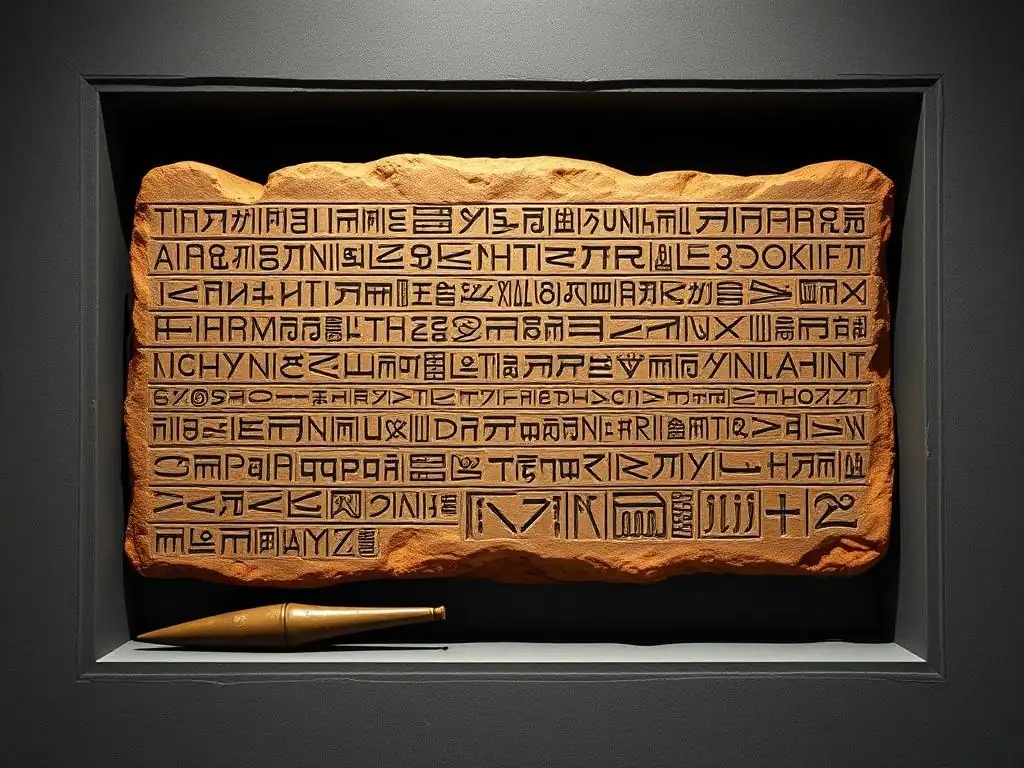
The Hittite Royal Archives at Hattusa: The Cuneiform Tablets
The most definitive archaeological evidence for the Kadesh Treaty comes from the Hittite royal archives discovered at Hattusa, the ancient Hittite capital, in modern-day Turkey. In 1906, German archaeologist Hugo Winckler's excavations at Boğazkale uncovered thousands of clay tablets, meticulously organized and preserved. Among these priceless artifacts were multiple copies of the Kadesh Treaty, inscribed in Akkadian cuneiform, the diplomatic language of the Late Bronze Age.
Tablet KBo 1.3, now housed in the Istanbul Archaeology Museums, is particularly significant as it represents the most complete Hittite version of the treaty. These tablets not only confirm the existence of the agreement but also provide invaluable HittiteEgyptian peace treaty details, including the names of the signatories (Hattusili III and Ramesses II), the precise stipulations, and the lengthy list of divine witnesses. The discovery of this Hittite account provided the crucial corroboration needed to fully understand the reciprocal nature of the peace agreement, moving beyond the often self-aggrandizing Egyptian narratives.
Egyptian Temple Inscriptions: Depictions of the Treaty and its Aftermath
Complementing the Hittite tablets are the monumental inscriptions found on the walls of various Egyptian temples. Ramesses II, a prolific builder and self-promoter, had the account of the Battle of Kadesh and the subsequent peace treaty carved into the stone facades of his greatest constructions. Prominent examples include the Ramesseum, Ramesses II's mortuary temple in Thebes, the Great Temple of Abu Simbel in Nubia, and the walls of the Precinct of Amun-Re at Karnak.
While these Egyptian versions often emphasize Ramesses II's heroic actions at Kadesh and frame the treaty as a submission by the Hittites, they nonetheless confirm the key elements of the agreement. They depict the arrival of the Hittite envoys, the exchange of the treaty document, and the subsequent period of peace and diplomatic exchange, including the marriage of Ramesses II to a Hittite princess. These inscriptions, despite their propagandistic tone, provide significant HittiteEgyptian peace treaty details and visual confirmation of the treaty's importance to the Egyptian monarchy.
Egyptian-Hittite Correspondence
Further archaeological and textual evidence supporting the Kadesh Treaty and the subsequent peaceful relations comes from various diplomatic correspondences found at sites across the Near East. While the famous Amarna Letters primarily predate the Kadesh Treaty (dating to the reigns of Amenhotep III and Akhenaten), they illustrate the long-standing diplomatic interactions and rivalries between Egypt and Hatti, setting the stage for the eventual treaty.
More directly relevant are the letters exchanged between Ramesses II and Hattusili III, and notably, between their respective queens, Nefertari and Puduhepa. These letters, some found at Hattusa, reveal a continuous and generally cordial diplomatic relationship after the treaty's signing. They discuss matters of state, health, and even personal greetings, providing tangible proof of the sustained peace and alliance. For instance, Puduhepa's letter to Ramesses II concerning the health of her daughter, a Hittite princess married to the Pharaoh, offers intimate HittiteEgyptian peace treaty details about the personal bonds forged through the alliance.
The Lasting Impact of the Kadesh Treaty
Political and Diplomatic Ramifications: A New Era of Relations
The Kadesh Treaty heralded a genuinely new era in the relationship between Egypt and Hatti, transforming them from bitter adversaries into steadfast allies for over six decades. This period of peace, lasting until the collapse of the Late Bronze Age, was unprecedented in their history of conflict. The treaty's political ramifications were profound: it stabilized the northern frontier of Egypt and the western frontier of Hatti, allowing both empires to manage internal affairs and external threats more effectively.
One of the most significant diplomatic outcomes was the exchange of royal marriages, which further cemented the alliance. Ramesses II married at least two Hittite princesses, one in his 34th regnal year and another later in his reign. These unions were not merely symbolic; they created familial ties between the ruling houses, reinforcing the commitment to peace and mutual support outlined in the HittiteEgyptian peace treaty details. This demonstrated a deeper level of trust and cooperation than simple non-aggression, fostering a remarkably stable international environment.
Cultural Exchange and Influence: The Amarna Letters and Beyond
While direct large-scale cultural fusion was not a primary outcome of the Kadesh Treaty, the sustained peace it fostered certainly enabled and facilitated diplomatic and limited cultural exchange. The broader context of the Amarna Letters, though predating the treaty, already showed the extensive diplomatic network that connected the major powers of the Late Bronze Age, involving a flow of ideas, goods, and envoys. The Kadesh Treaty ensured that this network, particularly between Egypt and Hatti, remained open and functional.
During the post-treaty period, there was continued interaction at the highest levels, including the exchange of gifts and skilled artisans. Although the evidence for widespread popular cultural exchange is limited, the very act of peace allowed for the free movement of merchants and diplomats, which inevitably led to some degree of cultural diffusion. The treaty's existence meant that resources could be dedicated to such exchanges rather than to military buildup, contributing to the overall vibrancy of the Late Bronze Age international system.
The Legacy of Peace: Lessons from the Ancient World
The Kadesh Treaty stands as an enduring testament to the power of diplomacy and negotiation, even between formidable and long-standing rivals. Its legacy lies in demonstrating that even after a costly and inconclusive war, a pragmatic solution leading to lasting peace is achievable. It showed that ancient empires, driven by strategic necessity and mutual exhaustion, could choose cooperation over continued conflict.
The principles enshrined in the HittiteEgyptian peace treaty details—mutual non-aggression, defensive alliance, and even humane extradition—resonate with modern international law and diplomatic practices. It serves as a powerful historical example that even in a world vastly different from our own, the pursuit of peace through formal agreement was a recognized and effective strategy. The Kadesh Treaty offers valuable lessons on conflict resolution, the balancing of power, and the long-term benefits of stability, making it a pivotal document in the history of international relations.
Comparing the Kadesh Treaty to Other Ancient Treaties
Similarities and Differences with Earlier Agreements
The Kadesh Treaty, while groundbreaking, was not the first international agreement in the ancient world. Earlier treaties, particularly from Mesopotamia, dating back to the third millennium BCE, existed between city-states, such as the treaty between Lagash and Umma (circa 2450 BCE) or the treaties found at Ebla (circa 2300 BCE). These early agreements often focused on border demarcation, tribute, and mutual defense, typically involving a dominant power and a subordinate one. They frequently invoked divine oaths and included curses for treaty breakers, much like Kadesh.
However, the Kadesh Treaty differed significantly in its scope and participants. Unlike earlier agreements between a hegemon and a vassal, or between smaller city-states, the Kadesh Treaty was a reciprocal agreement between two co-equal superpowers. It acknowledged a balance of power, with neither side dictating terms to the other. This parity in negotiation, reflected in the balanced language of the HittiteEgyptian peace treaty details, set it apart from its predecessors. It was a true pact between equals, aimed at mutual benefit rather than subjugation.
The Kadesh Treaty's Uniqueness: A Model for Future Diplomacy?
The Kadesh Treaty's uniqueness lies in several key aspects that arguably made it a model for future diplomacy. Its survival in two comprehensive, largely congruent versions from both parties is unparalleled for its time, providing a remarkably complete picture of the negotiations and terms. The level of detail regarding mutual non-aggression, defensive alliance, and especially the humane extradition clauses, was exceptionally advanced for the Late Bronze Age. These specific HittiteEgyptian peace treaty details demonstrated a sophisticated understanding of how to manage complex inter-state relations.
Furthermore, the Kadesh Treaty successfully maintained peace for over 60 years, a testament to its effectiveness. This long period of stability between two major powers, achieved through a formal, written agreement, established a benchmark for subsequent diplomatic engagements in the Near East. While the full extent of its direct influence on later treaties is debated, its existence certainly demonstrated the viability and benefits of comprehensive peace accords between great powers, setting a high standard for diplomatic achievement in the ancient world.
Conclusion: The Enduring Significance of the Kadesh Treaty
The Kadesh Treaty as a Testament to Diplomacy
The Treaty of Kadesh stands as one of the most remarkable documents from the ancient world, serving as a powerful testament to the efficacy of diplomacy and negotiation. As the oldest surviving peace treaty for which both parties' versions have been recovered, it offers an unparalleled window into the sophisticated international relations of the Late Bronze Age. It unequivocally demonstrates that even after decades of intense rivalry and a major, inconclusive battle, two formidable empires could choose the path of peace through a meticulously crafted agreement.
This treaty was not merely a cessation of hostilities but a comprehensive framework for a lasting alliance, built on principles of mutual respect, non-aggression, and reciprocal defense. The detailed HittiteEgyptian peace treaty details, from the invocation of divine witnesses to the humane extradition clauses, highlight an advanced understanding of statecraft and the pragmatic pursuit of stability. It underscores that peace, even in antiquity, was a deliberate and strategic choice, often born out of exhaustion from conflict and the recognition of mutual interests.
Despite the wealth of information provided by the Kadesh Treaty and related archaeological finds, the study of Hittite-Egyptian relations remains an active and evolving field. Ongoing archaeological excavations in both Turkey and Egypt continue to uncover new textual and material evidence that can refine our understanding of this pivotal period. For instance, the discovery of new cuneiform tablets at Hattusa or further inscriptions in Egypt could shed more light on the day-to-day interactions, economic exchanges, and perhaps even the personal dynamics between the royal families following the treaty.
Future research may also delve deeper into the broader network of diplomacy that connected the Late Bronze Age world, examining how the Kadesh Treaty influenced or was influenced by other regional agreements. The enduring significance of the HittiteEgyptian peace treaty details lies not only in its historical importance but also in its continued relevance as a subject of scholarly inquiry. As new discoveries emerge, our appreciation for this ancient diplomatic masterpiece and its profound impact on the course of Near Eastern history will only deepen, offering further lessons from a distant past.
Frequently Asked Questions
### What was the Treaty of Kadesh, and why is it significant?
The Treaty of Kadesh was a peace treaty signed between the Hittite Empire and Ancient Egypt after the Battle of Kadesh. It's significant as one of the earliest known international peace treaties in recorded history, demonstrating a formal agreement to end hostilities.
### Where can I find detailed information about the contents of the Treaty of Kadesh?
ArchaeologyHub.org provides detailed timelines and artifact profiles related to the Treaty of Kadesh. You can also find interpretive analyses of ancient civilizations, including the Hittite and Egyptian empires, organized by geographic regions and time periods.
### What key terms or clauses were included in the Hittite-Egyptian peace treaty?
The treaty included clauses on mutual non-aggression, military alliances against third parties, and extradition of political refugees. These provisions aimed to establish long-term stability and cooperation between the two empires.
### How did the Treaty of Kadesh impact relations between the Hittite and Egyptian civilizations?
The treaty ushered in a period of relative peace and stability between the two powers. It fostered diplomatic relations and trade, leading to cultural exchange and mutual prosperity for both the Hittite and Egyptian societies.
### Where was the Treaty of Kadesh discovered, and in what form was it recorded?
Multiple versions of the treaty have been found. Egyptian versions were inscribed on papyrus and temple walls. The Hittite version, written in Akkadian, was discovered at Hattusa, the Hittite capital, inscribed on clay tablets.
Final Reflection: Echoes of Ancient Diplomacy
The intricate details of the Treaty of Kadesh, as explored in this article, are not merely historical footnotes; they resonate powerfully today as a testament to the enduring human desire for peace. Even millennia later, the treaty serves as a potent reminder that diplomacy, however challenging, remains the most effective path to resolving conflict and building lasting stability. The Hittite-Egyptian accord, born from the ashes of war, underscores the possibility of transforming adversaries into allies, a lesson desperately needed in our increasingly polarized world.
The legacy of Kadesh extends far beyond the dusty annals of ancient history. It's a powerful symbol of the potential for cooperation, a beacon illuminating the path towards mutual understanding and respect. The treaty's emphasis on mutual defense and non-aggression pacts continues to inform international relations, demonstrating the timeless relevance of its principles. Peace does not mean the absence of conflict; differences will always be there. Peace means solving these differences through peaceful means; through dialogue, education, knowledge; and through humane ways.
- Dalai Lama. This quote encapsulates the spirit of Kadesh, highlighting the importance of dialogue over destruction.
Let us, therefore, draw inspiration from the Hittites and Egyptians. Let us reflect on the Treaty of Kadesh not just as a historical event, but as a blueprint for a more peaceful future. Consider how its principles of mutual respect, shared security, and collaborative problem-solving can be applied to the challenges we face today, both on a global scale and in our own personal lives. Strive to be architects of peace, building bridges of understanding and fostering a world where diplomacy triumphs over discord.
Unearth Your Inner Historian!
Thanks for diving into the world of ancient diplomacy with us! We hope you've found the story of the Treaty of Kadesh as fascinating as we do. Ready to connect with the past on a deeper level?
- Visit your local museum to see real Egyptian and Hittite artifacts up close and personal, connecting with history beyond the page.
- Share this article with fellow history enthusiasts and ignite a conversation about the power of diplomacy in the ancient world.
- Try writing a short story imagining the negotiations leading up to the Treaty of Kadesh - what secrets and tensions filled the room?
What's one aspect of the Treaty of Kadesh that makes you rethink ancient history?