
Contributions of Turkish Archaeologists to the Study of Hittite Capitals

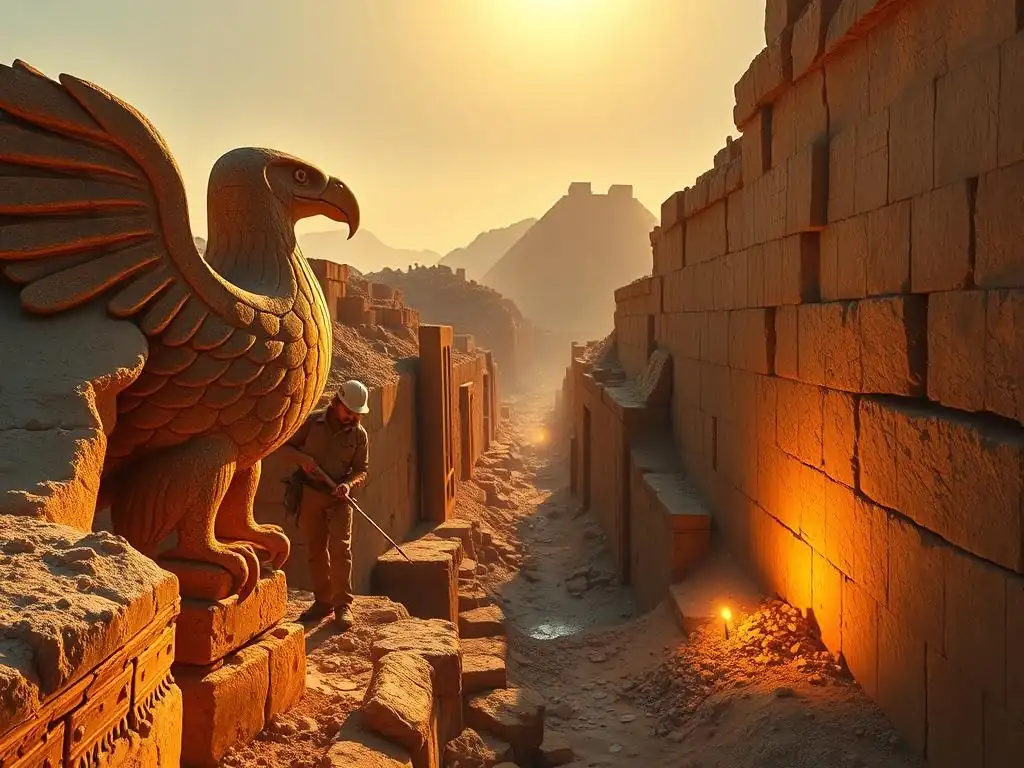
Welcome to ArchaeologyHub.org, your gateway to unlocking the secrets of the past! Did you know that the windswept plains of modern-day Turkey hold the key to understanding one of history's most powerful empires? Explore our comprehensive digital encyclopedia and delve into the fascinating world of the Hittites. Our featured article, " Contributions of Turkish Archaeologists to the Study of Hittite Capitals," sheds light on groundbreaking discoveries and ongoing research. Prepare to be amazed by the insights revealed, and uncover the hidden stories beneath the soil! What will you discover next?
- Introduction: Unveiling Hittite History Through Turkish Archaeological Expertise
- Early Explorations and Foundational Discoveries at Hittite Sites
- Hattusa: The Core of Hittite Civilization and Turkish Archaeological Investigations
- Other Significant Hittite Capitals: Expanding the Archaeological Landscape
- Advancements in Archaeological Techniques and Hittite Capital Research
- Interpreting Hittite Culture and Society: Insights from Archaeological Findings
- Challenges and Future Directions in Hittite Capital Research
- Conclusion: The Enduring Legacy of Turkish Contributions to Hittite Capital Studies
-
Frequently Asked Questions
- What were the primary Hittite capitals, and how has Turkish archaeology contributed to our understanding of them?
- How have Turkish archaeologists used modern excavation techniques to uncover information about Hittite capitals?
- What specific types of artifacts discovered by Turkish archaeologists have been most informative about Hittite culture in its capitals?
- How does the work of Turkish archaeologists help connect Hittite history to the broader context of Turkish archaeology?
- In what ways does ArchaeologyHub.org support and disseminate the findings of Turkish archaeologists working on Hittite capitals?
- Final Reflection: Unearthing the Hittite Legacy
- Unearth Your Own Hittite Adventure!
Introduction: Unveiling Hittite History Through Turkish Archaeological Expertise
The Significance of Hittite Capitals in Anatolian Archaeology
The study of Hittite capitals stands as a cornerstone in understanding the Bronze Age Near East, particularly the complex political and cultural landscape of ancient Anatolia. These urban centers, most notably Hattusa, served as the administrative, religious, and economic hearts of the powerful Hittite Empire, which flourished from approximately 1600 to 1200 BCE.
Excavations at these sites provide invaluable insights into Hittite statecraft, urban planning, monumental architecture, and sophisticated legal and diplomatic systems, including the earliest known peace treaty. The archaeological record from these capital cities is crucial for reconstructing the empire's rise, expansion, and eventual collapse, offering a unique window into a major civilization that significantly influenced its contemporaries across Mesopotamia and the Levant.
Beyond Hattusa, other significant Hittite capitals and regional centers like Alacahöyük and Karahöyük (Elbistan) reveal the decentralized yet integrated structure of the Hittite state. These sites offer comparative data on provincial administration, local cults, and regional artistic styles, enriching our understanding of the broader Hittite cultural sphere.
The sheer volume of material culture, from cuneiform tablets detailing treaties and royal decrees to intricate seals and impressive fortifications, underscores the profound historical impact of these sites. Thus, the systematic investigation of Hittite capitals is not merely about uncovering ancient cities but about meticulously piecing together the narrative of one of the ancient world's dominant powers.
The Role of Turkish Archaeologists in Hittite Studies
Turkish archaeologists have played an indispensable and increasingly prominent role in the study of Hittite capitals, given that the vast majority of these crucial sites are located within the modern borders of Turkey. From the early 20th century, as the Republic of Turkey established its own archaeological institutions, Turkish scholars and excavation teams began to contribute significantly to the fieldwork, analysis, and preservation of Hittite heritage.
Their efforts have been instrumental in not only continuing the foundational work initiated by foreign expeditions but also in pioneering new research avenues and integrating advanced methodologies. This continuous engagement ensures a deep, localized understanding of the archaeological context and cultural nuances inherent to these ancient sites.
The commitment of Turkish archaeological research to the exploration of Hittite capitals extends beyond mere excavation; it encompasses the training of new generations of scholars, the establishment of world-class museums to house and display artifacts, and the development of conservation strategies to protect these fragile remains. Institutions such as the Turkish Ministry of Culture and Tourism, various Turkish universities, and local museums actively manage and fund projects at key Hittite sites.
This dedication has solidified Turkey's position at the forefront of Hittite studies, with Turkish scholars contributing seminal works on Hittite history, language, art, and daily life, profoundly shaping global understanding of this ancient civilization.
Early Explorations and Foundational Discoveries at Hittite Sites
Pioneering Turkish Archaeologists in Hittite Capital Research
The early 20th century marked a pivotal period for Turkish archaeological engagement with Hittite sites, laying the groundwork for subsequent extensive research. While initial large-scale excavations at Hattusa were led by German teams, Turkish archaeologists and institutions quickly became active participants and eventually assumed leading roles. An important figure in the broader context of Anatolian archaeology, whose work provided a crucial backdrop for understanding the Hittite period, was Tahsin Özgüç (1916-2005).
Although primarily renowned for his excavations at Kültepe (ancient Kanesh), his meticulous methodology and dedication to stratigraphy at this pre-Hittite site established high standards that influenced subsequent work at Hittite capitals. His systematic approach helped to define the cultural sequence of Anatolia, providing a clearer context for the emergence and development of the Hittite civilization.
As Turkish archaeological capacity grew, scholars like Nimet Özgüç (1916-2016), a prominent archaeologist and epigrapher, made significant contributions through her work on seals and tablets, many of which originated from or related to Hittite capitals. Her expertise in glyptics provided vital insights into Hittite administration, iconography, and social structures.
The establishment of the Ankara Museum of Anatolian Civilizations in 1921, housing numerous artifacts from Hittite capitals, further underscored Turkey's commitment. Early Turkish contributions, therefore, were not only about direct excavation but also about building the institutional framework and developing the scholarly expertise necessary to undertake comprehensive research into Hittite capitals Turkish archaeology.
Key Early Discoveries Shaping Our Understanding of Hittite Capitals
The early explorations at Hittite sites, particularly Hattusa (modern Boğazköy), yielded groundbreaking discoveries that fundamentally reshaped our understanding of the Hittite Empire. Among the most significant was the unearthing of the Royal Archives at Büyükkale, the citadel of Hattusa, starting from the early 20th century. These archives contained tens of thousands of cuneiform tablets, written primarily in Hittite, Akkadian, and other Anatolian languages.
Their decipherment revealed an entirely new chapter of ancient history, including detailed records of Hittite kings, their conquests, diplomatic correspondence (such as the famous Kadesh Treaty with Egypt), laws, rituals, and administrative documents. This textual evidence transformed the Hittites from a vaguely known people mentioned in Egyptian and Mesopotamian texts into a fully fledged, well-documented empire.
Beyond the textual discoveries, early archaeological work at Hattusa also exposed the sheer scale and sophistication of Hittite urban planning and defensive architecture. The monumental city walls, stretching over 8 kilometers and featuring impressive gates like the Lion Gate and King's Gate, demonstrated advanced engineering capabilities. The discovery of various temples, administrative buildings, and residential areas provided the first comprehensive picture of a major Bronze Age capital. These foundational findings, meticulously documented and preserved by both early international and emerging Turkish teams, established the critical importance of these sites and catalyzed further, more intensive archaeological investigations into Hittite capitals.
Hattusa: The Core of Hittite Civilization and Turkish Archaeological Investigations
Turkish Excavations at Hattusa: Unearthing the Imperial City
Hattusa, the magnificent capital of the Hittite Empire, has been the focal point of extensive Turkish archaeological investigations, building upon over a century of research. While the German Archaeological Institute (DAI) has maintained a long-standing presence, Turkish archaeologists and institutions have increasingly taken leading roles and made significant contributions to the ongoing understanding of this UNESCO World Heritage site.
Since the mid-20th century, Turkish scholars have systematically explored various sectors of the sprawling city, including the fortifications, the Lower City, the Upper City, and the citadel of Büyükkale. Their work has focused on understanding the urban layout, the function of different districts, and the chronological development of the capital.
Notable Turkish contributions include detailed stratigraphic analyses that have refined the site's occupational history, identifying distinct architectural phases from the Old Hittite Kingdom to the Imperial period. For instance, excavations have clarified the construction sequences of the massive defense systems, revealing multiple layers of walls and gates built over centuries to protect the approximately 180-hectare city.
Turkish teams have also been instrumental in the conservation and presentation of the site, ensuring that the unearthed structures, such as the impressive Postern Gate and the foundations of numerous temples, are protected for future generations and accessible to the public, solidifying Hattusa's status as a premier example of Hittite capitals Turkish archaeology has illuminated.
Architectural Marvels of Hattusa: Insights from Turkish Archaeological Work
The architectural prowess of the Hittites is vividly displayed at Hattusa, and Turkish archaeological work has been pivotal in revealing and interpreting these marvels. The monumental fortifications are a prime example: the inner and outer circuits of walls, constructed with cyclopean masonry and featuring impressive corbelled postern gates, represent a sophisticated defensive strategy.
Turkish excavations have further elucidated the construction techniques, including the use of earthworks, stone foundations, and mud-brick superstructures, indicating a highly organized labor force and advanced engineering knowledge. The study of structures like the Great Temple in the Lower City, one of the largest buildings in the Hittite capital, has provided insights into Hittite religious architecture, with its vast courtyards, numerous storerooms, and cult chambers.
Furthermore, Turkish archaeologists have meticulously documented the remains of the royal palace complex on Büyükkale, revealing the layout of administrative buildings, residential quarters, and ceremonial spaces. The analysis of building materials, architectural fragments, and associated artifacts has allowed scholars to reconstruct aspects of the palace's original appearance and function. The insights gained from these architectural studies contribute significantly to our understanding of Hittite state organization, royal ideology, and the daily lives of the city's inhabitants. This detailed architectural investigation forms a crucial part of the broader Turkish archaeological effort at one of the most important Hittite capitals.
Deciphering Cuneiform Tablets: Turkish Contributions to Hittite Textual Studies at Hattusa
The discovery of the vast cuneiform archives at Hattusa, comprising an estimated 30,000 clay tablets and fragments, represents one of the most significant archaeological finds of the 20th century. Turkish scholars have played an indispensable role in the decipherment, translation, and interpretation of this monumental corpus, which forms the bedrock of Hittite textual studies.
Epigraphers and linguists from Turkish universities and research institutions have dedicated decades to unraveling the complexities of the Hittite language, an Indo-European tongue, and its various scripts. Their meticulous work has brought to light a wealth of information concerning Hittite history, law, religion, economy, and international relations.
Key contributions include the identification and translation of historical texts such as annals of kings (e.g., Suppiluliuma I, Muwatalli II), detailing military campaigns and diplomatic exchanges. Scholars have also extensively studied legal codes, revealing insights into Hittite society and justice, and cultic texts that illuminate religious practices and beliefs within the Hittite capitals.
The continuous efforts of Turkish textual scholars ensure that new fragments are identified, cataloged, and integrated into the broader understanding of the Hittite world, making the textual record from Hattusa one of the most comprehensive from the ancient Near East, profoundly shaped by Turkish archaeological and philological expertise.
Other Significant Hittite Capitals: Expanding the Archaeological Landscape
Identifying and Excavating Secondary Hittite Capitals
Beyond the imperial grandeur of Hattusa, Turkish archaeologists have been instrumental in identifying and excavating numerous other sites that served as secondary or regional Hittite capitals, offering a more nuanced understanding of the empire's administrative and cultural reach. Sites like Alacahöyük, located near Hattusa, though primarily known for its rich Early Bronze Age royal tombs, also contains significant Hittite layers, including an impressive Sphinx Gate and fortifications that indicate its importance during the Hittite period.
Turkish teams have meticulously explored these Hittite phases, contributing to the understanding of provincial centers. Another crucial site is Karahöyük-Elbistan in Kahramanmaraş province, where Turkish excavations have uncovered evidence of a significant Hittite city, potentially a regional capital or an important administrative hub, with substantial architectural remains and artifacts.
Further afield, sites such as Fraktin in Kayseri province, known for its rock relief depicting Hittite kings and deities, and Yazılıkaya, a rock sanctuary intimately linked to Hattusa, have also been subjects of Turkish archaeological focus. While Yazılıkaya is a religious site rather than a capital, its elaborate reliefs offer critical insights into the religious ideology and royal cult practices associated with the Hittite capitals.
The identification and systematic excavation of these diverse sites by Turkish archaeologists have expanded the geographical and functional understanding of the Hittite state, showing how the empire managed its vast territories through a network of strategically important urban centers.
Turkish Archaeologists' Role in Defining the Functions of Different Hittite Capitals
Turkish archaeological research has been crucial in differentiating the specific functions and roles of various Hittite capitals and major urban centers within the empire's complex administrative structure. Through comparative analysis of architectural layouts, artifact distributions, and textual evidence from different sites, Turkish scholars have helped to categorize these cities. For instance, while Hattusa clearly functioned as the primary imperial capital with its vast archives and grand royal complex, other sites exhibited distinct characteristics. Alacahöyük, with its monumental gate, appears to have served as an important religious and possibly defensive center controlling a key route.
Excavations at sites like Karahöyük-Elbistan have yielded evidence suggesting its role as a regional administrative and economic hub, potentially overseeing agricultural production or trade routes in southeastern Anatolia. Turkish archaeologists meticulously analyze the types of structures, the nature of finds (e.g., presence of granaries, workshops, specific cultic objects), and the associated epigraphic material to discern whether a site was primarily a military garrison, a religious sanctuary, an administrative center, or an economic node.
This detailed functional differentiation by Turkish archaeological teams provides a more comprehensive picture of how the Hittite Empire managed its territories, demonstrating a sophisticated system of governance beyond a single imperial center.
Comparative Analysis of Hittite Capital Cities: A Turkish Archaeological Perspective
The comparative analysis of various Hittite capital cities is a vital aspect of Turkish archaeological research, offering profound insights into the empire's urban planning, cultural uniformity, and regional diversity. By examining similarities and differences in defensive architecture, temple layouts, residential areas, and material culture across sites like Hattusa, Alacahöyük, and others, Turkish scholars can identify common Hittite urban principles while also recognizing local adaptations.
For example, the use of cyclopean masonry and monumental gates is a recurring feature in major Hittite fortifications, suggesting a shared military engineering tradition. However, variations in gate iconography or specific temple designs might point to regional artistic schools or local deities.
Turkish archaeologists meticulously compare ceramic typologies, seal impressions, and bronze artifacts found at different Hittite capitals to trace trade networks, cultural interactions, and the spread of imperial influence. This comparative approach allows for a broader understanding of the Hittite "koine" – the shared cultural traits that unified the empire – as well as the unique characteristics of its constituent regions. Such detailed comparisons, facilitated by extensive fieldwork across numerous sites within Turkey, are essential for constructing a holistic narrative of Hittite urbanism and the complex interplay between central authority and provincial development, significantly advancing Hittite capitals Turkish archaeology.
Advancements in Archaeological Techniques and Hittite Capital Research
The Application of Modern Technologies in Hittite Archaeology by Turkish Teams
Turkish archaeologists have increasingly embraced and integrated modern technologies into their research on Hittite capitals, significantly enhancing the precision and scope of their investigations. Geophysical surveys, utilizing techniques like ground-penetrating radar (GPR) and magnetometry, are routinely employed at sites like Hattusa to map subsurface structures without invasive excavation.
This allows for the identification of previously unknown buildings, fortifications, and urban layouts, providing a comprehensive understanding of the city's extent and organization before a spade even touches the ground. For example, GPR surveys have helped delineate the full extent of the Upper City at Hattusa, revealing more temple foundations than previously known.
Furthermore, 3D modeling and photogrammetry are extensively used for documenting archaeological finds and standing architecture. These techniques create highly accurate digital replicas of artifacts, architectural elements, and entire site areas, facilitating detailed analysis, virtual reconstruction, and improved preservation strategies. For instance, detailed 3D models of the Lion Gate at Hattusa allow for precise study of its construction and erosion. The application of these cutting-edge technologies by Turkish teams ensures that research on Hittite capitals remains at the forefront of archaeological methodology, yielding richer data and more comprehensive interpretations.
Dating Methods and Chronological Refinements in the Study of Hittite Capitals
Accurate dating is fundamental to understanding the development and chronology of Hittite capitals, and Turkish archaeologists have made substantial contributions through the application of advanced dating methods. Radiocarbon dating (C14) is systematically used on organic materials such as charcoal and seeds found in stratified contexts, providing absolute dates for different occupational phases within the cities.
This has helped to refine the precise timelines for the construction of major architectural features, periods of intense activity, and moments of destruction or abandonment at sites like Hattusa and Alacahöyük. For instance, C14 dates have helped corroborate and sometimes refine the historical chronology derived from cuneiform tablets.
In addition to radiocarbon dating, dendrochronology, the study of tree rings, has been employed where suitable wood samples are preserved, offering highly precise dates. While less common due to preservation challenges, its application can provide annual precision for construction activities.
Furthermore, Turkish archaeologists meticulously analyze ceramic typologies, comparing pottery styles from different stratigraphic layers across various Hittite capitals. This comparative ceramic analysis, combined with the absolute dating methods, allows for a robust relative chronology, enabling scholars to track cultural changes, trade patterns, and the spread of material culture throughout the Hittite Empire, significantly enhancing the chronological framework of Hittite capitals Turkish archaeology has established.
Conservation Efforts at Hittite Capitals Led by Turkish Institutions
The preservation of the fragile remains of Hittite capitals is a paramount concern, and Turkish institutions have taken a leading role in developing and implementing comprehensive conservation strategies. The Turkish Ministry of Culture and Tourism, in collaboration with local directorates and archaeological teams, is responsible for the protection and maintenance of these invaluable heritage sites. At Hattusa, a UNESCO World Heritage site, ongoing conservation work focuses on stabilizing exposed mud-brick walls, reinforcing stone structures, and managing water runoff to prevent erosion. This includes the regular maintenance of the impressive city walls and gates, which are susceptible to environmental degradation.
Beyond structural conservation, Turkish institutions also implement site management plans that include visitor infrastructure, educational signage, and measures to mitigate the impact of tourism. For example, protective shelters have been erected over sensitive areas to shield them from the elements.
Furthermore, artifacts discovered during excavations are meticulously conserved in laboratories at local museums, such as the Boğazköy Museum near Hattusa and the Museum of Anatolian Civilizations in Ankara, ensuring their long-term preservation and accessibility for research and public display. These dedicated conservation efforts underscore Turkey's commitment to safeguarding its rich Hittite heritage for future generations, a testament to the comprehensive approach of Hittite capitals Turkish archaeology.
Interpreting Hittite Culture and Society: Insights from Archaeological Findings
Reconstructing Hittite Daily Life: Evidence from Turkish Archaeological Excavations
Turkish archaeological excavations at Hittite capitals have provided invaluable insights into the daily lives of the empire's inhabitants, moving beyond the grand narratives of kings and battles. Discoveries of domestic architecture, including residential quarters within the Lower and Upper Cities of Hattusa, have revealed the layout of homes, workshops, and communal areas. The analysis of household items such as pottery, cooking utensils, grinding stones, and simple tools offers a glimpse into daily routines, food preparation, and crafts. For instance, the presence of numerous loom weights indicates textile production was a common household activity.
Furthermore, palaeobotanical and archaeozoological studies conducted by Turkish researchers on plant and animal remains found in archaeological contexts shed light on Hittite diet and agricultural practices. Evidence of carbonized grains like wheat and barley, along with animal bones from cattle, sheep, and goats, indicates a mixed economy based on farming and animal husbandry.
Burial practices, when encountered, also provide clues about social structure, health, and beliefs surrounding death. Through the meticulous recovery and analysis of these seemingly mundane artifacts and ecofacts, Turkish archaeologists are reconstructing the intricate tapestry of Hittite daily life within their capital cities, offering a human dimension to the powerful empire.
Religious Practices and Royal Ideology in Hittite Capitals: A Turkish Archaeological Interpretation
Hittite capitals were not merely administrative centers but also vibrant hubs of religious activity and expressions of royal ideology, aspects deeply explored by Turkish archaeological interpretation. The numerous temple complexes excavated at Hattusa, such as the Great Temple in the Lower City with its extensive storerooms, provide direct evidence of polytheistic cults and ritual practices.
Discoveries of cultic objects, altars, and votive offerings within these structures illuminate the diverse pantheon of Hittite gods and goddesses and the rituals performed to appease them. The famous rock sanctuary of Yazılıkaya, intimately connected to Hattusa, with its elaborate open-air galleries of deities and royal figures, has been a particular focus of Turkish scholarship in understanding the state cult and the visual representation of Hittite theology.
Turkish archaeologists and art historians have meticulously analyzed the monumental art found in these capitals, including relief sculptures on city gates (e.g., the King's Gate at Hattusa) and stelae. These artistic expressions often depict kings interacting with deities, performing rituals, or engaging in symbolic acts of power, thereby reinforcing royal ideology and the divine legitimacy of the Hittite ruler. The study of these religious and ideological manifestations, often intertwined, is crucial for comprehending the spiritual and political foundations of the Hittite state as interpreted through Hittite capitals Turkish archaeology.
Hittite Art and Craftsmanship: Discoveries and Analyses by Turkish Scholars
The rich artistic and craftsmanship traditions of the Hittites are extensively documented through discoveries made at their capital cities, with Turkish scholars providing significant analyses. Excavations have yielded a diverse array of artifacts, including intricate seals, finely crafted pottery, bronze and iron objects, and monumental stone sculptures. For example, the distinctive Hittite pottery, characterized by its often red-slipped and burnished surfaces or specific forms like "fruit bowls," provides insights into ceramic production techniques and aesthetic preferences. The analysis of these materials by Turkish archaeologists and conservators helps to understand technological advancements, trade networks, and artistic influences.
Hittite glyptics, specifically the thousands of seal impressions and actual seals found at Hattusa and other sites, have been a particular area of focus. These seals, often depicting deities, animals, or hieroglyphic inscriptions, are invaluable for understanding Hittite administration, social hierarchy, and religious symbolism.
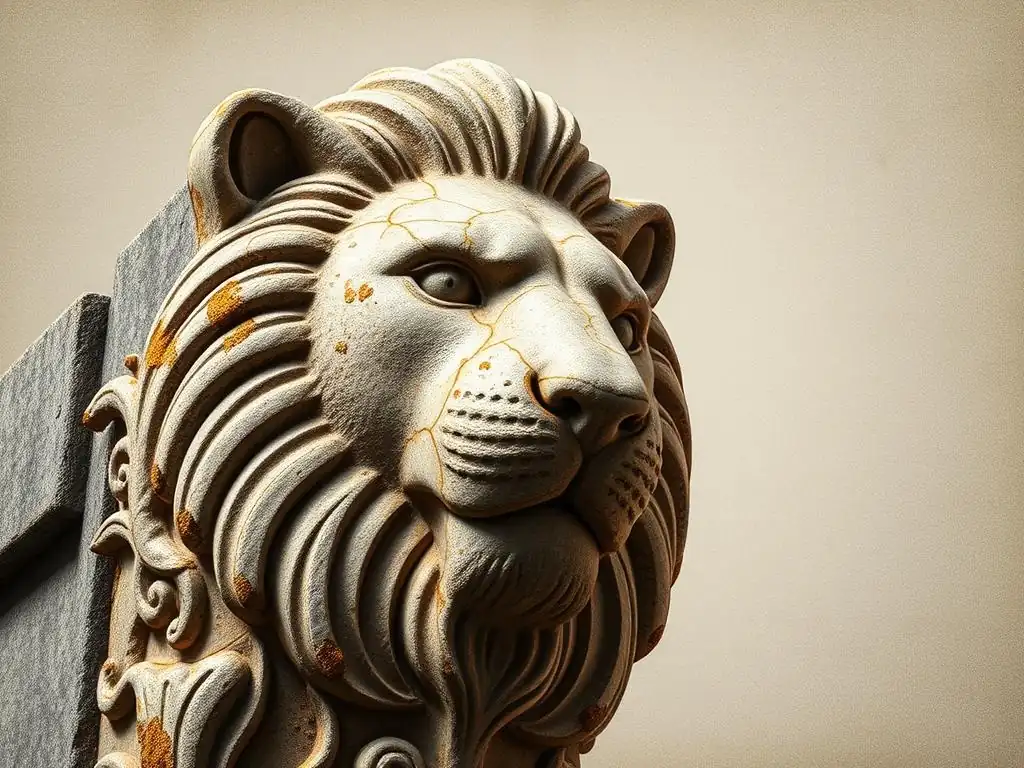
Turkish art historians have also contributed significantly to the interpretation of Hittite monumental sculpture, such as the impressive sphinxes and lions guarding city gates, and the elaborate rock reliefs at Yazılıkaya. Their analyses delve into the iconography, stylistic evolution, and cultural context of these artworks, showcasing the unique artistic identity of the Hittite Empire as revealed through Hittite capitals Turkish archaeology.
Challenges and Future Directions in Hittite Capital Research
Preservation Challenges Facing Hittite Capitals in Turkey
The preservation of Hittite capitals in Turkey presents significant challenges, demanding continuous attention and innovative solutions from archaeological teams and governmental bodies. Environmental factors pose a constant threat; exposure to sun, rain, and fluctuating temperatures leads to the erosion of mud-brick structures and the degradation of stone monuments. Climate change, with its potential for increased extreme weather events, exacerbates these issues. For example, the exposed architectural remains at Hattusa, particularly the unbaked mud-brick superstructures of walls and buildings, require regular maintenance and protective measures against natural elements.
Human impact also contributes to preservation concerns. While tourism is vital for site promotion and economic benefits, it can inadvertently cause wear and tear on fragile ancient structures. Urban expansion and agricultural activities in surrounding areas can encroach upon unexplored archaeological zones, threatening potential new discoveries. Resource limitations, including funding and trained personnel for conservation, also present ongoing hurdles. Addressing these challenges requires sustained investment, advanced conservation techniques, and effective site management plans to ensure the long-term survival of these invaluable Hittite capitals for future generations.
Ongoing Archaeological Projects and Future Research Avenues for Turkish Archaeologists
Turkish archaeologists are actively engaged in numerous ongoing projects at Hittite capitals and related sites, continuously pushing the boundaries of knowledge. At Hattusa, collaborative projects continue to focus on specific areas of the sprawling city, such as the residential quarters of the Lower City or further exploration of the administrative buildings on Büyükkale. New geophysical surveys are regularly conducted to identify unexplored areas that might yield significant finds, including potentially new archives or cultic installations. The systematic re-evaluation of previously excavated material, utilizing modern analytical techniques, is also a key research avenue.
Future research directions for Turkish archaeologists also include a greater emphasis on interdisciplinary studies. This involves integrating archaeological findings with palaeoenvironmental data to understand climate's impact on Hittite society, or combining material culture analysis with bioarchaeology to reconstruct population health and demographics.
The exploration of smaller, less-known Hittite sites that may have served as provincial centers or border fortresses is also a growing area of interest, promising to fill gaps in the understanding of the empire's territorial control and regional variations. These ongoing efforts ensure that Hittite capitals Turkish archaeology remains dynamic and at the forefront of Near Eastern studies.
The Importance of Collaboration in Hittite Studies: Turkish and International Partnerships
Collaboration is a cornerstone of modern archaeological research, and in Hittite studies, Turkish and international partnerships have proven exceptionally fruitful. The long-standing collaboration between the Turkish Ministry of Culture and Tourism, Turkish universities, and the German Archaeological Institute (DAI) at Hattusa is a prime example. This partnership has facilitated continuous excavation, conservation, and research at the site for over a century, combining diverse expertise and resources. Such collaborations enable larger-scale projects, the sharing of specialized knowledge (e.g., epigraphy, conservation science, remote sensing), and the training of a new generation of scholars.
Beyond Hattusa, Turkish archaeologists actively engage in joint projects with institutions from various countries, fostering a global network of Hittite scholars. These partnerships often lead to comparative studies across different regions of the Near East, enriching the understanding of Hittite interactions with neighboring civilizations. The exchange of ideas, methodologies, and data through international conferences, joint publications, and collaborative fieldwork strengthens the overall field of Hittite studies. This spirit of cooperation is vital for addressing complex research questions, ensuring the comprehensive study and effective preservation of Hittite capitals, and highlighting the global significance of Turkish archaeological contributions.
Conclusion: The Enduring Legacy of Turkish Contributions to Hittite Capital Studies
Summarizing Key Achievements in Hittite Archaeology by Turkish Researchers
The contributions of Turkish archaeologists to the study of Hittite capitals have been profound and multifaceted, establishing an enduring legacy in the field of ancient Near Eastern archaeology. From the foundational work in the early 20th century to the sophisticated interdisciplinary research of today, Turkish scholars and institutions have systematically uncovered, analyzed, and preserved the rich heritage of the Hittite Empire.
Their efforts have been instrumental in meticulously unearthing key sites like Hattusa, revealing its monumental architecture, intricate urban planning, and invaluable cuneiform archives. This has provided unparalleled insights into Hittite history, law, religion, and daily life, fundamentally shaping global understanding of this powerful Bronze Age civilization.
Beyond Hattusa, Turkish archaeological research has expanded to identify and investigate numerous other significant Hittite capitals and regional centers, clarifying their diverse functions and contributing to a comprehensive understanding of the empire's administrative structure. The adoption of cutting-edge technologies, the refinement of dating methods, and dedicated conservation efforts further underscore the commitment and scientific rigor of Turkish archaeology. Through their meticulous fieldwork, scholarly publications, and commitment to heritage preservation, Turkish researchers have ensured that the Hittite capitals remain vibrant sources of knowledge, continually yielding new discoveries and interpretations.
The Future of Hittite Studies: A Turkish Perspective
From a Turkish perspective, the future of Hittite studies is vibrant and full of promise, building upon a strong foundation of past achievements and embracing new opportunities. Ongoing excavations at both major and lesser-known Hittite capitals are expected to continue yielding new textual and material evidence, filling existing gaps in our knowledge.
There is a growing emphasis on interdisciplinary approaches, integrating archaeology with environmental sciences, bioarchaeology, and digital humanities to reconstruct a more holistic picture of Hittite society and its interactions with its natural surroundings. The use of advanced computational models for urban planning and social network analysis is also an emerging area.
Furthermore, Turkish archaeological institutions are committed to strengthening international collaborations, fostering a global network of scholars dedicated to Hittite studies. This includes joint research projects, shared expertise in conservation and site management, and the mutual exchange of students and researchers. The aim is not only to uncover more about these ancient cities but also to ensure their long-term preservation and accessibility for both scholarly inquiry and public engagement. The continuous dedication of Turkish archaeological research to the Hittite capitals will undoubtedly lead to further groundbreaking discoveries, enriching our collective understanding of one of ancient Anatolia's most significant civilizations.
Frequently Asked Questions
What were the primary Hittite capitals, and how has Turkish archaeology contributed to our understanding of them?
The main Hittite capitals were Hattusa and Sapinuwa. Turkish archaeologists have been instrumental in excavating and studying these sites, providing crucial insights into their urban planning and political significance.
How have Turkish archaeologists used modern excavation techniques to uncover information about Hittite capitals?
Turkish archaeologists utilize techniques like remote sensing, GIS analysis, and advanced artifact dating to gain a deeper understanding. These methods reveal details about Hittite daily life and state administration not previously accessible.
What specific types of artifacts discovered by Turkish archaeologists have been most informative about Hittite culture in its capitals?
Cuneiform tablets, royal seals, and pottery fragments are particularly significant. These artifacts provide information about Hittite law, diplomacy, and religious practices, offering a window into their world.
How does the work of Turkish archaeologists help connect Hittite history to the broader context of Turkish archaeology?
Their work clarifies the continuity and change between Hittite civilization and later cultures in Anatolia. This helps showcase the long and rich archaeological history of Turkey and how the Hittites contributed to it.
In what ways does ArchaeologyHub.org support and disseminate the findings of Turkish archaeologists working on Hittite capitals?
ArchaeologyHub.org provides a platform to publish research findings, create detailed artifact profiles, and offer interpretive analyses. This allows a global audience to access and understand the contributions of Turkish archaeologists to Hittite studies.
Final Reflection: Unearthing the Hittite Legacy
The exploration of Hittite capitals, as illuminated by Turkish archaeologists, is not merely an academic pursuit; it's a vital connection to our shared human story. The painstaking work of excavation, analysis, and interpretation detailed in this article reveals not just the physical remnants of a powerful empire, but also the cultural, social, and political complexities that shaped the ancient world and continue to resonate today. The dedication to preserving and understanding this heritage is a testament to the enduring power of the past.
This journey into the heart of Hittite civilization has profoundly shaped our understanding of Anatolian history and its influence on the broader Mediterranean world. The unwavering commitment of Turkish archaeologists to uncovering and interpreting these sites is crucial for preserving this invaluable cultural heritage for future generations. Their work allows us to connect with the lives of those who came before us, fostering a deeper appreciation for the richness and diversity of human experience. Archaeology is the only discipline that can tell us about 99% of human history.
- Michael Shanks. This quote perfectly encapsulates the importance of the work being done, highlighting the vastness of history that would remain unknown without the dedication of archaeologists.
As we conclude this exploration of the Hittite capitals through the lens of Turkish archaeology, I invite you to consider the profound impact of preserving our past. What stories lie buried beneath the surface, waiting to be unearthed? How can we, as individuals, contribute to the ongoing effort of understanding and protecting our shared human heritage? Let us embrace the spirit of discovery and dedication exemplified by these archaeologists, and strive to ensure that the legacy of the Hittites, and all ancient civilizations, continues to inspire and enlighten us for generations to come.
Unearth Your Own Hittite Adventure!
Thank you for exploring the fascinating world of Hittite capitals with us. We hope you’ve gained a new appreciation for the dedication of Turkish archaeologists in uncovering this rich history. Now, it’s time to take your engagement a step further!
- Visit a local museum with a Hittite exhibit to see artifacts firsthand and connect with the past.
- Dive deeper! Research a specific Hittite king or queen who intrigued you. Share your findings with a friend or on social media.
- Challenge: Can you identify three ways modern Turkish archaeology builds on the work of earlier excavators of Hittite sites?