
The Role of the Tokoyrikoq: Imperial Inspectors and Enforcers in Maintaining Andean Integration

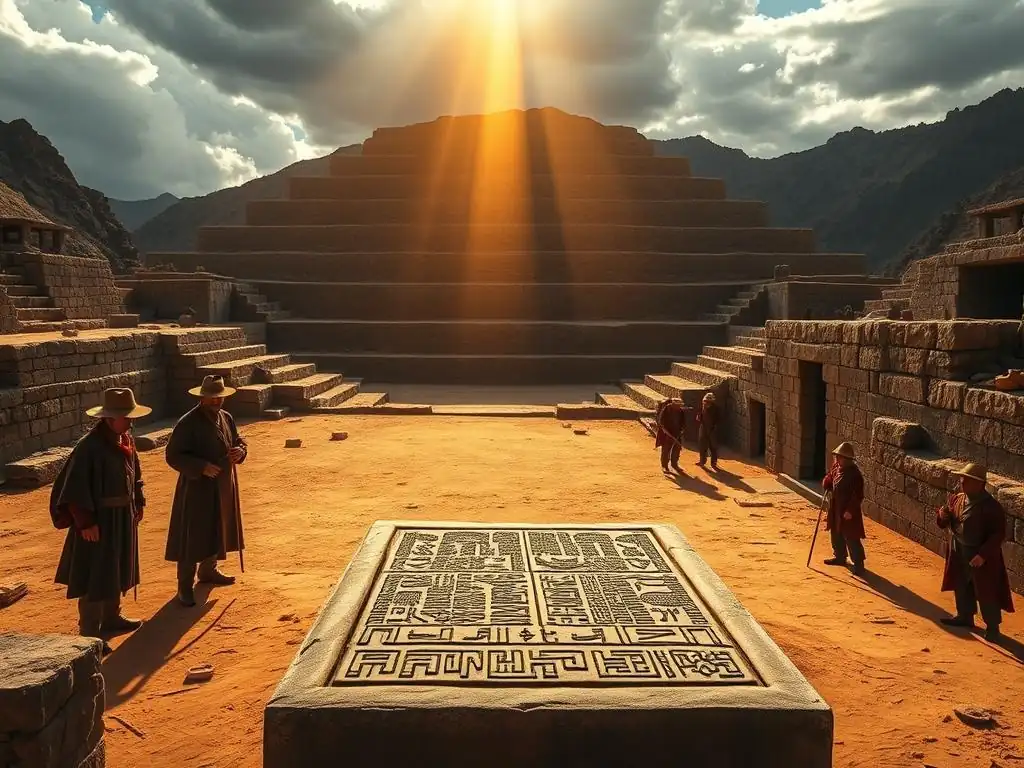
Welcome to ArchaeologyHub.org, your portal to unlocking the secrets of the past!
Delve into the intricate workings of ancient societies and uncover the fascinating details that shaped our world. Ever wondered how empires maintained control and enforced their will across vast distances? Our latest exploration focuses on just that, examining the crucial role of the Tokoyrikoq – imperial inspectors and enforcers – in sustaining the intricate tapestry of Andean integration. Prepare to journey through time and discover how these figures influenced the rise and fall of civilizations. What powers did they wield, and what impact did they have on the lives of everyday people? Read on to uncover the answers!
- Introduction: Understanding the Tokoyrikoq in the Inca Empire
- Defining the Tokoyrikoq: Imperial Eyes and Ears
- The Multifaceted Roles of Tokoyrikoq Imperial Inspectors
- The Tokoyrikoq and Infrastructure Projects: Overseeing Construction and Maintenance
- Methods and Powers of the Tokoyrikoq: Investigation and Enforcement
- Case Studies: Examples of Tokoyrikoq Intervention in Andean Regions
- The Impact of Tokoyrikoq on Andean Integration and Social Control
- Archaeological Evidence of Tokoyrikoq Activity
- The Legacy of the Tokoyrikoq: Lessons for Understanding Inca Governance
- Conclusion: The Indispensable Role of Tokoyrikoq Imperial Inspector Roles
-
Frequently Asked Questions
- What was the primary role of the Tokoyrikoq in the Inca Empire?
- How did the Tokoyrikoq contribute to the integration of conquered regions into the Inca Empire?
- What specific powers or responsibilities did a Tokoyrikoq possess?
- How did the Tokoyrikoq system help the Inca central authority with resource management?
- How did the Tokoyrikoq maintain the Sapa Inca's authority?
- Final Reflection: Echoes of Andean Governance
- Unearth Your Andean Explorer Spirit!
Introduction: Understanding the Tokoyrikoq in the Inca Empire
The Significance of Imperial Inspectors in Tawantinsuyu
The Inca Empire, known as Tawantinsuyu, stretched over 4,000 kilometers along the spine of the Andes, encompassing diverse ecological zones and numerous distinct ethnic groups. Governing such an immense and varied territory, which by the early 16th century commanded an estimated population of 10 to 12 million people, presented an unprecedented administrative challenge.
To maintain centralized control, ensure loyalty, and standardize practices across this vast dominion, the Inca developed a sophisticated bureaucratic apparatus. Central to this system were the Tokoyrikoq, highly trusted imperial inspectors whose ubiquitous presence and broad authority were instrumental in upholding the Sapa Inca's will and preventing the fragmentation inherent in a rapidly expanding empire.
Without the diligent oversight provided by the Tokoyrikoq, the Inca state's ability to collect tribute, mobilize labor, and suppress dissent across its four major suyu (regions) would have been severely compromised. Their role transcended mere auditing; they were the direct conduits of imperial power, ensuring that local kurakas (chiefs) and provincial administrators adhered strictly to Inca law and policy. This robust inspection system was a cornerstone of Tawantinsuyu's remarkable stability and its capacity to integrate conquered territories into a cohesive imperial fabric, a feat rarely matched by other pre-industrial empires.
Contextualizing Andean Integration and the Tokoyrikoq's Function
Andean integration, in the context of the Inca Empire, was a complex process that extended far beyond military conquest. It involved the strategic assimilation of diverse cultural, economic, and social systems into a unified imperial structure. This was achieved through various mechanisms, including the imposition of Quechua as the official language, the relocation of populations ( mitmaqkuna), the standardization of infrastructure like the Qhapaq Ñan (Inca Road System), and the enforcement of the mit'a labor tax. The Tokoyrikoq played a critical, active role in this intricate process.
These imperial inspectors functioned as the eyes and ears of the Sapa Inca, ensuring that the policies designed to integrate newly acquired territories were effectively implemented. For instance, they would verify that state-mandated agricultural quotas for maize or potatoes were met in the fertile valleys of the Urubamba, or that textile production targets were achieved in the highlands.
By enforcing imperial policies, standardizing tribute collection, and ensuring the smooth flow of goods and labor, the Tokoyrikoq actively facilitated the economic and social cohesion of Tawantinsuyu, bridging the inherent differences between hundreds of diverse ethnic groups under the singular authority of the Inca state. Their presence served as a constant reminder of imperial authority, fostering a sense of unity, however enforced, across the Andean landscape.
Defining the Tokoyrikoq: Imperial Eyes and Ears
Etymology and Meaning of "Tokoyrikoq": The All-Seeing Eye
The term "Tokoyrikoq" derives from the Quechua language, the lingua franca of the Inca Empire. It is composed of two primary elements: tokoy, meaning "all" or "everything," and rikuq, which translates to "one who sees" or "the one who watches." Thus, "Tokoyrikoq" literally means "the one who sees all" or "the all-seeing one." This evocative name perfectly encapsulates the pervasive nature of their authority and their mandate to observe every aspect of provincial life and administration.
The symbolic power of this nomenclature was immense, reflecting the Sapa Inca's ambition for omnipotence and direct reach into every corner of his vast dominion. It projected an image of an ever-vigilant state, where no transgression or inefficiency could escape detection. The Tokoyrikoq, by embodying this "all-seeing eye," served as a direct extension of the Sapa Inca's personal authority, ensuring that imperial decrees were not merely proclaimed but rigorously enforced, thereby solidifying the foundation of Inca governance and emphasizing the critical Tokoyrikoq imperial inspector roles in maintaining order.
Distinguishing Tokoyrikoq from Other Inca Officials
While the Inca bureaucracy was complex and multi-layered, the Tokoyrikoq held a unique and distinct position compared to other officials such as kurakas (local ethnic lords), apus (provincial governors), or quipu kamayuqs (keepers of knot records). Unlike these officials, who were typically fixed in a specific administrative hierarchy or geographic location, the Tokoyrikoq were itinerant and independent agents. They did not belong to the regular administrative structure of a province, allowing them to operate without local biases or allegiances.
Their independence was crucial; they often reported directly to the Sapa Inca or the imperial council in Cusco, bypassing intermediate levels of authority. This direct line of communication ensured that vital information about provincial affairs, potential insurrections, or administrative malfeasance reached the highest echelons of power swiftly and unfiltered. Moreover, their assignments were typically temporary and task-specific, focusing on investigations, conflict resolution, or oversight of major projects, distinguishing their transient, oversight-focused Tokoyrikoq imperial inspector roles from the more permanent, day-to-day administrative duties of other imperial functionaries.
The Multifaceted Roles of Tokoyrikoq Imperial Inspectors
Monitoring Provincial Administration: Ensuring Compliance
One of the primary responsibilities of the Tokoyrikoq was to rigorously monitor the administration of Inca provinces and ensure that local kurakas and apus were fully compliant with imperial directives. This involved comprehensive audits of local governance, from the collection of tribute to the proper management of state resources.
They would meticulously check tribute quotas, verifying that the expected amounts of goods such as maize, potatoes, cotton, or textiles were collected and stored in the vast state qollqas (storehouses). For instance, a Tokoyrikoq might arrive in the fertile Cochabamba Valley, a major state agricultural hub, to inspect the qollqas and ascertain whether the projected 60,000 fanegas (approximately 3,000 metric tons) of maize for the year were properly accounted for and not diverted by local officials.
Beyond material quotas, the Tokoyrikoq assessed the general adherence to Inca law and administrative protocols. They would investigate complaints of corruption, mismanagement, or neglect of duties by provincial leaders. Their presence served as a powerful deterrent, compelling local authorities to maintain high standards of efficiency and loyalty, knowing that an imperial eye could descend upon them at any moment. This constant oversight was vital in maintaining the integrity of the Inca administrative system across thousands of kilometers.
The Tokoyrikoq were not merely auditors; they possessed significant judicial authority, acting as direct enforcers of Inca law and customs throughout the empire. They were empowered to resolve disputes, investigate crimes, and impose punishments for transgressions ranging from theft and insubordination to more severe offenses like rebellion or improper religious practices. Their arrival in a region often signaled a period of intense scrutiny, during which they would hear petitions, gather evidence, and make rulings that carried the full weight of imperial authority.
For example, a Tokoyrikoq might be dispatched to the remote Lake Titicaca region to investigate reports of an ayllu (kin group) failing to participate in their assigned mit'a labor obligations for state lands, or engaging in forbidden rituals that challenged the state cult of Inti (the Sun God). Following an investigation, the Tokoyrikoq would pronounce judgment, which could range from imposing a collective punishment of additional labor service, such as constructing a new segment of road, to the re-education of community leaders, or even the relocation of the offending ayllu to a distant region if the transgression was severe enough to threaten imperial stability.
This direct judicial power underscored their crucial Tokoyrikoq imperial inspector roles in maintaining social order and ideological conformity.
Supervising Resource Extraction and Distribution: Maintaining Economic Control
The Inca economy was centrally planned, relying heavily on the efficient extraction and distribution of resources, much of which was managed through the state's control over labor and strategic assets. The Tokoyrikoq were instrumental in supervising these critical economic activities, ensuring that imperial needs were met and that resources flowed smoothly to Cusco and other administrative centers. This included oversight of crucial sectors such as mining, agriculture on state lands, and specialized craft production.
For instance, they would frequently inspect the rich silver mines of Porco (in modern-day Bolivia) or the gold mines on the eastern slopes of the Andes, verifying that the mit'a laborers were productive and that the extracted minerals, vital for imperial regalia and offerings, met state quotas. They might also oversee state-run textile workshops, ensuring that the production of high-quality qumpi (fine cloth) woven from vicuña wool, perhaps an annual target of 10,000 units from a specific weaving center in the highlands, adhered to imperial standards and was dispatched according to schedule.
By meticulously monitoring these economic arteries, the Tokoyrikoq ensured the continued prosperity and logistical capacity of the Inca state, demonstrating their indispensable Tokoyrikoq imperial inspector roles in economic governance.
The Tokoyrikoq and Infrastructure Projects: Overseeing Construction and Maintenance
Ensuring Quality and Efficiency in Imperial Works
The Inca Empire was renowned for its monumental infrastructure, including the vast Qhapaq Ñan (Inca Road System), sophisticated irrigation canals, and impressive administrative centers. The construction and maintenance of these vital works were often overseen by Tokoyrikoq, who ensured that projects adhered to rigorous imperial standards of quality and efficiency. They acted as quality control agents, inspecting engineering standards, material quality, and the progress of construction.
For example, a Tokoyrikoq might be assigned to a new segment of the Qhapaq Ñan near Cajamarca, tasked with verifying that the 4-meter wide roadway was properly paved with local stone, that drainage systems were effectively installed to prevent erosion, and that bridges were structurally sound. Their inspection could lead to directives for immediate repairs or re-construction if standards were not met, such as ordering a 50-meter section of road damaged by recent rains to be resurfaced with higher-grade aggregate by the local mit'a contingent.
This meticulous oversight ensured the longevity and functionality of the infrastructure that bound the empire together, reflecting the critical Tokoyrikoq imperial inspector roles in public works.
The Role of Tokoyrikoq in the Mit'a Labor System
The mit'a was the cornerstone of the Inca economy, a system of rotational labor service that mobilized vast numbers of commoners for public works, agriculture on state lands, and military service. The Tokoyrikoq played a crucial role in overseeing the implementation and fairness of this system, preventing abuses by local officials and ensuring that assigned tasks were completed. They would verify that each ayllu contributed its assigned quota of laborers and that these laborers were properly provisioned by the state.
Consider the example of agricultural terraces in the Sacred Valley, which required continuous labor for planting, cultivation, and harvesting. A Tokoyrikoq might audit the mit'a draft for these terraces, ensuring that each ayllu contributed its allotted 10% of adult males for their three-month annual service and that state storehouses provided adequate food and tools.
If a kuraka was found to be exploiting laborers or diverting provisions, the Tokoyrikoq had the authority to intervene, re-establish equitable practices, and even impose sanctions, thereby safeguarding the integrity and sustainability of the mit'a system, which was fundamental to the empire's economic output and the very definition of Tokoyrikoq imperial inspector roles.
Methods and Powers of the Tokoyrikoq: Investigation and Enforcement
Investigative Techniques: Gathering Information and Evidence
The Tokoyrikoq employed a range of sophisticated investigative techniques to gather information and evidence during their missions. Upon arriving in a province, they would typically begin by conducting extensive interviews with local kurakas, ayllu elders, commoners, and even mitmaqkuna (resettled populations). They would listen to petitions, complaints, and testimonies, often cross-referencing verbal accounts to identify discrepancies or patterns. While not quipu kamayuqs themselves, they would frequently examine quipus (knotted string records) to verify tribute payments, labor assignments, and census data, requesting the local quipu kamayuqs to interpret the complex numerical and mnemonic devices.
Furthermore, they would conduct physical inspections of state storehouses ( qollqas), agricultural fields, mines, and infrastructure projects, meticulously comparing actual conditions with reported figures and imperial standards. For instance, a Tokoyrikoq investigating a suspected shortfall in textile tribute might spend weeks in a remote weaving community, interviewing weavers, inspecting looms, and cross-referencing quipu records with the physical inventory of finished goods to uncover any embezzlement or inefficiency. Their ability to move freely and access all levels of society was paramount to their effectiveness in uncovering malfeasance.
The powers of the Tokoyrikoq extended significantly into the judicial sphere. They were authorized to act as direct representatives of the Sapa Inca's justice, empowered to resolve disputes and impose sentences on offenders. Their rulings were generally considered final at the provincial level, though severe cases might be referred to Cusco for ultimate judgment. The range of punishments they could mete out was broad, from public reprimands and fines to forced labor, exile, or even execution for capital crimes like rebellion or high treason.
Consider a situation where a Tokoyrikoq was dispatched to resolve a protracted land dispute between two neighboring ayllus in the highlands, a common source of conflict. After hearing arguments from both sides, examining historical claims, and consulting with local amautas (wise men), the Tokoyrikoq could rule definitively on the ownership or usage rights of a disputed 5-hectare plot of agricultural land, referencing imperial decrees or established land tenure principles.
In cases of official misconduct, such as a kuraka found guilty of embezzling a significant portion of the mit'a tribute (e.g., diverting 20% of the annual maize harvest), the Tokoyrikoq could sentence the offender to a period of forced labor on imperial estates, strip them of their privileges, or even order their execution, demonstrating the formidable reach of Tokoyrikoq imperial inspector roles.
The Limits of Tokoyrikoq Power: Checks and Balances within the Inca System
While undeniably powerful, the authority of the Tokoyrikoq was not absolute and operated within a system of checks and balances designed to prevent arbitrary rule. Their power was entirely derived from the Sapa Inca, to whom they ultimately reported. This meant their legitimacy and effectiveness were contingent upon imperial sanction, and any abuse of their authority could lead to their own downfall. They were themselves subject to oversight, potentially by other high-ranking imperial officials or even through direct petitions to the Sapa Inca if their conduct was deemed unjust.
Moreover, the Tokoyrikoq were generally dispatched for specific missions rather than holding permanent administrative posts, which limited their ability to establish personal power bases in the provinces. Their transient nature ensured that their focus remained on upholding imperial law rather than fostering local allegiances. This structured limitation, coupled with the overarching authority of the Sapa Inca, prevented the Tokoyrikoq from becoming despotic figures, ensuring that their formidable Tokoyrikoq imperial inspector roles served the empire's interests rather than personal ambition.
Case Studies: Examples of Tokoyrikoq Intervention in Andean Regions

Tokoyrikoq Intervention in the Chinchaysuyu Region
The Chinchaysuyu region, stretching north along the coast and highlands, was a vast and economically vital part of the Inca Empire. A plausible scenario for Tokoyrikoq intervention here might involve safeguarding trade and tribute. For example, a Tokoyrikoq could have been dispatched to the coastal Chincha Valley, renowned for its maritime trade and cotton production, following reports that local kurakas were diverting significant portions of their annual tribute of dried fish and cotton textiles, or engaging in unauthorized trade with non-Inca groups to the north.
The Tokoyrikoq would investigate accusations that a specific kuraka had failed to deliver perhaps 2,000 units of cotton cloth or 500 kilograms of dried fish, which were crucial for imperial redistribution. Through interviews with merchants, quipu kamayuqs, and commoners, and by inspecting local qollqas, the inspector would verify the claims. If proven, the Tokoyrikoq would not only compel the kuraka to fulfill the outstanding tribute but also re-establish strict imperial trade regulations, ensuring that all commercial activities benefited the state and that the flow of vital goods was secured, thus reinforcing the Tokoyrikoq imperial inspector roles in economic oversight.
Tokoyrikoq Resolution of a Dispute over Coca Production in the Yungas
The Yungas, the humid eastern slopes of the Andes, were critically important for the cultivation of coca, a sacred plant with significant ritual, medicinal, and labor-sustaining uses within the Inca Empire. Disputes over prime coca-growing land were not uncommon. Imagine a Tokoyrikoq sent to mediate a dispute between two ayllus in the Chapare region (modern-day Bolivia), both claiming exclusive rights to a particularly fertile 2-hectare plot of coca fields. The dispute might have escalated, threatening the stable annual production of coca leaves, which was vital for state-sponsored rituals and as a stimulant for mit'a laborers.
The Tokoyrikoq would delve into the historical claims of each ayllu, consulting oral traditions, local land tenure customs, and perhaps quipu records related to past production quotas. Their resolution would prioritize the imperial interest in continuous coca supply. The Tokoyrikoq might decide to reallocate specific plots, perhaps assigning 1 hectare to each ayllu with clear boundaries, or even declare the land as state property to be worked by both ayllus under direct imperial supervision, ensuring that the critical coca leaf output was maintained and conflicts were resolved in a manner that strengthened imperial control over valuable resources.
Tokoyrikoq Oversight of Road Construction in the Collasuyu Region
The Collasuyu region, encompassing the vast Altiplano to the south, was characterized by its challenging terrain and the presence of powerful Aymara-speaking groups. Infrastructure projects, particularly segments of the Qhapaq Ñan, were essential for military movements and the flow of goods. A Tokoyrikoq might be tasked with overseeing the construction of a new, challenging 30-kilometer segment of the Qhapaq Ñan connecting Arequipa to the Titicaca basin, a route crucial for transporting resources like copper and alpaca wool.
The inspector's role would involve ensuring that the 15,000 mit'a laborers from surrounding provinces were efficiently organized, that sufficient stone and other materials were quarried and transported, and that the road adhered to the imperial standard of a 5-meter width for primary routes. The Tokoyrikoq would conduct regular inspections, verifying the quality of the paving, the stability of retaining walls in mountainous sections, and the timely progress of the construction. Any delays or deviations from imperial blueprints would result in immediate corrective action, reinforcing the indispensable Tokoyrikoq imperial inspector roles in maintaining the empire's logistical backbone.
The consistent and pervasive presence of the Tokoyrikoq throughout Tawantinsuyu was instrumental in strengthening the centralized authority of the Sapa Inca. Their very existence projected an image of an omniscient state, where the Sapa Inca's "all-seeing eye" could reach even the most remote corners of the empire. This psychological impact alone significantly reduced the opportunities for regional autonomy or outright defiance among local kurakas and provincial administrators. Knowing that an imperial inspector, with direct access to the Sapa Inca, could appear unannounced to audit their performance fostered a culture of compliance.
By identifying and rectifying administrative inefficiencies, corruption, or nascent rebellions, the Tokoyrikoq ensured that the imperial apparatus functioned as a cohesive unit. For example, if a kuraka in the Antisuyu region began to accumulate excessive wealth or neglect mit'a obligations, the Tokoyrikoq would intervene, reasserting Cusco's direct control and reinforcing the hierarchy. This constant, vigilant oversight effectively minimized the centrifugal forces that often plagued large empires, cementing the Sapa Inca's power and ensuring the stability of the Inca state.
Promoting Cultural Homogenization and Inca Ideology
Beyond administrative and economic oversight, the Tokoyrikoq also played a crucial role in promoting cultural homogenization and enforcing Inca ideology across the diverse conquered territories. They were agents of cultural conformity, ensuring that newly incorporated populations adopted key aspects of Inca worldview, religion, and social norms. This involved suppressing practices deemed contrary to Inca ideology and encouraging the adoption of state-sanctioned beliefs and customs.
For instance, the Tokoyrikoq would monitor the establishment and maintenance of aqllakuna (chosen women) institutions in newly conquered areas, ensuring they adhered to imperial directives regarding textile production for the state and ritual service. They would also ensure that the worship of Inti (the Sun God) and other imperial deities took precedence over local cults, sometimes confiscating or destroying local idols if they were seen as a threat to imperial religious authority.
Through these interventions, the Tokoyrikoq actively facilitated the spread of Inca cultural values, contributing to a more unified imperial identity and solidifying their Tokoyrikoq imperial inspector roles as cultural enforcers.
Ultimately, the Tokoyrikoq served as powerful agents of social control and conformity within the Inca Empire. Their investigative powers and judicial authority meant they were the primary mechanism through which the state maintained order and prevented dissent at the local level. The constant threat of an unannounced inspection encouraged individuals and communities to adhere to laws, fulfill obligations, and avoid actions that might be perceived as subversive.
Their interventions, whether resolving land disputes, punishing thieves, or ensuring the fair allocation of labor, contributed to a sense of justice (from the imperial perspective) and predictability within the system. While their methods could be harsh, their presence arguably reduced widespread unrest by addressing localized grievances before they escalated into larger rebellions. By enforcing a consistent legal and administrative framework, the Tokoyrikoq helped to create a society where conformity to imperial norms was rewarded, and deviance was swiftly addressed, contributing significantly to the overall stability and longevity of Tawantinsuyu.
Archaeological Evidence of Tokoyrikoq Activity
Identifying Material Culture Associated with Tokoyrikoq Presence
Direct archaeological evidence specifically attributable to the individual Tokoyrikoq is inherently challenging to identify, given their itinerant nature and lack of a distinct material culture. Unlike a fixed administrative center, a Tokoyrikoq would not leave behind specific architectural features or a unique artifact assemblage.
However, their presence and the system they enforced can be inferred through the widespread discovery of standardized Inca imperial material culture across the empire. This includes the ubiquitous presence of Inca-style pottery, such as the distinctive aryballos (a type of jar used for liquids, particularly maize beer), which is found in state storehouses and administrative centers from Ecuador to Chile.
The uniformity of these artifacts, often produced in state workshops and distributed through the imperial network, suggests a rigid system of production, distribution, and oversight – precisely the domain of the Tokoyrikoq. While we may not find a "Tokoyrikoq's badge," the very existence of a standardized imperial material culture in conquered territories is an indirect testament to the effectiveness of officials like the Tokoyrikoq in enforcing imperial norms and economic directives.
Analyzing Archaeological Sites for Evidence of Imperial Control
Archaeological sites across the former Inca Empire offer compelling evidence of the centralized control that the Tokoyrikoq helped to maintain. The most striking examples are the numerous state administrative centers and qollqa (storehouse) complexes found in strategic locations. Sites like Huánuco Pampa, a major Inca administrative center in the central highlands, exemplify highly standardized planning, including a central plaza, residential compounds for Inca officials, and hundreds of uniform qollqas designed to store vast quantities of tribute.
At sites such as Cotapachi in the Cochabamba Valley, archaeologists have uncovered an astounding complex of over 2,000 circular qollqas, estimated to have the capacity to store 50,000 cubic meters of maize. The very existence and uniform design of such massive storage facilities, strategically located along the Qhapaq Ñan, imply a rigorous system of accounting, collection, and inspection that would have been overseen by imperial officials, including the Tokoyrikoq.
These sites are not just places of storage; they are monuments to the centralized planning and meticulous oversight that defined the Inca state, demonstrating the tangible impact of Tokoyrikoq imperial inspector roles.
Interpreting Artifacts and Structures in Relation to Tokoyrikoq Functions
The interpretation of various artifacts and structures found at Inca sites often provides indirect insights into the functions of officials like the Tokoyrikoq. For example, the extensive network of the Qhapaq Ñan, spanning over 40,000 kilometers, with its standardized width, rest stops ( tambos), and bridges, reflects an immense organizational effort and continuous maintenance, which would have been subject to the quality control and oversight of imperial inspectors. The presence of these highly engineered roads in diverse and challenging terrains speaks to the rigorous enforcement of construction standards facilitated by the Tokoyrikoq.
Furthermore, the widespread discovery of quipus or fragments of quipus in administrative contexts, such as tambos or provincial centers, underscores the meticulous record-keeping that underpinned the Inca administration. While Tokoyrikoq did not necessarily create or read quipus themselves, their investigations would have relied heavily on these records to audit tribute, labor, and demographic data. The very existence of such a precise accounting system, maintained across a vast empire, implies the presence of a robust inspection mechanism to verify its accuracy and prevent fraud, a key aspect of the Tokoyrikoq imperial inspector roles.
The Legacy of the Tokoyrikoq: Lessons for Understanding Inca Governance
The Tokoyrikoq's Role in the Success and Stability of Tawantinsuyu
The Tokoyrikoq were undoubtedly one of the most critical, yet often overlooked, elements in the remarkable success and stability of the Inca Empire. Their ability to act as the direct eyes and ears of the Sapa Inca, enforcing laws, auditing administration, and resolving disputes across vast distances, was indispensable. They provided the necessary feedback loop for the central government, allowing Cusco to maintain a firm grip on its diverse provinces, adapt policies, and swiftly address any challenges to imperial authority.
Without these dedicated imperial inspectors, the Inca state's ambitious projects – from the monumental Qhapaq Ñan to the extensive agricultural terracing and the efficient mit'a labor system – would have been far more prone to corruption, inefficiency, and local resistance. The Tokoyrikoq ensured that imperial directives were not merely theoretical pronouncements but practical realities implemented on the ground, thereby bolstering the empire's cohesion and contributing significantly to its longevity and unprecedented scale in the pre-Columbian Americas.
Implications for Studying Imperial Systems and Statecraft
The study of the Tokoyrikoq offers profound implications for understanding imperial systems and statecraft more broadly. Their role highlights a universal challenge faced by all large, centralized states: how to effectively project authority and maintain control over distant provinces. Comparisons can be drawn to similar figures in other historical empires, such as the Roman procuratores, the Persian "King's Eyes and Ears," or the Chinese censors and imperial commissioners, all of whom served as vital links between the central authority and its periphery.
The Tokoyrikoq exemplify the sophisticated administrative innovations required to manage a vast empire without modern communication technologies. Their existence underscores the importance of a dedicated, independent oversight body to ensure compliance, combat corruption, and maintain the integrity of the state's policies. For students of ancient governance, understanding the Tokoyrikoq imperial inspector roles provides a nuanced perspective on the practical mechanisms of control, resource management, and social engineering employed by one of history's most impressive imperial powers.
The Importance of Studying the Tokoyrikoq for Andean History
For the field of Andean history, a focused study of the Tokoyrikoq is crucial for moving beyond a purely top-down understanding of Inca governance. While the Sapa Inca and the kurakas are well-documented, the Tokoyrikoq represent the vital intermediate layer that translated imperial will into provincial reality. Their activities reveal the practical application of Inca law, the challenges of integrating diverse populations, and the constant effort required to maintain a complex administrative machine.
Further research into the Tokoyrikoq, drawing upon re-interpretations of chronicler accounts and new archaeological discoveries, can illuminate the daily realities of imperial rule and the dynamic interplay between central authority and local customs. Understanding these Tokoyrikoq imperial inspector roles provides deeper insights into the mechanisms of social control, economic efficiency, and political stability that allowed Tawantinsuyu to flourish, offering a more complete and nuanced picture of Inca statecraft and its profound impact on the Andean world.
Conclusion: The Indispensable Role of Tokoyrikoq Imperial Inspector Roles
Reaffirming the Tokoyrikoq's Centrality to Andean Integration
In summation, the Tokoyrikoq were far more than mere bureaucrats; they were the indispensable agents of cohesion and control within the Inca Empire. Their multifaceted Tokoyrikoq imperial inspector roles encompassed auditing provincial administration, enforcing imperial law, supervising economic activities, and overseeing monumental infrastructure projects.
By acting as the direct "eyes and ears" of the Sapa Inca, they ensured that the vast and diverse Tawantinsuyu remained integrated, its resources flowed efficiently to the center, and its populace conformed to imperial norms. Their ubiquitous presence and broad authority were fundamental to translating the abstract power of the Sapa Inca into tangible control across thousands of kilometers of challenging Andean terrain, making them central to the empire's unprecedented success in integrating disparate peoples and landscapes.
Future Directions for Research on the Tokoyrikoq.
Despite their evident importance, the Tokoyrikoq remain a subject ripe for further scholarly inquiry. Future research could focus on more granular analysis of chronicler accounts, seeking subtle linguistic clues or anecdotal evidence that sheds further light on their specific missions and interactions with local populations. Archaeological investigations might increasingly look for indirect evidence of their presence in administrative centers and tambos, perhaps through specific types of official correspondence or unique architectural modifications linked to oversight functions.
Comparative studies with inspector roles in other pre-modern empires could also yield valuable insights, highlighting universal patterns of state control and the unique Andean adaptations. Finally, the application of digital humanities, such as mapping potential travel routes or areas of frequent intervention based on historical accounts, could provide new spatial perspectives on the reach and impact of these critical imperial figures.
Frequently Asked Questions
What was the primary role of the Tokoyrikoq in the Inca Empire?
The Tokoyrikoq served as imperial inspectors and enforcers of state policies, ensuring compliance and maintaining order across the vast Andean territories. They were essentially the Inca Empire's "eyes and ears."
How did the Tokoyrikoq contribute to the integration of conquered regions into the Inca Empire?
They played a crucial role by monitoring local governance, ensuring adherence to Inca laws and customs, and reporting any signs of dissent or resistance back to Cusco. This facilitated a smoother transition and integration.
What specific powers or responsibilities did a Tokoyrikoq possess?
Their powers were extensive, including the ability to conduct censuses, oversee resource allocation, resolve disputes, and even remove local leaders deemed disloyal or incompetent.
By monitoring agricultural output, assessing tribute collection, and overseeing the distribution of goods, the Tokoyrikoq ensured the efficient flow of resources to support the Inca state and its population.
They were directly accountable to the Sapa Inca, acting as his representatives in the provinces. Their presence and authority instilled fear and respect for the central government, thus reinforcing the Sapa Inca's power across the empire.
Final Reflection: Echoes of Andean Governance
The intricate network of power and control woven by the Inca Empire, as illuminated through the Tokoyrikoq imperial inspector roles, continues to resonate in our understanding of statecraft and societal integration. The meticulous oversight and enforcement strategies employed by these officials offer invaluable insights into the complexities of managing vast territories and diverse populations, a challenge that remains strikingly relevant in today's interconnected world. The legacy of the Tokoyrikoq serves as a potent reminder of the enduring human quest for order, justice, and effective governance.
The impact of the Tokoyrikoq extends beyond mere historical curiosity; it shapes our appreciation for the sophisticated administrative systems developed by pre-Columbian societies. Understanding their methods allows us to re-evaluate conventional narratives of empire and recognize the ingenuity inherent in indigenous governance. The strength of the Inca Empire lay not only in its military might but also in its ability to integrate conquered peoples into a cohesive whole, a feat largely attributable to the effectiveness of its administrative apparatus.
This quote encapsulates the enduring significance of the Tokoyrikoq in fostering unity and stability within the Andean world.
As we reflect on the Tokoyrikoq and their crucial role in maintaining Andean integration, let us consider the lessons they offer for our own time. How can we, like these imperial inspectors, strive for fairness, accountability, and effective communication in our own spheres of influence? Let us embrace the spirit of diligent oversight and proactive problem-solving, ensuring that our actions contribute to a more just and integrated world for all.
Unearth Your Andean Explorer Spirit!
Thank you for delving into the fascinating world of the Tokoyrikoq and their crucial role in maintaining Andean integration. We hope this exploration has shed light on the complexities of this ancient society. Now, it's your turn to connect with the past!
- Embark on a research journey: Identify and analyze a specific example of Tokoyrikoq influence on a regional Andean community based on existing archaeological records or historical texts.
- Share your insights: Discuss the challenges of interpreting the role of imperial inspectors and enforcers in ancient societies with your local historical society or archaeology club.
- Rediscover local history: Visit your local museum or historical society and examine any collections or exhibits related to indigenous cultures in your region, considering potential parallels or contrasts with the Andean experience.
What specific aspect of the Tokoyrikoq's influence sparks the most curiosity in you, and how might further archaeological discoveries deepen our understanding?